
Our readers keep the lights on and the weekend projects moving. As an Amazon Associate, I earn from qualifying purchases.
Specs are compiled from manufacturer listings and verified buyer reviews and can change over time — please confirm the key details on the product page before buying.
The best camera for social media videos must lock onto your face and keep footage stable through editing and posting. Phones often lose face lock, while budget camcorders produce shaky, low-quality clips. This guide compares pocket gimbals to full-frame cameras to match your specific content style.
I’m Rikta — the founder and writer behind FitlyFast. This guide is built by comparing the manufacturers’ published specifications and the patterns across verified customer reviews, so you get each pick’s real strengths and trade-offs instead of marketing spin.
The best camera for social media videos balances reliable eye-tracking autofocus, built-in stabilization, and 4K quality without overheating during a long shoot.
Our Picks at a Glance


How To Choose The Best Camera For Social Media Videos
Aim for steady, deliberate footage rather than shaky phone-like clips. Focus on three factors: autofocus reliability, stabilization, and recording endurance for full-day shoots.
Autofocus: The Real Make-or-Break
Eye-tracking autofocus keeps you sharp and in focus. It maintains focus on your eye even during movement like dancing or spinning. Without it, you’ll waste time rechecking and reshooting blurry clips.
Stabilization: Built-In or Gimbal
Some cameras fix shakiness with a motorized 3-axis gimbal built around the lens, ideal for run-and-gun clips. Others use in-body image stabilization (IBIS), which steadies the sensor itself and works well for handheld walk-and-talks without extra gear.
Recording Limits and Heat
Long vlogs or livestreams need a camera that does not overheat and shut down. Check for unlimited recording in the specs, and know that some compact cameras hit a time limit around 4K60 that phones never mention.
Quick Comparison
| Model | Best For | Sensor | Max Video | Stabilization | Amazon |
|---|---|---|---|---|---|
| Canon EOS R8★ Best Overall | Full-frame quality & low light | 24.2MP Full-Frame | 4K 60p | None (IBIS) | Amazon |
| Xtra MuseBudget Champion | Budget pocket gimbal | 1″ CMOS | 4K 120fps | 3-Axis Gimbal | Amazon |
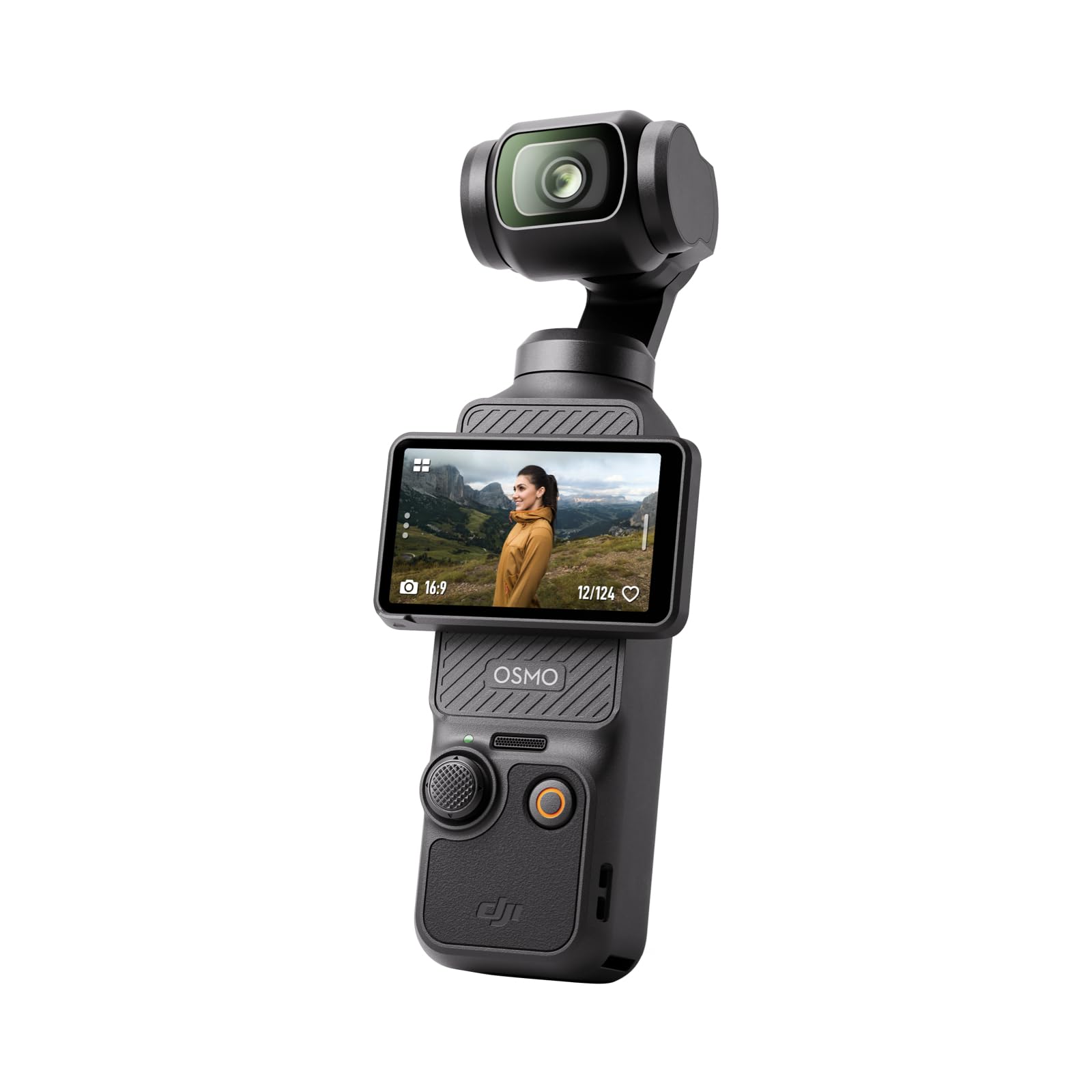
| DJI Osmo Pocket 3Creator Favorite | Pocket 4K + ActiveTrack | 1″ CMOS | 4K 120fps | 3-Axis Gimbal | Amazon |
| Nikon Z 30 | Streaming + selfie screen | APS-C (DX) | 4K 30p | None (IBIS) | Amazon |
| Sony ZV-E10 | Hybrid photo/video | 24.2MP APS-C | 4K 30p | None (IBIS) | Amazon |
| Insta360 Luna Ultra | 8K + telephoto zoom | 1″ + 1/1.3″ | 8K 30fps | 3-Axis Gimbal | Amazon |
| Panasonic LUMIX S9 | Full-frame travel vlogs | Full-Frame | 4K (Open Gate) | In-Body | Amazon |
| Sony a6700 | AI autofocus + 4K 120p | 26MP APS-C | 4K 120p | In-Body | Amazon |
| Canon EOS R7 | Sports & wildlife video | 32.5MP APS-C | 4K 60p | 5-Axis In-Body | Amazon |
| Panasonic S5II | Unlimited 4:2:2 10-bit | 24.2MP Full-Frame | 6K 30p Open Gate | Active I.S. | Amazon |
| Nikon Z6 III | Pro 6K RAW + EVF | Full-Frame | 6K/60p RAW | In-Body | Amazon |
In‑Depth Reviews
1. Canon EOS R8
Our pick — over 4.5★ from 450+ verified ratings; the strongest balance of quality and price.
The full-frame leap that makes your talking-head clips look like a broadcast studio without breaking your back.
If your social feed needs that creamy, background-melting look, the R8 gets you there with full-frame depth at a body weight that is easy to hold for an entire filming session. The 24.2-megapixel full-frame CMOS sensor paired with the DIGIC X processor is the same heart that powers Canon’s pricier models, so your low-light night shoots stay clean without pushing the ISO into noise territory. Owners call it “magic in your hands” for exactly that reason — dim rooms, city lights, and golden hour all come out with impressive dynamic range.
The autofocus is where this camera wins the social media battle. Dual Pixel CMOS AF II covers up to 100% x 100% of the frame with 1,053 AF zones and deep learning that picks up people, animals, vehicles, aircraft, trains, and even horses. You frame your shot, tap your face, and it holds focus with eye and face detection no matter how much you move around. Combined with uncropped 4K video at up to 60 fps that is oversampled from 6K, your clips stay sharp edge-to-edge when you crop for vertical posts.
The catches are real but manageable. There is no in-body image stabilization, so you will want a lens with IS or a gimbal for walking shots — and the battery is smaller than the bigger R6 series, so pack a spare for a full day of creating. The crowd favorite — 4.7 stars across 400+ ratings — points to reliability, with one buyer noting zero issues after two weeks of daily use. For a hybrid that handles both stills and video with pro-level color, this is the one that makes your content look intentional.
Why It Wins the Feed
- Full-frame 24.2MP sensor for that shallow depth-of-field look viewers love
- Dual Pixel AF II with 1,053 zones locks onto faces, eyes, and even horses
- Uncropped 4K 60p oversampled from 6K keeps details sharp when you crop to vertical
Know Before You Shoot
- No in-body stabilization — shaky walking shots need a steadied lens or gimbal
- Single SD card slot and a smaller battery than the R6 series
Reach for this if: you want full-frame depth and top-tier autofocus for talking-head and low-light social content.
Look elsewhere if: you need built-in stabilization for run-and-gun vlogs — that is the gimbal camera’s job.
2. Xtra Muse
A pocket-sized gimbal camera that makes your walk-and-talk clips look professionally steadied without a professional budget.
If your content is mostly you, moving, and talking, the Xtra Muse is the budget-friendly path to silky smooth footage. Its 1-inch CMOS sensor records 4K resolution at 120fps, and the built-in 3-axis gimbal stabilizer handles the shakiness that ruins phone clips when you walk, run, or hike while recording. Owners consistently call it a major upgrade from phone vlogging that “feels professional” the moment you review the footage.
The 2-inch touch screen flips between horizontal and vertical shooting, so you can frame a landscape b-roll shot and then switch for a vertical reel without any awkward rotation tricks. Face and object tracking keep you centered even when you mount it on a tripod and jump or spin — the Master Follow feature does the framing work for you. True 10-bit X-Log color modes deliver up to one billion colors for sunset shots and post-production grading.
The honest trade-off is reliability — some buyers report repeated SD card format errors and overheating during 4K60, even with high-speed cards. The battery is rated at 161 minutes, which is decent but worth a spare for long shoots. If you want the DJI Pocket 3 experience at a friendlier entry point, this is the value pick that most owners absolutely love.
What wins people over: the image quality rivals the DJI Osmo for a fraction of the cost, with the 3-axis gimbal drawing the loudest praise for turning handheld clips into steady, professional-looking footage.
The reliability catch: a few units hit SD card formatting errors and heat up during 4K60 recording, so test yours thoroughly before an irreplaceable shoot.
3. DJI Osmo Pocket 3
The pocket-sized powerhouse that slips into a bag and still delivers 4K 120fps with gimbal-smooth results.
The Osmo Pocket 3 is the camera that made the pocket gimbal category famous, and for good reason. The 1-inch CMOS sensor records 4K at an impressive 120fps, and the 3-axis mechanical stabilization is the benchmark that others get compared against. Owners rave about its “stunningly crisp” footage and how easily it slips into a pocket or small bag — one buyer’s daughter loves triggering the shutter from a phone so she can frame family sets exactly how she wants.
ActiveTrack 6.0 is the standout feature for solo creators. Set it on a tripod, start dancing or walking, and the camera keeps you centered in the frame no matter how you move. The rotating 2-inch touch screen covers both horizontal and vertical shooting, and D-Log M with 10-bit color gives you up to one billion colors for post-production grading. Audio is a cut above, with stereo recording and direct connection to two DJI Mic 2 transmitters for clean vlog sound without a separate recorder.
The one hurdle is setup — the camera requires app registration before the fifth use, and the DJI Mimo app is not on Google Play for all Android phones, which frustrates some owners. The battery hits 166 minutes per charge. If you want reliable pocket 4K without the full-frame bulk, this is the creator favorite for a reason: it just works, and the footage looks expensive.
The Case for It
- 3-axis gimbal stabilization that makes handheld walking footage look smooth
- ActiveTrack 6.0 keeps you centered even when you jump or spin
- Direct DJI Mic 2 connection for clean audio without extra gear
The Setup Hurdle
- App registration required before the fifth use, and the app is tricky on some Android phones
- Battery drains noticeably during the initial setup process
Best for: vloggers and travel creators who want steady 4K in a pocketable body without learning a complex menu.
skip it if: you are on a Google Play-blocked Android phone and do not want to sideload the DJI app.
4. Nikon Z 30

The no-viewfinder mirrorless that is built from the ground up for creators who live on livestreams.
If your social media day is half recording and half live streaming, the Z 30 is a rare hybrid that treats both as first-class citizens. It is Nikon’s most compact, lightweight mirrorless stills and video camera, and it ships with a versatile 16-50mm wide-angle zoom lens that covers selfie framing comfortably. The flip-out touchscreen selfie monitor faces you directly, with a red REC light so you always know when the camera is rolling.
Streaming is genuinely plug-and-play: you get 4K 30p over HDMI and Full HD 60p over USB-C with constant power, so a livestream can run for hours without killing the battery. For recorded content, the 4K resolution pairs with autofocus that tracks eyes for people and pets, giving you that blurred-background look without needing a cinema rig. Owners call it user-friendly with sharp, vibrant images and strong stabilization for a compact body.
The trade-off is a design choice rather than a flaw: there is no viewfinder, which takes adjustment if you are used to eye-level shooting, and there is no in-body stabilization (IBIS) either. Battery life is the recurring complaint — some owners mention charging hiccups when plugged in. But for a creator who wants a friendly, capable camera that grows with Nikon’s full Z lens lineup, this is a satisfying pick.
Standout feature: the USB-C plug-and-play livestreaming with 4K 30p over HDMI makes this the easiest camera here to turn into a broadcast webcam.
The honest limit: no viewfinder and no IBIS — you are framing on the flip screen, and walking shots need a steady hand.
5. Sony ZV-E10
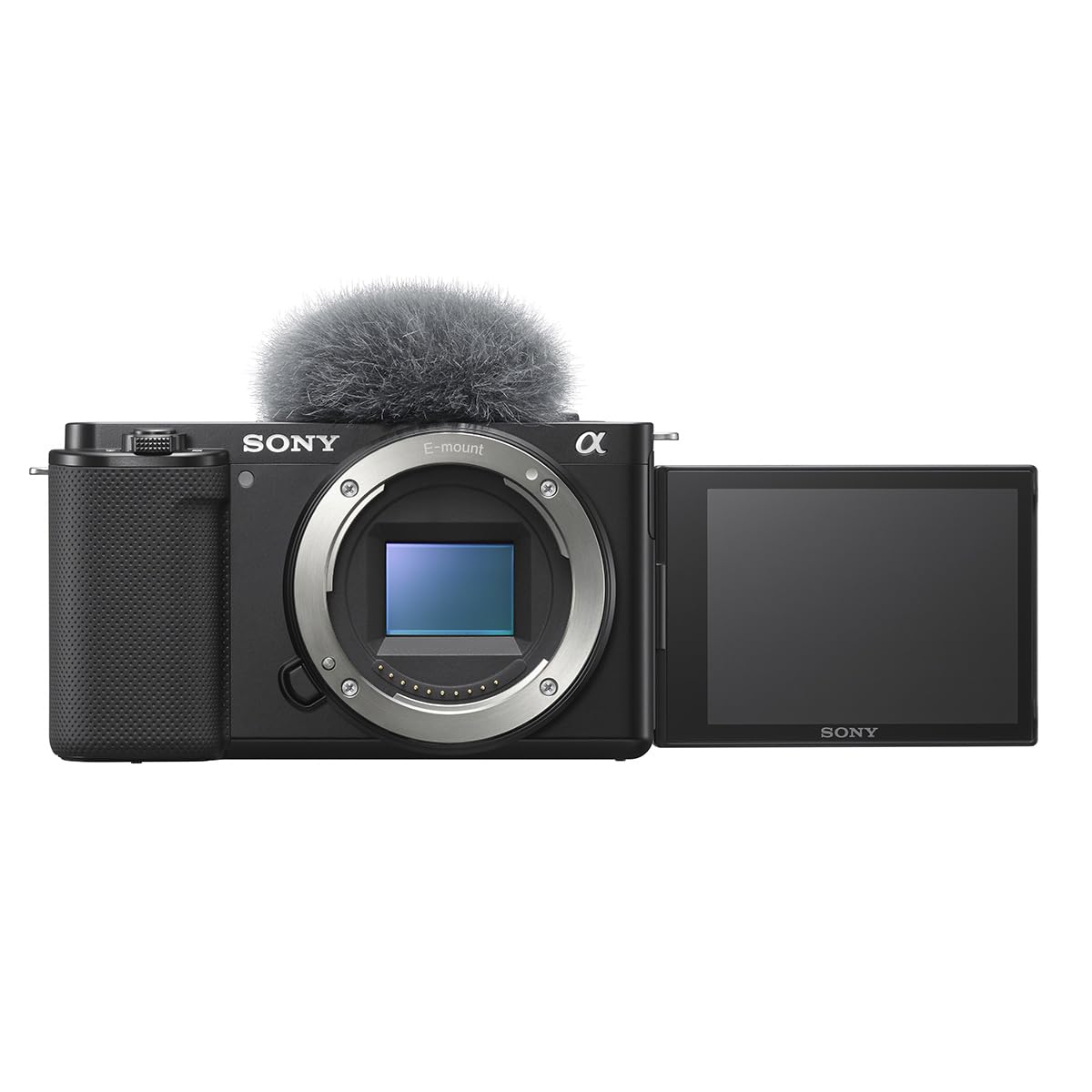
The interchangeable-lens one that turns your flat product shots into cinematic b-roll with a single button.
The ZV-E10 is the camera that understands the specific rhythm of social media creators: sometimes you are talking to the lens, and sometimes you are holding up a product for review. Its Product Showcase Setting transitions focus smoothly from your face to the object you bring into frame — no manual override needed. The Background Defocus button instantly toggles that blurred-background effect on and off, so you can switch between “studio look” and “show the room” in a single tap.
Under the hood, the large 24.2MP APS-C Exmor CMOS sensor and fast BIONZ X processor deliver 4K movies oversampled from 6K with full pixel readout and no pixel binning. That means your vertical crops stay detailed. Real-time eye-tracking autofocus with 425 phase-detection points keeps your face locked even when you move quickly. Owners call it a “great starter option” that is lightweight, easy to use, and a major upgrade for anyone moving off a phone or an older entry-level camera.
The honest watch-outs are the rolling shutter in fast pans, a small LCD that begs for an external monitor, and the lack of in-body stabilization — plus a battery that runs roughly 25 minutes in 4K. For hybrid creators who also want stills and the flexibility to swap lenses, the ZV-E10 is the value king that most owners heartily recommend.
What You Get
- Oversampled 4K from 6K keeps face close-ups razor sharp
- 425-point eye-tracking autofocus locks on reliably with Sony lenses
- Single-cable USB webcam streaming with no extra hardware
What to Plan For
- Severe rolling shutter on fast movement and heavy crop at 4K30p
- No IBIS and a ~25-minute 4K battery window
Reach for this if: you review products on camera and want a button that instantly shifts focus from your face to the item.
Think twice if: you film lots of fast action — the rolling shutter will show up in pans.
6. Insta360 Luna Ultra
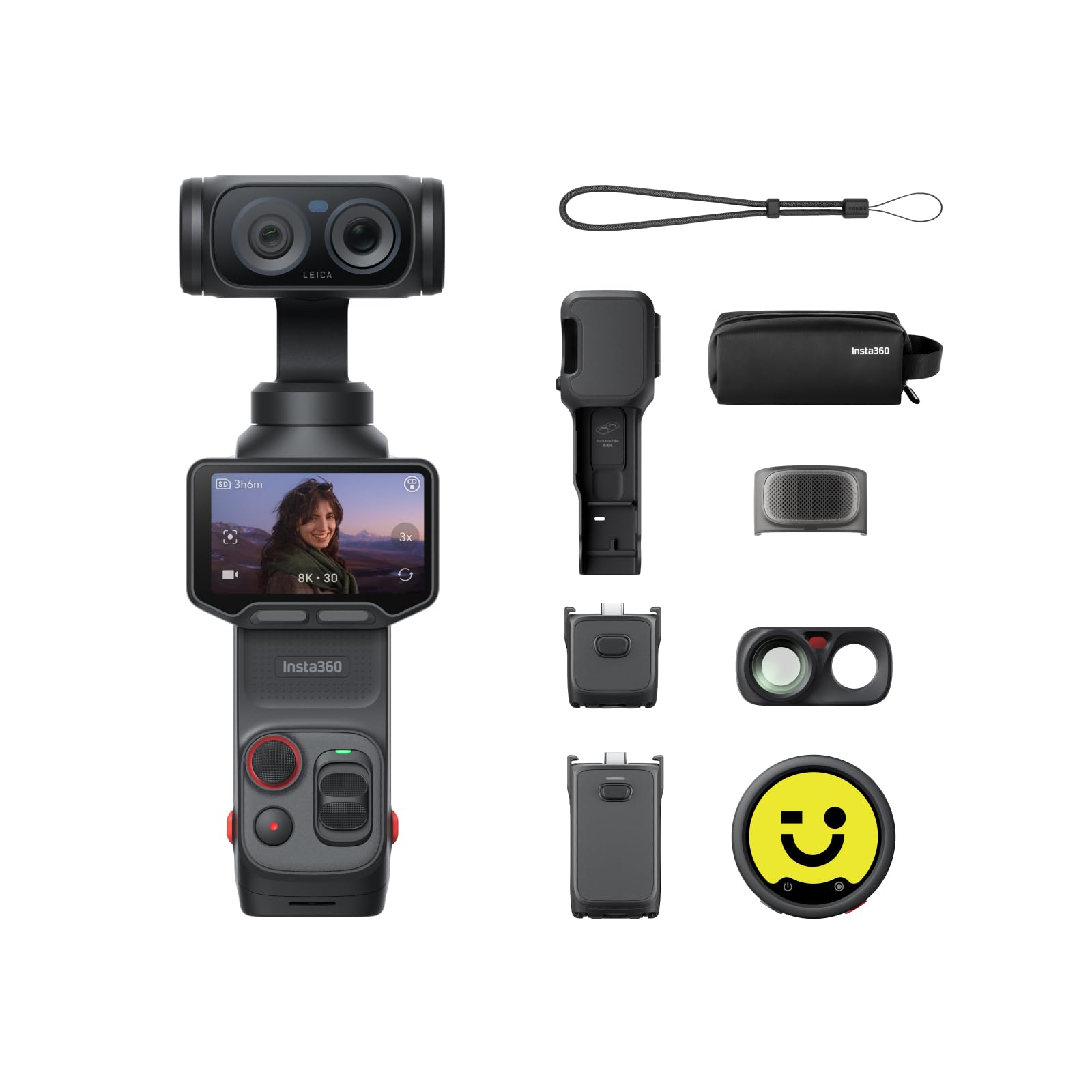
The dual-lens creator bundle that shoots 8K with a 12× zoom range — and a detachable screen for solo shots.
For creators who do not want to choose between wide shots and close-ups, the Luna Ultra is the rare pocket camera that does both. Its dual Leica lens design combines a 1-inch main sensor with a pro-grade telephoto lens featuring a 1/1.3-inch sensor and F2.0 aperture, giving you up to 6× lossless zoom and a 12× zoom range with true optical background blur. That means you can film a crowded market wide, then punch in on a vendor’s hands without losing quality.
The 8K30fps video with Dolby Vision captures vivid color and high contrast, while up to 14 stops of dynamic range preserves details from highlights to shadows. The detachable 2-inch OLED touchscreen controls the camera remotely from up to 20 meters away — a lifesaver when you hand the camera to a stranger for a group shot. Sports-parent owners love the 4K60fps PureVideo mode for inconsistent gym lighting, and the 3-axis stabilization keeps volleyball rallies smooth from a fixed seat.
The battery is a highlight: up to 4 hours on a single charge, with fast charging to 80% in just 23 minutes. The honest cautions are an occasional unit with contact-pin glitches and a learning curve for all the modes. But for a camera that replaces both a wide-angle and a telephoto in one compact body, the Luna Ultra is a serious creator’s tool.
What owners rave about: the build quality and telephoto zoom — parents film sports from fixed seats and still get crisp, close-up 4K60fps footage.
The reliability note: a few units hit contact-pin error messages requiring restarts, so test the remote and screen thoroughly on arrival.
7. Panasonic LUMIX S9
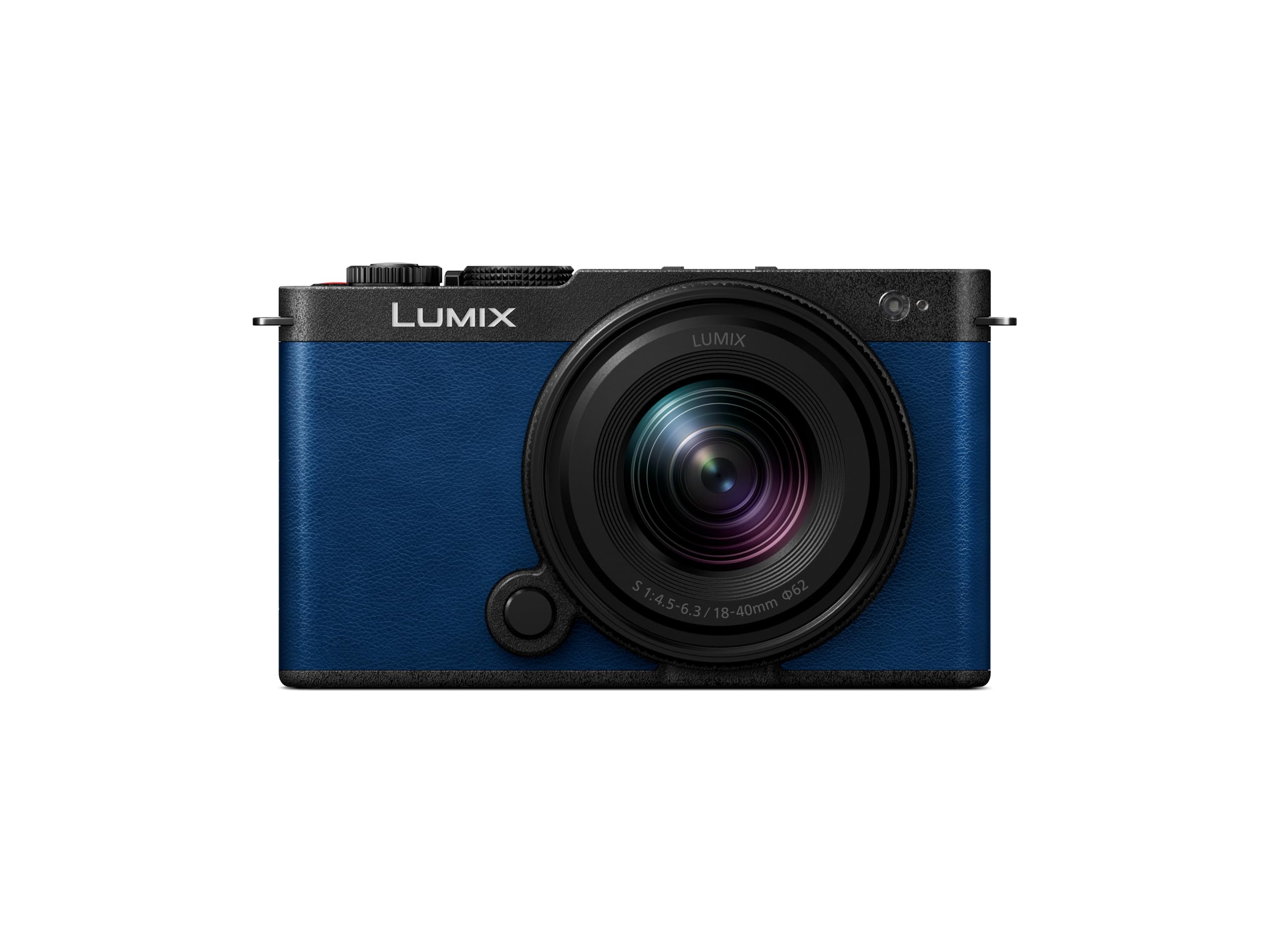
A small full-frame body with the LUT magic that grades your video in-camera before you ever open an editor.
If your social workflow is “shoot, edit on the phone, post,” the S9 is built around that exact speed. Its LUMIX Lab app pairs with ultra-fast Wi-Fi to push every shot straight into your phone’s photo library for quick sharing. In-camera LUTs (color presets that apply a look directly to the footage) mean you can grade on the fly, and owners find the LUT feature easy and the app genuinely great for editing on the move.
The full-frame sensor delivers professional results even in low light, and the flexible Open Gate framing lets you get all aspect ratios from one shot — shoot once, then crop for vertical reels or horizontal YouTube without losing your composition. The compact 18-40mm F4.5-6.3 lens is designed for social media and travel, collapsing down nicely for a bag. Owners describe it as a “Point and Shoot Masterpiece” that is comfortable to hold even without an added grip.
Two honest quirks: there is no hotshoe for a flash, so low-light portraits need a brighter lens or a tripod, and the camera really benefits from an extra grip for long sessions. The build quality and image sharpness win most owners over completely. For a full-frame travel companion that prioritizes instant sharing, the S9 is a refreshingly streamlined pick.
Standout capability: the in-camera LUTs plus the Lumix Lab app make this the fastest path from full-frame capture to a finished, graded social post.
The honest quirk: no flash hotshoe and a body that begs for an attached grip — plan those into your kit.
8. Sony Alpha a6700

The AI-powered workhorse that locks onto your subject and holds it through 4K 120p slow-motion magic.
The a6700 answers the question every serious hybrid creator asks: one camera that nails both photo and video without compromise. Its 26MP APS-C Exmor R back-illuminated CMOS sensor and BIONZ XR processor deliver exceptional image quality, and the dedicated AI Processor with Real-time Recognition tracks subjects with a level of accuracy that feels like magic. Owners call it “easily one of the best APS-C cameras out right now,” praising the sharp 26MP output and low noise.
Video is the headline here. You get 4K/60p from a 6K oversampled readout with 4:2:2 10-bit recording in Long GOP or All Intra formats, plus high frame rate 4K 120p for buttery slow motion — all with 759 autofocus points backing you up. That combination makes it a top-tier hybrid that handles everything from talking-head content to cinematic b-roll. The compact size means it travels everywhere, and the battery life earns genuine praise from owners.
The realistic notes: the menu system is complex and takes time to learn, and the in-body stabilization — while decent — is not gimbal-smooth for handheld walking shots. A few customers note it shutting off after 1.5 to 2 hours of heavy use, so plan for that on long shoots. If you want pro-level video and photo in one compact, powerful body, the a6700 is the serious choice.
The Pro Case
- AI autofocus with 759 points locks onto subjects reliably, even tricky ones
- 4K 120p plus 6K oversampled 4:2:2 10-bit gives you slow-mo and high detail
- Compact, premium build that travels easily
The Learning Curve
- Complex menu organization that takes real time to master
- Some units shut off after 1.5–2 hours of continuous recording
Best for: hybrid shooters who want one compact camera that excels at both photography and high-frame-rate video.
Not for: beginners who want a simple menu — this one rewards patience and customization.
9. Canon EOS R7

The 32.5-megapixel APS-C that tracks a bird’s eye and still records steady 4K in your hands.
If your social content is less “talking head” and more “look what I filmed,” the R7 is the action-ready hybrid that refuses to miss a moment. The 32.5-megapixel APS-C CMOS sensor gives you powerful telephoto reach for wildlife and sports, and the Dual Pixel CMOS AF II with up to 651 zones covers roughly 100% width and height of the frame. Owners are specific about its superpower: it locks onto a bird’s eye and holds focus even as the bird moves through branches.
For video, the R7 delivers professional-grade 4K with Movie Servo AF that includes subject detection and tracking — meaning your subject stays sharp while you reframe. The 5-Axis In-body Image Stabilization System with auto-level technology keeps shake-free footage even in low light, which is a genuine advantage over the R8 if you shoot handheld. The high-speed 15 fps mechanical shutter and 30 fps electronic shutter also future-proof you for action stills.
The kit is practical: an included extra battery pack (LP-E6NH) extends recording beyond the 30-minute mark, and reviewers point out better-than-advertised battery life plus comfortable, durable ergonomics. The trade-off is that the R7 is not the most compact APS-C body, and it is aimed at enthusiasts who will use its speed. For a sports parent or wildlife creator, this is the beast that owners call a “fantastic body for the price.”
What wins people over: the autofocus and shooting speed — owners praise its ability to track fast subjects like birds and sports with flawless low-light operation.
The honest scope: this is an enthusiast-grade body, so the price and feature depth make sense for action creators more than casual vloggers.
10. Panasonic LUMIX S5II

The full-frame hybrid with a built-in fan that records unlimited 4:2:2 10-bit footage until you say stop.
The S5II solves the most annoying problem in long-form video: the overheating shutdown. Its heat dispersion mechanism combines a small fan and a high-efficiency heat sink to achieve unlimited video recording while keeping the body compact. That means you can run a podcast, a livestream, or a full day of vlogging in 4K without watching a countdown timer. Owners praise it as excellent for content creation, highlighting the 4K capabilities and the v-log plus LUT preview that let you see the graded look in real time.
On the stabilization front, the newly developed Active I.S. is built specifically to support walking shots — a feature that owners confirm produces great handheld video without a gimbal. The 24.2MP full-frame CMOS sensor with approximately 2x higher-speed signal processing delivers high resolution and natural color, and the Phase Hybrid Autofocus keeps subjects locked even in adverse lighting. The kit includes a 20-60mm F3.5-5.6 L Mount lens that covers wide to short portrait lengths.
The S5II also records 6K 30p Open Gate in unlimited mode, letting you reframe to vertical without losing resolution. The honest complaints from owners are a battery that needs a grip for long shoots and some settings that occasionally need reloading after power-on. For a hybrid that pairs pro-grade video with a friendly learning curve, the S5II is a standout value.
Why It’s a Workhorse
- Unlimited 4:2:2 10-bit recording with a built-in cooling fan
- Active I.S. delivers smooth walking footage without a gimbal
- 14+ stop V-Log capture with in-camera REAL TIME LUT grading
What to Expect
- Battery life is modest — a battery grip is the fix for long shoots
- A few owners reload settings after each power-on
Best for: long-form creators and streamers who need unlimited high-quality recording without overheating.
Consider alternatives if: you want the smallest possible body — this is a full-featured hybrid, not a pocket camera.
11. Nikon Z6 III

The full-frame powerhouse with 6K/60p RAW recording and a viewfinder so bright you can shoot into the sun.
For the creator who treats social media clips as a serious craft, the Z6 III is the hybrid that removes technical limits. It records 6K/60p internal N-RAW video — a format that gives colorists maximum flexibility — plus oversampled 4K UHD, 4K/120p, and Full HD/240p slow motion. The 24.5MP resolution delivers the quality owners describe as “an incredible camera for both photo and video,” with an obvious step up from Nikon’s Z5.
Where this camera genuinely surprises is the viewfinder. Its max brightness of 4000 nits gives a clear, vibrant view even in very bright conditions, with a 5760k-dot resolution and a 120 fps maximum refresh rate for natural motion. When you are filming outdoors in harsh sun, that bright EVF is a standout that keeps you composing accurately. The ISO range of 100-64000 (extendable to 204800) handles low-light shoots with ease.
The autofocus detects down to -10EV with sophisticated multi-subject recognition and is approximately 20% faster than the Z6II, detecting human faces as small as ~3% of the frame. Owners note it switches between photo and video easily, with reliable battery life and minimal rolling shutter. The honest friction is Nikon’s complex menu system and no charger in the box. For a pro-grade hybrid that makes your social content look genuinely cinematic, the Z6 III is the top-tier pick.
Standout spec: the 6K/60p internal N-RAW recording plus the 4000-nit EVF make this the most technically capable camera here for serious colorists.
The honest friction: Nikon’s menu complexity and an awkward default auto mode mean you will spend time on setup before you shoot.
Understanding the Specs
Sensor Size: Full-Frame vs APS-C vs 1-Inch
This is the biggest driver of image quality and low-light performance. A full-frame sensor is the largest, giving you the shallow depth-of-field look and the best low-light noise control — ideal for cinematic talking heads. APS-C is a smaller sensor that still delivers great quality with a 1.5x telephoto reach, which is useful for wildlife and sports. A 1-inch sensor is much smaller, found in pocket gimbal cameras, and it trades some low-light ability for extreme portability. Bigger sensor generally means better low-light and blur control, but also a bigger body.
Stabilization: IBIS vs Gimbal
This decides whether your walking shots look smooth or seasick. In-body image stabilization (IBIS) moves the sensor to counteract your hand shake, and it is great for handheld walk-and-talks. A 3-axis gimbal is a motorized arm built around the lens that physically steadies the camera, which is ideal for run-and-gun vlogs where you are moving a lot. Neither replaces a tripod for static shots, but both are essential to understand when choosing between a pocket gimbal camera and a traditional mirrorless body.
FAQ
Will a camera with 4K 120fps make my slow-motion clips look better?
What is the difference between 4K 30p and 4K 60p for social media?
Do I need a camera with in-body stabilization (IBIS) for vlogging?
Why does my camera overheat while recording 4K video?
Can I use a mirrorless camera as a webcam for streaming?
Is a pocket gimbal camera better than a smartphone for TikTok and Reels?
What does a 1-inch CMOS sensor mean for my videos?
What is 10-bit color and why does it matter for color grading?
Final Thoughts: The Verdict
For most creators, the best pick is the Canon EOS R8 because it pairs the classic full-frame depth with the reliable Dual Pixel autofocus that keeps you sharp in front of the lens. If you want pocket-sized portability and gimbal-smooth walking shots, grab the DJI Osmo Pocket 3. And if your content lives mostly on livestreams, the Nikon Z 30 is the one to reach for, thanks to its plug-and-play streaming and creator-friendly design.
How We Picked
We do not accept paid placement. Every pick is matched to a real buyer and a real use-case; we do not hands-on test units.
Sources & Methodology
Specifications: manufacturer listings and product documentation. Review insights: verified customer reviews, as of August 2026. Pricing: not shown on this page (it changes often); check the current price via the retailer link.
As an Amazon Associate, FitlyFast earns from qualifying purchases. This does not affect which products we feature.