
Our readers keep the lights on and the weekend projects moving. As an Amazon Associate, I earn from qualifying purchases.
Specs are compiled from manufacturer listings and verified buyer reviews and can change over time — please confirm the key details on the product page before buying.
You want that lush green foreground from aquascaping photos, but you need a plant that will actually survive your tank. The real difference between a carpet that spreads and one that melts depends on your lighting, whether you run CO₂, and how the plant arrives at your door. This guide cuts through the jargon to show you exactly which Carpet Plants For Aquarium fit your setup, your experience level, and your patience.
I’m Rikta — the founder and writer behind FitlyFast. This guide is built by comparing the manufacturers’ published specifications and the patterns across verified customer reviews, so you get each pick’s real strengths and trade-offs instead of marketing spin.
For a thriving green foreground, you need Carpet Plants For Aquarium that match your light and skill.
Our Picks at a Glance


How To Choose The Best Carpet Plants For Aquarium
Carpet plants are foreground species that grow low and spread sideways instead of upward. The first decision is honestly the hardest: can you run pressurized CO₂ (carbon dioxide gas injected into the water)? The answer filters out half your options right away.
Match the plant to your light and CO₂
High-difficulty species like Dwarf Baby Tears basically demand medium-to-high lighting and supplemental CO₂ to form that tight, iconic carpet. Easy species like Dwarf Sagittaria and Micro Sword will grow in moderate light with no CO₂ — they just won’t form a thick lawn as quickly. Read the care requirements before you commit, or you will be the person posting “why is my carpet melting?” in a month.
Understand how your plant ships
Tissue culture cups arrive sterile and pest-free but need a careful gel rinse before planting. Potted plants give you an established root system but can carry snails or duckweed if the seller skips quarantine. Loose bunches are the cheapest but most fragile in transit. Your comfort with rinsing gel and dividing tiny plants should steer your choice.
Quick Comparison
| Model | Best For | Light Level | CO₂ Needed | Form | Amazon |
|---|---|---|---|---|---|
| UNS Dwarf Hair Grass★ Best Overall | Pest-free beginners | Medium | Optional | Tissue culture cup | Amazon |
| Micro Sword (B01DEY07Q0)Best Value | Low-tech tanks | Moderate-High | Optional | Potted | Amazon |
| AquaLeaf Micro SwordEasy Pick | Small fish shelter | Low | No | Bunch | Amazon |
| UNS Dwarf Baby Tears | High-tech scapes | High | Required | Tissue culture cup | Amazon |
| Marcus 10x Dwarf Sag | Budget coverage | Low | No | Bunch | Amazon |
| Marcus 15x Dwarf Sag | Fast fill-in | Low | No | Bunch | Amazon |
| Marcus 3x Monte Carlo | Leafy carpets | Medium | Recommended | Potted | Amazon |
| Shore Aquatic Monte Carlo | Pre-grown pots | Medium | Recommended | Potted | Amazon |
| Canton Aquatics Monte Carlo | Nano tanks | Medium | Recommended | Potted | Amazon |
In-Depth Reviews
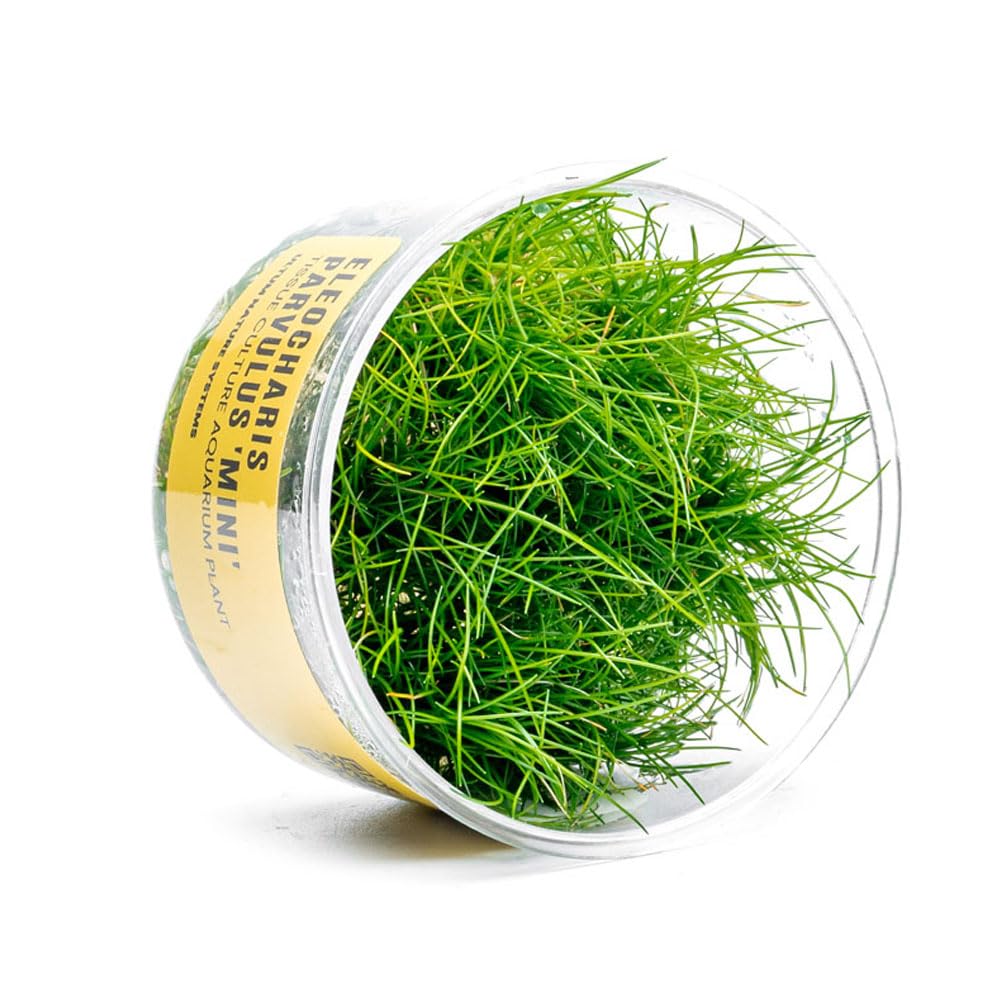
1. Ultum Nature Systems Dwarf Hair Grass
Our pick — over 4★ from 60+ verified ratings; the strongest balance of quality and price.
The crowd favorite that arrives clean, divides easily, and rewards a bit of patience.
The thing everyone raves about here is the growth — owners consistently find the Dwarf Hair Grass (Eleocharis acicularis) thriving within a week, with strong roots and bright green blades that spread through runners. It needs medium light for 8-10 hours a day, and CO₂ is optional; skip it and you still get a carpet, run it and the density improves noticeably.
Because it ships as a sterile UNS tissue culture cup, you can split it into multiple plugs for wider coverage without worrying about snails or algae hitchhikers. As buyers report, “These arrived a day early and were perfectly healthy” — the in-vitro gel rinses off easily and leaves clean, pest-free material behind.
The one honest catch is that this is not a beginner’s plant in the strictest sense; it takes some work to divide and plant the tiny plugs. Sellers are also your variable — a few owners note receiving a different generic brand despite ordering UNS, so check your package at delivery. Backed by a 100% DOA replacement guarantee with photo proof within 24 hours, the risk is well covered.
Why it wins
- Sterile tissue culture means no pests or algae in your tank
- Spreads naturally through runners for wider carpet coverage
- 100% DOA replacement guarantee with photo proof
The real trade-offs
- Not ideal for absolute beginners — tiny plugs take patience
- Gel must be rinsed off thoroughly before planting
- Seller substitution can happen; verify the brand at delivery
Reach for this if: you want the cleanest start possible with zero pest risk and don’t mind dividing a cup into multiple portions.
Look elsewhere if: you want instant coverage with zero planting effort — this one asks for a steady hand.
2. Micro Sword (Lilaeopsis Brasiliensis) Potted
A forgiving foreground species that still spreads even when you skip the CO₂ rig.
Micro Sword (Lilaeopsis brasiliensis) is the low-tech hero of this list — it will grow in moderate light without supplemental CO₂, though it won’t achieve a thick lawn under those conditions. Push it with intense light, a soil-based substrate, and CO₂, and the growth rate turns fast via stolons (horizontal runners that sprout new plants).
Shipping is a genuine strength here. One owner was shocked after “two weeks bouncing around in the mail, I’m surprised how good of condition it is in” — a real-world test of durability that most potted plants fail. The included instructions also earn praise, making this a solid entry point for someone learning to plant a foreground.
The honest caveat is the color: a healthy, abundant plant on arrival came with duckweed contamination in one case, requiring extra time to remove before it took over the tank. It’s not a dealbreaker, but a quick freshwater rinse and inspection before planting is worth the discipline.
Low-tech friendly: grows in moderate light, no CO₂ required, and the hardiness through long transit is proven in the review pages.
Watch for: duckweed hitchhikers — rinse and inspect before it hits the tank.
3. AquaLeaf Aquatics Micro Sword Bunch
A no-fuss bunch that gives small fish a hiding spot without demanding high-tech gear.
This Micro Sword clump arrives about 1 to 2 inches wide with grass blades 2 to 3 inches tall, and it’s marketed squarely at beginners — it does not need special or high-intensity lighting and can be kept in any freshwater aquarium. That low barrier to entry is the entire appeal, making it a frequent first carpet for new hobbyists.
In a healthy tank the result is genuinely charming: rich green leaves, fast delivery, and many roots, with fish that visibly love it. The listing also notes it provides natural resting and hiding places for smaller fish and invertebrates, which is a nice bonus for a community tank.
The honest downside is consistency. While many report a healthy, vibrant arrival, others describe a very small clump, and the growth rate gets mixed feedback — some see it spread quickly, others wait. Guppy owners specifically found their fish treated it as food, so skip it if herbivores roam your tank.
Best for: first-time carpet growers who want a cheap, low-light clump to practice on.
Not for: guppy tanks — the fish apparently think it’s a snack.
4. Ultum Nature Systems Dwarf Baby Tears
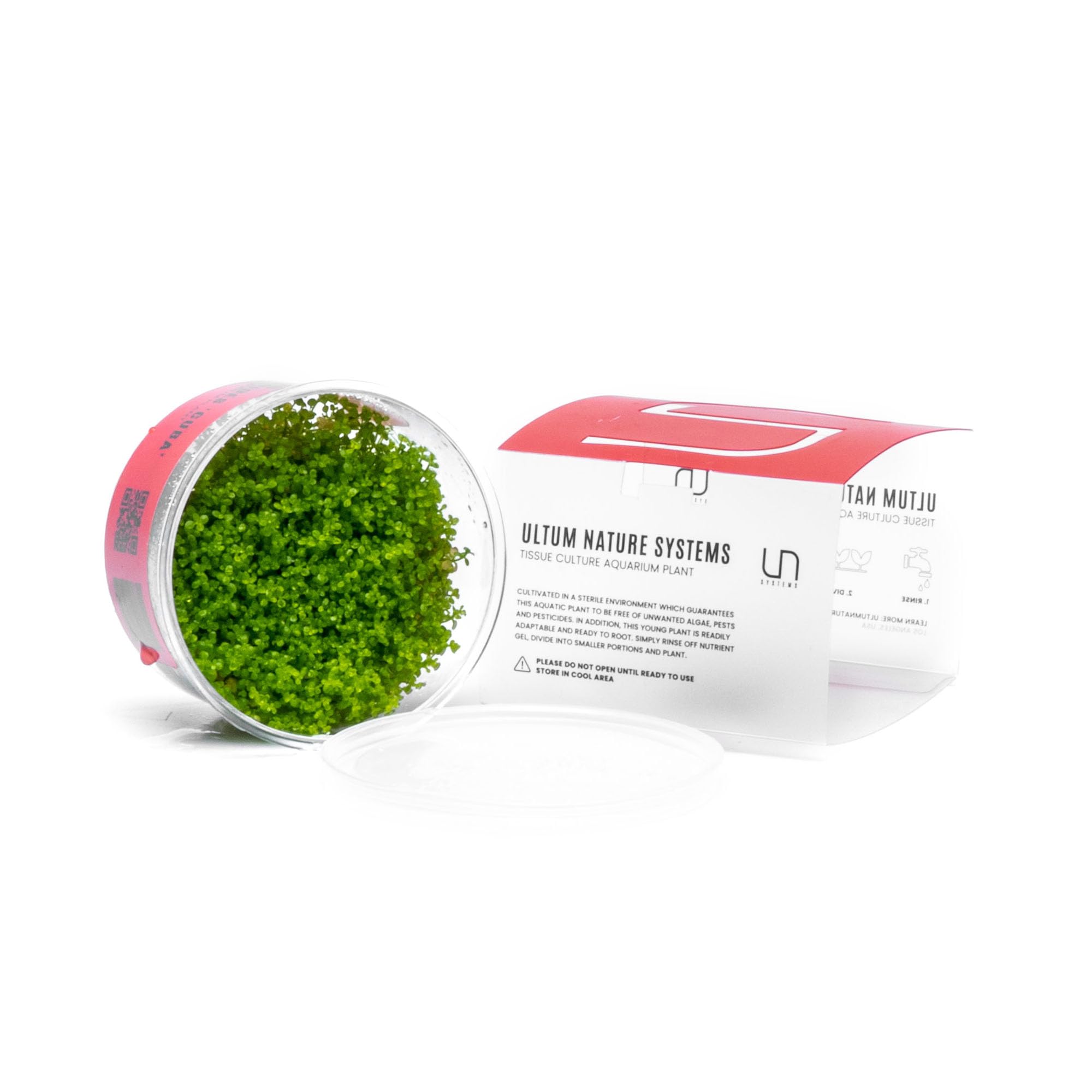
The iconic high-tech carpet that rewards serious light, CO₂, and a steady hand.
Dwarf Baby Tears (Hemianthus Callitrichoides Cuba) is one of the smallest aquatic plants available — and among the most impressive when it forms that lush, vast green field you see in competition aquascapes. The catch is spelled out plainly: medium to hard difficulty, medium-to-high lighting, a regular nutrient schedule, and additional CO₂ is required.
The quality is where this pick stands out, with owners consistently describing vibrant green color and healthy arrival in the sterile 2.75″ tissue culture cup. One shrimp tank owner called it an “incredible plant for small freshwater aquariums” with easy planting and maintenance, and the dry-start method (growing emersed for two months before flooding) has proven effective for a full 20-gallon carpet.
The recurring gripe is the gel — rinsing the nutrient gel off these tiny plants is genuinely fiddly, and a few owners reported losing pieces during the process. Durability also gets mixed feedback, with some plants wilting if conditions aren’t right. This is a plant for someone ready to commit to the high-tech path, not a casual experiment.
What makes it special
- Sterile tissue culture, 100% snail-free in vitro
- Iconic dense carpet look for Iwagumi layouts
- Excellent vibrant green color quality
What demands respect
- CO₂ is required, not optional
- Gel removal from tiny roots is fiddly
- Durability depends on strict conditions
Go for it if: you’re running a serious high-tech setup with CO₂ and want the competition-grade look.
Think twice if: you have a low-tech tank or limited patience for fiddly planting.
5. Marcus Fish Tanks 10x Dwarf Sagittaria

Ten hardy plants for the price of one high-tech cup — the pragmatic carpet start.
For sheer value, the 10x Dwarf Sagittaria Subulata pack is hard to argue with — you get ten plants ranging 2-3 inches each, enough to seed a decent foreground without the premium of a tissue culture cup. It’s a sandy-soil, low-light species that doesn’t need CO₂, making it among the most forgiving carpets on this list.
Owners mention healthy arrivals with generous root systems, and the occasional uprooting by bottom-dwelling corydoras is played off as a minor annoyance — “my corys only managed to uproot 1 overnight” — which tells you the roots hold well once established. The “buy 2 get 1 free” offer sweetens the deal if you’re stocking a larger tank.
The honest downside is that these arrive as trimmed plants — some received specimens with leaves cut to the base and roots sheared off, which hurts survival odds. It’s not universal, but it’s the most-discussed trade-off for this price point. The live arrival guarantee requires a clear photo of the plant in the unopened bag if you need a replacement.
Best for: budget-minded hobbyists who want maximum plant count per dollar and don’t mind trimming.
Skip if: you expect pristine, untrimmed specimens ready to plant as-is.
6. Marcus Fish Tanks 15x Dwarf Sagittaria

The 15-plant version that fills a foreground fast, with roots owners consistently praise.
If the 10-pack is a start, this 15-plant version is the fill — and the quality feedback here is notably stronger. Owners describe bright green, fast-growing plants with excellent root systems, some reporting even more than 15 plants arriving, and new growth emerging from every plug within days. It’s the same hardy Dwarf Sagittaria Subulata, just more of it.
The value-for-money angle is where this earns its spot: a consistent, positive consensus on quality and healthiness that’s absent from the cheaper bunch options. One owner planted theirs in goldfish pond sand and found the plants hardy enough to be uprooted and replanted without issue — a forgiving tolerance that suits beginners and busy tanks alike.
Customers note that real-world plant size can run smaller than expected, and extreme weather remains a risk — the seller asks you not to order when temperatures are expected to drop below 20°F at the day’s lowest point. Check your forecast before checkout, especially in winter.
What wins people over: 48 owners single out quality, and the bright green fast growth with strong roots is the recurring theme.
One note: skip ordering during deep winter freezes — live plants don’t survive sub-20°F transit.
7. Marcus Fish Tanks 3x Monte Carlo Pots

The leafy alternative to grass — Monte Carlo’s tiny round leaves create a denser, softer carpet.
Monte Carlo (Micranthemum) is the go-to when you want a carpet of tiny round leaves rather than grass-like blades. These three 2-inch pots give you a solid start, and owners consistently praise the vibrant green color and intact root systems, with new growth appearing after about a week in the tank.
Durability through shipping is a real win — one owner shipped theirs to Arizona in July heat and found the plants stable and perked up within a day of planting. Another noted the emersed-grown plants will melt and regrow once submerged, which is normal behavior, not a defect.
The honest caveat is that Monte Carlo responds to care: without supplemental CO₂ it grows slowly, and some owners found the plants smaller than expected for the price. A few also note that not every pot arrives equally full — one reviewer described a generous inch of plant in one pot and half an inch in another. Quality is high, consistency is just variable.
The good
- Vibrant green color with strong root systems
- Survives hot-weather shipping well
- New growth visible within a week
The variable
- Slower growth without additional CO₂
- Pot fullness varies from plant to plant
- Emersed plants melt before regrowing submerged
Choose this if: you want the classic leafy carpet look and already run medium light with CO₂.
Pass if: you need instant, uniform fullness — these pots reward patience.
8. Shore Aquatic Monte Carlo Potted (3)
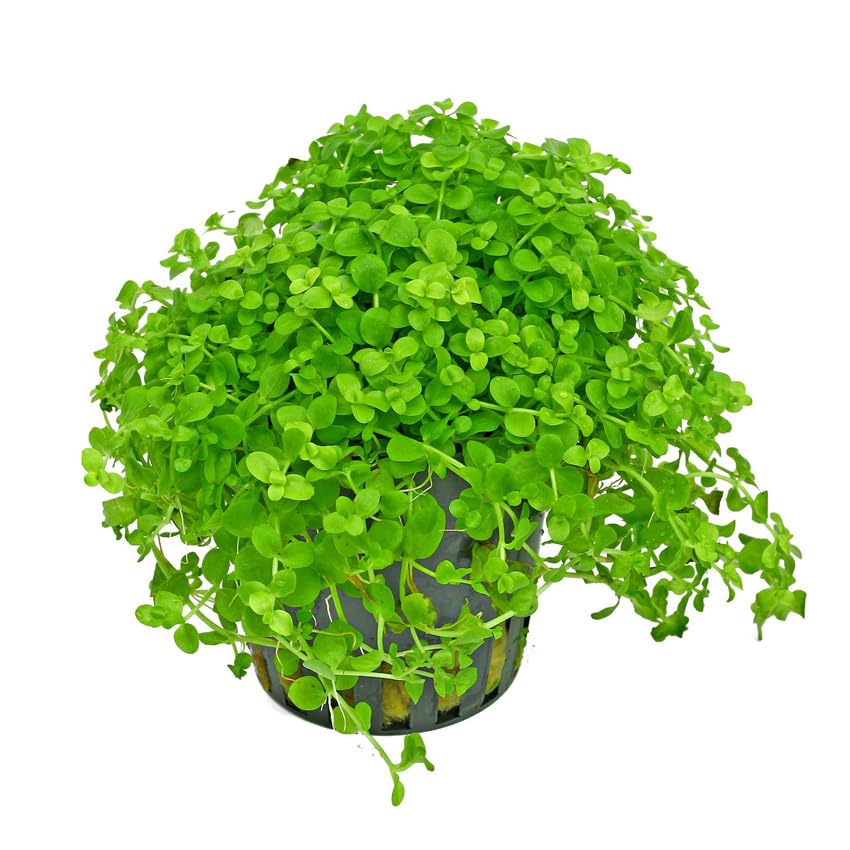
Pre-grown pots that arrive healthy — as long as the shipper holds up their end.
Shore Aquatic ships Monte Carlo (Micranthemum Tweediei) as potted plants, not loose substrate, with each plant standing approximately 2 inches tall. It’s a low-maintenance freshwater option that owners describe as lush and healthy on arrival, with “excellent quality and quantity” being a common refrain.
The value story is solid — one owner in North Dakota received their plants in a fast 3-day delivery with many small pieces included, describing it as worth the money. The potted form keeps the root system intact during transit, which is a genuine advantage over loose bunches.
The honest downside splits two ways: plant size runs smaller than advertised in some cases (closer to a 2-inch diameter than the pictured fullness), and shipping reliability is the weak link — one order arrived days late and the plants were tiny. Durability also gets mixed feedback, with a rare unit arriving as brown mush, so order when weather is mild.
Best for: buyers who want established, rooted pots and can accept some size variance.
Consider carefully if: you’re ordering during extreme weather — transit is the make-or-break factor here.
9. Canton Aquatics Monte Carlo (3 Pots)
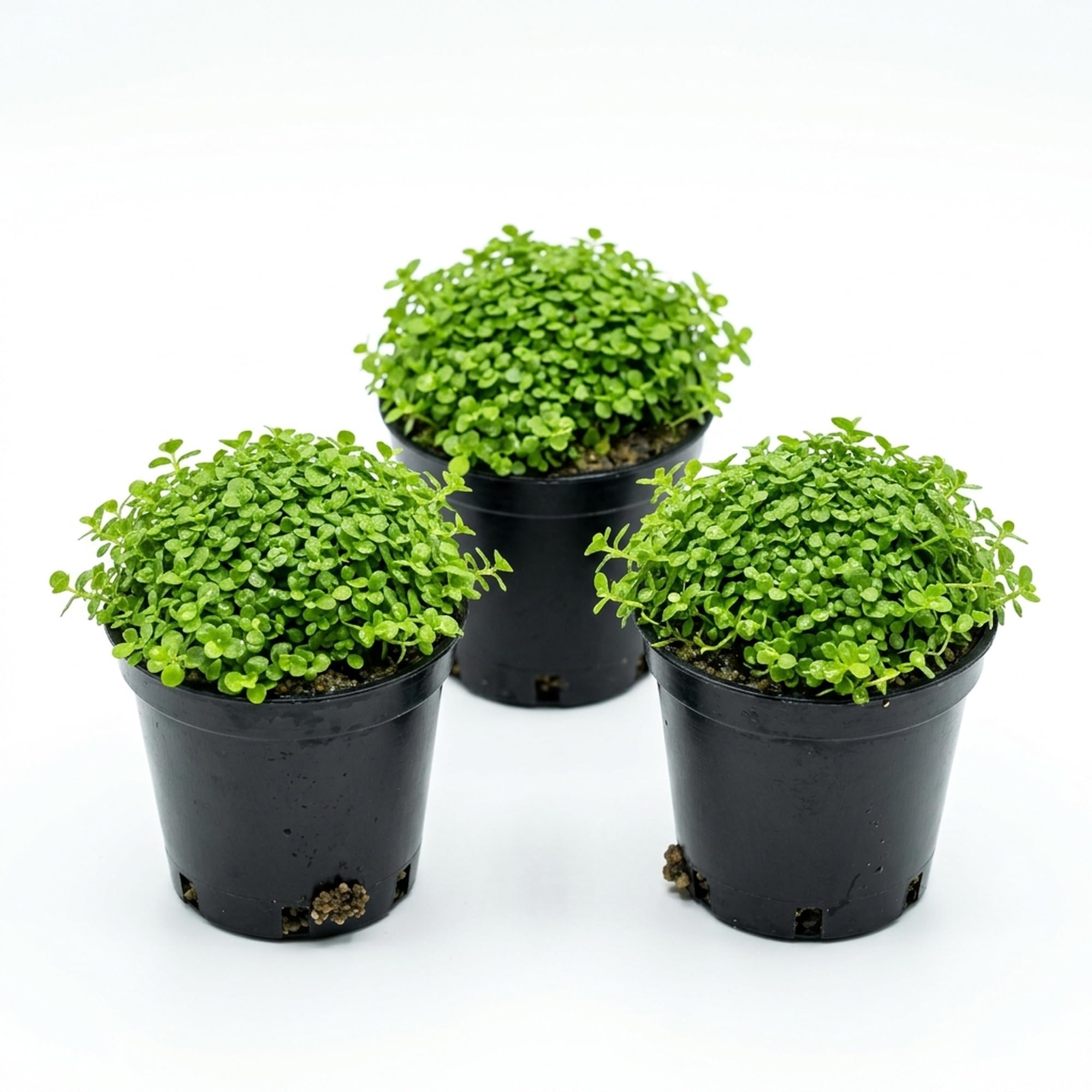
Three rooted pots sized for a nano tank, with the heat/cold packaging to arrive alive.
This 3-pack is explicitly a carpet starter for a 5-10 gallon nano aquarium, and it’s refreshingly honest about its scope. Each of the three Monte Carlo (Micranthemum Tweediei) pots contains established, rooted growth, and when established the plant forms a lush green mat 1-2 inches tall — the iconic dense carpet look.
The packaging earns genuine praise: insulated materials with heat and cold packs when needed, plus a quick replacement policy when the first batch didn’t survive. Owners describe plants arriving “beautiful, plentiful, and bushy with long and strong roots,” and the compact growth habit is ideal for a small scape.
The honest friction is quality variance — one plant in a batch can arrive rotted at the base while the others are great, and a few buyers received clippings without roots rather than established pots. Care needs are moderate: medium-to-high light with CO₂ recommended for dense growth at 68-82°F and pH 6.0-7.5.
What owners love: the bushy, strong-rooted arrival and the responsive replacement policy when things go wrong.
What varies: root quality from pot to pot — some get full rooted growth, some get clippings.
Understanding the Specs
Light Level and Photoperiod
Every carpet plant lists a light requirement — low, medium, or high. Low light works for Dwarf Sag and Micro Sword. Medium light for 8-10 hours a day suits Dwarf Hair Grass. High light is non-negotiable for Dwarf Baby Tears. If your tank light is weak, choose a low-light species or you will watch the carpet slowly fade.
Tissue Culture vs. Potted vs. Bunch
Tissue culture cups arrive sterile and pest-free but need a careful gel rinse. Potted plants have established roots but can carry hitchhikers. Bunch plants are the cheapest but most fragile in transit. Your comfort with rinsing gel and dividing tiny plants should steer your choice.
CO₂ Requirements (Supplemental Carbon Dioxide)
CO₂ injection is gas pumped into the water to fuel plant growth. Some species like Dwarf Baby Tears require it outright. Others like Micro Sword and Dwarf Sag grow fine without it — just slower and less dense. If you don’t run CO₂, filter the list to “optional” and “no” before you buy.
Temperature Tolerance in Transit
Live plants die in extreme cold or heat during shipping. Many sellers explicitly warn not to order when temperatures drop below 20°F at the day’s lowest point. Check the seller’s weather policy before checkout — a plant that arrives dead is a wasted purchase, no matter how good the guarantee.
FAQ
Will carpet plants grow without CO₂ injection?
How long does a tissue culture cup take to establish?
What is the difference between Dwarf Sagittaria and Micro Sword?
Will my fish uproot carpet plants?
How do I plant a tissue culture cup properly?
What does “live arrival guarantee” actually cover?
What temperature range is safe for shipping live plants?
How much Monte Carlo do I need for a 20-gallon tank?
Final Thoughts: The Verdict
For the majority of shoppers, the winner here is the Ultum Nature Systems Dwarf Hair Grass because it delivers the cleanest, pest-free start and backs it with a real replacement guarantee. If you want a low-tech carpet that spreads without CO₂, grab the Micro Sword. And for the iconic high-tech leafy look, the Monte Carlo pots are the ones to reach for.
How We Picked
We do not accept paid placement. Every pick is matched to a real buyer and a real use-case; we do not hands-on test units.
Sources & Methodology
Specifications: manufacturer listings and product documentation. Review insights: verified customer reviews, as of August 2026. Pricing: not shown on this page (it changes often); check the current price via the retailer link.
As an Amazon Associate, FitlyFast earns from qualifying purchases. This does not affect which products we feature.