
Our readers keep the lights on and the weekend projects moving. As an Amazon Associate, I earn from qualifying purchases.
Switching to a zero-drop running shoe fundamentally changes how your foot meets the ground, shifting impact from your heel to your forefoot and engaging muscles that traditional elevated heels leave dormant. The transition can relieve chronic knee pain, strengthen your arches, and improve running economy, but only if you choose a pair that matches your foot shape, stack height preference, and intended terrain.
I’m Rikta — the co-founder and writer behind FitlyFast. I’ve logged hundreds of hours analyzing runner feedback, comparing outsole compounds, measuring stack heights, and studying the biomechanical data behind zero-drop and minimalist footwear to build this guide on the current market leaders.
Whether you’re a seasoned trail runner looking for better ground feel or a road runner seeking relief from heel-strike impact, this guide breaks down the best performers across every use case to help you find your perfect pair of 0 drop running shoes.
How To Choose The Best 0 Drop Running Shoes
Zero-drop running shoes remove the heel-to-toe offset found in conventional trainers, placing your foot parallel to the ground. This encourages a midfoot or forefoot strike, reducing braking forces and transferring load to your calves and achilles. Not all zero-drop shoes feel the same — the differences in stack height, toe-box volume, cushion density, and outsole compound determine whether a shoe works for your foot anatomy and running style.
Stack Height and Cushion Philosophy
Zero-drop shoes range from ultra-thin soles (4-10mm) that deliver maximum ground feel to moderate stacks (20-30mm) that still allow forefoot engagement while providing impact protection. Low-stack fans argue that thick cushion masks technique flaws and destabilizes the foot, while higher-stack advocates point to practical protection on pavement and technical trails. Your choice depends on whether you prioritize sensory feedback or long-run comfort.
Toe-Box Volume and Foot Shape
A zero-drop shoe cannot deliver its biomechanical benefits if your toes are cramped. Brands like Altra use a FootShape™ toe box that mirrors the natural splay of the foot, while Topo Athletic offers a roomy anatomical fit with a secure heel lock. Measure your toe splay width and look for brands that publish internal toe-box dimensions rather than relying on letter widths alone.
Outsole Grip and Rubber Quality
Trail-oriented zero-drop shoes demand aggressive lugs and sticky rubber compounds like Vibram MegaGrip to handle wet rock, loose gravel, and muddy descents. Road versions trade lug depth for smoother tread patterns that won’t disrupt your stride on asphalt. The outsole’s durability directly affects how many miles you get before traction fades, especially important given the higher upfront cost of many zero-drop models.
Transition Timeline and Muscle Readiness
Moving from a traditional 10-12mm drop shoe to zero-drop requires a gradual adaptation period of two to six weeks. Your calves, achilles, and plantar fascia need time to lengthen and strengthen for the increased dorsiflexion demand. Start with short walks, progress to easy runs, and avoid sprinting or downhill running until your posterior chain adjusts. Ignoring this timeline is the primary reason runners abandon zero-drop footwear.
Quick Comparison
On smaller screens, swipe sideways to see the full table.
| Model | Category | Best For | Key Spec | Amazon |
|---|---|---|---|---|
| ALTRA Torin 7 | Road | Daily road miles & comfort | 28mm stack EGO™ MAX foam | Amazon |
| ALTRA Lone Peak 9 | Trail | Technical trail running | 25mm stack MaxTrac outsole | Amazon |
| Topo Pursuit | Trail | Precise trail lockdown | Vibram MegaGrip outsole | Amazon |
| FLUX ADAPT | Road | All-day walking & flat feet | Ultra-flexible outsole | Amazon |
| Vivobarefoot Motus Strength | Training | Gym & strength training | 4mm stack firm compound | Amazon |
| ALTRA Escalante 4 | Road | Bunion relief & soft ride | 24mm stack knit upper | Amazon |
| ALTRA Lone Peak 8 | Trail | Hiking & rugged trails | 25mm stack MaxTrac outsole | Amazon |
| Xero Mesa Trail II | Trail | Barefoot trail feel | 11mm stack zero cushion | Amazon |
| Topo ST-5 | Road | Budget-friendly transition | 14mm stack lightweight mesh | Amazon |
In‑Depth Reviews
1. ALTRA Men’s Torin 7 Road Running Shoe
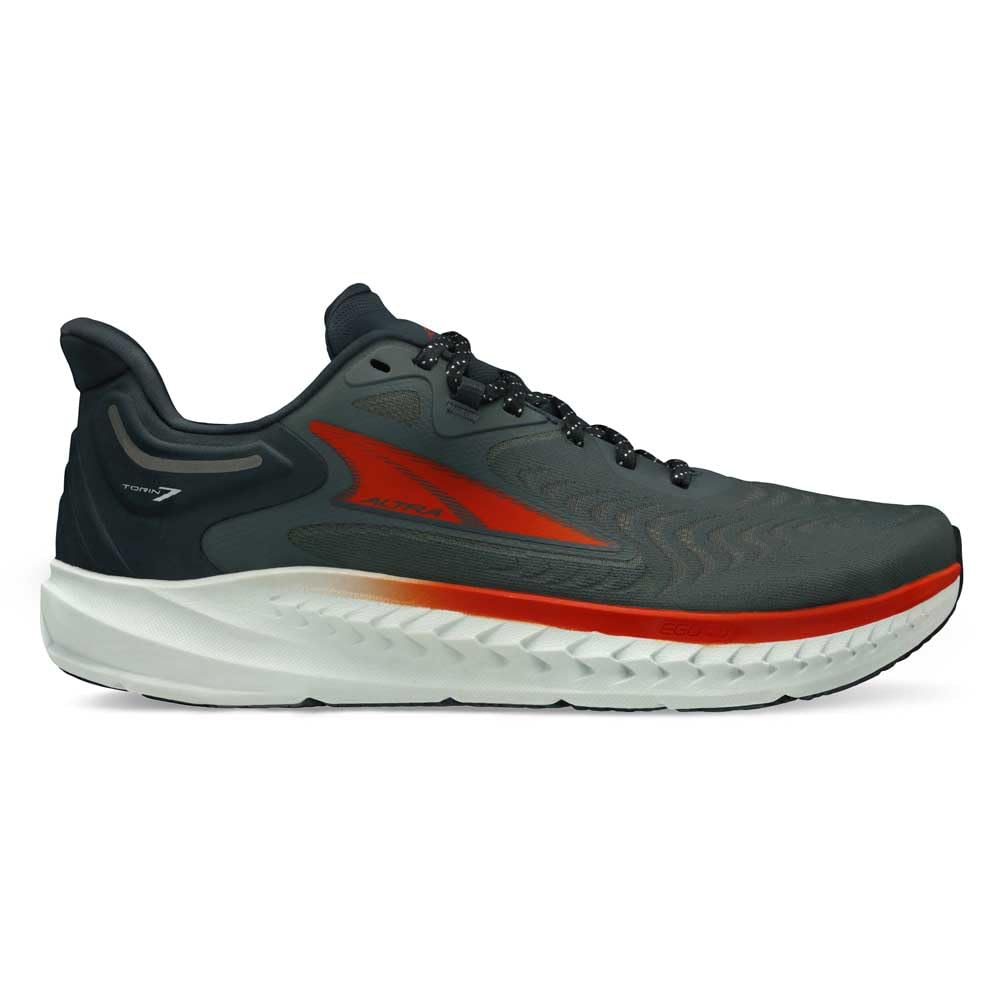
The Torin 7 represents ALTRA’s refined vision of a daily road trainer: 28mm of responsive EGO™ MAX foam paired with Balanced Cushioning™ that keeps your foot parallel to the ground. The ride is soft enough for recovery runs yet springy enough for tempo efforts, making it a versatile quiver-killer for pavement runners who want one shoe to do it all. Reviewers consistently note that the foam doesn’t pack out prematurely, holding its bounce well past the 300-mile mark.
The FootShape™ toe box provides generous splay room without the clown-shoe appearance some zero-drop models suffer from, and the breathable mesh upper sheds heat effectively during summer miles. Several runners transitioning from higher-drop shoes reported zero achilles strain after a measured two-week break-in, crediting the moderate stack for smoothing the adaptation curve.
The primary drawback is the mesh upper’s tendency to trap dirt and stain visibly, which matters more for those who prefer a clean look. A few users also noted the laces are shorter than ideal, sometimes requiring a double-knot to stay secure during longer efforts.
Why it’s great
- EGO™ MAX foam delivers a plush yet responsive ride that holds up over high mileage
- Roomy anatomical toe box prevents blisters and allows natural toe splay
- Versatile enough for easy jogs, tempo runs, and daily walking
Good to know
- Mesh upper stains quickly and is difficult to clean
- Stock laces are short and may require replacement for a secure lockdown
2. ALTRA Men’s Lone Peak 9 Trail Running Shoe

The Lone Peak 9 continues ALTRA’s dominance in the zero-drop trail category with a refined upper and MaxTrac rubber that bites aggressively into loose dirt, wet rock, and mud. At 25mm of stack, it provides enough cushion for rocky terrain while maintaining the ground feedback trail runners depend on for technical footing. Reviewers praise the improved durability of the toe guard and the secure heel cup, which prevents slipping on steep descents.
The wide FootShape™ toe box is a particular standout for hikers and trail runners who spend hours on their feet, eliminating the “hiker’s toe” pain that plagues narrow toe boxes on long outings. Many users reported zero break-in time and noted the shoe runs slightly large, suggesting sizing down half a step for a precise fit, especially if you prefer thinner socks.
The Lone Peak 9 is not water-resistant, which is expected for a breathable trail runner, but runners in wet climates should factor in drying time between uses. A few wide-footed users found the standard width accommodating enough to skip the wide version entirely, though those with ultra-wide feet should consider the 2E option.
Why it’s great
- MaxTrac rubber provides exceptional grip on wet rock, mud, and loose gravel
- Roomy toe box eliminates toe pain on long hikes and technical descents
- Durable construction holds up for hundreds of miles on rugged terrain
Good to know
- Not water-resistant; takes time to dry after wet trail runs
- Runs slightly large — consider sizing down half a size
3. Topo Athletic Men’s Pursuit Zero Drop Trail Running Shoes
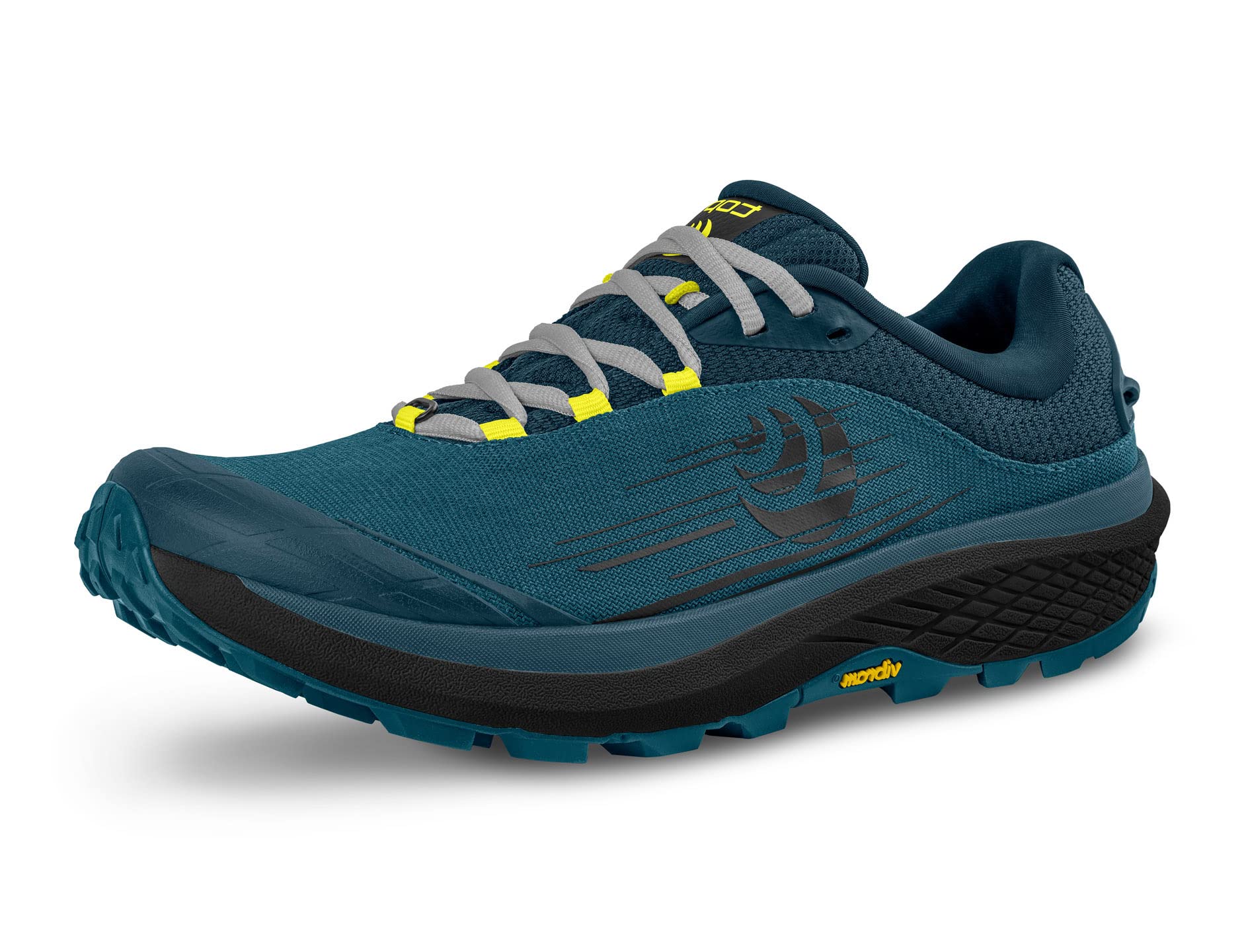
The Topo Pursuit has emerged as a serious challenger to ALTRA’s trail dominance, offering a zero-drop platform with a Vibram MegaGrip outsole that outperforms many competitors on wet granite and loose sand. The anatomical toe box provides plenty of splay room, while the midfoot and heel lockdown is noticeably more secure than the Lone Peak, giving runners confidence on off-camber rocky sections. Reviewers who switched from ALTRA cite the superior outsole durability and tighter heel pocket as the deciding factors.
The Pursuit uses a moderate stack that eliminates the need for a rock plate, as the midsole density itself deflects sharp edges without sacrificing flexibility. Several runners noted the shoe required no break-in, fitting true to size out of the box. The Vibram lugs show minimal wear after 100 trail miles, a testament to the rubber compound’s resilience against abrasive surfaces.
The Ortholite insole includes a pronounced arch support that some flat-footed runners found painful after six miles. Replacing it with a flat insole solved the issue, but buyers should be aware that the stock insole isn’t neutral. A few reviewers also noted the ankle padding frays before the outsole wears out.
Why it’s great
- Vibram MegaGrip outsole outperforms most competitors on wet and loose terrain
- Snug midfoot and heel lockdown provides stability on technical trails
- Durable construction with minimal tread wear after hundreds of trail miles
Good to know
- Arch support in Ortholite insole may cause discomfort for flat-footed runners
- Ankle padding frays before outsole wears out
4. FLUX FOOTWEAR Adapt Runners Barefoot Minimalist Shoes
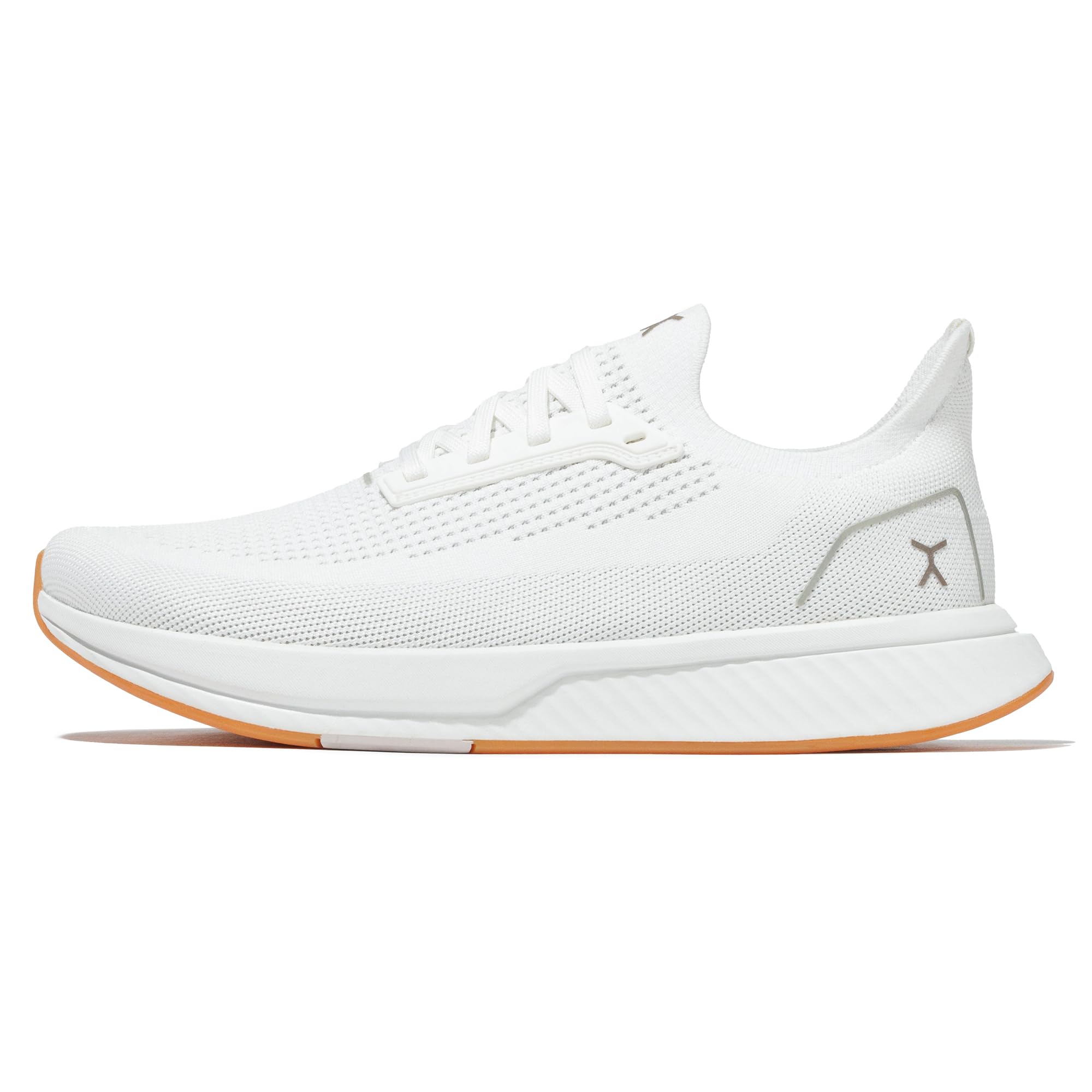
The FLUX ADAPT is a purpose-built zero-drop minimalist shoe designed for people who spend all day on their feet, offering an ultra-flexible outsole that allows full natural foot articulation. Reviewers with flat feet, post-surgery ankles, and chronic knee pain reported dramatic relief after switching, with many noting the shoe eliminated pain that conventional orthopedic shoes couldn’t fix. The wide toe box accommodates significant splay without the “duck foot” look that turns some runners away from barefoot-style footwear.
The shoe uses a removable insole that lets users dial in ground feel, and the upper breaks in quickly with no blisters reported even during 15,000-step workdays. Several long-term users reported their first pair still going strong after four years of daily use, citing the high upfront cost as justified by the extreme durability. The initial fit is stiff, with some ankle collapse, but the shoe relaxes into its shape after about two weeks of regular wear.
A few reviewers experienced sole separation at the heel after heavy use, and the sizing runs small enough that ordering half a size up is recommended for most foot shapes. The ADAPT is better suited to walking and everyday wear than high-speed running, where the extreme flexibility can feel unstable at faster paces.
Why it’s great
- Extreme flexibility allows full natural foot articulation for all-day comfort
- Removable insole lets users customize ground feel and stack height
- Exceptional durability reported exceeding four years of daily wear
Good to know
- Size up half a step — runs small compared to standard sizing
- Some reports of sole separation at the heel after extended use
5. Vivobarefoot Men’s Motus Strength Zero-Drop Training Shoe
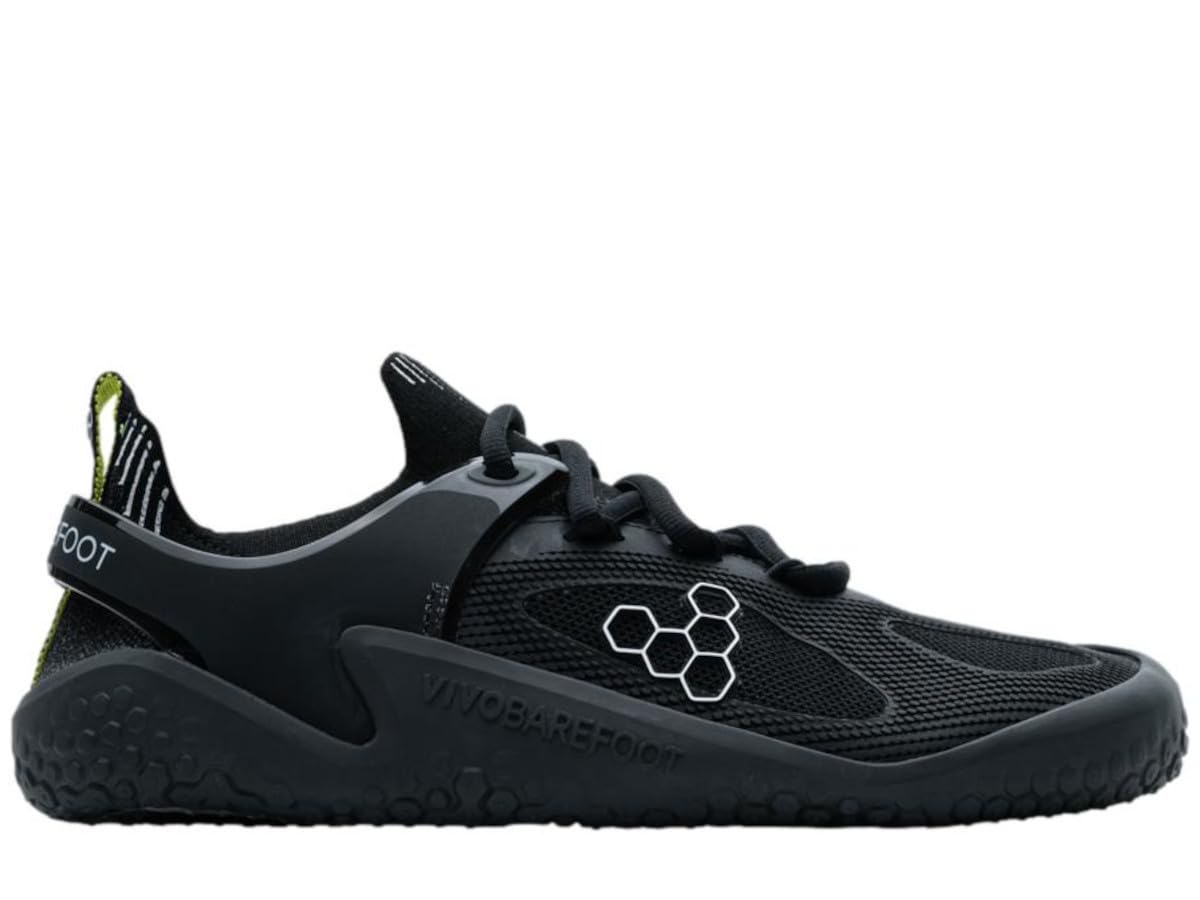
The Vivobarefoot Motus Strength is engineered for the weight room, with a 4mm stack that places your foot as close to the ground as possible for maximal stability under heavy loads. The zero-drop platform and firm compound provide an anchored feel for deadlifts, squats, and power cleans, eliminating the squishy instability that plagues cushioned trainers. Reviewers with wide feet (up to 4E) reported excellent fit, with enough toe splay for anatomical extension and contraction during range-of-motion exercises.
The outsole uses a sticky rubber compound that grips gym floors aggressively, preventing micro-slides during heavy compound lifts. The shoe requires zero break-in time, conforming immediately to the foot shape. Several gym-focused reviewers noted the Motus Strength outperforms dedicated lifting shoes for dynamic movements like box jumps and agility drills, where a traditional lifting shoe’s rigid heel becomes a liability.
The upper traps heat more than mesh trainers, making it less ideal for long cardio sessions or hot-weather outdoor use. Sizing runs a full size large for some users, so ordering your typical size or even half a size down is recommended depending on sock thickness.
Why it’s great
- Ultra-low 4mm stack provides exceptional ground feel and lifting stability
- Firm, sticky outsole anchors the foot during heavy squats and deadlifts
- Accommodates wide feet with generous toe splay and secure heel
Good to know
- Upper traps heat — less suitable for long cardio sessions
- Runs large — consider sizing down for a precise fit
6. ALTRA Women’s Escalante 4 Road Running Shoe
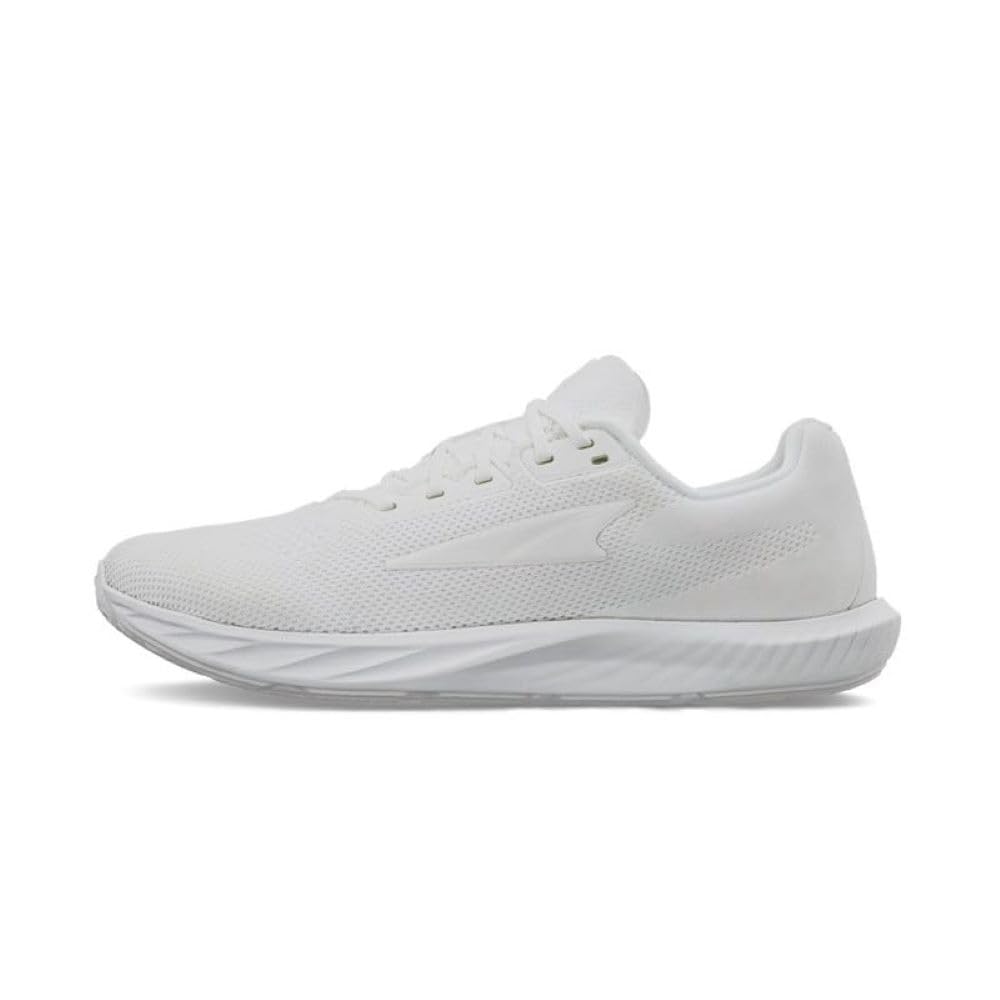
The Escalante 4 combines ALTRA’s signature zero-drop platform with a soft, stretchy knit upper that creates exceptional comfort for runners with bunions, overlapping toes, or arthritis. The 24mm stack of Altra EGO foam delivers a plush, forgiving ride that absorbs road impact without the sloppy feel of max-cushion trainers. Reviewers with toe deformities consistently describe the Escalante 4 as a “miracle” shoe, allowing pain-free running for the first time in years.
The knit upper breathes well and conforms to irregular foot shapes without creating pressure points, and the fit runs true to size for most foot volumes. Several users reported the zero-drop geometry resolved long-standing shin splint issues, crediting the platform for encouraging a more efficient midfoot strike pattern.
Colorway options are limited to darker shades and white, with the white versions showing dirt and staining quickly. The stock laces are shorter than preferred and tend to slip during runs, though replacing them with lock laces or swapping to a heel-lock lacing pattern resolves the issue completely.
Why it’s great
- Soft knit upper accommodates bunions, overlapping toes, and irregular foot shapes
- 24mm EGO foam provides plush impact absorption without sacrificing ground feel
- Zero-drop geometry encourages efficient midfoot strike and reduces shin pain
Good to know
- White colorways stain easily and are difficult to clean
- Laces are short and may require replacement for secure lockdown
7. ALTRA Women’s Lone Peak 8 Trail Running Shoe
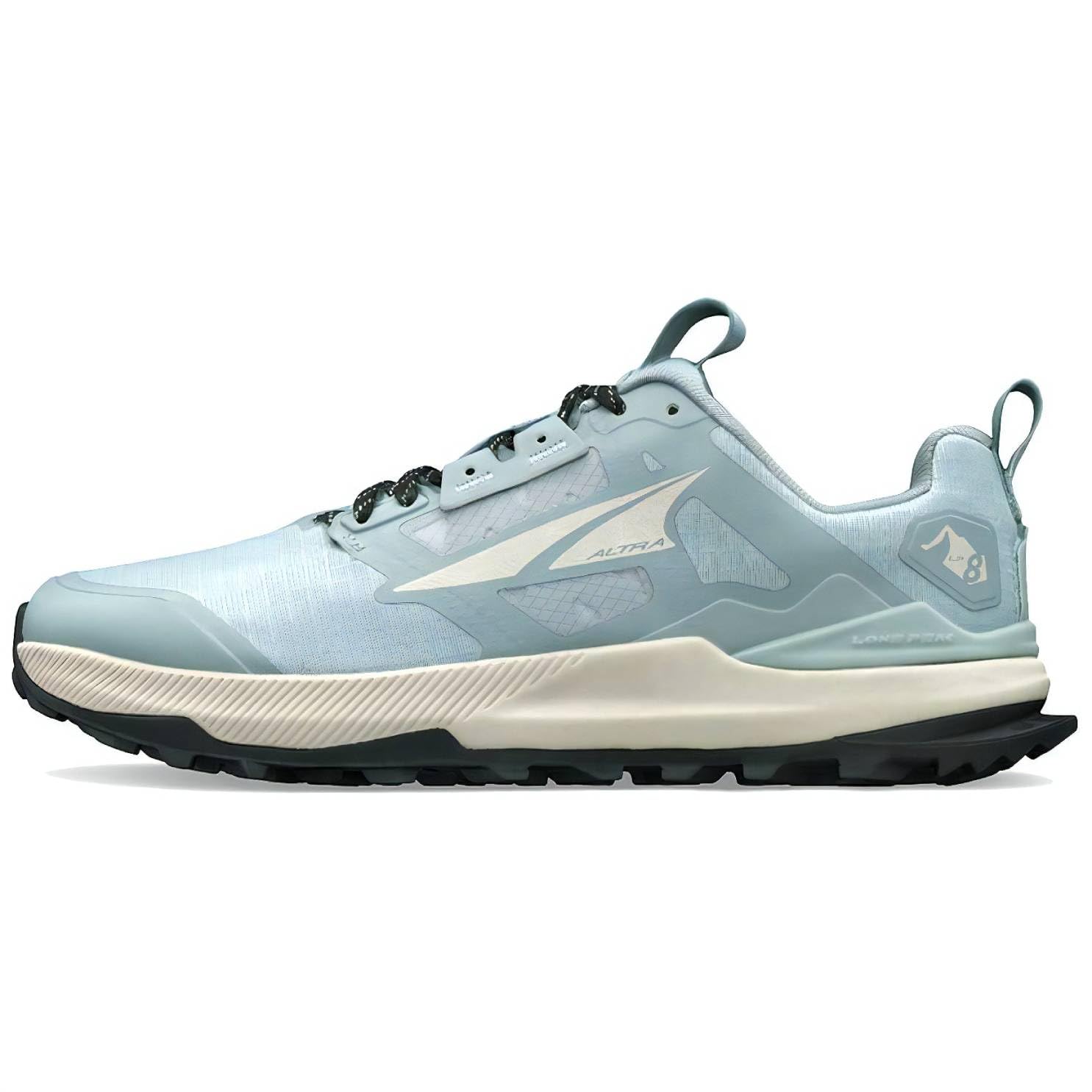
The Lone Peak 8 remains a benchmark in zero-drop trail footwear, offering the same FootShape™ toe box and MaxTrac outsole that made its predecessors best-sellers. The wide toe box eliminates the “hiker’s toe” pain that occurs on steep, rocky trails where feet slide forward and jam into narrow toe boxes. Reviewers reported zero break-in time, with the shoe feeling comfortable straight out of the box even for multi-hour trail excursions.
The toe guard protects the mesh upper from abrasion against rocks and roots, and the outsole grip holds confidently on loose dirt, gravel, and moderate mud. Several long-term users are on their sixth pair, citing consistent quality and the brand’s refusal to change the geometry that works. The shoe is lightweight enough for running yet supportive enough for day hikes, making it a versatile option for runners who mix trail running with hiking.
The Lone Peak 8 is not water-resistant, which is standard for breathable trail runners. Some users found the traction less confidence-inspiring on wet, polished rock compared to Vibram-equipped competitors, and a few noted the outsole wears faster on abrasive granite trails than expected from the MaxTrac compound.
Why it’s great
- Wide FootShape™ toe box eliminates “hiker’s toe” on steep, rocky terrain
- MaxTrac outsole provides excellent grip on loose dirt, gravel, and mud
- No break-in required — comfortable for immediate use on long trails
Good to know
- Not water-resistant — breathable mesh design requires drying time
- Outsole traction on wet polished rock lags behind Vibram-equipped models
8. Xero Shoes Mens Mesa Trail II Barefoot Trail Run Shoes

The Xero Mesa Trail II is a minimalist trail shoe built for runners who want maximum ground feel, featuring an 11mm stack with zero cushioning between the foot and the trail. The outsole uses a Vibram rubber compound that provides excellent traction on dirt, gravel, and moderate rock, though the shoe’s thin sole transmits sharp stone sensations directly to the foot. Reviewers who have already adapted to barefoot-style footwear described the Mesa Trail II as the most natural-feeling trail shoe available, with the wide toe box allowing full splay and the zero-drop platform engaging the posterior chain with every step.
The upper is extremely lightweight, with a breathable mesh that dries quickly after wet runs. Several users reported the shoe required a two- to four-week adaptation period even for experienced zero-drop runners, with the calves and achilles needing time to adjust to the near-total lack of heel elevation. The sizing is inconsistent between Xero models, with some users finding the size 13 cramped while the size 14 was too long, suggesting trial fitting before committing.
The long-term durability is a concern for high-mileage runners, as some reviewers reported tread wear through the Vibram outsole and broken lacing components before reaching 1,000 miles. The lack of cushioning means sharp rocks can bruise the heel on technical descents, and the shoe dries slowly despite the mesh construction.
Why it’s great
- Ultra-thin 11mm stack provides unmatched ground feel and sensory feedback
- Vibram outsole delivers reliable traction on dirt, gravel, and moderate rock
- Extremely lightweight design ideal for fully adapted barefoot runners
Good to know
- Zero cushioning transmits sharp rock sensations directly to the foot
- Inconsistent sizing between Xero models — may require trial fitting
- Long-term durability concerns for high-mileage runners
9. Topo Athletic Men’s ST-5 Road Running Shoes

The Topo ST-5 is an accessible entry point for runners transitioning to zero-drop footwear, offering a 14mm stack that provides enough protection for pavement running while still delivering meaningful ground feel and forefoot engagement. The shoe features a wide toe box that reviewers consistently praise for allowing natural splay, paired with a secure heel and midfoot that prevents slipping during faster efforts. Multiple reviewers described the ST-5 as the perfect bridge shoe for runners moving away from traditional elevated heels, with the low stack encouraging improved cadence and forefoot muscle engagement without the shock of jumping straight to a barefoot shoe.
The mesh upper is well-ventilated and can be worn comfortably without socks, making it a good option for hot-weather running or gym use. The removable insole allows users to increase ground feel by removing it entirely, transforming the ST-5 into a more minimalist experience. Several runners noted the shoe is lightweight enough for track work and speed intervals while still feeling substantial enough for daily road miles.
The prominent arch support in the Ortholite insole caused foot soreness for some flat-footed users, though replacing the insole with a flat alternative resolved the issue. A few users with larger bandages or post-surgical swelling found the toe box tight in the forefoot despite the generally roomy design.
Why it’s great
- 14mm stack provides a balanced transition platform for zero-drop newcomers
- Removable insole allows customization of ground feel and minimalist intensity
- Lightweight, breathable mesh upper suitable for sockless wear
Good to know
- Ortholite insole arch support may cause soreness for flat-footed runners
- Toe box may feel tight for feet with post-surgical swelling or thick bandages
FAQ
How long does it take to adapt to zero-drop running shoes?
Can zero-drop shoes help with plantar fasciitis or knee pain?
Are zero-drop shoes the same as barefoot shoes?
Should I size up or down in zero-drop running shoes?
Can I use zero-drop running shoes for walking or the gym?
Final Thoughts: The Verdict
For most users, the 0 drop running shoes winner is the ALTRA Torin 7 because it combines a cushioned yet responsive EGO™ MAX foam ride with a generous anatomical toe box that works for both road running and daily walking, making it the most versatile zero-drop shoe on the market. If you want a dedicated trail performer with superior outsole grip and secure lockdown, grab the Topo Pursuit. And for the minimalist seeking the most ground feel on technical trails, nothing beats the Xero Mesa Trail II.