
Our readers keep the lights on and the weekend projects moving. As an Amazon Associate, I earn from qualifying purchases.
When your pasta dough snaps back on the roller or your ravioli bursts in the water, the culprit is usually the flour. Standard all-purpose flour lacks the precise protein content and ultra-fine grind needed for silky, elastic dough that holds its shape. That’s where double-zero, or “00,” flour enters the picture—a staple of Italian kitchens milled specifically for the tender bite and easy handling fresh pasta demands.
I’m Rikta — the co-founder and writer behind FitlyFast. I’ve spent countless hours analyzing wheat protein levels, grind textures, and customer feedback to identify which Italian-style flours actually deliver the right gluten structure for hand-rolled, laminated, and extruded pasta without making you fight the dough.
This guide breaks down the top options on Amazon based on protein content, organic certifications, origin, and real-world reliability so you can confidently choose the 00 flour for pasta that matches your skill level and recipe goals.
How To Choose The Best 00 Flour For Pasta
Picking the right 00 flour isn’t just about the bag label. The grind fineness, protein level, and intended use (pasta vs. pizza) all affect your final dough. Here are the key factors to check before buying.
Protein Content: The Gluten Puzzle
Fresh pasta needs a moderately high protein content—roughly 10.5% to 12.5%—to develop enough gluten for elasticity without turning the dough rubbery. Pizza-grade 00 flour often sits at 12.5% or higher, which works for hand-stretched Neapolitan dough but can make pasta tough if you over-knead. Pasta-specific blends (like Caputo’s Pasta Fresca) hover around 11% for a tender result.
Grind Classification: Why “00” Matters
The Italian classification system grades flour by how fine it is milled. “00” is the finest grind, producing a silky, powder-like texture that absorbs water quickly and evenly. That fine particle size gives pasta dough a smooth, satiny feel and prevents graininess in thin sheets of lasagna or ravioli.
Origin and Certification: Italian vs. Domestic
Italian-milled 00 flour comes from soft wheat varieties selected for their low ash content and high starch quality. USDA Organic certification adds assurance that no synthetic pesticides or bleaching agents were used. Domestic brands (like Giusto’s or Bob’s Red Mill) often use North American wheat blends milled to the 00 standard, which can yield similar results at a lower price point.
Fresh Pasta vs. Pizza: Not Interchangeable
Many 00 flours are sold as “pizza flour” but work for pasta in a pinch. However, pasta-specific blends often include a touch of semola or have a slightly coarser feel to help extruded shapes hold sauce better. If you primarily make sheet pasta (lasagna, fettuccine, ravioli), choose a flour labeled for “pasta fresca” to avoid excessive spring-back.
Quick Comparison
On smaller screens, swipe sideways to see the full table.
| Model | Category | Best For | Key Spec | Amazon |
|---|---|---|---|---|
| Antimo Caputo Pasta & Gnocchi | Pasta Fresca | Laminated pasta & gnocchi | 11.0% protein | Amazon |
| Polselli Fresh Pasta Flour | Pasta/Gnocchi | Handmade & machine pasta | 11 lbs bulk bag | Amazon |
| Polselli Organic 00 Flour | Organic | Neapolitan pizza & pasta | USDA Organic, 11 lbs | Amazon |
| Giusto’s Vita-Grain Organic 00 | Organic Pizza | Pizza & cold-ferment dough | USDA Organic, non-GMO | Amazon |
| Mulino Caputo 00 Pizzeria | Pizza Grade | Neapolitan pizza & bread | 12.5% protein | Amazon |
| Antimo Caputo 00 Pizzeria | Pizza Grade | Neapolitan pizza & ciabatta | 12.5% protein | Amazon |
| Bob’s Red Mill 00 Pizza Flour | Domestic 00 | Pizza & pasta, beginner-friendly | Kosher, non-GMO | Amazon |
In‑Depth Reviews
1. Antimo Caputo Pasta & Gnocchi Flour 5 Lb
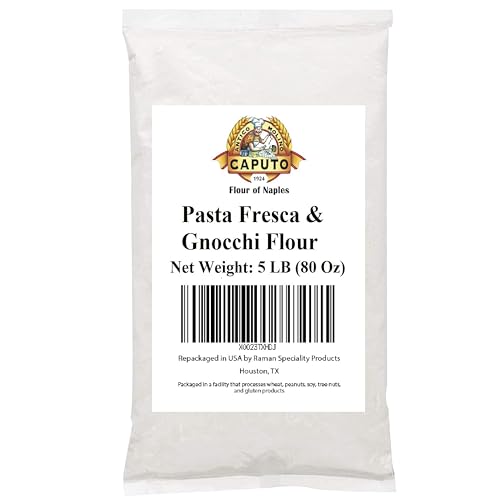
This is the flour Molino Caputo engineered specifically for fresh pasta and gnocchi—not a pizza flour rebranded for pasta duty. Its measured protein content (around 11%) creates a dough that rolls out smoothly through a laminator without snapping back, producing shiny, consistent sheets perfect for ravioli or lasagne.
Customer reviews consistently praise how the flour “flows like water” in the bag, confirming its ultra-fine 00 grind. The slow-grinding technique used by Caputo preserves starches and proteins, which translates to dough that feels silky rather than dusty. Many bakers report using it for gnocchi with excellent results, noting the light, melt-in-your-mouth texture.
The 5-pound repack size is practical for home cooks who make pasta weekly but don’t want bulk storage issues. A few users mentioned repackaging is standard for this product—the flour arrives in a sealed clear bag with clear labeling and expiration info, and freshness is consistently rated highly.
Why it’s great
- Formulated specifically for laminated fresh pasta
- Silky, consistent dough with no spring-back
- Slow grinding preserves starch quality
Good to know
- Repacked from bulk—verify freshness date
- Not ideal for extruded pasta without blending with semola
2. Polselli Fresh Pasta Flour, Tipo 00, 5 kg
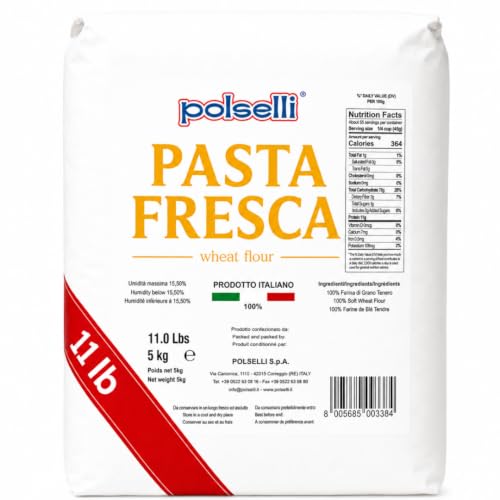
Polselli’s pasta flour is designed with a slightly coarser texture compared to Caputo’s, which makes it exceptionally good for thicker, ridged pasta shapes that need to hold onto hearty sauces. The 5 kg (11 lb) bag offers serious value for regular pasta makers or small commercial kitchens.
Reviews from home pasta enthusiasts highlight that this flour produces tender noodles that are sturdy enough for heavy ragù without turning mushy. A few bakers noted the included recipe card had some temperature issues (450°F was too hot for bread), but the flour itself performed well once hydration and time were adjusted.
Versatility is a strong point—users have successfully used it for bread machine loaves, hand-rolled pasta, and gnocchi. The 100% soft wheat blend delivers a fine 00 grind that handles well whether you’re kneading by hand or using a stand mixer.
Why it’s great
- Large 11 lb bag for frequent use
- Works for hand-rolled and extruded pasta
- Sturdy enough for heavy sauces
Good to know
- Recipe instructions on bag need adjustment
- Coarser than Caputo for sheet pasta
3. Polselli Organic Flour, Type 00, 5 kg

If organic sourcing is your priority, this Polselli offering carries USDA Organic certification and is made from 100% Italian grain. The extra-fine 00 grind (similar to their conventional pasta flour) works for Neapolitan pizza, fresh pasta, and bread, making it a versatile pantry staple for clean-eating households.
Users with gluten sensitivity reported better digestion with this organic flour compared to standard US wheat—likely due to the absence of GMOs and synthetic pesticides. Sourdough bakers appreciated the light texture and predictable hydration, while pizza makers noted a “beautiful aroma” filling the kitchen during baking.
The 11 lb bag is packaged in a sealed, durable bag that arrives fresh. Some reviewers wished the brand had glyphosate-free certification beyond the organic label, but overall satisfaction remains high for anyone prioritizing chemical-free ingredients without sacrificing pasta quality.
Why it’s great
- USDA Organic, non-GMO, no additives
- Great for sensitive digestion
- Versatile for pasta, pizza, and bread
Good to know
- Not certified glyphosate-free
- Premium price compared to conventional
4. Giusto’s Vita-Grain Organic 00 Flour, 5 lb

Giusto’s Vita-Grain brings an organic, domestically milled alternative to Italian imports. This 00 flour is made from a blend of organic North American wheat, milled to the same fine standard as Italian mill brands. The result is a smooth, silky dough that stretches easily without tearing—perfect for both thin-crust pizza and fresh pasta sheets.
Regular users consistently compare it favorably to Caputo flour, with several calling it their new go-to specifically because it’s a US product with reliable supply. The thick vacuum-sealed bag keeps flour fresh for months, and cold-ferment recipes yield consistent, flavorful dough with good oven spring.
A few professional bakers add vital wheat gluten to boost protein for certain bread applications, but for pasta and pizza, the flour performs admirably right out of the bag. The organic certification and non-GMO status make it a solid choice for anyone avoiding imported conventional flour.
Why it’s great
- USDA Organic, US-made flour
- Vacuum-sealed for freshness
- Excellent for cold-ferment dough
Good to know
- Slightly lower protein than Italian pizza blends
- Some bakers add vital wheat gluten for bread
5. Mulino Caputo 00 Pizzeria Flour, 4-Pack
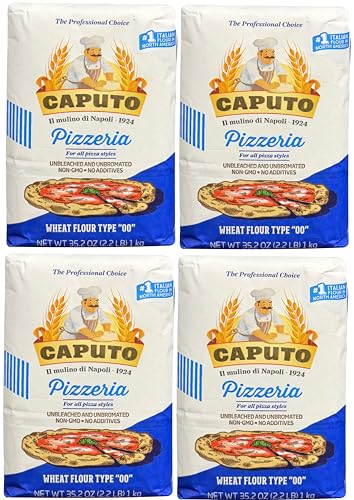
This 4-pack of 1 kg Caputo Pizzeria flour is convenient for pizza-focused households who still make pasta occasionally. At 12.5% protein, it develops strong gluten networks ideal for Neapolitan pizzas baked at high heat—while still producing workable pasta dough if you reduce kneading time.
Users report the flour produces a smooth, easy-to-handle dough that blisters nicely in home ovens and wood-fired setups. The fine grind absorbs water quickly, creating a wet dough that firms up beautifully after a 24-hour cold rest. Many home cooks use it for poolish-style bread as well, with excellent oven spring and crumb.
The 1 kg bags are individually sealed, which helps with portion control and freshness. Some buyers noted the outer packaging can arrive dusty, so transferring to airtight containers is wise. Overall, this is a reliable, authentic Italian flour for anyone balancing pizza nights with occasional pasta projects.
Why it’s great
- Authentic Neapolitan pizza flour
- Individually sealed 1 kg bags
- Great for cold-ferment dough
Good to know
- Higher protein may make pasta tough
- Outer packaging can be dusty
6. Antimo Caputo 00 Pizzeria Flour, 6 lbs

Caputo’s classic Pizzeria flour is the gold standard for Neapolitan pizza dough, but it also doubles as a solid pasta flour in a pinch. The 12.5% protein gives dough elasticity, making it easy for beginners to stretch without snapping back—a common pain point that reviewers consistently praise.
Several home bakers shared their go-to recipe: 500g flour, 325g water, 10g salt, 3g yeast, with a 24-hour cold ferment for flavor. The dough handles well in outdoor pizza ovens and standard home ovens alike, producing a crispy exterior with a chewy, airy crumb.
One interesting note: multiple customers with gluten sensitivity reported fewer issues with Caputo than with standard US all-purpose flour, possibly due to the Italian soft wheat varieties used. The 6 lb bag is a practical size for weekly pizza makers, though serious pasta makers may prefer the dedicated Pasta Fresca version.
Why it’s great
- Industry standard for Neapolitan pizza
- Easy to stretch, no spring-back
- Reports of better tolerance for sensitive stomachs
Good to know
- Designed for pizza, not optimized for pasta
- Higher protein can make pasta tough
7. Bob’s Red Mill 00 Pizza Flour, 12 lbs (4-pack)
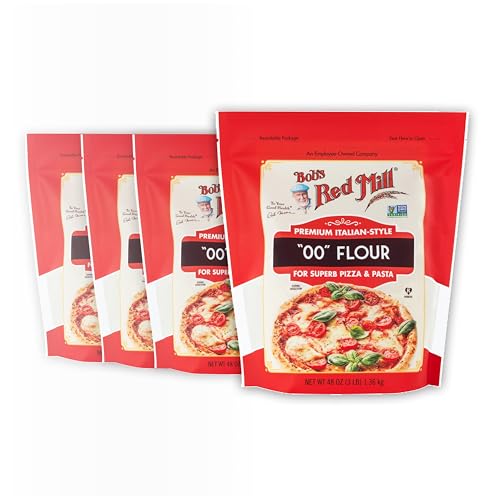
Bob’s Red Mill is widely available and offers a reliable entry point for home cooks exploring 00 flour for the first time. Their domestic version is milled to a fine powder that mimics Italian 00, with moderate gluten content that is easy to shape without excessive snap-back. It works well for both Neapolitan pizza and fresh pasta.
Reviewers rave about the “souwft and crownchy” texture—the flour browns beautifully at high temperatures (around 900°F) and produces tender pasta noodles. Some noted the 12 lb case is a lot of flour, but the individual bags are manageable and the zipper closure (though imperfect) helps with storage.
Criticisms focus on pricing: the cost has nearly doubled recently, making it less competitive than Italian imports like Caputo. Still, for bakers who prefer a domestic product with kosher certification and non-GMO sourcing, Bob’s Red Mill remains a solid choice. Reduce water percentage slightly compared to Italian 00 flours.
Why it’s great
- Widely available, consistent quality
- Beginner-friendly, easy dough handling
- Kosher and non-GMO
Good to know
- Higher price per pound than some Italian options
- Small bag size in multi-pack is not resealable well
FAQ
Can I use pizza 00 flour for fresh pasta?
What is the difference between Caputo Pasta Fresca and Caputo Pizzeria flour?
Is organic 00 flour worth the extra cost for pasta?
Final Thoughts: The Verdict
For most users, the 00 flour for pasta winner is the Antimo Caputo Pasta & Gnocchi Flour because it is purpose-built for fresh pasta—its protein level and grind produce silky, non-elastic dough that rolls out beautifully every time. If you want an organic option with bulk value, grab the Polselli Organic 00 Flour. And for budget-friendly domestic convenience, nothing beats the Bob’s Red Mill 00 Pizza Flour for beginners exploring double-zero for the first time.