
Our readers keep the lights on and the weekend projects moving. As an Amazon Associate, I earn from qualifying purchases.
A 4/3 wetsuit is the single most versatile piece of cold-water gear you can own. At 4mm on the limbs and 3mm across the core, it hits the sweet spot where warmth meets paddling mobility — but the wrong cut, neoprene quality, or sizing turns a promising session into a stiff, leaky battle against the cold.
I’m Rikta — the co-founder and writer behind FitlyFast. My approach to this guide came from cross-referencing hundreds of verified buyer experiences against the actual neoprene formulations, seam constructions, and zipper designs that separate a season-long performer from a one-trip regret.
Whether you are a weekend surfer, a cold-water spearfisher, or a triathlete looking for that extra degree of warmth, the right 4/3 wetsuit is the difference between a memorable session and a miserable one.
How To Choose The Best 4/3 Wetsuit
The 4/3mm wetsuit is a compromise by design: thicker neoprene on the core for heat retention, thinner material on the arms and legs to preserve paddling range of motion. That compromise works only when the suit fits your body shape and intended water temperature. Here is what determines whether a 4/3 wetsuit actually delivers on its promise.
Neoprene Grade and Flexibility
Standard SBR (styrene-butadiene rubber) neoprene is heavy and stiff, limiting arm rotation during paddling. SCR (styrene-chloroprene rubber) offers better elasticity and is common in mid-range suits. CR (chloroprene rubber), often branded as limestone neoprene, is the premium tier — lighter, warmer, and dramatically more flexible. If you are paddling more than 30 minutes in water below 55°F, the extra cost for CR is a warmth investment, not a luxury.
Seam Construction: GB, GBS, and Flatlock
Glued and blind-stitched (GBS) seams are the gold standard for cold-water suits. They are sealed with glue and stitched without penetrating all the way through the neoprene, blocking water entry while retaining flexibility. Flatlock seams lay flat and are comfortable on bare skin, but they let water seep through — fine for warm-water suits, inadequate for a 4/3 used in genuine cold conditions. For water below 60°F, reject any suit that does not use GBS on the torso panels.
Zipper Placement and Seal Quality
A back-zip wetsuit is easier to self-don but creates a potential water channel if the flap or seal is weak. Front-zip designs reduce back flushing and often allow easier entry, but can limit chest expansion if the panel is too stiff. Either configuration is valid — judge the aquastop flap, the zipper-grade hardware, and the length of the pull cord before deciding.
Quick Comparison
On smaller screens, swipe sideways to see the full table.
| Model | Category | Best For | Key Spec | Amazon |
|---|---|---|---|---|
| O’Neill Women’s Epic 4:3mm | Premium | Cold-water surfing | 4/3mm CR neoprene, back-zip | Amazon |
| Synergy Endorphin Full Sleeve | Triathlon | Open water swimming & tri | Yamamoto #39, 5mm buoyancy panel | Amazon |
| Cressi Morea 3mm | Diving | Scuba & snorkeling | Ultraspan arms, rubberized chest | Amazon |
| Hevto 4/3mm Back Zip | Mid-Range | Cold-water surfing & diving | SCR neoprene, GBS seams | Amazon |
| Lansru 5/4mm Front Zip | Mid-Range | Diving & cold snorkeling | SCR + CR neoprene, YKK zip | Amazon |
| ZCCO 5mm Front Zip | Value Diving | Diving & snorkeling | 5mm neoprene, 4 mini zippers | Amazon |
| Owntop 5mm Front Zip | Budget | Diving & snorkeling | 5mm neoprene, YKK zipper | Amazon |
| REALON 5/4mm Back Zip | Budget | Aerobic water sports | 5mm neoprene, reinforced knee pad | Amazon |
| O’Neill Youth Reactor-2 3/2mm | Youth | Kids surfing & swimming | 3/2mm neoprene, ankle zipper | Amazon |
In‑Depth Reviews
1. O’Neill Women’s Epic 4:3mm Back Zip Full Wetsuit
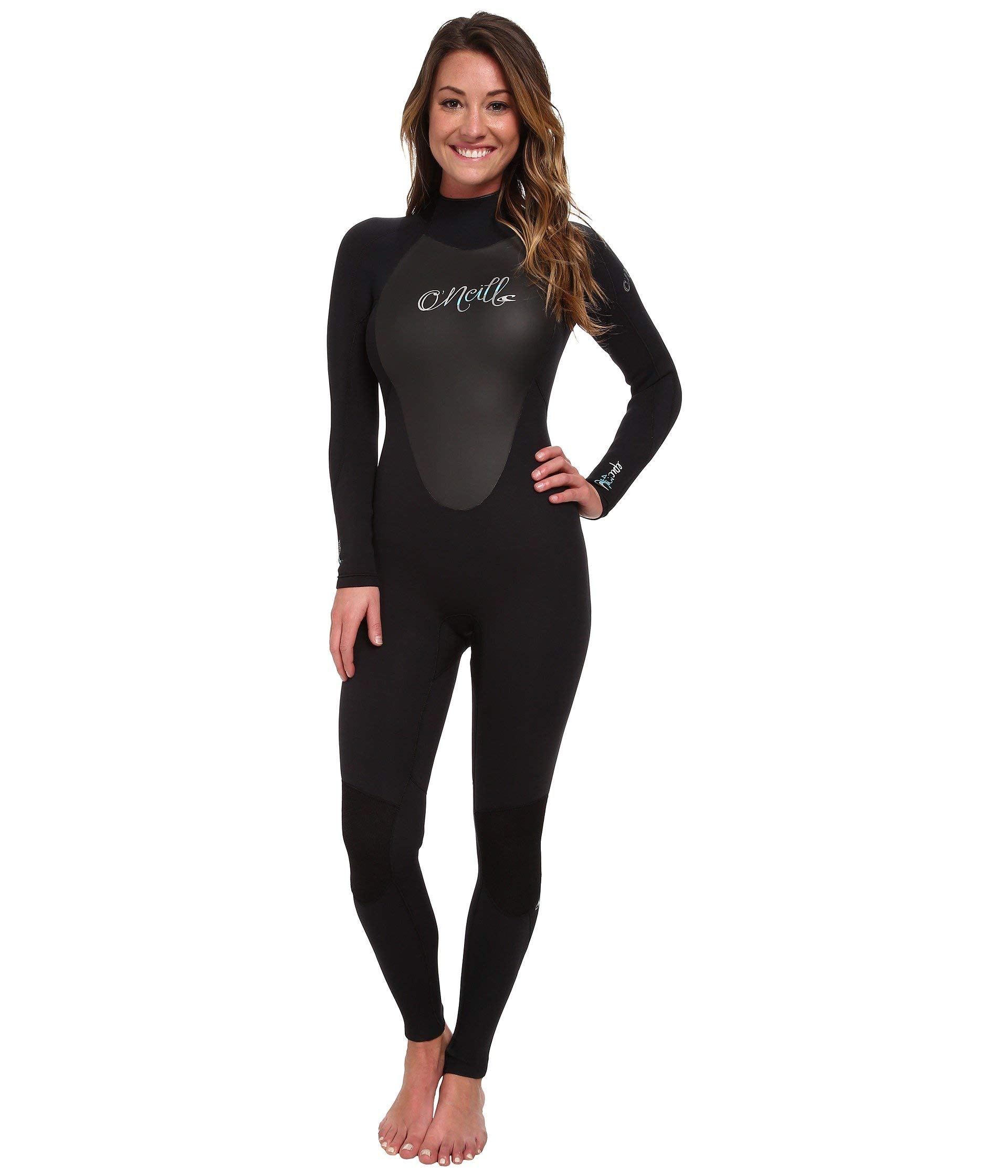
The O’Neill Women’s Epic 4:3mm is built with high-stretch CR neoprene that feels noticeably softer against the skin than standard SBR suits. Multiple verified buyers report excellent thermal retention in water temperatures as low as 58°F, with one reviewer noting the suit kept them comfortably warm during extended sessions in 60°F air. The back-zip design includes a long pull cord and a secure velcro neck strap that prevents zipper snagging on hair or rash guards.
Fit feedback is consistently positive for shorter torsos — the size 10 proved too long for a 5’2″ reviewer who ultimately preferred the size 8 short. The material is pliable enough that the suit loosens slightly after three wears, addressing that initial snug collar feel. Calves are reported as tight, which helps prevent water flush but adds difficulty during removal. The fabric is sensitive-skin friendly and does not irritate after hours of wear.
Durability is the single trade-off: the softer neoprene may compress faster than stiffer alternatives, especially if the suit is frequently exposed to chlorinated pools. One reviewer noted the material is less abrasion-resistant than older O’Neill models. For pure cold-water surfing or paddling in the 55–65°F range, this is the warmest, most comfortable women-specific 4/3 available at its price tier.
Why it’s great
- Premium CR neoprene provides exceptional stretch and warmth
- Consistently reliable thermal performance down to 58°F
- Soft, non-irritating interior ideal for sensitive skin
Good to know
- CR neoprene may compress faster than stiffer, cheaper alternatives
- Tight calf fit makes removal difficult for some body types
- Pool exposure can accelerate fabric degradation
2. Synergy Triathlon Wetsuit Men’s Endorphin Full Sleeve

The Synergy Endorphin uses Yamamoto #39 neoprene with an SCS silicone coating, a combo that dramatically reduces water drag and maximizes buoyancy. The 5mm core buoyancy panel lifts the hips and legs higher in the water, which translates directly to reduced energy expenditure for triathletes and open water swimmers. One reviewer reported a perfect L1 fit at 6’2″ and 195 pounds, noting that adjusting the shoulder fabric eliminated initial arm resistance.
Flexibility is the standout feature here: Synergy claims 680 percent stretch, and multiple users confirm near no-feel movement in the shoulders and arms. The soft low-smooth neck collar minimizes chafing during long swims. A less experienced triathlete noted that the buoyancy was a “game changer” for leg positioning, saving significant energy over a full-distance swim.
The primary concern is zipper integrity: one verified purchase reported heavy water ingress through the YKK zipper within the first minute of use, despite a tight fit and proper flap closure. This appears to be an isolated QC issue, but it is worth inspecting the zipper seal before the first open-water session. For swimmers prioritizing glide efficiency and buoyancy over all else, the Endorphin outperforms wetsuits costing nearly twice as much.
Why it’s great
- Yamamoto #39 neoprene with SCS coating for minimal drag
- Exceptional 680% stretch in the arms and shoulders
- 5mm core panel provides industry-maximum buoyancy for legs
Good to know
- Isolated reports of zipper seal failure causing leaks
- Triathlon-specific cut is less ideal for general surfing or diving
- Requires product registration for the 2-year warranty
3. Cressi Morea 3mm Scuba Diving Wetsuit

The Cressi Morea is a 3mm suit, but its construction — Ultraspan neoprene on the limbs and rubberized neoprene on the chest — makes it a legitimate contender for divers and snorkelers who prioritize flexibility over maximum warmth. Cressi has been designing dive gear since 1946, and it shows in the anatomical cut and the dorsal YKK zipper equipped with an Aquastop flap. One reviewer at 5’10”, 168 pounds reported a perfect snug fit in Men’s Large.
Overlock cuffs at the wrists and ankles reduce water flushing, and the knee pads provide genuine abrasion protection for boat entries and reef navigation. The suit works well in water temperatures above 70°F, with one user spending three hours comfortably in 80°F conditions. The back zipper’s long pull cord makes self-donning straightforward even with cold, stiff fingers.
The 3mm thickness limits this suit’s range compared to true 4/3 options — it is not intended for extended sessions below 65°F. One reviewer noted that the belly fit was slightly snug on a muscular build despite ordering one size up. This is a premium warm-water suit with dive-specific durability, not a cold-water surf suit. For spearfishing or tropical diving, the Cressi Morea delivers Italian design quality at a fair mid-range price.
Why it’s great
- Rubberized chest panel retains heat better than standard 3mm suits
- Ultraspan arms allow unrestricted movement for paddling
- Aquastop flap and overlock cuffs minimize water entry
Good to know
- 3mm thickness is too thin for water below 65°F
- Belly fit may be tight for muscular builds
- Back-zip design requires help for some users to zip fully
4. Hevto 4/3mm Back Zip Wetsuit for Men
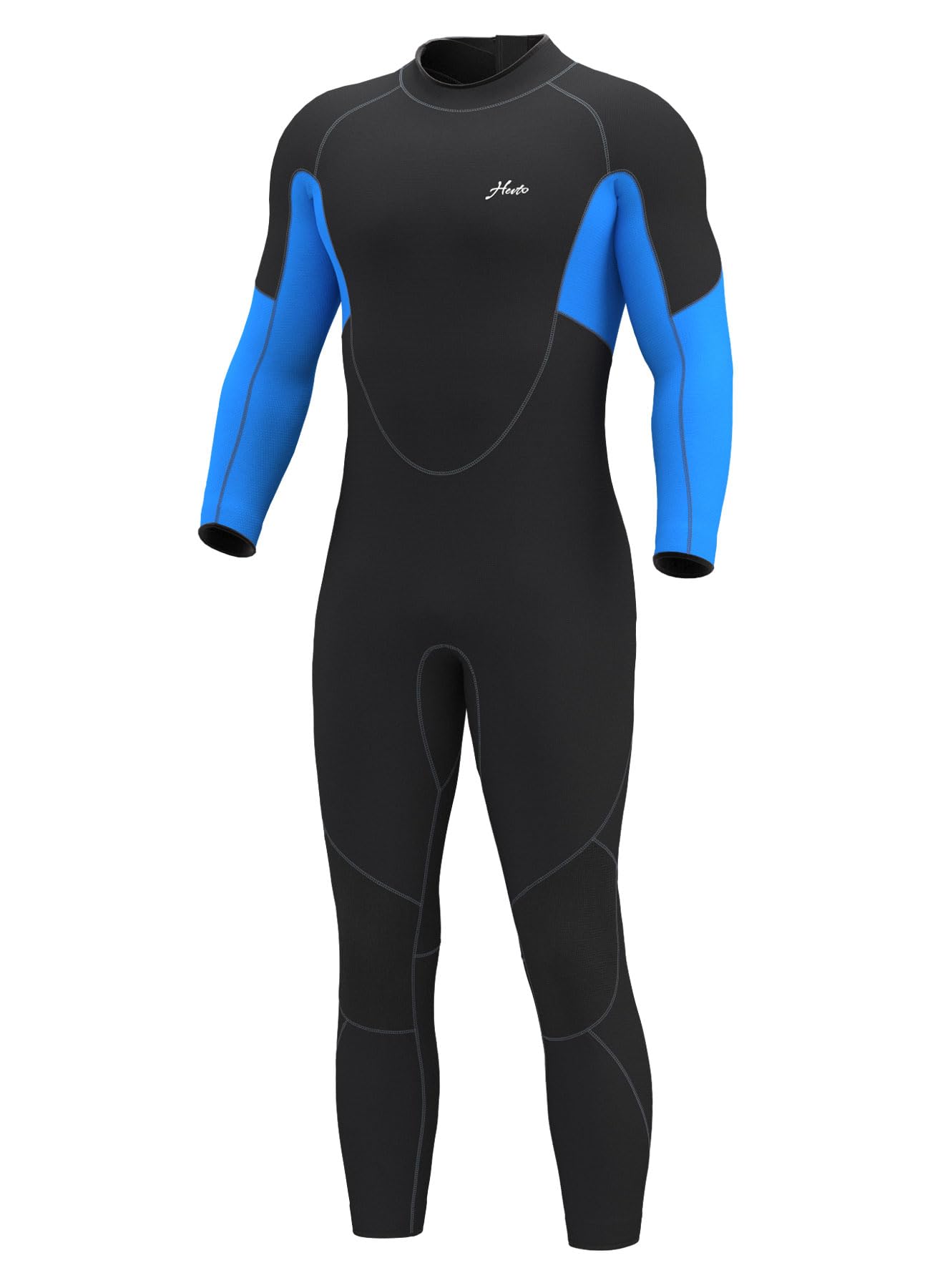
The Hevto 4/3mm wetsuit is a rare budget-adjacent option that uses genuine glued and blind-stitched seams, the construction standard required for cold-water performance. One verified reviewer reported remaining comfortable in 40°F water when paired with socks and gloves — a temperature range that typically demands a 5mm suit. The SCR neoprene is lightweight and flexible enough for open water swimming, with another reviewer noting excellent construction quality after ten sessions in 70°F water.
The back-zip design includes an upgraded puller and a zipper flap that minimizes water seepage. Reinforced knee pads add durability for surfers and divers who spend time on boards or rocks. One reviewer found the fit impressive enough to consider buying a thicker version for colder conditions, which speaks to the suit’s value as an entry point for multi-sport cold-water use.
Sizing requires attention: one user advised ordering one size down from the size chart based on personal experience, while others found the chart accurate. The suit runs slightly slim in the torso for larger chests. The 4/3mm thickness is ideal for water in the 50–65°F range, but divers seeking extended bottom time below 50°F will want a 5mm or hooded model. For the price, this is the most capable cold-water 4/3 at its price level.
Why it’s great
- Genuine GBS seams block water better than flatlock suits
- Proven thermal performance in 40°F water with accessories
- Lightweight SCR neoprene maintains good paddling mobility
Good to know
- Sizing runs small for larger chests — consider sizing up
- Back zip can be tricky for solo removal
- Not thick enough for extended bottom time below 50°F
5. Lansru 5/4mm Upgrade CR Neoprene Wetsuit

Lansru differentiates this suit by blending SCR neoprene for the body with 4mm CR neoprene at the neck and cuffs, creating a seal that reduces water entry without sacrificing torso flexibility. The front YKK zipper is smooth and allows easy self-donning, a major advantage for divers who need to suit up without assistance. One experienced diver rated the stitching and material quality as excellent for the price after sizing up to accommodate an undersuit.
The suit is 5mm thick, which makes it warmer than a standard 4/3 but correspondingly stiffer. Reviewers report accurate sizing for long arms and a chest that does not restrict breathing during exertion. The seamless neck design and skin-friendly patches minimize irritation, and the suit carries OEKO-TEX Standard 100 certification — a meaningful detail for anyone with chemical sensitivities.
Water ingress is manageable but not eliminated: one reviewer noted the suit is difficult to remove due to the thickness and lack of zippered limbs. The warmth is good for low 70s°F water, but multiple users agree it is too thin for extended use in the mid-60s°F range. For divers and snorkelers who value a front-zip entry in cooler spring and fall conditions, this is a well-constructed choice that respects its price ceiling.
Why it’s great
- CR neoprene seals at neck and cuffs reduce water flushing
- Smooth YKK front zipper allows fast solo donning
- OEKO-TEX certified neoprene safe for sensitive skin
Good to know
- 5mm thickness limits paddling mobility for surfing
- Difficult to remove without zippered ankles or wrists
- Warmth tapers off significantly below 65°F water
6. ZCCO 5mm Front Zip Wetsuit

The ZCCO 5mm wetsuit includes four mini zippers at the arms and legs, a feature usually found on suits costing considerably more. These zippers allow quick ventilation between dives and make entry and removal notably faster. The smooth-skinned neoprene inner layer at the collar, wrists, and ankles creates a tight seal that prevents flushing — a design choice that one experienced diver found performed as well as suits twice the price.
The suit is 5mm throughout, so it is warmer than a true 4/3 but also stiffer across the shoulders. The padded nylon knee pads provide solid protection for rocky shore entries. One beginner diver reported the suit fit accurately per the size chart and kept water out reliably during California sessions. The front zipper is smooth and long, making self-donning manageable.
Sizing is the primary challenge: the suit runs short in the torso. A 6’4″ diver found that even the 4XL was too short, while a 5’6″, 220-pound user needed to size up to 4XL for chest room but then had excess length. This wetsuit is best suited for shorter divers and snorkelers — if you are over 6 feet tall, look elsewhere. For its intended height range, the ZCCO delivers impressive value through the mini zipper system and reliable seals.
Why it’s great
- Four mini zippers enable fast ventilation and easy removal
- Smoothskin seals at neck, wrists, and ankles limit water entry
- Padded knee nylon adds durability for rocky entries
Good to know
- Runs short in the torso — unsuitable for tall divers
- 5mm thickness restricts shoulder mobility for surfing
- Sizing inconsistencies require careful measurement
7. Owntop 5mm Neoprene Diving Suit

The Owntop 5mm wetsuit uses a 5mm neoprene body with 4mm CR neoprene cuffs, a combination that provides decent thermal protection for water temperatures around 70°F and above. An experienced diver who has been in the sport for 25 years reported that his wife used this suit for five days of diving in the Galapagos and found it adequately warm and well-constructed for the price. The front YKK zipper simplifies entry compared to back-zip alternatives.
The UPF 50+ rating and jellyfish/reef protection add practical safety for snorkelers and divers exploring marine environments. The snug-fit wrist and ankle cuffs effectively prevent water infiltration during active movement. A towboat recovery captain noted the suit kept him comfortable and warm in 40°F water, though this is an extreme temperature for a 5mm suit and likely required significant body heat generation.
Sizing is the biggest variable: the size chart must be followed by chest, waist, and hip measurements, not by typical clothing size. One user found the Large too tight in the chest despite normally wearing Medium. The suit is also difficult to remove alone, requiring assistance to peel off the first arm. This is a solid entry-level diving suit in the budget tier, but experienced cold-water divers will want a higher-grade neoprene and GBS seam construction.
Why it’s great
- CR neoprene cuffs seal well against water entry
- Front YKK zipper allows easier self-donning
- UPF 50+ and reef protection for safe snorkeling
Good to know
- Sizing by body measurements is critical — easy to get wrong
- Difficult to remove without assistance
- Chlorinated pool exposure accelerates neoprene degradation
8. REALON 5/4mm Back Zip Wetsuit for Women
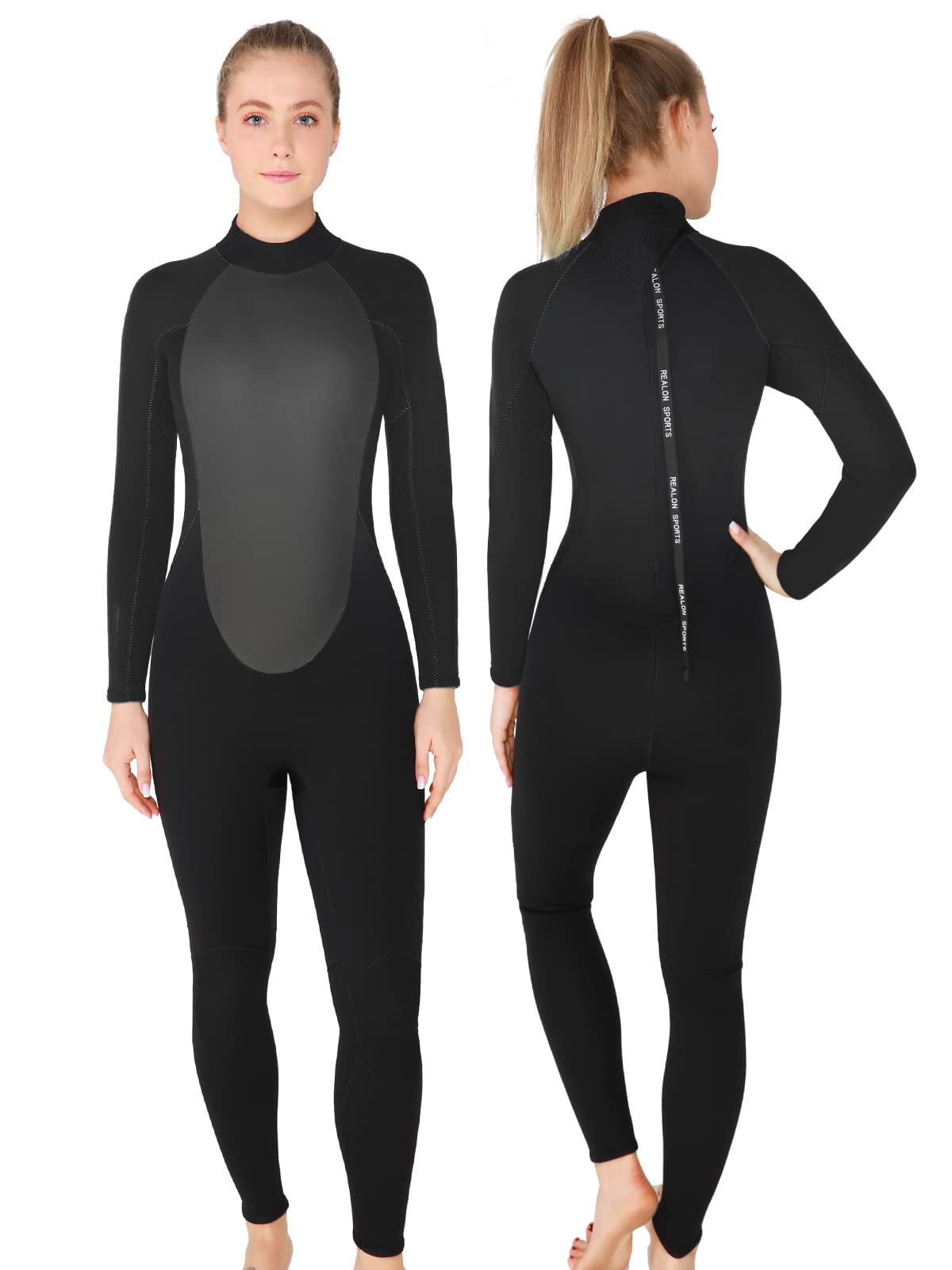
The REALON 5/4mm wetsuit is designed for women engaging in aerobic water sports — paddleboarding, jet skiing, and aquatic exercise — where breathability and freedom of movement matter more than maximum compression. The 5mm body provides warmth while the 4mm limbs allow reasonable arm motion. One reviewer replaced a 3/4mm suit that failed to keep them warm during aquatic exercise, and the REALON solved that problem immediately at 5mm thickness.
The back-zip design includes an inner protective cover that prevents skin irritation from the zipper. Ventilated folded cuffs aim to minimize water ingress, though one reviewer noted the arms run too skinny for women with developed shoulder muscles — a common complaint among athletic users. The reinforced knee pad adds durability for paddleboarding and kayaking where knees contact hard surfaces.
Sizing is a mixed bag: the size chart works well for average builds (5’5″, 130 pounds fit reported as accurate), but pear-shaped users at 5’4″, 120 pounds found the legs snug and arms/chest roomy. The suit runs slim in the arms and armpits, even for slender swimmers. For women with muscular arms or broad shoulders, this is a fit risk. For those who fit, it is a warm, affordable option for active water use rather than stationary diving.
Why it’s great
- 5mm thickness provides reliable warmth for aerobic water activities
- Back zipper with inner cover prevents skin irritation
- Reinforced knee pad adds durability for board sports
Good to know
- Arm cut is too narrow for women with muscular shoulders
- Leg fit may be snug for pear-shaped body types
- Flatlock seams allow water passage — not for cold diving
9. O’Neill Youth Reactor-2 3/2mm Back Zip Full Wetsuit

The O’Neill Youth Reactor-2 is a 3/2mm full suit built specifically for children, with an ankle zipper that dramatically simplifies the notoriously difficult process of getting a wetsuit onto a squirming kid. Multiple parents across different age groups report that the zipper at the ankles is the defining feature — one reviewer noted their 4-year-old great-grandson loves the suit because entry and exit are manageable. The suit uses durable knee pads that hold up to crawling and kneeling on sandy beaches.
The 3/2mm thickness is appropriate for water temperatures above 65°F, providing sun protection and warmth without overheating children during active play. Seams are minimal and comfortable, reducing the risk of rash on sensitive skin. A repeat buyer noted this is the fourth Reactor suit their family has purchased, with consistent quality across multiple sizes. Size 10 fits a 10-year-old as expected, and the material offers good flexibility for paddling and bodyboarding.
The arms and legs run slightly long in some sizes, which O’Neill likely intended to accommodate growth spurts — one parent noted their child will need to scrunch the sleeves briefly. Color options are limited for a youth product, which disappointed one reviewer seeking more variety. For parents who want a reliable, easy-entry wetsuit that actually fits kids, the Reactor-2 is the clear choice in the youth category.
Why it’s great
- Ankle zipper makes donning and removal much easier for kids
- Durable knee pads withstand rough beach play
- Minimal seams reduce rash risk for sensitive children’s skin
Good to know
- Arms and legs run long to accommodate growth spurts
- Limited color options in youth sizes
- 3/2mm thickness is too thin for water below 65°F
FAQ
Can a 4/3 wetsuit handle water temperatures below 50°F?
What is the difference between a 4/3 and a 3/2 wetsuit?
How long should a 4/3 wetsuit last with regular use?
Can I urinate in a 4/3 wetsuit without damaging it?
Should I buy a front-zip or back-zip 4/3 wetsuit?
Final Thoughts: The Verdict
For most users, the best 4/3 wetsuit winner is the Hevto 4/3mm Back Zip because it delivers genuine GBS seam construction, verified cold-water performance down to 40°F, and maintained flexibility at a mid-range price that undercuts premium brands by a significant margin. If you want the stretch and warmth of CR neoprene for extended surfing sessions, grab the O’Neill Women’s Epic 4:3mm. And for triathletes and open water swimmers who prioritize buoyancy and zero-drag glide, nothing beats the Synergy Endorphin — a suit that proves Yamamoto neoprene is worth the premium for those chasing every second off their swim split.