
Our readers keep the lights on and the weekend projects moving. As an Amazon Associate, I earn from qualifying purchases.
Staring at a washed-out, motion-blurred screen during a fast-cut action scene or a crucial play in the fourth quarter is a specific kind of frustration that only a poorly chosen television can deliver. The 43-inch class has become the sweet spot for secondary rooms, dorm rooms, and smaller living spaces where you need a sharp image without the overwhelming footprint of a 65-inch behemoth. Finding a model that balances true 4K resolution, vibrant color reproduction, and smooth motion handling at this size requires navigating a minefield of entry-level panels and exaggerated marketing claims.
I’m Rikta — the co-founder and writer behind FitlyFast. I’ve spent countless hours cross-referencing panel technologies, processor specs, HDR format support, input lag figures, and real-world user experiences to build this guide on the narrow category of 45-inch class televisions.
Whether you are upgrading a bedroom setup or outfitting a gaming den, this analysis cuts through the noise to help you identify the best 45 inch tv for your specific needs, focusing on the metrics that actually determine a great viewing experience.
How To Choose The Best 45 Inch TV
Selecting a television in this size class means you are likely prioritizing image fidelity over sheer size. The wrong choice wastes money on specs you do not need or misses critical features that degrade the viewing experience. Focus on these three foundations.
Panel Technology: QLED vs. Standard LED
The panel type defines the ceiling for color accuracy and brightness. Standard LED-backlit LCD panels are the budget baseline, often suffering from narrow viewing angles and lower peak brightness. Quantum Dot (QLED) technology uses a layer of nanoparticles to convert backlight into purer primary colors. This results in a noticeably wider color gamut—often covering over 90% of the DCI-P3 color space—and significantly higher brightness levels that make HDR content pop. For a 43-inch screen, a QLED panel transforms the experience from merely functional to genuinely impressive.
HDR Support: Beyond the 4K Label
All 4K TVs can accept an HDR signal, but not all can display it effectively. Wide-ranging HDR support means the TV can decode multiple HDR formats—Dolby Vision, HDR10+, HDR10, and HLG. Dolby Vision uses dynamic metadata to optimize brightness and contrast scene-by-scene, giving it an edge over static HDR10. For streaming services and Blu-rays, a TV that handles both Dolby Vision and HDR10+ covers the broadest compatibility and delivers the most impactful contrast between bright highlights and deep shadows.
Motion Handling and Gaming Features
Motion clarity is determined by the combination of the panel’s native refresh rate and the processor’s motion interpolation software. A 60Hz panel is standard at this size, but higher Motion Rate ratings indicate better backlight scanning or frame insertion to reduce blur. For gamers, HDMI 2.1 features like ALLM (Auto Low Latency Mode) and VRR (Variable Refresh Rate) ensure the TV stays responsive and tear-free, even if the panel is capped at 60Hz. A dedicated Game Mode with low input lag under 15ms is non-negotiable for a responsive feel.
Quick Comparison
On smaller screens, swipe sideways to see the full table.
| Model | Category | Best For | Key Spec | Amazon |
|---|---|---|---|---|
| Sony BRAVIA 3 II 43 | Premium | Cinematic immersion & PS5 | XR Processor, 120Hz, Dolby Vision | Amazon |
| Samsung QLED Q8F 43 | Premium | Bright-room viewing & gaming | 100% Color Volume, 4K 144Hz | Amazon |
| Hisense E6 QLED 43 | Mid-Range | Best overall value QLED | Hi-QLED, Dolby Vision Atmos | Amazon |
| Amazon Fire TV Omni QLED 43 | Mid-Range | Alexa smart home integration | QLED, Dolby Vision IQ, HDR10+ | Amazon |
| Sony BRAVIA 2 II 43 | Mid-Range | Reliable 4K upscaling & PS5 | 4K Processor X1, Motionflow XR | Amazon |
| Samsung U8000H 43 | Mid-Range | Samsung ecosystem & upscaling | Crystal Processor 4K, HDR | Amazon |
| LG 43UP8000PUR | Mid-Range | Quad-core processor simplicity | 4K UHD, Quad Core Processor | Amazon |
| Westinghouse Xumo 43 | Budget | Budget 4K with free streaming | 4K UHD, HDR10, Dolby Vision | Amazon |
| FPD Palette-Series 43 | Budget | Entry-level 1080p secondary room | 1080p FHD, HDR10, Android TV | Amazon |
In‑Depth Reviews
1. Sony BRAVIA 3 II 43 Inch (K-43XR30M2)
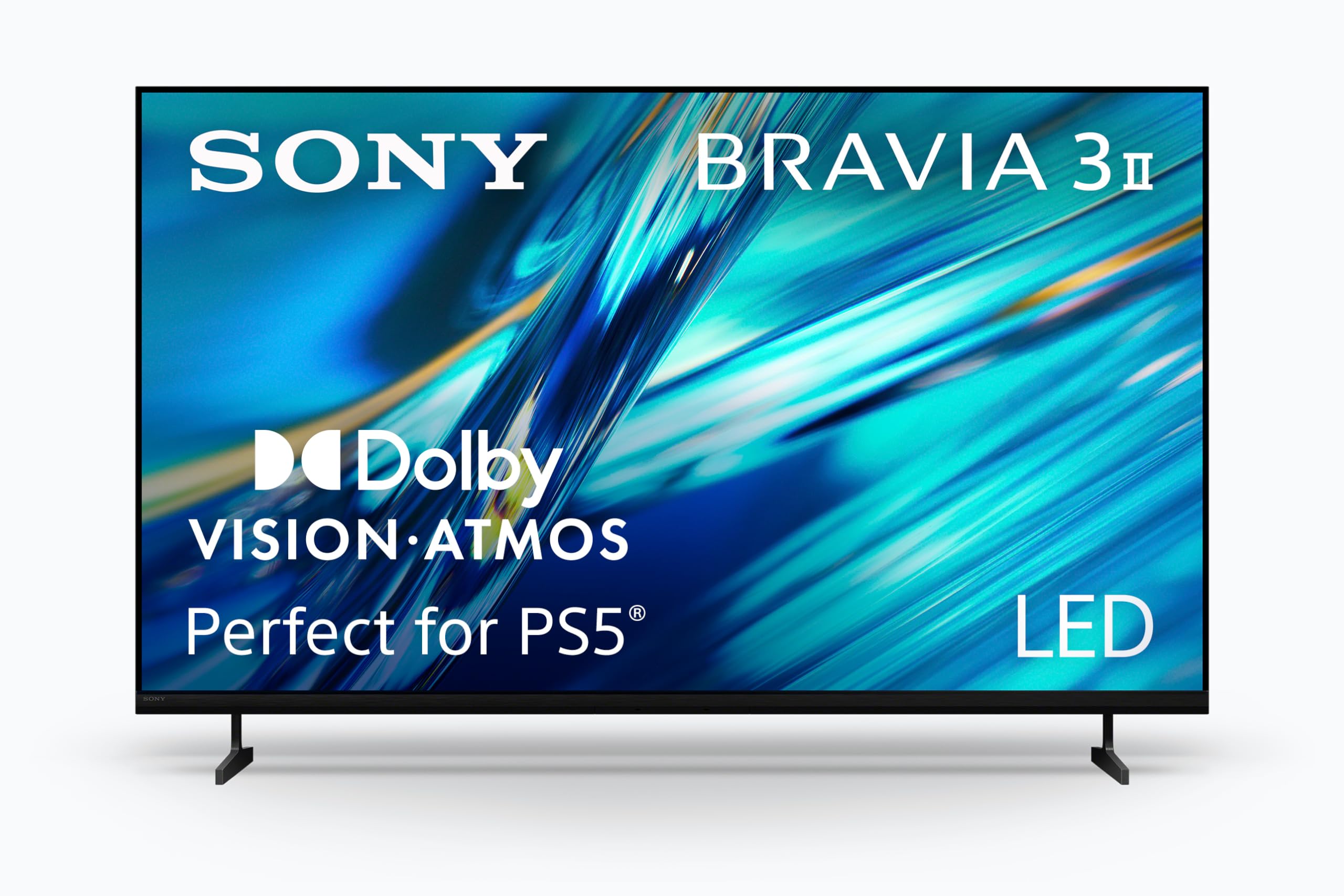
The Sony BRAVIA 3 II sits at the top of this list because it solves the core problem of a 43-inch TV: delivering a genuinely cinematic experience in a compact form. The XR Processor uses AI-driven scene recognition to optimize color, contrast, and clarity in real-time, a level of processing that entry-level models simply cannot match. This TV supports Dolby Vision and Dolby Atmos natively, ensuring that HDR content from streaming services like Netflix and Disney+ is rendered with the dynamic metadata that unlocks true contrast between dark shadows and bright highlights.
For motion clarity, the 120Hz native refresh rate combined with Motionflow XR technology makes a tangible difference in fast-paced sports and action movies, keeping blurs and judder to an absolute minimum. The inclusion of two HDMI 2.1 ports with support for 4K/120, VRR, and ALLM makes this a serious option for PS5 and Xbox Series X gamers. The exclusive PS5 features, like Auto HDR Tone Mapping, ensure the console and TV communicate perfectly for optimal picture settings without manual adjustment.
Potential buyers should be aware of the premium positioning of this model. The Google TV interface, while feature-rich, has been noted by some users for occasional stuttering during live TV playback. The viewing angles are also not the widest, so seating directly in front of the screen yields the best picture. However, for those prioritizing image processing, motion fidelity, and gaming performance in a 43-inch package, the BRAVIA 3 II is a benchmark.
Why it’s great
- XR Processor delivers superior AI-based upscaling and scene optimization
- Native 120Hz panel ensures smooth motion for sports and gaming
- HDMI 2.1 support with VRR and ALLM for next-gen consoles
Good to know
- Premium price point reflects the high-end processing and features
- Viewing angles are narrower than some competitors
- Google TV interface can have minor stuttering issues
2. Samsung 43-Inch QLED Q8F (Q4 AI Processor)

The Samsung QLED Q8F addresses the specific pain point of maintaining image quality in a brightly lit room. Its Quantum Dot technology achieves 100% Color Volume, meaning that the billions of colors it can produce do not wash out as brightness increases. This is a critical advantage over standard LED panels, which often lose color saturation when the backlight is turned up to combat glare from windows or overhead lights. The Q4 AI Processor further enhances this by analyzing content to optimize color and audio based on the genre being watched.
Gamers will appreciate the 4K 144Hz support via HDMI 2.1, which is a step above the standard 120Hz found on most premium TVs. This allows for incredibly fluid motion in compatible PC and console games, especially when paired with the low input lag of the Game Mode. The AirSlim design means the TV sits very close to the wall when mounted, creating a clean, minimalist look that does not dominate the room. Samsung Tizen OS provides access to over 2,700 free channels through Samsung TV Plus, adding value without a subscription.
The remote control, while sleek, has been criticized for its overly sensitive buttons that can cause accidental channel or volume changes. The out-of-the-box picture settings may require calibration to reduce the soap opera effect, which is common with motion smoothing features. Despite these minor interface quirks, the Q8F’s panel performance in high-ambient-light environments and its high-refresh-rate gaming capability make it a top-tier contender.
Why it’s great
- 100% Color Volume via Quantum Dot maintains brilliance in bright rooms
- 4K 144Hz support for ultra-smooth PC and console gaming
- AirSlim design for a low-profile wall mount
Good to know
- Remote buttons are overly sensitive to accidental presses
- Out-of-box picture may require calibration to reduce motion smoothing
- Premium tier pricing reflects the advanced panel and processor
3. Hisense 43″ E6 Cinema Series Hi-QLED (43E6QF)
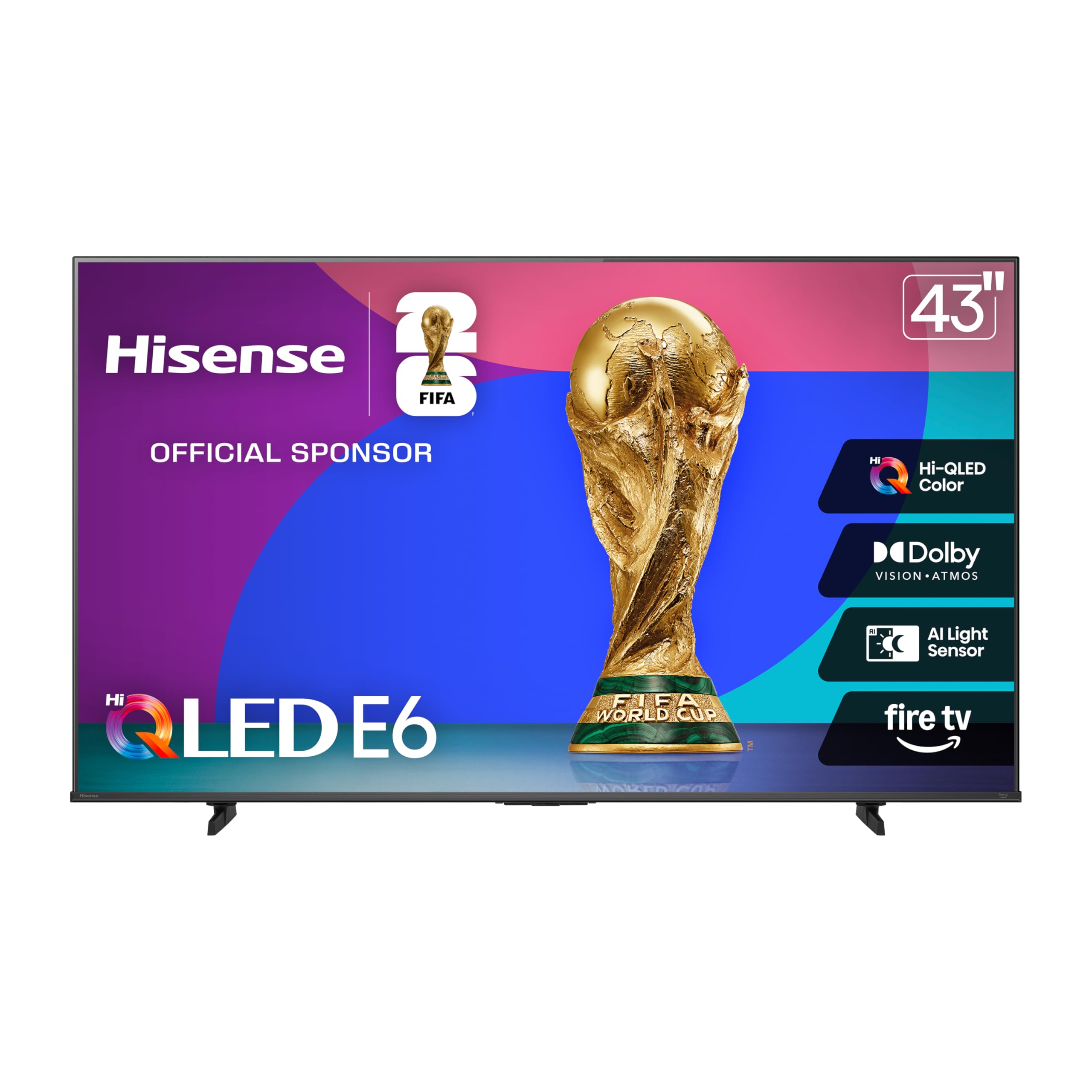
The Hisense E6 strikes the ideal balance between cost and performance, bringing Hi-QLED color technology to the mid-range tier. This panel delivers a noticeable step up in vibrancy and contrast compared to standard LED TVs at a similar price, making it the top overall pick for most buyers. The inclusion of full Dolby Vision and Dolby Atmos support means you get the complete cinematic HDR package—dynamic metadata that adjusts brightness scene-by-scene, paired with object-based audio that creates a more immersive soundstage from the built-in speakers.
Gaming is well-served by the dedicated Game Mode Plus, which reduces input lag for a more responsive feel, and the Motion Rate 120 helps smooth out fast-moving content. The built-in Fire TV platform integrates Alexa voice control, allowing you to search for content, control smart home devices, and check sports scores hands-free. Users consistently praise the picture clarity and rich, true-to-life colors, making it a fantastic choice for watching HDR movies and sports.
The Fire TV operating system, while functional, has been noted by some users to be less intuitive than Roku, and finding specific picture settings in the menu requires a bit of digging. Initial setup can take some time, and the interface can feel slightly sluggish. However, for the core experience of a vibrant, high-contrast 4K image with excellent HDR format support, the Hisense E6 represents the best value in this guide.
Why it’s great
- Hi-QLED panel provides vibrant color and high brightness for the price
- Full Dolby Vision and Dolby Atmos support for immersive cinema
- Excellent overall value balancing performance and cost
Good to know
- Fire TV OS is less intuitive than some competitors like Roku
- Menu navigation for detailed picture settings can be cumbersome
- Interface can feel slightly sluggish during app switching
4. Amazon Fire TV 43″ Omni QLED Series
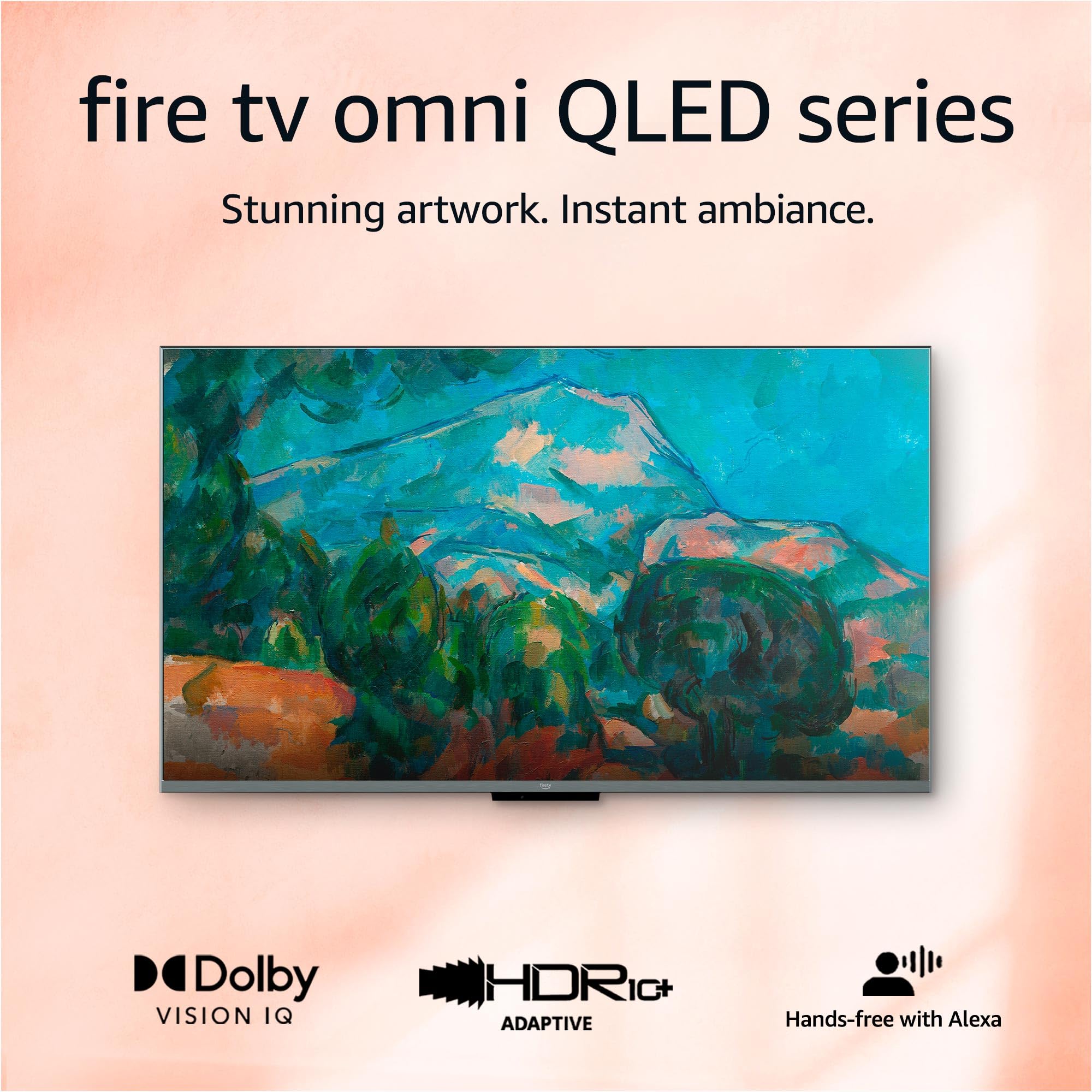
The Amazon Fire TV Omni QLED is built for users deep in the Alexa ecosystem. The standout feature here is Dolby Vision IQ, which uses a built-in light sensor to automatically adjust the HDR picture based on the ambient light in the room. This means the TV intelligently brightens or darkens the image to maintain optimal contrast and detail whether you are watching during the day or in a dark room, a level of ambient adaptation that is rare at this price tier. The QLED panel itself delivers the expected punchy colors and good brightness for HDR content.
The integration of hands-free Alexa with built-in microphones is the core differentiator. You can control the TV, launch apps, check the weather, and manage smart home devices without ever touching the remote. The Fire TV Ambient Experience transforms the screen into a digital art frame or photo display when idle, which is a nice aesthetic touch for a living space. The inclusion of four HDMI inputs, including eARC, provides ample connectivity for multiple devices.
Performance reviews indicate that the Fire TV interface can be slower and more prone to lag compared to a dedicated streaming device like a Fire TV Cube or Stick. The out-of-box picture settings often require significant calibration to look natural, and the built-in speakers are described as dull, making a soundbar a near-essential addition. The value is strongest for those who will actively use the Alexa hands-free features; otherwise, the interface speed can be a source of frustration.
Why it’s great
- Dolby Vision IQ with adaptive brightness optimizes picture for any room
- Hands-free Alexa control with built-in microphones
- Fire TV Ambient Experience for art and photo display
Good to know
- Smart interface can be sluggish compared to dedicated streaming hardware
- Built-in speakers are underwhelming; a soundbar is recommended
- Out-of-box picture quality requires calibration for best results
5. Sony BRAVIA 2 II 43 Inch (K-43S20M2)
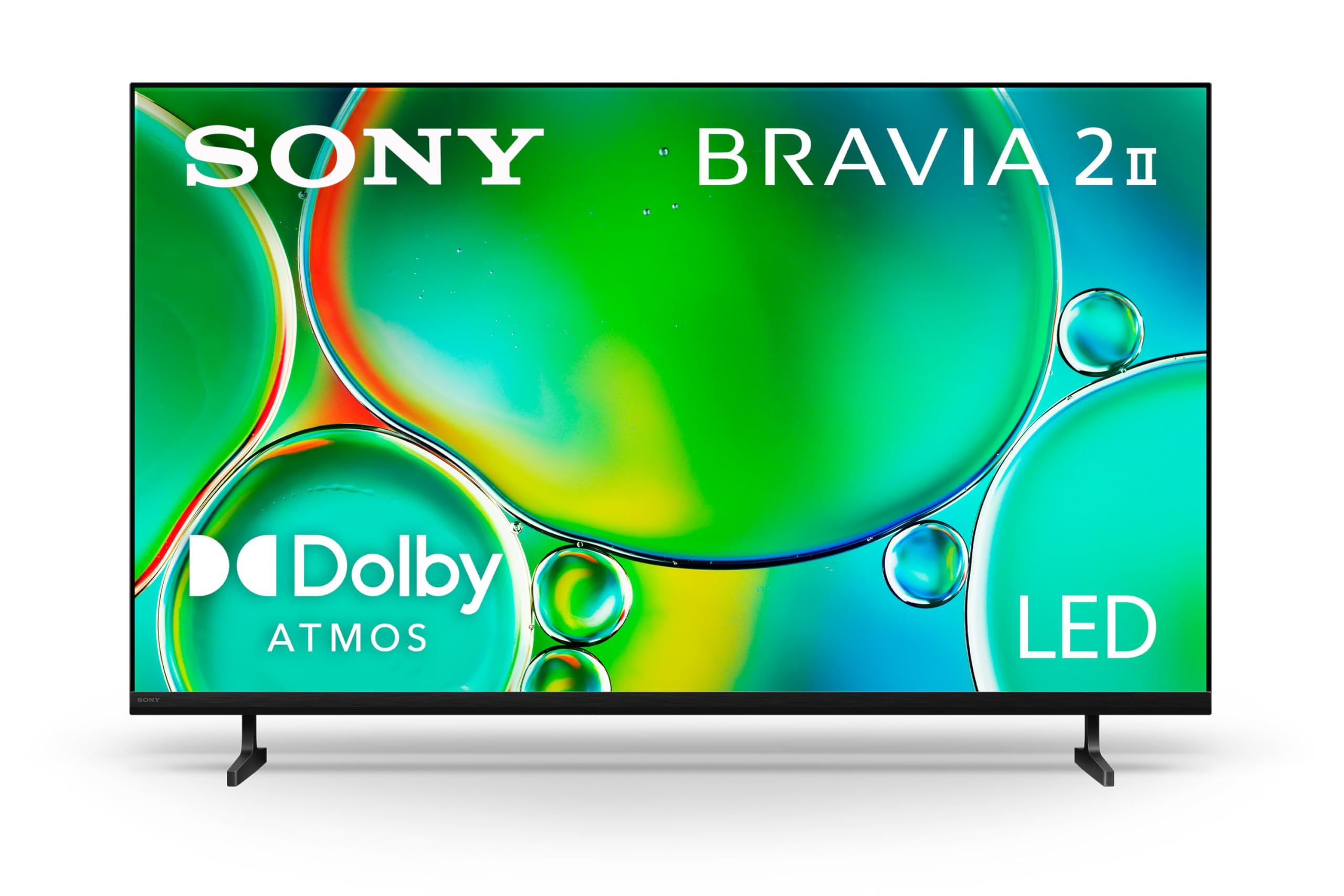
The Sony BRAVIA 2 II provides an excellent entry point into Sony’s renowned image processing without the top-tier price of the BRAVIA 3 series. The 4K Processor X1 is the engine here, and it excels at one crucial task: upscaling lower-resolution content to near-4K quality. This means older HD cable broadcasts, YouTube videos, and standard-definition content will look noticeably cleaner and more detailed on the BRAVIA 2 II than on a TV with a weaker processor. This makes it a fantastic choice for users who watch a mix of content, not just native 4K sources.
Exclusive PS5 features are a major selling point. Auto HDR Tone Mapping and Auto Genre Picture Mode allow the console to automatically optimize the TV’s picture settings for gaming and streaming, ensuring you see the best possible image without digging into complex menus. Motionflow XR technology helps keep fast-moving sports and action sequences clear and fluid. Google TV provides a clean, organized interface for all your streaming apps, and the inclusion of Apple AirPlay 2 and Google Cast makes content sharing from mobile devices effortless.
The panel is a standard LED, so it does not match the peak brightness or color volume of a QLED or the deeper blacks of an OLED. It is also a 60Hz panel, so it is not optimized for the high-frame-rate gaming that a 120Hz+ TV can deliver. However, for the core experience of reliable, sharp, and well-processed 4K imaging with perfect PlayStation 5 integration, the BRAVIA 2 II offers remarkable reliability and consistency.
Why it’s great
- Excellent 4K upscaling from the 4K Processor X1
- Seamless auto-optimization with PlayStation 5
- Clean Google TV interface with AirPlay and Google Cast
Good to know
- Standard LED panel lacks the peak brightness of QLED models
- 60Hz native refresh rate limits high-frame-rate gaming potential
- Black levels and contrast are good but not class-leading
6. Samsung 43-Inch Crystal UHD U8000H (43U8000H)
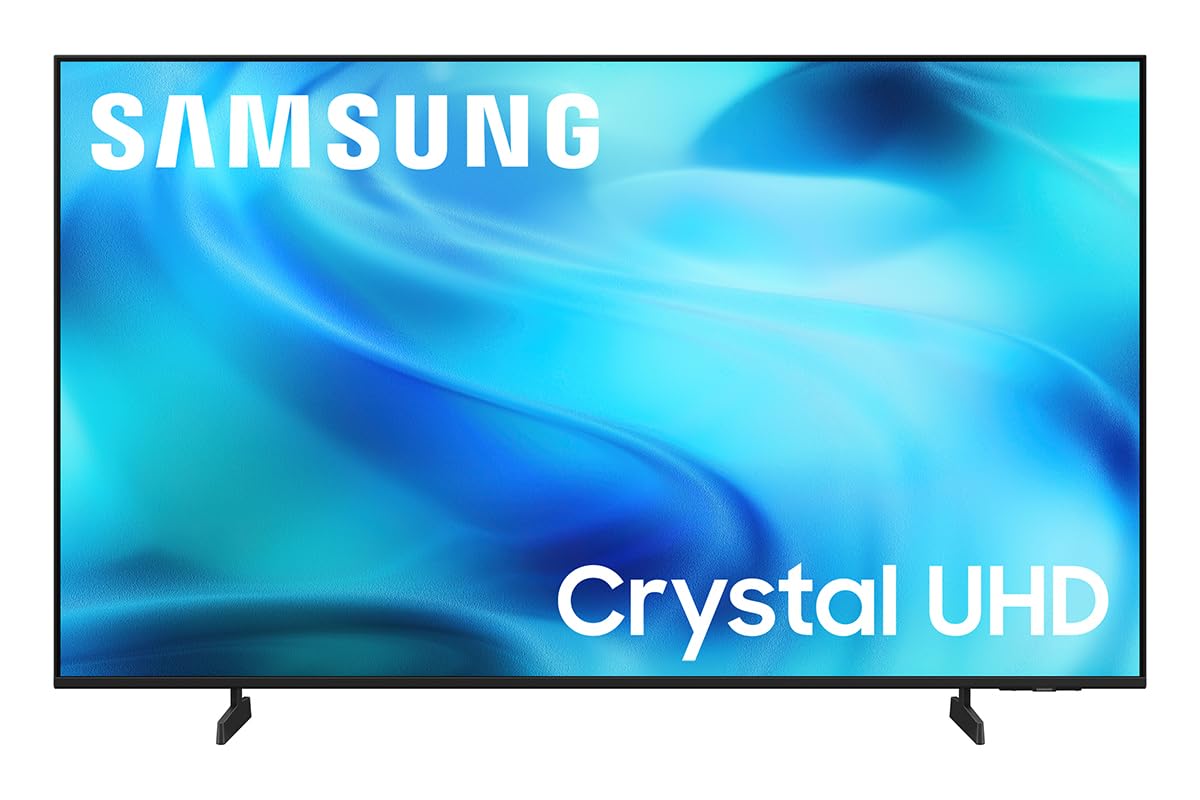
The Samsung U8000H is a solid mid-range entry that leverages Samsung’s Crystal Processor 4K to deliver a clean, vibrant picture with effective upscaling. The Color Booster feature pumps up the saturation of reds and blues, giving standard content a livelier appearance that can be very pleasing for general TV watching and streaming. Samsung’s Tizen OS is widely considered one of the faster and more responsive smart TV platforms, offering a smooth experience when navigating apps and switching inputs.
Motion Xcelerator provides smooth frame transitions that reduce judder during sports and fast-moving scenes. The built-in Samsung TV Plus service offers over 2,700 free channels and 750 subscription-free options, which is a significant value-add for cord-cutters looking for live news, sports, and entertainment without an extra bill. The setup process is generally very straightforward, and users consistently praise the picture quality as fantastic for the price point. The remote is minimalist and functional.
This model uses a Crystal UHD panel, which is essentially Samsung’s branding for a standard LED-backlit VA panel. It does not have the Quantum Dot layer of the more expensive Q series, so its color gamut and brightness are not as high. The remote is very small and minimalist, which some users, particularly older adults, find difficult to hold and navigate. It is a great all-around performer for the value-conscious buyer who trusts the Samsung ecosystem.
Why it’s great
- Effective 4K upscaling for lower-resolution content
- Responsive Tizen OS with fast app navigation
- Extensive free content library via Samsung TV Plus
Good to know
- Standard LED panel lacks the color volume of Samsung’s QLED models
- Minimalist remote can be too small for comfortable use by some
- Peak brightness is adequate but not exceptional for HDR
7. LG 43-in 4K UHD TM120 (43UP8000PUR)

The LG 43UP8000PUR offers a robust feature set anchored by its Quad Core Intelligent Processor. This processor handles 4K upscaling, color enhancement, and motion smoothing to deliver a crisp and clear picture from various sources. LG’s webOS platform is renowned for its ease of use, featuring a simple, clean interface that is easy to navigate for all ages. The included LG Magic Remote with its point-and-click functionality is a standout feature that makes searching and selecting content much faster than traditional directional pads.
The image quality is bright and adjustable, making it a versatile option for different lighting conditions. The sturdily built stand provides a stable base. Users have noted that the screen works well as a large computer monitor thanks to its sharp 4K resolution and adjustable brightness. Connectivity is solid with multiple HDMI inputs and optical audio output for connecting to a soundbar. The Active HDR format support ensures that HDR10 and HLG content displays with improved contrast.
The built-in speakers are a weak point, described as poor and lacking bass, which strongly recommends pairing this TV with an external audio system. The smart platform, while user-friendly, is overloaded with features that some users find overly complex and unintuitive, especially for non-tech-savvy individuals. The interface can be stressful to navigate for some. For the picture quality and LG brand reliability, it remains a strong mid-tier option.
Why it’s great
- Quad Core Processor delivers effective 4K upscaling and smooth motion
- Highly intuitive webOS platform with the excellent LG Magic Remote
- Bright and adjustable screen works well in various room lighting
Good to know
- Built-in speakers are of poor quality; external audio is necessary
- Smart platform can feel overly complex with too many features
- Not the best choice for less tech-inclined viewers
8. Westinghouse 43-inch 4K UHD Xumo TV
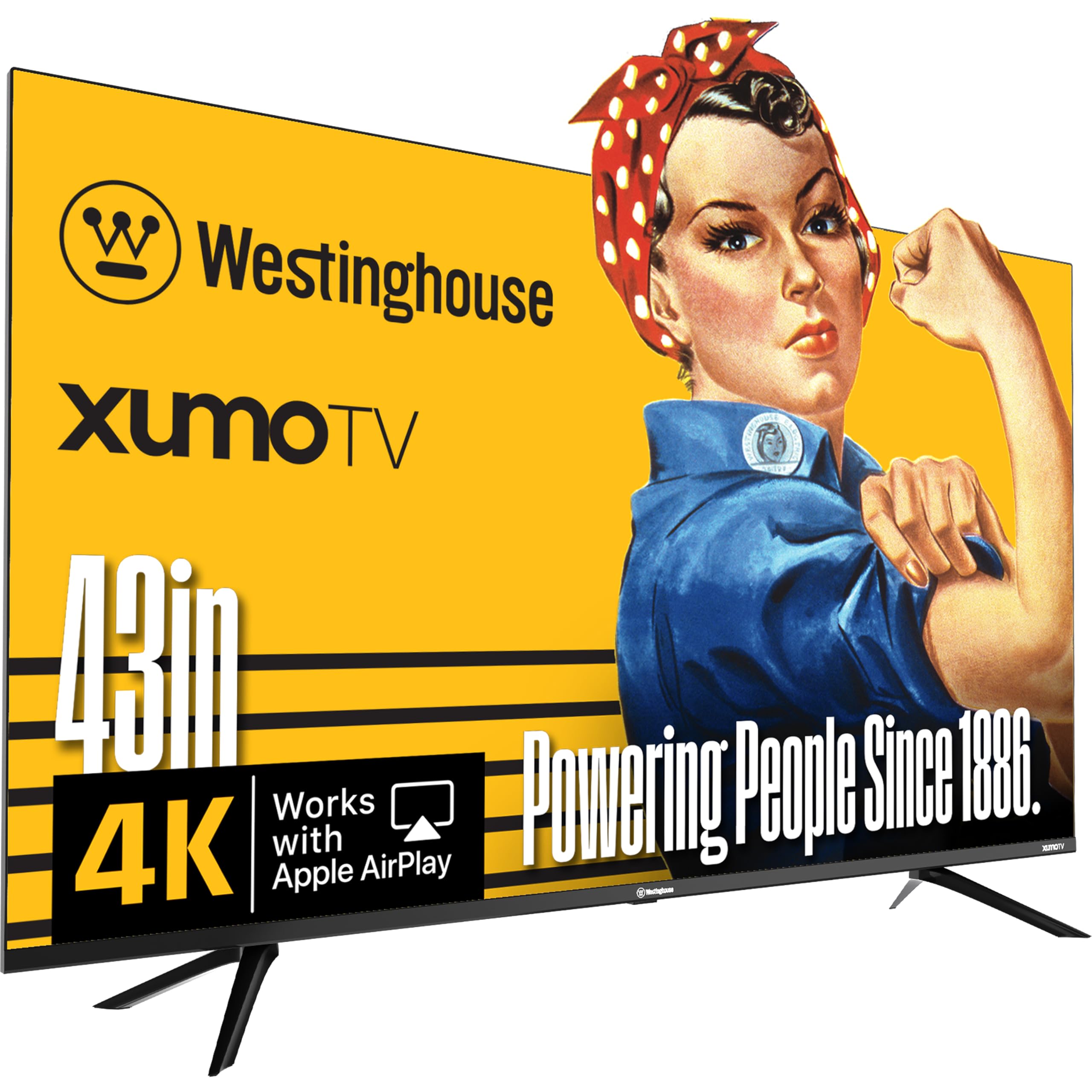
The Westinghouse Xumo TV brings a compelling package for budget-conscious buyers who prioritize a sharp 4K picture and free streaming content. The inclusion of Dolby Vision and HDR10 support at this price point is a significant advantage, allowing it to display the dynamic contrast range that makes 4K HDR content worthwhile. The Xumo Play platform offers over 350 free live channels and 70,000 on-demand movies and shows, instantly adding value without requiring a single subscription.
The built-in speakers are surprisingly good for the price, providing better stereo separation and clearer audio than many competing budget models. The edgeless design creates a modern look. Connectivity is comprehensive with three HDMI inputs, one USB, Bluetooth for wireless audio pairing, and Apple AirPlay for easy mirroring from Apple devices. This makes it a very versatile option for a secondary room where you want a big, clear picture and built-in content without extra streaming sticks.
The Xumo operating system is not as fast or polished as major platforms like Roku or Google TV. Apps can take a while to load, and the interface may feel sluggish. Some users have reported receiving units with cosmetic defects like bezel separation. There is no simultaneous soundbar and TV speaker output. It is an excellent value proposition, but you are making a minor trade-off in smart platform speed to get the 4K Dolby Vision hardware at this price.
Why it’s great
- Dolby Vision and HDR10 support for excellent HDR at a low price
- Xumo Play provides hundreds of free live and on-demand channels
- Superior built-in speaker quality compared to other budget TVs
Good to know
- Xumo smart platform is slower and less refined than major OS
- Build quality reports include occasional cosmetic defects
- No option to use soundbar and TV speakers simultaneously
9. FPD 43 Inch Smart TV (Palette-Series)

The FPD Palette-Series sits at the entry-level of this guide as a 1080p Full HD television, making it a distinct category from the 4K models above. It is purpose-built for users who prioritize a simple, functional smart TV for a secondary space—like a guest room, kitchen, or kids’ play area—where 4K resolution is unnecessary. The 1080p resolution is still perfectly adequate for standard cable TV, console gaming at 1080p, and streaming HD content, and it avoids the slower interface that can plague bargain-bin 4K processors trying to upscale everything.
The key advantage here is the Android TV operating system with Google Cast built-in. This allows for seamless content sharing from any Android phone, tablet, or computer directly to the big screen. The HDR10 support, while limited by the 1080p resolution, does allow for better color transitions and a wider color gamut than a standard 1080p panel. The ultra-thin frame design keeps the aesthetic modern. Users report easy setup and a sharp picture that is a clear upgrade from older HD TVs.
The primary limitation is its resolution; it simply will not display 4K content. For users with a 4K streaming habit or a 4K console, this TV will be a downgrade in clarity. There are user reports of serious reliability issues, including frequent blank screens requiring a full power cycle and apps disappearing after a restart. This reliability concern makes it a riskier choice than more established brands. It is a functional option for basic use, but the potential for software instability is a notable caveat.
Why it’s great
- Aggressively priced entry point for a 43-inch smart TV
- Android TV with built-in Google Cast for easy content sharing
- Slim design and sharp 1080p picture for basic viewing needs
Good to know
- 1080p resolution cannot display native 4K content
- Reports of serious reliability issues like blank screens and app crashes
- Not suitable for a primary viewing or gaming setup
FAQ
Should I buy a 43-inch 4K TV or a larger 1080p TV for the same price?
Is a QLED TV worth the extra cost over a standard LED at this size?
Will a 43-inch TV work for a PS5 or Xbox Series X?
Final Thoughts: The Verdict
For most users, the best 45 inch tv winner is the Hisense 43″ E6 QLED because it delivers the transformative picture quality of a QLED panel with full Dolby Vision and Atmos support at a mid-range price that simply beats the competition on value. If you want the absolute best image processing and gaming performance for a PS5, grab the Sony BRAVIA 3 II. And for a bright room prioritizes 100% Color Volume and high-refresh gaming, nothing beats the Samsung QLED Q8F.