
Our readers keep the lights on and the weekend projects moving. As an Amazon Associate, I earn from qualifying purchases.
A sluggish TV response or a blurry motion trail can instantly break immersion when you are locked into an intense online match. Gaming-specific televisions have evolved far beyond simple high-definition panels, now offering variable refresh rates, low input lag, and dedicated game modes that sync with modern consoles and PCs. The right display turns a good gaming session into a competitive edge.
I’m Rikta — the co-founder and writer behind FitlyFast. I’ve spent hours analyzing detailed technical specifications, panel types, refresh rate implementations, VRR ranges, and HDR performance data across dozens of models to identify the displays that genuinely deliver for gaming.
Whether you play on a PlayStation 5, Xbox Series X, or a high-end gaming PC, the right panel can make the difference between a sharp kill feed and a frustrating lag spike. This guide breaks down the key specs and real-world performance of the best 4k hdtv for gaming currently available.
How To Choose The Best 4K HDTV For Gaming
Choosing a gaming television requires looking past simple resolution and screen size. Input lag, refresh rate, VRR support, and HDR implementation directly affect how responsive and visually stunning your games look. Here are the key factors to consider before making a purchase.
Refresh Rate and VRR Support
The native refresh rate of the panel dictates how many frames per second the TV can display. A 120Hz native panel is the sweet spot for modern consoles, while a 144Hz or higher panel benefits PC gamers. Variable Refresh Rate (VRR) technology like AMD FreeSync or HDMI Forum VRR synchronizes the display’s refresh rate with the console’s frame output to eliminate screen tearing and stutter. Check the VRR range — some budget TVs only support VRR within a narrow window, which reduces its effectiveness.
HDMI 2.1 Bandwidth
HDMI 2.1 ports are required to push 4K resolution at 120Hz with full color depth. Not all HDMI 2.1 ports are created equal — some TVs limit bandwidth to 40Gbps instead of the full 48Gbps, which can impact chroma subsampling. Ensure the TV has at least two full-bandwidth HDMI 2.1 ports if you plan to connect multiple consoles or a gaming PC and a soundbar simultaneously.
Panel Technology: OLED versus Mini-LED
OLED panels offer perfect black levels, infinite contrast, and near-instantaneous pixel response times, making them ideal for fast-paced games with dark scenes. However, they carry a risk of burn-in from static HUD elements and generally have lower peak brightness than Mini-LED panels. Mini-LED backlighting provides higher peak brightness, better handling of bright room conditions, and no burn-in risk, but can exhibit blooming around bright objects on dark backgrounds. Choose based on your room lighting and tolerance for the burn-in risk of OLED.
Input Lag and Game Mode
Input lag measures the delay between pressing a button and seeing the action on screen. For competitive gaming, look for a TV with input lag under 10ms in Game Mode. Auto Low Latency Mode (ALLM) automatically switches the TV into its lowest latency mode when a console is detected, saving you from manually navigating menus every time you switch between watching a movie and gaming. Some TVs also offer a dedicated Game Bar overlay that lets you adjust VRR, refresh rate, and response time settings without leaving the game.
Quick Comparison
On smaller screens, swipe sideways to see the full table.
| Model | Category | Best For | Key Spec | Amazon |
|---|---|---|---|---|
| Hisense U8 Series 55″ | Mini-LED | High-end PC gaming | 165Hz native / 5000 nits | Amazon |
| Samsung Neo QLED QN80F 55″ | Mini-LED | Well-rounded premium | 4K 144Hz VRR / AI upscaling | Amazon |
| LG OLED evo G4 55″ | OLED | Infinite contrast gaming | 120Hz native / A11 AI processor | Amazon |
| Panasonic Z8 Series 77″ | OLED | Cinema-sized OLED gaming | 144Hz / Master OLED PRO panel | Amazon |
| TCL QM8K Series 65″ | Mini-LED | Bright room gaming | 288Hz VRR / Anti-reflective screen | Amazon |
| LG OLED C1 Series 77″ | OLED | Large screen OLED value | 120Hz / A9 Gen 4 processor | Amazon |
| Sony BRAVIA 8 55″ | OLED | PS5 integration | 120Hz / XR Contrast Booster 15 | Amazon |
| iFFALCON 55U85 55″ | Mini-LED | Multi-console gaming | 144Hz / 4x HDMI 2.1 ports | Amazon |
| Sony BRAVIA 2 II 55″ | LED | PS5 value gaming | 60Hz / Exclusive PS5 features | Amazon |
| Samsung M70H Series 55″ | Mini-LED | Budget Mini-LED gaming | 60Hz DLG 120Hz / Gaming Hub | Amazon |
| Roku Plus Series 55″ | Mini-LED | Entry-level gaming value | 60Hz / Enhanced Voice Remote | Amazon |
In‑Depth Reviews
1. Hisense 55″ U8 Series ULED Mini-LED
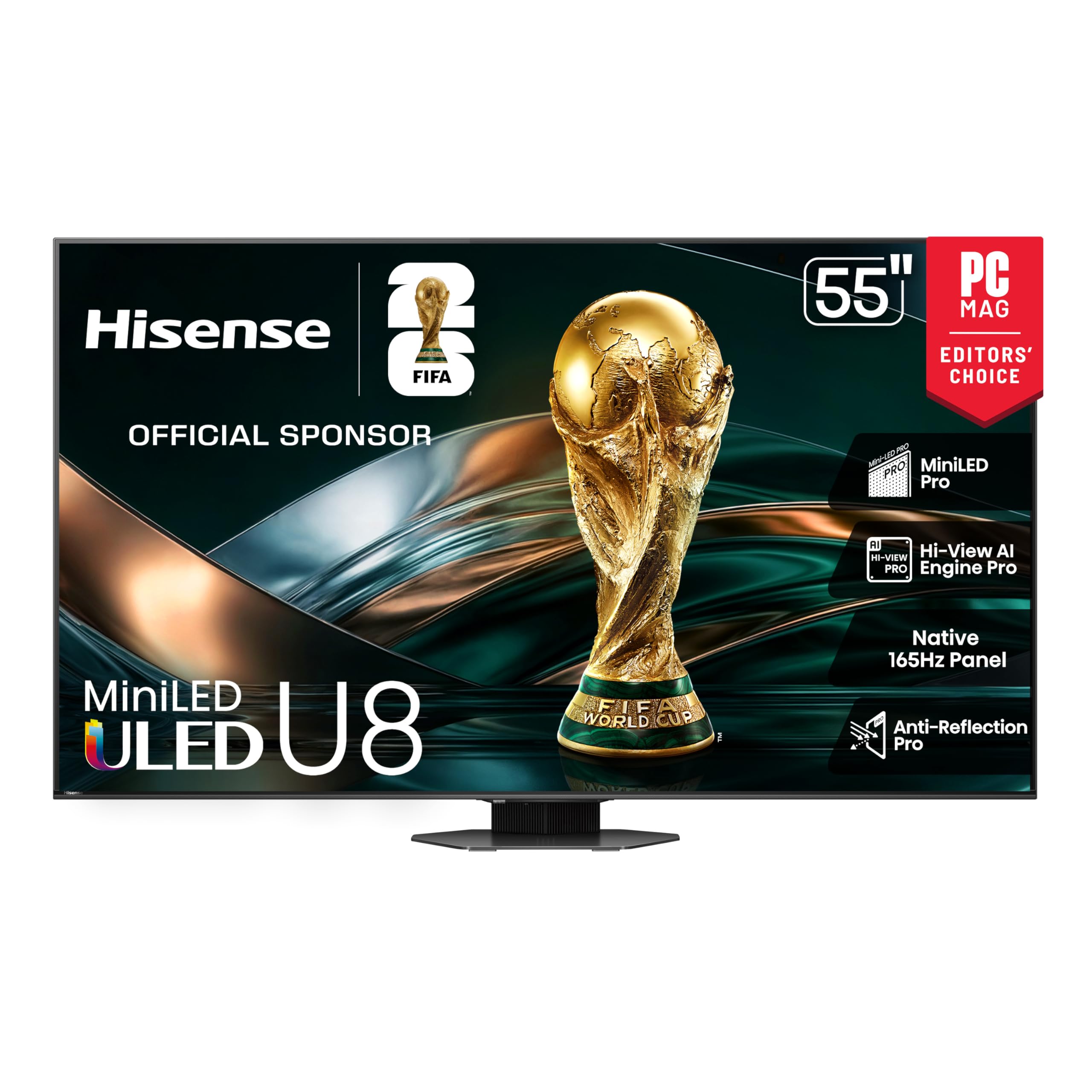
The Hisense U8 Series is a powerhouse for serious gamers, offering a native 165Hz panel that pushes far beyond the standard 120Hz ceiling. Combined with a variable refresh rate that extends up to 288Hz, this display handles high-frame-rate PC gaming with remarkable fluidity. The Hi-View AI Engine Pro automatically fine-tunes picture and sound based on the content, ensuring competitive shooters look crisp and cinematic titles retain their artistic intent.
With up to 5000 nits of peak brightness and an impressive count of local dimming zones, the U8 delivers striking HDR highlights without the halo artifacts that plague lesser Mini-LED sets. The QLED quantum dot layer, validated by Pantone, produces over a billion colors that look natural and vibrant. The 4.1.2 channel audio system with Dolby Atmos provides immersive spatial sound, though pairing it with an external soundbar elevates the experience further.
The Game Bar overlay puts VRR, refresh rate, and response time controls at your fingertips, while AMD FreeSync Premium Pro eliminates screen tearing. The Anti-Reflection Pro coating keeps reflections at bay even in brightly lit rooms. The only real trade-off is the Google TV interface, which can occasionally feel sluggish and requires periodic factory resets for some users. For the price, however, the performance is unmatched.
Why it’s great
- Native 165Hz panel with VRR up to 288Hz for buttery-smooth motion.
- Extremely high peak brightness with excellent local dimming control.
- Anti-Reflection Pro coating minimizes glare in bright rooms.
Good to know
- Built-in speakers sound good, but an external audio system is recommended for the best experience.
- Occasional software glitches may require a factory reset.
2. Samsung 55″ Neo QLED QN80F Series

The Samsung QN80F leverages its NQ4 AI Gen2 processor, which uses 20 neural networks to upscale lower-resolution content to near-4K quality. This is particularly useful for older games or streaming titles that haven’t received a native 4K patch. The Mini-LED backlighting delivers excellent contrast with bright, punchy highlights and deep blacks, making HDR games look vivid and lifelike.
Motion Xcelerator supports up to 144Hz VRR, which pairs well with both next-gen consoles and gaming PCs. The Object Tracking Sound Lite with Dolby Atmos creates a convincing spatial audio experience, with sound appearing to move across the room in sync with on-screen action. The Gaming Hub centralizes all your cloud gaming services and console inputs into one interface, making it easy to jump between platforms.
The slim, modern design sits flush against a wall, and the Samsung Vision AI adapts picture settings based on the content type. Some users report the remote control feels less intuitive than traditional button layouts, and navigating the smart TV interface can take some getting used to. Despite these quirks, the picture quality and gaming performance justify the premium price point.
Why it’s great
- AI-powered upscaling brings old games and streaming content to 4K clarity.
- Object Tracking Sound Lite creates immersive spatial audio.
- 144Hz VRR support for smooth competitive gaming.
Good to know
- The remote can be confusing for users accustomed to traditional button layouts.
- Setup requires some time to adjust picture settings out of the box.
3. LG 55″ OLED evo G4 Series

The LG G4 is a masterclass in OLED engineering, delivering perfect black levels and infinite contrast that make dark game environments feel immersive. Each of the 8 million self-lit pixels can be individually turned off, producing zero light bleed and exceptional depth. The Brightness Booster Max technology pushes the panel brighter than previous OLED generations, making HDR highlights pop without washing out the surrounding shadows.
With a 120Hz native refresh rate and support for both NVIDIA G-SYNC and AMD FreeSync, the G4 eliminates screen tearing and stutter during fast-paced gameplay. The A11 AI processor handles motion handling and upscaling with precision, ensuring that even 1080p content looks crisp on the 4K panel. The One Wall Design leaves virtually no gap when wall-mounted, turning the TV into a piece of art when not in use.
The WebOS platform is snappy and includes a Re:New program that promises software updates for five years. However, the built-in speakers, while improved, still fall short of a dedicated soundbar setup. The risk of burn-in from static HUD elements remains a consideration for gamers who play the same title for hundreds of hours. For those who prioritize image quality above all else, this TV is hard to beat.
Why it’s great
- Perfect black levels and infinite contrast for immersive gaming.
- Support for both G-SYNC and FreeSync for tear-free gaming.
- Brightness Booster Max improves HDR highlight impact.
Good to know
- Burn-in risk from static game HUD elements is a long-term concern.
- Built-in speakers are decent, but an external soundbar is recommended.
4. Panasonic Z8 Series 77″ OLED
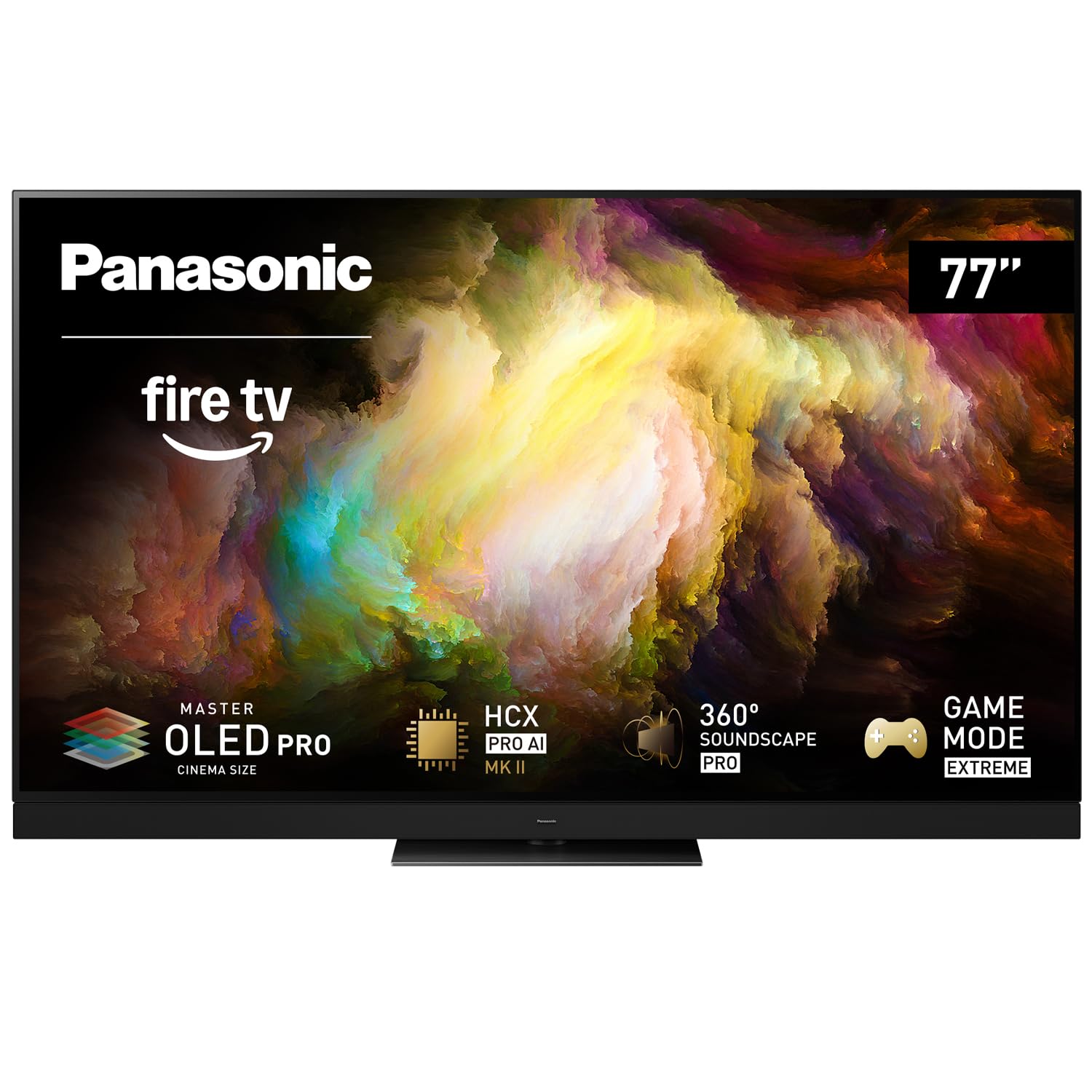
Panasonic brings its cinema expertise to gaming with the Z8 Series, featuring a Master OLED PRO panel that uses micro-lens-array technology for enhanced brightness without sacrificing black levels. The 77-inch screen size creates a truly immersive field of view, ideal for both cinematic single-player adventures and competitive multiplayer sessions. The HCX Pro AI Processor MKII ensures accurate color reproduction and motion handling that stays true to the creator’s intent.
Gaming performance is robust, with a 144Hz refresh rate, VRR support, and compatibility with both AMD FreeSync Premium and NVIDIA G-SYNC. The Game Mode Extreme optimizes settings for low input lag, and the Game Control Board lets you monitor and adjust parameters in real time. The 360 Soundscape Pro audio system, tuned by Technics, delivers wide, detailed sound with Dolby Atmos support that fills the room.
The Fire TV built-in interface offers easy access to streaming apps and Alexa voice control, though it can feel less refined than Google TV. The central stand simplifies placement but the TV itself is extremely heavy, requiring two people for safe setup. The brightness, while improved for OLED, still lags behind the brightest Mini-LED competitors, meaning this TV performs best in a room with controlled lighting.
Why it’s great
- Massive 77-inch OLED screen with enhanced brightness via micro-lens array.
- 144Hz with G-SYNC and FreeSync Premium for high-end gaming.
- 360 Soundscape Pro audio tuned by Technics for immersive sound.
Good to know
- Very heavy and requires careful setup with two people.
- Brightness is lower than premium Mini-LED panels, best for controlled lighting.
5. TCL 65″ QM8K Series Mini-LED
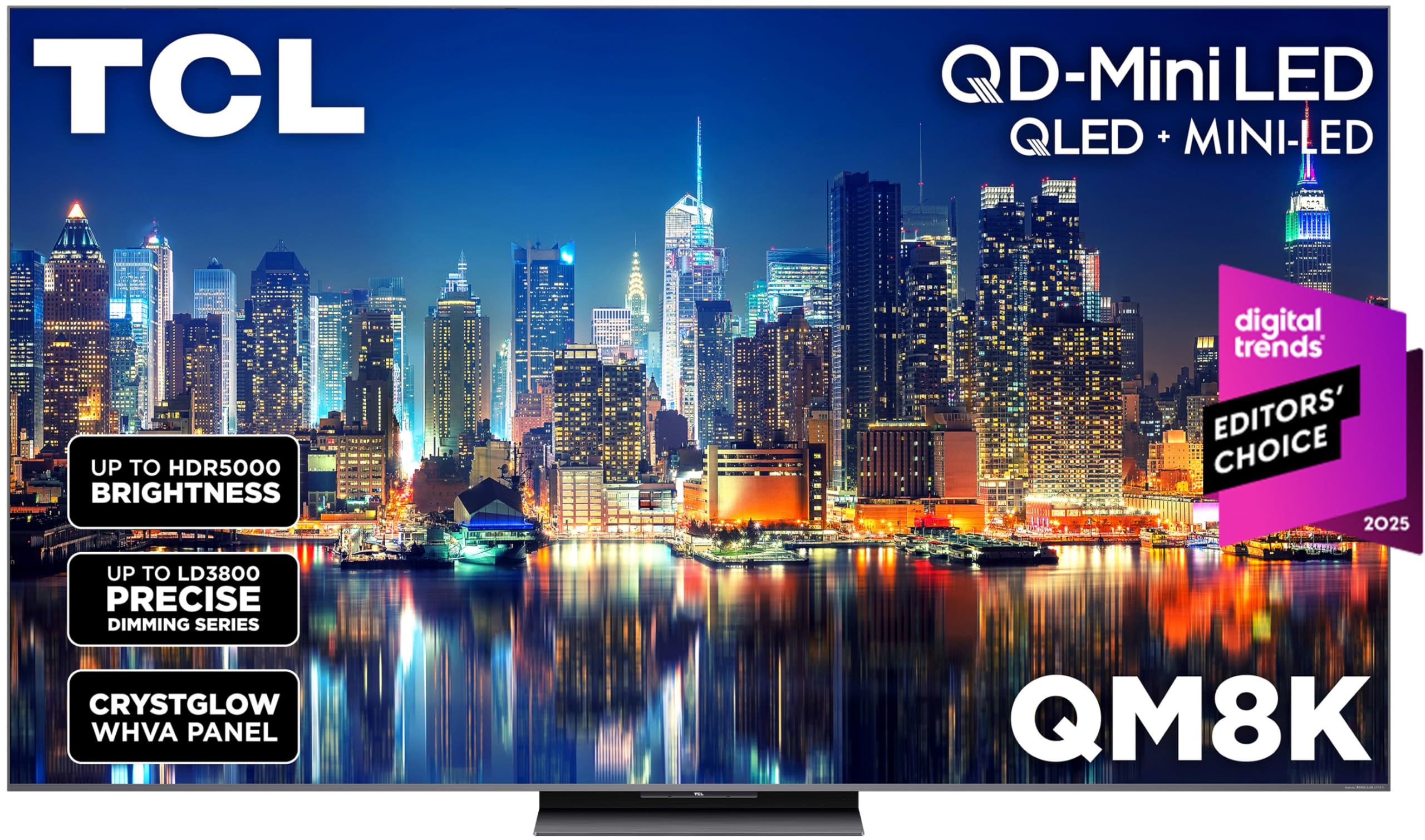
The TCL QM8K is built to perform in challenging lighting conditions, featuring an anti-reflective wide-angle screen that maintains color accuracy and contrast even when sunlight streams into the room. The QD-Mini LED panel with the TCL Halo Control System delivers deep blacks and bright highlights with minimal blooming, rivaling the picture quality of mid-range OLEDs. The Cryglow WHVA panel ensures edge-to-edge consistency, making it a strong choice for group gaming sessions.
Game Accelerator 288 pushes the VRR ceiling to a remarkable 288Hz, which is overkill for consoles but a genuine advantage for high-refresh-rate PC gaming. The 144Hz native panel handles motion smoothly, and the Google TV interface is responsive and feature-rich. The Bang & Olufsen audio collaboration provides clear dialogue and decent bass for built-in speakers, though bass enthusiasts will want a separate subwoofer.
Some users report occasional app-specific issues, such as audio sync problems with Hulu, but these appear to be edge cases. The TV lacks a wake-up timer and the remote could be more intuitive, but the core gaming performance is exceptional for the price. For anyone prioritizing brightness and anti-glare over the perfect blacks of OLED, the QM8K is a compelling option.
Why it’s great
- Excellent anti-reflective screen works well in brightly lit rooms.
- 288Hz VRR and 144Hz native panel for smooth gaming.
- QD-Mini LED produces deep blacks and vibrant colors.
Good to know
- Some streaming apps may have occasional audio sync issues.
- Built-in audio lacks deep bass without a separate subwoofer.
6. LG OLED C1 Series 77″

Even as a model from a previous generation, the LG C1 remains a benchmark for gaming OLEDs. The 77-inch screen size at this price point offers immense value for gamers who prioritize screen real estate and perfect blacks. The A9 Gen 4 Intelligent Processor handles motion interpolation and upscaling effectively, ensuring a smooth and detailed picture across a wide variety of content.
The 120Hz native refresh rate, combined with support for NVIDIA G-SYNC and AMD FreeSync, provides a tear-free gaming experience that matches the performance of many current-gen OLEDs. The deep blacks and infinite contrast make HDR games look spectacular, with shadow details clearly visible in dark scenes. The included stand is sturdy, and the TV is surprisingly lightweight for its size, making wall mounting manageable.
The WebOS 6 interface does include ads on the home screen, which some users find intrusive. The gyro remote can be disorienting, and the ARC/CEC features sometimes cause audio switching issues with soundbars. Despite these software quirks, the core hardware delivers exceptional picture quality. For gamers who want a large OLED without paying the latest-generation premium, the C1 is a smart buy.
Why it’s great
- 77-inch OLED at a compelling price point for the size.
- Perfect blacks and infinite contrast for HDR gaming.
- Supports both G-SYNC and FreeSync for tear-free gameplay.
Good to know
- WebOS interface includes ads and the gyro remote takes getting used to.
- ARC/CEC audio features can be inconsistent with external soundbars.
7. Sony 55″ BRAVIA 8 OLED

The Sony BRAVIA 8 is engineered for PlayStation 5 owners, offering exclusive features like Auto HDR Tone Mapping and Auto Genre Picture Mode. When connected to a PS5, the TV automatically adjusts HDR settings to match the console’s output, ensuring accurate brightness and color without manual calibration. The XR Processor analyzes each scene in real time, boosting clarity and contrast with a level of intelligence that makes both games and movies look exceptional.
The OLED panel delivers pure blacks, and the XR Contrast Booster 15 enhances highlight brightness enough to make HDR pop without losing shadow detail. The XR Triluminos Pro produces a billion colors that look natural and well-saturated. For motion clarity, the XR OLED Motion interpolation is effective, though purists may want to disable it for fast-paced games to avoid the soap opera effect.
Studio-calibrated modes for Netflix, Prime Video, and Sony Pictures Core ensure that streaming content looks as the creator intended. The Acoustic Surface Audio+ system vibrates the screen to produce sound, creating an interesting effect where audio appears to come directly from the characters’ mouths. Some users find the Google TV interface intrusive with privacy agreements, and the auto on/off feature can be intermittent. For PS5 gamers who want the tightest integration, this is the best option.
Why it’s great
- Exclusive PS5 features like Auto HDR Tone Mapping for perfect calibration.
- XR Processor delivers intelligent real-time picture enhancement.
- Studio-calibrated modes for major streaming services.
Good to know
- Google TV interface can feel intrusive with privacy prompts.
- Auto on/off feature may occasionally behave unpredictably.
8. iFFALCON 55″ 4K MiniLED
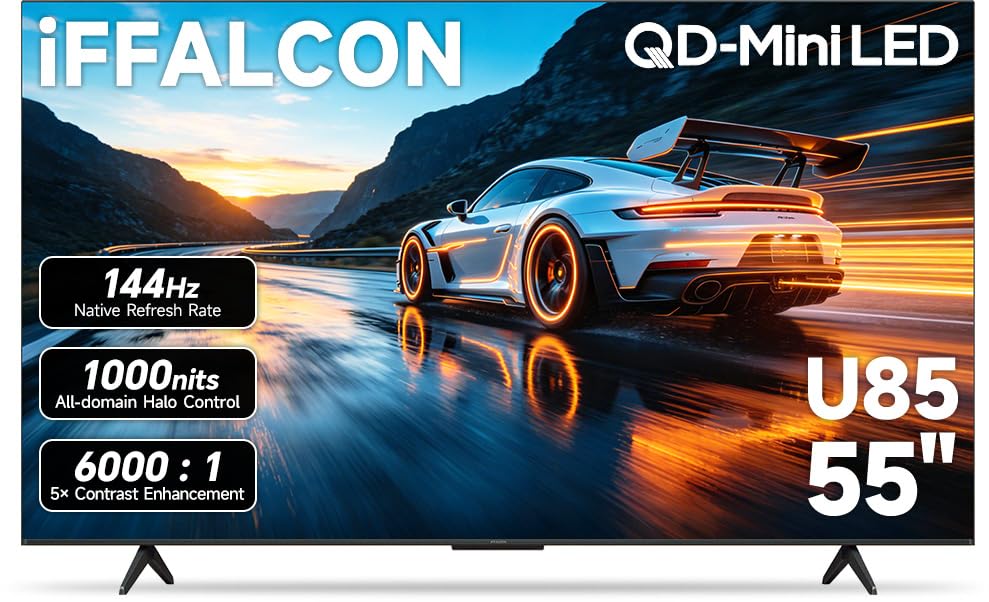
The iFFALCON 55U85 is a rare find at this price point, offering four HDMI 2.1 ports that let you connect a PS5, Xbox Series X, gaming PC, and a soundbar simultaneously without needing to swap cables. Two of those ports support the full 4K 144Hz bandwidth, while the remaining two handle 4K 60Hz for streaming devices. The native 144Hz panel with VRR support up to 288Hz makes it ideal for competitive gaming across multiple platforms.
The Mini-LED backlighting delivers a contrast ratio of 6000:1, providing deep blacks and bright highlights. The 50W 2.1-channel audio system with Dolby Atmos and DTS Virtual:X creates an immersive soundscape, and the eARC port supports lossless audio passthrough to an external soundbar. Dolby Vision Gaming and IMAX Enhanced certification ensure compatibility with the latest HDR formats.
The Google TV interface is clean and responsive, with far-field voice control for hands-free navigation. The slightly thicker bezel compared to ultra-thin models is a minor aesthetic compromise. Some users report that the TV performs best when purchased on sale, as the full retail price approaches entry-level OLED territory. For multi-console households on a budget, the connectivity and refresh rate performance make it a smart choice.
Why it’s great
- Four HDMI 2.1 ports for seamless multi-console setups.
- Native 144Hz panel with VRR up to 288Hz for smooth gaming.
- Dolby Vision Gaming and IMAX Enhanced certification.
Good to know
- Slightly thicker bezel than premium ultra-slim models.
- Best value when purchased at a sale price rather than full retail.
9. Sony BRAVIA 2 II 55″

The Sony BRAVIA 2 II is the entry point into Sony’s 4K TV lineup, yet it retains the exclusive PlayStation 5 features that make Sony TVs a favorite among console gamers. The 4K X1 Processor delivers natural, lifelike colors and sharp detail through 4K XR-Reality PRO upscaling, which brings lower-resolution content closer to 4K quality. The Motionflow XR technology keeps fast-moving sports and action games blur-free.
While the panel is limited to a 60Hz refresh rate, it still supports ALLM and the PlayStation 5 exclusive Auto HDR Tone Mapping and Auto Genre Picture Mode. For casual gamers who play single-player titles or story-driven adventures, the 60Hz panel is perfectly adequate and keeps the cost down. The Google TV interface provides access to all major streaming apps, and the Eco Dashboard keeps energy settings centralized.
The 4K X1 Processor also includes Sony’s advanced upscaling, which effectively cleans up lower-resolution sources. Some users have reported connectivity issues, including WiFi drops, and a small number have experienced freezing that requires a hard reset. The 60Hz limitation is the main drawback for competitive gamers, but for the price, the picture quality and PS5 integration are hard to beat.
Why it’s great
- Exclusive PS5 features like Auto HDR Tone Mapping for simple setup.
- 4K X1 Processor delivers excellent upscaling and color accuracy.
- Competitive pricing for a Sony TV with good picture quality.
Good to know
- Limited to 60Hz, so it’s not ideal for high-frame-rate competitive gaming.
- Some users report WiFi connectivity and freezing issues.
10. Samsung 55″ M70H Series Mini-LED
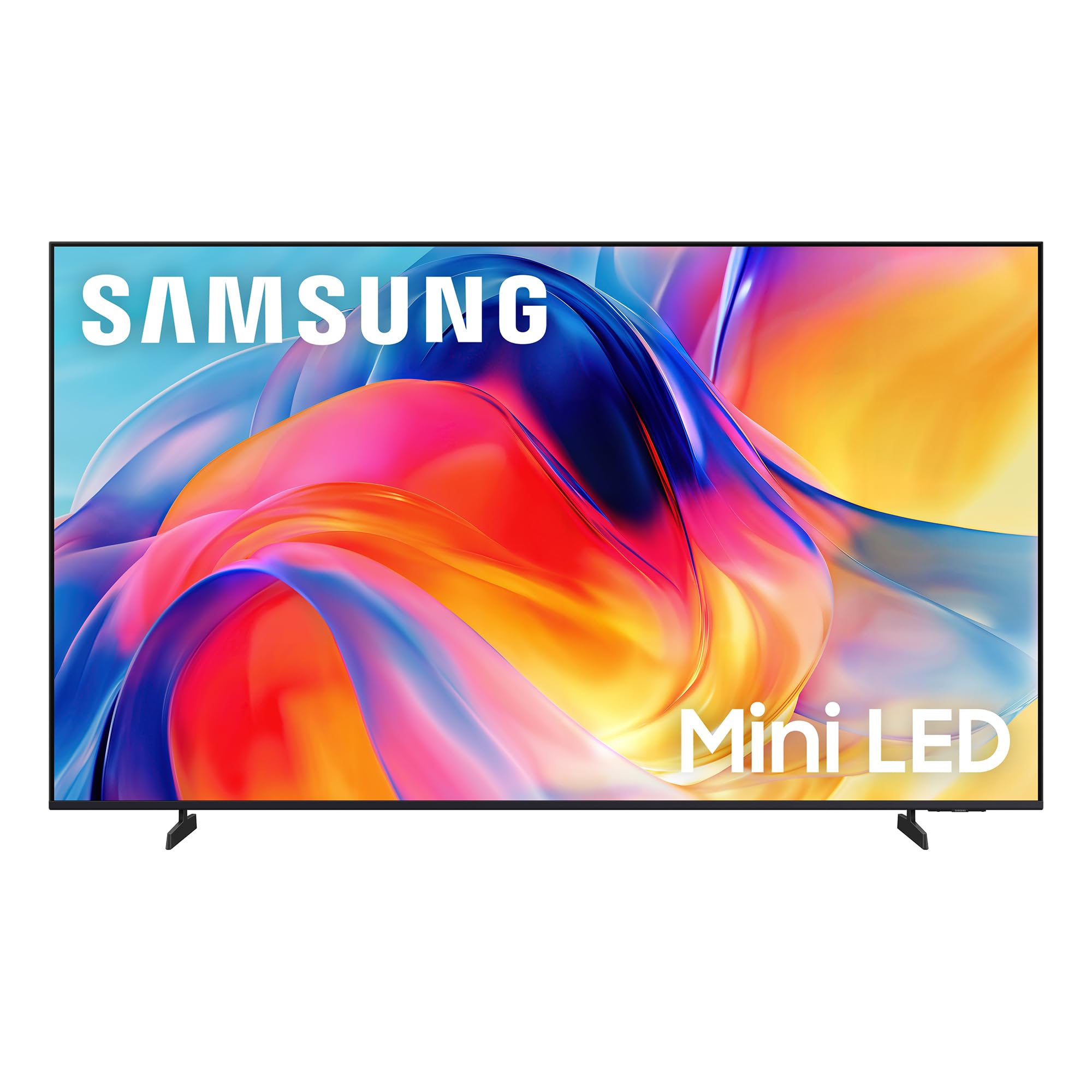
The Samsung M70H brings Mini-LED backlighting to a more affordable price tier, offering improved contrast and brightness compared to standard LED TVs. The Processor 4K chip handles upscaling and HDR tone mapping effectively, and the Pure Spectrum Color technology delivers over a billion colors that look vibrant and accurate. The Supreme Mini-LED Dimming provides deep contrast with bright highlights for a picture that punches above its price class.
The Motion Xcelerator with DLG supports up to 120Hz, though this is achieved through display list generation rather than a true native 120Hz panel. This smooths motion noticeably for sports and casual gaming, but competitive players may still perceive a difference compared to a native 120Hz panel. The Samsung Gaming Hub consolidates cloud gaming services like Xbox Game Pass and Nvidia GeForce Now alongside console inputs for easy access.
The remote control has drawn criticism for its unintuitive design, lacking dedicated input buttons and forcing users to rely on the SmartThings app. The interface also has a tendency to default to Pluto TV on startup, which can be frustrating. For budget-conscious buyers who want Mini-LED technology and cloud gaming integration without paying premium prices, the M70H is a worthwhile consideration.
Why it’s great
- Mini-LED backlighting at an accessible price point.
- Gaming Hub integrates cloud gaming and console inputs.
- Motion Xcelerator with DLG smooths motion for sports and games.
Good to know
- Remote lacks dedicated input buttons and can be frustrating to use.
- DLG 120Hz is not a true native 120Hz panel.
11. Roku Plus Series 55″ Mini-LED
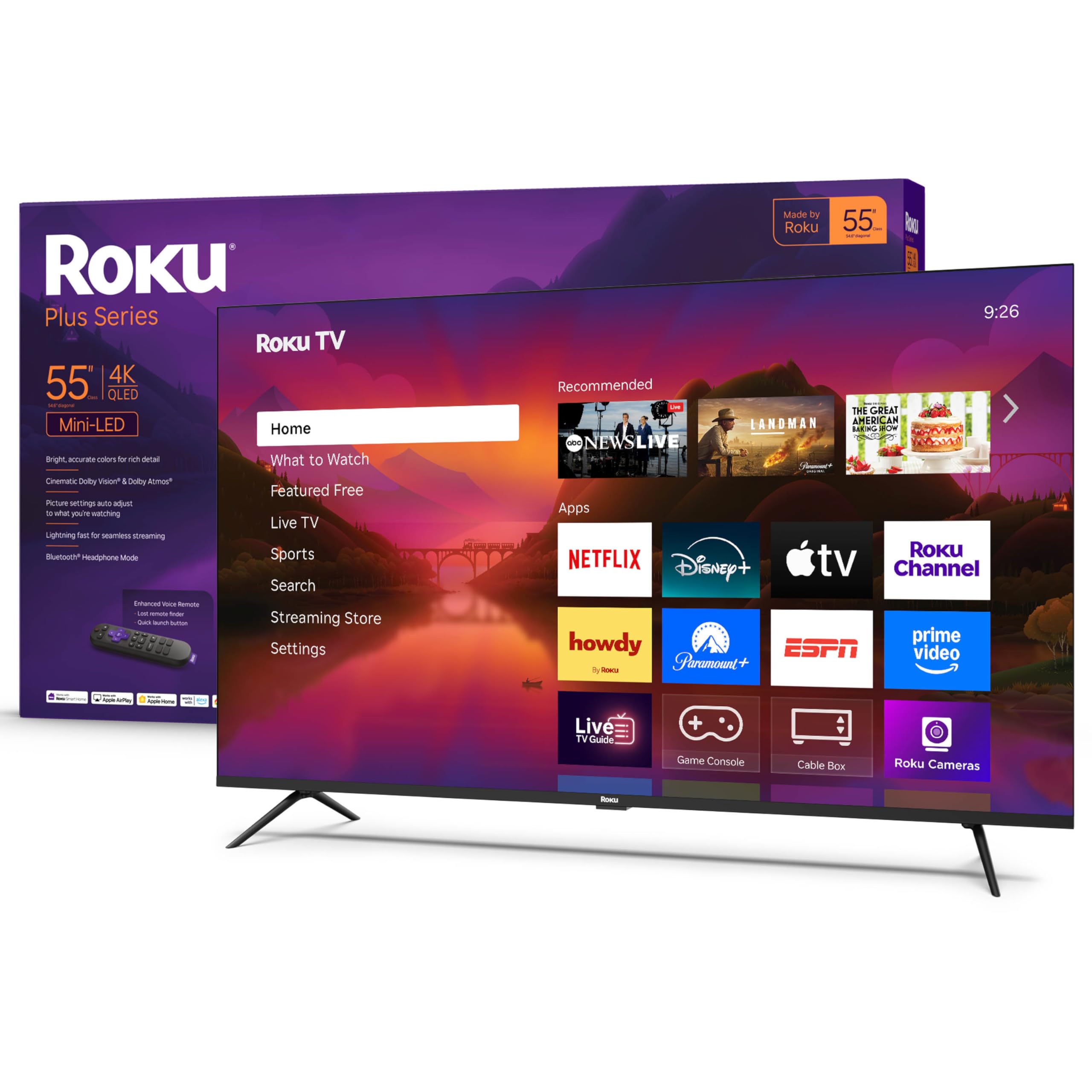
The Roku Plus Series is an understated performer that offers excellent value for gamers on a tight budget. The Mini-LED backlighting and QLED screen with Dolby Vision produce vibrant colors and solid contrast that surpass many similarly priced LED TVs. The 4K resolution delivers sharp detail, and the AI-powered Roku Smart Picture Max automatically optimizes settings based on the content being watched.
While the panel is capped at 60Hz, the TV does support a Game Mode that reduces input lag for a more responsive feel. The Variable Refresh Rate (VRR) support helps minimize screen tearing in supported games. The built-in sound system with Dolby Atmos and a subwoofer provides clear dialogue and decent bass, making the TV usable without an external audio system for casual gaming sessions.
The Roku OS is the standout feature here — it is intuitive, snappy, and free of ads compared to other smart TV platforms. The Enhanced Voice Remote includes a lost remote finder and voice search across apps. The 60Hz refresh rate is the main limitation for competitive players, and the lack of HDMI 2.1 means you won’t get 4K 120Hz gaming. For mainstream gamers who primarily play story-driven titles or stream content, the picture quality and user experience make this a compelling entry-level option.
Why it’s great
- Excellent picture quality for the price with Mini-LED and QLED.
- Roku OS is fast, intuitive, and free of ads.
- Enhanced Voice Remote with lost remote finder is a nice extra.
Good to know
- Limited to 60Hz, so not suitable for high-refresh-rate competitive gaming.
- Lacks full HDMI 2.1 bandwidth for 4K 120Hz gaming.
FAQ
Is a 60Hz TV good enough for console gaming?
Does OLED burn-in happen quickly in gaming?
What is the difference between DLG 120Hz and native 120Hz?
Do I need a soundbar for a good gaming audio experience?
Why does my TV not support 4K 120Hz on all HDMI ports?
Final Thoughts: The Verdict
For most gamers seeking the best balance of performance and value, the 4k hdtv for gaming winner is the Hisense 55″ U8 Series because it combines a native 165Hz panel, extremely high brightness, and VRR up to 288Hz at a price that undercuts premium competitors. If you want perfect black levels and infinite contrast, grab the LG OLED evo G4. And for a multi-console setup with maximum connectivity, nothing beats the iFFALCON 55U85 with its four HDMI 2.1 ports.