
Our readers keep the lights on and the weekend projects moving. As an Amazon Associate, I earn from qualifying purchases.
The 50-inch sweet spot is where screen real estate meets room fit—large enough for cinematic immersion, compact enough for apartments and media consoles. But choosing among QLED, Mini-LED, OLED, and standard LED panels, each with different refresh rates and smart platforms, turns a simple upgrade into a spec war.
I’m Rikta — the co-founder and writer behind FitlyFast. I’ve analyzed over 200 TV models across price tiers, comparing panel technologies, processor performance, and real-world HDR capabilities to separate marketing claims from actual viewing quality.
After filtering through countless options, this guide delivers only the strongest candidates for the best 50 inch 4k tv market, ranked by real performance in contrast, motion handling, and smart ecosystem integration.
How To Choose The Best 50 Inch 4K TV
A 50-inch 4K TV is a long-term investment in your living room experience. Getting the right one means understanding three key pillars: panel technology, refresh rate capability, and the smart platform that governs daily use. Ignoring any of them leads to buyer’s remorse.
Panel Technology: OLED, QLED, Mini-LED, or Standard LED
OLED panels like the LG C4 series deliver perfect blacks and infinite contrast because each pixel emits its own light and can switch off completely. QLED uses quantum dots on an LED backlight for high brightness and vibrant color volume, especially in bright rooms. Mini-LED, as seen in the Hisense E7 Cinema Series, uses thousands of tiny LEDs to control local dimming zones, offering deeper blacks than standard LED without OLED’s burn-in risk. Standard LED remains the most affordable but suffers from grayish blacks in dark scenes.
Refresh Rate and Gaming Features
Standard 60Hz panels handle movies and casual streaming smoothly. For sports, fast-action gaming, or PC use, a native 120Hz or 144Hz panel with HDMI 2.1 inputs delivers fluid motion and eliminates screen tearing when paired with VRR (Variable Refresh Rate). The Hisense E7 and LG C4 both offer native 144Hz, while Sony’s BRAVIA 3 provides 120Hz with exclusive PlayStation 5 optimizations like Auto HDR Tone Mapping.
Smart Platform and Ecosystem Lock-In
Fire TV (Amazon Ember, Hisense E7) offers deep Alexa integration and broad app support but displays ads on the home screen. Google TV (Sony BRAVIA, Hisense CanvasTV) provides a cleaner interface with Gemini AI search and less promotional clutter. Samsung’s Tizen on The Frame is polished but pushes Samsung TV Plus aggressively. LG’s webOS remains one of the fastest interfaces with Magic Remote pointer control, though the C4’s webOS 24 can feel slower on older hardware.
Quick Comparison
On smaller screens, swipe sideways to see the full table.
| Model | Category | Best For | Key Spec | Amazon |
|---|---|---|---|---|
| LG C4 OLED evo | OLED | Cinematic contrast & PC gaming | Self-lit pixels, 144Hz, HDMI 2.1 x4 | Amazon |
| Sony BRAVIA 3 II | LED | PS5 gaming & AI upscaling | XR Processor, 120Hz, HDMI 2.1 | Amazon |
| Hisense E7 Cinema Series | Mini-LED | Sports & value HDR | Mini-LED FALD, Native 144Hz | Amazon |
| Samsung The Frame (2025) | QLED | Art decor & glare-free rooms | Matte display, NQ4 AI Gen2 | Amazon |
| Samsung The Frame (2024) | QLED | Budget art TV entry | Quantum HDR, One Connect box | Amazon |
| Hisense CanvasTV | QLED | Art mode without subscription | Hi-Matte Display, 144Hz ports | Amazon |
| Amazon Ember QLED | QLED | Fire TV speed & Alexa users | Quad-core, Wi-Fi 6, Dolby Vision | Amazon |
| Sony BRAVIA 2 II | LED | Reliable PS5 companion | 4K Processor X1, Motionflow XR | Amazon |
| LG UP8000 | LED | PC monitor use & simplicity | Quad Core Processor, webOS | Amazon |
| Panasonic W70 | LED | Fire TV name-brand reliability | HDR10+, HDMI 2.1, MEMC | Amazon |
| Westinghouse Xumo TV | LED | Budget-friendly streaming | Dolby Vision, AirPlay 2, BT 5.1 | Amazon |
In‑Depth Reviews
1. LG C4 OLED evo (48-Inch)

The LG C4 is the benchmark for picture quality at this size. Its self-lit OLED pixels deliver perfect black levels—every pixel can turn off completely—producing infinite contrast that no LED or QLED panel can match. Combined with 100% Color Volume and Dolby Vision, HDR content looks three-dimensional rather than simply bright.
Gamers benefit from four full HDMI 2.1 ports, native 144Hz refresh rate, NVIDIA G-Sync, and AMD FreeSync Premium. Input lag is virtually imperceptible at 0.1ms response time. The A9 AI Processor Gen7 upscales 1080p content impressively, though the 48-inch size means text at 4K on a Mac Mini may require scaling adjustments for clarity.
WebOS 24 is responsive but requires navigating through some initial setup agreements and slow app loading compared to Google TV. Built-in sound is adequate for casual viewing, but the thin OLED chassis means a soundbar is recommended for immersive audio. LG promises 5 years of software updates through the webOS Re:New program, adding long-term value.
Why it’s great
- Perfect blacks and infinite contrast from self-lit pixels
- Four HDMI 2.1 ports with native 144Hz for high-end gaming
- Excellent upscaling from the A9 Gen7 AI processor
Good to know
- WebOS can feel sluggish compared to Google TV or Fire TV
- Built-in sound is thin; a soundbar is almost necessary
- Mac Mini 4K text clarity may be blurry without third-party scaling
2. Sony BRAVIA 3 II (K-50XR30M2)
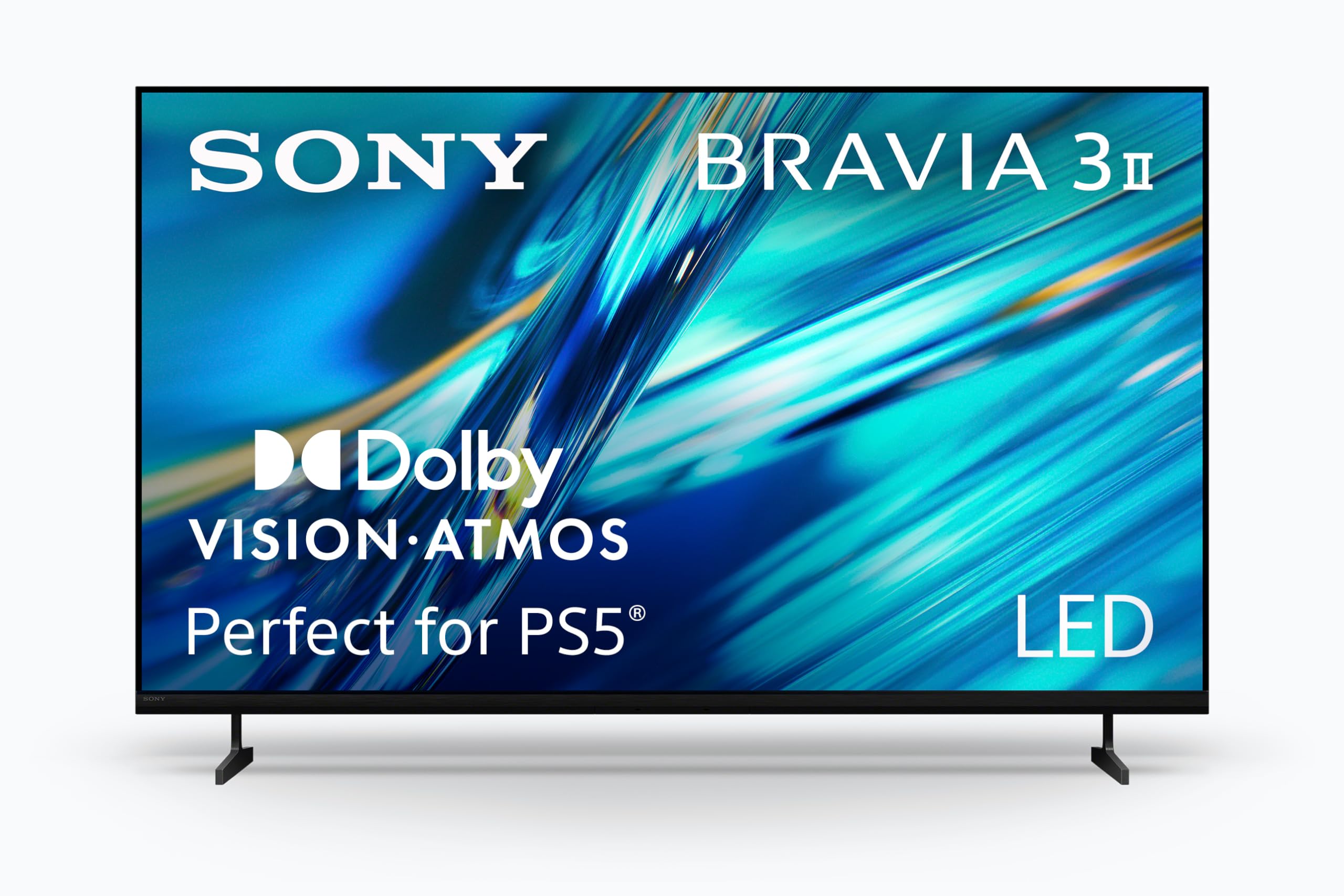
The BRAVIA 3 II is Sony’s mid-range champion with the XR Processor using AI scene recognition to optimize color, contrast, and clarity in real time. The 120Hz panel with Motionflow XR keeps fast sports and action sequences blur-free, and the XR Triluminos Pro reproduces over a billion colors for natural skin tones and landscapes.
PlayStation 5 owners get exclusive Auto HDR Tone Mapping and Auto Genre Picture Mode, which automatically optimizes picture settings when detecting PS5 content. HDMI 2.1 supports 4K/120, VRR, and ALLM for competitive gaming. The included Sony Pictures CORE app provides 5 movie credits and 12 months of streaming access to hundreds of classics—a tangible bonus for movie lovers.
Google TV with Gemini AI search is one of the least intrusive smart platforms, though some users report software glitches like casting failures and settings not saving initially. The X-Balanced Speakers deliver deeper bass than typical flat-panel TVs, reducing the immediate need for external audio. The flush surface design with an almost invisible bezel keeps the focus on the picture.
Why it’s great
- XR Processor delivers lifelike AI-enhanced picture quality
- Exclusive PS5 optimizations for gaming
- Google TV with Gemini is clean and ad-light
Good to know
- Occasional software glitches reported by users
- Default picture settings need calibration out of the box
- Remote battery compartment is notably difficult to open
3. Hisense 50″ E7 Cinema Series (50E7SF)
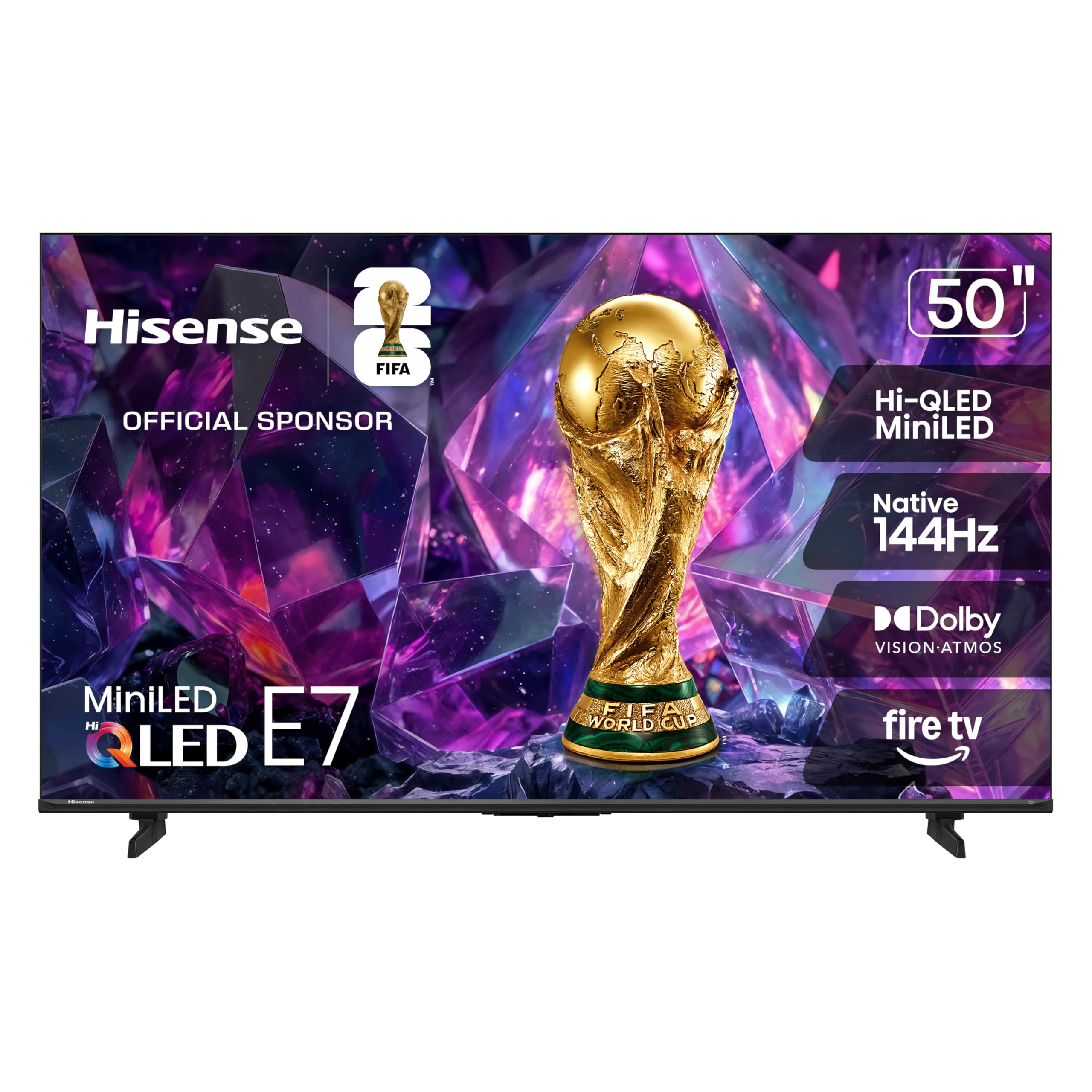
The Hisense E7 delivers Mini-LED backlighting with thousands of precise local dimming zones, producing deeper blacks and brighter highlights than standard LED panels. The Hi-QLED layer adds quantum dot color volume, making reds and greens pop without oversaturation. At a mid-range price, this is the most feature-dense TV on the list.
Native 144Hz refresh rate with MEMC keeps sports and action movies fluid. AI Sports Mode automatically detects sports content and adjusts motion smoothing, contrast, and crowd audio. Dolby Vision IQ and HDR10+ Adaptive both adjust brightness based on ambient room light—a rare combination at this price point.
Fire TV integration provides fast app switching, but the plastic stand feels less premium than competitors. The 2.0.2 multi-dimensional sound system with DTS Virtual:X creates surprising width for a built-in audio solution. Some buyers received units with cosmetic damage from less secure packaging, so inspect immediately upon arrival.
Why it’s great
- Mini-LED FALD for excellent contrast at this price
- Native 144Hz and AI Sports Mode for smooth motion
- Supports both Dolby Vision IQ and HDR10+ Adaptive
Good to know
- Plastic stand feels cheap compared to metal alternatives
- Packaging may not protect the panel adequately during shipping
- Fire TV home screen includes ad placements
4. Samsung The Frame LS03F (2025)

The 2025 Frame refines Samsung’s art TV concept with the NQ4 AI Gen2 processor, which enhances picture quality for both video and art mode. The virtually glare-free matte display with subtle texture mimics a real canvas print, making displayed artwork look convincing even in bright rooms. The slim fit wall mount holds the TV flush against the wall with zero gap.
Art Mode gives access to 2,500+ pieces from the Samsung Art Store (subscription required after trial) or lets you upload personal photos with digital mat options. The One Connect box routes all cables to a single thin wire to the TV, eliminating visible cord clutter. Customizable bezels in assorted colors and wood finishes let you match your decor.
Gaming performance reaches up to 4K 144Hz with VRR, though the matte finish slightly reduces peak brightness compared to glossy panels. The main downside is the aggressive Samsung TV Plus integration on the home screen and the fact that Art Mode without a subscription is limited. Owners report excellent anti-glare performance, making this ideal for living rooms with windows or overhead lighting.
Why it’s great
- Matte anti-glare display convincingly mimics canvas art
- One Connect box eliminates cable clutter entirely
- Customizable bezels match any room decor
Good to know
- Art Store requires a paid subscription for full access
- Samsung TV Plus pushes unwanted content on the home screen
- Some units exhibit blooming and lifted blacks in dark scenes
5. Samsung The Frame LS03D (2024)

The 2024 Frame offers the same art-focused design language at a slightly lower entry point. The Pantone Validated ArtfulColor ensures displayed artworks appear vibrant and museum-accurate. The UL-certified glare-free matte screen reduces reflections effectively, making it suitable for brightly lit rooms where glossy TVs wash out.
The Quantum Processor 4K handles upscaling and Real Depth Enhancer for more dimensional-looking images. The One Connect box keeps cable management clean, and the included Slim Fit Wall Mount holds the TV flush to the wall. Customizable bezels are sold separately, allowing personalization over time.
Where this 2024 model trails the 2025 version is in processor speed—menu navigation feels slower, and the 60Hz panel limits gaming to standard refresh rates. The art subscription pushes users toward a paid plan with aggressive prompts, though users report they can upload their own photos via USB. For decor-focused buyers who prioritize aesthetics over raw gaming performance, this remains a strong value.
Why it’s great
- Glare-free matte display with Pantone Validated color
- One Connect box eliminates cable clutter
- Flush wall mount for a true framed look
Good to know
- Art Store subscription is aggressively promoted
- 60Hz panel limits gaming performance
- Menu navigation can feel slower than newer models
6. Hisense CanvasTV (50S7SG)
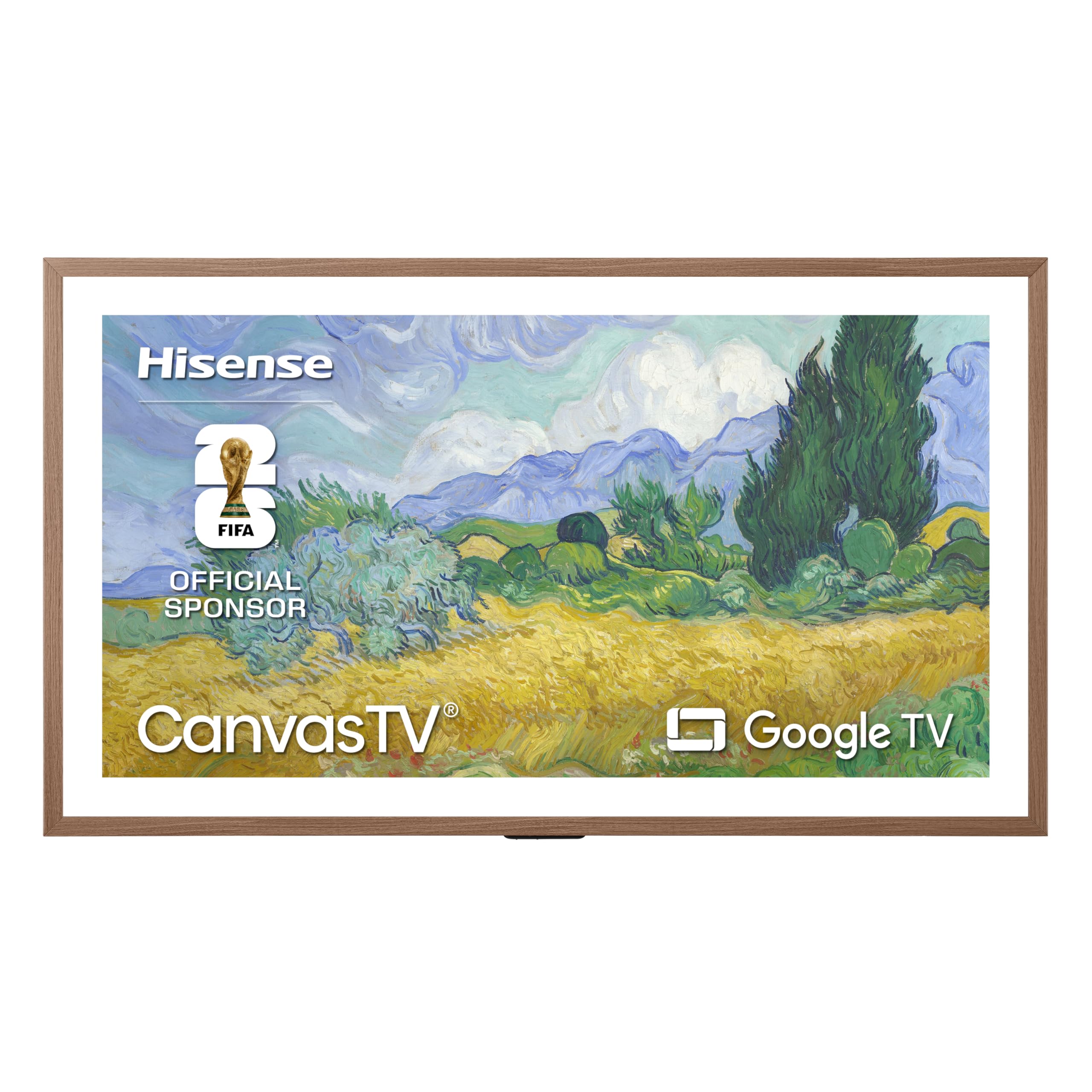
The Hisense CanvasTV directly challenges Samsung’s Frame with a key advantage: access to over 1,000 complimentary curated artworks with no subscription fee. The included teak wooden frame and UltraSlim Wall Mount make installation a true gallery experience. The magnetic bezel snaps on easily and can be swapped for different wood finishes.
The Hi-Matte anti-glare display effectively eliminates reflections, though some users note the art mode still looks like a TV screen rather than a real canvas—especially in bright rooms where the backlight remains visible. The AI Ambient Light Sensor adjusts brightness and color temperature based on room lighting, helping the art blend in better throughout the day.
Under the hood, this is a capable 4K QLED TV with Dolby Vision IQ and HDR10+ Adaptive support. Gaming performance is strong with two HDMI ports supporting 144Hz, plus DTS Virtual:X for multi-dimensional sound. Google TV provides a clean interface without the aggressive ad placement of Fire TV. The motion detector automatically wakes the display when someone enters the room and fades it when empty, saving energy.
Why it’s great
- Free art library with no subscription required
- Includes teak frame and ultra-slim wall mount
- Two HDMI 144Hz ports for gaming flexibility
Good to know
- Art mode still looks like a TV screen, not real canvas
- Flush mount has no tilt/swivel adjustment
- Needs recessed power outlet for optimal flush installation
7. Amazon Ember 50″ QLED
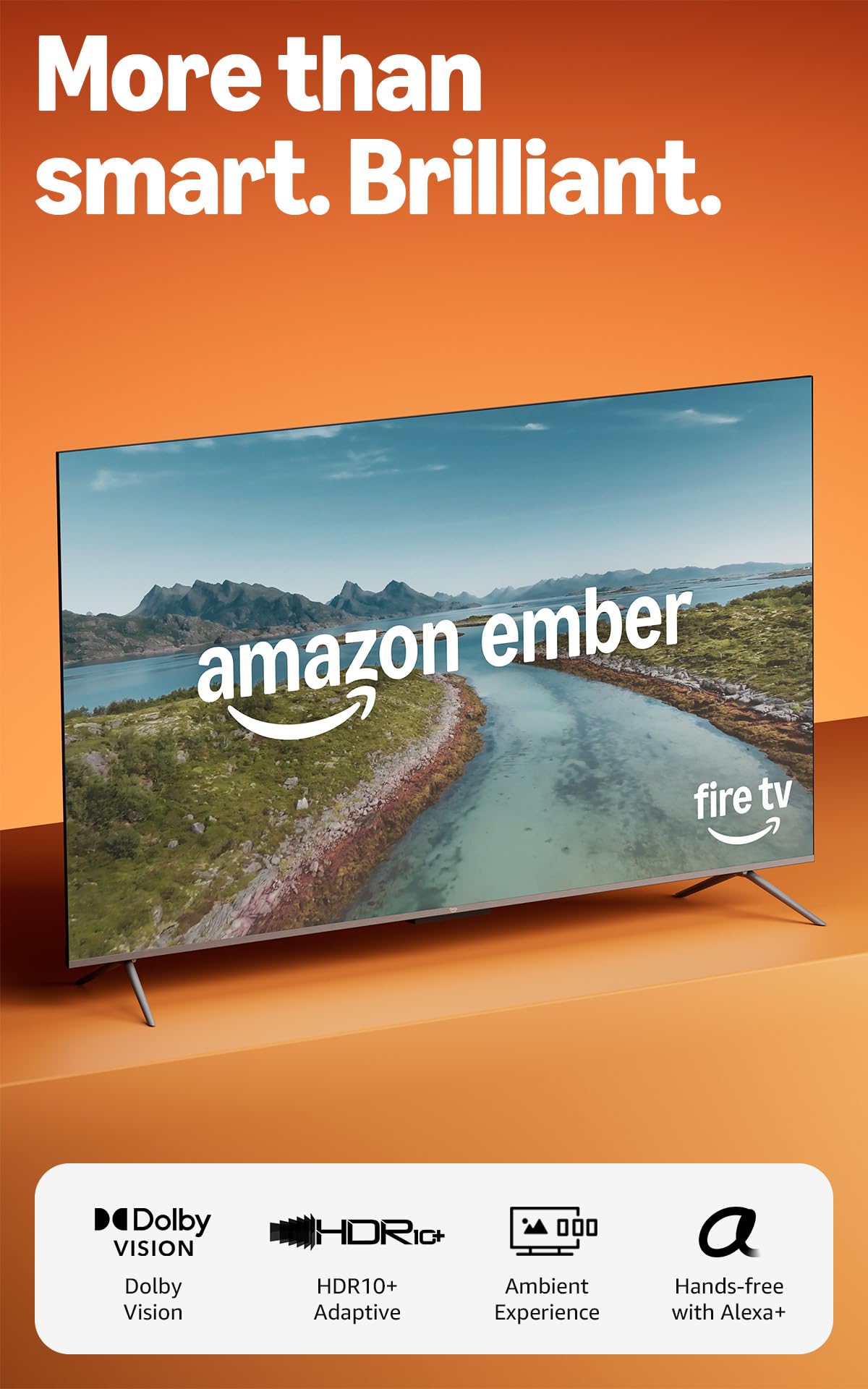
Amazon’s own Ember QLED series is built around Fire TV speed. The quad-core processor with Wi-Fi 6 support ensures apps load quickly and streaming remains smooth even on congested networks. Dolby Vision and HDR10+ Adaptive deliver excellent HDR performance for both movies and TV shows.
The Omnisense technology uses built-in sensors to wake the display when you enter the room, showing artwork or your last-watched content instantly—no remote needed. Alexa+ with natural language understanding lets you find shows, control smart home devices, and ask questions hands-free. The integration with Amazon Luna and Xbox Game Pass allows cloud gaming without a console.
Picture quality is solid for a QLED in this range, with vibrant colors and decent black levels, though it doesn’t match Mini-LED or OLED contrast. Some users report occasional audio desync issues on Prime Video and slight menu lag after extended use. The built-in speakers lack bass, making a soundbar a worthwhile addition for immersive viewing.
Why it’s great
- Quad-core processor and Wi-Fi 6 for fast streaming
- Alexa+ with natural language voice control
- Omnisense sensors wake TV when you enter the room
Good to know
- Built-in speakers lack bass depth
- Occasional audio desync reported on Prime Video
- Menu lag can develop after extended use
8. Sony BRAVIA 2 II (K-50S20M2)
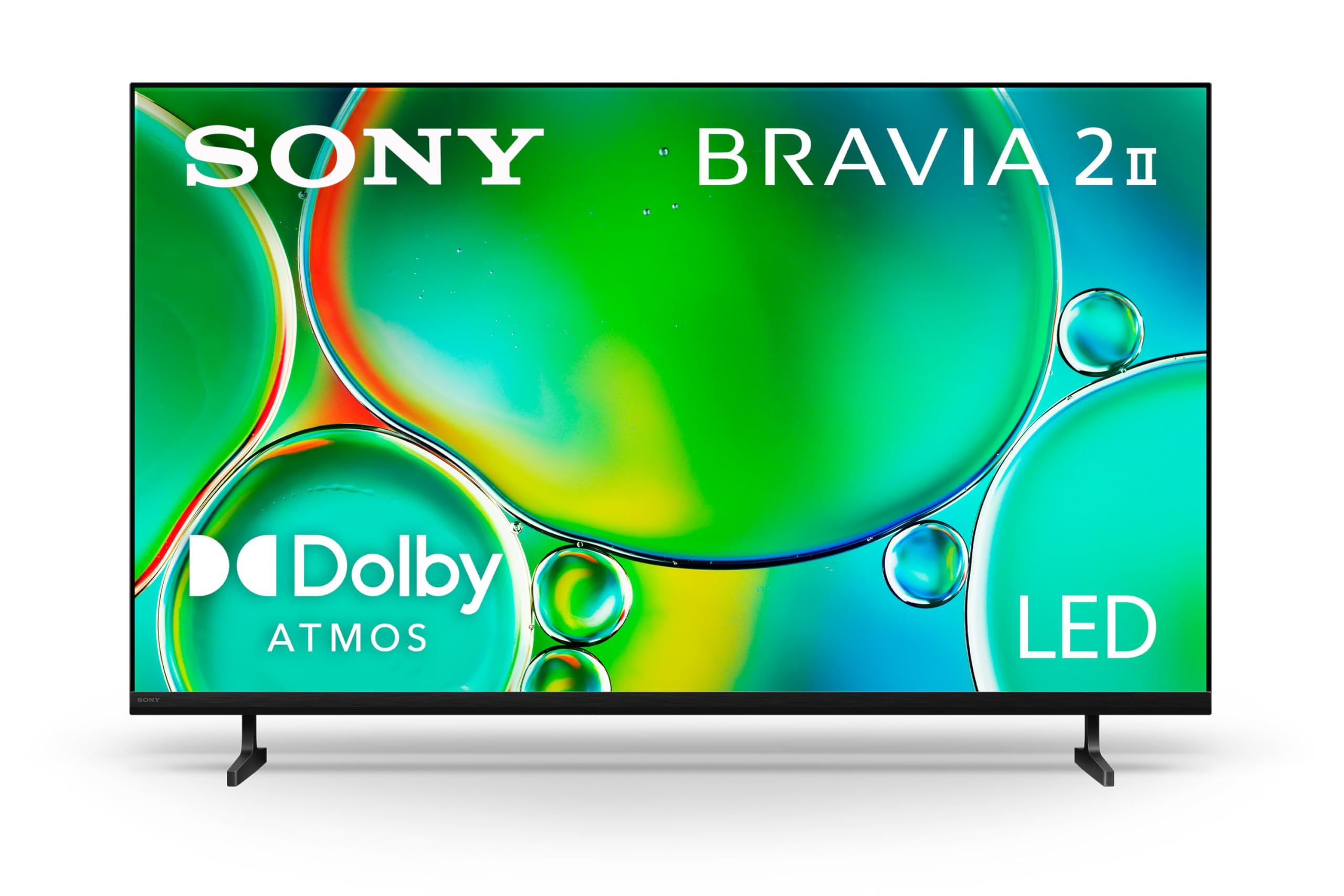
The BRAVIA 2 II is Sony’s value-focused entry with the 4K Processor X1, delivering natural colors and sharp details without the premium cost of the XR line. Motionflow XR handles fast-moving sports and action movies adequately, reducing blur without introducing the soap opera effect. The 60Hz panel is sufficient for movies and casual gaming.
PlayStation 5 integration includes Auto HDR Tone Mapping and Auto Genre Picture Mode, which automatically optimizes settings when a PS5 is detected. The Game Menu centralizes all gaming picture settings and exclusive assist features in one place. The Eco Dashboard makes it easy to manage power consumption settings.
Google TV provides access to all major streaming apps with Google Cast and Apple AirPlay 2 support. The Sony Pictures CORE app includes free movies. Some users report the TV boots to the menu every time, which can be annoying for those who prefer to jump directly to live TV. Built-in sound is adequate for a bedroom or office setting.
Why it’s great
- Sony picture processing at an accessible price point
- Exclusive PS5 auto-optimization features
- Google TV with AirPlay 2 and Google Cast
Good to know
- 60Hz panel limits gaming refresh rate
- TV boots to menu each time, not to last input
- Some units may experience WiFi connectivity drops
9. LG UP8000 (50UP8000PUR)

The LG UP8000 is a straightforward LED TV that excels as a large computer monitor. The 60Hz IPS-style panel provides wide viewing angles and accurate colors, making it suitable for productivity tasks and media consumption. The Quad Core Processor handles 4K upscaling competently for streaming content.
The LG Magic Remote with pointer functionality makes navigation intuitive, and webOS 22 provides access to all major streaming apps. Connectivity is ample with 3 HDMI inputs and 2 USB ports. Users report excellent compatibility with Mac Mini and MacBook Pro for desktop use, though brightness control cannot be adjusted from the Mac—it requires the TV’s on-screen menu.
Built-in speakers are notably weak even by TV standards, with thin sound that lacks bass. The interface has been described as overly complex by less tech-savvy users, with too many features cluttering the home screen. For pure TV viewing without gaming demands, this is a reliable, no-frills performer that won’t break the budget.
Why it’s great
- Wide viewing angles ideal for desktop monitor use
- LG Magic Remote with pointer navigation
- Reliable 4K upscaling for streaming content
Good to know
- Very weak built-in speakers
- Interface can be confusing for non-tech-savvy users
- Cannot control brightness from connected Mac
10. Panasonic W70 Series (50W70BP)

Panasonic returns to the US TV market with the W70 Series, a 2025 model that pairs Fire TV built-in with solid hardware. The HDR Bright Panel powered by the 4K Studio Color Engine delivers vibrant colors with support for HDR10+, HDR10, and HLG. MEMC technology ensures smooth motion for sports and fast-paced content.
Connectivity is generous with four HDMI inputs including one HDMI 2.1 port for gaming. Bluetooth 5.0 support lets you pair wireless headphones for private listening or wireless speakers for enhanced audio without a soundbar. The sturdy chassis includes metal stands that feel more premium than plastic alternatives at this price.
Picture quality is good for the price, with bright and colorful output that satisfies for general viewing. The main criticism centers on the Fire TV processor feeling somewhat slow—app switching can lag, and menu navigation lacks the snappiness of higher-end TVs. Some buyers received defective units with black screen issues, though replacement experiences varied.
Why it’s great
- Name-brand reliability with Panasonic engineering
- Four HDMI inputs with HDMI 2.1 for gaming
- Metal stands provide sturdy, premium feel
Good to know
- Fire TV processor can feel slow for app switching
- Some units reported defective from the start
- Resale value may be lower than Sony or LG alternatives
11. Westinghouse 50″ Xumo TV
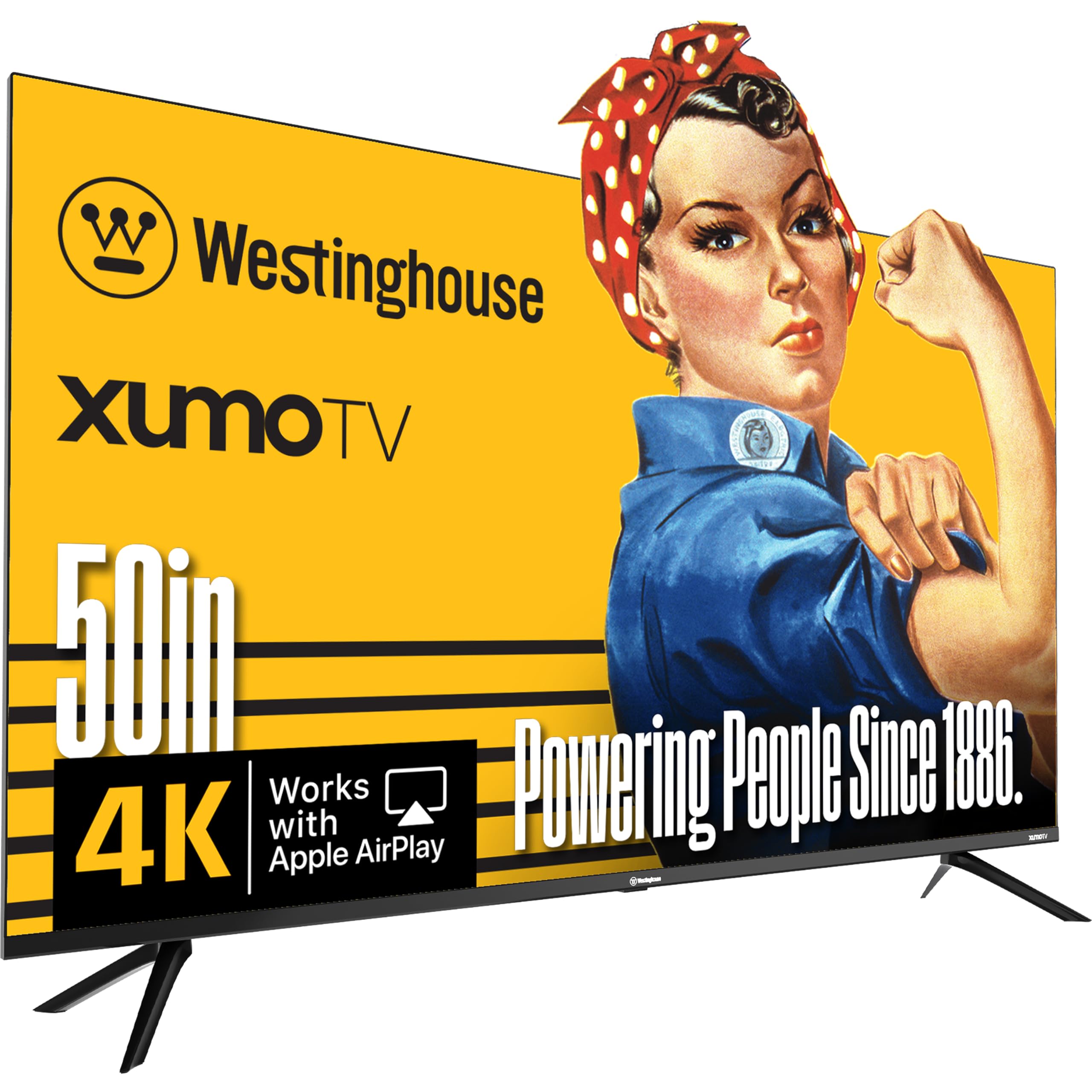
The Westinghouse Xumo TV is the most affordable entry on this list, offering 4K UHD resolution with Dolby Vision and HDR10 support. The 60Hz panel covers basic viewing needs, and the edgeless screen design looks more modern than the price suggests. Built-in Bluetooth 5.1 lets you pair wireless headphones or speakers easily.
Xumo OS provides instant access to 350+ free live channels and 70,000+ on-demand shows and movies without any subscription. The voice remote with universal search works across all installed apps. Apple AirPlay 2 support allows easy mirroring from iPhone, iPad, or Mac, though Android and Windows casting is not supported—a significant limitation for PC users.
Built-in speakers are surprisingly good for a budget TV, with better stereo separation than many soundbars at this price level. Picture quality is sharp and colorful for the price, though black levels are typical of entry-level LED—grayish in dark scenes. The Xumo OS is convenient but apps open slower than on premium smart platforms, and there are concerns about long-term OS support and speed degradation.
Why it’s great
- Includes Dolby Vision and HDR at a very accessible price
- Built-in speakers sound better than expected
- Free live TV and on-demand content with Xumo OS
Good to know
- No casting support for Windows or Android devices
- Xumo OS may slow down over time
- Grayish black levels in dark room viewing
FAQ
What is the ideal viewing distance for a 50-inch 4K TV?
Is OLED better than QLED for a 50-inch TV?
Do I need HDMI 2.1 for a 50-inch 4K TV?
Why do some 50-inch TVs have worse picture quality than others at the same resolution?
Final Thoughts: The Verdict
For most users, the best 50 inch 4k tv winner is the LG C4 OLED evo because its self-lit OLED panel delivers perfect blacks, infinite contrast, and four HDMI 2.1 ports for premium gaming—no other TV at this size matches its image quality. If you want the best gaming performance with PS5 integration and cleaner smart TV software, grab the Sony BRAVIA 3 II. And for the best value in a bright room with sports and HDR content, nothing beats the Hisense E7 Cinema Series with its Mini-LED backlight and native 144Hz refresh rate.