
Our readers keep the lights on and the weekend projects moving. As an Amazon Associate, I earn from qualifying purchases.
Upgrading to a 70-inch screen is a decisive move — you’re not just buying a bigger window into your content; you’re committing to a daily visual environment that must balance brightness in your living room, motion handling for sports, and color accuracy for movies. Get the panel wrong, and you’ll spend years fighting reflections, washed-out blacks, or a sluggish interface that turns every streaming session into a chore.
I’m Rikta — the co-founder and writer behind FitlyFast. I’ve spent hundreds of hours analyzing panel technologies, local dimming architectures, real-world refresh rates, and upscaling engines to break down exactly which large-screen TVs actually deliver on their specs under normal viewing conditions, not just inside a showroom.
This guide compares eleven models spanning Mini-LED, OLED, QLED, and Crystal UHD panels to help you find the right 70 inch tv for your space, viewing habits, and budget without relying on marketing fluff.
How To Choose The Best 70 Inch TV
A 70-inch screen is a centerpiece purchase that demands you look beyond just the diagonal measurement. The real differentiators come down to backlight technology, processing power, and how the panel handles the mix of content you actually watch — from streaming shows to live sports to console gaming.
Panel Technology and Backlight Design
Not all 4K screens are equal. Standard LED backlights struggle with contrast because light bleeds from bright areas into dark ones. Mini-LED backlighting uses thousands of tiny LEDs to create more precise dimming zones, producing deeper blacks and brighter highlights — essential for HDR movies and gaming. OLED panels take this further by lighting each pixel individually, achieving perfect black levels and infinite contrast, but they come at a premium and handle bright rooms less effectively.
Real-World Refresh Rate and Motion Handling
Marketing numbers can mislead. A panel with a native 60Hz refresh rate is fine for most TV shows and streaming movies, but 120Hz and 144Hz native panels deliver noticeably smoother motion for sports and games. Look for VRR (Variable Refresh Rate) and ALLM (Auto Low Latency Mode) if you plan to connect a gaming console or PC. MEMC (Motion Estimation Motion Compensation) helps reduce judder in fast-action content, but implementation quality varies significantly between brands.
Upscaling and Image Processing
Much of what you’ll watch — cable TV, older movies, YouTube clips — isn’t native 4K. A TV’s processor must intelligently upscale lower-resolution content without introducing softness or artifacts. Brands like Sony, LG, and Samsung invest heavily in AI-driven upscaling engines that analyze scenes in real time. Budget panels often apply a simple interpolation that can make content look artificial or overly smoothed.
Quick Comparison
On smaller screens, swipe sideways to see the full table.
| Model | Category | Best For | Key Spec | Amazon |
|---|---|---|---|---|
| LG C4 OLED (77″) | OLED Premium | Home Cinema & Gaming | 144Hz · 0.1ms response · OLED evo | Amazon |
| Sony BRAVIA 3 II (75″) | LED Premium | Movie & PS5 Gaming | XR Processor · 120Hz · Anti-Glare | Amazon |
| Sony BRAVIA XR8B (77″) | OLED Premium | Pure Black & PS5 | OLED · XR Processor · 120Hz | Amazon |
| LG C5 OLED (77″) | OLED Premium | Bright Room OLED | α9 Gen8 AI · 144Hz · Brightness Booster | Amazon |
| Toshiba Z670 (75″) | Mini-LED | High-End Value | Mini-LED · 144Hz · REGZA ZRi Gen3 | Amazon |
| Samsung M70H (75″) | Mini-LED | Bright Living Room | Mini-LED · 60Hz · Pure Spectrum Color | Amazon |
| Hisense E7 Cinema (75″) | Mini-LED | Sports & Gaming | Mini-LED · 144Hz · Dolby Vision IQ | Amazon |
| TCL T7 Series (75″) | QLED/Mini-LED | Gaming & Value | QLED · 144Hz · Google TV | Amazon |
| Panasonic W70 Series (70″) | LED/4K | Fire TV Integration | LED · 60Hz · HDR10+ · Fire TV | Amazon |
| Samsung U8000F (70″) | Crystal UHD | Entry-Level Samsung | Crystal UHD · 60Hz · 4K Upscaling | Amazon |
| Roku Plus Series (65″) | Mini-LED QLED | Roku OS Fans | Mini-LED · 60Hz · Dolby Vision | Amazon |
In‑Depth Reviews
1. LG C4 OLED (77″)

LG’s C4 OLED redefines what a large-screen TV can deliver at this price tier. The self-lit OLED evo panel achieves perfect black levels — every pixel turns off independently — meaning contrast simply cannot be matched by any LED-based design. With a native 144Hz refresh rate and 0.1ms response time, fast motion stays crisp and blur-free, making this an outstanding option for both cinematic HDR content and competitive gaming on next-gen consoles.
The α9 AI Processor Gen7 drives intelligent upscaling that breathes new life into 1080p and even 720p sources, preserving detail without introducing the soap-opera effect common in lesser processors. Brightness Booster technology pushes peak luminance higher than previous C-series generations, which helps HDR highlights pop even in moderately lit rooms. However, OLED panels still struggle in very bright spaces with direct sunlight, and the risk of permanent burn-in from static elements like news tickers or HUDs remains a consideration.
The webOS platform is responsive and includes the Re:New program guaranteeing software updates for five years. The Magic Remote with its pointer functionality feels intuitive for navigating dense menus. Four HDMI 2.1 ports cover every device simultaneously, and support for NVIDIA G-Sync and AMD FreeSync Premium ensures tear-free gaming. The built-in Dolby Atmos soundstage is competent for casual viewing, but a dedicated soundbar unlocks the full cinematic experience this panel deserves.
Why it’s great
- Perfect black levels and infinite contrast from OLED evo pixels
- Native 144Hz with 0.1ms response for high-end gaming
- Four HDMI 2.1 ports with G-Sync and FreeSync
Good to know
- Peak brightness lower than premium Mini-LED in bright rooms
- Burn-in risk with static content over long periods
- Built-in sound requires external audio system for best experience
2. Sony BRAVIA 3 II (75″)
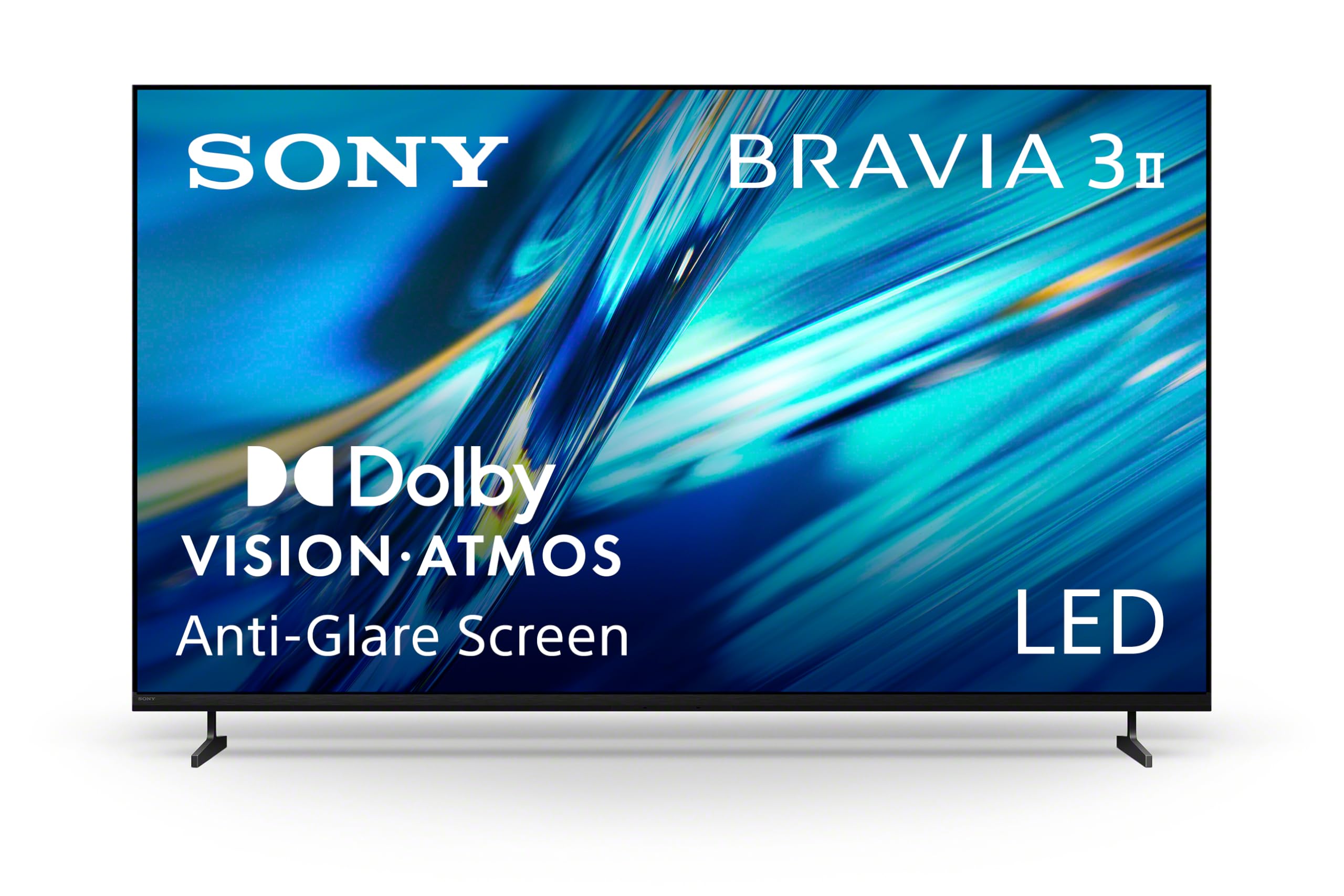
Sony’s BRAVIA 3 II is a masterclass in image processing. While it uses a standard LED backlight rather than Mini-LED or OLED, the XR Processor with AI scene recognition compensates by optimizing color, contrast, and clarity frame-by-frame. The result is a natural-looking picture that handles skin tones and texture reproduction better than many rival panels with more advanced hardware. The 120Hz native refresh rate combined with Motionflow XR keeps sports and action sequences smooth without artificial judder.
The anti-glare screen is genuinely effective — a standout feature for anyone placing the TV in a living room with windows or overhead lighting. Reflections are diffused rather than mirrored, preserving shadow detail even during daytime viewing. Google TV with Gemini integration lets you search across services using natural language, and the interface is among the most fluid on any smart platform. Exclusive PlayStation 5 features like Auto HDR Tone Mapping and Auto Genre Picture Mode unlock the console’s full visual potential automatically.
Audio performance is above average for a flat panel thanks to X-Balanced Speakers that deliver clearer dialogue and wider soundstage than typical bottom-firing setups. The included Sony Pictures Core subscription with IMAX Enhanced streaming adds meaningful value for movie enthusiasts. The trade-off is that LED backlight uniformity can show some clouding in dark scenes, and the panel doesn’t reach the peak brightness levels of high-end Mini-LED competitors. For buyers who prioritize processing and natural color over raw contrast, this is a compelling choice.
Why it’s great
- Industry-leading XR AI upscaling for all content sources
- Excellent anti-glare screen for bright room placement
- Deep PlayStation 5 integration and dedicated features
Good to know
- Standard LED backlight can’t match OLED or Mini-LED black levels
- Peak HDR brightness is modest compared to premium competitors
- Some users report software glitches after initial setup
3. Sony BRAVIA XR8B OLED (77″)

The Sony BRAVIA XR8B combines the purity of a self-lit OLED panel with Sony’s finest XR processing, producing an image that feels dimensional and natural. Over eight million individually controlled pixels deliver absolute black — no backlight bleed, no haloing around bright objects. The XR Processor applies real-time cross-analysis across color, contrast, and motion, making lower-resolution streaming content look remarkably close to native 4K without the artificial sharpening artifacts common on other sets.
Acoustic Surface Audio+ technology uses the screen itself as a speaker, vibrating the OLED panel to produce sound that appears to emanate directly from on-screen action. Dialogue localization is noticeably better than conventional downward-firing speakers, and the integration with Dolby Atmos creates a convincing soundstage without external hardware. For PlayStation 5 owners, the exclusive Auto HDR Tone Mapping feature removes the need to manually calibrate HDR settings — the TV and console communicate to deliver optimal brightness and color instantly.
The XR OLED Motion system analyzes individual frames and inserts black frames to reduce persistence blur, resulting in smooth panning shots without the soap-opera smoothness that some find unnatural. Google TV interface remains responsive, and the inclusion of Apple AirPlay 2 and Google Cast ensures seamless streaming from any device. The panel is best suited for darker viewing environments since OLED brightness, while improved, still falls short of high-end Mini-LED panels. This TV rewards those who prioritize contrast and color accuracy above all else.
Why it’s great
- Perfect black levels with zero backlight bleed
- XR upscaling makes 1080p content look near-4K
- Acoustic Surface Audio creates immersive screen-based sound
Good to know
- Brightness limited in very sunny rooms
- Premium price compared to similar-sized Mini-LED options
- Burn-in potential with static elements over prolonged use
4. LG C5 OLED (77″)

The LG C5 OLED evo represents the latest iteration of LG’s celebrated C-series, and the primary improvement over the C4 is the α9 AI Processor Gen8, which refines upscaling and auto-calibration further. The Brightness Booster technology has been enhanced to magnify pixel luminance more aggressively, making this one of the few OLED panels that performs well in rooms with ambient daylight. Perfect Black and Perfect Color technologies maintain the signature OLED advantages — infinite contrast and wide color gamut — while reducing the brightness disadvantage that historically pushed users toward Mini-LED.
The native 144Hz refresh rate combined with NVIDIA G-Sync and AMD FreeSync Premium support makes this TV equally suited for PC gaming at high frame rates. Multi View with two screens allows you to watch content side-by-side, useful for following a game while streaming a tutorial. The webOS platform remains clean and fast, though the Magic Remote’s gyroscopic pointer takes a day or two to feel natural. Four HDMI 2.1 ports handle every modern device without an external switch, and the Wow Orchestra feature lets you pair the TV speakers with an LG soundbar for coordinated audio.
Where the C5 truly shines is in its broad appeal — it delivers the cinematic contrast that OLED enthusiasts crave while being more tolerant of non-ideal room lighting than previous generations. The built-in speakers are adequate for casual viewing, and Dolby Vision IQ adapts HDR tone mapping based on ambient light sensors. The primary downsides remain the risk of burn-in with fixed UI elements and the fact that peak HDR brightness still trails top-tier Mini-LED displays when directly compared. For a do-everything OLED that doesn’t demand a blackout room, the C5 is exceptional.
Why it’s great
- Brightness Booster improves daytime viewing significantly
- Native 144Hz with full HDMI 2.1 bandwidth on all ports
- WebOS Re:New program ensures 5 years of updates
Good to know
- Still not as bright as premium Mini-LED for HDR highlights
- Burn-in remains a long-term consideration
- Magic Remote pointer is divisive among users
5. Toshiba Z670 Mini-LED (75″)
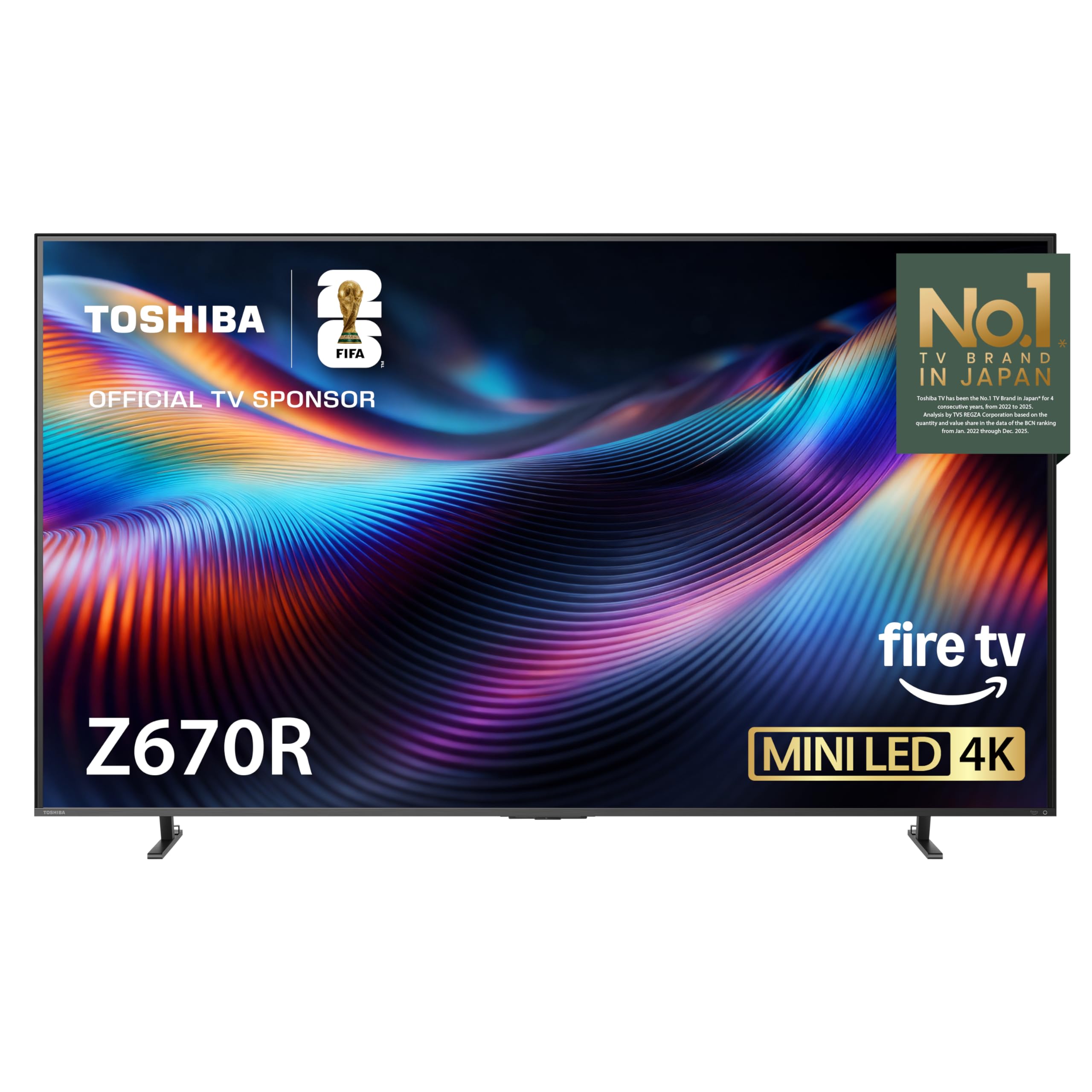
Toshiba’s Z670 Series marks a serious return to the premium TV space, packing Mini-LED backlighting with Full Array Local Dimming into a chassis that competes with far more expensive brands. The REGZA Engine ZRi Gen3, fine-tuned by Toshiba engineers in Japan, processes content scene-by-scene to optimize contrast, color, and motion. The combination of Mini-LED precision and QLED color produces deep blacks with minimal blooming around bright objects, plus over a billion color shades that maintain realism rather than looking overcooked.
The native 144Hz panel with AMD FreeSync Premium, VRR, and ALLM positions this TV as a serious gaming contender. Motion handling is fluid at high frame rates, and input lag in Game Mode Pro stays competitive with dedicated gaming monitors. Dolby Vision IQ with HDR10+ Adaptive support ensures both major HDR formats are covered, automatically adjusting tone mapping to room lighting. The built-in REGZA Power Audio Pro system includes a bass woofer that delivers surprisingly deep low-end for an integrated solution, reducing the immediate need for a soundbar.
Fire TV with Alexa built-in provides a smooth smart interface, and the AI Light Sensor Pro adjusts brightness and color balance automatically to reduce eye strain during long sessions. The minimalist design inspired by Japanese aesthetics keeps the profile thin and the bezel unobtrusive. The main consideration is that Toshiba’s brand perception doesn’t carry the same weight as Sony or LG in the premium segment, though the hardware here genuinely competes. Buyers comfortable with a lesser-known name in high-end TV will find exceptional value.
Why it’s great
- Mini-LED with FALD for deep blacks and minimal blooming
- Native 144Hz with FreeSync Premium for smooth gaming
- Integrated bass woofer delivers above-average built-in audio
Good to know
- Brand recognition lags behind Sony and LG
- Fire TV interface can feel slower than Google TV
- Limited in-store display availability before purchase
6. Samsung M70H Mini-LED (75″)
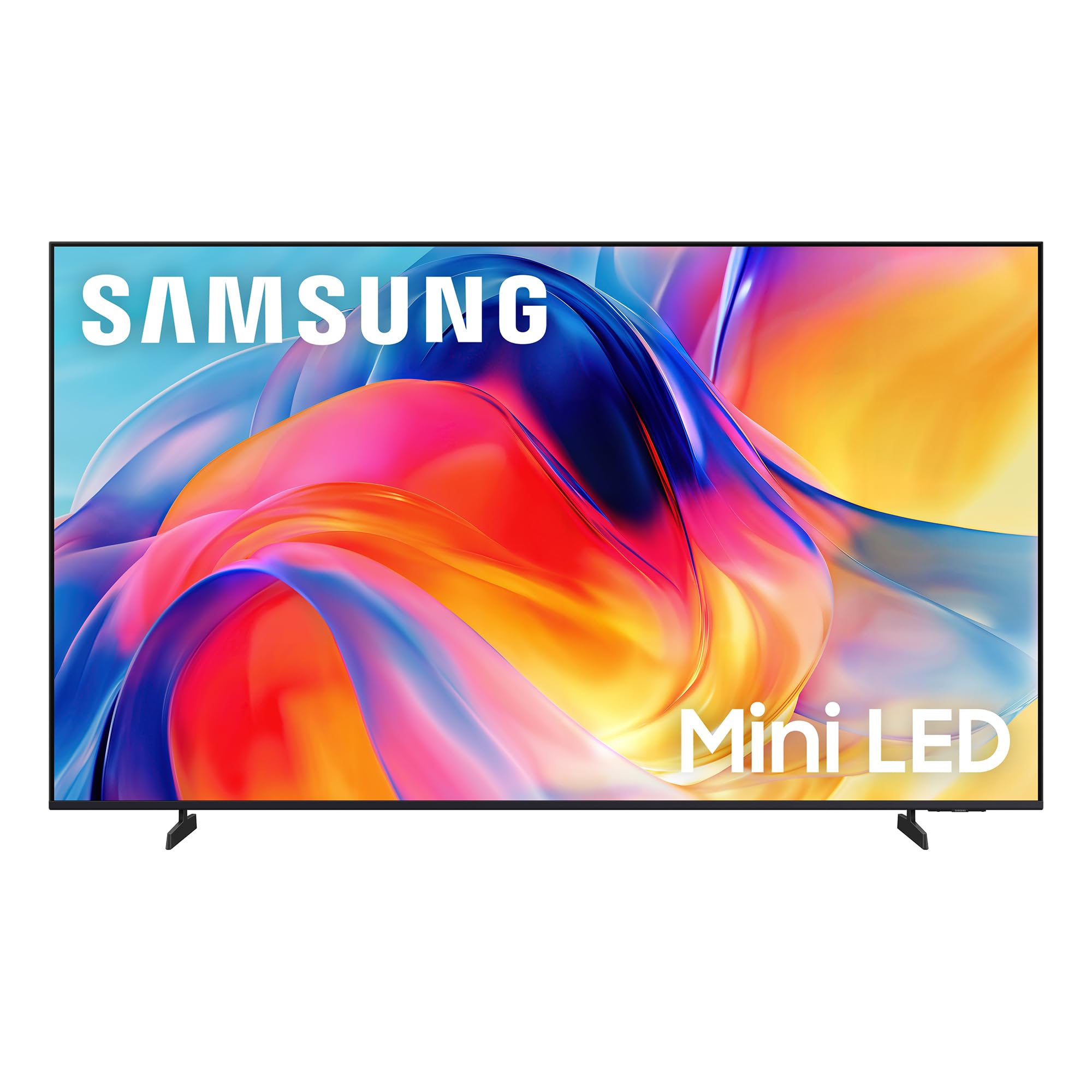
Samsung’s M70H Series brings Mini-LED backlighting to a more accessible price point without sacrificing the brand’s signature brightness and color saturation. The Mini LED Processor 4K drives Pure Spectrum Color technology that reproduces one billion shades with impressive accuracy, and Supreme Mini LED Dimming enhances contrast by controlling individual dimming zones with precision. HDR content looks vibrant and punchy, with specular highlights that genuinely stand out against darker backgrounds — a characteristic that standard LED panels at this price simply cannot replicate.
The Motion Xcelerator with DLG 120Hz support provides smoother motion for sports and gaming, though it’s important to note the panel’s native refresh rate is 60Hz. The DLG (Dual Line Gate) technology effectively doubles the perceived refresh rate by scanning lines in pairs, which helps reduce motion blur but doesn’t deliver the same clarity as a true 120Hz native panel. The Samsung TV Plus platform offers over 2,700 free streaming channels, making this an excellent choice for cord-cutters who want live news, sports, and movies without subscription costs.
The design is notably sleek — the MetalStream chassis uses a single metal sheet with an aircraft-inspired profile that looks premium from every angle. Samsung Knox Security provides triple-layer protection for data privacy, a thoughtful addition for users who connect smart home devices to their TV. The Gaming Hub consolidates cloud gaming services, console inputs, and apps into one navigable interface. The remote control is small and minimalist, which some users find frustrating due to the lack of dedicated source and volume buttons. This TV rewards buyers who prioritize brightness and ecosystem over absolute motion clarity.
Why it’s great
- Mini-LED delivers excellent brightness for bright rooms
- Pure Spectrum Color produces vivid, accurate HDR
- Samsung TV Plus provides massive free content library
Good to know
- Native 60Hz panel with simulated 120Hz via DLG
- Minimalist remote lacks dedicated input/volume buttons
- Interface can be confusing with Samsung account requirements
7. Hisense E7 Cinema Series (75″)
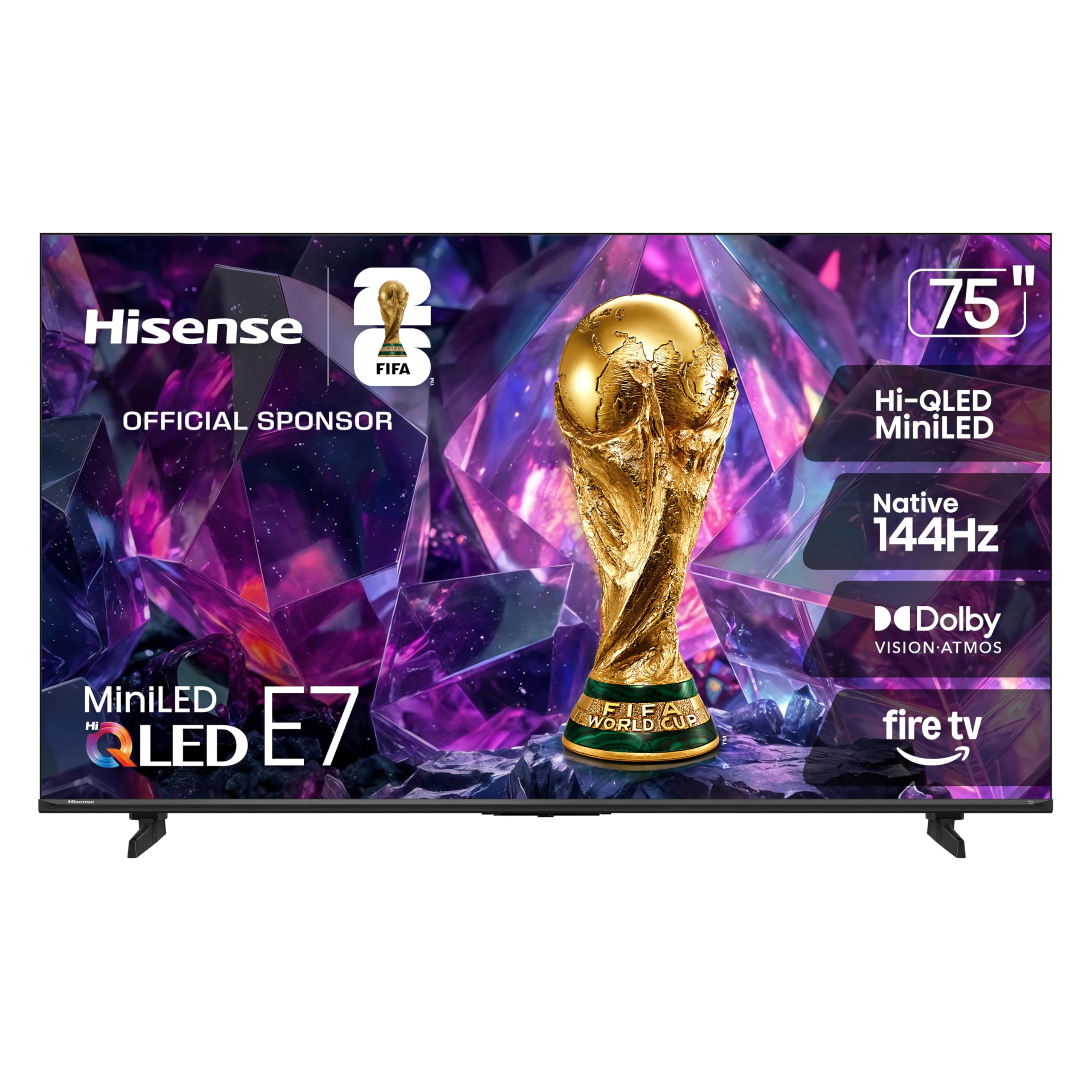
Hisense continues to disrupt the mid-range with the E7 Cinema Series, combining Hi-QLED and Mini-LED technologies to deliver strong contrast, high brightness, and native 144Hz refresh rate at a price that undercuts many competitors. The thousands of precise Mini-LED light zones create deeper shadows and brighter highlights than standard FALD systems, making HDR content look genuinely dynamic. The AI Picture engine analyzes content scene-by-scene, automatically adjusting brightness, contrast, and color — and it does so without the aggressive, unnatural look that plagues some auto-enhancement systems.
The native 144Hz Game Mode keeps fast-paced games fluid and responsive, and the inclusion of MEMC (Motion Estimation Motion Compensation) ensures sports and action movies maintain clarity during rapid camera pans. Dolby Vision IQ and HDR10+ Adaptive both adjust tone mapping based on ambient room light, so picture quality remains consistent throughout the day. Fire TV with Alexa built-in provides a familiar interface with access to thousands of apps and live channels, and the AI Sports Mode instantly recognizes sports content and optimizes motion and audio accordingly.
The Filmmaker Mode preserves original aspect ratios, frame rates, and colors for those who want to watch movies as intended by the director. AI Smooth Motion sharpens fast scenes without introducing the ghosting artifacts common on lower-tier MEMC implementations. The AI Light Sensor adjusts backlight brightness to match room conditions, reducing eye strain during long viewing sessions. Potential downsides include occasional quality control reports regarding Wi-Fi connectivity and remote pairing during initial setup. For the price, the feature set rivals TVs costing significantly more, making this a smart pick for budget-conscious buyers who refuse to compromise on performance.
Why it’s great
- Hi-QLED Mini-LED combines strong contrast with high brightness
- Native 144Hz with MEMC for smooth sports and gaming
- Dolby Vision IQ and HDR10+ Adaptive for adaptive HDR
Good to know
- Some units have Wi-Fi connectivity issues out of box
- Plastic stand feels less premium than metal alternatives
- Fire TV interface can introduce navigation lag over time
8. TCL T7 Series QLED (75″)
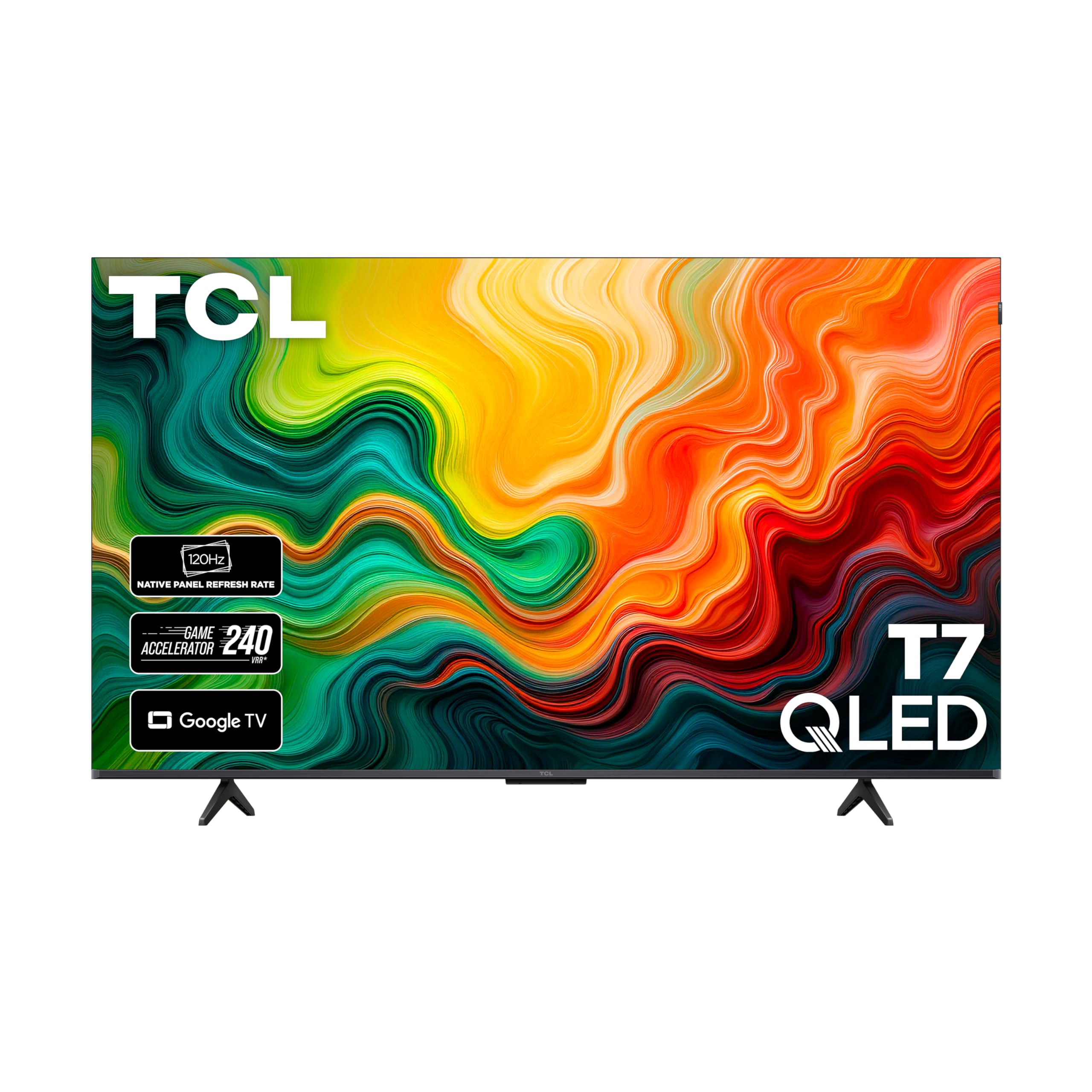
The TCL T7 Series is built for gamers and value seekers who demand high refresh rates without paying flagship prices. The 144Hz panel with VRR support delivers fluid motion for PC and console gaming, and the TCL AIPQ Pro Processor optimizes color, contrast, and clarity specifically for 4K HDR content. The QLED quantum dot technology covers nearly the entire DCI-P3 color space, producing rich, vibrant colors that bring games and movies to life. Motion Rate 480 with MEMC frame insertion further enhances motion clarity during sports and action sequences.
Google TV provides one of the best smart TV interfaces available, organizing content from across streaming services into a cohesive home screen with personalized recommendations. Built-in Chromecast allows effortless casting from mobile devices, and Apple AirPlay 2 support covers iOS users. The FullView 360 metal bezel-less design looks premium on the wall or on the included adjustable feet, which can be repositioned to accommodate soundbars. Four HDMI inputs, including one with eARC, provide ample connectivity for modern setups.
Gaming performance is a genuine highlight — the combination of 144Hz, 288Hz variable gaming refresh rate, and Game Mode produces exceptionally low input lag. The TV works well with both console and PC gaming, though users connecting to Windows PCs should be aware that waking from power save may require reconnecting the HDMI cable. The built-in speakers provide adequate sound for casual use, but the Dolby Atmos support is better utilized with an external audio system. For buyers prioritizing gaming performance and native 144Hz at a competitive price, the T7 delivers outstanding value.
Why it’s great
- Native 144Hz with 288Hz variable gaming refresh rate
- QLED covers nearly full DCI-P3 color space
- Google TV interface with Chromecast and AirPlay 2
Good to know
- PC monitor mode has wake-from-sleep HDMI issues
- Built-in speakers are adequate but not impressive
- Requires internet for initial Google TV setup
9. Panasonic W70 Series (70″)

Panasonic’s W70 Series brings the reliability of a legacy TV brand into the Fire TV ecosystem, offering a 70-inch 4K panel with HDR10+ support at an entry-level price. The HDR Bright Panel powered by the 4K Studio Color Engine delivers respectable brightness and color for basic HDR content, though without local dimming, blacks appear gray in dark scenes. The Fire TV integration provides access to the full Alexa ecosystem, allowing voice control over content search, smart home devices, and live TV channel switching.
Connectivity is generous at this price point, with four HDMI ports including one HDMI 2.1 input for modern consoles. Bluetooth 5.0 support allows wireless headphone pairing for private listening, and MEMC (Motion Estimation Motion Compensation) technology helps reduce judder in fast-moving content. The build quality surpasses expectations for the tier, with a sturdy chassis and metal stands that feel reassuringly solid. Setup for existing Fire TV users is straightforward and takes under ten minutes via QR code scanning.
The primary limitation is the processing power — the Fire TV interface can feel sluggish when switching between apps, and some users report freezing issues after extended use. Picture quality is good for the price but won’t compete with Mini-LED or OLED panels in terms of contrast and brightness. The 60Hz panel is fine for casual viewing but lacks the motion clarity needed for serious sports or gaming. For buyers who are deeply integrated into the Amazon ecosystem and need a large screen for general entertainment, the Panasonic W70 offers reliable performance at a minimal upfront investment.
Why it’s great
- Solid build quality with metal stands for the price
- Four HDMI inputs including HDMI 2.1
- Easy Fire TV setup for existing Alexa users
Good to know
- Standard LED panel without local dimming for weak blacks
- Fire TV interface can lag with heavy app switching
- 60Hz panel not ideal for fast-paced gaming
10. Samsung U8000F Crystal UHD (70″)

Samsung’s U8000F Crystal UHD TV is the company’s access point for large-screen buyers who want the brand’s ecosystem and design language without paying for quantum dots or Mini-LED backlighting. The Crystal UHD display uses a standard LED panel with Samsung’s 4K upscaling engine, which does a competent job improving lower-resolution content but can’t produce the deep blacks or vibrant colors of higher-tier models. The 2025 model includes Samsung’s MetalStream design — a single metal sheet construction with a slim bezel that looks significantly more expensive than it is.
The Samsung TV Plus integration provides access to over 2,700 free channels, making this a strong choice for viewers who primarily watch live news, sports, and free ad-supported content. Samsung Knox Security adds triple-layer protection for personal data and connected IoT devices, a feature rarely found at this price tier. Alexa built-in allows hands-free control, and the Samsung Smart Hub interface organizes content intuitively once you’re past the initial account setup. The remote control is small and minimal, similar to Samsung’s premium models.
The Motion Xcelerator feature improves motion clarity during sports and gaming at up to 60Hz, but the standard 60Hz panel means fast-paced content won’t be as smooth as higher-refresh alternatives. The Crystal UHD panel has decent color accuracy for standard dynamic range content but lacks the peak brightness for convincing HDR performance. The required phone app for initial setup and mandatory software updates can be frustrating for non-tech-savvy users. This TV is best suited for Samsung loyalists who want a reliable 70-inch television for everyday viewing without demanding premium picture quality.
Why it’s great
- Premium build quality with metal chassis at budget pricing
- Samsung TV Plus provides massive free content library
- Knox security protects connected smart home devices
Good to know
- Standard LED backlight with limited contrast and brightness
- 60Hz panel lacks motion clarity for sports and gaming
- Phone app required for initial setup process
11. Roku Plus Series QLED (65″)
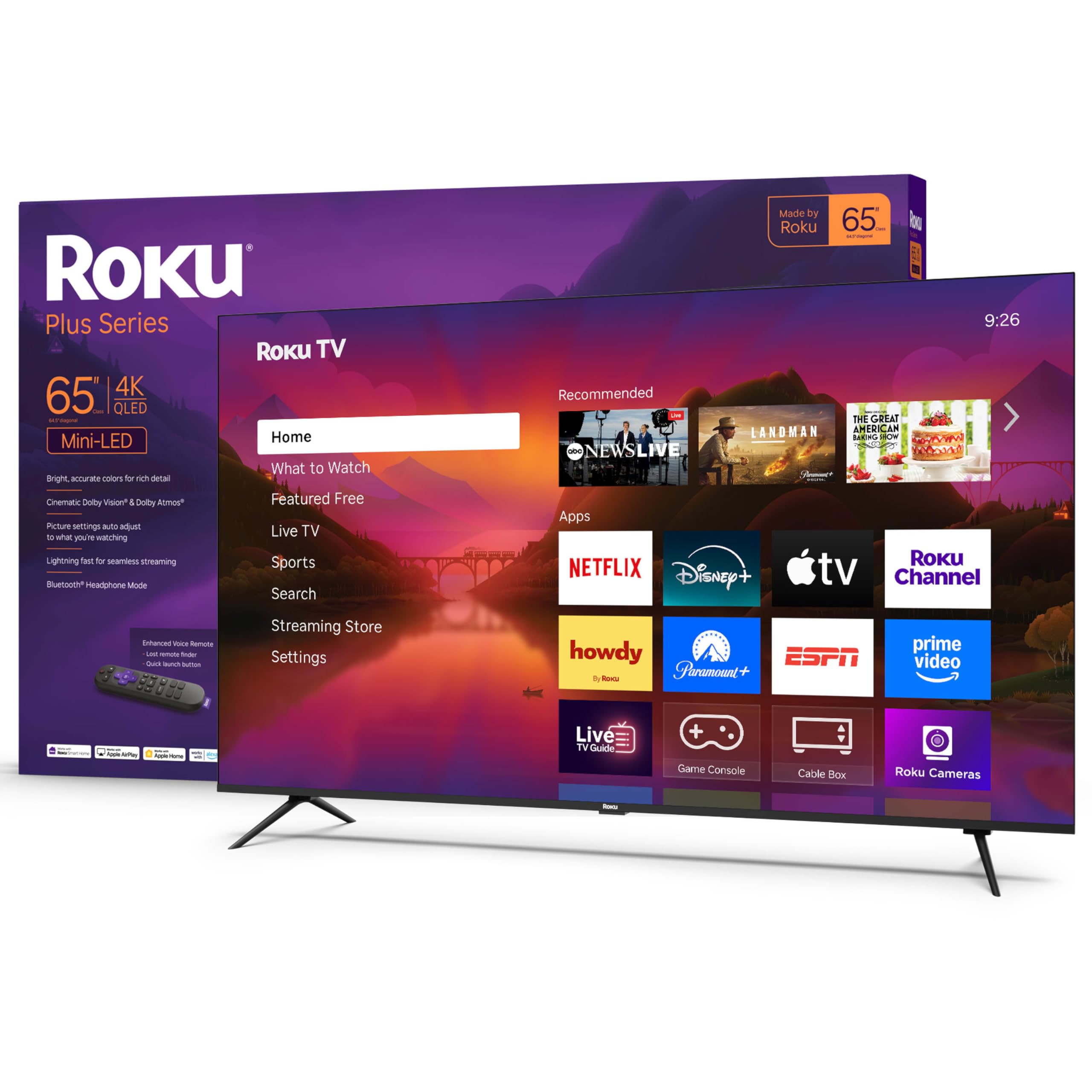
The Roku Plus Series 65-inch TV proves that Mini-LED and QLED technology can be delivered at an aggressive price point without sacrificing the user experience. The Mini-LED backlighting produces impressive contrast for the tier, with deep blacks and bright highlights that make HDR content feel dynamic rather than flat. The QLED panel and Dolby Vision support combine to deliver striking color and vivid highlights that rival TVs costing significantly more. The 4K resolution with Dolby Vision ensures that streaming content from Netflix, Disney+, and other services looks sharp and well-defined.
Roku remains the gold standard for smart TV simplicity — the home screen is clean, fast, and customizable, and the Enhanced Voice Remote with lost remote finder is genuinely useful in a large room. Roku Smart Picture Max uses AI to clean up incoming signals and optimize color and sharpness automatically. The Roku Channel offers over 500 free live channels covering news, sports, movies, and Roku Originals, reducing the pressure to subscribe to multiple services. Apple AirPlay support ensures seamless streaming from iOS devices, and the interface supports all major voice assistants including Alexa and Google Assistant.
Sound quality is a genuine surprise — the built-in Dolby Atmos system with a dedicated subwoofer delivers clear dialogue and impressive bass for an integrated solution, reducing the immediate need for a soundbar. Bluetooth Headphone Mode allows private listening without waking others. The main trade-off is the 60Hz panel, which limits motion clarity for fast-paced gaming and sports compared to 120Hz alternatives. The lack of a USB port and the slightly dated home screen design are minor quibbles. For buyers who prioritize ease of use and value over raw gaming performance, this is a compelling package.
Why it’s great
- Mini-LED QLED produces impressive contrast for the price
- Best-in-class Roku OS with simple, fast interface
- Surprisingly good Dolby Atmos sound with subwoofer
Good to know
- 60Hz panel limits motion clarity for sports/gaming
- No standard USB port included
- Roku home screen design feels slightly dated
FAQ
Is a 70-inch TV too big for a standard living room?
Which is better for bright rooms — Mini-LED or OLED?
Do I need a soundbar with a 70-inch TV?
What is the difference between native 120Hz and DLG 120Hz?
Can I use a 70-inch TV as a computer monitor?
Final Thoughts: The Verdict
For most users, the 70 inch tv winner is the LG C4 OLED (77″) because OLED’s perfect blacks, exceptional motion handling, and four HDMI 2.1 ports make it equally suited for cinematic movies and high-performance gaming. If you need a bright-screen performer for a sunny living room, grab the Samsung M70H Mini-LED (75″). And for the best price-to-feature ratio in gaming and general use, nothing beats the TCL T7 Series QLED (75″) with its native 144Hz panel and Google TV interface.