
Our readers keep the lights on and the weekend projects moving. As an Amazon Associate, I earn from qualifying purchases.
Nothing kills the months of work on a painting faster than a varnish that yellows, peels, or leaves brush streaks. The right acrylic varnish not only deepens color saturation and pulls out fine detail, but also creates a durable, archival shield against UV rays, dust, and handling. Choosing poorly means stripping the coat and starting over, often damaging the paint layer beneath.
I’m Rikta — the co-founder and writer behind FitlyFast. I’ve spent countless hours dissecting manufacturer technical data sheets, analyzing real-world user reports, and cross-referencing ASTM compliance and resin chemistry to separate the formulas that protect from those that disappoint.
Whether you’re finishing a miniature, a canvas commission, or a mixed-media piece, you need a clear, non-yellowing topcoat that bonds without clouding. This guide identifies the best acrylic varnish for paintings by focusing on formulation type, dry time, UV resistance, and application ease.
How To Choose The Best Acrylic Varnish For Paintings
Acrylic varnish is your artwork’s last line of defense. The wrong choice can fog a perfectly blended sky or leave brush marks that catch light. Focus on these four factors to match the varnish to your painting style and final use case.
Resin Composition and Archival Safety
The base resin determines whether the varnish remains clear after a decade or turns amber. Synthetic resin varnishes — acrylic polymer or polyurethane blends — resist yellowing far better than natural damar or alkyd-based formulas. Look for varnishes that are labeled as non-yellowing and ASTM D4236 compliant, meaning they have been evaluated for safe use in fine art. Removability matters too: a true picture varnish can be lifted with gentle solvent without disturbing the acrylic paint layer beneath, which is critical for future conservation.
Finish Type: Gloss, Matte, or Satin
Gloss varnish saturates colors and increases contrast, making it ideal for dark, vibrant work, but it can create distracting reflections when displayed under gallery lights. Matte varnish kills glare and gives a contemporary, flat surface, though it can slightly desaturate the most intense hues. Satin strikes a middle ground — it retains depth while reducing shine. If you work in thin glazes or airbrush gradients, a matte or satin finish preserves the subtle transitions without a glassy surface.
Application Method: Brush-On vs. Spray
Brush-on varnishes give you precise control over thickness and can be layered more evenly on large paintings, but they require a light touch to avoid streaks and bubbles. Spray varnishes provide an even mist with zero brush contact, which makes them perfect for textured or impasto surfaces where a brush would snag. The trade-off is that aerosol varnishes need well-ventilated spaces and consistent distance to prevent orange-peel texture or fogging in humid conditions.
Dry Time and Recoat Window
Fast-drying varnishes (under 30 minutes to touch) save time when you are finishing multiple pieces, but they force you to work quickly; any hesitation can leave lap marks. Slower-curing formulas give you longer to blend and spread but extend the risk of dust landing on the wet surface. Check the full cure time — not just touch-dry — and always test on a sample board painted with the same acrylics you used on the actual piece.
Quick Comparison
On smaller screens, swipe sideways to see the full table.
| Model | Category | Best For | Key Spec | Amazon |
|---|---|---|---|---|
| Gamblin Gamvar 8.5oz | Premium Synthetic Resin | Archival-quality gloss on large canvases | 8.5 fl oz / High-Gloss Synthetic Resin | Amazon |
| Vallejo Gloss Varnish Spray | Premium Aerosol | Scratch-resistant coat on miniatures and models | 400 ml / UV & Scratch Resistant | Amazon |
| Winsor & Newton Gloss Aerosol | Mid-Range Aerosol | Even coverage on oil and acrylic paintings | 400 ml / Compatible with Oils & Acrylics | Amazon |
| U.S. Art Supply 32oz Matte | Budget Bulk Liquid | Matte finish on canvas prints and large work | 32 fl oz / Water-Resistant with UV Protection | Amazon |
| DecoArt DuraClear Matte | Mid-Range Liquid | Flat, non-glare finish on wood and polymer clay | 8 fl oz / Matte Finish / Fast Drying | Amazon |
| Gamblin Gamvar 4.2oz | Mid-Range Synthetic Resin | Small oil painting restoration and touch-up | 4.2 fl oz / Gloss Synthetic Resin | Amazon |
| Mont Marte Gloss Varnish | Budget Entry-Level | High-gloss finish on acrylic paintings | 250 ml / Water-Based / 30-Min Dry | Amazon |
In‑Depth Reviews
1. Gamblin Gamvar Picture Varnish 8.5oz

Gamblin’s proprietary synthetic resin formulation is engineered to mimic the optical warmth of traditional damar varnish without the amber shift. The 8.5-ounce bottle delivers enough volume to cover several large canvases with a single coat, and the high-gloss finish saturates deep blues and blacks to a wet-looking brilliance. Users consistently report that it deepens color saturation and makes details pop — exactly what you want before sending a painting out the door to a gallery.
The varnish applies with a soft brush and self-levels remarkably well, leaving no ridge marks if you lay it down in thin, even passes. Because it is formulated for oil and acrylic both, the cure time extends enough that you can feather out edges before they set. Odor is minimal compared to turpentine-based recipes, though you still want ventilation during application. A single coat typically does the job, and the film remains flexible without cracking over time.
One important nuance: the manufacturer recommends waiting at least six months after the last acrylic layer before varnishing, which is critical for full polymerization of the paint film. Several users note the varnish also works as a restorative layer on older paintings that have lost their luster. The synthetic base can be removed with gentle solvents if needed, making this a truly archival solution.
Why it’s great
- Self-leveling brush consistency leaves zero streaks on wide flat areas
- Odor is far less aggressive than spirit-based alternatives
Good to know
- Requires fully cured acrylic paint (6+ months) for safe application
- Small amounts used per coat to avoid air bubbles
2. Vallejo Acrylic Gloss Varnish Spray 400ml
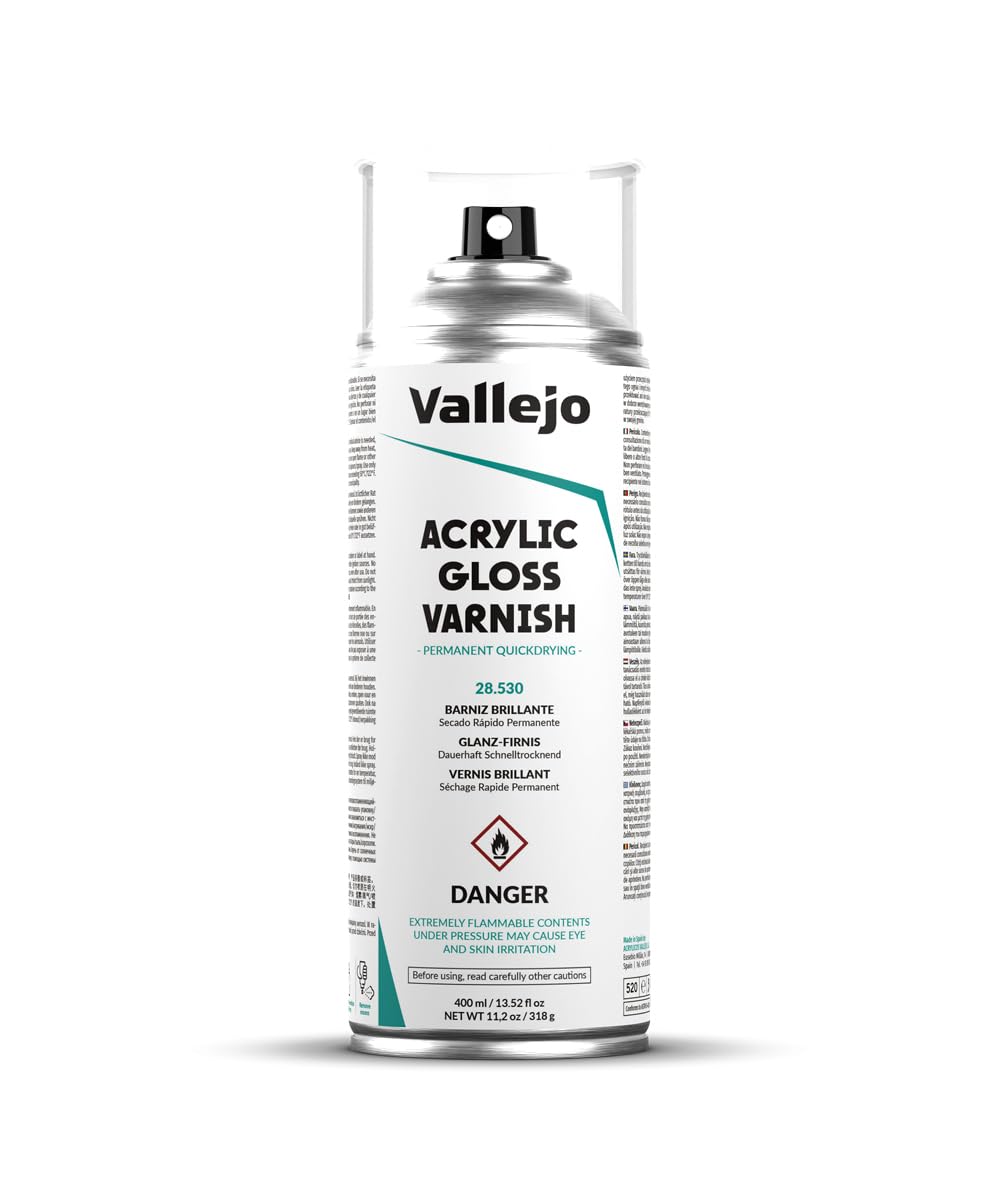
Vallejo’s aerosol formula is a heavy-duty performer built for miniatures, models, and mixed-media surfaces that see regular handling. The acrylic polymer film lays down exceptionally tough — scratch resistance is a standout feature after the coat has fully polymerized over 24 hours. For canvas painters who also produce 3D work or commission pieces with high-relief texture, this spray delivers consistent coverage without bridging recesses.
The spray nozzle produces a wet mist that can build up fast if you linger in one spot, so controlled passes at the recommended 40 cm distance are essential. Users who apply thin, sweeping coats report a brilliant gloss that does not frost, even on metallic acrylics. Drying is notably slower than some aerosols, which helps the coat level out but also means you must work in a dust-free environment. It is compatible with primed wood, resin, canvas, and sealed plastics.
The larger 400 ml can provides excellent value compared to hobby-grade topcoats that cost nearly as much for a quarter of the volume. Vallejo’s formulation is non-yellowing and includes UV absorbers, so your whites stay white under sunlight display conditions. Many wargame painters rotate between the gloss version for a wet look and the matte sibling for a tactical finish, but even standalone this spray stands up to repeated handling.
Why it’s great
- Film hardens to high scratch resistance ideal for frequently touched pieces
- Large 400 ml can outlasts most competing hobby sprays by volume
Good to know
- Wet spray pattern can cause frosting if applied thicker than a mist coat
- Only use when humidity is under 50% to prevent bloom
3. Winsor & Newton Professional Gloss Aerosol 400ml

Winsor & Newton’s aerosol picture varnish is a reliable mid-range choice with the brand’s reputation for lightfastness and archival integrity. The gloss finish adds genuine depth — reviews frequently mention that a single coat transforms a flat painting into a piece with professional luminosity. Its compatibility with oils, alkyds, and acrylics makes it a universal tool if you switch media between projects.
The aerosol delivers a fine, consistent mist that dries crystal clear with no yellow tint. It adheres well to fully cured acrylic without lifting underlying layers, even when applied in quick subsequent coats. Many art instructors use this spray to give student works a final presentation grade, noting that it levels reflections evenly without patchy zones. The 400 ml can covers roughly four to six standard canvas panels, depending on passes.
Shippers occasionally cause delays, so ordering ahead of a deadline is wise. Unlike some budget cans, the nozzle maintains a steady spray until the last of the propellant. The gloss level is moderate rather than mirror-bright, which can be a benefit if you want depth without distracting glare. For a readily available, consistent performer that does not break the bank, this aerosol hits the sweet spot.
Why it’s great
- Consistent aerosol pattern produces uniform gloss without patchy dry spots
- Works equally well over oil, alkyd, and acrylic paint films
Good to know
- Shipping times can vary significantly depending on stock location
- Moderate gloss level may not satisfy artists seeking a high-mirror finish
4. DecoArt DuraClear Matte Varnish 8oz

DecoArt’s DuraClear series has a loyal following among craft painters and mixed-media artists who prioritize a flat, non-reflective surface. This matte varnish dries to a clear satin-matte — it is not perfectly dead flat, but the slight sheen is barely perceptible and actually helps prevent the ghosting that sometimes happens on dark acrylics. Users consistently praise how easily it spreads with a brush and how quickly it reaches touch-dry status.
The 8-ounce bottle is compact but punches above its weight — a little volume goes a long way because the formula self-levels without needing thick coats. It bonds to wood, metal, plastic, and sealed polymer clay, making it a versatile sealer for surface design projects alongside traditional canvas work. Several crafters noted that two coats produce an even finish that resists fingerprinting once fully cured overnight.
On canvas, this varnish reduces glare for photography, which artists who sell prints online will appreciate. The biggest limitation for fine artists is that the matte finish can slightly mute the deep vibrancy of high-chroma acrylic paints — gloss is better if you want pure saturation. But for anyone who dislikes shine or needs a non-glare presentation, DuraClear delivers consistent, repeatable results.
Why it’s great
- Quick-dry formula allows stacking multiple coats in the same session
- Very low odor compared to solvent-based matte varnishes
Good to know
- Not a completely flat matte — has a very subtle satin sheen
- Drying time for full hardness is longer than touch-dry suggests
5. U.S. Art Supply 32 oz Matte Varnish
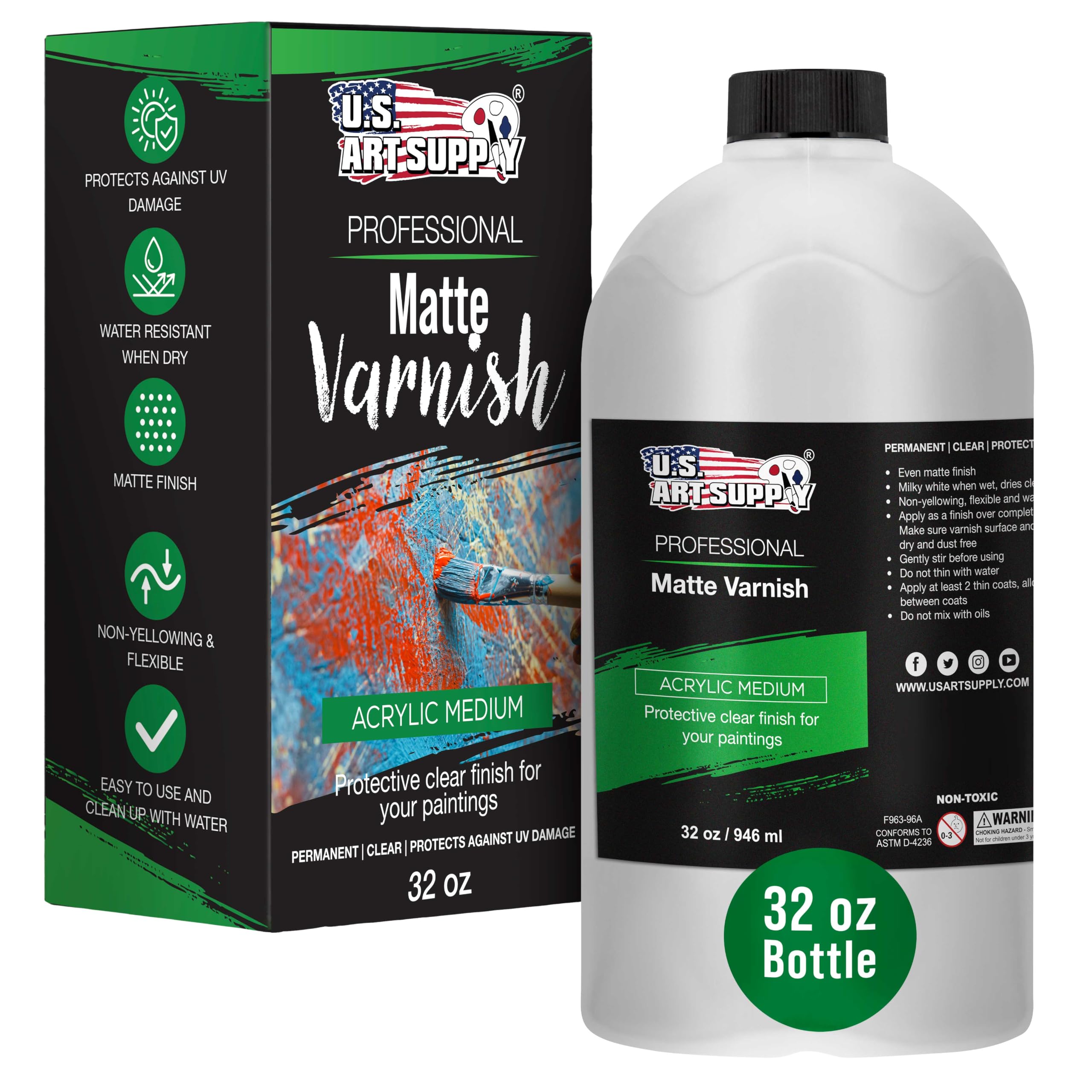
For artists producing high volumes of work who need bulk without sacrificing archival quality, the U.S. Art Supply matte varnish offers a full quart of protective film. The acrylic-based formulation dries to a water-resistant matte that significantly reduces surface glare, which is especially useful for photographing paintings for online portfolios. The addition of UV absorbers gives peace of mind for pieces that may hang in direct sunlight.
Application is straightforward — two thin coats over fully dried acrylic, with the second applied after the first reaches tack-free. Users report easy brush-on spreading with minimal streaking, though the varnish demands full 24-hour cure before you test for water resistance. Some crafters also mix it with paint to create a thicker body for impasto effects, which speaks to its versatility beyond simple sealing.
The cost-per-ounce is noticeably lower than smaller premium bottles, making this a practical choice for class settings or murals. The trade-off is that the matte finish subtly lightens very dark values, so test on a sample board before committing to a black background painting. Overall, this is a workhorse option that protects large surfaces without draining the supply budget.
Why it’s great
- Generous 32-ounce volume covers dozens of paintings per bottle
- UV protection built into the formula without added yellowing
Good to know
- Not truly waterproof until the full 24-hour polymerizing cure
- Matte finish can lighten dark acrylics slightly on first coat
6. Gamblin Gamvar Picture Varnish 4.2oz
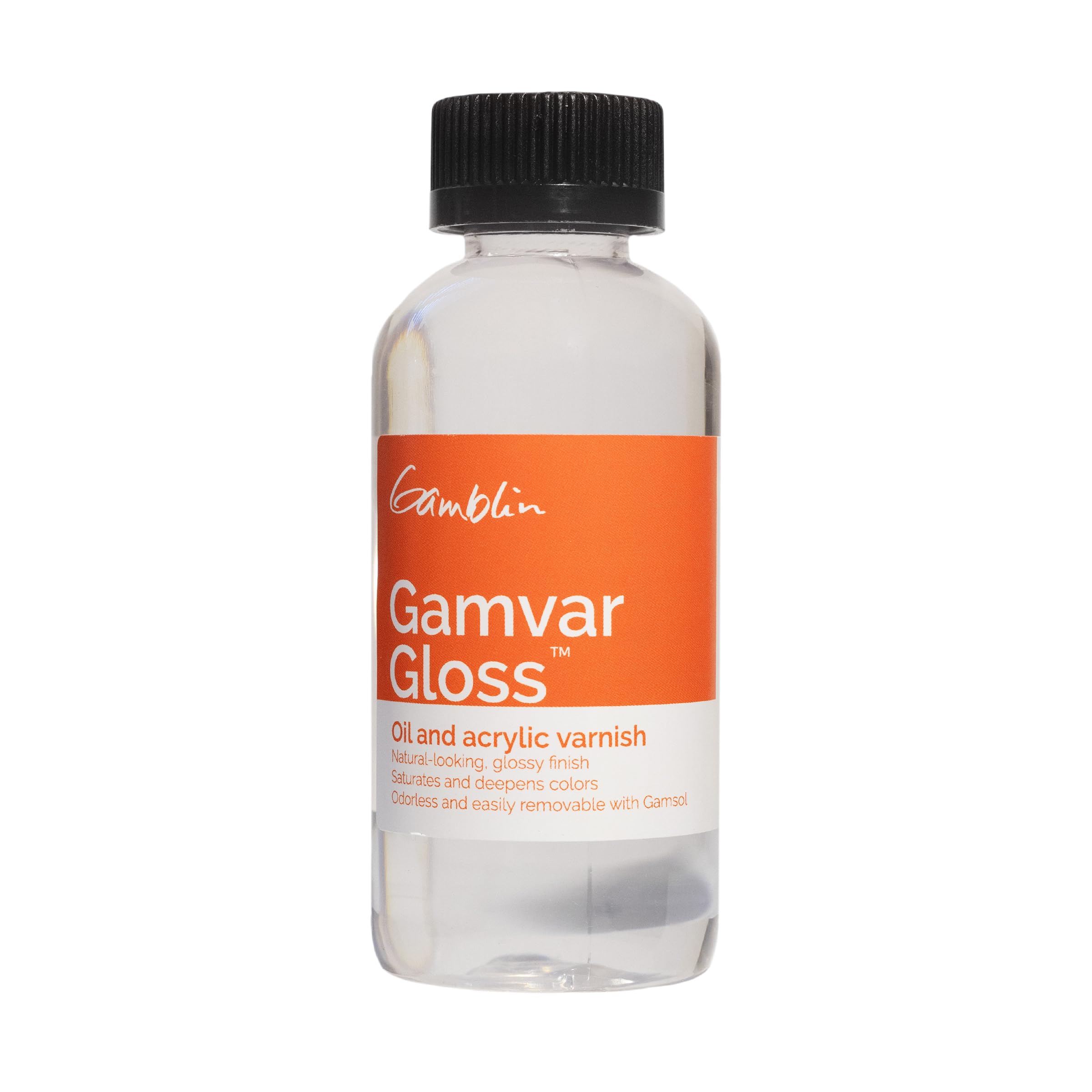
The smaller 4.2-ounce Gamvar bottle is the same premium synthetic resin as the larger size but in a more accessible format for testing or single-project work. The gloss revival on older work is striking; one reviewer successfully restored a century-old oil painting that had been damaged by alcohol cleaning.
Application technique is the same as the larger sibling: thin, even strokes with a wide soft brush, working from one edge to the other without stopping. The varnish self-levels and does not trap bubbles when applied lightly. It is notable for being clear and low-odor, making it suitable for indoor use with basic ventilation. The synthetic-resin chemistry means it remains soluble for easy removal later, which is a core requirement for conservation.
The generous coverage relative to bottle size makes this an economical entry into Gamblin’s system. However, the standard cure-time recommendation of waiting six months after the final paint layer still applies, so it is not ideal for last-minute gallery submissions. For artists who plan ahead and want a museum-grade gloss, this small bottle is all you need to test the standard.
Why it’s great
- Exceptional coverage — a small bottle can coat several paintings
- Low-odor formula with easy brush-on application and no residual texture
Good to know
- Requires fully cured acrylic paint (6 months minimum) before varnishing
- Small bottle runs out quickly if you are coating oversized canvases
7. Mont Marte Gloss Acrylic Varnish 250ml

Mont Marte’s Signature gloss varnish is the entry-level option that punches above its price point for beginner and intermediate artists. It is water-based, so cleanup is easy with soap and water while the varnish is still wet, and it dries to a high-shine, transparent film in roughly 30 minutes. Users report that the gloss vibrancy brings out fine details that spray varnishes can sometimes obscure, particularly in layered abstract work.
The liquid is thicker than some premium varnishes, which can be an advantage because it reduces drip risk on vertical surfaces, but it demands careful brushwork to avoid visible stroke marks. Several reviewers found that applying it directly with the included brush works best, while others switched to a sponge for more even distribution. The final film is hard and permanent, so mistakes require sanding rather than simple solvent lifting.
This varnish is non-toxic and safe for indoor use with standard ventilation, though the mild smell disappears quickly. The outdoor rating on the label suggests it handles mild exposure better than some fine-art varnishes, though it is not fully waterproof for exterior murals. For anyone wanting an affordable, accessible gloss that delivers a shiny, protective coat without the cost of prestige brands, Mont Marte is a solid starting point.
Why it’s great
- Fast 30-minute dry time allows quick layering or touch-ups
- Water-based formula cleans up easily and has minimal odor
Good to know
- Thick consistency can leave brush marks if not applied with a light hand
- Not removable with solvents — the film is permanent once cured
FAQ
How long should I wait before varnishing an acrylic painting?
Can I use the same varnish on oil and acrylic paintings?
Why does my varnish look milky or cloudy after drying?
Is matte or gloss varnish better for acrylic paintings?
Can I remove varnish from an acrylic painting without damaging the artwork?
Final Thoughts: The Verdict
For most artists, the acrylic varnish for paintings winner is the Gamblin Gamvar 8.5oz because its self-leveling synthetic resin delivers archival gloss without yellowing and allows safe future removal. If you need a scratch-resistant aerosol for miniature work or textured surfaces, grab the Vallejo Gloss Varnish Spray. And for large-volume matte sealing on a tighter supply budget, nothing beats the bulk coverage of the U.S. Art Supply 32 oz Matte Varnish.