
Our readers keep the lights on and the weekend projects moving. As an Amazon Associate, I earn from qualifying purchases.
Plywood is notoriously thirsty for glue. Its layered grain structure wicks moisture away from standard pastes, leaving you with a weak joint and a frustrating project failure. The right adhesive must flood into those plies, creating a mechanical lock that outlasts the wood itself.
I’m Rikta — the founder and writer behind FitlyFast. I’ve spent years analyzing construction chemical formulations, comparing open times, cure cycles, and real-world grab strength across dozens of adhesive brands.to identify which formulations actually deliver on their claims for plywood substrates.
This guide breaks down the top contenders based on sheer holding power, environmental resistance, and workability. Here is the definitive ranking of the best adhesive for plywood you can rely on for your next project.
How To Choose The Best Adhesive For Plywood
Not every glue labeled “construction grade” can handle the unique demands of plywood. The open grain at the edges and the slick cured surfaces of the face plies require a formulation that can grip multiple surfaces at once. Focus on these three factors to avoid a delaminated mess.
Type of Bond: Construction vs. Wood Glue
Traditional PVA wood glues like Titebond III are ideal for edge-to-edge joints where wood grain touches wood grain. For face-gluing plywood to dissimilar materials like concrete, drywall, or metal, a polyurethane construction adhesive (like PL Premium or Liquid Nails) provides the necessary flexibility and gap-filling capacity. Construction adhesives don’t shrink and maintain a rubbery grip that absorbs vibration.
Waterproofing and Environmental Resistance
If your plywood project will live outdoors, near a bathroom, or in a high-humidity zone, a waterproof or at least water-resistant formulation is non-negotiable. Look for language like “Type I waterproof” (for PVA glues) or “weatherproof” for construction adhesives. Polyurethane-based adhesives naturally repel moisture better than standard white or yellow glues.
Working Time and Cure Speed
Large plywood panels are heavy and awkward to clamp. You need an adhesive that offers at least 15-20 minutes of open time to spread the glue, position the panel, and apply pressure. Fast-cure formulas (like the 3M 90 contact adhesive) are better suited for small repairs or laminating veneers, not full-sheet installations where repositioning is key.
Quick Comparison
On smaller screens, swipe sideways to see the full table.
| Model | Category | Best For | Key Spec | Amazon |
|---|---|---|---|---|
| PL Premium Polyurethane | Polyurethane | Heavy-duty exterior bonding | 25-hour full cure | Amazon |
| Roberts 1407-30C | Latex Emulsion | Engineered wood flooring | 30-minute working time | Amazon |
| Titebond III Ultimate | PVA Gel | Waterproof woodworking joints | Type I waterproof | Amazon |
| Loctite Power Grab Clear | Construction | Invisible interior repairs | Dries crystal clear | Amazon |
| Liquid Nails Heavy Duty | Construction | General interior paneling | GREENGUARD Gold certified | Amazon |
| Weldbond Multi-Surface | PVA Blend | Crafts and small projects | 20-minute grab time | Amazon |
| 3M Max Strength 90 | Contact Spray | Veneer and laminate bonding | 10-minute max bond | Amazon |
In‑Depth Reviews
1. PL Premium Polyurethane Construction Adhesive

This is the go-to formulation for permanent plywood connections. The polyurethane chemistry expands slightly as it cures, filling small gaps in uneven plywood edges and creating a bond that feels welded. Users repeatedly note that the wood itself fails before the glue line does, especially in cargo trailer builds and exterior applications where vibration and moisture are constant threats.
Unlike standard PVA glues, this adhesive cures in cold temperatures, making it a reliable choice for unheated workshops or outdoor winter projects. The extended repositioning time gives you a window to adjust heavy plywood sheets before the grab locks in. It is paintable after cure, which keeps the bond line invisible under a coat of latex or oil-based paint.
The key tradeoff is the 25-hour full cure period. You need to brace or nail the plywood in place and leave it undisturbed for a full day to reach maximum strength. Application also requires a more deliberate effort — the thick paste resists spreading if the cartridge tip is not cut generously.
Why it’s great
- Welds plywood to concrete, metal, and stone
- Non-shrinking, paintable after cure
- Cures reliably in cold temperatures
Good to know
- Full 25-hour cure requires bracing
- Thick consistency can be hard to spread
2. Roberts 1407-30C Wood Adhesive
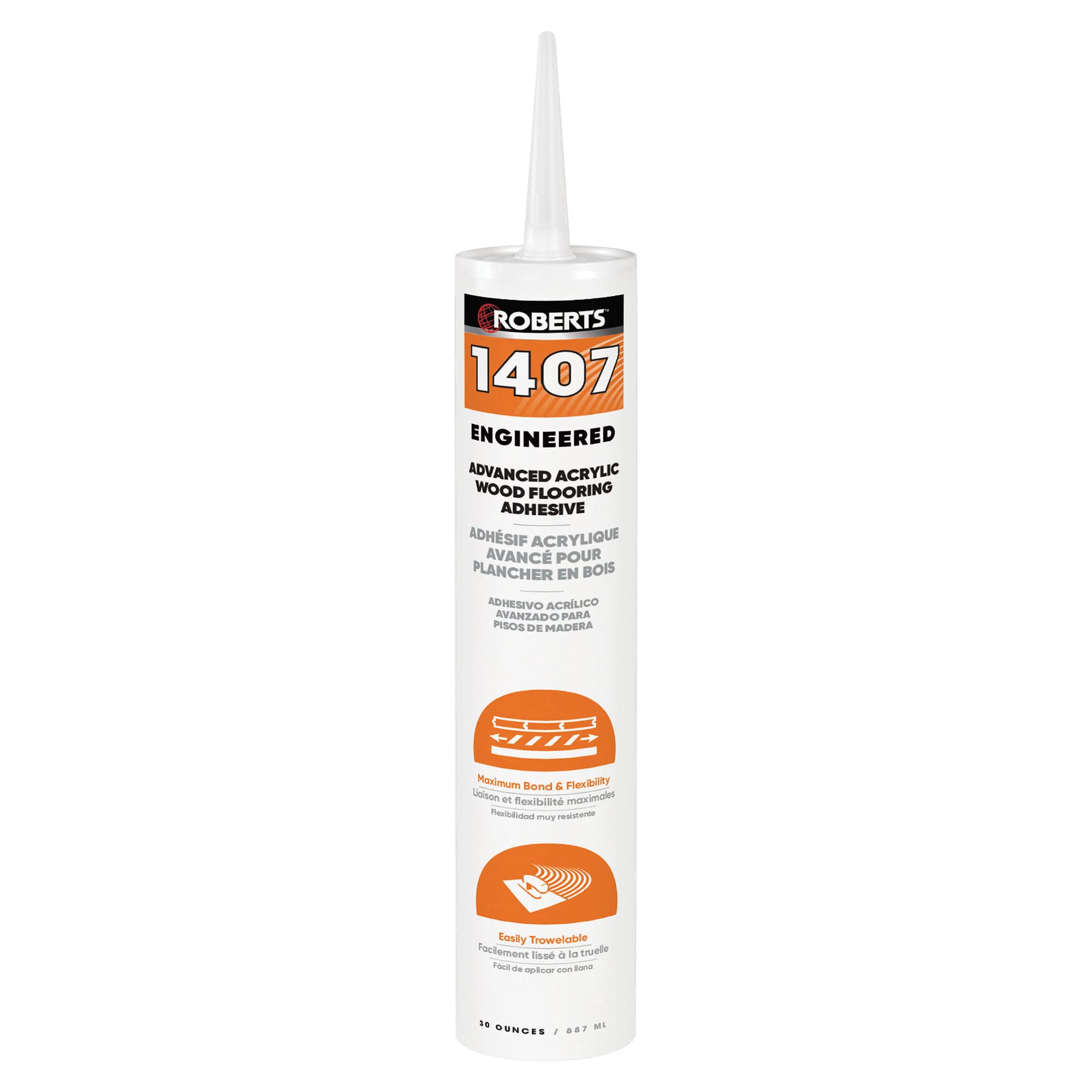
Roberts 1407 is a latex emulsion specifically engineered for adhering engineered wood flooring and APA-rated plywood to concrete subfloors, both on-grade and above-grade. With a full 30 minutes of working time, it is incredibly forgiving for DIY flooring installations where you need to align multiple planks before the grab sets. Users consistently praise how easy it is to spread with a trowel and clean up with warm water before it dries.
The solvent-free, low-VOC formulation makes it suitable for indoor use without the overpowering chemical smell typical of older construction adhesives. It is rated for heavy residential and moderate commercial traffic, meaning it can withstand the daily movement of furniture and foot traffic over plywood subfloor assemblies.
Quality consistency between batches has been flagged by long-term users. Some tubs arrive thinner or faster-drying than others, requiring you to work at a quicker pace. It is not recommended for vertical applications because the emulsion will sag before it tacks up.
Why it’s great
- 30-minute working time is ideal for flooring
- Water cleanup before drying
- Solvent-free with low odor
Good to know
- Batch consistency can vary
- Not suitable for vertical plywood panels
3. Titebond III Ultimate Wood Glue

Titebond III is the benchmark for waterproof wood-to-wood joints, and it handles plywood edge-gluing superbly. The gel-based formula stays where you put it without running, which matters when you are gluing vertical plywood panels or edge-banding. Professionals rely on it for outdoor furniture, cutting boards, and cabinet boxes because the cured bond is stronger than the surrounding wood fibers.
The 24-hour cure time is standard for PVA glues, but the “open time” is generous enough to spread glue across a long plywood seam and still get the clamps on before the gel skins over. Cleanup with water before it dries is straightforward, leaving no hard residue on finished surfaces. Users frequently report that wood splinters before the Titebond III joint breaks in stress testing.
This glue is formulated specifically for wood, not for bonding plywood to concrete or metal. If you need a multi-surface adhesive for mixed-material assemblies, a polyurethane construction adhesive is a better bet. Also, the tan color can show on dark plywood edges if not wiped clean immediately.
Why it’s great
- Waterproof Type I rated for outdoor use
- Gel consistency stays put on vertical surfaces
- Wood fails before the glue joint
Good to know
- Only for wood-to-wood bonding
- Tan color visible on unfinished edges
4. Loctite Power Grab Ultimate Crystal Clear
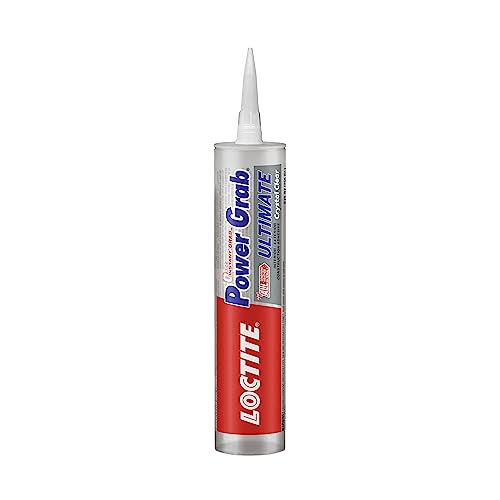
When the project demands an invisible bond line, Loctite’s Crystal Clear formula is the right choice. It applies clear and stays clear after curing, making it perfect for attaching clear acrylic panels to plywood frames or repairing finished plywood surfaces where a tan or white paste would ruin the look. It bonds to a wide range of materials including wood, tile, and metal with no shrinkage.
The initial tack is strong enough to hold lightweight plywood panels in place without bracing, which speeds up vertical installations significantly. It is rated weatherproof and can handle temperatures from 0°F to 140°F, making it viable for exterior plywood trim and decorative elements. Users also note the low odor compared to solvent-based construction adhesives.
Below freezing temperatures dramatically slow the cure, and the formula can remain tacky for over 24 hours in cold weather. The cured bond is slightly rubbery, which provides flexibility but may not deliver the rigid strength needed for structural plywood assemblies supporting heavy loads.
Why it’s great
- Dries completely clear for invisible repairs
- Strong initial tack reduces need for nailing
- Works on wet and non-porous surfaces
Good to know
- Struggles to cure in freezing temperatures
- Rubbery bond not for heavy structural loads
5. Liquid Nails LN-903 Heavy Duty Construction Adhesive

Liquid Nails Heavy Duty is the workhorse for interior paneling and plywood subfloor installations. It is formulated to bond plywood, particleboard, and cement board with a strong, durable, and flexible bond that will outlast the surrounding materials. The low-solvent chemistry meets GREENGUARD Gold standards, which means low chemical emissions for indoor air quality.
The extended working time is a practical advantage for large-format plywood sheets where you need to spread adhesive across the full surface and still have time to position the panel perfectly. It works well on treated lumber and in applications where moisture resistance is needed but not full submersion waterproofing.
This adhesive is not recommended for flooring installations, mirrors, or vinyl, so it is less versatile than the Loctite or PL Premium options. Some buyers reported that the color was white instead of the advertised tan, which can matter in visible joints. It also requires longer drying time than anticipated in humid conditions.
Why it’s great
- GREENGUARD Gold certified for low VOCs
- Flexible bond handles vibration well
- Long working time for large panels
Good to know
- Not for flooring or vinyl applications
- Color can vary between batches
6. Weldbond Multi-Surface Adhesive
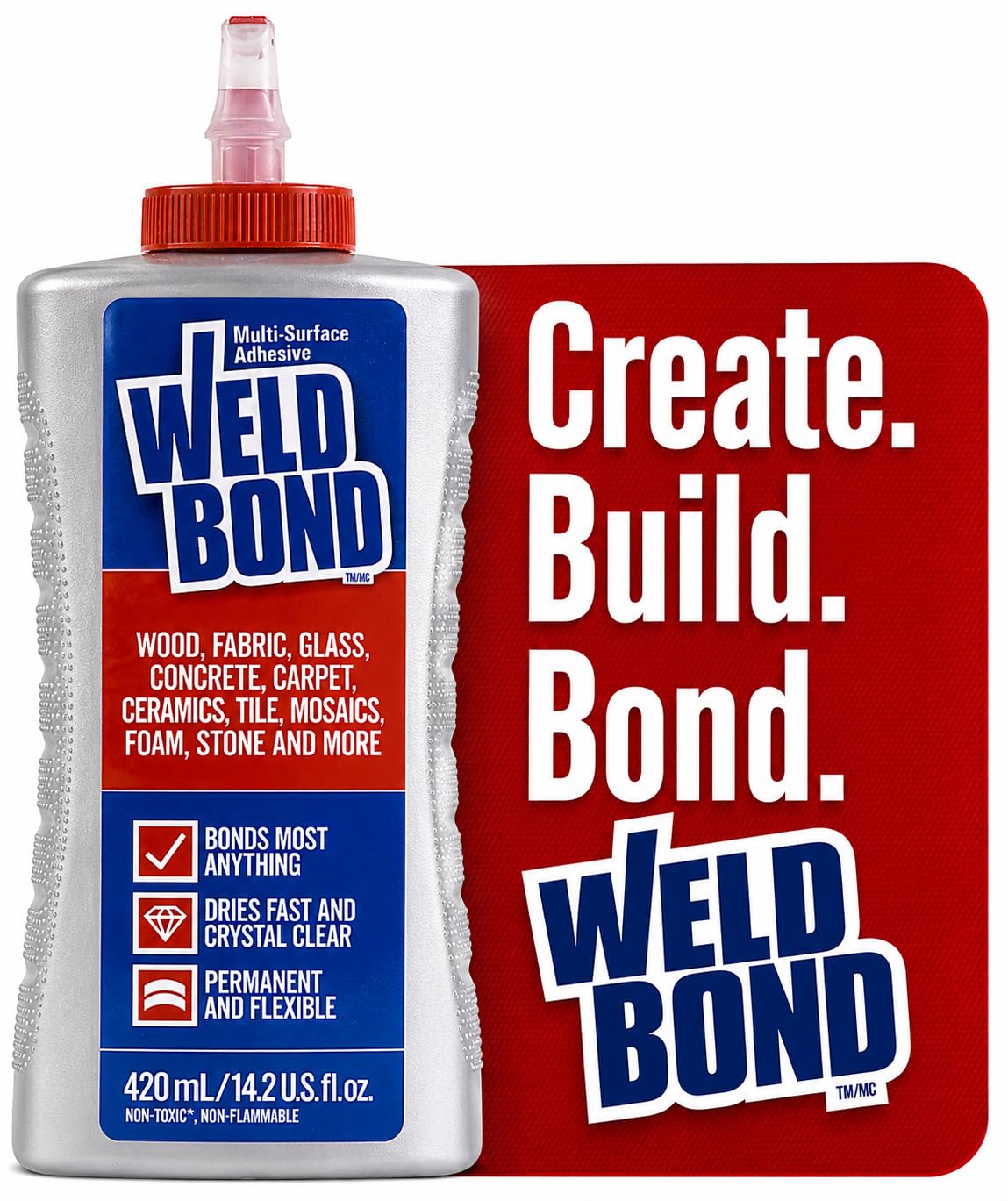
Weldbond positions itself as a single-bottle solution for bonding most anything, and it works well for smaller plywood crafts, mosaic backer boards, and DIY repairs. The PVA-based formula dries clear and offers a quick grab that outperforms standard white glue. Users mention it bonds fabric, glass, and ceramic to plywood without the mess or smell of epoxy.
The bottle format is convenient for precision application compared to a caulk gun cartridge. It is water-resistant and weatherproof once cured, which adds durability to plywood signs and outdoor decor. The economical 14.2oz bottle lasts through multiple small and medium projects without the glue hardening in storage.
For heavy structural loads or large plywood panels, Weldbond lacks the shear strength of a polyurethane construction adhesive. The bond is flexible but not designed to bear the weight of full plywood sheets bonded vertically to studs. It is best treated as a general-purpose craft and light repair adhesive rather than a primary construction adhesive.
Why it’s great
- Odorless and easy to dispense
- Dries clear for invisible repairs
- Bonds multiple materials to plywood
Good to know
- Not strong enough for structural panel bonding
- Water-resistant, not fully waterproof
7. 3M Max Strength 90 Multi-Surface Contact Adhesive
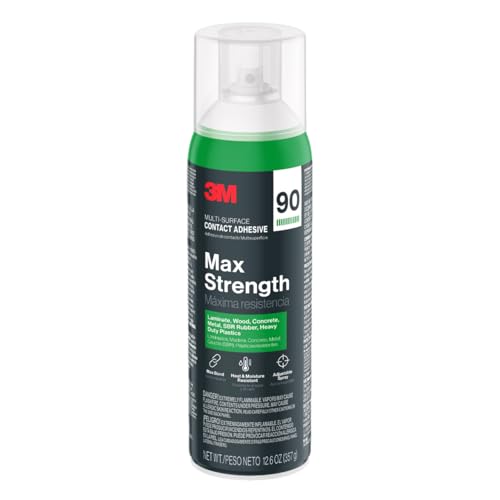
The 3M 90 is an aerosol contact adhesive built for high-speed bonding of plywood to laminate, metal, and concrete. It reaches maximum bond strength in just 10 minutes, which is unmatched for impatient builders and production environments. The adjustable nozzle lets you control the spray pattern for wide coverage on large plywood sheets or precise application on small veneer strips.
This adhesive is heat and moisture resistant, performing reliably in marine environments and humid shops where other adhesives soften. Users report successful bonds for securing carpet to sound deadening panels over plywood subfloors, as well as applying laminate veneers to plywood countertops. The low-VOC formulation meets California CARB requirements.
Contact adhesive bonds instantly on contact, leaving zero room for repositioning. You must align both surfaces perfectly before they touch, which is challenging with large, heavy plywood panels. Overspray is also a concern since the aerosol can coat surrounding surfaces with a permanent, tacky residue if not masked properly.
Why it’s great
- Full bond in 10 minutes speeds up workflow
- Heat and moisture resistant for marine use
- Adjustable nozzle for coverage control
Good to know
- No repositioning once surfaces touch
- Overspray requires careful masking
FAQ
Can I use wood glue on plywood edges?
What is the strongest adhesive for gluing plywood to concrete?
How long does construction adhesive take to dry on plywood?
Final Thoughts: The Verdict
For most users, the adhesive for plywood winner is the PL Premium Polyurethane because it delivers unmatched structural strength for both interior and exterior projects, bonding plywood to almost any substrate with a grip that outlasts the wood. If you want a waterproof, wood-specific glue for cabinetry and cutting boards, grab the Titebond III Ultimate. And for fast, large-area bonding of plywood veneers and laminates, nothing beats the 3M Max Strength 90.