
Our readers keep the lights on and the weekend projects moving. As an Amazon Associate, I earn from qualifying purchases.
You peel back a wall panel in your RV only to find the old adhesive has turned brittle and crumbled, leaving a gap that invites rattles, moisture, and delamination. The constant vibration of the road, temperature swings, and humidity demand an adhesive that stays flexible under pressure — not one that dries rigid and fails after a single season.
I’m Rikta — the co-founder and writer behind FitlyFast. After hundreds of hours analyzing manufacturer spec sheets, cure-time data, tensile strength reports, and real-world reviews from RV forums, I’ve built this guide around what actually keeps laminated panels bonded to plywood, aluminum framing, and fiberglass skins.
Whether you’re reattaching a loose cabinet, securing new paneling, or sealing a leak-prone seam, knowing the right adhesive for rv walls means the difference between a repair that lasts one trip and one that holds for years on the road.
How To Choose The Best Adhesive For RV Walls
Picking the wrong glue for your RV walls leads to sagging panels, failed bonds, and having to redo the job mid-trip. RV construction uses a mix of materials — vinyl-over-plywood, fiberglass, aluminum framing, and laminated foam board — each demanding specific adhesion chemistry. Focus on these three factors to get a lasting hold.
Bond Chemistry and Substrate Compatibility
Not all adhesives stick equally to fiberglass, vinyl, wood, and aluminum simultaneously. Polyurethane-based formulas provide excellent gap-filling and flexibility, while modified-silicone polymers (MS polymers) deliver strong adhesion to slick surfaces like gelcoat without needing a primer. Water-based acrylics work great for flooring underlayment but lack the grab needed for vertical wall panels. Look for adhesives explicitly labeled for multi-surface use on fiberglass, metal, and wood.
Open Time and Initial Tack
When you’re holding a full sheet of paneling against a wall, you need enough working time to slide it into position before the glue locks. Adhesives with an open time of 10–15 minutes give you breathing room. For spray contact adhesives, the bond grabs instantly on contact — useful for smaller trim pieces but unforgiving for large panels. For tube-applied construction adhesives, a fast initial tack (30 seconds to a few minutes) holds the panel in place while the full cure develops over 24 hours.
Environmental Resistance
RV walls face direct sun on the exterior side and temperature extremes that can hit 140°F inside a parked rig. UV degradation causes many standard adhesives to yellow and lose strength within a year. Marine-grade formulations specifically resist UV exposure and humidity. Check the temperature range rating — a good RV wall adhesive should perform between -20°F and 200°F. Waterproofing is critical for areas near windows, roof seams, and plumbing penetrations.
Quick Comparison
On smaller screens, swipe sideways to see the full table.
| Model | Category | Best For | Key Spec | Amazon |
|---|---|---|---|---|
| SEM 39747 Multi-Purpose Panel Adhesive | Panel Bond | Reattaching interior wall panels | High impact force, 24h cure | Amazon |
| Seal Bond 105 Adhesive Sealant | Marine/Industrial | Sealing exterior seams and gaps | 7-day full cure, UV resistant | Amazon |
| FORTIVO 5200 Marine Sealant | Marine Grade | Permanent underwater-grade bonding | 1000 PSI tensile strength | Amazon |
| 3M Max Strength 90 Contact Adhesive | Spray Contact | Attaching laminate to wall surfaces | 10-minute max bond | Amazon |
| Gorilla Heavy Duty Construction Adhesive | Construction Grade | General wall panel fixing | 30-second fast grab | Amazon |
| Roman Products PRO-838 Wallpaper Adhesive | Surface Laminate | Securing vinyl wall coverings | 70 sq. ft. coverage, clear dry | Amazon |
| RecPro RV Roll On Floor Adhesive | Flooring Laminate | Bonding flooring to plywood subfloor | 100 sq. ft. per gallon | Amazon |
In‑Depth Reviews
1. SEM 39747 Multi-Purpose Panel Adhesive
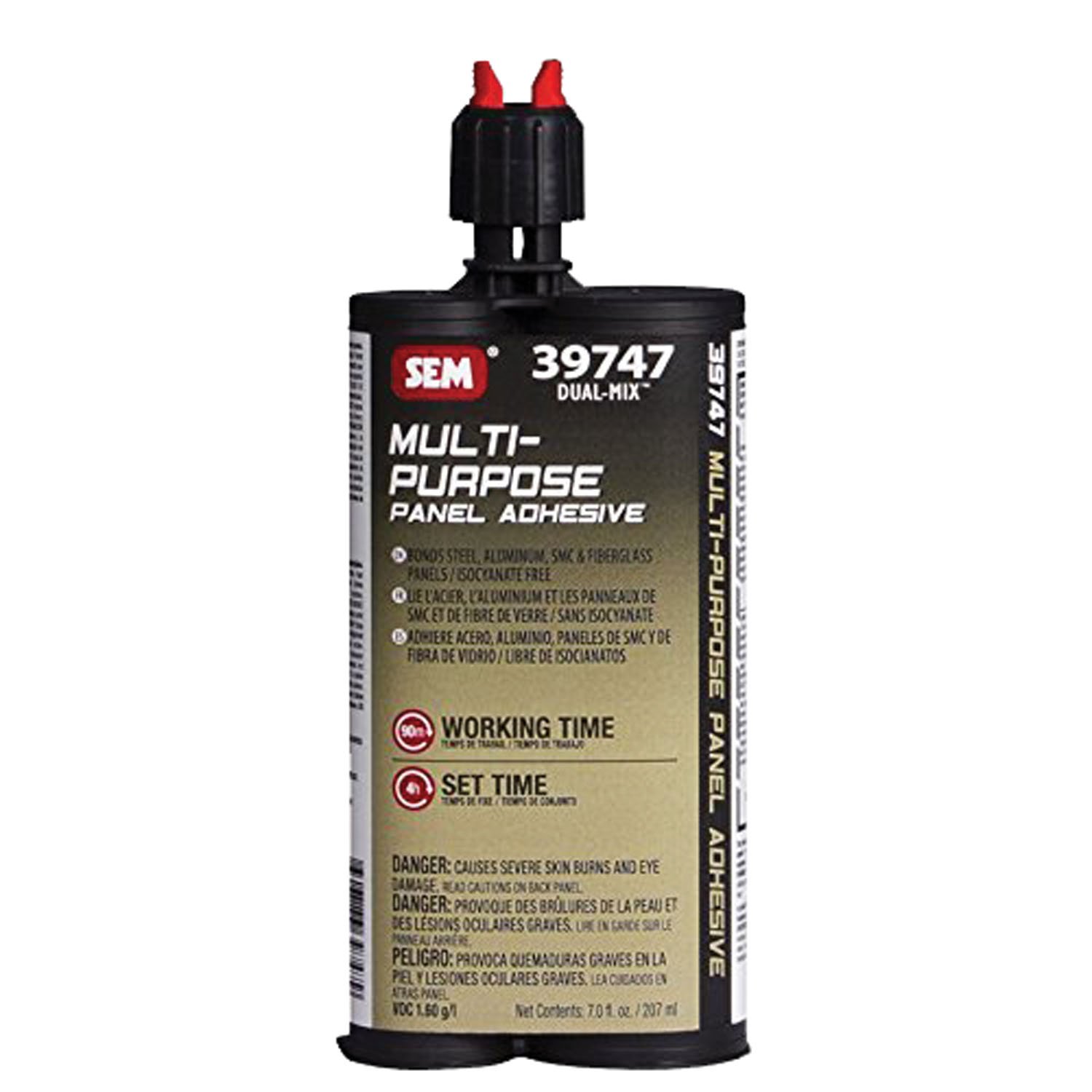
SEM has been the go-to in automotive and RV panel bonding for decades, and this multi-purpose formula delivers the high-impact resistance needed to keep interior wall panels from rattling loose on rough roads. The thick, non-drip consistency means it stays exactly where you apply it — no messy runs down vertical surfaces. Users report strong adhesion on fiberglass, painted metal, and wood substrates without the shrinkage that plagues cheaper adhesives.
The 24-hour full cure allows the bond to reach maximum strength overnight, but the working time is generous enough to let you reposition a large panel before it grabs. Several RV owners on forums specifically mention using SEM 39747 to reattach delaminated interior wall skins on older motorhomes, noting that panels stay tight even after thousands of miles.
One recurring tip from experienced users: apply a thicker bead on rough or uneven surfaces to fill gaps and create a stiffer final bond. The glass microspheres in the formula prevent excessive squeeze-out, keeping cleanup minimal.
Why it’s great
- Extremely thick consistency won’t drip on vertical walls
- High impact resistance prevents road-vibration failure
- Works on fiberglass, metal, and wood without primer
Good to know
- Premium price per tube compared to general construction adhesive
- Full strength requires 24-hour cure before stressing the bond
2. Seal Bond 105 Adhesive Sealant
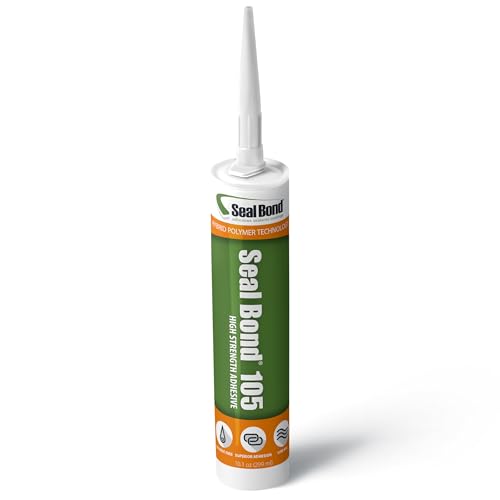
The Seal Bond 105 is a high-performance polyether adhesive that bridges the gap between a construction adhesive and a marine-grade sealant. Its UV resistance and flexibility make it an excellent choice for sealing exterior RV wall seams where sun exposure and thermal expansion are constant threats. The formula is non-flammable, solvent-free, and has no isocyanates, which matters when you’re working in a confined RV interior.
Users have successfully used it to seal acrylic windows into fiberglass cabin sides on sailboats and RVs, reporting a fully waterproof bond that cures in 24 hours. The polyether chemistry remains flexible after curing, meaning it won’t crack as the RV frame twists on uneven terrain. One reviewer used it to fill gaps between roof rack rails and a fiberglass roof, and it held through a full season of sun and rain without degradation.
The main trade-off is cosmetic: it’s difficult to tool into a smooth, finished bead. Unlike silicone, it doesn’t self-level, so getting a clean edge takes practice. It also requires a steady caulking gun feed — the thick paste can be hard to push through the nozzle in cold temperatures. For hidden bonds or structural sealing where appearance isn’t critical, this is a top-tier pick.
Why it’s great
- UV and weather resistant for exterior RV wall applications
- Non-flammable and solvent-free for safe indoor use
- Remains flexible to handle RV frame flex
Good to know
- Difficult to achieve a smooth, silicone-like finish
- Thick consistency requires a good caulk gun
3. FORTIVO 5200 Marine Sealant
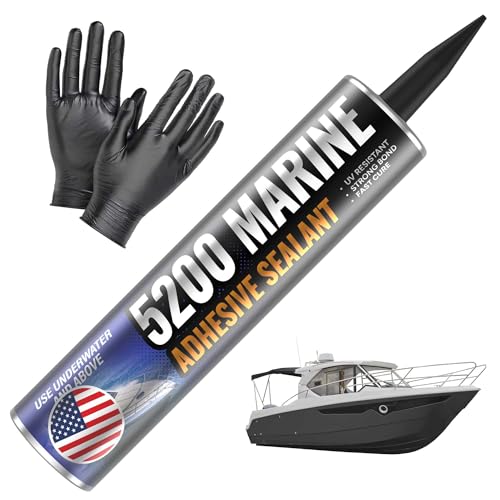
5200 has long been the gold standard for underwater marine bonding, and FORTIVO delivers that same polyurethane strength for RV wall applications where moisture intrusion is a real risk. Its 1000 PSI tensile strength means it will hold wall panels tight even when the luan backing starts to degrade. The 24-hour cure to full strength is typical for this class, but the tack-free time of just 2 hours means you can walk away without worrying about the panel sliding.
This adhesive is overkill for minor trim work, but it shines when you need a permanent fix for a delaminated wall section near a window or roof seam. Users report using it on fiberglass, gelcoat, and wood with equal success. The included gloves and nozzle make setup straightforward, though you’ll want to have a rag on hand — polyurethane foams slightly as it cures and can ooze beyond the bond line if over-applied.
The biggest downside is that 5200 is genuinely permanent. Once cured, mechanical force or grinding is the only way to separate bonded parts. If you think you might ever need to remove that panel for future repairs, this is not the adhesive for you. For one-and-done repairs where you never want the bond to fail, it’s the right call.
Why it’s great
- Extreme tensile strength for permanent panel bonding
- Waterproof and UV-protected for exterior use
- Fast tack-free time at 2 hours
Good to know
- Bond is permanent — near-impossible to separate parts later
- Polyurethane expands slightly during cure, can ooze
4. 3M Max Strength 90 Contact Adhesive
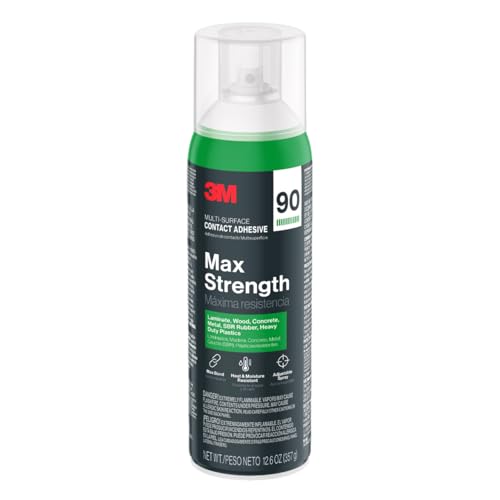
When you’re laminating a new vinyl skin onto an RV wall panel or attaching a thin veneer, a spray contact adhesive gives you even coverage without the heavy bead lines of tube-applied glues. 3M’s 90 formulation is their max-strength option, offering a bond that sets in 10 minutes and resists both heat and moisture. The adjustable spray nozzle lets you switch from a tight stream to a wide fan pattern, which is useful for covering large flat wall areas efficiently.
RV owners specifically use this for reattaching loose laminate on countertops and cabinet doors, but it also works well for bonding lightweight wall panels to a substrate when you need instant grab. The low-VOC formulation meets CARB requirements, making it safer to use inside an RV without overwhelming odor. Several reviews note it holds up well in marine and high-humidity environments, which translates directly to RV conditions.
The catch with any contact adhesive is that the bond is immediate once the two surfaces touch — there is zero repositioning time. You need to get your alignment perfect on the first try. Masking off surrounding areas is also essential because overspray creates a tacky mess that’s hard to clean. For controlled applications on smaller wall sections and trim, this is a fast, strong solution.
Why it’s great
- Even spray coverage with no heavy bead lines
- Heat and moisture resistant for RV environments
- Low-VOC formula for safer indoor use
Good to know
- Zero repositioning time once surfaces touch
- Overspray can create a tacky mess on adjacent surfaces
5. Gorilla Heavy Duty Construction Adhesive
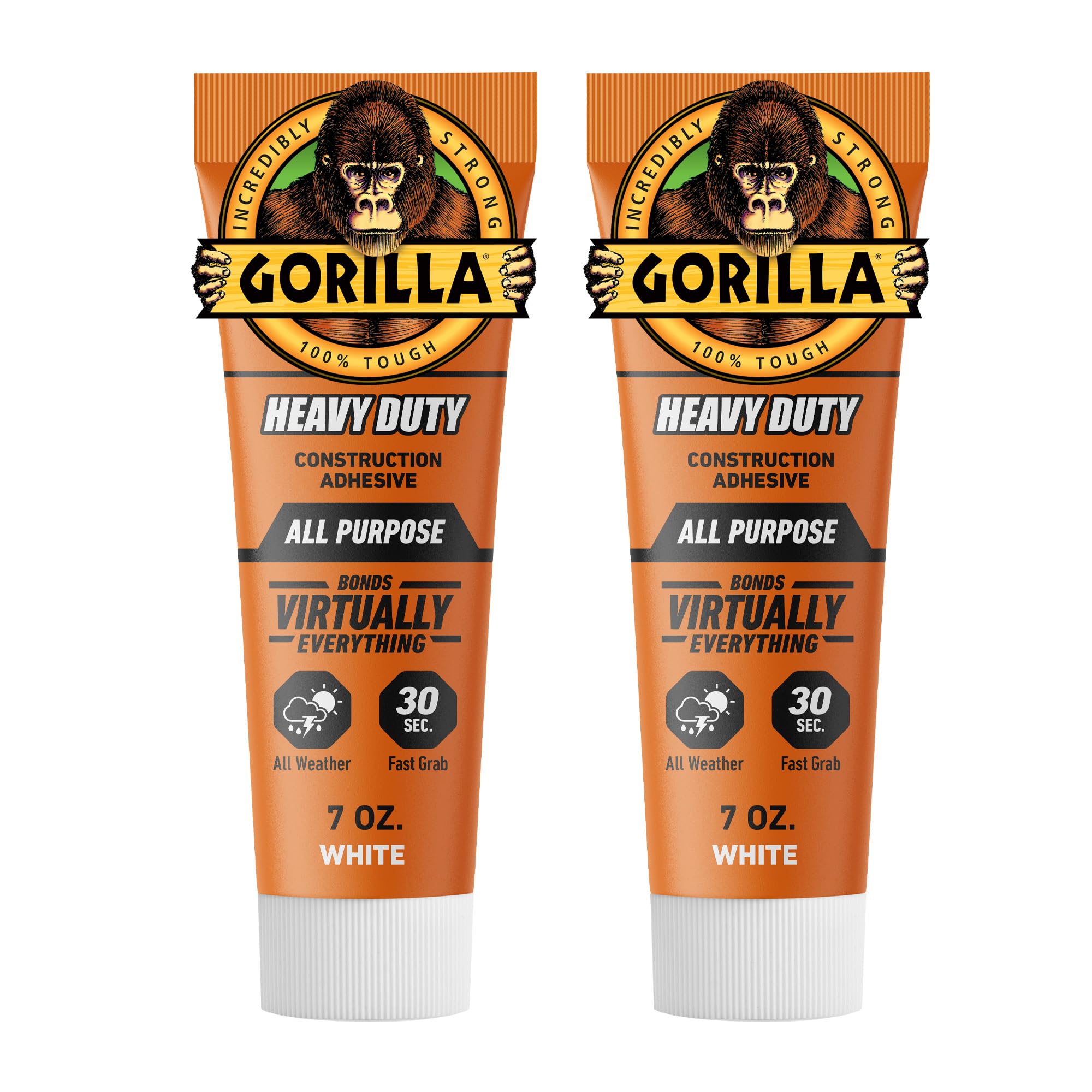
Gorilla Heavy Duty Construction Adhesive is a versatile, fast-grabbing option for general RV wall repairs where you need to hold a panel in place without waiting for a full cure. Its 30-second initial grab time means you can press a loose wallboard or trim piece into position and it stays put while the 24-hour full cure develops. The hybrid adhesive formula bonds to a wide range of materials including wood, metal, drywall, and concrete.
This adhesive works best for non-structural interior applications like reattaching loose trim, bonding lightweight paneling, or filling small gaps between wall panels and framing. The waterproof formulation means it won’t degrade if a small leak develops nearby. However, it is a paste-like white glue that can ooze visibly along bond lines, so careful application is needed for visible repairs.
Some users note that on very smooth surfaces like painted metal or glossy fiberglass, the hold is not as aggressive as dedicated marine adhesives. Occasional reviews mention that the paste consistency makes it less effective for gap-filling on uneven surfaces compared to thicker polyurethane options. For quick fixes and light-duty panel reattachment, it gets the job done at a budget-friendly price.
Why it’s great
- 30-second initial grab speeds up panel positioning
- Waterproof for use near potential moisture sources
- Bonds to multiple surfaces commonly found in RVs
Good to know
- Less aggressive on very smooth fiberglass or painted metal
- White paste can show visibly on dark panels
6. Roman Products PRO-838 Heavy Duty Wallpaper Adhesive

If your RV walls are covered with vinyl wallpaper or fabric-backed wallcoverings that are starting to bubble or peel at the seams, Roman PRO-838 is the correct tool. This premixed, water-based paste is specifically formulated for heavy wallcoverings and provides strong initial tack with enough open time to slide the material into alignment. It dries clear, so any small squeeze-out on a printed surface won’t leave a visible residue.
Experienced wallpaper hangers appreciate the slip time — you can move the panel around for several minutes before the adhesive locks. The low-VOC formula (under 5 g/L) keeps the RV interior from smelling like a chemical factory during installation. A single 32-ounce container covers roughly 70 square feet, which is enough for a small bathroom wall or a slide-out panel.
One limitation is that this is not a structural adhesive. It will not bond paneling to framing or hold decorative trim in place. It is strictly for securing flexible wallcoverings to a sound substrate. If your RV has loose wallpaper edges or you’re installing a mural wall, this is the right adhesive. For anything requiring load-bearing strength, you need one of the panel adhesives above.
Why it’s great
- Clear drying leaves no visible residue on printed wallcoverings
- Long open time for repositioning heavy vinyl panels
- Low odor and low VOC for enclosed RV spaces
Good to know
- Not a structural adhesive — for wallcoverings only
- Clear paste makes it hard to see coverage during application
7. RecPro RV Roll On Floor Adhesive
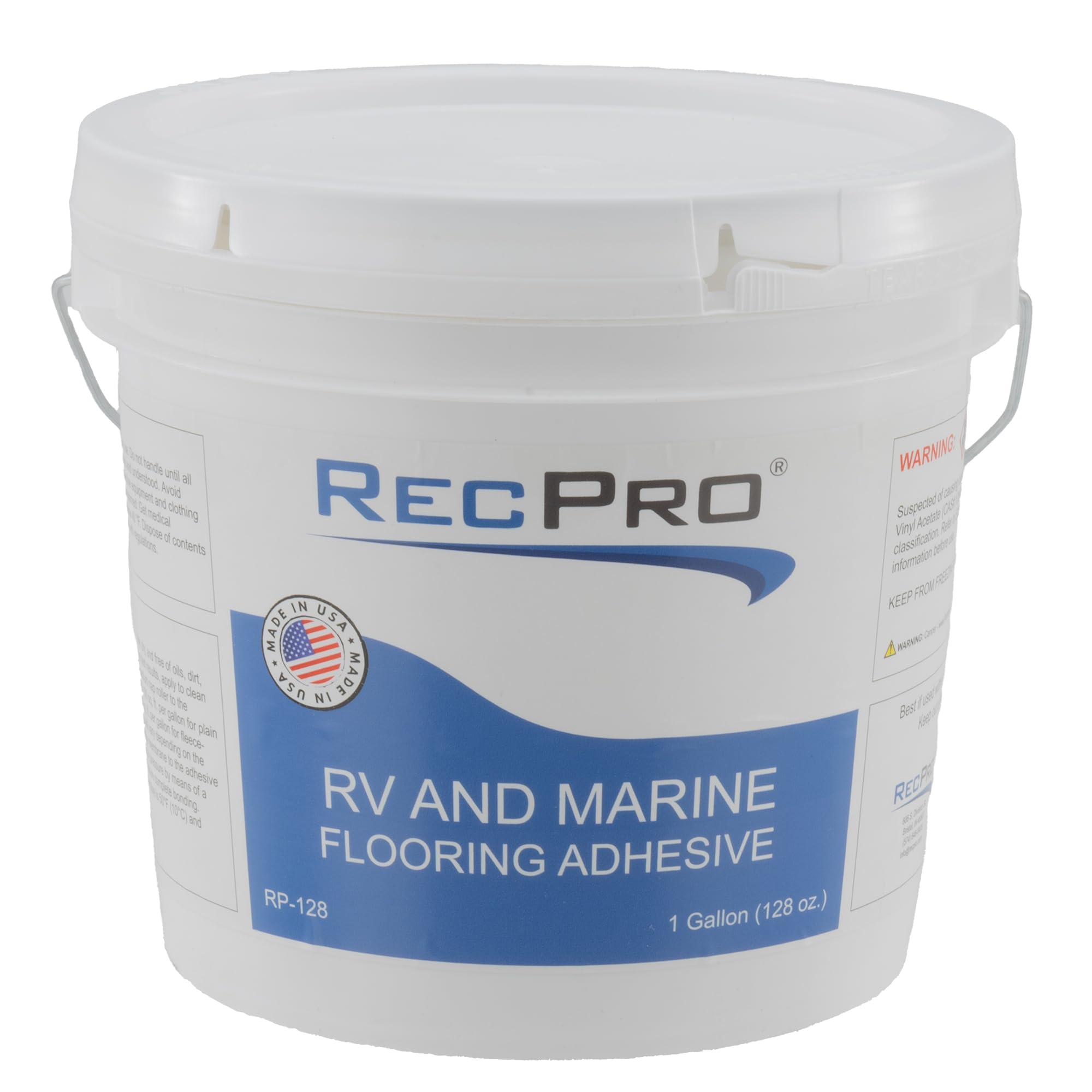
While not strictly a wall adhesive, the RecPro RV Roll On Floor Adhesive is essential when you need to bond new flooring that extends up the walls as a continuous surface. Its water-based formula penetrates into plywood subflooring and creates a strong connection with vinyl plank, sheet vinyl, and rubber coin flooring. The gallon size covers roughly 100 square feet with a notched trowel, making it ideal for full-floor replacement projects.
Users consistently emphasize that surface preparation is everything with this adhesive. Clean, dry, and dust-free wood surfaces produce a bond that holds flooring rock-solid even in high-traffic RV kitchens. The 24-hour cure time is standard, and using a steel roller during installation prevents air pockets that can lead to delamination down the road. It’s designed for application temperatures between 65-75°F, so plan your install for a temperate day.
The primary complaint is batch inconsistency — some users reported receiving buckets with different consistencies and colors, raising questions about quality control. It also does not bond well to aluminum substrates, which is a problem if your RV floor has an aluminum frame. For wood subfloors and standard RV flooring materials, it performs reliably at a reasonable price point for the coverage volume.
Why it’s great
- Large gallon coverage for full-floor projects
- Water-based formula with low odor
- Creates strong bond with vinyl and rubber flooring
Good to know
- Does not bond well to aluminum substrates
- Some reported batch inconsistencies in consistency and color
FAQ
Can I use standard construction adhesive on RV wall panels?
What is the best adhesive for reattaching a loose interior wall panel on an RV?
How do I prepare the wall surface before applying adhesive in an RV?
Will wallpaper adhesive work for holding up RV wall panels?
Final Thoughts: The Verdict
For most users, the adhesive for rv walls winner is the SEM 39747 Multi-Purpose Panel Adhesive because it combines high impact resistance, a thick no-drip consistency, and broad compatibility with the fiberglass, metal, and wood surfaces found in every RV. If you need a waterproof seal for exterior wall seams, grab the Seal Bond 105 Adhesive Sealant. And for permanent, underwater-grade bonding on delaminated panels near leak-prone areas, nothing beats the FORTIVO 5200 Marine Sealant.