
Our readers keep the lights on and the weekend projects moving. As an Amazon Associate, I earn from qualifying purchases.
Finding a camera that captures the grand scale of a mountain range or the fine texture of canyon rock without draining your savings is the real challenge in landscape photography.
I’m Rikta — the co-founder and writer behind FitlyFast. I’ve spent hundreds of hours analyzing sensor specifications, lens mount systems, and real-world sample galleries to find the shooters that deliver premium image quality and rugged build without entering flagship territory.
Whether you want the best affordable camera for landscape photography to take on a dusty trail or to test the boundaries of your composition skills, this guide parses the specs that actually matter.
How To Choose The Best Affordable Camera For Landscape Photography
Choosing a landscape camera on a budget isn’t about finding the cheapest body; it’s about prioritizing sensor size, dynamic range, and lens support over marketing hype. You need a tool that handles the extremes of light and shadow found in nature without introducing noise or losing detail.
Sensor Size: The Bedrock of Detail and Noise Control
A larger sensor captures more light per pixel, giving you cleaner shadows and more latitude in post-processing. For landscape work, APS-C sensors offer the best balance of image quality and system cost, while entry-level full-frame options like the Canon EOS RP provide an even bigger canvas for dynamic range. Avoid 1-inch or smaller sensors if you want to crop or print large.
Lens Versatility and Mount Ecosystem
Your lens is more important than the body. Landscape photography demands wide-angle glass for sweeping vistas and telephoto reach for compressing distant layers. An interchangeable lens system (DSLR or Mirrorless) gives you flexibility years down the line. Superzoom bridge cameras like the Nikon COOLPIX P950 offer reach but sacrifice ultimate sharpness and low-light performance due to their smaller sensors.
Build Quality and Portability
Weather-sealing is critical if you shoot near waterfalls, in mist, or during unpredictable weather. Weight also matters: a full-frame DSLR with a 24-70mm lens can be a burden on a multi-day hike, while a compact mirrorless or even a high-quality bridge camera is easier to carry. The best affordable landscape camera is the one you’ll actually bring on the trail.
Quick Comparison
On smaller screens, swipe sideways to see the full table.
| Model | Category | Best For | Key Spec | Amazon |
|---|---|---|---|---|
| Nikon Z 7II | Premium Mirrorless | Ultra-high resolution landscape | 45.7MP Full-Frame Sensor | Amazon |
| Canon EOS 5D Mark IV | Premium DSLR | Durable pro-grade workflow | 30.4MP Full-Frame, 61-point AF | Amazon |
| Sony a7 III | Mirrorless Hybrid | Best all-around full-frame value | 24.2MP, 15-stop Dynamic Range | Amazon |
| Canon EOS RP | Entry Full-Frame | Compact full-frame for travel | 26.2MP, 24-105mm RF Kit | Amazon |
| Nikon D7500 | Mid-Range DSLR | Tough APS-C with fast burst | 20.9MP, 51-point AF | Amazon |
| Canon T7 Bundle (2000D) | Value DSLR Kit | Learning kit with long telephoto | 24.1MP, 3-Lens Bundle | Amazon |
| Nikon COOLPIX P950 | Superzoom Bridge | Unmatched zoom for distant scenes | 16MP, 83x Optical Zoom | Amazon |
| Panasonic ZS99 | Pocket Superzoom | Ultra-portable travel landscape | 20.3MP, 30x Leica Zoom | Amazon |
| Panasonic FZ80D | Budget Superzoom | Lightweight hiking with 60x zoom | 18.1MP, 60x Optical Zoom | Amazon |
| Insta360 Ace Pro 2 | Action Camera | Durable on-the-go and POV | 8K Sensor, Leica Lens | Amazon |
| Canon Rebel T7 (Renewed) | Entry DSLR | Learning landscape on a slim budget | 24.1MP, 18-55mm Kit | Amazon |
In‑Depth Reviews
1. Nikon Z 7II

This body delivers 45.7MP of pure detail, which is ideal for cropping into distant ridges or printing large. The in-body stabilization helps on uneven terrain where a tripod isn’t practical, and the dual card slots give you backup for once-in-a-lifetime shots.
The built-in intervalometer and in-camera timelapse smoothing let you capture golden hour transitions without external gear. The interface is intuitive, and the Z-mount lenses are exceptionally sharp corner to corner.
Battery life falls short compared to DSLR peers, so carrying a spare is wise during long shoots. It’s also pricier than the others, but the resolution and lens support make it the ultimate tool for the serious landscape shooter.
Why it’s great
- Exquisite 45.7MP resolution allows huge crops
- Very effective in-body image stabilization
- Dual card slots for secure shooting
Good to know
- Battery life is shorter than DSLR rivals
- Premium price point
2. Canon EOS 5D Mark IV
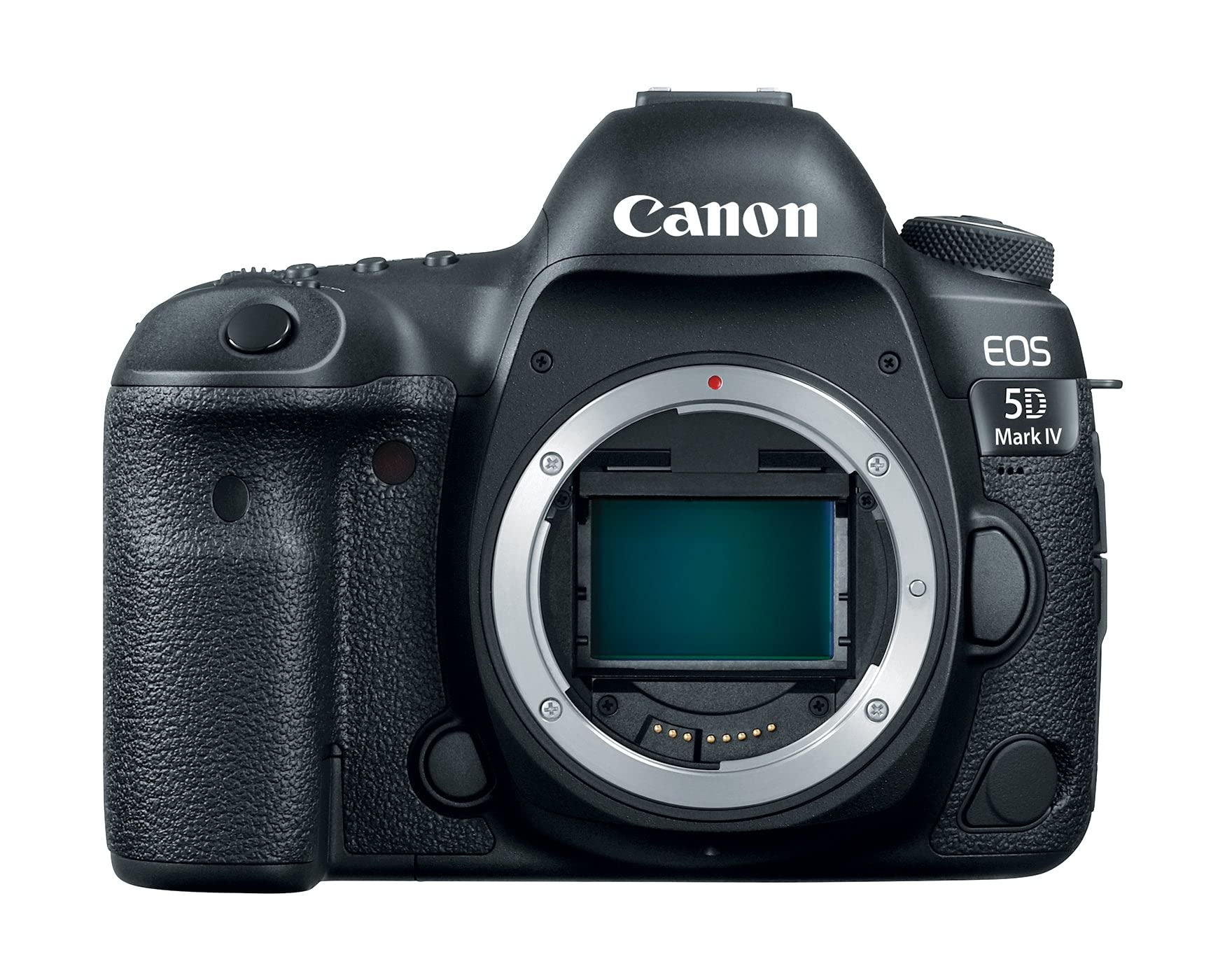
The 5D Mark IV has been a standard for landscape pros for years, and its 30.4MP full-frame sensor with excellent dynamic range still holds up. The 61-point AF system locks focus reliably even in dim light, and the GPS geo-tagging is a boon for documenting shooting locations.
Battery life is phenomenal—one cell easily lasts a full day of shooting. The optical viewfinder provides a clear, lag-free preview of the scene, which many photographers prefer for composing expansive landscapes.
The 4K video comes with a heavy crop factor and doesn’t use the full sensor width, which limits its hybrid appeal. Still, as a dedicated stills camera for landscapes, it’s a rugged, proven performer.
Why it’s great
- Excellent dynamic range for shadow recovery
- All-day battery life
- GPS tagging for location tracking
Good to know
- 4K video has a significant crop
- Heavier than mirrorless alternatives
3. Sony a7 III

The a7 III remains a reference point for affordable full-frame photography. Its 24.2MP back-illuminated sensor captures 15 stops of dynamic range, giving you latitude to pull detail from deep shadows without ugly noise.
The 693-point phase-detect AF covers 93% of the frame, making composition flexible even when placing subjects at the edge of the shot. The battery life on this mirrorless body is exceptional, rivaling DSLRs for a full day in the field.
The kit 28-70mm lens is decent for starting out, but it lacks the wide-angle needed for big landscapes. Budget for a dedicated wide lens to unlock its full potential. The menu system is dense, though you’ll adapt quickly.
Why it’s great
- Market-leading 15-stop dynamic range
- Superb battery life for a mirrorless
- Fast and expansive autofocus system
Good to know
- Kit lens lacks true wide-angle
- Menu system has a learning curve
4. Canon EOS RP

The EOS RP is the lightest, most affordable way to get a full-frame sensor in your pack. Weighing under a pound, it’s comfortable for long hikes, and the 26.2MP sensor delivers clean, detailed images with pleasing Canon color science.
The RF 24-105mm f/4-7.1 kit lens is versatile for covering wide landscapes to compressed mountain views. The articulated touchscreen makes low-angle compositions easy, and the face-tracking autofocus is reliable for sharp results.
Battery life is the weak point—expect to swap batteries midway through a full day. The 4K video is heavily cropped, so this is primarily a stills camera for the budget-conscious full-frame seeker.
Why it’s great
- Lightest full-frame body for hiking
- Versatile 24-105mm kit lens included
- Intuitive controls and good color science
Good to know
- Below-average battery life
- 4K video is heavily cropped
5. Nikon D7500

The D7500 pairs a 20.9MP APS-C sensor with the image processor from the pro D500, giving it class-leading dynamic range and noise control for its class. The 51-point AF system with 15 cross-type sensors locks on quickly, even in tricky forest light.
It shoots 8 fps, which doubles as a bonus for capturing wildlife that wanders into your landscape frame. The 18-140mm kit lens covers a huge range, from wide to telephoto, and the VR helps stabilize handheld shots at golden hour.
The body is weather-sealed and feels robust. The only downside is the single SD card slot, which is a disappointment for a body at this level. Still, it’s a workhorse that won’t break the bank.
Why it’s great
- Excellent dynamic range from D500-derived sensor
- Weather-sealed, durable build
- Versatile 18-140mm kit lens
Good to know
- Only one SD card slot
- No built-in flash
6. Canon EOS Rebel T7 Bundle (2000D)

This bundle gives you the T7 body with three lenses: an 18-55mm, a 75-300mm, and a 500mm preset lens. The 24.1MP APS-C sensor captures decent detail, and the DIGIC 4+ processor is good enough for learning the craft of landscape composition.
Having the 75-300mm lets you compress distant layers—a key technique for landscape photographers. The included tripod and bag mean you’re ready to shoot right out of the box.
The 500mm preset lens is manual-only and requires a tripod for sharp results. The 9-point autofocus system is old and slow, making fine focusing a challenge in low light. It’s a fantastic learning kit, but the AF and sensor tech are dated.
Why it’s great
- Great value with three lenses
- Telephoto reach for compressed landscapes
- All accessories included to start shooting
Good to know
- 9-point AF is slow and outdated
- 500mm lens needs a tripod for sharp results
7. Nikon COOLPIX P950

The P950’s 83x optical zoom (24-2000mm equivalent) is unmatched for pulling in distant peaks or compressing layers from miles away. The 16MP sensor and dual-detect optical vibration reduction make it possible to get sharp handheld shots at extreme telephoto lengths.
Built-in bird and moon modes are a fun extra, but for landscapes, you’ll appreciate the manual controls and the RAW shooting capability. The tilting screen and viewfinder aid composition in awkward angles.
Low-light performance and dynamic range are limited by the small sensor, and autofocus can hunt when you’re zoomed all the way in. It’s a niche tool for when reach is the only thing that matters.
Why it’s great
- 83x optical zoom for extreme distant reach
- Good image stabilization for handheld shots
- RAW support and manual controls
Good to know
- Small sensor limits dynamic range and low light
- Autofocus hunts at full telephoto
8. Panasonic LUMIX ZS99

The ZS99 packs a 24-720mm Leica zoom lens into a jacket-pocket-sized body. For the landscape traveler who values minimalism, this camera covers wide canyon interiors and far-off mesas without needing to swap lenses.
4K photo mode lets you extract 8MP frames from video bursts, useful for capturing shifting light. The tiltable touchscreen and USB-C charging make it convenient for on-the-go editing and sharing.
Image quality is good for its size, but the small sensor can’t match APS-C or full-frame in dynamic range. The 4K recording also has a heat limit of 15 minutes, so continuous timelapses are out of the question.
Why it’s great
- Unusual 30x zoom range in a pocket body
- USB-C charging for travel convenience
- VERSATILE for both wide and telephoto landscapes
Good to know
- Small sensor limits dynamic range
- 4K video limited to 15 minutes before heat shutdown
9. Panasonic LUMIX FZ80D

The FZ80D is the most affordable way to get a 20-1200mm optical zoom in a single package. The POWER O.I.S. stabilization does a commendable job keeping shots steady at the telephoto end, even when your pulse is raised from hiking.
4K Photo mode and Post Focus let you refine composition after the shot, which is a handy safety net for fast-moving clouds or wildlife in the landscape. The bright electronic viewfinder is usable under direct sun.
The small 1/2.3-inch sensor means you’ll see grain at base ISO, and high ISO performance is poor. This camera works best in bright light for social media sharing; pixel peepers and large print lovers should look elsewhere.
Why it’s great
- Incredible 60x zoom for the price
- Effective image stabilization at full zoom
- Lightweight for hiking and travel
Good to know
- Small sensor results in grain at low ISO
- Poor low-light performance
10. Insta360 Ace Pro 2
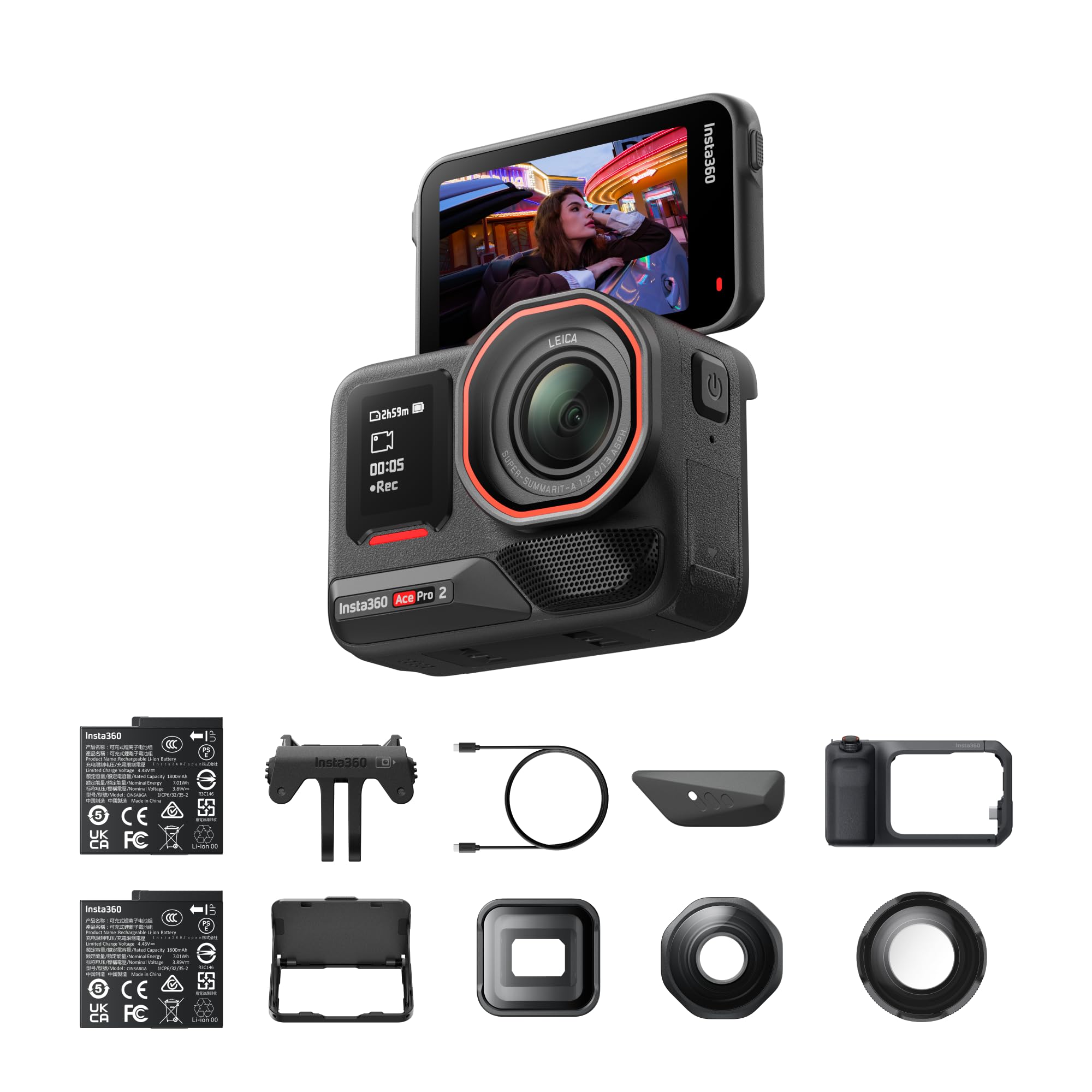
The Ace Pro 2 is an 8K action camera co-engineered with Leica, capable of stunning video clips of fast-moving storms or kayak trips through fjords. The 1/1.3-inch sensor and 5nm AI chip produce excellent low-light quality for an action cam.
The Xplorer Grip Pro bundle adds a zoom dial for smooth 1-2x lossless zoom and extra battery life. The various lens attachments (cinematic, close-up, ultra-wide) give you creative options for different landscape perspectives.
It’s not a dedicated landscape camera—you can’t swap lenses for true wide-angle or telephoto range. The 8K clips are large, and the smaller sensor means dynamic range is behind any APS-C camera. It’s best as a secondary POV unit.
Why it’s great
- Rugged, waterproof design for extreme environments
- 8K video for high-resolution clips
- Excellent bundled accessories for creative shooting
Good to know
- Limited dynamic range compared to larger sensors
- Not a primary camera for still landscapes
11. Canon EOS 2000D (Rebel T7) Renewed

The EOS 2000D is the lowest-cost entry point into a true interchangeable lens system. The 24.1MP APS-C sensor delivers adequate image quality for learning fundamental landscape techniques, and the 18-55mm kit lens covers the essentials of wide-angle compression.
Built-in Wi-Fi and NFC let you transfer shots to your phone quickly for shareable posts. For a beginner on a tight budget, this is a functional platform to practice exposure, composition, and the use of manual modes.
The 9-point AF system is outdated and slow, and the build feels cheap compared to even mid-range offerings. The included accessories (case, memory card, tripod) in the kit get you started, but you’ll want to upgrade the lens and tripod for serious landscape work.
Why it’s great
- Rock-bottom price for an interchangeable lens system
- Includes Wi-Fi for quick photo sharing
- A versatile learning platform
Good to know
- 9-point AF is very slow and basic
- Build quality feels cheap and hollow
FAQ
Is a full-frame camera necessary for landscape photography on a budget?
Why is dynamic range more important than megapixels for landscapes?
Can I use a bridge superzoom camera like the Nikon P950 for professional landscapes?
Final Thoughts: The Verdict
For most users, the best affordable camera for landscape photography winner is the Sony a7 III because it delivers unbeatable full-frame dynamic range and exceptional battery life at a price that undercuts newer models while still competing with them in output. If you want a rugged camera with a great kit lens and a weather-sealed body ready for the trail, grab the Nikon D7500. And for a lightweight, high-resolution mirrorless that you can carry all day without a strap mark, nothing beats the Canon EOS RP.