
Our readers keep the lights on and the weekend projects moving. As an Amazon Associate, I earn from qualifying purchases.
The pursuit of a flattering, subject-isolating portrait goes beyond resolution and into the nuanced dance of focal length, aperture depth, and sensor sensitivity. The cheapest body with the most megapixels won’t deliver the skin-tone rendering and background blur a dedicated portrait photographer demands. You need a camera that complements a decent prime lens, not one that fights it.
I’m Rikta — the co-founder and writer behind FitlyFast. I have spent hundreds of hours parsing sensor specs, autofocus algorithms, and real-world sample images to find the bodies that give portrait shooters the most control without draining their budgets.
After extensive research, the models that balance reliable face-detection, a capable sensor, and a lens system that won’t bankrupt you earn their place among the affordable camera for portrait photography picks reviewed below.
How To Choose The Best Affordable Camera For Portrait Photography
Finding a camera that excels for portraits on a budget means prioritizing features that directly affect how a face looks in an image. Here is what matters most.
Sensor Size and Low-Light Performance
Full-frame sensors gather more light, offering shallower depth of field and superior performance in dim conditions, which is a common reality for indoor portraits. APS-C sensors, while more affordable, require you to be more deliberate with lens choice and lighting to achieve the same separation between subject and background.
Reliable Face and Eye Detection Autofocus
The best portraits often feature sharp focus on the subject’s nearest eye. A camera with reliable, continuous eye-detection autofocus saves you from the frustration of missed focus, especially at wide apertures like f/1.4 or f/1.8 where the depth of field is razor-thin. Look for systems that lock on and track the eye, not just the face.
Access to Quality Portrait Lenses
The lens is arguably more critical than the body for portraits. A fast prime lens (50mm f/1.8, 85mm f/1.8) is a non-negotiable tool for this genre. Your choice of camera system should be influenced by the availability and affordability of such lenses. A cheap body with a great lens almost always beats an expensive body with a kit zoom for portrait work.
Quick Comparison
On smaller screens, swipe sideways to see the full table.
| Model | Category | Best For | Key Spec | Amazon |
|---|---|---|---|---|
| Sony a7 III | Mirrorless Full-Frame | Best overall image quality | 24.2MP BSI Full-Frame Sensor | Amazon |
| Canon EOS R8 | Mirrorless Full-Frame | Lightweight full-frame power | 24.2MP Full-Frame + DPAF II | Amazon |
| Canon EOS RP | Mirrorless Full-Frame | Cheapest entry to full-frame | 26.2MP Full-Frame CMOS | Amazon |
| Nikon D7500 | DSLR | Optical viewfinder action | 51-Point AF System | Amazon |
| Nikon D7000 | DSLR | Budget rugged DSLR build | Dual SD Card Slots | Amazon |
| Nikon Z 30 | Mirrorless APS-C | Selfie-friendly for hybrid work | 20.9MP DX Sensor, Flip Screen | Amazon |
| Sony Alpha A6100 | Mirrorless APS-C | Fastest autofocus in class | 0.02 sec AF / 425 Phase Points | Amazon |
| Sony Alpha ZV-E10 | Mirrorless APS-C | Product showcase mode | 24.2MP APS-C Exmor Sensor | Amazon |
| Nikon D3500 | DSLR | Beginner-friendly user guide | Guide Mode for Beginners | Amazon |
| Canon R100 | Mirrorless APS-C | Entry into RF ecosystem | 143 Zone DPAF | Amazon |
| Canon Rebel T7 Bundle | DSLR Bundle | Value kit for beginners | 24.1MP CMOS Sensor | Amazon |
In‑Depth Reviews
1. Sony a7 III

The Sony a7 III sits in a class of its own for the portrait shooter seeking full-frame depth without crossing into professional budget territory. Its 24.2-megapixel back-illuminated sensor yields excellent dynamic range, capturing fine details in shadows and highlights essential for nuanced skin rendering. The 693 phase-detection AF points cover 93% of the frame, ensuring eye-tracking stays locked whether your subject is still or moving slightly.
The 15-stop dynamic range is a huge asset for editing raw files, allowing you to pull back exposure errors or sculpt light in post without creating harsh artifacts. The camera also offers a silent and mechanical shutter with up to 10 fps continuous shooting, useful for capturing unguarded expressions in quick succession. The battery life is outstanding for a mirrorless body, often lasting through a full portrait session on a single charge.
The bundled 28-70mm f/3.5-5.6 kit lens is merely a starting point; the true magic emerges when you mount a fast prime like the Sony 85mm f/1.8 or the budget-friendly 50mm f/1.8. The menu system can be dense, but once configured, the physical controls are intuitive. For many, this is the ultimate do-everything camera that excels at portraits.
Why it’s great
- Outstanding full-frame dynamic range for skin tones.
- Reliable and fast eye AF system.
- Excellent battery life for long portrait sessions.
Good to know
- Kit lens is basic; a prime lens is almost mandatory for portrait work.
- The menu system has a steep initial learning curve.
2. Canon EOS R8

The Canon EOS R8 delivers a near-identical autofocus engine to the flagship R6 Mark II at a significantly lower cost. Its Dual Pixel CMOS AF II covers 100% of the frame and uses deep-learning subject detection that locks onto human eyes with remarkable tenacity, making it a joy for portrait photographers who shoot wide open. The 24.2-megapixel full-frame sensor produces excellent color science out of camera, which many Canon users prefer for skin tones.
The body is Canon’s lightest full-frame RF mount camera, making it highly portable for location shoots. It offers uncropped 4K video at up to 60 fps, oversampled from 6K, and a high-frame-rate mode of 180 fps in Full HD for slow-motion portrait sequences. The electronic shutter can reach 40 fps, which is excessive for most portraits but useful for capturing that perfect fleeting expression.
The main trade-offs are the lack of in-body image stabilization and the smaller LP-E17 battery, which requires more careful management during longer sessions. The single UHS-II SD card slot is adequate for most non-professional workflows. For sheer image quality and autofocus prowess in a compact full-frame package, the R8 is incredibly compelling.
Why it’s great
- State-of-the-art subject and eye detection AF.
- Excellent full-frame image quality with Canon color science.
- Lightweight and travel-friendly body.
Good to know
- No in-body image stabilization; rely on lens IS or a tripod.
- Smaller battery means you may need a spare for day-long shoots.
3. Canon EOS RP

The Canon EOS RP historically serves as one of the most affordable gateways to the full-frame RF system. The 26.2-megapixel sensor, while based on an older design, still produces pleasing portraits with good dynamic range and Canon’s renowned color science. The Dual Pixel CMOS AF works reliably for face detection, though it lacks the more advanced eye-tracking of newer models.
The included RF 24-105mm F4-7.1 IS STM lens is a versatile walk-around zoom, but its variable aperture limits its ability to blur backgrounds at the telephoto end. For serious portraits, pairing this body with the RF 50mm f/1.8 STM transforms its capability, delivering sharp subjects with smooth bokeh at a very low total system cost. The flip-out vari-angle touchscreen is useful for composing shots from low or high angles.
The RP is a compact and lightweight full-frame camera, making it less intimidating for subjects and easier to handle for casual events. Its battery life is modest, and the continuous shooting speed is limited, but for studio or posed outdoor portraits, it remains a highly capable and cost-effective option. The kit lens is a good starting point, but budget for a prime lens to unlock the sensor’s true portrait potential.
Why it’s great
- Lowest entry price to a full-frame mirrorless system.
- Canon color science produces pleasing skin tones.
- Compact, lightweight, and comfortable to hold.
Good to know
- The kit lens is slow; a fast prime is essential for great portraits.
- Battery life is average; carry a spare.
4. Nikon D7500

The Nikon D7500 is a powerful DSLR that borrows technology from the semi-pro D500, particularly in its metering and autofocus systems. The 51-point AF array with 15 cross-type sensors provides reliable and fast focus in varied lighting conditions, which is crucial for portrait work where focus on the eye is paramount. The 20.9-megapixel DX sensor delivers clean images up to high ISO settings, making it capable for indoor ambient-light portraits.
The optical viewfinder offers a real-time, lag-free view that many portrait photographers still prefer, especially for composing and seeing the subject’s expression without electronic delay. The 3.2-inch tilting touchscreen is useful for low-angle shots. The included 18-140mm lens provides a very useful zoom range, but like most kit lenses, it is best supplemented with a fast prime like the Nikon 50mm f/1.8G for dedicated portraits.
The D7500’s build quality is robust, featuring weather sealing that offers peace of mind for outdoor shoots. The battery life is excellent, often lasting for a full weekend of shooting without a recharge. It also offers 4K UHD video. For those who enjoy the classic DSLR experience and want a camera that can handle fast-moving kids or pets between portrait sessions, this is a superb choice.
Why it’s great
- Excellent autofocus for fast-moving subjects.
- Robust, weather-sealed body for outdoor use.
- Exceptional battery life for extended sessions.
Good to know
- The kit lens doesn’t offer shallow depth of field; invest in a prime.
- DSLRs are bulkier than mirrorless alternatives.
5. Nikon D7000

For a tight budget where a 16-megapixel sensor still feels like a boon, the Nikon D7000 stands as a workhorse DSLR that defined an era of enthusiast photography. Its 16.2-megapixel DX-format sensor, while lower resolution than modern competitors, produces sharp images with good dynamic range and responds well to the classic Nikkor 50mm f/1.8D lens, which can be found for very little money and delivers excellent portrait results.
The 39-point autofocus system, while dated, is capable and provides good coverage for composing off-center portraits. A standout feature for its class is the dual SD card slots, allowing for in-camera backup or overflow, a feature usually reserved for more expensive bodies. The optical viewfinder is large and bright, and the control layout offers quick access to key settings like ISO, white balance, and exposure compensation.
The D7000 is built with magnesium alloy panels, giving it a solid feel that inspires confidence. Its 6 fps continuous shooting is adequate for capturing a series of expressions. The ISO range up to 6400 (expandable) is usable for well-lit indoor portraits. Finding this camera used or refurbished is common, making it a tremendous value for someone wanting to learn portrait photography on a DSLR without modern costs.
Why it’s great
- Durable, semi-pro build quality at a low price.
- Dual SD card slots for backup.
- Works beautifully with classic, affordable Nikkor prime lenses.
Good to know
- 16.2MP sensor is lower resolution than all other options reviewed.
- No built-in Wi-Fi or modern connectivity features.
6. Nikon Z 30

The Nikon Z 30 is specifically designed for content creators, but its 20.9-megapixel DX sensor and capable eye-tracking autofocus make it a legitimate contender for casual portraits. The autofocus system reliably detects and tracks human and pet eyes, ensuring sharp focus on the subject, which is the core requirement for a good portrait. The 209-point hybrid AF system is fast and accurate.
The flip-out touchscreen is perfectly positioned for selfie-style portrait shots, making it easy to frame yourself or collaborate with a subject by seeing the composition from the front. The 4K video capabilities are excellent, with no record limit and good stabilization for handheld video portraits. The camera is incredibly lightweight and compact, making it an easy companion for a walk-around portrait session.
The lack of a built-in viewfinder is the main hurdle for traditional portrait shooters who prefer composing through the viewfinder. The Z mount ecosystem is excellent but has fewer budget prime lenses than Sony or Canon. The 16-50mm kit lens is small and decent, but a fast prime like the Nikon Z 28mm f/2.8 is a worthy upgrade for portraits. The Z 30 is a fantastic entry point for a hybrid shooter who wants a simple, effective tool for both photos and video.
Why it’s great
- Excellent, reliable eye and face detection AF.
- Compact and lightweight for everyday carry.
- Very strong 4K video capabilities for hybrid work.
Good to know
- No viewfinder; you must use the rear screen for composition.
- Z mount lens system is still growing, especially budget options.
7. Sony Alpha A6100

The Sony A6100 boasts the world’s fastest autofocus at the time of its release (0.02 seconds), a performance that is still incredibly competitive today. It features 425 phase-detection and 425 contrast-detection points covering 84% of the sensor, and it offers Real-time Eye AF for both humans and animals. This system sticks to the eye with a tenacity that is exceptional for an entry-level body, greatly simplifying portrait shooting.
The 24.2-megapixel APS-C sensor delivers sharp images with good dynamic range. The 11 fps continuous shooting with AF/AE tracking is fast enough to capture a series of expressions in a burst. The 180-degree tiltable touchscreen is handy for self-portraits or vlogging. The small body is easy to pack and carry, and the Sony E-mount system has a massive selection of affordable lenses, including the excellent 50mm f/1.8 OSS which is perfect for portraits.
The main drawbacks are the older Sony menu system which can be confusing, a small battery, and the lack of in-body stabilization. The electronic viewfinder is also one of the lower-resolution options available, though it is functional. For a portable, budget-friendly APS-C camera that focuses like a champion, the A6100 remains a top choice for portrait beginners.
Why it’s great
- Industry-leading autofocus speed and eye tracking.
- Massive and affordable lens selection in E-mount.
- Very compact and easy to carry everywhere.
Good to know
- Menu system is complex and non-intuitive.
- EVF quality is below average for the class.
8. Sony Alpha ZV-E10
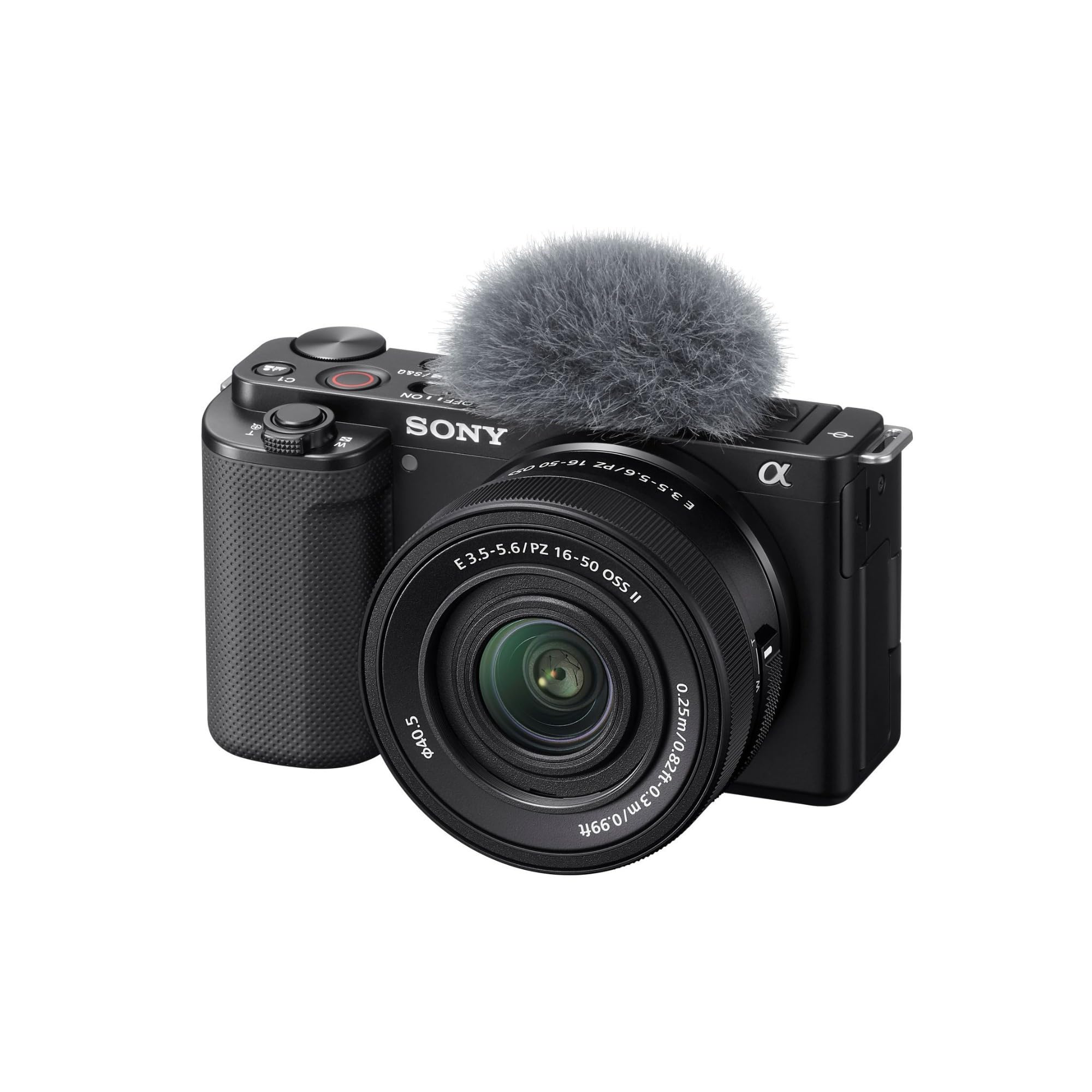
The Sony ZV-E10 shares the same 24.2-megapixel APS-C sensor and fast BIONZ X processor as the A6100, granting it essentially identical image quality and autofocus performance. Its primary distinction is its design focus on vlogging and content creation, but this translates into features useful for portrait shooters. The Background Defocus button instantly toggles a wide aperture for shallow depth of field, a handy shortcut during a portrait session.
The Product Showcase Setting automatically transitions focus from the subject’s face to an object placed in front of the lens, which can be creatively used to swap focus between two subjects or from a subject to a prop. It features a directional 3-capsule mic and a windscreen for better audio if you do video portraits or interviews. The fully articulating screen is excellent for high and low angle portraits.
The ZV-E10 lacks a built-in electronic viewfinder, which some portrait photographers will miss. The kit lens (Sony E PZ 16-50mm F3.5-5.6 OSS) is a basic power zoom, adequate for vlogging but not for serious portraits. You will want to upgrade to a prime lens for optimal results. For the hybrid shooter who does a mix of portrait photography and video content, this is a very smart and affordable choice.
Why it’s great
- Excellent image quality and autofocus at a low cost.
- User-friendly features like Background Defocus button.
- Top-notch video features for hybrid creators.
Good to know
- No viewfinder; screen-only composition.
- Kit lens is very basic; budget for a good prime lens.
9. Nikon D3500
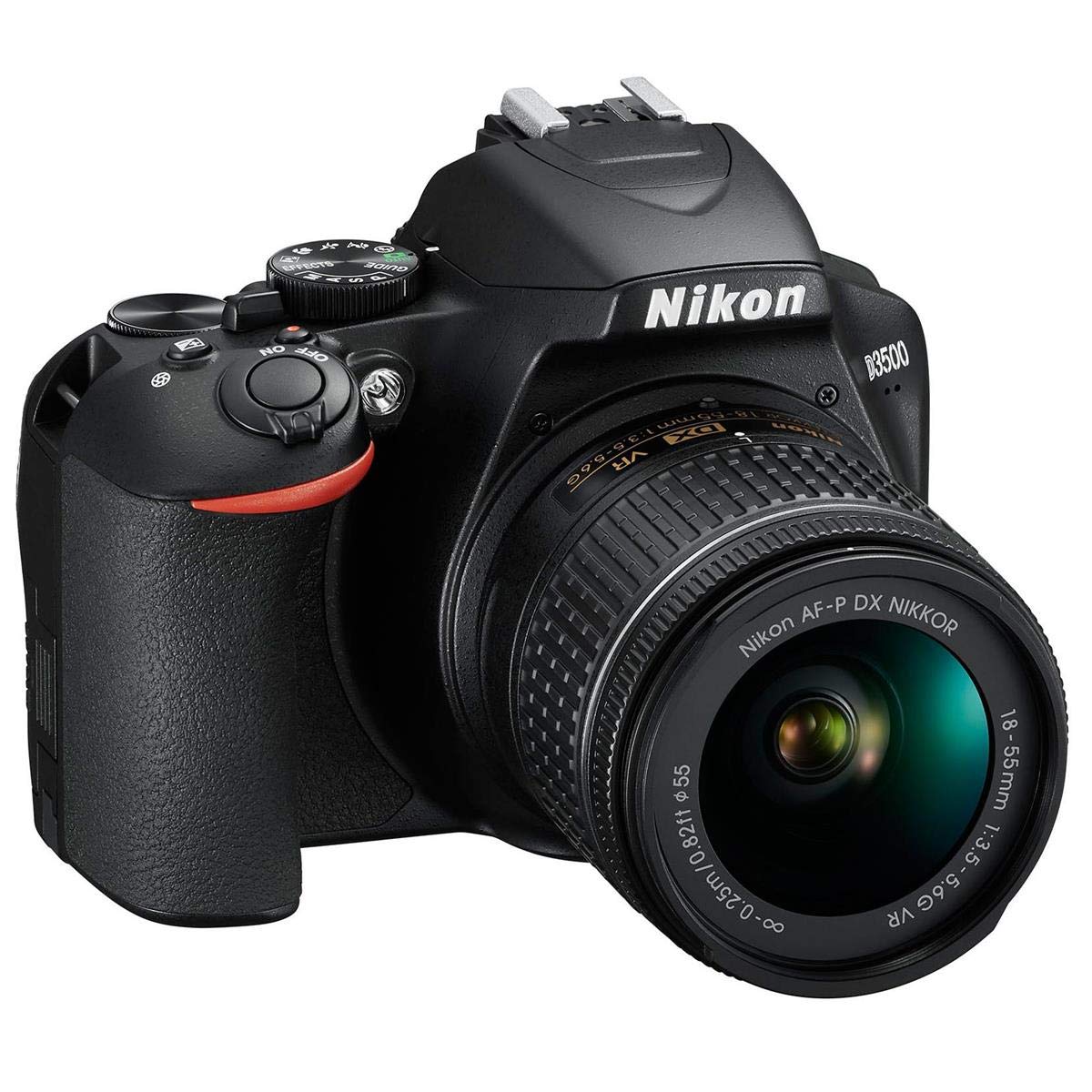
The Nikon D3500 is the quintessential entry-level DSLR that does not compromise on image quality. Its 24.2-megapixel DX sensor, the same size found in many enthusiast cameras, produces sharp, detailed photos with nice colors straight out of camera. The sensor’s 15x larger area than a typical smartphone sensor allows for much better background blur and low-light performance.
Its defining feature is the Guide Mode, which provides on-screen tutorials that explain how changing aperture, shutter speed, and ISO affect the image. This is invaluable for learning the fundamentals of portrait photography. The compact and comfortable design makes it easy to bring along for practice. The optical viewfinder provides a clear, battery-friendly view. The battery life is exceptional, rated for over 1500 shots per charge.
The D3500 uses an 11-point autofocus system, which is basic and does not offer advanced face or eye detection. You will need to use the center point and recompose or manually select a point. It lacks 4K video and does not have a touchscreen. Pairing it with the AF-S DX NIKKOR 35mm f/1.8G or 50mm f/1.8G lens transforms it into a fantastic and affordable portrait learning tool.
Why it’s great
- Excellent battery life and compact DSLR body.
- Guide mode is perfect for learning portrait photography basics.
- Great image quality from its 24.2MP sensor.
Good to know
- Very basic autofocus system with no eye detection.
- No 4K video recording capability.
10. Canon EOS R100

The Canon EOS R100 is the smallest and most affordable body in the EOS R series, designed for beginners stepping into mirrorless cameras. It features a 24.1-megapixel APS-C sensor and the reliable Dual Pixel CMOS AF with 143 zones, providing face and eye detection for stills. This autofocus is a significant upgrade over basic contrast-detect systems and helps keep a subject’s face in focus during a portrait session.
The body is incredibly lightweight and portable, making it a very easy camera to carry for practice. It can record 4K video at 24 fps and Full HD at 60 fps. The DIGIC 8 processor is older but still provides good image quality for the price. The kit lens is the RF-S 18-45mm F4.5-6.3 IS STM, a compact zoom that benefits from image stabilization. For portraits, the RF 50mm f/1.8 STM is a natural and affordable partner.
The R100 compromises on a few key points: it has a fixed, non-touchscreen LCD and a basic electronic viewfinder with a lower resolution. The burst rate in continuous AF is only 3.5 fps. The controls are also simplified, which limits direct access to settings. For someone looking to learn on a modern, small mirrorless system with access to Canon’s excellent RF lenses, it is a fine start, but you will eventually crave more control.
Why it’s great
- Most affordable entry to the Canon RF mirrorless ecosystem.
- Reliable Dual Pixel AF with face detection.
- Extremely compact and lightweight design.
Good to know
- Fixed, non-touch LCD screen limits flexibility.
- Slower continuous shooting and basic viewfinder.
11. Canon EOS Rebel T7 Bundle
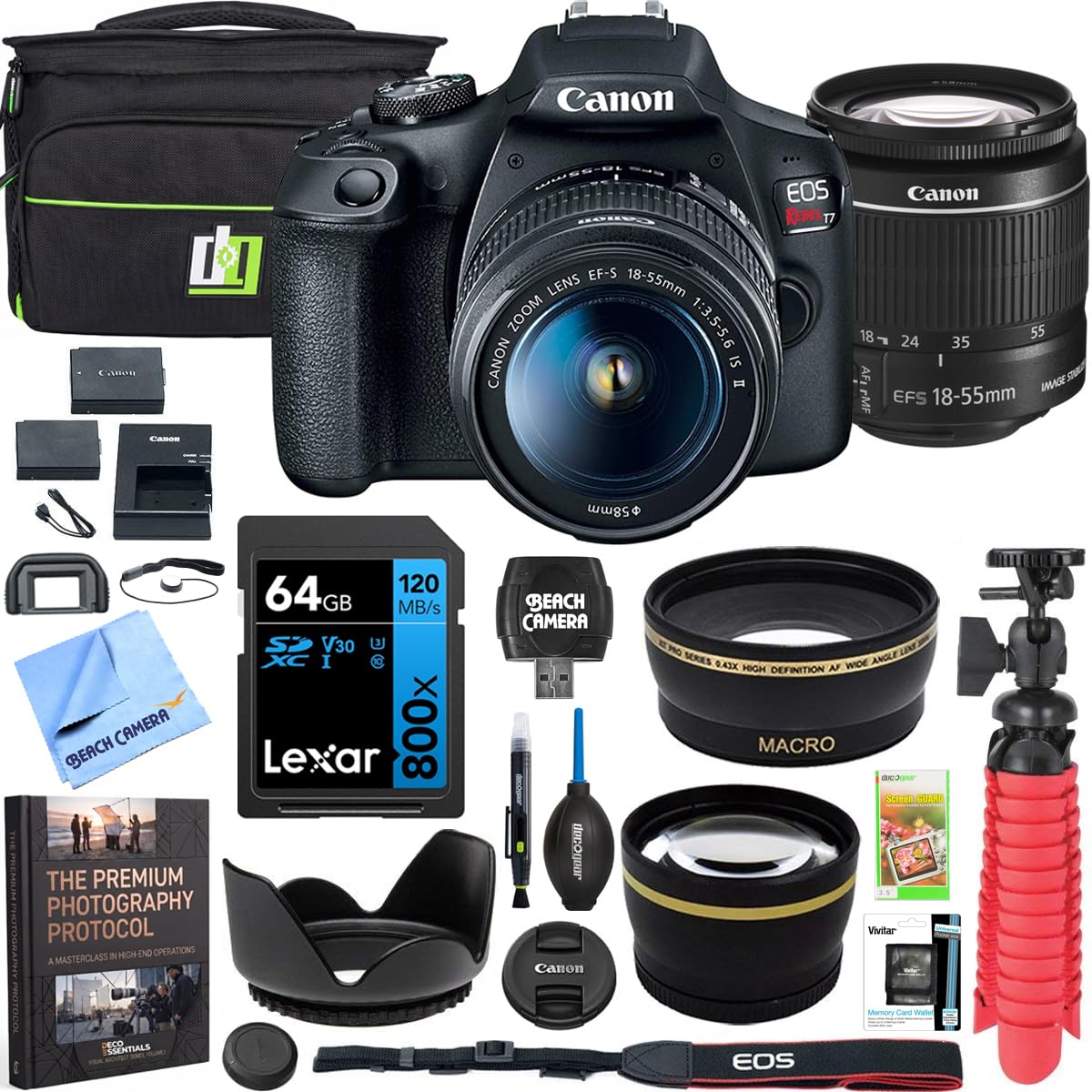
The Canon EOS Rebel T7 is the classic budget DSLR that remains a popular choice for absolute beginners thanks to its value-oriented bundles. The 24.1-megapixel CMOS sensor and DIGIC 4+ processor produce solid images, especially when used with good lighting and a decent lens. The included 18-55mm IS II lens provides a standard zoom range that covers basic needs.
The main appeal of this particular listing is the extensive bundle, which includes a bag, extra battery, 64GB memory card, tripod, cleaning kit, and filter set. This is a one-stop purchase that gets you everything you need to start shooting immediately. The built-in Wi-Fi and NFC allow for easy sharing of photos to a smartphone for quick social media uploads. The optical viewfinder is clear and lag-free.
The Rebel T7 uses a basic 9-point AF system that lacks the sophisticated subject tracking of newer cameras. It also only records video at 1080p. The camera’s design and sensor technology are dated, and the build quality is mostly plastic. For the ultimate budget-conscious learner who wants a complete kit out of the box, the Rebel T7 bundle is an exceptionally easy way to begin, leaving more budget for a dedicated portrait lens like the Canon 50mm f/1.8 STM.
Why it’s great
- Complete bundle with all essential accessories included.
- Very low entry price for an established DSLR system.
- Good 24.1MP image quality for the price.
Good to know
- Dated 9-point autofocus system with no eye detection.
- Basic build quality and no 4K video.
FAQ
How many megapixels do I really need for portrait photography?
Should I buy a full-frame camera or an APS-C camera for portraits on a budget?
Is it better to spend more on the camera body or the lens for portraits?
What is the ideal focal length for portrait photography on an affordable camera?
Final Thoughts: The Verdict
For most users, the affordable camera for portrait photography winner is the Sony a7 III because it offers a mature combination of full-frame image quality, best-in-class battery life, and a massive lens ecosystem that lets you grow as a photographer for years. If you want the absolute best autofocus and Canon’s excellent color science in a light body, grab the Canon EOS R8. And for pure value on an extremely tight budget where you need the most capable body to pair with a manual prime lens, nothing beats the cheap but rugged Nikon D7000.