
Our readers keep the lights on and the weekend projects moving. As an Amazon Associate, I earn from qualifying purchases.
A solid running shoe doesn’t need a three-figure price tag, but the flood of sub- options makes it nearly impossible to tell which ones offer real midsole support and which are just overpriced sneakers with a running logo slapped on. The real difference between a shoe that holds up for 400 miles and one that leaves you with plantar fasciitis after two months comes down to specific midsole compounds, outsole rubber coverage, and heel-counter rigidity—details most casual runners overlook.
I’m Rikta — the founder and writer behind FitlyFast. I spend my time dissecting foam formulas, drop heights, and outsole wear patterns across budget-friendly running footwear to separate the genuine daily trainers from the walking shoes pretending to be runners.
Let this guide cut through the noise and point you to the pair that actually matches your stride. After reviewing seven specific models, this is the definitive take on the best affordable running shoes for pavement, trails, and gym floors alike.
How To Choose The Best Affordable Running Shoes
Finding a cheap running shoe that doesn’t sabotage your knees or wear out in a few months comes down to three non-negotiable specs: the midsole compound, the outsole rubber coverage, and the heel-to-toe drop that matches your footstrike. Ignoring any of these three details is how you end up buying a shoe that feels fine in the store but leaves you sore after three miles.
Match the midsole to your mileage
A basic EVA foam midsole is soft initially but packs down fast. For regular training, look for a molded compound like ASICS’ Amplifoam or Brooks’ DNA Loft—materials that retain their rebound after repeated compression. If you only run occasionally, a simpler foam is fine. But for daily use, the midsole is the first thing that fails in an affordable shoe, so prioritize density over brand.
Understand heel-to-toe drop
Drop is the height difference between the heel and forefoot. A high drop (10-12mm) shifts impact to the knees and favors heel strikers, while a low drop (4-6mm) works for midfoot and forefoot strikers but demands more from the Achilles and calves. Picking the wrong drop is the fastest way to develop runner’s knee or tendon pain, regardless of how cushioned the shoe feels.
Check outsole coverage
Budget running shoes often skimp on rubber coverage on the outsole, using thin strips that wear through after a few months. Look for full-length rubber under the heel and forefoot strike zones. Partial coverage saves weight but sacrifices durability—a bad trade for an affordable shoe meant to last.
Quick Comparison
On smaller screens, swipe sideways to see the full table.
| Model | Category | Best For | Key Spec | Amazon |
|---|---|---|---|---|
| ASICS Gel-Cumulus 27 | Premium | Long daily miles | PureGEL + Amplifoam Midsole | Amazon |
| Brooks Revel 8 | Premium | Extra padded heel | DNA Loft Midsole | Amazon |
| ASICS Gel-Excite 11 | Mid-Range | Narrow feet cushioning | Gel Rearfoot + Amplifoam | Amazon |
| Saucony Guide 18 | Mid-Range | Mild pronation control | 6mm Drop, GuideRail System | Amazon |
| adidas Terrex Tracefinder | Mid-Range | Light trail running | Trail rubber outsole | Amazon |
| ASICS Gel-Venture 11 | Budget | Trail hiking hybrid | Rearfoot Gel + Trail Rubber | Amazon |
| adidas Response Pace | Budget | Gym & walk use | Cloudfoam Midsole | Amazon |
In‑Depth Reviews
1. ASICS Gel-Cumulus 27
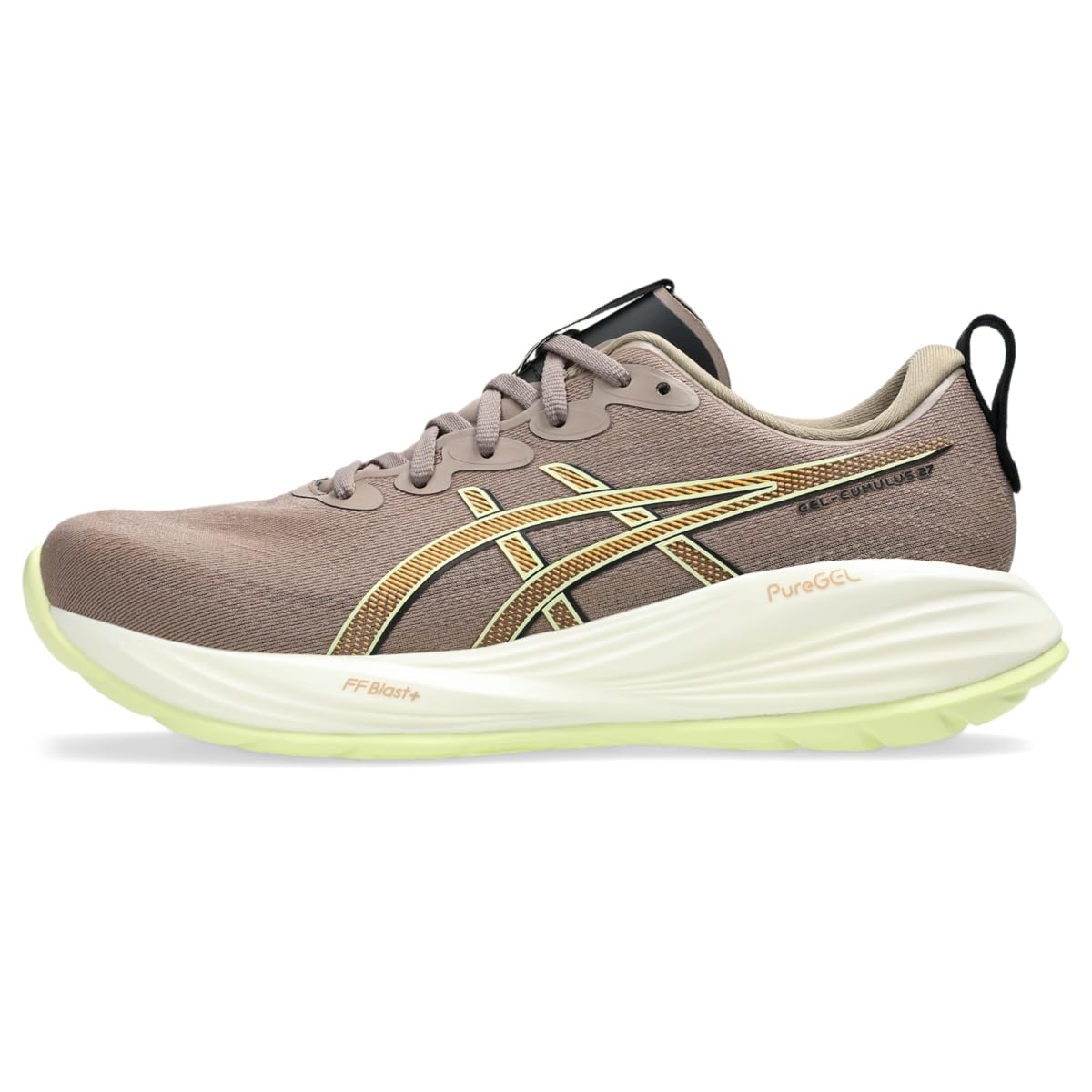
The Gel-Cumulus 27 represents the top end of affordable running, combining a PureGEL rearfoot unit with Amplifoam for a ride that balances softness and energy return without feeling mushy. Reviewers consistently emphasize that the cushion holds up well during long runs, with one noting that the gel absorbs impact noticeably better than standard foam-only midsoles.
This shoe runs true to size with a slightly larger toe box that prevents toe mashing, and breathable mesh keeps feet cool on warmer days. The forefoot has enough room for natural splay, a detail that matters on runs longer than five miles. The orange colorway specifically gets compliments for standing out in a gym setting.
Durability appears strong across the board, with the outsole showing minimal wear after months of regular use. The only catch is that popular colors sell out quickly, so snagging your preferred shade may require acting fast. If you want one shoe for daily pavement running, walking, and gym sessions, this is the most complete package at this price tier.
Why it’s great
- PureGEL units deliver real impact absorption, not just foam compression
- Toe box offers enough room for natural foot splay on long runs
- Durable outsole holds up well across months of daily training
Good to know
- Runs slightly small for some; consider sizing up a half step
- Top colorways sell out fast and may be hard to find
2. Brooks Revel 8
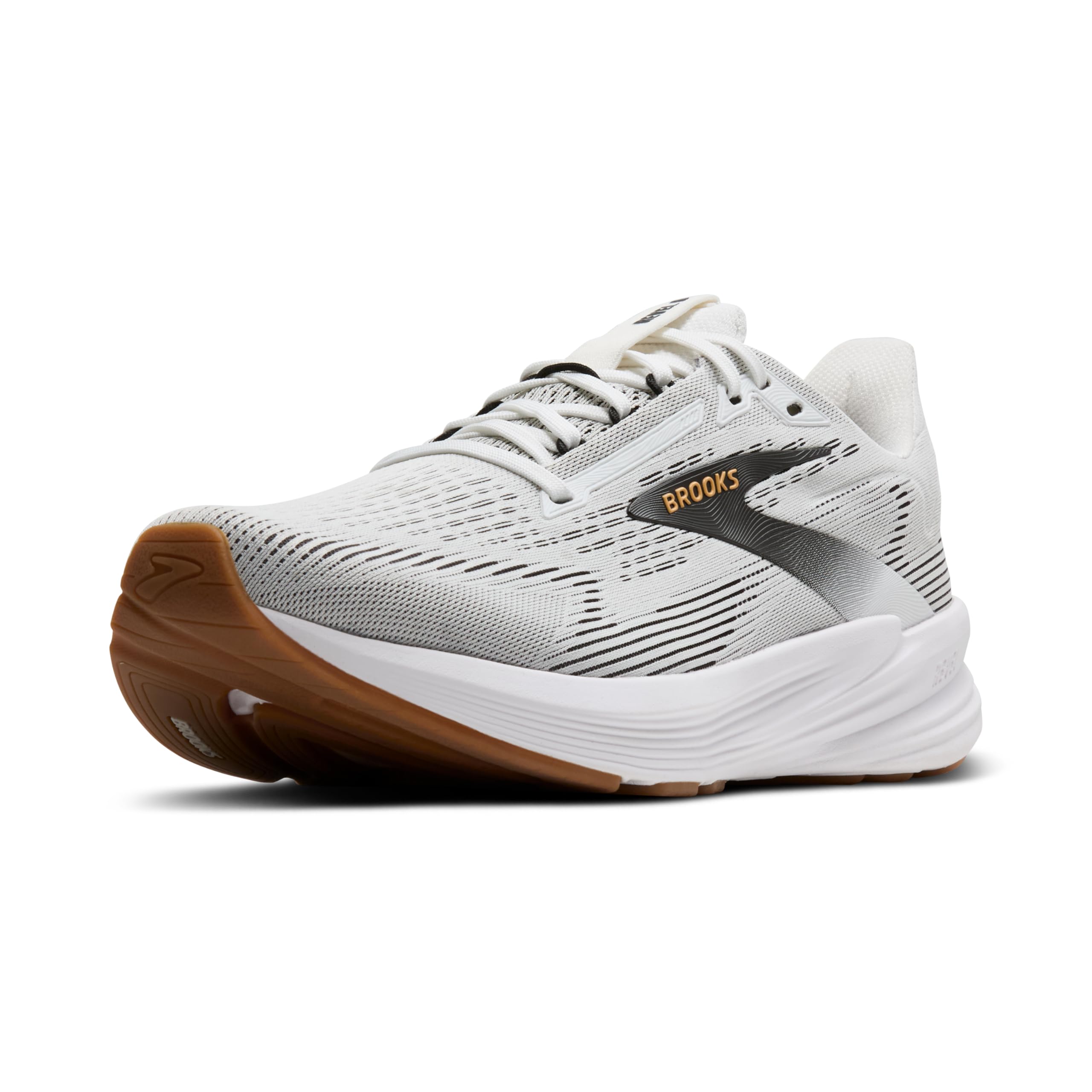
Brooks built the Revel 8 with a DNA Loft midsole that feels plush underfoot without the sluggish, overly soft sensation common in heavy-cushion budget shoes. A soccer referee who logged 274 miles reported switching from trail runners to these and immediately resolving bloody toenails and aching feet, calling the ride “like running on air” while still maintaining a lighter feel than the bulky Hoka alternatives.
The shoe fits snug but comfortable, though multiple reviews warn that ordering a full size larger than your usual Merrell or New Balance size is necessary for a proper fit. The breathable upper and well-cushioned heel counter make this a strong candidate for anyone who deals with heel tenderness or needs extra padding for standing on hard surfaces all day.
One minor complaint is that the included shoelaces are noticeably short, which can be annoying for runners who prefer a double knot. The outsole holds up well, with reviewers noting that the soles remain long-lasting even after significant mileage. This shoe is ideal for neutral runners who prioritize a soft, protective ride and don’t mind the sizing quirk.
Why it’s great
- DNA Loft midsole provides high-impact protection without feeling clunky
- Resolved foot pain and bloody toenails for high-mileage users
- Lightweight construction despite generous cushioning
Good to know
- Order a full size up from your usual athletic shoe size
- Included shoelaces are unusually short
3. ASICS Gel-Excite 11
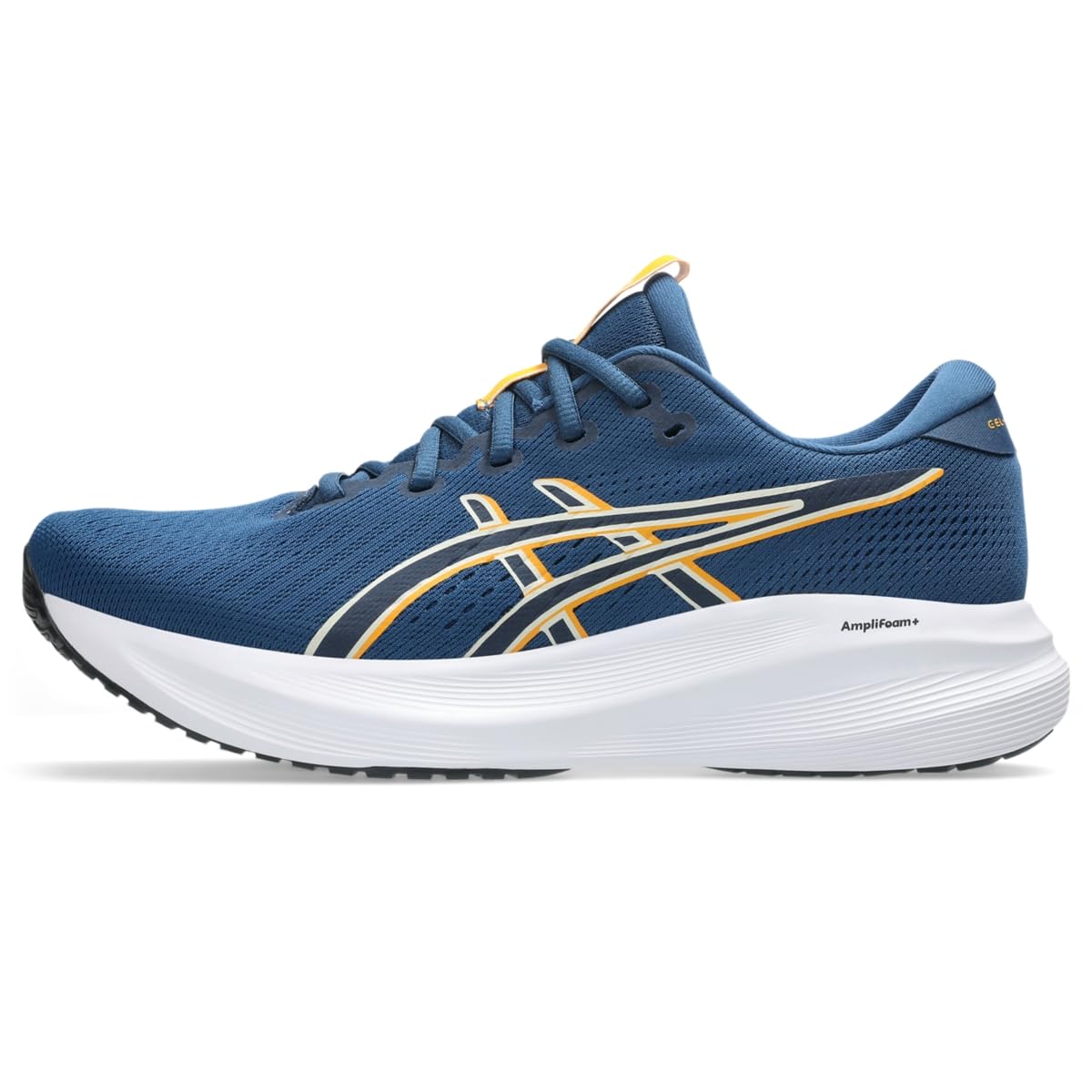
The Gel-Excite 11 slots in as a lighter, more streamlined alternative to ASICS’ bulkier models, using a combination of Amplifoam and rearfoot Gel to keep the ride smooth without piling on weight. Several reviewers praise the shock absorption and energy rebound, noting that the shoe feels stable and efficient on pavement. The upper is breathable and the toe box offers a large fit despite the shoe overall feeling fairly narrow.
This is a solid choice for runners with slender feet who find most mainstream running sneakers too roomy in the heel. One reviewer with foot issues found these supportive enough to ditch their orthotic inserts entirely. The durability of the sole and cushion holds up well over months of use, and the shoe cleans up easily after muddy runs.
Sizing runs slightly small—several users recommend going half a size up. The overall build quality is high for the price point, and the color options are versatile enough for both running and casual wear. For neutral runners who prefer a snug, minimally bulky fit, the Excite 11 delivers great value.
Why it’s great
- Snug fit ideal for narrow feet without slipping in the heel
- Amplifoam and rearfoot Gel provide solid impact absorption
- Breathable mesh upper with a roomy toe box
Good to know
- Runs slightly small; consider going half a size up
- Not suitable for wide foot shapes
4. Saucony Guide 18
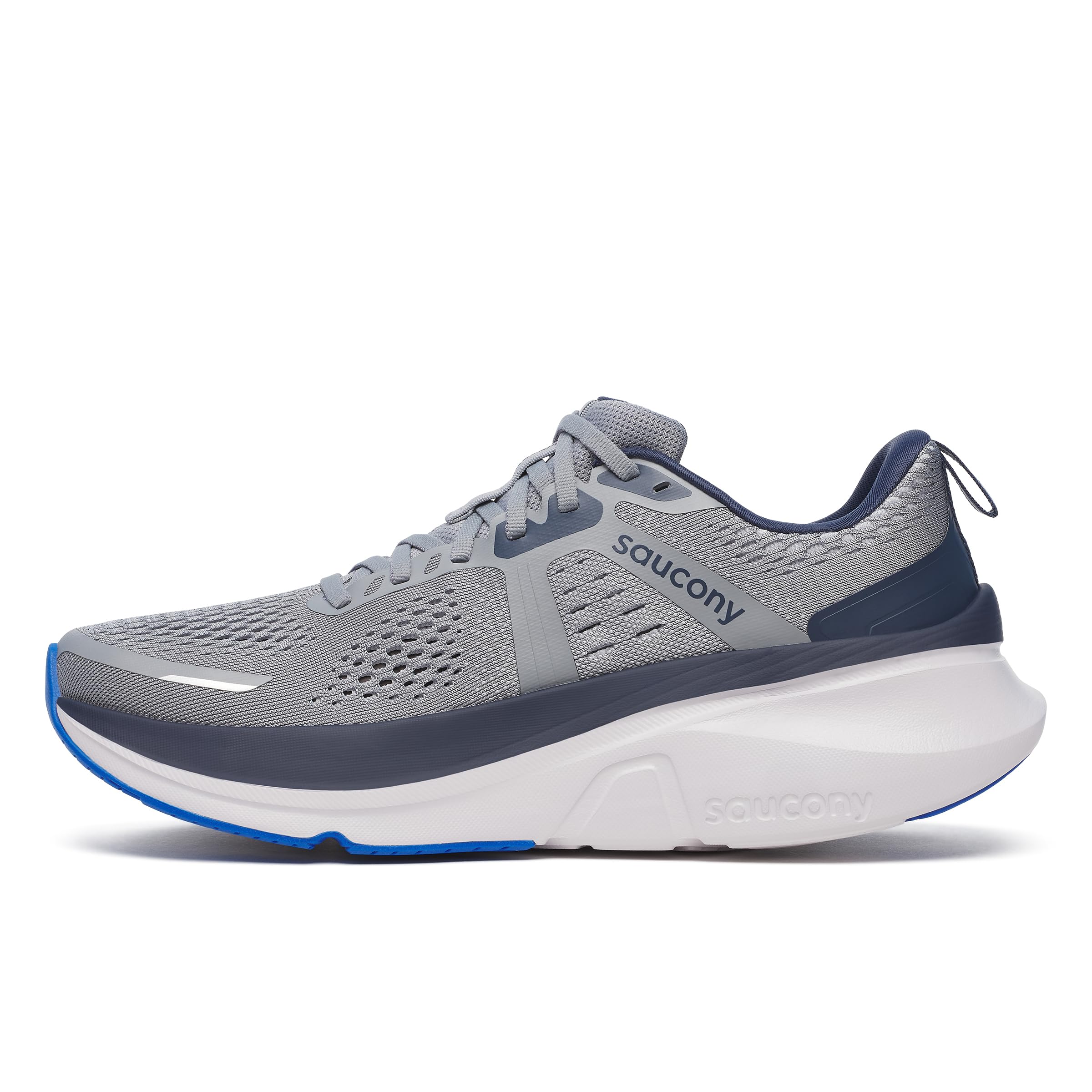
The Saucony Guide 18 uses a GuideRail system to deliver light stability for mild overpronators without the stiff, corrective feel of traditional motion-control shoes. Reviewers praise its cloud-like cushioning combined with surprising support, particularly for heavy heel strikers. One reviewer described the shoe as “light as old racing flats” while still providing generous midsole comfort.
The 6mm drop makes this a versatile option for runners transitioning from higher-drop shoes, and the wide 4E option available accommodates flat-footed users who need extra space upfront. The upper is flexible and breathable, and the insole quality is notably better than what you typically find at this price. The sole holds up well, though the white midsole is prone to showing dirt quickly.
A notable concern is durability of the mesh upper—one non-runner developed a hole at the big toe after about five months. Additionally, the toe box is smaller than previous Guide models, which may feel restrictive for those accustomed to the 14 or 15. If you need mild pronation support without a heavy, plank-like feel, this is the strongest budget-friendly option available.
Why it’s great
- GuideRail system offers light stability for mild overpronators
- Cloud-like cushioning with a light, responsive feel
- Available in 4E wide for flat-footed runners
Good to know
- Mesh upper may develop holes at the big toe area
- White midsole and outsole show dirt easily
5. adidas Terrex Tracefinder

The adidas Terrex Tracefinder is a light trail shoe that feels more like a standard road runner than a clunky off-road boot. A reviewer who logged over 500 miles on sidewalks, trails, and grass reported that the shoes held up remarkably well, with wear looking like only one month despite three months of heavy use. The tread wore down as expected but still retained grip even after that mileage.
The shoe is genuinely lightweight for a trail model, making it versatile for both casual trail runs and everyday pavement wear. The cushioning is soft yet supportive, and the breathable upper prevents overheating on warmer days. The fit is consistent with standard adidas sizing, and the grip on uneven surfaces gets positive marks.
The main weakness is the included insoles, which one reviewer described as poor and recommended swapping with Dr. Scholls “float on air” inserts for better arch support. The sizing chart also appears slightly off for some buyers, with a few finding the shoe too large. If you need a budget-friendly trail model that pulls double duty on roads, this is a solid buy.
Why it’s great
- Extremely durable upper and outsole after 500+ miles of mixed terrain
- Lightweight feel unusual for a trail running shoe
- Good grip on uneven surfaces for its class
Good to know
- Stock insoles are poor quality; plan to replace them
- Sizing chart may be off for some foot shapes
6. ASICS Gel-Venture 11
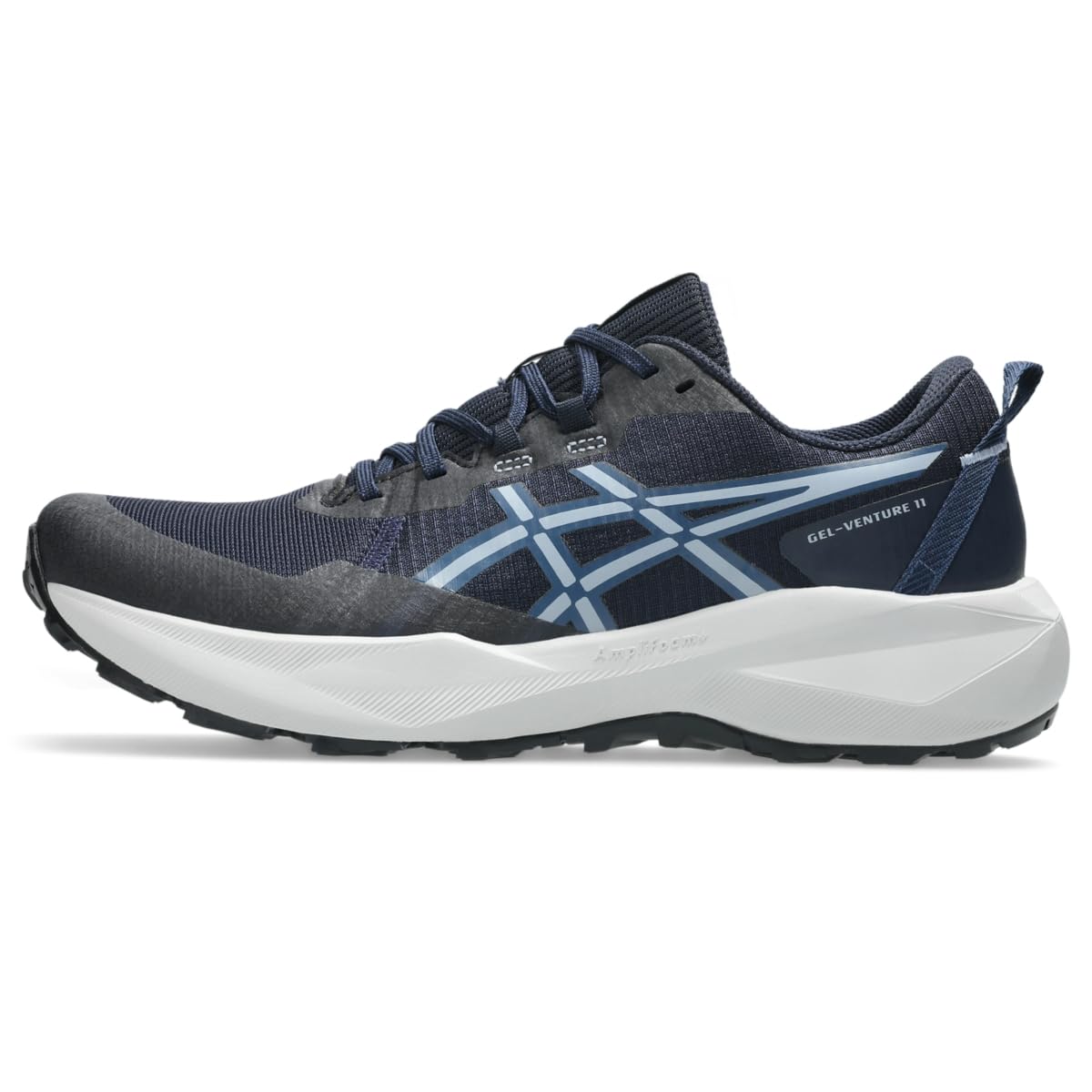
The Gel-Venture 11 delivers the classic ASICS Gel rearfoot cushioning in a trail-oriented package, making it a strong hybrid for light hiking, trail running, and daily use. Reviewers consistently praise the excellent heel and arch support, with one noting that these solved foot issues other shoes couldn’t, and another even using them successfully for golf due to the stable platform.
The trail rubber outsole provides a grippy tread that works well on packed dirt and gravel, though the pattern is aggressive enough to feel a bit loud on pavement. The fit is true to ASICS sizing and slightly less wide than other 4E options, which means narrow-footed runners will appreciate the snugger heel hold. The shoe is lighter and less spongy than other ASICS models, offering better stability for walking.
The most common durability complaint involves the rear tread wearing down quickly—one reviewer reported the rear tread disappearing after six months of 35-40 miles per week. The cheap iron-on ASICS logo is a minor cosmetic letdown. For the price, this is a capable hybrid shoe, but heavy trail runners should expect a shorter lifespan from the outsole.
Why it’s great
- Rearfoot Gel offers excellent heel and arch cushioning for trail use
- Versatile hybrid that works for hiking, running, and even golf
- Accurate sizing with a snug fit for narrow feet
Good to know
- Rear tread wears down quickly under heavy weekly mileage
- ASICS logo is a cheap iron-on that may peel
7. adidas Response Pace
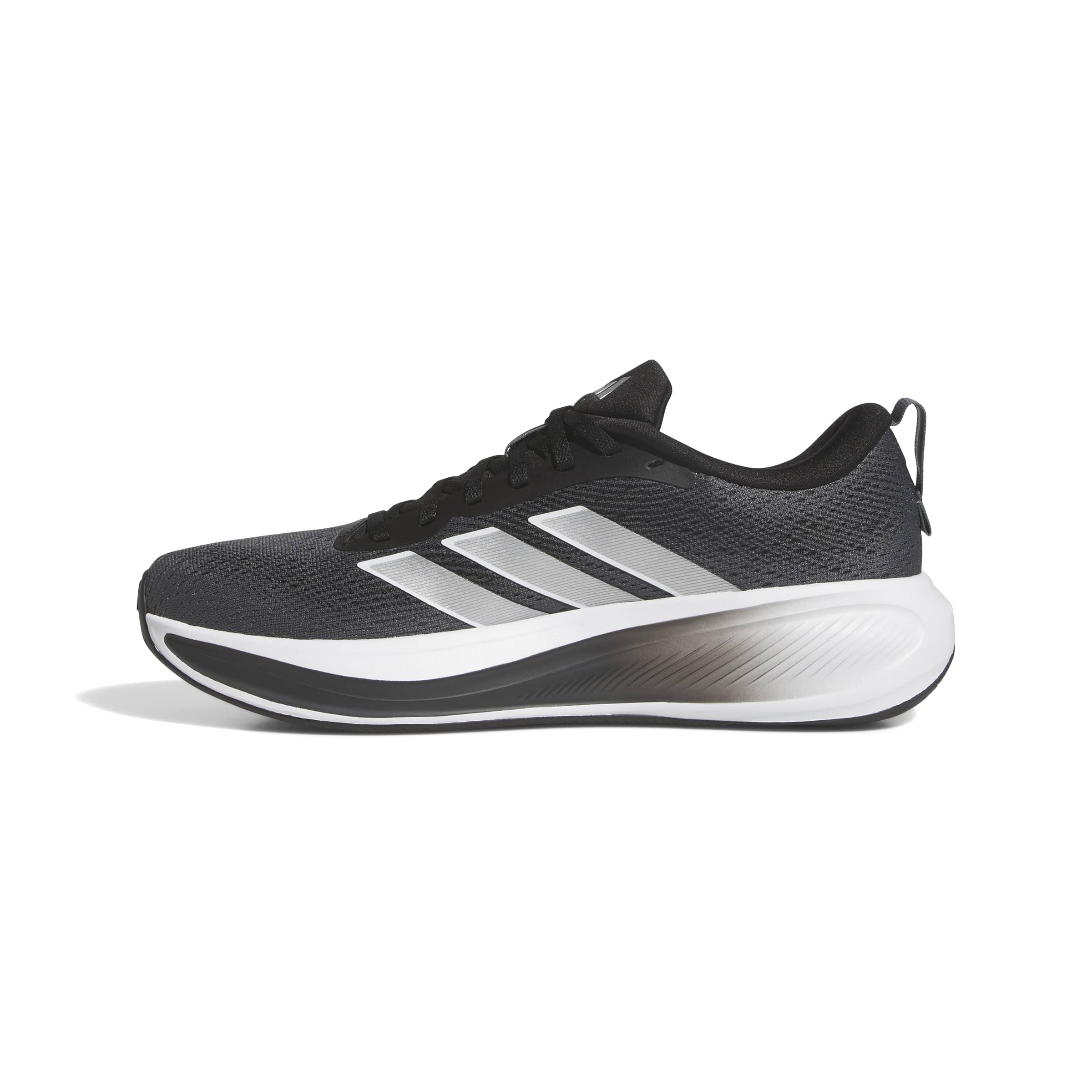
The adidas Response Pace is the most affordable entry on this list, pairing a Cloudfoam midsole with a firm rubber outsole for a stable ride that works best for gym sessions and daily walking rather than serious distance running. The Cloudfoam is soft but not overly squishy, balancing comfort and stability in a way that handles training runs well without feeling unstable. Reviewers appreciate the true-to-size fit and the breathable mesh upper.
Several runners with high weekly mileage described these as perfect training shoes, noting the balance of support, cushioning, and firmness. The rubber outsole adds about an inch of height and provides reliable grip on gym floors and pavement. The non-reflective stripes are a minor aesthetic downgrade, but the shoe overall looks clean and contemporary.
The main limitation is the midsole compound—Cloudfoam is a basic EVA blend that will compress and lose its bounce faster than pricier foams like Amplifoam or DNA Loft. For casual runners or gym-goers logging moderate miles, this is an incredible value. But if you plan to run over 20 miles per week, the cushion will wear out noticeably within a few months.
Why it’s great
- Excellent value for gym training and casual walking
- True-to-size fit with a breathable, comfortable upper
- Firm rubber outsole provides reliable grip and stability
Good to know
- Cloudfoam midsole will compress faster than premium foams under high mileage
- Stripes are non-reflective, a small cosmetic downgrade
FAQ
How many miles should an affordable running shoe last before the midsole dies?
Can I use a budget trail running shoe for road running every day?
What is the best heel-to-toe drop for a beginner runner on a budget?
Final Thoughts: The Verdict
For most users, the best affordable running shoes winner is the ASICS Gel-Cumulus 27 because it pairs genuine rearfoot PureGEL shock absorption with a durable Amplifoam midsole that holds up to daily training without breaking the bank. If you want extra heel padding and a plush, protective ride, grab the Brooks Revel 8. And for a budget-friendly hybrid that handles light trails and daily pavement equally well, nothing beats the adidas Terrex Tracefinder.