
Our readers keep the lights on and the weekend projects moving. As an Amazon Associate, I earn from qualifying purchases.
An irregular heartbeat from atrial fibrillation can strike without warning, turning a normal day into a medical concern. The right wrist-worn device does more than count steps—it continuously monitors your heart’s electrical activity and flags potential AFib episodes so you can take action fast.
I’m Rikta — the co-founder and writer behind FitlyFast. I’ve spent countless hours analyzing the ECG sensor architecture, FDA clearance status, and real-world detection accuracy of today’s leading cardiac-focused wearables to separate true clinical utility from marketing hype.
After cross-referencing customer experiences and technical specifications across dozens of models, this guide delivers a focused, data-backed evaluation of the best afib watch options available, highlighting which features actually matter for reliable atrial fibrillation detection at home.
How To Choose The Best Afib Watch
Not every smartwatch that measures heart rate can detect atrial fibrillation. The key distinction lies in the sensor type, the regulatory clearance behind the algorithm, and how the device handles the data. Here are the four pillars to evaluate before buying.
FDA-Cleared ECG vs. Simple Optical Heart Rate
A photoplethysmography (PPG) sensor uses green and red LEDs to estimate your pulse, but it cannot capture the electrical signature of a heart contraction. An FDA-cleared electrocardiogram (ECG) app, by contrast, records a 30-second single-lead trace that a clinician can read. For AFib detection, the ECG app is the gold standard.
Irregular Rhythm Notification Algorithms
Beyond on-demand ECG recordings, the best devices run background rhythm checks throughout the day. Look for watches that offer “irregular rhythm notifications” — these algorithms analyze pulse data over time and alert you when the pattern suggests potential AFib. The sensitivity of this algorithm varies between brands, so check independent validation studies.
Comfort and Wear Time for Overnight Monitoring
AFib episodes often occur during sleep. A watch that is too bulky, has a stiff band, or needs daily charging will discourage consistent overnight wear. Look for a lightweight case, soft silicone or fabric bands, and enough battery life to track through at least two full nights without interruption.
Data Sharing and Clinical Integration
The ultimate value of an AFib watch is how easily you can share the ECG waveforms and trend data with your cardiologist. Devices that export PDF reports, sync with electronic health record platforms like Apple Health, or allow direct email attachment of ECG strips save you from manually logging episodes.
Quick Comparison
On smaller screens, swipe sideways to see the full table.
| Model | Category | Best For | Key Spec | Amazon |
|---|---|---|---|---|
| Apple Watch Series 11 | Premium | Full iPhone Ecosystem | ECG App & Irregular Rhythm Notification | Amazon |
| Apple Watch Ultra 2 | Ultra-Premium | Multi-day Battery & Rugged Use | Sapphire Crystal & Dual-Freq GPS | Amazon |
| Apple Watch Series 7 Cellular | Premium | Cellular Independence | Blood Oxygen & ECG Sensors | Amazon |
| Withings Scanwatch Nova | Premium | Analog Style & Long Battery | 30-Day Battery with ECG Module | Amazon |
| Samsung Galaxy Watch6 Classic | Mid-Range | Android Ecosystem Integration | Rotating Bezel & BIA Sensor | Amazon |
| Samsung Galaxy Watch5 Pro | Mid-Range | Samsung Phone Users | Sapphire Crystal & Titanium Case | Amazon |
| Fitbit Sense 2 | Mid-Range | Google Health Premium | cEDA Sensor & ECG App | Amazon |
| Garmin vívoactive 5 | Entry-Level | Fitness-First Tracking | AMOLED Display & 11-Day Battery | Amazon |
| Audar E2 Senior Smartwatch | Specialty | Remote Carer Monitoring | Built-in eSIM & Fall Detection | Amazon |
In‑Depth Reviews
1. Apple Watch Series 11
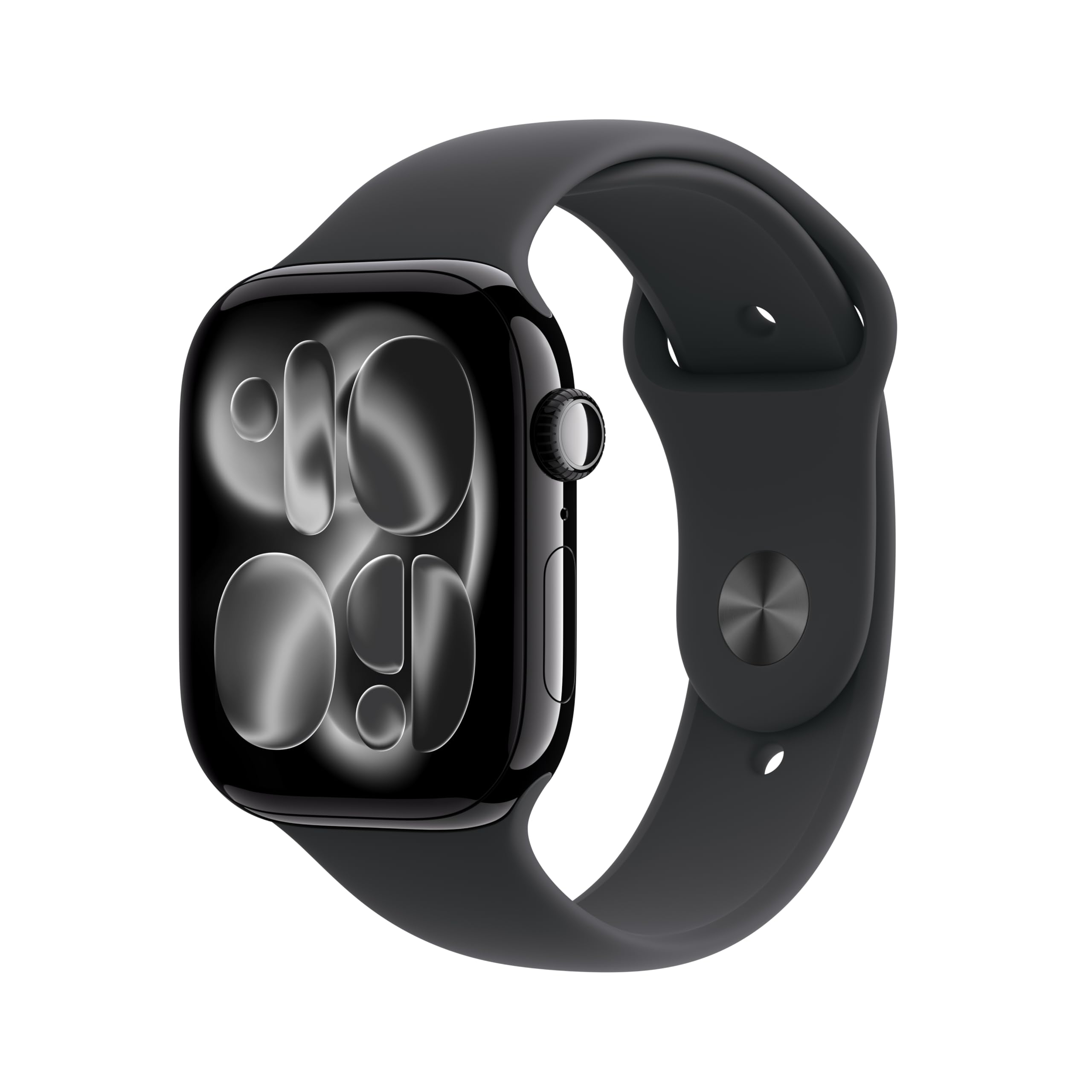
The Apple Watch Series 11 sets the benchmark for consumer AFib detection with its FDA-cleared ECG app and background irregular rhythm notifications. The Vitals app consolidates overnight metrics like heart rate, respiratory rate, and wrist temperature into a single morning snapshot, making it easy to spot trends. Users consistently report that the ECG capture is intuitive — simply rest your finger on the Digital Crown for 30 seconds — and the PDF export integrates cleanly with Apple Health for sharing with providers.
Beyond arrhythmia monitoring, the Series 11 offers hypertension notifications by analyzing blood vessel responses, which adds another layer of cardiovascular insight. The fast-charge battery reaches 80 percent in about 45 minutes, supporting all-day and overnight wear with minimal downtime. The always-on Retina display remains readable in direct sunlight without the gesture needed on older models.
The watch requires an iPhone for full functionality, which locks out Android users. The scratch-resistant glass is durable, but a screen protector is still a wise addition for daily wear against hard surfaces like gym equipment or nightstands.
Why it’s great
- FDA-cleared ECG with on-demand capture and background irregular rhythm alerts
- Vitals app provides overnight health snapshot for trend spotting
- Fast charging supports consistent overnight wear for AFib tracking
Good to know
- Only compatible with iPhone — no Android support
- Battery life is 24 hours with normal use, requiring daily charging discipline
2. Apple Watch Ultra 2

The Apple Watch Ultra 2 inherits the same ECG and irregular rhythm notification engine as the Series 11 but wraps it in a 49mm titanium case built for extreme environments. The precision dual-frequency GPS ensures accurate location tracking during outdoor runs, and the battery stretches to 36 hours normal use — 72 hours in Low Power Mode — meaning you can wear it through consecutive nights without hunting for a charger. The siren and built-in cellular provide a safety net for solo adventurers who may experience cardiac symptoms far from help.
For AFib monitoring specifically, the larger Digital Crown and customizable Action button make initiating an ECG recording simple even with gloves on or during physical activity. The sapphire front crystal is far more scratch-resistant than the standard Ion-X glass, critical for users who work with tools or in rugged terrain. Tested to MIL-STD 810H, the Ultra 2 handles temperature extremes and shock better than any other Apple Watch.
The 49mm case diameter is noticeable on smaller wrists and may feel bulky under dress shirts. The current model omits the blood oxygen sensor due to ongoing legal disputes, so if SpO2 tracking is a priority, factor that limitation into your decision.
Why it’s great
- 36-hour battery life supports multi-night AFib monitoring without recharge anxiety
- Sapphire crystal and titanium case withstand harsh daily wear and impacts
- Built-in cellular and siren add safety layer for remote activities
Good to know
- 49mm case is large and may not suit smaller wrists well
- Blood oxygen sensor is disabled on current US models
3. Apple Watch Series 7 GPS + Cellular

The Series 7 remains a viable AFib watch for users who want cellular independence without the Ultra price tag. It packs the same ECG app and irregular rhythm notifications as newer models, plus a blood oxygen sensor that the current Series 11 discards. The always-on Retina display is 70 percent brighter indoors than the Series 6, making it easier to read ECG waveforms during a recording session without excessive squinting.
Cellular connectivity means you can leave your iPhone behind during a run or walk and still receive heart health alerts, make calls, or stream music. The crack-resistant front crystal and IP6X dust certification give it above-average durability for a standard smartwatch. Charging is faster than Series 6 — about 33 minutes to 80 percent — which helps maintain overnight wear for consistent AFib tracking.
The trade-off is shorter battery life relative to the Ultra line; expect 18 hours with cellular use. The older S7 SiP is still snappy for health apps, but users who want the latest sleep apnea detection will need a newer generation.
Why it’s great
- Cellular model allows ECG recording and alerts without a phone nearby
- Blood oxygen sensor is active and functional, unlike current-gen models
- Faster charging supports daily top-ups for overnight sleep tracking
Good to know
- Battery life is modest at 18 hours with cellular enabled
- Older processor may not receive future health features
4. Withings Scanwatch Nova

The Withings Scanwatch Nova solves the biggest barrier to consistent AFib monitoring: battery anxiety. With a 30-day battery life and a classic analog watch face, it encourages round-the-clock wear without the daily charging ritual. The built-in ECG module is FDA-cleared and takes a medical-grade 30-second reading when you touch the bezel and crown simultaneously. The watch also tracks overnight heart rate variability and SpO2, flagging irregularities that might indicate paroxysmal AFib.
The hybrid design uses physical hour and minute hands plus a small PMOLED display for notifications and health data. This approach appeals to users who find full smartwatch screens distracting or unprofessional in business settings. The stainless steel case and scratch-resistant sapphire glass give it the fit and finish of a traditional Swiss timepiece. The Withings app allows easy PDF export of ECG traces for your cardiologist.
The on-watch alarm is absent — you must rely on the phone app for wake-up alerts. Some customers report that sleep stage detection overestimates total sleep because it counts time spent reading in bed as sleep. The battery is non-replaceable, meaning the device has a finite lifespan.
Why it’s great
- 30-day battery life removes the need for nightly charging, improving AFib monitoring consistency
- Analog design with discreet health display suits professional environments
- FDA-cleared ECG with easy PDF export for clinical sharing
Good to know
- No on-watch alarm function forces reliance on smartphone
- Sleep stage detection can overestimate total duration
5. Samsung Galaxy Watch6 Classic

The Galaxy Watch6 Classic brings a rotating physical bezel back to Samsung’s lineup, making navigation through the ECG app and health tiles effortless without touching the screen. Its BioActive sensor combines optical heart rate, electrical heart signal, and bioelectrical impedance analysis into one package, enabling both on-demand ECG recordings and background irregular rhythm detection. Samsung Health provides a straightforward report that can be exported as a PDF for your doctor.
The 47mm stainless steel case with sapphire crystal offers premium durability that matches the Apple Watch Ultra in toughness but at a lower price point. The sleep coaching feature analyzes your sleep stages — light, deep, REM — and offers personalized guidance, which is valuable for understanding how sleep quality may affect heart rhythm. With cellular LTE built in, you can leave your phone behind and still receive urgent health notifications.
Battery life hovers around two days with always-on display and WiFi enabled, and three days with those features turned off. The ECG app is FDA-cleared in the US, but the blood pressure monitoring feature is not activated in the United States, so international buyers should check local regulatory status.
Why it’s great
- Physical rotating bezel allows precise ECG control without screen smudges
- Sapphire crystal and stainless steel case provide excellent scratch resistance
- BIA sensor delivers body composition data alongside heart health metrics
Good to know
- Battery life is limited to 2-3 days, requiring regular charging
- Blood pressure monitoring is not available in the US version
6. Samsung Galaxy Watch5 Pro
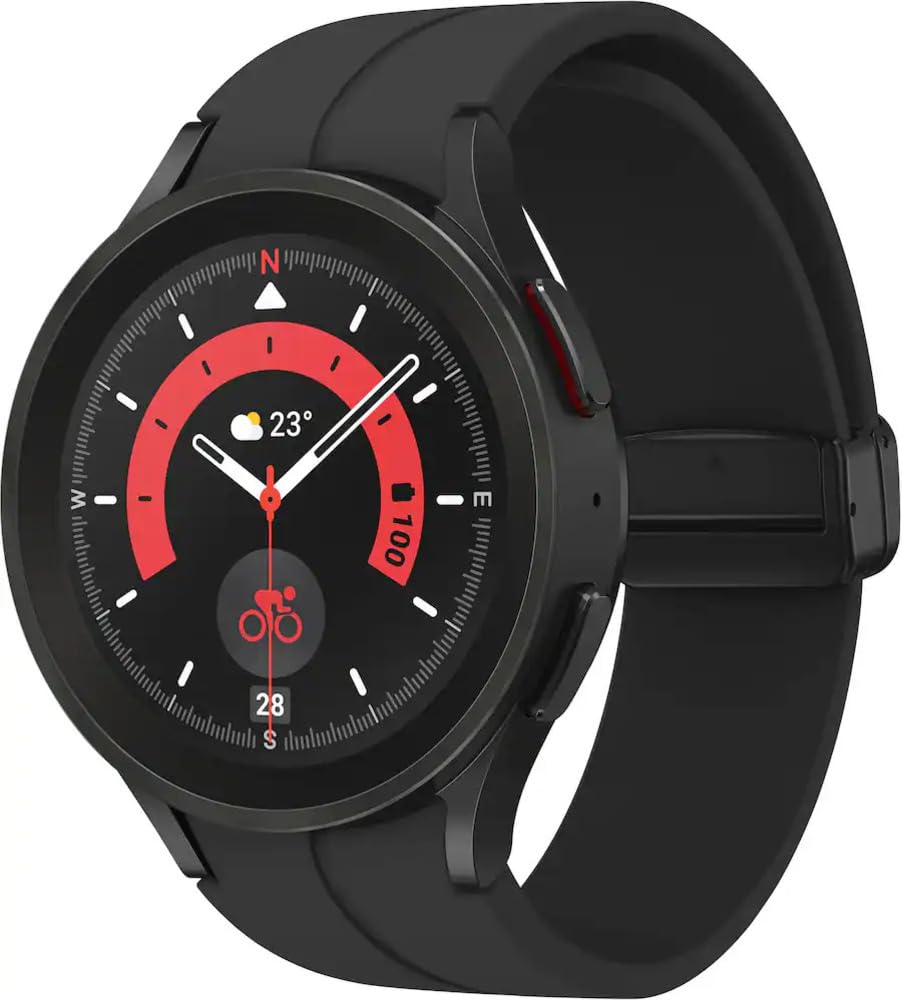
The Galaxy Watch5 Pro shares the same BioActive sensor as the Watch6 Classic, giving it full ECG and irregular rhythm detection capabilities. Where it differs is the rugged titanium case and sapphire crystal glass, both of which are 2x stronger than the standard aluminum-and-glass construction. This makes it a better choice for users who work outdoors or engage in rock climbing, hiking, or mountain biking where impacts are likely.
Route Tracking and Track Back features let you follow GPX-format routes and retrace your path, which is useful for maintaining orientation during long trail runs where heart rhythm concerns might arise. The battery life improves on the Watch6 Classic by roughly 20 percent — expect up to 80 hours with moderate use — reducing the friction of nightly charging for AFib surveillance. The curved sensor array sits closer to the skin, improving signal quality during motion-heavy workouts.
The watch performs best when paired with a Samsung Galaxy phone; some features like blood pressure monitoring remain region-locked. The physical design lacks the rotating bezel of the Watch6 Classic, so ECG navigation relies entirely on touch input, which can be finicky with sweaty or wet fingers.
Why it’s great
- Titanium case and sapphire glass offer superior impact and scratch resistance
- Longer battery life than Watch6 Classic supports multi-night AFib monitoring
- Curved BioActive sensor improves heart rate accuracy during intense exercise
Good to know
- Best features are optimized for Samsung Galaxy phone pairing
- No physical bezel means ECG navigation is solely touch-based
7. Fitbit Sense 2

The Fitbit Sense 2 is built around stress management, but its core heart health stack includes an FDA-cleared ECG app and irregular heart rhythm notifications. The continuous electrodermal activity (cEDA) sensor tracks sweat gland response, helping you correlate stress spikes with potential arrhythmia triggers. The Daily Readiness Score combines heart rate variability, sleep quality, and recent activity to tell you whether your body is primed for exercise or needs recovery — useful context for AFib patients managing exertion.
Fitbit Premium unlocks deeper analytics like the Health Metrics Dashboard, which shows trends in breathing rate, heart rate variability, and SpO2 variation. The sleek, slim design with raised band attachments makes the Sense 2 comfortable for all-day wear, including during sleep. Battery life reaches six days with normal use, meaning you can track multiple nights of sleep without worrying about a recharge mid-week.
Several long-term users report that charging prongs can become clogged after 12-18 months, leading to charging failures. The sync process with the Fitbit app can be slow, sometimes taking 15-30 minutes to transfer data. The Google Health Premium membership is included for three months, but ongoing use requires a subscription.
Why it’s great
- cEDA sensor links stress levels to heart rhythm changes, aiding AFib trigger identification
- Comfortable all-day and overnight wear with 6-day battery life
- FDA-cleared ECG app with irregular rhythm notifications for baseline detection
Good to know
- Charging prong clogging is a known durability issue over extended use
- Sync speeds can be slow, delaying access to heart health data
8. Garmin vívoactive 5

The Garmin vívoactive 5 focuses on broad health and fitness tracking rather than clinical-grade AFib detection. It includes wrist-based heart rate monitoring, HRV status, and a Body Battery energy gauge, but it lacks an onboard ECG app and does not offer FDA-cleared irregular rhythm notifications. For users who want a high-battery smartwatch that provides general heart rate trend data and can alert them to unusually high or low readings, this is a capable entry-level option.
The bright AMOLED display and 11-day battery life are standout features for daily wear without charging interruptions. The watch supports over 30 built-in sports apps, including walking, running, cycling, and swimming, and includes a wheelchair mode that tracks pushes instead of steps. Sleep tracking with sleep score and HRV status provides context for how rest quality influences daytime heart rate patterns.
Because the vívoactive 5 does not have ECG capability, it cannot provide a diagnostic trace for atrial fibrillation. Users who need confirmed AFib detection should look at Apple or Samsung models with dedicated ECG sensors. The device also lacks a built-in microphone and speaker, so you cannot take calls or use voice assistants from the wrist.
Why it’s great
- 11-day battery life minimizes charging frequency for continuous heart rate tracking
- Bright AMOLED display with always-on mode is easy to read in various lighting
- Body Battery and HRV status offer useful context for overall cardiovascular recovery
Good to know
- No ECG sensor or irregular rhythm notifications for AFib diagnosis
- Lacks microphone and speaker for on-wrist calls or voice commands
9. Audar E2 Senior Smartwatch
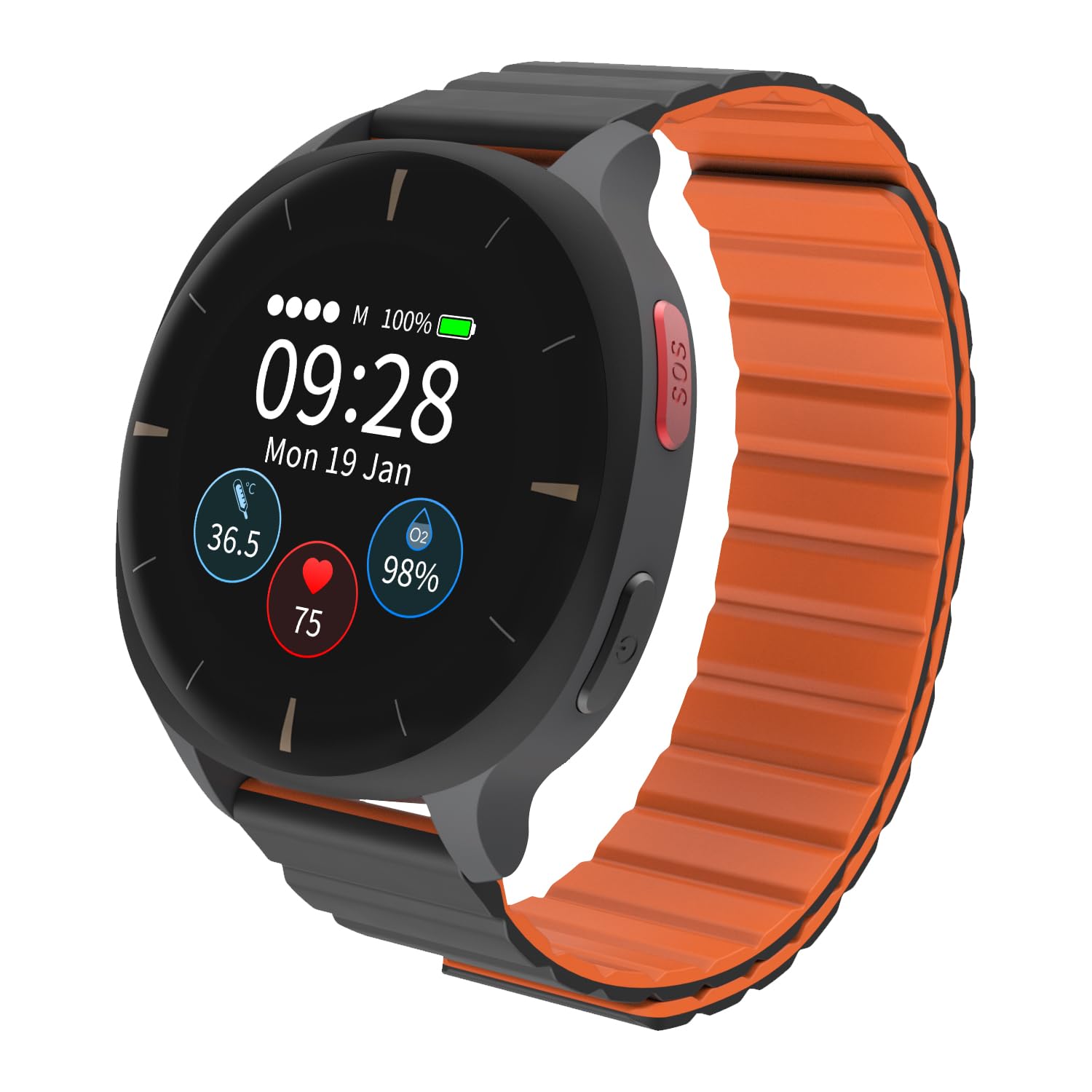
The Audar E2 is purpose-built for seniors and remote caregivers, featuring automatic heart rate, blood pressure, SpO2, and temperature monitoring on a customizable schedule. It uses a built-in eSIM to transmit health data to the Audar Health dashboard, which multiple carers can view from anywhere. The watch can send SOS alerts with GPS location in the event of a fall or panic button press, making it a safety net for elderly users living alone.
The IoT connectivity works across 20+ countries without roaming fees, and the first year of cellular service is included. The battery lasts up to 10 days with one measurement per hour, and the magnetic strap is designed for easy fitting on arthritic hands. The AI Wellbeing Reports provide weekly summaries that may help identify unusual health trends, such as sustained heart rate elevations.
The watch cannot call 911 directly — it only contacts pre-designated family members, and SMS messages cost extra per bundle. Some users report frequent false fall alerts that consume notification tokens. The ECG capability is not FDA-cleared, so this device is best viewed as a monitoring tool rather than a clinical AFib diagnostic.
Why it’s great
- Built-in eSIM provides remote health monitoring without a phone or Bluetooth connection
- Automatic vital sign measurements on a customizable schedule for consistent data
- Fall detection and SOS with GPS location offer safety support for seniors
Good to know
- Cannot call 911 directly — alerts go only to pre-designated contacts
- ECG feature is not FDA-cleared for clinical AFib diagnosis
FAQ
Can an Afib watch replace a medical Holter monitor?
How often should I take an ECG reading on my watch if I have known AFib?
Which smartwatch brand has the most FDA clearances for heart health?
Final Thoughts: The Verdict
For most users, the best afib watch winner is the Apple Watch Series 11 because it combines an FDA-cleared ECG app with background irregular rhythm notifications and seamless clinical data sharing. If you want a 30-day battery that removes charging friction, grab the Withings Scanwatch Nova. And for an Android user who needs a rugged build alongside reliable heart monitoring, nothing beats the Samsung Galaxy Watch6 Classic.