
Our readers keep the lights on and the weekend projects moving. As an Amazon Associate, I earn from qualifying purchases.
AI has officially moved from a marketing buzzword to the core reason to upgrade your phone. The latest devices pack dedicated neural processing units, on-device language models, and generative editing tools that can rewrite your photos, transcribe your meetings in real time, and even screen your calls with a personality. The hard part is figuring out which phones actually deliver useful AI — and which ones just slap a sticker on last year’s hardware.
I’m Rikta — the co-founder and writer behind FitlyFast. After spending countless hours analyzing the AI feature sets across dozens of models, from the camera-coaching algorithms to the on-device translation engines, I’ve filtered out the noise to bring you the phones that genuinely earn the AI badge.
Whether you want a daily assistant that never sleeps or a creative tool that erases photobombers without a trace, this guide breaks down the eleven most compelling options for the best ai phone on the market right now.
How To Choose The Best AI Phone
The race to add AI has created a confusing market where every phone claims to be smart. Your real decision comes down to three factors: how deeply the AI integrates with your daily workflow, whether the AI processing happens on-device or in the cloud, and which AI ecosystem (Gemini, Galaxy AI, or a proprietary system) you want to live inside.
On-Device AI vs. Cloud AI
On-device AI uses a dedicated Neural Processing Unit (NPU) inside the phone’s chipset to run tasks locally. This means near-instant responses for features like real-time translation, photo editing, and voice commands — and your data never leaves the phone. Cloud-dependent AI, by contrast, sends data to remote servers, which introduces latency and raises privacy concerns. For a truly responsive assistant, prioritize phones with powerful NPUs like the Google Tensor G5 or the Snapdragon 8-series chips.
Core AI Features That Matter
Not all AI features are created equal. Focus on the ones you’ll actually use daily: generative photo editing (moving or removing objects), real-time call screening and transcription, smart note-taking that summarizes meetings, and contextual assistant commands that understand your habits. A phone with a packed AI toolbox but a clunky interface is less useful than one with a few polished, fast tools you can rely on.
Ecosystem Lock-In: Gemini, Galaxy AI, and Beyond
Google’s Gemini is deeply baked into the Pixel 10 series, offering seamless integration with Google services like Gmail, Maps, and Drive. Samsung’s Galaxy AI, powered in part by Google, adds proprietary features like Generative Edit in the Gallery app and Bixby routines. Other manufacturers use their own AI engines with varying levels of polish. Choose the ecosystem that matches your existing app and service usage for the smoothest experience.
Quick Comparison
On smaller screens, swipe sideways to see the full table.
| Model | Category | Best For | Key Spec | Amazon |
|---|---|---|---|---|
| Google Pixel 10 (Obsidian) | Premium | On-device Gemini & triple camera | Google Tensor G5 chipset | Amazon |
| Samsung Galaxy Z Fold7 | Premium | Multitasking & foldable AI | 200MP camera with ProVisual Engine | Amazon |
| Ulefone Armor 28 Ultra Thermal | Premium | Rugged use & thermal imaging AI | 10600mAh battery & 120W charging | Amazon |
| Google Pixel 10 (Frost) | Premium | Pure Android AI experience | Triple rear camera with 5x telephoto | Amazon |
| Nothing Phone (3) | Mid-Range | AI organization & Glyph interface | Snapdragon 8s Gen 4 chip | Amazon |
| Samsung Galaxy S25 FE (JetBlack) | Mid-Range | Generative Edit & Galaxy AI | 4900mAh battery | Amazon |
| Samsung Galaxy S25 FE (White) | Mid-Range | Galaxy AI at a lower cost | 4900mAh battery | Amazon |
| Google Pixel 10a (256GB) | Mid-Range | Camera Coach & 7-year updates | 30+ hour battery life | Amazon |
| Google Pixel 10a (128GB) | Entry-Level | Budget-friendly AI entry | IP68 dust & water resistance | Amazon |
| MMY 32+1TB Rugged Armor | Budget | Extreme durability & huge battery | 22000mAh battery capacity | Amazon |
| Xiaomi Redmi Note 15 Pro 5G AI | Budget | Value AI features & high-res camera | 200MP main camera with OIS | Amazon |
In‑Depth Reviews
1. Google Pixel 10 (Obsidian) – 128 GB
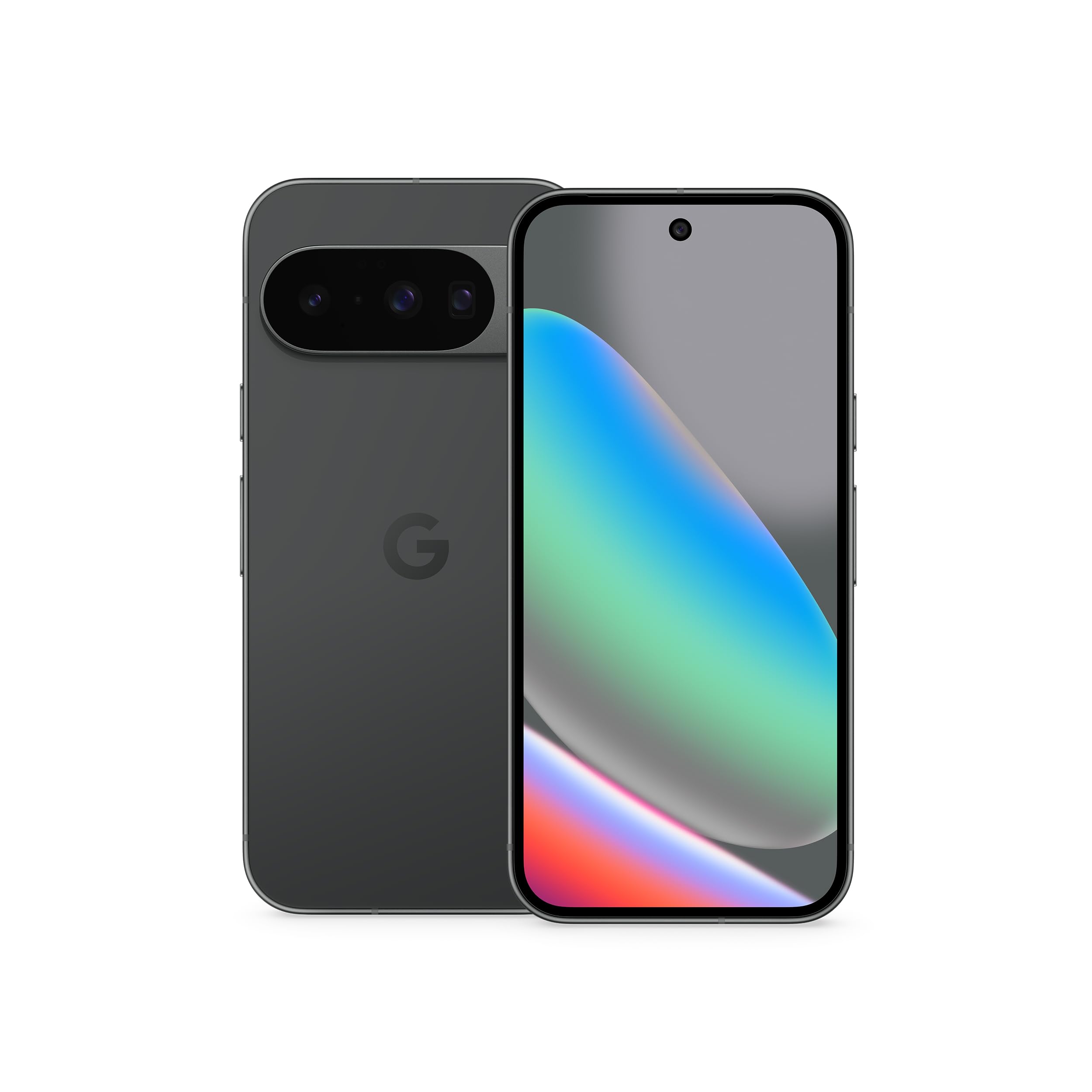
The Google Pixel 10 is the definitive AI phone because Google built its own Tensor G5 chip exclusively to run on-device machine learning. This means Gemini responds instantly, photo editing happens without uploading your images, and features like Call Screen can transcribe spam calls before you even pick up. The 6.3-inch Actua display hits 3000 nits peak brightness, making outdoor use effortless, and the scratch-resistant Gorilla Glass Victus 2 with IP68 rating means you can take it anywhere.
The upgraded triple rear camera system includes a new 5x telephoto lens with up to 20x Super Res Zoom — a massive leap for capturing distant subjects. Night Sight remains best-in-class for low-light photography, and the Camera Coach feature guides you to frame the perfect shot every time. With 12GB of RAM and Android 16 out of the box, this phone feels snappy and future-proofed for years of software support.
Battery life is rated at 24+ hours with fast charging support, and the eSIM-only design keeps things slim. Some users note a slow initial startup that resolved after an update, and the heavy AI integration can feel overwhelming if you prefer a minimalist experience. But for raw AI horsepower and a camera that thinks for you, this is the top contender.
Why it’s great
- Tensor G5 chip delivers fastest on-device AI processing
- Camera system with 5x telephoto and 20x Super Res Zoom
- IP68 water and dust resistance with Gorilla Glass Victus 2
Good to know
- eSIM only — no physical SIM slot
- AI features are deeply integrated and can’t be fully disabled
2. Samsung Galaxy Z Fold7 – 512 GB
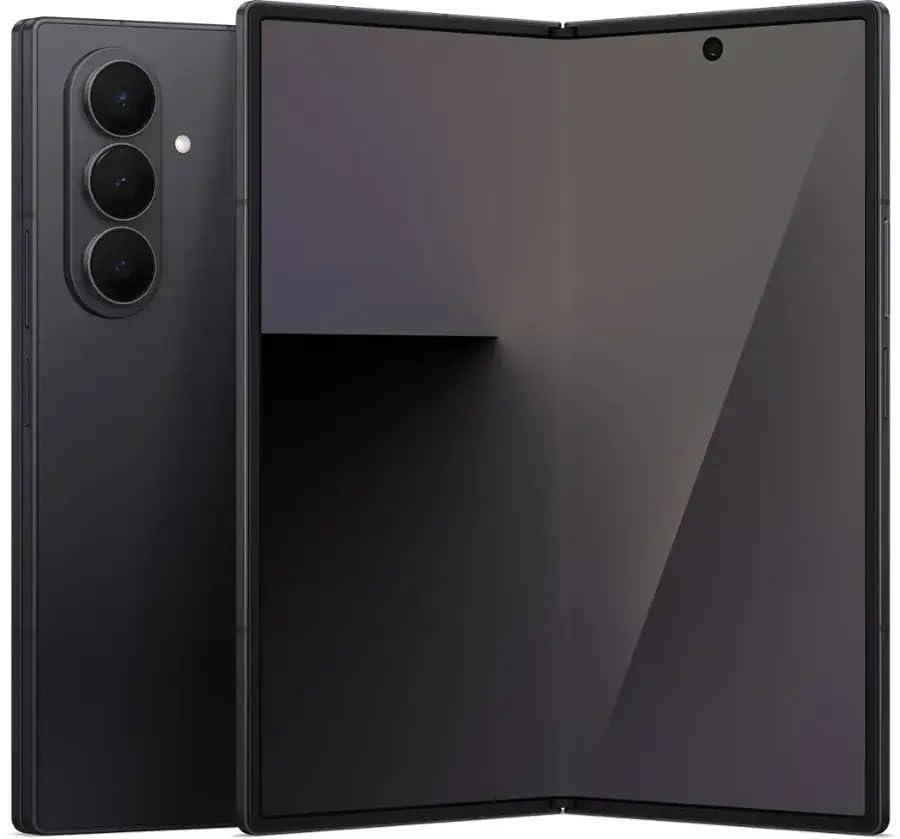
The Galaxy Z Fold7 redefines what an AI phone can do by combining a massive 8-inch foldable internal display with Samsung’s Galaxy AI suite. The Snapdragon 8 Elite processor for Galaxy and a 200MP main camera with ProVisual Engine mean you can capture ultra-detailed photos and then edit them on the expansive screen using Generative Edit — moving, resizing, or erasing objects with a tap. The cover display is wider and thinner than previous models, making one-handed use much more practical.
Samsung’s AI integration goes deep: you can Go Live with Google Gemini while screen-sharing to get real-time assistance, and the phone supports up to three simultaneous windows on the main display for true desktop-style multitasking. The Armor Aluminum frame and Gorilla Glass Ceramic 2 display add durability that foldable users need, and the 4400mAh battery delivers a full day of heavy use with 33 hours of talk time.
The form factor is still noticeably thicker than a standard slab phone, and the price reflects the premium engineering. Some users report that the inner screen crease is still visible, and finding cases for the unique shape can be challenging. If you want a foldable that doubles as a productivity powerhouse with AI at its core, this is the most capable option available.
Why it’s great
- 200MP main camera with ProVisual Engine for detailed shots
- 8-inch foldable display with triple-window multitasking
- Snapdragon 8 Elite processor tuned for Galaxy
Good to know
- Premium price — a significant investment
- Foldable form factor adds thickness and weight
3. Ulefone Armor 28 Ultra Thermal Version

The Ulefone Armor 28 Ultra Thermal Version is a unique AI phone that integrates a dedicated thermal imaging camera powered by the MediaTek Dimensity 9300+ chip’s NPU. The AI-enhanced ThermoVue T2 sensor delivers 640 x 512 resolution at 25Hz, making it invaluable for electricians, inspectors, and outdoor enthusiasts who need to see heat signatures with unprecedented clarity. The phone also packs a 1-inch type IMX989 50MP sensor for main photography and a 64MP night vision camera with 4 infrared LEDs.
Beyond the thermal camera, this phone is built like a tank with IP68 and IP69K certifications, MIL-STD 810H compliance, and Corning Gorilla Glass 5 protection. The 10600mAh battery supports 120W fast charging — 40% in 10 minutes — plus 50W wireless charging. The 6.67-inch AMOLED display at 120Hz and a 1.04-inch AMOLED sub-display on the back give you dual-screen flexibility for notifications and quick selfies.
It’s not compatible with AT&T or Cricket, and the sheer size and weight (it’s a true rugged phone) make daily pocket carry a consideration. Some users note the thermal camera is excellent for relative heat mapping but less accurate for absolute temperature readings. If your work or recreation demands a phone that can handle extreme conditions and see what your eyes can’t, this is the AI tool for the job.
Why it’s great
- AI-powered thermal imaging with 640×512 resolution at 25Hz
- Massive 10600mAh battery with 120W fast charging
- IP68, IP69K, and MIL-STD 810H durability
Good to know
- Not compatible with AT&T or Cricket networks
- Very bulky and heavy for everyday carry
4. Google Pixel 10 (Frost) – 128 GB
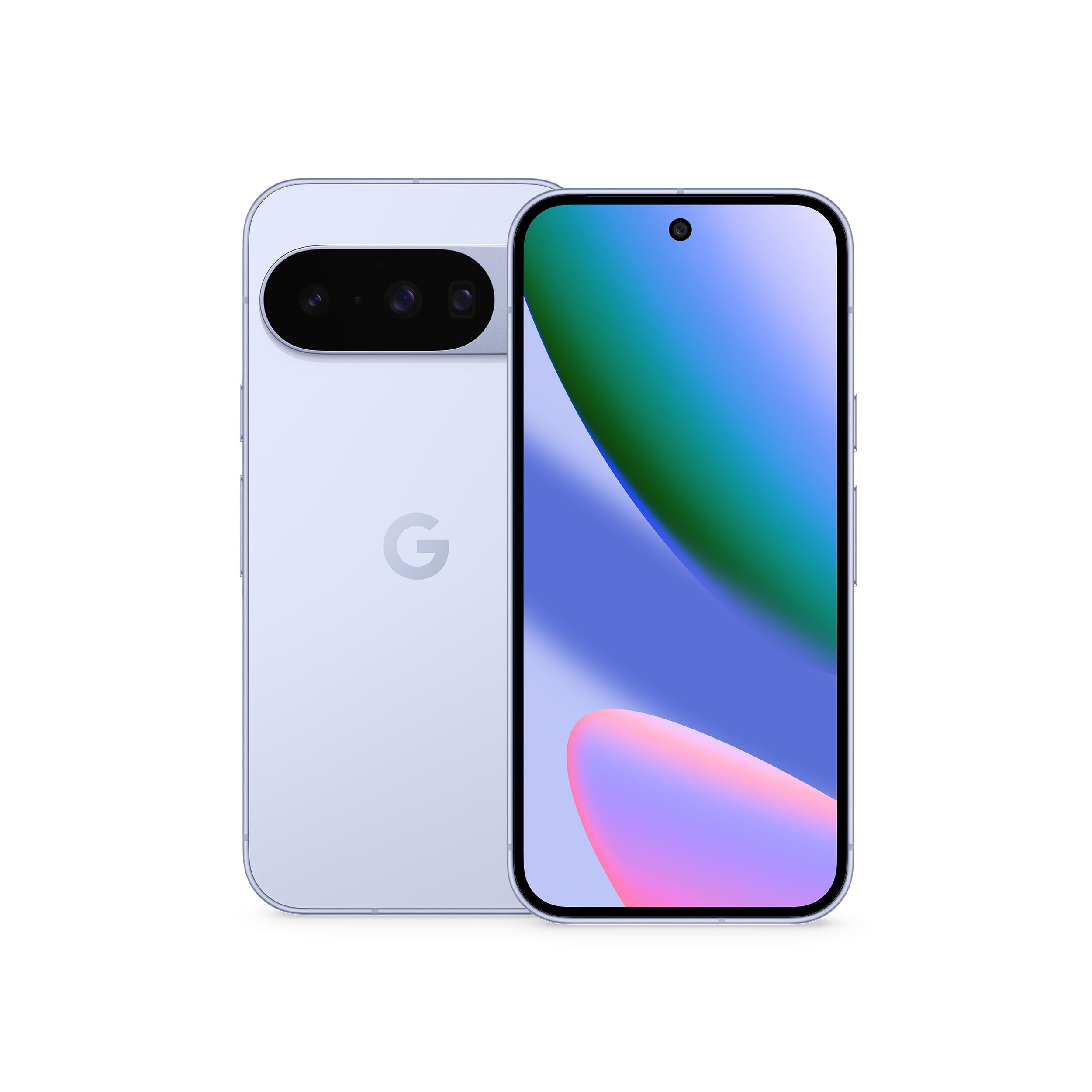
The Frost variant of the Google Pixel 10 is fundamentally the same powerhouse as the Obsidian model — same Tensor G5 chip, same triple camera system with 5x telephoto, same 6.3-inch Actua display at 3000 nits. It’s a testament to how deeply Google has embedded AI into every aspect of the phone. Gemini is always listening, ready to help with meal planning, trip routing, or creative brainstorming. The Camera Coach feature is a standout for novice photographers, offering real-time framing guidance.
With 12GB of RAM and Android 16, this phone handles the most demanding AI workloads without breaking a sweat. The build quality is excellent, with a smooth finish and Corning Gorilla Glass Victus 2 that feels premium in the hand. The IP68 rating means it can survive a dunk in water, and the battery easily lasts a full day with mixed use — some users report 24 hours of uptime with background apps running.
The key trade-off is the eSIM-only design (no physical SIM slot) and the fact that AI features are front and center, which may not appeal to every user. Some buyers have noted that the Bluetooth tends to auto-enable after restarting. If you want the purest, most integrated Google AI experience in a sleek package, this is it — just choose the color that fits your style.
Why it’s great
- Full Tensor G5 AI capabilities in a premium package
- 5x telephoto lens with 20x Super Res Zoom
- Scratch-resistant Gorilla Glass Victus 2 and IP68
Good to know
- eSIM only — no physical SIM card slot
- AI features are deeply integrated and can be intrusive
5. Nothing Phone (3) – 512 GB

The Nothing Phone (3) distinguishes itself with a design-first approach that doesn’t skimp on AI. The Snapdragon 8s Gen 4 chip, built on a 4nm process, powers an AI engine that drives the phone’s signature features: Essential Key and Essential Space. Press the side button once to capture a screenshot, long-press to record voice notes, and double-press to access a curated space where AI organizes your captures, generates suggestions, and helps you stay on top of priorities. It’s a genuinely novel way to interact with AI — less chatbot, more contextual memory.
The 6.67-inch FHD+ AMOLED display with 120Hz adaptive refresh hits 4500 nits peak brightness — 181.2% brighter than the Phone (2). The quad 50MP camera system (main, periscope, ultra-wide, and front) delivers pro-grade photography with AI enhancements like Auto Tone, Portrait Optimiser, and Night Mode.
It fully supports AT&T and T-Mobile bands but requires Verizon whitelisting for that network. The clean Nothing OS has minimal bloatware, though the Essential Key cannot be fully remapped. Some users find the Glyph lights gimmicky at first, but many grow to appreciate the customizable, interactive feedback. If you want AI that prioritizes organization and a phone that looks like nothing else, this is a compelling choice.
Why it’s great
- AI-powered Essential Space organizes captures and notes
- Glyph Interface provides unique visual notifications
- Quad 50MP cameras with periscope zoom
Good to know
- Remapping the Essential Key is not possible
- Limited case and accessory availability
6. Samsung Galaxy S25 FE (JetBlack) – 256 GB
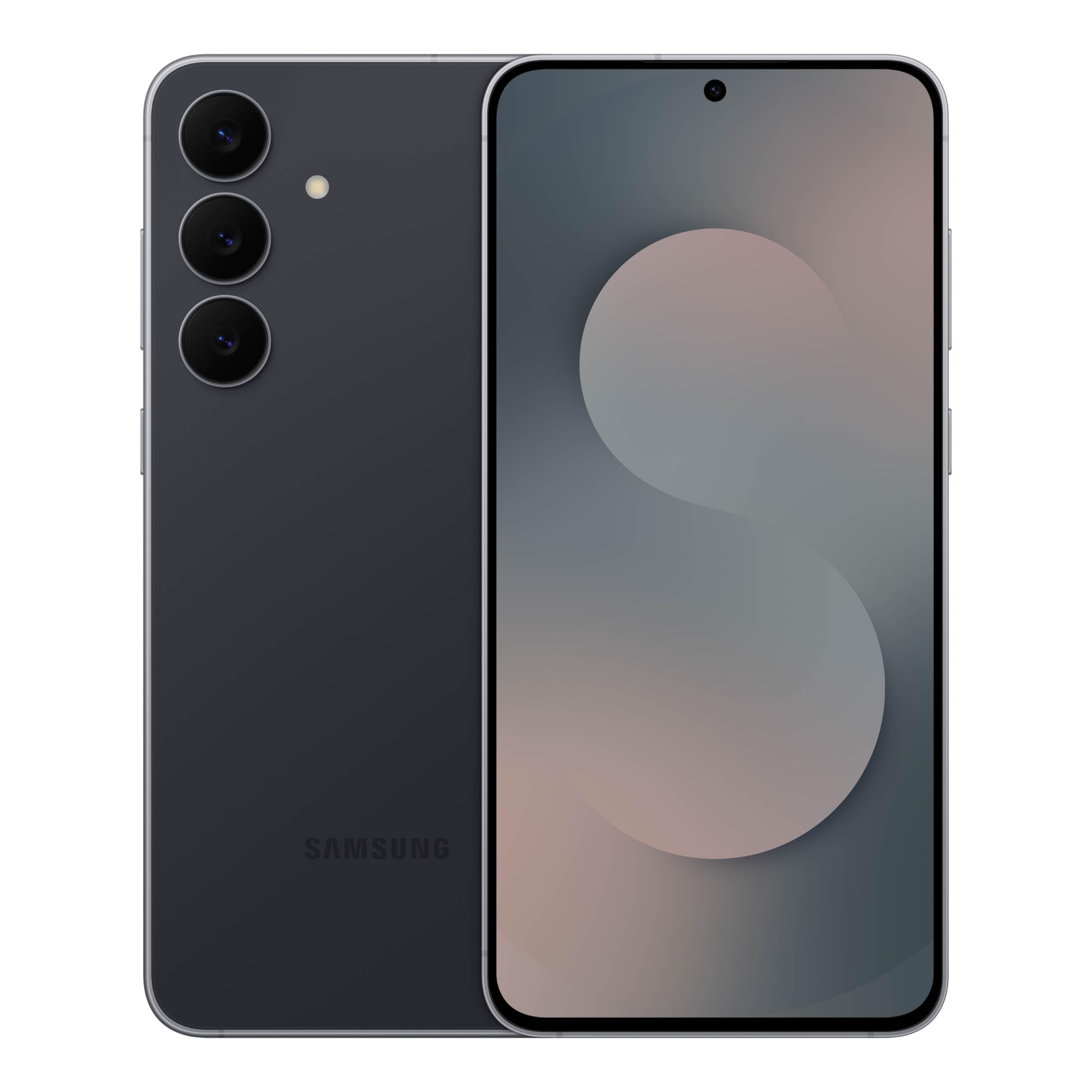
The Samsung Galaxy S25 FE brings most of the Galaxy AI features from the flagship S25 series into a more accessible package. You get Generative Edit for moving, resizing, or erasing objects in photos, plus the ProVisual Engine that enhances the 12MP selfie camera and rear lenses. The 6.7-inch display is big and bright, with a 120Hz refresh rate for smooth scrolling, and the 4900mAh battery with Super Fast Charging 2.0 keeps you powered through heavy days.
The build quality is excellent — an Armor Aluminum frame and Gorilla Glass Victus+ protect against everyday drops and scratches. The phone is lightweight and slim, making it easy to carry despite the large screen. Samsung’s cooling system has been improved for sustained performance, and the customized chipset handles multitasking with zero lag. Users consistently praise the premium feel for the price point, noting it rivals the S25 in day-to-day performance.
The main caveats are software-related: Samsung has been phasing out Samsung Messages in favor of Google Messages, which some users dislike, and the Google Play ecosystem has become more ad-heavy. The 128GB base storage can fill up quickly if you shoot a lot of video. If you want Galaxy AI features without paying the Ultra price, this is the sweet spot in the Samsung lineup.
Why it’s great
- Full Galaxy AI suite including Generative Edit
- Large 6.7-inch 120Hz display with slim profile
- 4900mAh battery with Super Fast Charging 2.0
Good to know
- Software bloat and ad-heavy Google Play experience
- Base storage may be insufficient for heavy users
7. Samsung Galaxy S25 FE (White) – 256 GB
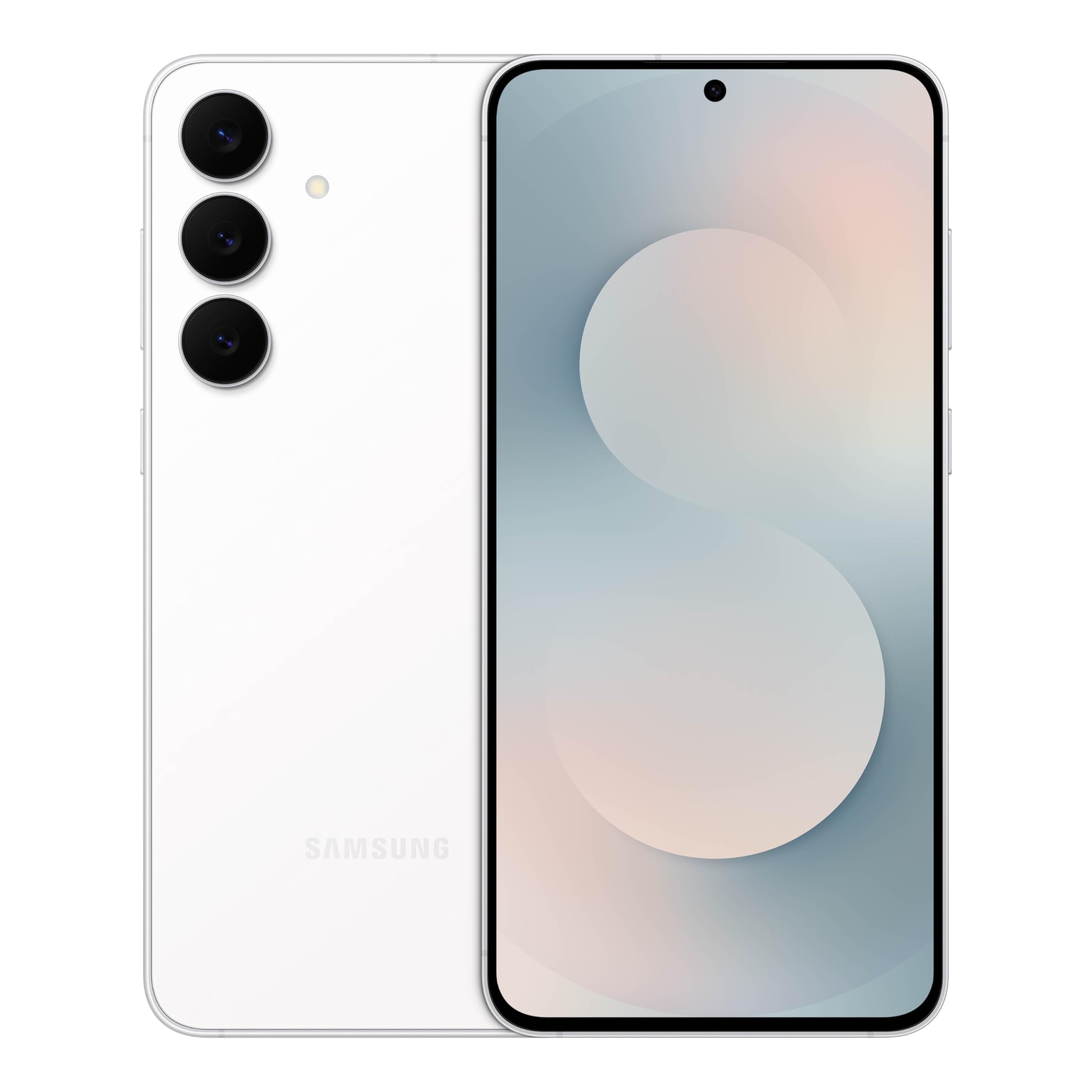
This White variant of the S25 FE shares the exact same hardware and AI capabilities as the JetBlack model — the 6.7-inch display, 4900mAh battery, and Armor Aluminum frame are identical. The Galaxy AI photo editing tools are the headline feature: you can move, resize, or erase objects with Generative Edit, and the AI seamlessly recreates the background. The 12MP selfie camera benefits from the ProVisual Engine, delivering sharp and vivid self-portraits.
The lighter color option is great for users who want a phone that stays cooler in direct sunlight and hides fingerprints better than darker finishes. Performance is snappy with zero lag during everyday tasks, and the in-screen fingerprint sensor is fast and reliable. Users appreciate that the phone feels unlocked and flexible, working with any major US carrier without contract lock-in. The build quality is solid, with metal edges that give it a premium feel.
Potential downsides include the same software bloat and ad-heavy Google Play experience that affects the JetBlack version. Some users have reported that Google Messages takes over default SMS functionality, which can be jarring if you prefer Samsung Messages. The camera is excellent for document scanning and social media, but not quite at the level of the S25 Ultra’s zoom capabilities. This is a well-rounded AI phone for users who value editing tools and a sturdy build.
Why it’s great
- Galaxy AI Generative Edit for object removal and resizing
- Lightweight design with Armor Aluminum frame
- Works fully unlocked with all major US carriers
Good to know
- Google Messages replaces Samsung Messages by default
- Ad-heavy Google Play notifications can be distracting
8. Google Pixel 10a (Lavender) – 256 GB
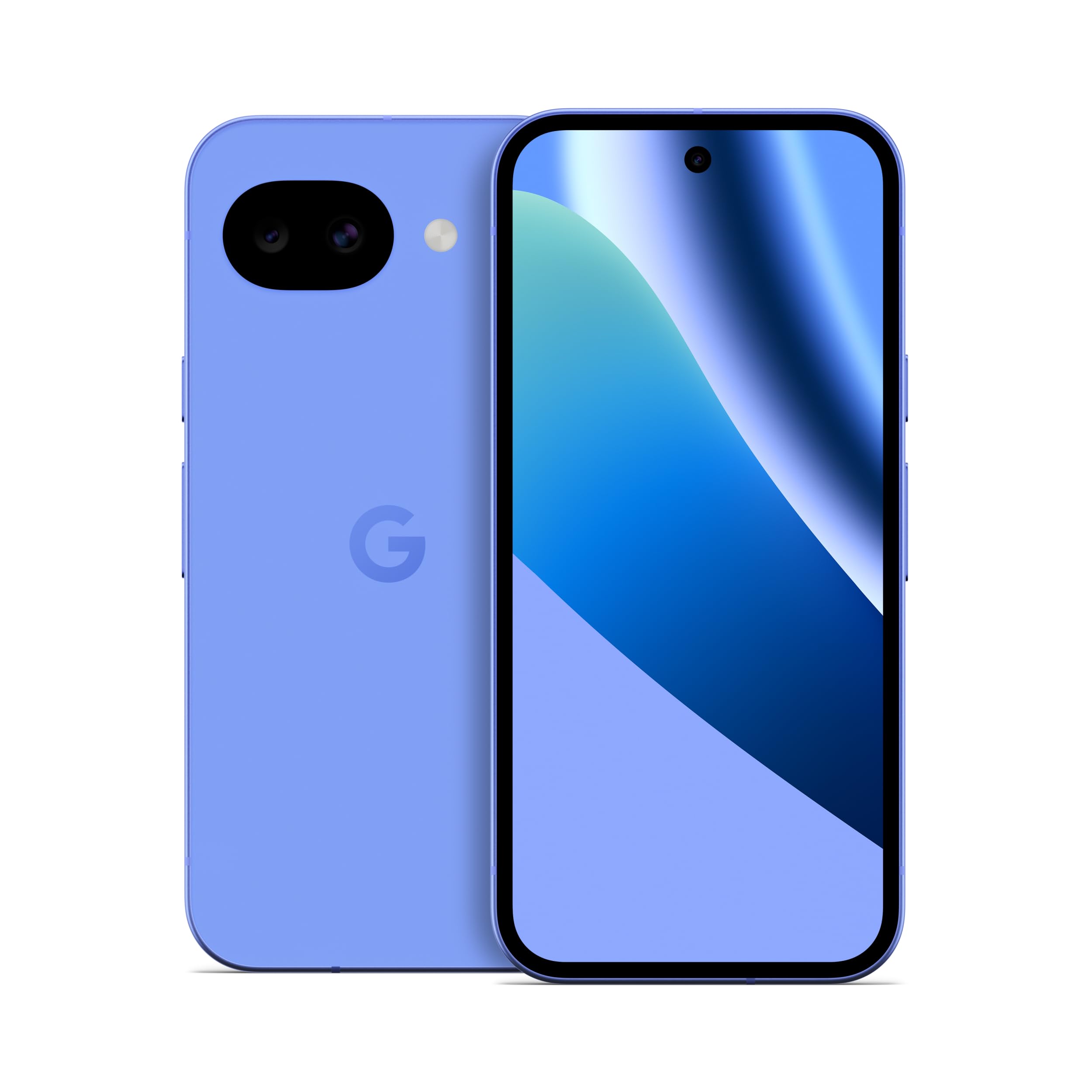
The Pixel 10a proves that you don’t need a flagship price tag to get a genuinely useful AI phone. It includes Gemini as a built-in AI assistant for planning, brainstorming, and call screening, plus Camera Coach that helps you frame better photos. The 256GB storage variant is the sweet spot for users who shoot a lot of photos or download apps without worrying about space. The 6.3-inch Actua display with 3000-nit peak brightness is identical to the Pixel 10’s panel, so outdoor visibility is excellent.
The 30+ hour battery life is a standout feature, backed by a 4300mAh capacity and efficient Tensor processing. The IP68 dust and water resistance adds peace of mind, and the scratch-resistant Corning Gorilla Glass 7i display keeps things looking new. The best part? Google promises 7 years of Pixel Drops — new feature upgrades and security updates — so this phone will keep getting smarter over time. The dual SIM (single nano SIM and eSIM) gives you flexibility for travel or work lines.
Some users find the AI/Gemini integration too pushy with notifications, and the 128GB base variant (also available) can feel cramped. The camera is best-in-class for the price, but lacks the telephoto lens of the Pixel 10. If you want a future-proofed AI phone with long software support and a great camera, this is the most sensible recommendation in the mid-range space.
Why it’s great
- 7 years of Pixel Drops for continuous feature upgrades
- 30+ hour battery life with efficient Tensor chip
- IP68 water and dust resistance with bright Actua display
Good to know
- AI notifications can be excessive and annoying
- No telephoto camera — digital zoom only
9. Google Pixel 10a (Fog) – 128 GB
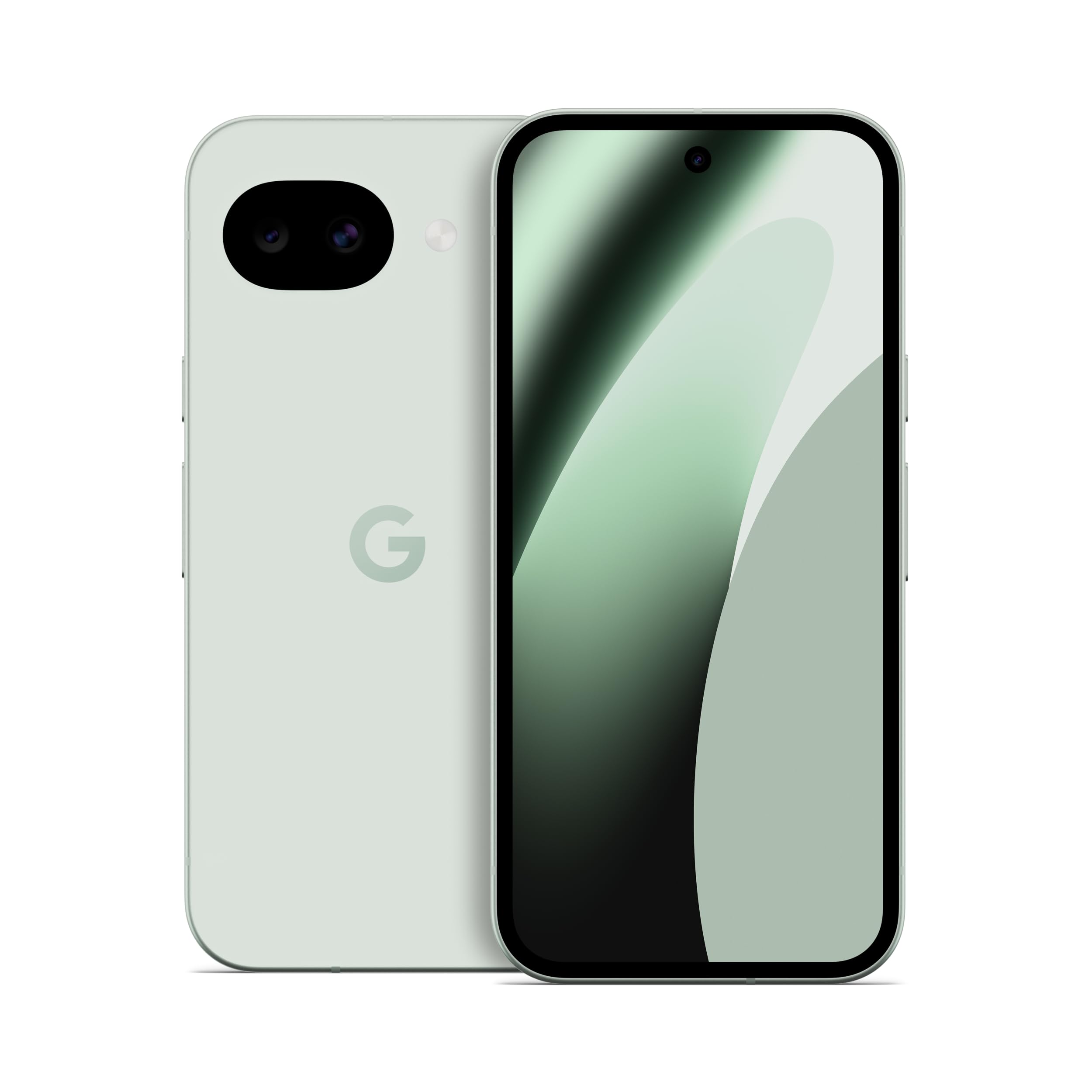
The 128GB version of the Pixel 10a offers the same core AI experience as its larger-storage sibling — Gemini assistant, Camera Coach, Call Screen, and Car Crash Detection — at the most accessible price point in the Pixel lineup. The display is the same 6.3-inch Actua panel with 3000 nits brightness, making it fantastic for outdoor use. The 30-hour battery life is a major selling point for users who don’t want to charge every night.
The camera system captures crisp, detailed photos in all lighting conditions, and the AI editing tools like Magic Eraser and Best Take work flawlessly. The IP68 rating means accidental splashes or rain won’t ruin your day, and the scratch-resistant Gorilla Glass 7i keeps the screen safe. Performance is smooth for everyday tasks and even some gaming, with no noticeable lag. The unlimited Google Photos storage at high quality (though now limited) is a nice bonus for the camera-centric user.
The 128GB storage fills up quickly if you record 4K video or install large games, so you’ll likely rely on cloud storage sooner than with the 256GB version. The lack of a telephoto lens is noticeable if you frequently shoot distant subjects. For a budget-friendly entry into the Google AI ecosystem — especially for first-time smartphone buyers or those upgrading from much older devices — this is a fantastic starting point.
Why it’s great
- Full Gemini AI suite at the most accessible price
- 30-hour battery life with efficient processing
- IP68 water and dust resistance with bright display
Good to know
- 128GB storage fills fast with 4K video and apps
- No dedicated telephoto camera lens
10. MMY 32+1TB Rugged Armor Unlocked Cell Phone
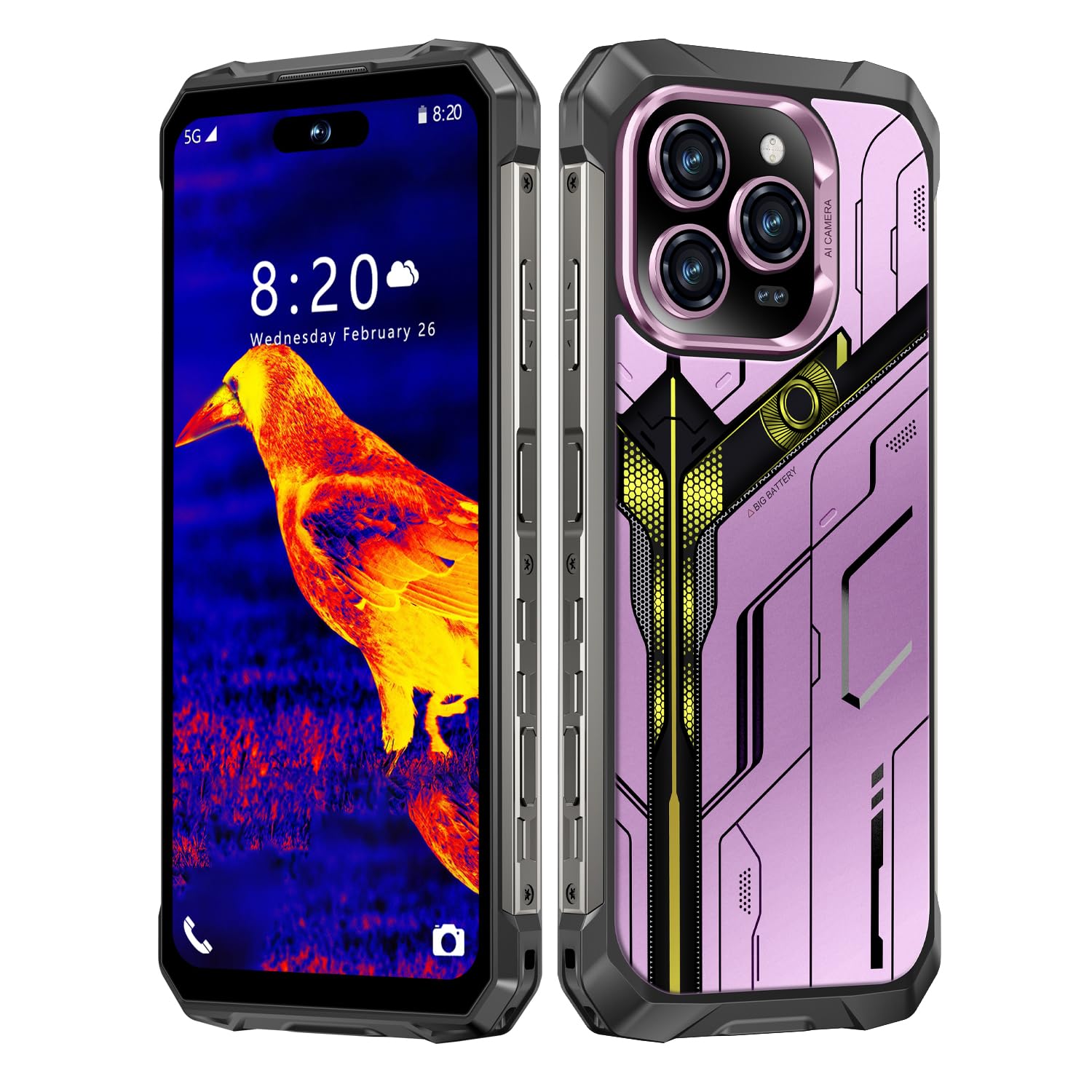
The MMY Rugged Armor phone is an outlier in the AI phone category — it’s built for survival, not sleekness. The standout spec is the 22000mAh battery, which delivers multiple days of heavy use and is perfect for outdoor workers, hikers, or anyone who can’t access a charger regularly. It runs Android 15 with AI-enhanced features like face recognition and fingerprint unlock, and the 108MP main camera with 68MP front camera supports night vision and underwater photography.
The phone is IP68 waterproof and dustproof, plus tested for high-altitude drop resistance. The 6.99-inch HD+ OLED display at 1440 x 3040 resolution is massive, making it easy to read maps and documents in bright conditions. The Snapdragon 8s Gen4 12-core CPU with 32GB RAM and 1TB of native storage provides plenty of headroom for apps and media, and the NFC and infrared functions add utility for payments and controlling devices.
The AI capabilities are more basic than phones with dedicated NPUs — think face unlock, scene recognition for photos, and voice control rather than generative editing or writing assistants. The massive battery and bulky frame make it less pocket-friendly than standard phones. For very specific use cases requiring extreme durability and long battery life, this is a specialized tool that happens to include AI basics.
Why it’s great
- 22000mAh battery lasts multiple days on a single charge
- IP68 waterproof and dustproof with drop resistance
- 1TB native storage with 32GB RAM
Good to know
- Very bulky and heavy — not for everyday carry
- AI features are basic compared to Pixel or Galaxy phones
11. Xiaomi Redmi Note 15 Pro 5G AI – 256 GB
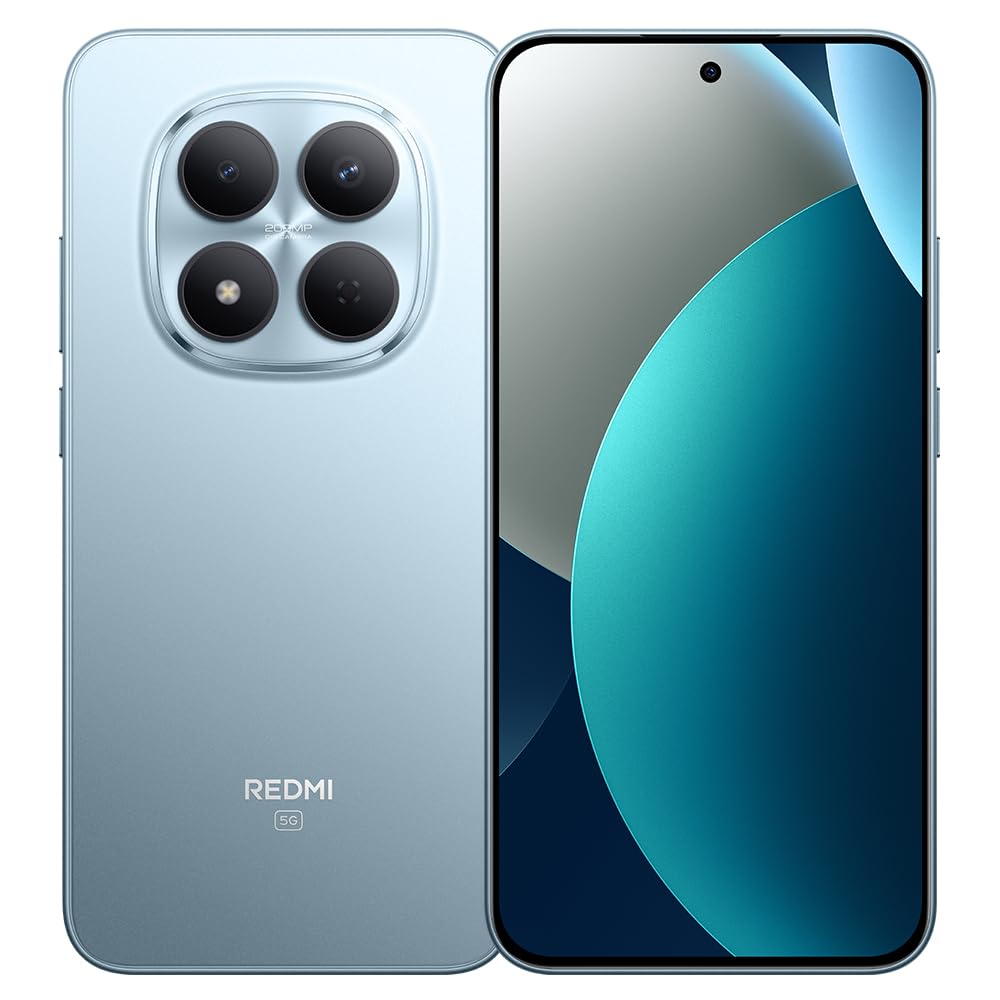
The Xiaomi Redmi Note 15 Pro 5G AI packs an impressive array of AI camera features for its price point, including AI Erase Pro, AI Remove Reflection, AI Image Expansion, AI Sky replacement, and AI Beautify. The 200MP main camera with Optical Image Stabilization is the headline hardware feature, capturing very detailed images in good light. The 6.83-inch AMOLED display with 1.5K resolution, 120Hz refresh rate, and 3200 nits peak brightness is excellent for media consumption.
Powered by the MediaTek Dimensity 7400-Ultra chip built on a 4nm process, the phone handles Circle to Search with Google and Google Gemini smoothly. The battery life is impressive thanks to a large capacity cell, and 45W charging gets you back up quickly. The dual SIM design works outside the US on GSM carriers, and the in-screen fingerprint sensor with AI face unlock provides convenient security.
The biggest limitation for US buyers is that it only works on T-Mobile, Mint, and Tello networks — AT&T and Verizon users are out of luck. The HyperOS software has noticeable bloatware that requires disabling, and the camera lacks the low-light prowess of flagship sensors. The plastic build feels less premium than metal-and-glass competition. For budget-conscious buyers on T-Mobile who want a taste of AI photo editing and a high-res camera, this is a solid entry.
Why it’s great
- 200MP main camera with OIS for detailed shots
- 6.83-inch AMOLED display at 3200 nits peak brightness
- AI photo editing suite including Erase Pro and Image Expansion
Good to know
- Compatible only with T-Mobile, Mint, and Tello in the US
- HyperOS has bloatware that needs manual disabling
FAQ
Do I need a phone with a dedicated NPU for AI features to work?
How does Generative Edit affect photo quality compared to traditional editing?
Can I use Google Gemini on a Samsung phone, or do I need a Pixel?
What is the real-world battery impact of running AI features all day?
Are there any privacy risks with AI phones that process data in the cloud?
Final Thoughts: The Verdict
For most users, the best AI phone is the Google Pixel 10 (Obsidian) because its Tensor G5 chip delivers the fastest on-device AI processing, a best-in-class camera system with 5x telephoto, and deep Gemini integration that handles everything from call screening to photo editing without relying on the cloud. If you want a foldable that doubles as a productivity powerhouse with Galaxy AI, grab the Samsung Galaxy Z Fold7. And for an affordable entry into the Pixel AI ecosystem with 7 years of updates, nothing beats the Google Pixel 10a (256GB).