
Our readers keep the lights on and the weekend projects moving. As an Amazon Associate, I earn from qualifying purchases.
That blocked, underwater feeling in your ears when allergies strike is more than annoying — it affects your hearing, balance, and focus. While many decongestants target the nose, not all effectively relieve the Eustachian tube pressure that causes clogged ears. Finding the right formula means matching the active ingredient to your specific congestion pattern to drain fluid and restore clear hearing.
I’m Rikta — the co-founder and writer behind FitlyFast. In creating this guide, I analyzed dozens of antihistamines and decongestants, comparing their active ingredients, onset times, and patient-reported outcomes specifically for alleviating ear pressure and sinus congestion.
This focused analysis reveals the most effective options for draining blocked ears and quieting the pressure. Whether you need a fast-acting decongestant or a non-drowsy antihistamine, finding the right allergy medicine for clogged ears starts with understanding which ingredients target the Eustachian tubes.
How To Choose The Best Allergy Medicine For Clogged Ears
Not all allergy medications relieve ear blockage equally. The key is understanding whether your clogged ears stem from excess mucus in the Eustachian tubes or from inflammation and histamine response. Here are the critical factors to evaluate.
Active Ingredient: Decongestant vs. Antihistamine
Decongestants like phenylephrine and pseudoephedrine shrink swollen blood vessels in the nasal passages and Eustachian tubes, directly opening the drainage pathways. They are ideal when you feel pressure and fullness. Antihistamines like loratadine, fexofenadine, and levocetirizine block histamine receptors, reducing the allergic reaction itself — best when itching, sneezing, and clear drainage accompany the ear fullness. For severe ear congestion, a combination approach often works best.
Onset Time and Duration
Decongestants typically work within 15–30 minutes but require dosing every 4–6 hours. Antihistamines like Claritin and Allegra offer 24-hour protection but may take 1–3 hours to peak. For acute ear pressure during allergy season, a rapid-decongestant pill can provide immediate relief while a daily antihistamine prevents the underlying reaction.
Drowsiness Profile
First-generation antihistamines like chlorpheniramine can cause significant drowsiness, which may be acceptable for nighttime use but problematic during work or driving. Modern non-drowsy options like loratadine (Claritin) and fexofenadine (Allegra) are preferred for daytime relief without brain fog. Decongestants like phenylephrine are classified as non-drowsy, though some individuals experience mild stimulation.
Quick Comparison
On smaller screens, swipe sideways to see the full table.
| Model | Category | Best For | Key Spec | Amazon |
|---|---|---|---|---|
| Claritin 24 Hour | Antihistamine | All-day ear pressure prevention | 10 mg Loratadine | Amazon |
| Allegra 24-Hour | Antihistamine | Non-drowsy, fast-acting relief | 180 mg Fexofenadine | Amazon |
| Xyzal 24 Hour | Antihistamine | Prescription-strength ear congestion | 5 mg Levocetirizine | Amazon |
| WELMATE PE 10 mg | Decongestant | Fast, direct ear pressure relief | 10 mg Phenylephrine | Amazon |
| Medi-First Sinus Decongestant | Decongestant | High-volume, one-dose packets | 10 mg Phenylephrine | Amazon |
| Boiron SinusCalm | Homeopathic | Drug-free ear pressure relief | Quick-dissolve pellets | Amazon |
| Chlorpheniramine Maleate 4 mg (6-Pack) | Antihistamine | Budget-friendly ear congestion relief | 4 mg Chlorpheniramine | Amazon |
In‑Depth Reviews
1. Claritin 24 Hour Allergy Medicine

Claritin uses 10 mg of loratadine, a second-generation antihistamine that blocks histamine without crossing the blood-brain barrier, making it one of the least sedating options available. For clogged ears caused by seasonal allergic rhinitis, this formula reduces the inflammatory response in the Eustachian tube lining over the course of a full day, preventing the fluid buildup that causes that muffled sensation. Many users report noticeable ear pressure reduction within two hours of the first dose.
The 70-count bottle at this tier provides over two months of daily coverage, and the small, easy-to-swallow tablets are a practical advantage when you already feel congested and uncomfortable. Because it targets the systemic allergic reaction rather than constricting blood vessels, it works well for those whose ear blockage is accompanied by sneezing, itchy eyes, and runny nose. Doctors regularly recommend it as a first-line treatment for allergy-related Eustachian tube dysfunction.
Where Claritin may fall short is for acute, sudden ear pressure that needs immediate drainage — it is not a fast-acting decongestant. If you wake up with completely blocked ears, pairing it with a targeted decongestant provides faster relief. For consistent, non-drowsy prevention of allergy-triggered ear congestion, this is the most reliable daily option.
Why it’s great
- 24-hour non-drowsy formula keeps you alert
- Reduces Eustachian tube inflammation long-term
- Small tablets easy to swallow when congested
Good to know
- Can take 1-2 hours to feel full effect
- Not ideal for immediate pressure relief
2. Allegra Adult 24-Hour Allergy Relief
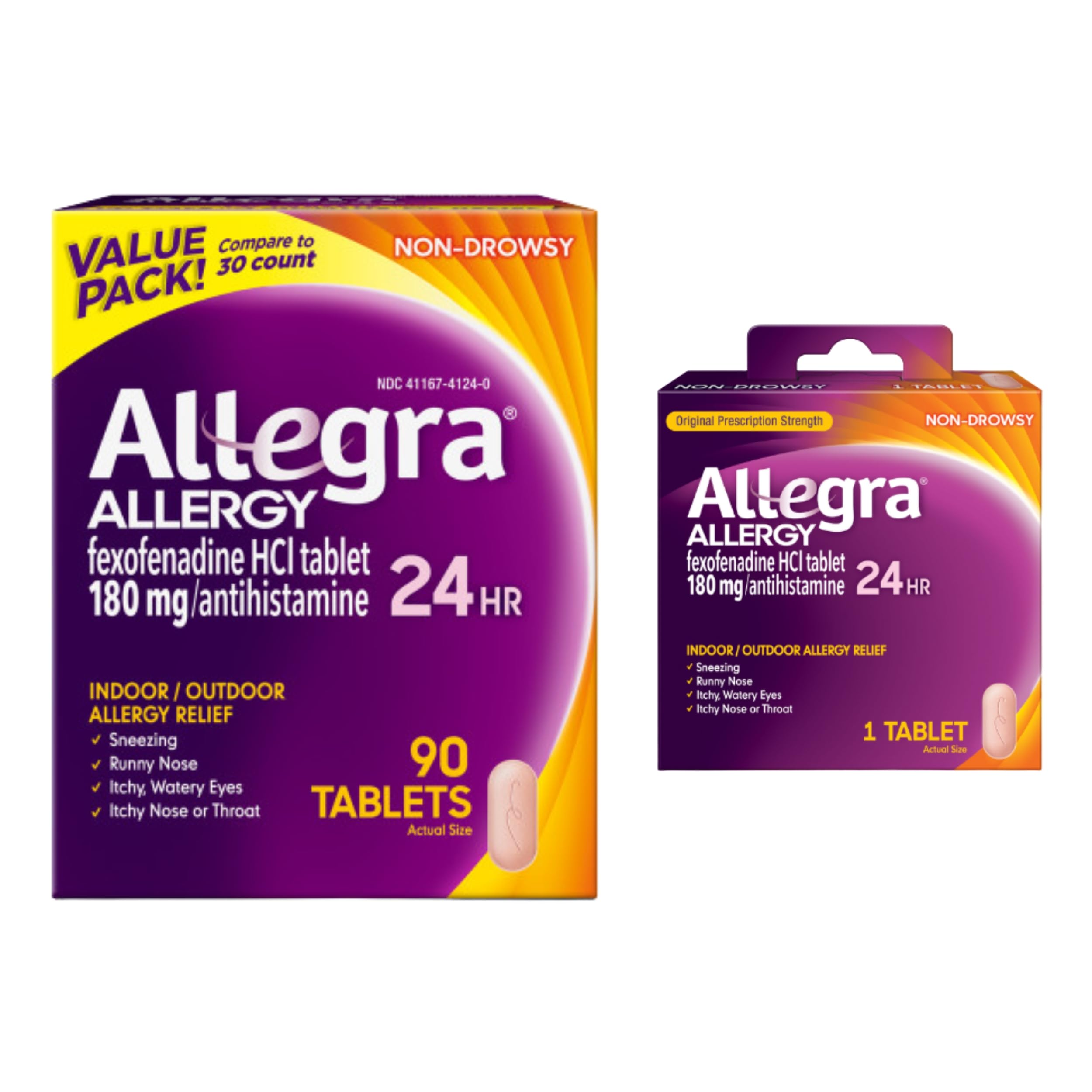
With 180 mg of fexofenadine HCl, Allegra delivers the highest single-dose antihistamine potency in this roundup. For clogged ears, fexofenadine is particularly effective because it works peripherally on histamine receptors without crossing into the central nervous system, eliminating the brain fog that can accompany ear congestion itself. Users consistently report that it starts working within one hour and maintains steady ear pressure relief throughout the 24-hour dosing window.
The 90-count bottle plus bonus travel pack provides over three months of daily use, and the formulation is the number one allergist-recommended non-drowsy brand among OTC oral antihistamines. For individuals experiencing ear blockage alongside watery eyes and a scratchy throat, Allegra’s targeted action on the histamine cascade reduces the fluid secretion that contributes to Eustachian tube congestion. It also performs well against both indoor triggers like dust mites and outdoor seasonal pollens.
One consideration is cost — Allegra sits at a higher tier than generic loratadine, though the 90-count bottle improves per-dose value significantly. Some users with extreme ear pressure may still need an additional decongestant for breakthrough episodes. For those who prefer a single, potent antihistamine that won’t interfere with daily focus, Allegra is the standout choice.
Why it’s great
- Fastest onset among 24-hour antihistamines
- No brain fog or drowsiness reported
- Allergist-recommended for allergic rhinitis
Good to know
- Higher cost per dose than generic options
- May require decongestant adjunct for full ear clearing
3. Xyzal 24 Hour Allergy Relief
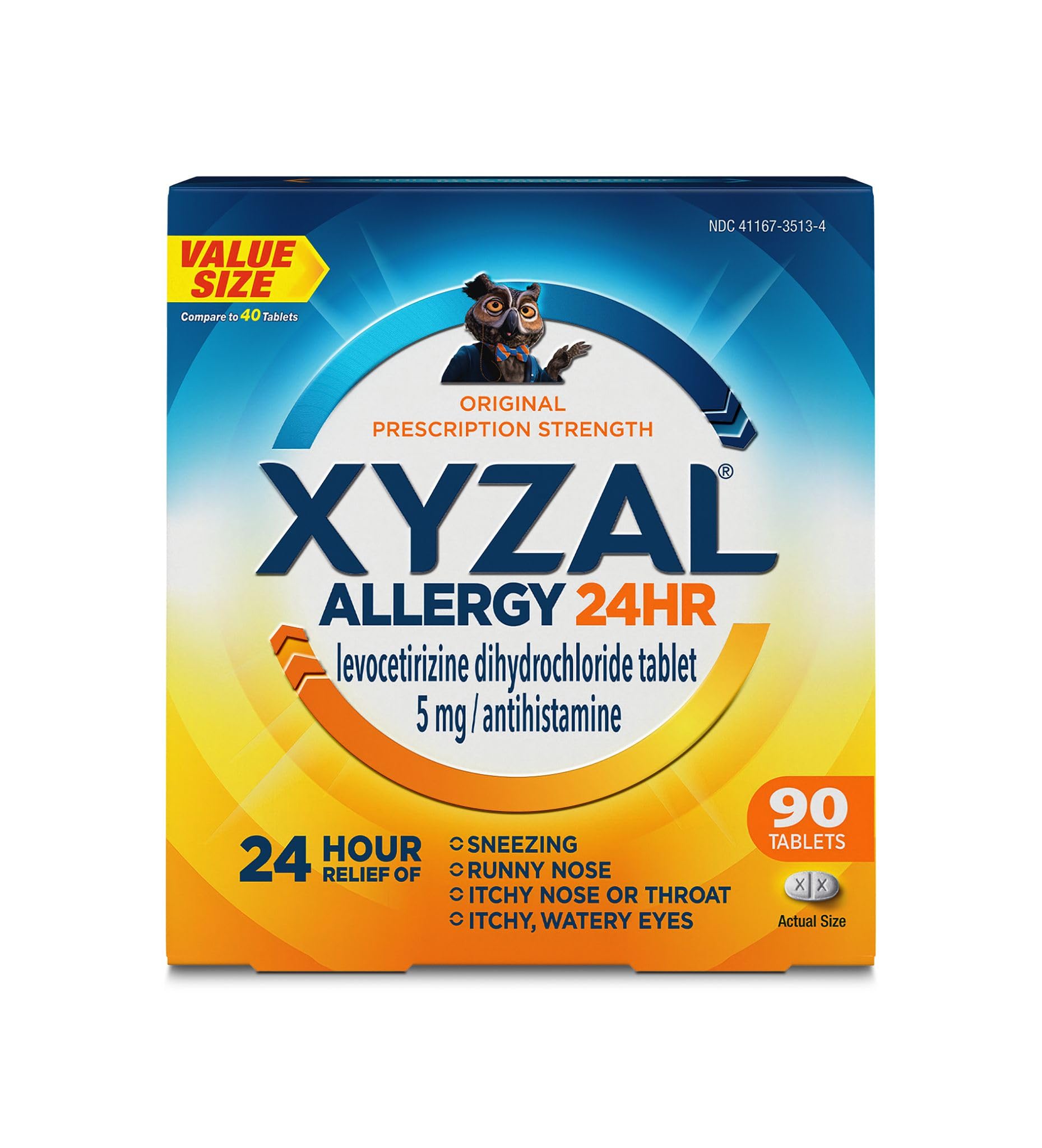
Xyzal uses levocetirizine, the active enantiomer of cetirizine (Zyrtec), which means it delivers the same allergy-fighting power at half the dose with potentially fewer side effects. For stubborn ear congestion that doesn’t respond to loratadine or fexofenadine, this prescription-strength OTC formula often provides the breakthrough relief needed. The 5 mg tablet starts working in about 45 minutes and maintains consistent effectiveness at hour 24, making it ideal for full-day ear pressure management.
The 90-count bottle offers excellent value at this tier, and the tiny, tasteless pill is easy to take without water if needed. Allergists frequently recommend Xyzal for patients with moderate-to-severe allergic rhinitis complicated by Eustachian tube dysfunction — the same population that suffers from clogged ears. User reports confirm superior results for sneezing, itchy eyes, and that drippy nose sensation that feeds into ear fullness.
If you take it at night as recommended, you wake up with clear sinuses and ears without daytime sedation. For those who have cycled through Claritin and Allegra without complete relief, Xyzal consistently earns higher satisfaction ratings. It represents the strongest non-drowsy antihistamine available without a prescription.
Why it’s great
- Superior efficacy for resistant ear congestion
- Works in 45 minutes, lasts full 24 hours
- Small, tasteless tablet for easy compliance
Good to know
- Some users report mild drowsiness
- More expensive than standard antihistamines
4. WELMATE Nasal Decongestant PE Phenylephrine HCl

When your ears feel completely blocked and you need relief in minutes rather than hours, a decongestant like WELMATE’s phenylephrine 10 mg is the correct choice. Phenylephrine works as a vasoconstrictor, shrinking the swollen blood vessels in the nasal passages and Eustachian tube linings, physically opening the drainage pathway. Users report noticeable ear popping and pressure release within 15 to 30 minutes, making it the fastest-acting option in this review for acute congestion.
The 200-count bottle is the most cost-effective decongestant in this lineup, and the non-drowsy formula means you can take it during work hours without losing focus. For those whose clogged ears are tied to sinus pressure from colds or environmental allergies, this provides direct symptomatic relief when the antihistamine approach feels too slow. The easy-to-swallow tablets are small and convenient for carrying in a bag or pocket.
The trade-off is that phenylephrine requires dosing every four hours for sustained relief, and it targets the symptom of congestion rather than the underlying allergic cause. It also won’t help with sneezing, itching, or watery eyes that often accompany ear pressure. For maximum benefit during allergy season, use it alongside a daily antihistamine to address both the cause and the acute symptoms.
Why it’s great
- Fastest relief for acute ear pressure (15-30 min)
- Non-drowsy formula for daytime use
- Exceptional value at 200 tablets per bottle
Good to know
- Requires re-dosing every 4 hours
- Does not treat sneezing or itchy eyes
5. Medi-First Sinus Decongestant, 500 Count

Medi-First delivers the same 10 mg phenylephrine HCl as the WELMATE product but in individually tamper-evident packets, making this the ideal choice for emergency kits, travel bags, and workplace first aid stations. For clogged ears that strike without warning during allergy season, having a sealed single-dose packet ensures you always have a fresh, protected tablet on hand. The 500-count bulk pack covers you for years, with expiration dates extending well past two years from purchase.
Users with chronic sinusitis and frequent ear pressure episodes report this as their go-to brand because the individually wrapped tablets prevent moisture damage and ensure consistent dosing. The non-drowsy formula works within minutes to clear sinus headache pressure and unclog Eustachian tubes, with many users noting they feel the ear pop within 15 minutes. For EMTs, hunters, and outdoor workers who need reliable decongestion without refrigeration or special storage, this format is unmatched.
The downside is that the per-tablet price is higher than a bulk bottle, reflecting the packaging cost. The box is also large — 6.5 x 4 x 7 inches — which takes up more cabinet space. For home users who need occasional ear relief, the bottle format may be more space-efficient. For anyone building a comprehensive allergy kit or needing portable single doses, this is the practical winner.
Why it’s great
- Individually sealed packets for on-the-go use
- Instant relief for sinus pressure and ear fullness
- Extremely long shelf life for emergency kits
Good to know
- Bulk box takes up significant storage space
- Higher per-dose cost than bottle format
6. Boiron SinusCalm Tablets

Boiron SinusCalm offers a fundamentally different approach: quick-dissolving homeopathic pellets that work with your body’s own immune response rather than chemically blocking receptors or constricting blood vessels. For individuals who cannot tolerate decongestants due to high blood pressure, heart conditions, or medication interactions, this phenylephrine-free alternative provides a drug-free pathway to ear pressure relief. The pellets dissolve under the tongue without water, making them perfect for use during meetings, in transit, or when swallowing pills is difficult.
Users with long-term sinusitis and frequent ear congestion report that SinusCalm helps prevent the post-nasal drip and sinus pressure that leads to ear blockage, reducing the frequency of full-blown episodes. The non-habit-forming formula carries no risk of rebound congestion, a significant advantage over chemical decongestants that can cause dependency with prolonged use. The 120-count pack of two tubes provides 240 doses, and the compact tubes fit easily in a pocket or purse.
The limitation is that homeopathic remedies work differently for everyone, and the results can be less predictable than pharmaceutical options. For acute, severe ear pressure that needs immediate clearing, SinusCalm may feel too subtle. Some users also note the pellets don’t last as long as traditional antihistamines, requiring more frequent dosing. For those seeking a natural, side-effect-free maintenance option, this is the clear pick.
Why it’s great
- Phenylephrine-free — safe for high blood pressure
- Quick-dissolve pellets, no water needed
- No rebound congestion or habit-forming risk
Good to know
- Results vary more than chemical medicines
- May require more frequent dosing
7. Chlorpheniramine Maleate 4 mg (6-Pack)
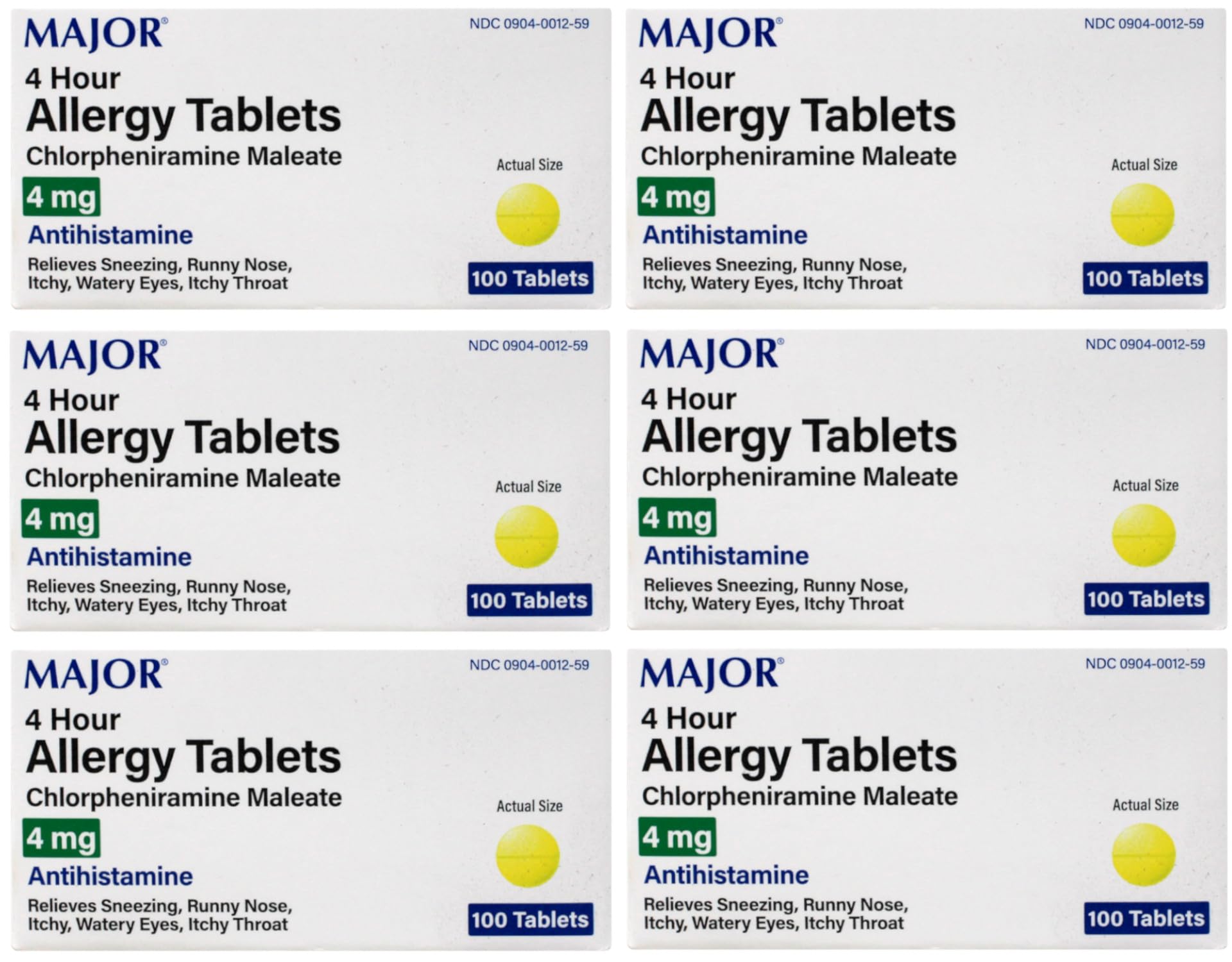
This generic chlorpheniramine maleate 4 mg is a first-generation antihistamine in the same family as Chlor-Trimeton, available at a fraction of the cost of branded alternatives. For clogged ears driven by histamine release, chlorpheniramine is a potent blocker that can be particularly effective for breakthrough allergy symptoms that modern second-generation antihistamines fail to control. The 6-pack provides 600 tablets total, enough to cover an entire family through multiple allergy seasons.
Users report it works when Zyrtec, Claritin, and Allegra do not, especially for allergy headaches and runny noses that feed into ear congestion. It’s also used effectively for pet allergies and environmental triggers that cause the eye and nose symptoms preceding ear blockage. The price per tablet is remarkably low, making it accessible for those on a tight budget or without insurance coverage for branded OTC medications.
The major caveat is drowsiness — chlorpheniramine crosses the blood-brain barrier and can cause significant sedation, especially at higher doses. It’s best suited for nighttime use or when you can afford to rest. Additionally, first-generation antihistamines should be used cautiously in elderly individuals and those with certain medical conditions. For a budget-conscious buyer who can plan around drowsiness, this delivers powerful antihistamine action at the lowest possible cost.
Why it’s great
- Most affordable per-dose antihistamine available
- Effective where newer antihistamines fail
- 600 tablets cover full allergy season for multiple people
Good to know
- Significant drowsiness — best for nighttime use
- Not recommended for long-term daily use
FAQ
Why does my ear feel clogged from allergies?
Should I take a decongestant or antihistamine for clogged ears?
Can allergy medicine actually make ear congestion worse?
How long does it take for allergy medicine to unclog ears?
Final Thoughts: The Verdict
For most users, the allergy medicine for clogged ears winner is the Claritin 24 Hour because it provides reliable, non-drowsy 24-hour prevention of the allergic inflammation causing Eustachian tube dysfunction. If you want immediate relief from acute ear pressure, grab the WELMATE PE 10 mg. And for those who need prescription-strength results without a prescription, nothing beats the Xyzal 24 Hour.