
Our readers keep the lights on and the weekend projects moving. As an Amazon Associate, I earn from qualifying purchases.
Waking up with a stuffy head, itchy eyes, and a relentless cough that only gets worse when you clean the basement or change the furnace filter points directly to dust and mold allergens. Unlike seasonal pollen, these triggers are with you year-round inside your home, making the right antihistamine choice a daily necessity rather than a seasonal luxury.
I’m Rikta — the co-founder and writer behind FitlyFast. I’ve spent years analyzing consumer allergy medication data, comparing active ingredient efficacy against dust mite and mold spore triggers, and sorting through thousands of verified buyer reports to find which formulas deliver consistent relief without side effects.
This guide breaks down the top-rated antihistamines specifically tested for indoor allergen control so you can confidently choose the best allergy medicine for dust and mold for your daily routine and budget.
How To Choose The Best Allergy Medicine For Dust And Mold
Dust mites and mold spores are perennial indoor allergens that trigger histamine release differently than pollen. The medicine that works for ragweed may not touch a mold-induced stuffy nose. Understanding the active ingredient, onset speed, and side-effect profile is key to picking the right tablet for your specific indoor allergy pattern.
Match the Active Ingredient to Your Symptom Type
Loratadine (Claritin generics) is slow-acting — peaking in 2-3 hours — but delivers clean, non-drowsy relief for mild to moderate sneezing and itchy eyes from dust. Cetirizine (Zyrtec generics) works within an hour and is stronger for mold-induced congestion and runny nose, but causes drowsiness in some users. Fexofenadine (Allegra) offers fast relief without sedation, making it ideal for daytime mold spore exposure where mental clarity matters.
Check the Tablet Count and Dosing Convenience
Dust and mold allergies require daily medication during high-exposure periods — cleaning, vacuuming, or humid months. A 365-count bottle means you refill once a year, which improves compliance. Smaller, coated tablets are easier to swallow daily than large chalky pills. Some brands offer a bonus travel pack for on-the-go use, which is practical for frequent travelers exposed to hotel dust and bathroom mold.
Prioritize Non-Drowsy Formulas for Daytime Use
Both cetirizine and loratadine are marketed as non-drowsy, but individual response varies. Cetirizine causes sedation in roughly 10-15% of users, especially when taken during the day. If you work with machinery, drive frequently, or need full cognitive focus, fexofenadine or loratadine are safer bets. Taking cetirizine at bedtime can turn its sedative side effect into an advantage if you struggle with allergy-related sleep disruption.
Quick Comparison
On smaller screens, swipe sideways to see the full table.
| Model | Category | Best For | Key Spec | Amazon |
|---|---|---|---|---|
| Zyrtec 75 Count | Cetirizine | Fast relief for mold congestion | 10 mg cetirizine per tablet | Amazon |
| Allegra 90 Count | Fexofenadine | Non-drowsy daytime mold defense | 180 mg fexofenadine per tablet | Amazon |
| Claritin 70 Count | Loratadine | Mild dust sensitivity maintenance | 10 mg loratadine per tablet | Amazon |
| Amazon Basic Care Cetirizine 365ct | Cetirizine | Year-supply value for mold allergies | 10 mg cetirizine per tablet | Amazon |
| Curist Cetirizine 365ct | Cetirizine | Small-pill daily compliance | 10 mg cetirizine per tablet | Amazon |
| GoodSense Loratadine 365ct | Loratadine | Budget-friendly dust control | 10 mg loratadine per tablet | Amazon |
| Berkley Jensen Loratadine 400ct | Loratadine | Highest tablet count for families | 10 mg loratadine per tablet | Amazon |
In‑Depth Reviews
1. Zyrtec Allergy Medicine 75 Count
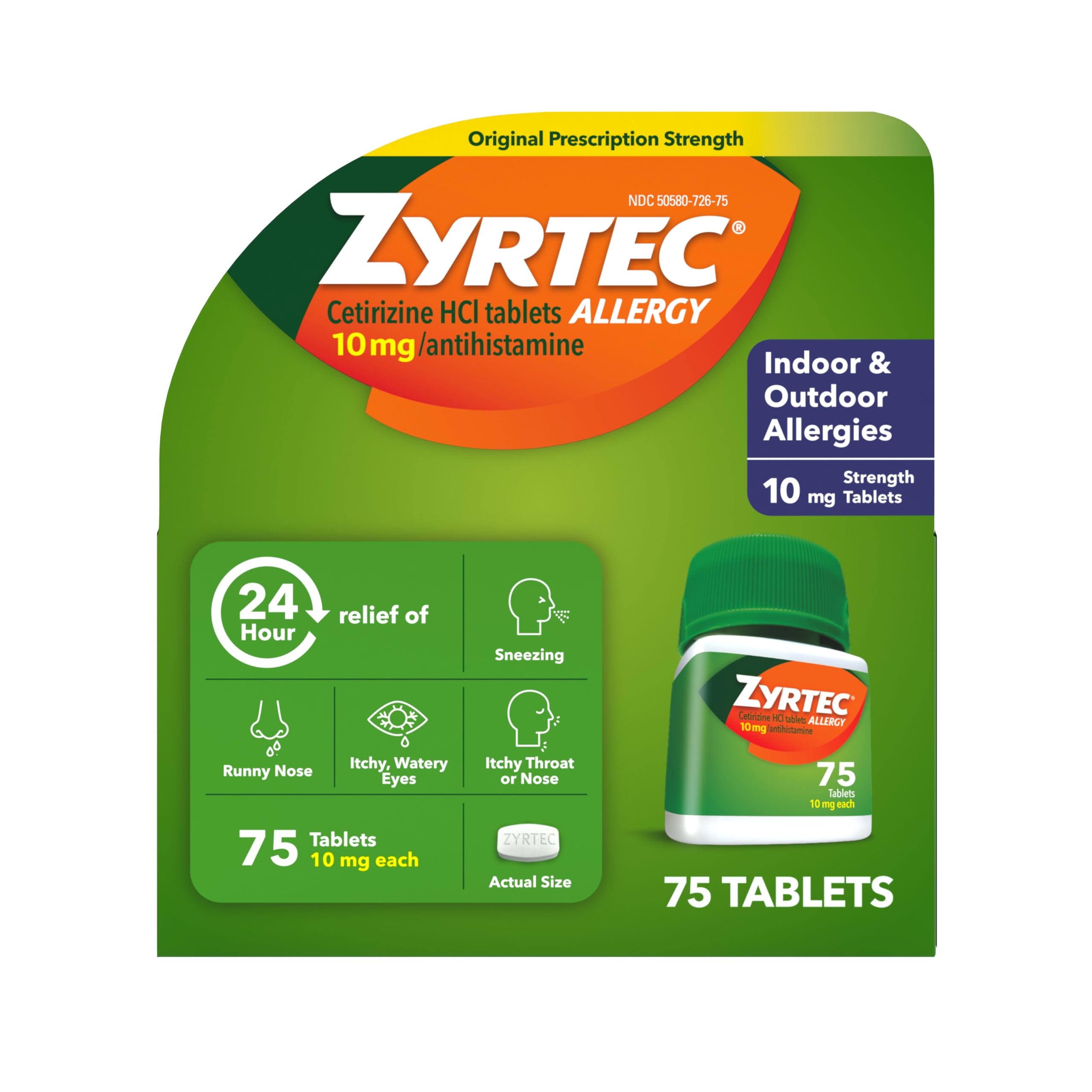
Zyrtec is the benchmark for cetirizine efficacy against indoor allergens. The 10 mg dose begins blocking histamine within the first hour, making it the fastest-onset option in this lineup for mold-induced nasal congestion and post-nasal drip. Buyers consistently report that this is the only OTC pill that stops a mold-related headache before it fully develops.
The tablet shape is small and uncoated but dissolves quickly on the tongue if you struggle with swallowing. Approximately 10-15% of users experience drowsiness — several reviewers note taking it at bedtime transforms the sedative effect into improved sleep quality during high-dust seasons. The 75-count size covers roughly two and a half months of daily use.
Doctor-recommended more often than any other OTC oral antihistamine according to recent surveys, Zyrtec is the go-to choice when loratadine fails to stop mold-triggered symptoms. The downside is the per-tablet cost sits at the premium end of the category, though many users report they need only one tablet every 36 hours for sustained relief.
Why it’s great
- Fastest symptom onset for mold and dust congestion
- #1 doctor-recommended OTC antihistamine
- Can double as a sleep aid if taken at night
Good to know
- Drowsiness affects a notable minority of users
- Higher per-tablet cost compared to generics
2. Allegra Adult 24-Hour Allergy Relief 90 Count
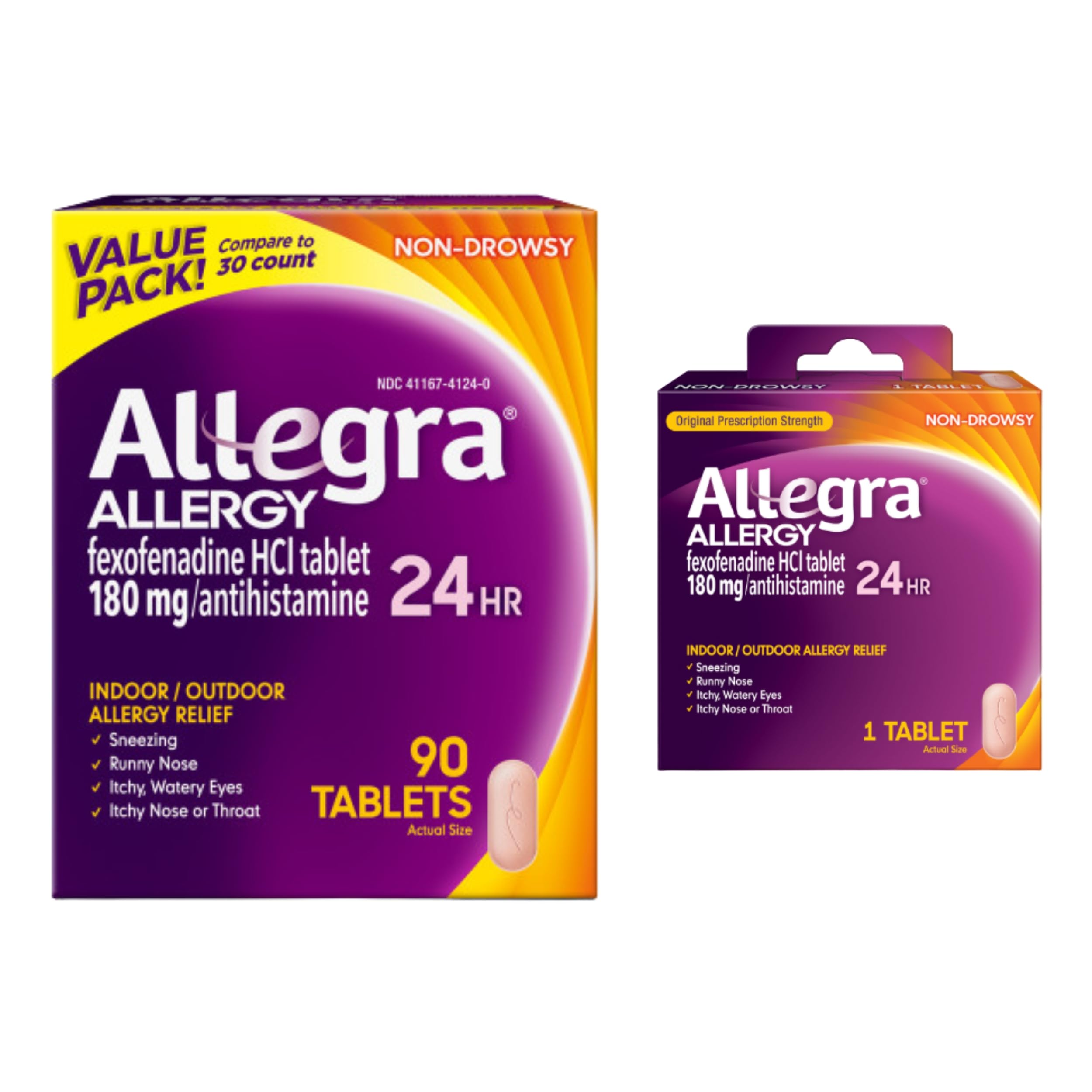
Allegra uses fexofenadine, a second-generation antihistamine that is structurally different from both loratadine and cetirizine. It binds selectively to peripheral H1 receptors without crossing the blood-brain barrier, which means zero sedation for virtually all users — a critical advantage if you work in an environment where dust and mold spores are airborne all day.
Each 180 mg tablet lasts a full 24 hours and starts working within one hour. Buyers with dust-sensitive sinuses report that Allegra stops the sneeze reflex and clears the throat itch without the “cotton head” feeling they get from cetirizine. The bonus single-tablet travel pack is genuinely useful for business travelers who encounter hotel HVAC dust.
Allegra is the most expensive option here, but the no-drowsy guarantee makes it the safest choice for drivers and machinery operators. The 90-count supply plus one tablet lasts three months. Allergists frequently recommend fexofenadine as the first-line option when patients complain that other antihistamines make them sleepy.
Why it’s great
- Zero sedation for daytime mental clarity
- Fast-acting within one hour
- Included travel pack for on-the-go use
Good to know
- Highest per-tablet cost in this guide
- Less effective for severe mold congestion compared to cetirizine
3. Claritin 24 Hour Allergy Medicine 70 Count

Claritin is the original non-drowsy loratadine brand and remains a reliable maintenance choice for mild to moderate dust allergies. The 10 mg dose provides 24-hour relief from sneezing and itchy eyes triggered by dust mites, though it takes 2-3 hours to reach peak effectiveness — noticeably slower than cetirizine or fexofenadine.
The tablets are tiny and coated, making them the easiest to swallow daily. Several long-term buyers report using Claritin for over five years without developing tolerance or side effects. Doctors often prescribe Claritin as the starter antihistamine because its side-effect profile is the cleanest — virtually no drowsiness, dry mouth, or withdrawal symptoms.
The 70-count bottle provides about two months of coverage. The main drawback is that loratadine is less potent for mold-induced congestion compared to cetirizine. If your primary dust and mold symptom is a blocked nose rather than sneezing, a cetirizine-based option may work better.
Why it’s great
- Excellent safety profile for long-term daily use
- Smallest tablet size, easiest to swallow
- Consistent performance across 200+ allergen triggers
Good to know
- Slow onset — can take 3 hours to feel relief
- Less effective for nasal congestion from mold
4. Amazon Basic Care All Day Allergy Cetirizine 365 Count

Amazon Basic Care delivers the same 10 mg cetirizine hydrochloride found in Zyrtec at a fraction of the per-tablet cost. The 365-count bottle covers a full year of daily dosing, making it the most practical choice for households where multiple members take allergy medicine for dust and mold.
The tablets are compact and easy to halve — several reviewers mention that half a tablet is sufficient for mild mold sensitivity, effectively doubling the supply. The formula is gluten-free (confirmed by checking the NDC code), adding a layer of safety for celiac patients who worry about fillers in generic medications.
Caveat: some users report withdrawal symptoms like itching if they skip a dose, a known effect of cetirizine rather than a product defect. Take it consistently. At roughly one-tenth the cost of the brand-name equivalent, the value proposition is undeniable for daily maintenance against indoor allergens.
Why it’s great
- Full year supply eliminates refill trips
- Gluten-free and suitable for celiac patients
- Half-tablet option for mild cases
Good to know
- Cetirizine withdrawal itching if doses missed
- May cause drowsiness in sensitive individuals
5. Curist Cetirizine Hydrochloride 365 Count
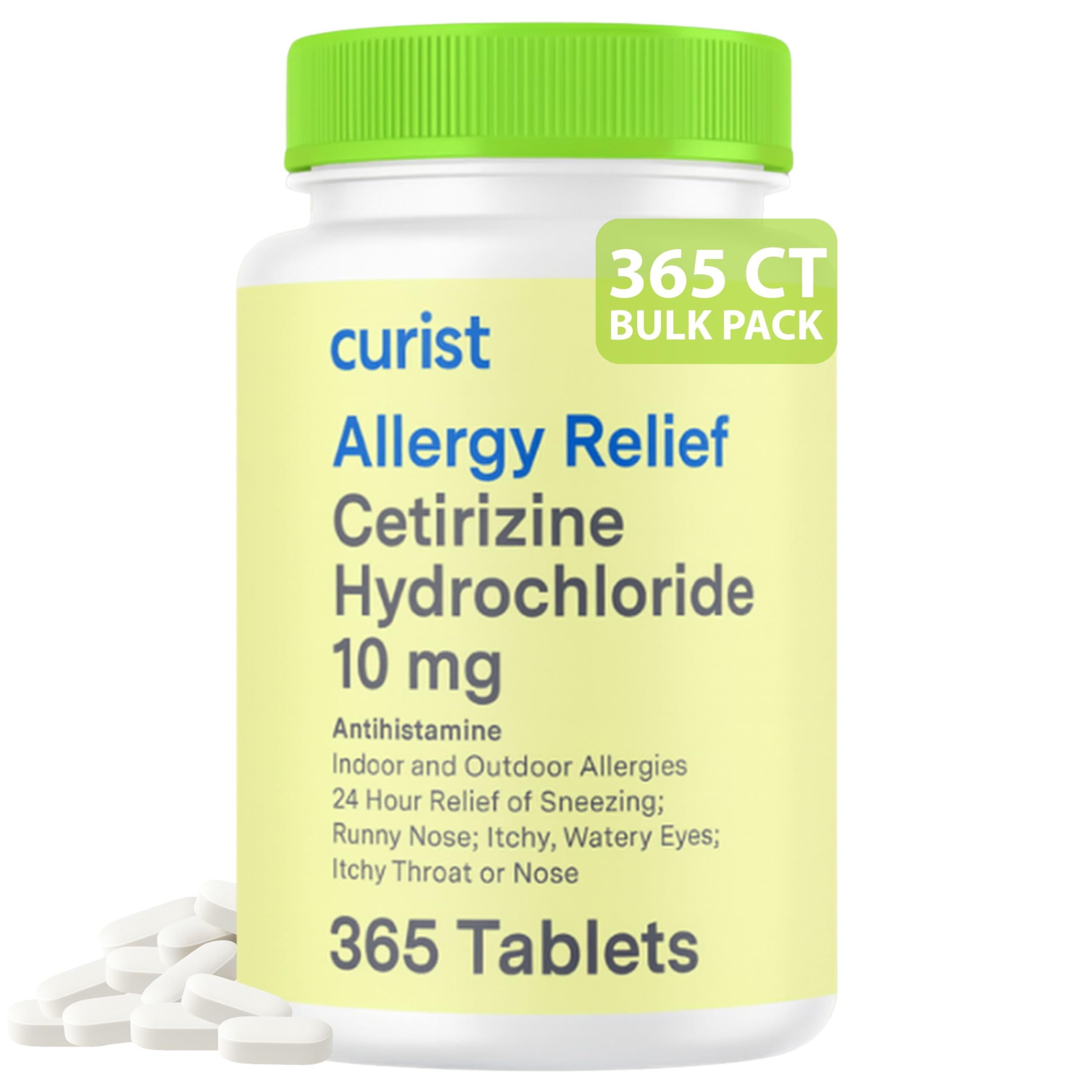
Curist stands out among cetirizine generics for having the cleanest inactive ingredient list — no artificial dyes, minimal binders, and a smaller tablet diameter than most competitors. Buyers with sensitive stomachs or reactions to excipients in standard generic cetirizine report better tolerance with this formulation.
The 10 mg dose provides the same 24-hour coverage against dust, mold, and animal dander as Zyrtec, but at a per-tablet cost that beats even Costco pricing according to user reviews. The tablets are virtually tasteless and go down easily without water for some users — practical for travel or bedside dosing.
Multiple reviewers note that the small pill size makes daily compliance easier than bulkier loratadine tablets. The 365-count bottle means one purchase covers the entire year. The only recurring caution is that cetirizine taken during the day causes drowsiness in a subset of users, so this formula is best taken at night if you are sensitive.
Why it’s great
- Minimal filler ingredients for sensitive users
- Smallest cetirizine tablet size available
- Competitive per-tablet value
Good to know
- Drowsiness risk if taken during daytime
- Newer brand with shorter marketplace track record
6. GoodSense Allergy Relief Loratadine 365 Count
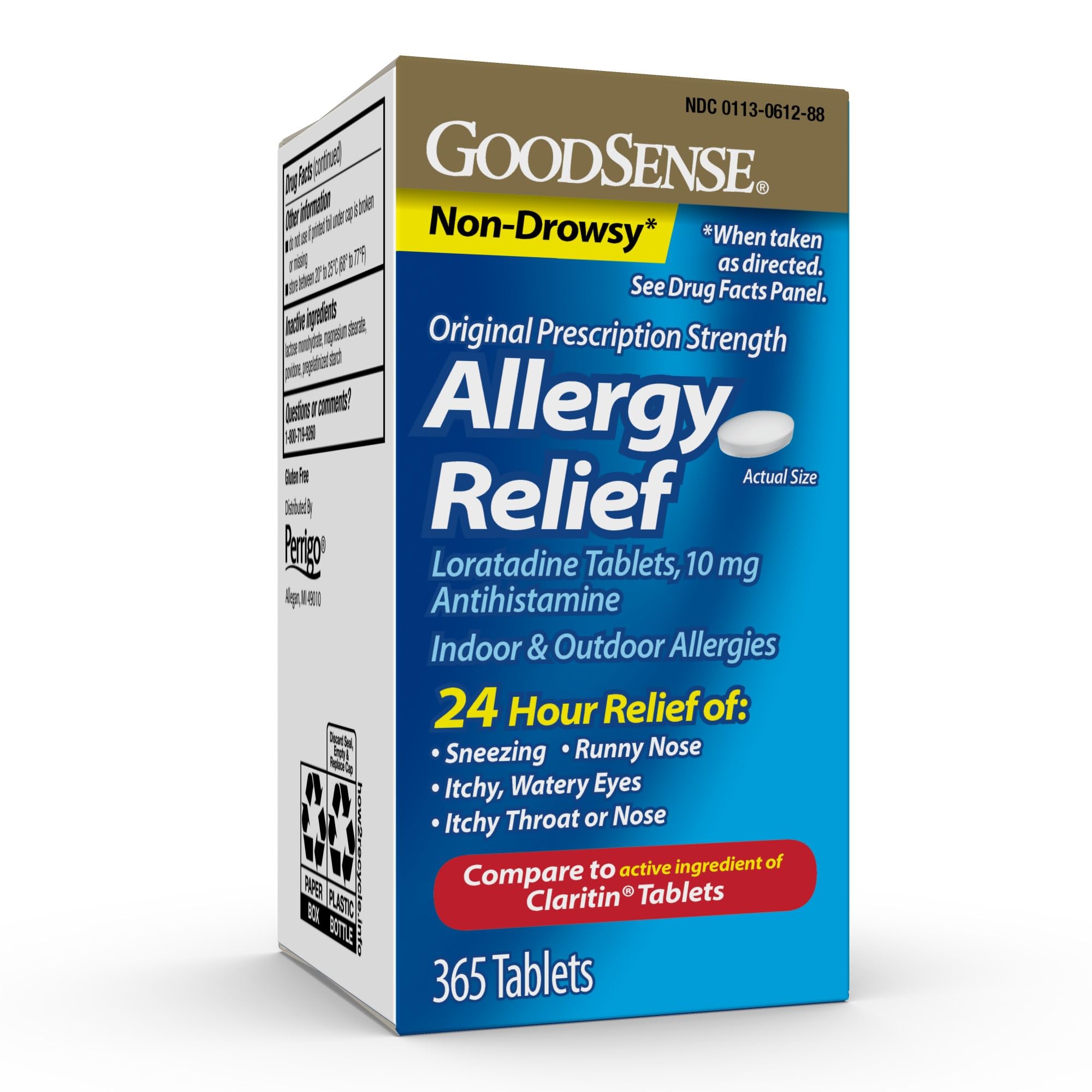
GoodSense is the most affordable loratadine option in this roundup, offering 365 tablets at an entry-level price point that makes daily dust allergy maintenance essentially costless. The active ingredient is chemically identical to Claritin, and the packaging has been on the market since 2013 with a strong track record of consistent quality.
Buyers who have used this for years report that it prevents sinus pressure and watery eyes when taken 30 minutes before cleaning tasks that stir up dust. The non-drowsy profile holds true for most users, making it suitable for daytime use during housework. The tablets are marginally larger than Claritin branded pills but still easy to swallow.
The main limitation is loratadine’s slow onset — it takes 2-3 hours to reach full effect, so it is not ideal for sudden allergy attacks. A reviewer specifically recommends keeping cetirizine on hand for acute mold exposure flare-ups while using GoodSense as the daily baseline.
Why it’s great
- Lowest per-tablet cost for daily dosing
- Reliable non-drowsy loratadine formula
- Proven quality since 2013
Good to know
- Slow-acting — not for sudden symptom spikes
- Larger tablet than branded alternatives
7. Berkley Jensen Loratadine 400 Count (2-Pack)
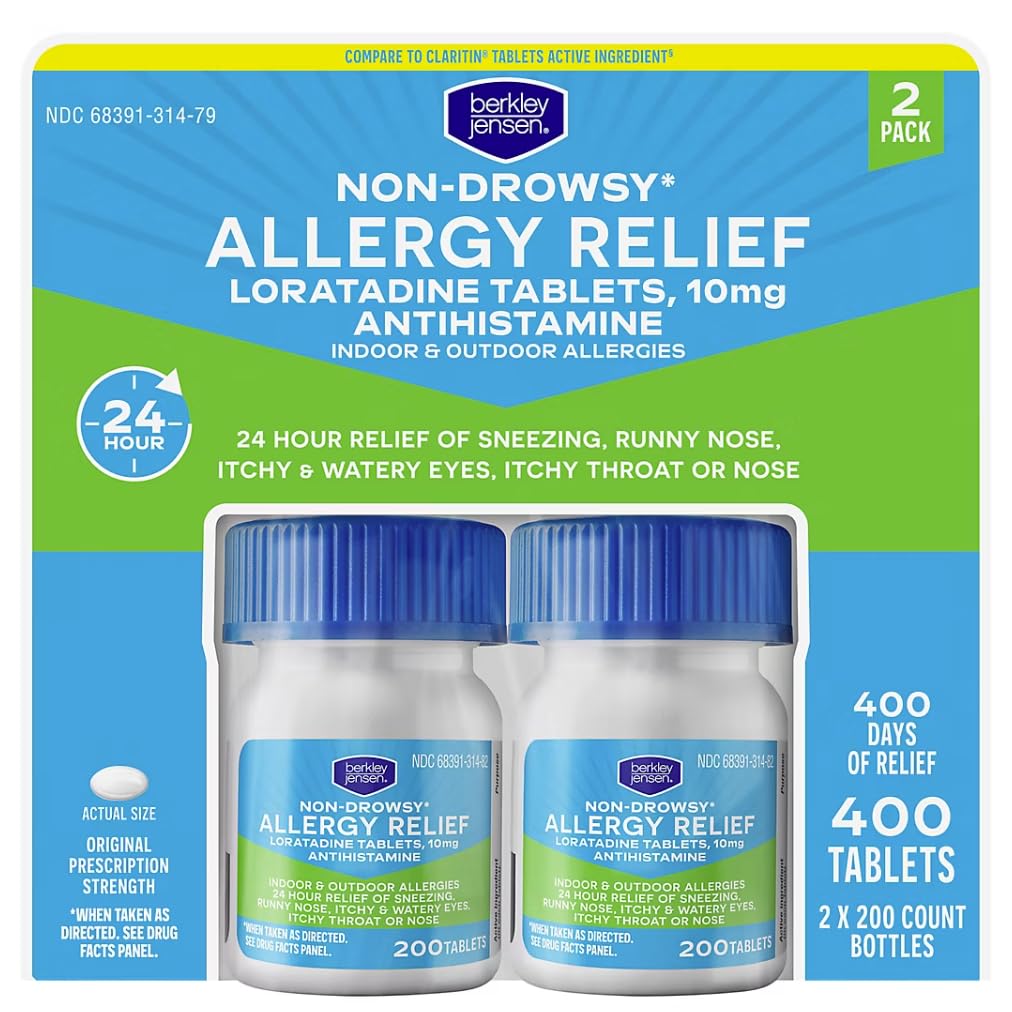
Berkley Jensen offers the highest tablet count of any loratadine product in this guide — 400 tablets split into two 200-count bottles. This dual-pack format is designed for households where multiple family members need daily allergy medicine for dust and mold, eliminating the need to remember refills for months.
The 10 mg loratadine formula is manufactured in the USA, which matters to buyers who prefer domestic pharmaceutical production for quality assurance. User reviews consistently confirm efficacy matching Claritin at roughly one-third the cost. The product explicitly lists mold and dust among the indoor allergens it targets.
The tablets are identical in size and shape to standard loratadine generics. The only logistical note is that the two bottles are taped together in a single box — some buyers split them between home and office or keep one in a travel bag. For families with multiple allergy sufferers, this is the most efficient loratadine option available.
Why it’s great
- Largest tablet count for multi-person households
- Made in the USA
- Convenient dual-bottle format
Good to know
- Loratadine is slow-acting for acute symptoms
- Bottles come taped together; may need repackaging
FAQ
Is cetirizine or loratadine better for dust mite allergies?
Can you take allergy medicine daily for mold exposure without building tolerance?
What does non-drowsy actually mean for allergy tablets?
How long does it take for dust and mold allergy tablets to start working?
Final Thoughts: The Verdict
For most users, the best allergy medicine for dust and mold winner is the Amazon Basic Care All Day Allergy Cetirizine 365 Count because it delivers the potent congestion relief of cetirizine at a fraction of the brand-name cost with a full year supply. If you want zero daytime sedation and fast onset, grab the Allegra 90 Count. And for the absolute most affordable daily maintenance with the cleanest side-effect profile, nothing beats the GoodSense Loratadine 365 Count.