
Our readers keep the lights on and the weekend projects moving. As an Amazon Associate, I earn from qualifying purchases.
The burning, itching, tearing sensation that makes you want to rub your eyes raw is a distinct misery only seasonal allergy sufferers know. That specific symptom—runny eyes—is your body flooding the area with histamines, and most general allergy pills simply don’t focus enough firepower on the ocular zone.
I’m Rikta — the co-founder and writer behind FitlyFast. I’ve spent countless hours cross-referencing active ingredients, onset times, and clinical trial data to understand how different antihistamines target watery, itchy eyes.
Whether you need a once-daily tablet or a prescription-strength drop, this guide breaks down the most effective options for stopping ocular allergy symptoms. You’ll get concrete, spec-level advice to find the best allergy medicine for runny eyes that fits your routine and budget.
How To Choose The Best Allergy Medicine For Runny Eyes
Runny eyes respond differently to antihistamines than a stuffy nose does. The key is matching the right active ingredient and delivery method to the specific ocular histamine response. Here’s what to look for.
Active Ingredient: The Core Decider
Cetirizine, levocetirizine, loratadine, and fexofenadine are the main second-generation oral antihistamines. Cetirizine is widely considered the most potent for ocular symptoms, while fexofenadine is the least sedating. Levocetirizine is the isolated active isomer of cetirizine, offering similar potency with potentially fewer side effects for some people.
Oral vs. Topical: The Delivery Choice
Oral tablets block histamine systemically, which can be sufficient for mild to moderate eye symptoms. For moderate to severe ocular itching and watering, a topical antihistamine eye drop (like olopatadine 0.2%) delivers the drug directly to the target tissue, often providing faster and more pronounced relief with a lower systemic dose.
Dosing Frequency and Duration
Most oral antihistamines promise 24-hour relief from a single dose. Drops like olopatadine 0.2% offer once-daily, 16-hour relief. Consider your symptom pattern: if eye discomfort is your primary complaint and peaks at a predictable time, a drop might be the most efficient tool.
Non-Drowsiness and Side Effect Profile
All second-generation antihistamines are labeled non-drowsy, but individual responses vary. Cetirizine has a slightly higher incidence of somnolence than loratadine or fexofenadine. If you need to stay sharp, fexofenadine or loratadine may be the better starting point.
Quick Comparison
On smaller screens, swipe sideways to see the full table.
| Model | Category | Best For | Key Spec | Amazon |
|---|---|---|---|---|
| Zyrtec Liquid Gels | Premium Oral | Fast-acting ocular relief | Cetirizine 10 mg liquid gel | Amazon |
| Bausch + Lomb Advanced Eye Relief | Prescription-Strength Drops | Direct eye itch relief | Olopatadine 0.2% drops | Amazon |
| Curist 24 Hour Allergy Relief | Mid-Range Oral | Adjustable dosing for eyes | Levocetirizine 5 mg scored tab | Amazon |
| Zyrtec Tablets 75 ct | Premium Oral | All-day eye & nose relief | Cetirizine 10 mg tablet | Amazon |
| Allegra 24-Hour Tablets | Premium Oral | Non-drowsy symptom control | Fexofenadine 180 mg tablet | Amazon |
| Claritin 24 Hour Tablets | Mid-Range Oral | Gentle, non-drowsy relief | Loratadine 10 mg tablet | Amazon |
| Amazon Basic Care All Day Allergy | Budget Oral | Value cetirizine supply | Cetirizine 10 mg tablet | Amazon |
In‑Depth Reviews
1. Zyrtec 24 Hour Allergy Relief Liquid Gels
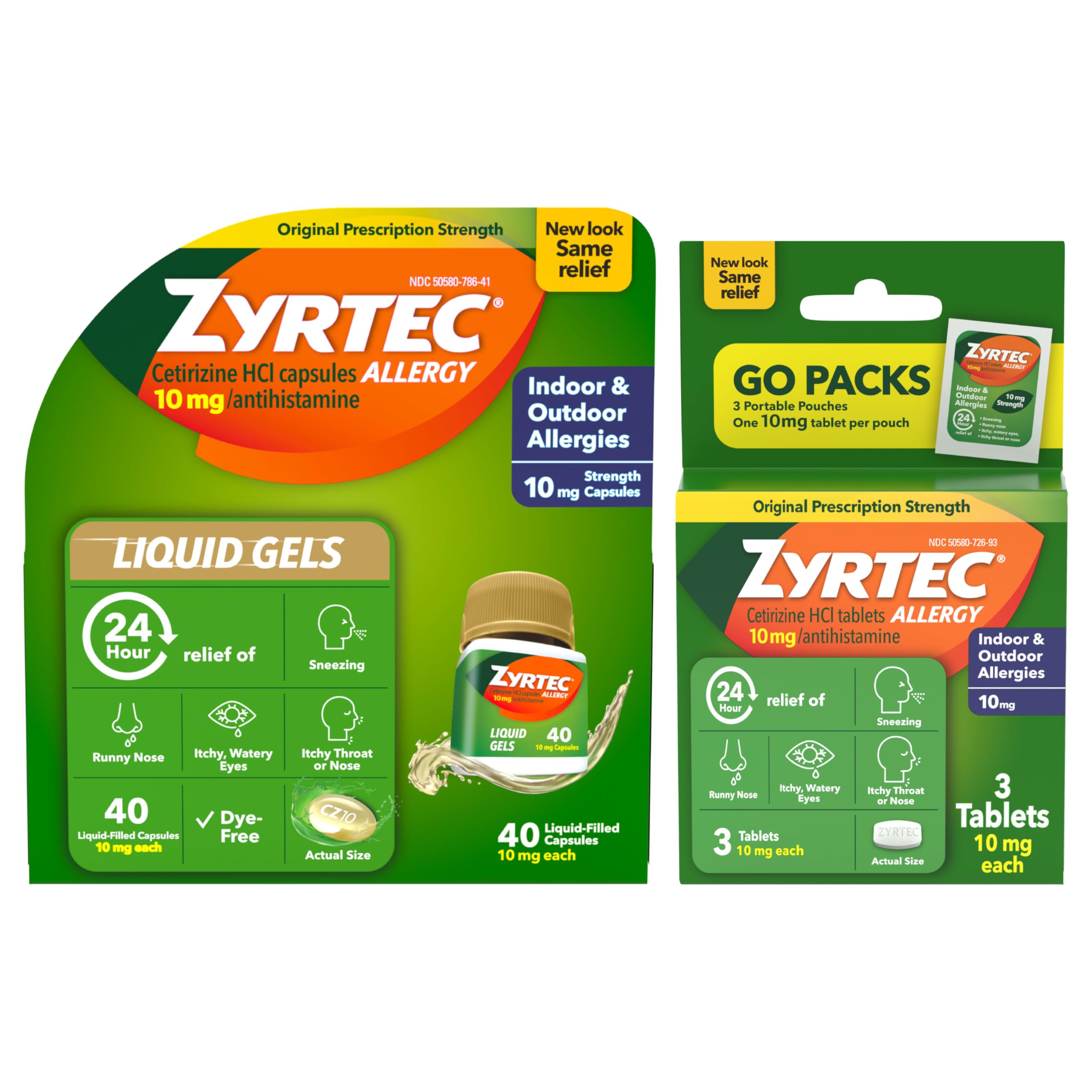
Zyrtec’s liquid gel formulation delivers 10 mg of cetirizine in a format designed for faster absorption than standard tablets. For runny eyes, cetirizine is the gold-standard oral antihistamine because it penetrates ocular tissue effectively, often providing noticeable symptom relief within an hour of dosing.
The 24-hour duration covers the full allergy cycle, from morning pollen peaks to evening dust mite exposure. The included three single-dose travel packs are a practical bonus for commuters or anyone who needs relief on the go without carrying a full bottle.
Clinical data consistently shows cetirizine outperforms loratadine and fexofenadine specifically for histamine-induced ocular itching and tearing. If your primary symptom is watery, itchy eyes, this liquid gel format offers the most direct oral assault against that specific complaint.
Why it’s great
- Liquid gels absorb faster than tablets for quicker eye relief
- Cetirizine has proven superior efficacy for ocular symptoms vs. other OTC antihistamines
- Includes travel packs for portable symptom management
Good to know
- Some users report mild drowsiness with cetirizine
- Liquid gels may cost more per dose than tablet equivalents
2. Bausch + Lomb Advanced Eye Relief, Olopatadine 0.2%
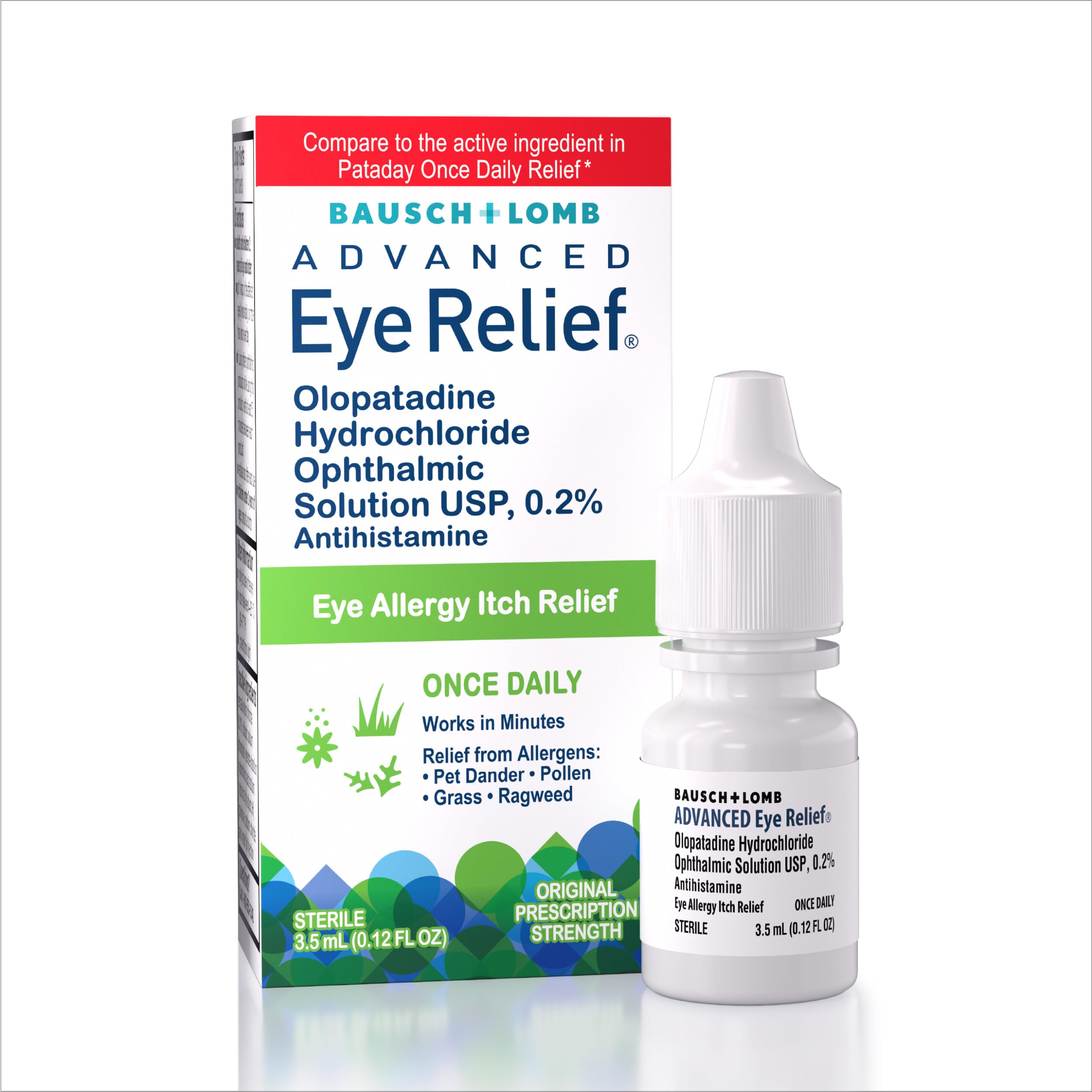
This is a prescription-strength drop that went OTC, and the 0.2% olopatadine concentration is the key differentiator. Unlike oral antihistamines which travel through your entire bloodstream, this drop delivers the antihistamine directly onto the conjunctival surface, blocking histamine receptors at the source of the itch within minutes.
The once-daily application provides up to 16 hours of relief from ocular itching and tearing. For users whose primary allergy symptom is eye-focused—pollen-induced conjunctivitis, for example—this targeted approach often eliminates symptoms that even high-dose oral cetirizine cannot fully control.
Bausch + Lomb is a legacy eye-care manufacturer with over a century of experience in ocular formulations. The small 0.12 fl oz bottle contains roughly 30 drops, aligning closely with a standard one-month supply for once-daily dosing in each eye.
Why it’s great
- Delivers drug directly to ocular surface for fast, targeted action
- Olopatadine 0.2% is the highest OTC drop concentration available
- Very low systemic absorption, virtually no drowsiness
Good to know
- Small bottle at a premium cost per ounce
- Does not treat nasal or other systemic allergy symptoms
3. Curist 24 Hour Allergy Relief Tablets, Levocetirizine 5 mg
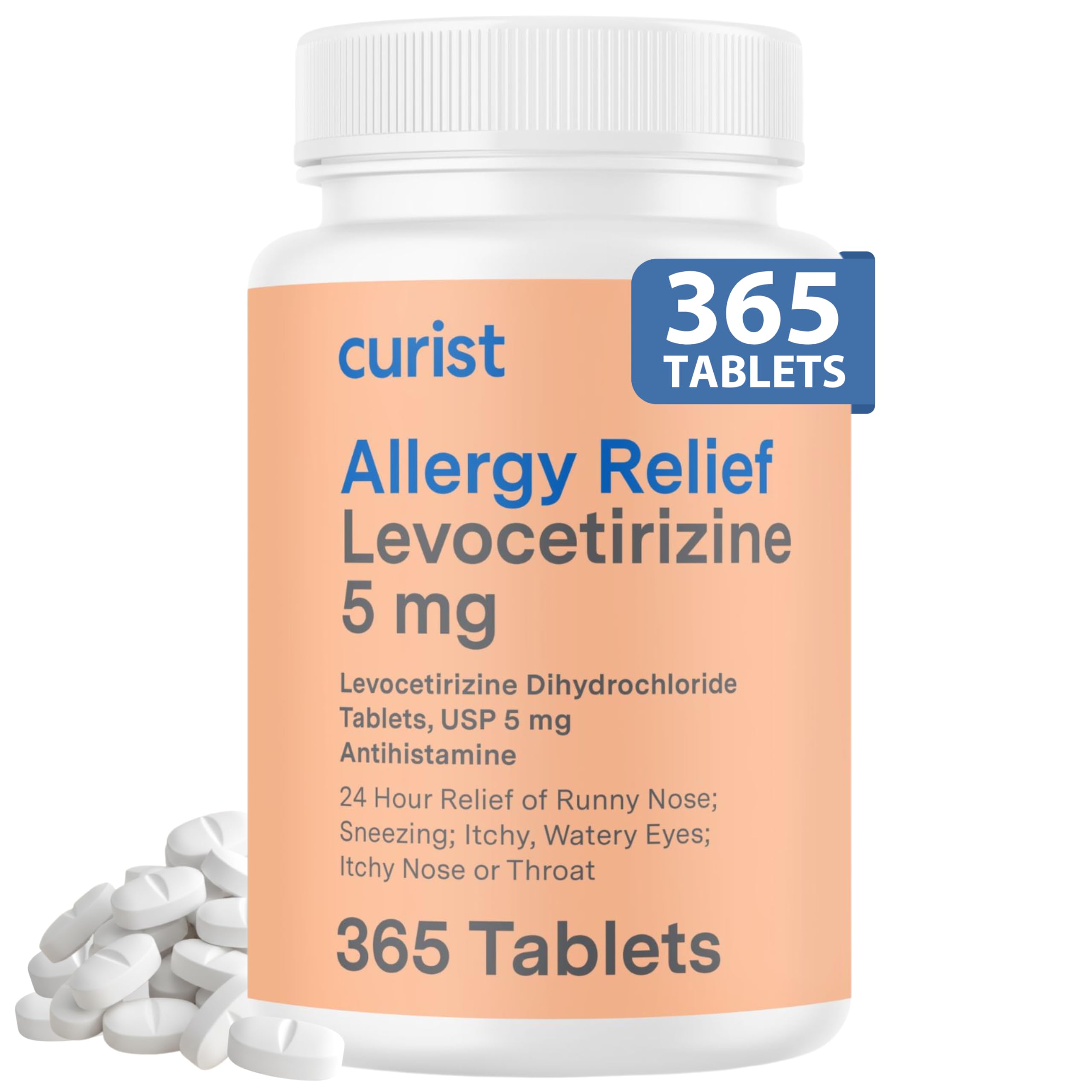
Curist uses levocetirizine, the active (R)-enantiomer of cetirizine, meaning it is a more refined molecule that offers comparable or superior histamine blockade at half the milligram dose. For runny eyes, this translates to potent targeted relief with potentially fewer metabolic byproducts that cause side effects.
The scored tablet design is a genuinely useful innovation. On low-pollen days, splitting a 5 mg tablet into a 2.5 mg dose may provide sufficient eye-symptom control while reducing any potential drowsiness. This flexibility is unique among the 24-hour oral antihistamines reviewed.
With 365 tablets in a single bottle, this represents a full year of daily medication. The bulk format is ideal for chronic allergy sufferers who know their eye symptoms will persist across multiple seasons and want to avoid monthly pharmacy runs.
Why it’s great
- Levocetirizine offers potent eye-symptom control with lower dose
- Scored tablet allows 2.5 mg or 5 mg personalized dosing
- 365-count bottle covers a full year of daily use
Good to know
- Less widely known than brand-name alternatives
- Some users report mild withdrawal if stopping abruptly after long use
4. Zyrtec Allergy Medicine Tablets, Cetirizine 10 mg, 75 Count
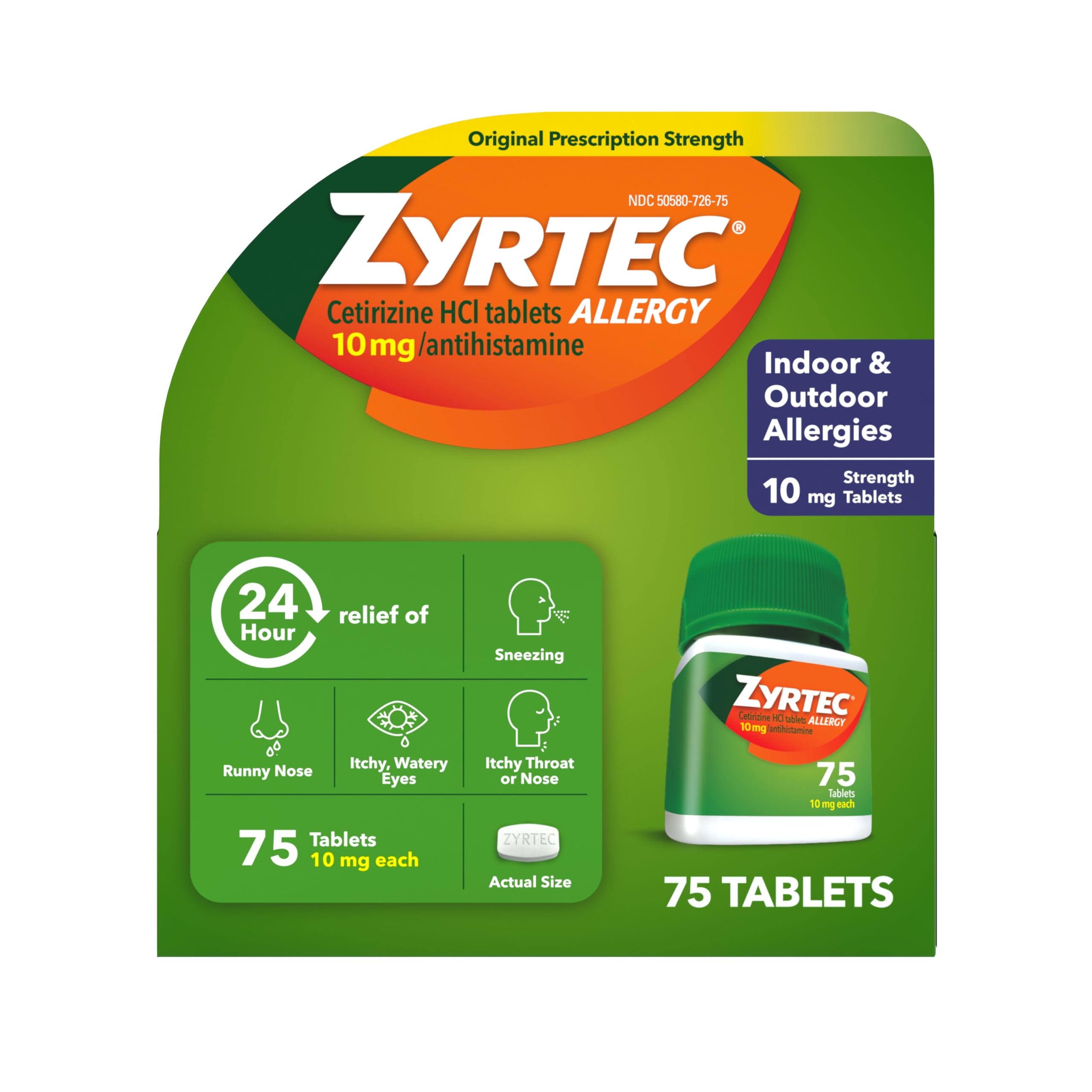
This is the standard Zyrtec tablet format—no liquid gel, no frills, just 10 mg of cetirizine in a compact, easy-to-swallow tablet. It is #1 doctor-recommended among OTC oral antihistamines for a reason: the clinical efficacy of cetirizine against watery, itchy eyes is better documented than any other second-generation antihistamine.
The 75-count bottle offers a solid middle ground between convenience and commitment.
The tablet format means it is shelf-stable and portable. For users who find liquid gels too large to swallow or who prefer a traditional pill, this is the most direct and effective route to stopping runny eyes from an oral antihistamine.
Why it’s great
- Doctor-recommended first-line OTC oral antihistamine for eye symptoms
- Small, easy-to-swallow tablet with no aftertaste
- 75-count bottle offers good value for extended seasonal use
Good to know
- Tablet absorption is slower than liquid gel format
- May cause drowsiness in a subset of users
5. Allegra Adult 24-Hour Allergy Relief Tablets, Fexofenadine 180 mg
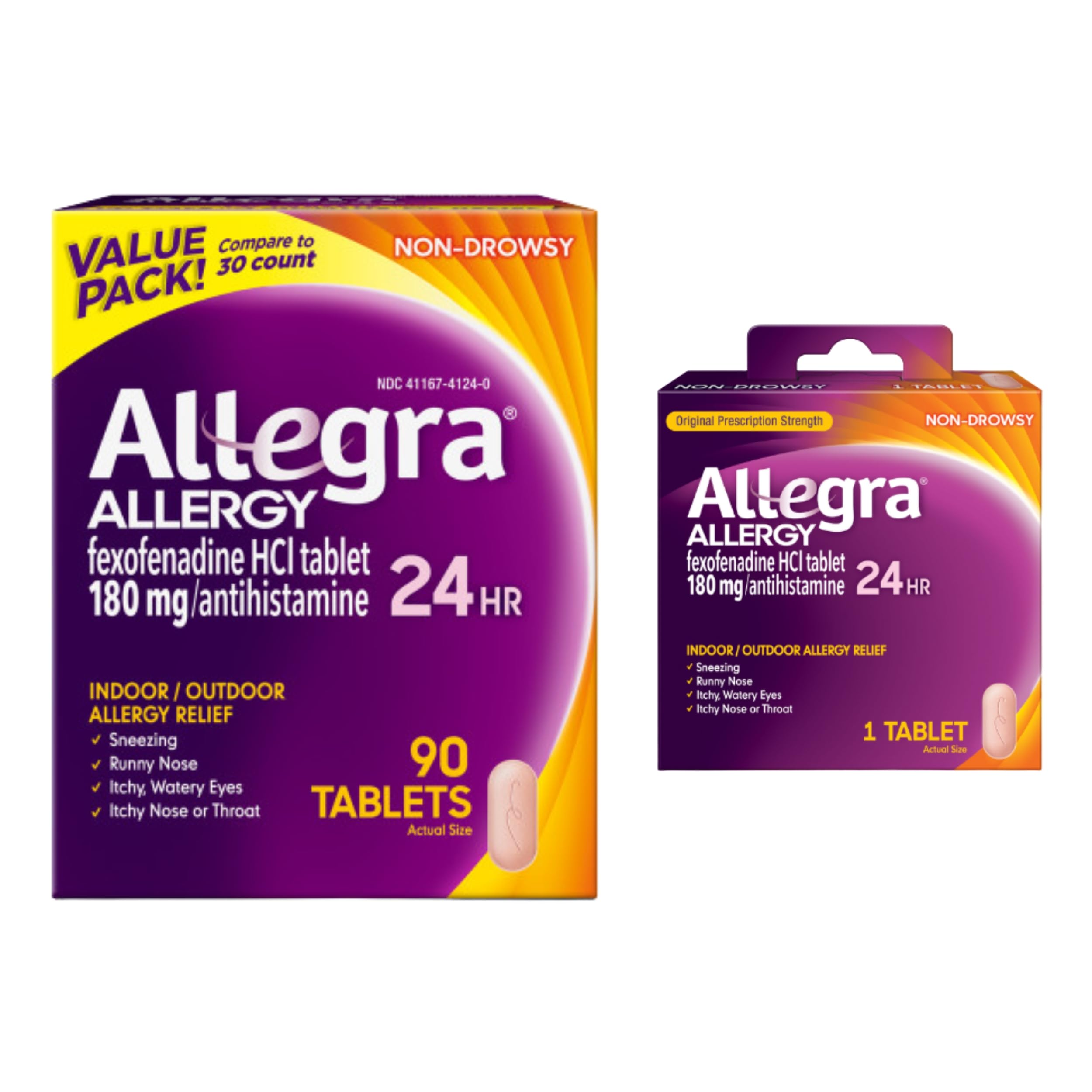
Allegra uses fexofenadine, an antihistamine that does not cross the blood-brain barrier as readily as cetirizine or levocetirizine. This makes it the most reliably non-drowsy option available. For users who need to operate machinery, drive long distances, or simply cannot tolerate any sedation, this is the superior choice.
The 180 mg dose provides 24-hour coverage, and while fexofenadine is slightly less potent on ocular histamine receptors than cetirizine, many users find it adequately controls watery eyes without the mental fog associated with other antihistamines. The included travel pack is a thoughtful addition.
Allegra is the #1 allergist-recommended non-drowsy brand, and this 90-count bottle covers a full three months of daily dosing. It is an excellent choice for people whose runny eyes are accompanied by other symptoms but who prioritize staying alert throughout the day.
Why it’s great
- Lowest incidence of drowsiness among OTC oral antihistamines
- 90-count bottle plus travel pack provides solid value
- Allergist-recommended non-drowsy option
Good to know
- Fexofenadine may be slightly less effective for severe ocular itching vs. cetirizine
- Should not be taken with fruit juices, which reduce absorption
6. Claritin 24 Hour Allergy Medicine, Loratadine 10 mg

Claritin contains loratadine, an antihistamine known for its gentle side-effect profile. For runny eyes, loratadine is a reliable first-line option, though clinical studies show it is slightly less effective than cetirizine for histamine-induced ocular itching. It remains the most common starter antihistamine recommended by general practitioners.
The 10 mg tablet is small and film-coated, making it very easy to swallow. The 70-count bottle covers over two months of daily dosing, providing a solid balance between affordability and supply for users with moderate seasonal eye symptoms.
Loratadine has the advantage of being the least likely of the second-generation antihistamines to cause drowsiness or withdrawal symptoms upon discontinuation. For users with mild to moderate runny eyes who want a predictable, low-risk daily medication, Claritin fits the bill precisely.
Why it’s great
- Very low risk of drowsiness or withdrawal symptoms
- Small, easy-to-swallow tablet with smooth coating
- Well-tolerated for long-term daily use
Good to know
- Less potent for ocular symptoms compared to cetirizine or levocetirizine
- May not be sufficient for severe seasonal allergies
7. Amazon Basic Care All Day Allergy, Cetirizine 10 mg

This is a generic cetirizine product that matches the active ingredient of Zyrtec at a fraction of the per-dose cost. With 365 tablets in one bottle, it is the highest-volume supply available, designed for users who rely on daily antihistamine therapy to control chronic allergy symptoms, including persistent runny eyes.
The gluten-free formulation and original prescription-strength 10 mg dose ensure it meets the same FDA standards as the name brand. Customer feedback consistently confirms it is indistinguishable from Zyrtec in terms of eye-symptom relief, making it a straightforward choice for budget-conscious buyers.
The single bottle format reduces packaging waste and simplifies storage. For anyone who knows they will be on cetirizine for the next year, this is the most economical way to maintain consistent symptom control for watery, itchy eyes.
Why it’s great
- Identical active ingredient to Zyrtec at a significantly lower per-dose cost
- 365-tablet bottle covers a full year of daily use
- Gluten-free and original prescription-strength formula
Good to know
- Larger bottle may not be ideal for occasional users
- Generic branding lacks the tablet coating technology of some name brands
FAQ
Why do some allergy medicines work better for runny eyes than others?
Can I use an oral antihistamine and eye drops together for runny eyes?
Final Thoughts: The Verdict
For most users, the best allergy medicine for runny eyes winner is the Zyrtec 24 Hour Allergy Relief Liquid Gels because cetirizine in a fast-absorbing liquid gel format offers the most potent and reliable oral relief specifically for ocular itching and tearing. If you want direct, targeted eye relief without systemic effects, grab the Bausch + Lomb Olopatadine Eye Drops. And for the best long-term value with dosing flexibility, nothing beats the Curist 24 Hour Allergy Relief levocetirizine tablets.