
Our readers keep the lights on and the weekend projects moving. As an Amazon Associate, I earn from qualifying purchases.
That persistent brain fog after lunch, the unexplained bloating that makes you feel six months pregnant, or the eczema flare-up with no obvious cause—your body is sending signals, but without a map, you are left guessing which foods are the real offenders. An at-home food sensitivity test can cut through the noise, analyzing your hair or blood sample against hundreds of potential triggers so you can finally build an elimination diet based on data, not intuition.
I’m Rikta — the co-founder and writer behind FitlyFast. I’ve spent hundreds of hours analyzing the lab protocols, read counts, and customer feedback across dozens of at-home sensitivity kits to separate the scientifically credible from the marketing hype.
Whether you choose a broad hair analysis or a blood-based IgG screening, the right allergy test for food allergies will give you a clear, color-coded roadmap to start an informed elimination diet and regain control of your daily energy and digestion.
How To Choose The Best Allergy Test For Food Allergies
Buying a food sensitivity kit means navigating a minefield of test methods, item counts, and privacy claims. Focus on these three pillars to avoid wasting money on a report that collects dust in your inbox.
Test Method: Hair Analysis vs. Blood IgG
Hair analysis kits (like 5Strands or Check My Body Health) use bioresonance to assess your body’s response to items through hair follicles. They are completely non-invasive and cover a massive range (up to 1,500+ items). Blood IgG tests (like Everlywell or Verisana) measure antibody reactivity through a finger-prick sample and are generally considered more clinically accepted because they use CLIA-certified labs. Your choice depends on whether you want breadth of items tested or a lab methodology with stronger medical precedent.
Item Count and Personal Relevance
A test screening 990 items may sound superior to one screening 204, but if 700 of those items are obscure spices or chemicals you never consume, the signal-to-noise ratio drops. Match the test’s scope to your diet: if you eat a whole-food diet with minimal processed ingredients, a focused 240-item test like Verisana’s may be more actionable than a 1,500-item broad screen that flags items you never touch.
Lab Certification and Physician Oversight
Look for CLIA certification (for blood-based tests) or ISO accreditation (for hair analysis labs) because these external audits validate that the lab follows reproducible, quality-controlled processes. Everlywell and Verisana both use CLIA-certified labs with board-certified physician review, which adds a layer of credibility that non-certified hair analysis kits cannot match in the eyes of your primary care doctor.
Quick Comparison
On smaller screens, swipe sideways to see the full table.
| Model | Category | Best For | Key Spec | Amazon |
|---|---|---|---|---|
| 5Strands Comprehensive | Hair Analysis | Maximum item breadth | 1,119 Items Tested | Amazon |
| Everlywell Comprehensive | Blood IgG | Clinical credibility | 204 Foods, CLIA Lab | Amazon |
| Verisana Complete | Blood IgG | Physician-reviewed reports | 240 Foods, CLIA Lab | Amazon |
| UCARI Profiling Test | Hair Analysis | Highest item count | 1,500+ Items Tested | Amazon |
| AFIL 750+ Wellness Test | Hair Analysis | Family-run data privacy | 750+ Items, ISO 27001 | Amazon |
| AFIL Primal 350+ | Hair Analysis | Budget entry-level | 350+ Items, ISO 9001 | Amazon |
| Check My Body Health 990 | Hair Analysis | Budget-friendly breadth | 990 Items, 3-5 Day Results | Amazon |
In‑Depth Reviews
1. 5Strands Food Intolerance, Environmental & Heavy Metal Sensitivity Test
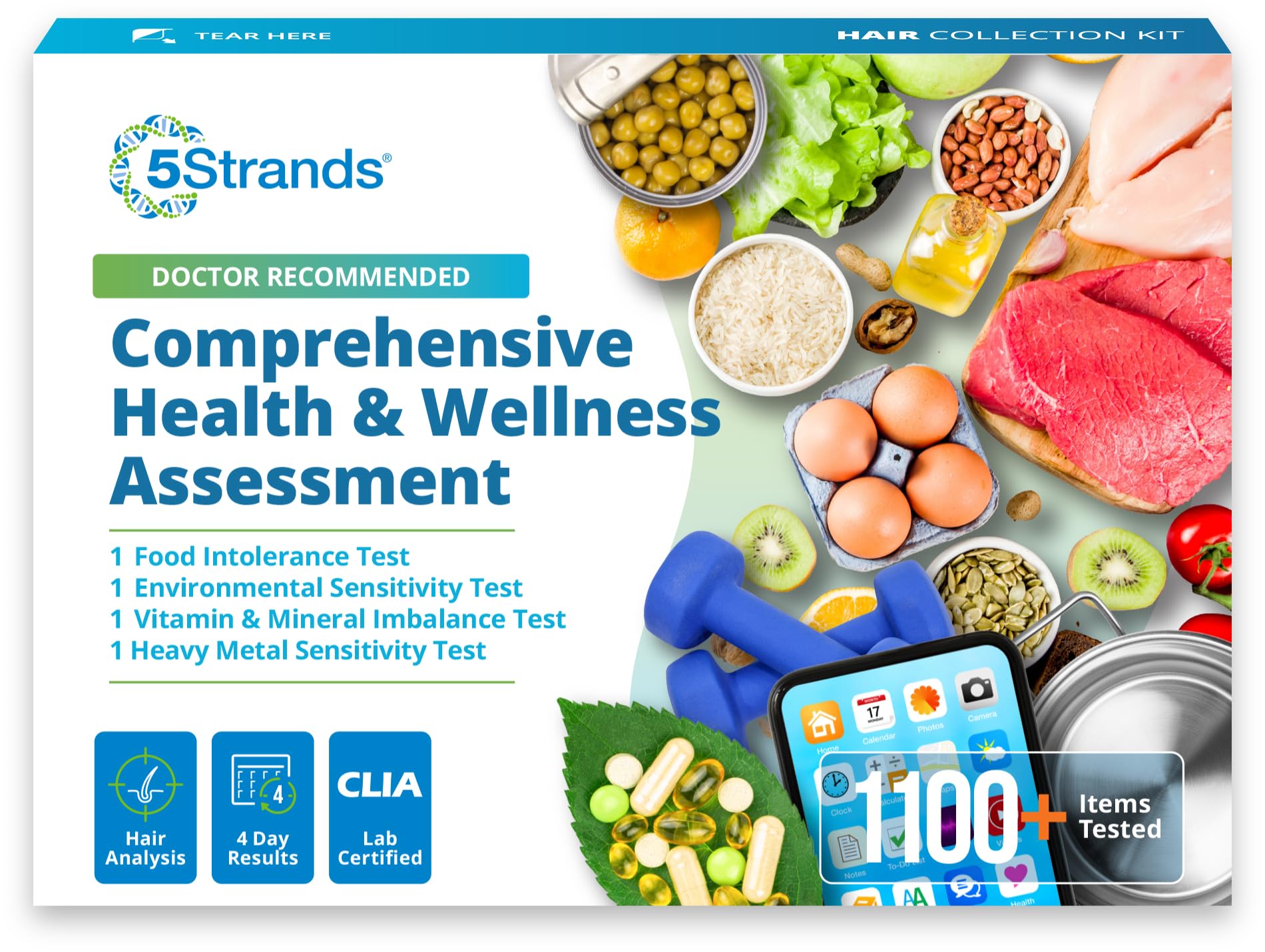
The 5Strands deluxe kit is the undisputed heavyweight champion of hair analysis, screening 658 food ingredients, 282 environmental exposures, 67 heavy metals and minerals, and 112 vitamins and minerals in a single non-invasive test. Each sample is analyzed twice in a US-based certified lab, and dual validation catches inconsistencies that single-pass methods might miss. Results land in your email and mobile dashboard within four days of sample receipt, organized into four severity levels so you know exactly which items need temporary removal versus controlled rotation.
Over 345,000 people have used this test, and the customer feedback consistently highlights how the combined food plus environmental and heavy metal screening reveals triggers that food-only tests overlook—like sensitivity to household chemicals or a specific metal that causes skin flare-ups. The breadth is genuinely useful for someone who has already failed with narrower tests and needs a full-spectrum picture.
On the downside, the sheer volume of data can feel overwhelming. Some users report conflicting results between the food intolerance and the nutrient absorption sections, which requires patience to reconcile. The elimination diet becomes a serious project, not a weekend experiment, so be prepared for a longer process of reintroduction.
Why it’s great
- Screens food, environmental, heavy metal, and nutrient absorption in one test.
- Each sample runs through dual lab analysis for consistency.
- Results delivered in 4 days with clear severity-level grading.
Good to know
- Massive data can be overwhelming to interpret without guidance.
- Occasional contradictions between different sections of the same report.
2. Everlywell Food Sensitivity Comprehensive Test
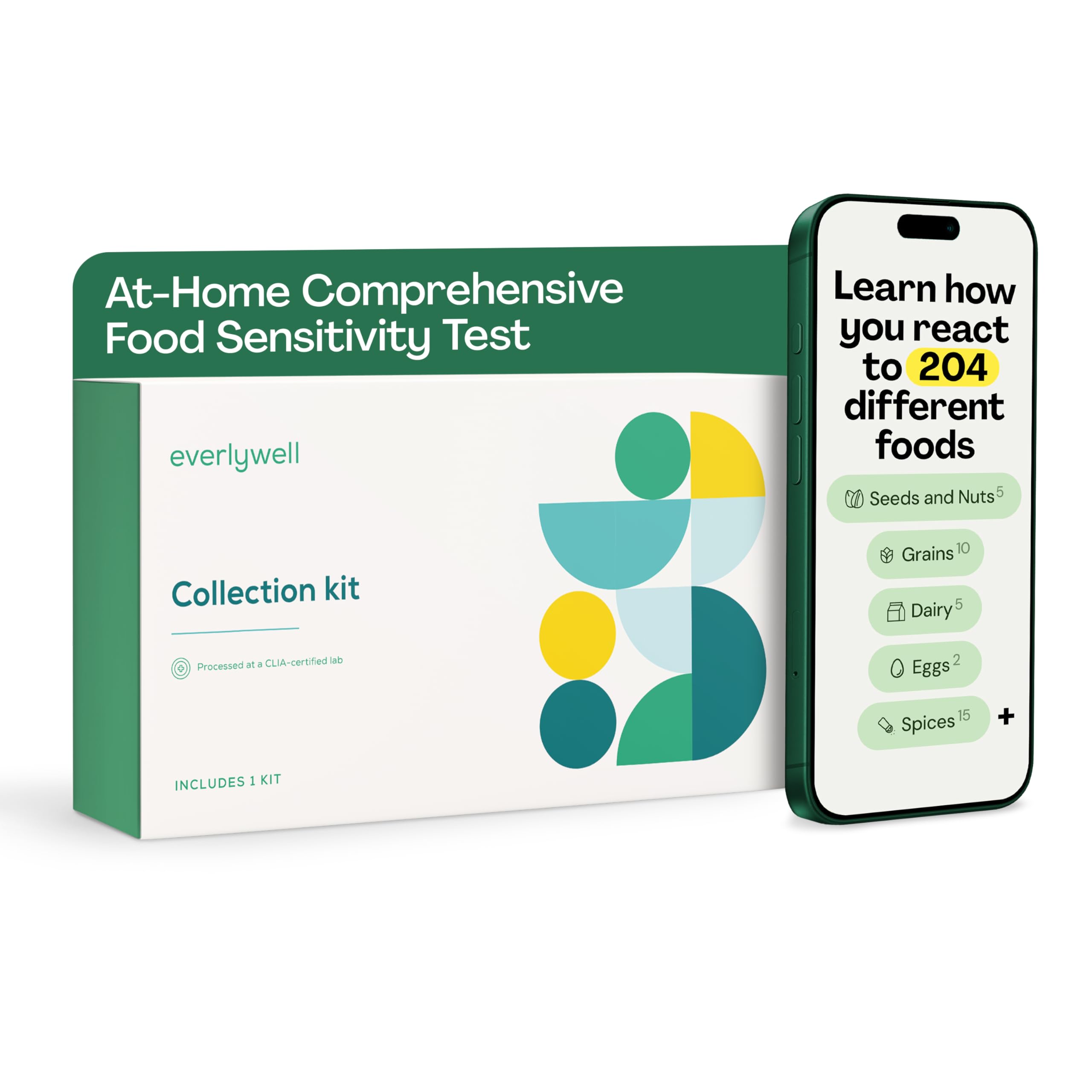
Everlywell takes the blood-based IgG route, measuring your body’s antibody reactivity to 204 foods through a finger-prick sample that gets analyzed in a CLIA-certified laboratory. The results are reviewed by a board-certified physician, which gives this test a weight that hair analysis kits cannot claim in clinical conversations. The digital dashboard is polished and intuitive, color-coding each food into high, moderate, or low reactivity categories that make planning an elimination diet straightforward.
Real-world results have been dramatic for some users: one reviewer reported cutting migraine frequency from near-daily to about three per month after eliminating high-IgG reactive foods like wheat and gluten. Others have cleared up persistent psoriasis by identifying yeast as a trigger. The test is limited to 204 foods, which covers the most common dietary items but will miss exotic or regional ingredients that show up in a 1,500-item hair scan.
The biggest catch is that an IgG test does not diagnose celiac disease, lactose intolerance, or true IgE-mediated allergies. It measures sensitivity, not allergy, so you may need additional medical follow-up for severe reactions. A small number of users have reported issues with insufficient blood samples requiring retests, and the company’s customer service has drawn criticism in those edge cases.
Why it’s great
- CLIA-certified lab with physician-reviewed results for higher clinical confidence.
- Clear, color-coded digital dashboard simplifies elimination diet planning.
- HSA/FSA eligible and available in most states.
Good to know
- Requires a finger-prick blood sample, not suitable for needle-averse users.
- Not available in New York due to regulatory restrictions.
3. Verisana Food Sensitivity Complete Test
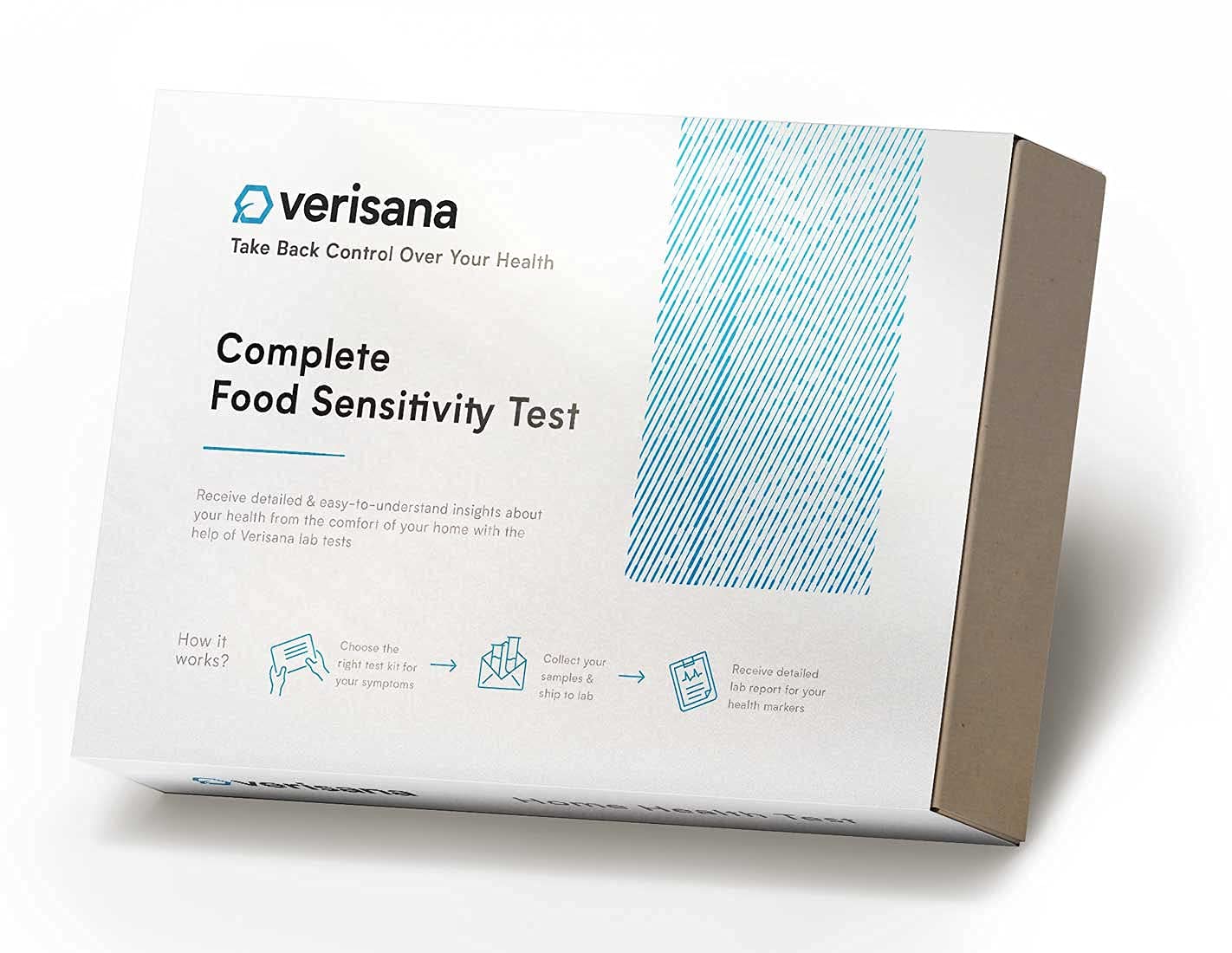
Verisana strikes a middle ground between Everlywell’s moderate item count and the massive hair analysis panels, offering a 240-food IgG test that covers more ground without overwhelming the user. The blood sample is analyzed in a CLIA-certified lab, and every test request and result is reviewed by an independent board-certified physician from within your state—an extra layer of regulatory oversight that few competitors match.
The packaging and instructions are professional, and the pre-paid return envelope makes the process seamless. Customers who have completed the test report finding clear reactivity to foods like mozzarella or items linked to candida overgrowth, and they appreciate how the results are presented in an easy-to-navigate web portal. The test covers the most common dietary triggers including gluten, dairy, eggs, and various grains.
One notable drawback is the lack of transparency around the blood requirement on the product page. Several customers were surprised to learn it requires a finger-prick sample rather than a saliva or hair sample, which can be a dealbreaker for those seeking a completely non-invasive method. Additionally, the test is not available in New York, New Jersey, Rhode Island, or Maryland due to state regulations.
Why it’s great
- State-specific physician oversight on every result report.
- 240-item coverage balances breadth with actionable specificity.
- Professional, well-organized kit with clear instructions.
Good to know
- Test requires a finger-prick blood sample, not hair or saliva.
- Restricted in NY, NJ, RI, and MD.
4. UCARI Personal Sensitivity Profiling Test

UCARI boasts the highest item count in this lineup at over 1,500, covering foods, additives, skincare ingredients, and environmental factors. The at-home hair sample collection is about as easy as it gets—no needles, no blood, just a small snip of hair sent via prepaid envelope. Results arrive in roughly two business days after the lab receives your sample, which is the fastest turnaround in this guide.
The color-coded digital report organizes items into severity levels, making it straightforward to identify which triggers to eliminate first. Several customers have shared compelling success stories: one user found that potato was causing severe eye irritation that six doctors could not diagnose, and eliminating it along with moderate-reactivity items like eggs and tomatoes resolved symptoms within five days. Another user discovered beef intolerance in their dog, saving money on expensive novel-protein diets.
The primary concern with UCARI is inconsistency in some results. Reviews mention contradictions like coconut water appearing safe while coconut milk flags as reactive, or garlic powder showing sensitivity but raw garlic going unmarked. These anomalies suggest the bioresonance method may have blind spots, making it a useful starting point rather than a definitive diagnostic tool.
Why it’s great
- Fastest result turnaround at 2 business days after sample arrives.
- Highest item count at 1,500+ for broadest possible screening.
- Non-invasive hair sample with no blood draw required.
Good to know
- Some results show internal contradictions that reduce confidence.
- Not a medical diagnostic test; intended for general wellness insights only.
5. AFIL Upgraded 750+ Wellness Test Kit
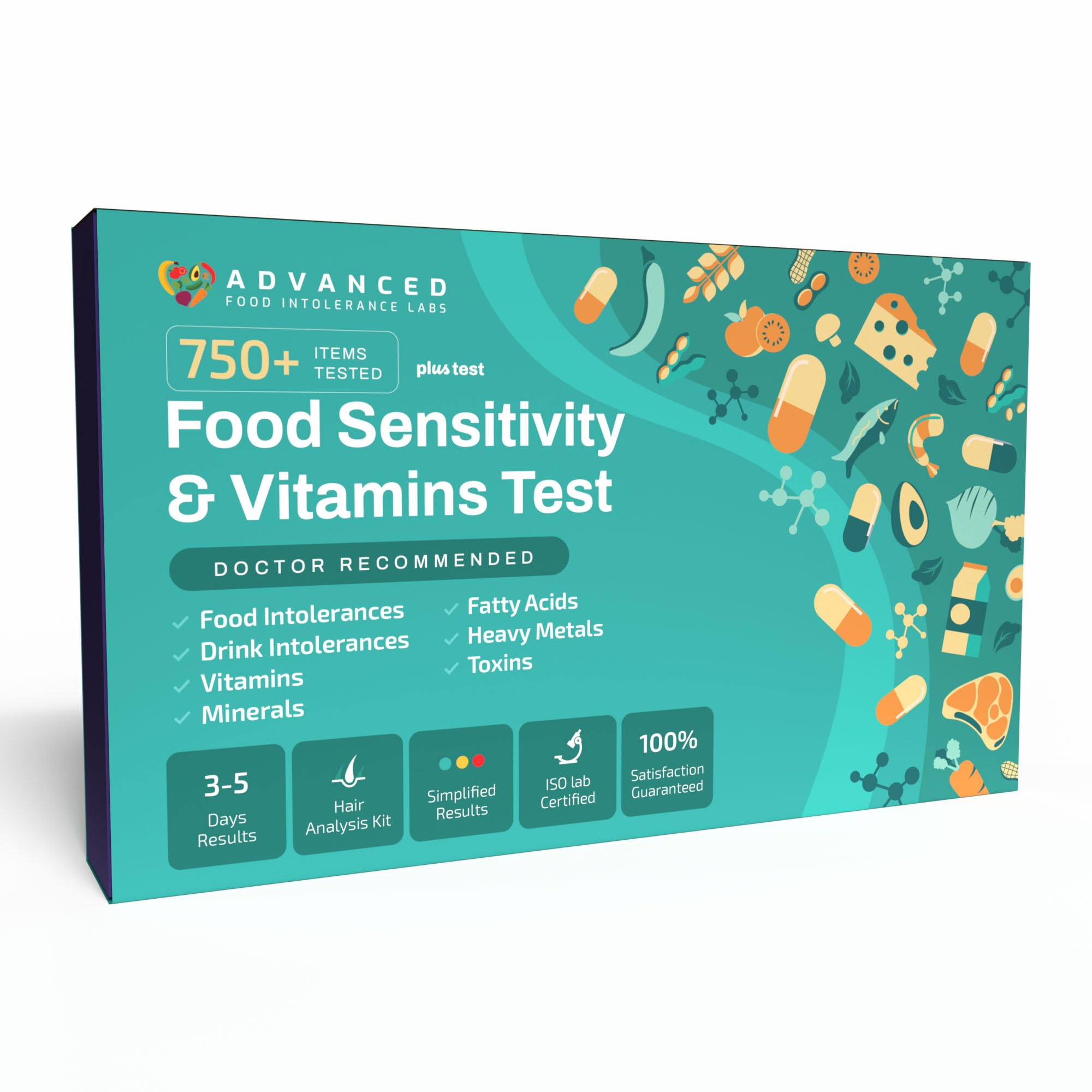
Advanced Food Intolerance Labs (AFIL) positions itself as the privacy-first option among hair analysis kits. The company is family-owned and holds ISO/IEC 27001 certification for data protection, which means your health data is audited by third parties and cannot be sold or shared. The upgraded kit screens 750+ items including foods, drinks, nutrients, household chemicals, and environmental triggers from just 10 strands of hair.
The process is genuinely stress-free: register online, snip hair from the nape of the neck, and mail it with the prepaid envelope. Results hit your portal within 72 hours of the lab receiving your sample, and the interactive clickable report lets you drill into each item for more context. Customers have reported uncovering vitamin C and omega-3 deficiencies that improved after targeted supplementation, and a few noted that the results aligned well with Everlywell blood tests they had taken previously.
The biggest downside is shipping time. Several reviews mention it took nearly two weeks just to receive the kit, and the return envelope lacks tracking, so you are left wondering when your sample actually arrives at the lab. A small number of customers found the results too vague or misleading, so approach this as a wellness screening tool rather than a medical-grade test.
Why it’s great
- ISO 27001 certified for data protection and privacy assurance.
- Interactive clickable report with detailed item-level context.
- Non-invasive hair collection with results in 72 hours.
Good to know
- Kit shipping can take up to two weeks before you can even begin.
- Return envelope lacks tracking, causing anxiety during the mail-back phase.
6. AFIL Primal 350+ Food & Drinks Sensitivity Test
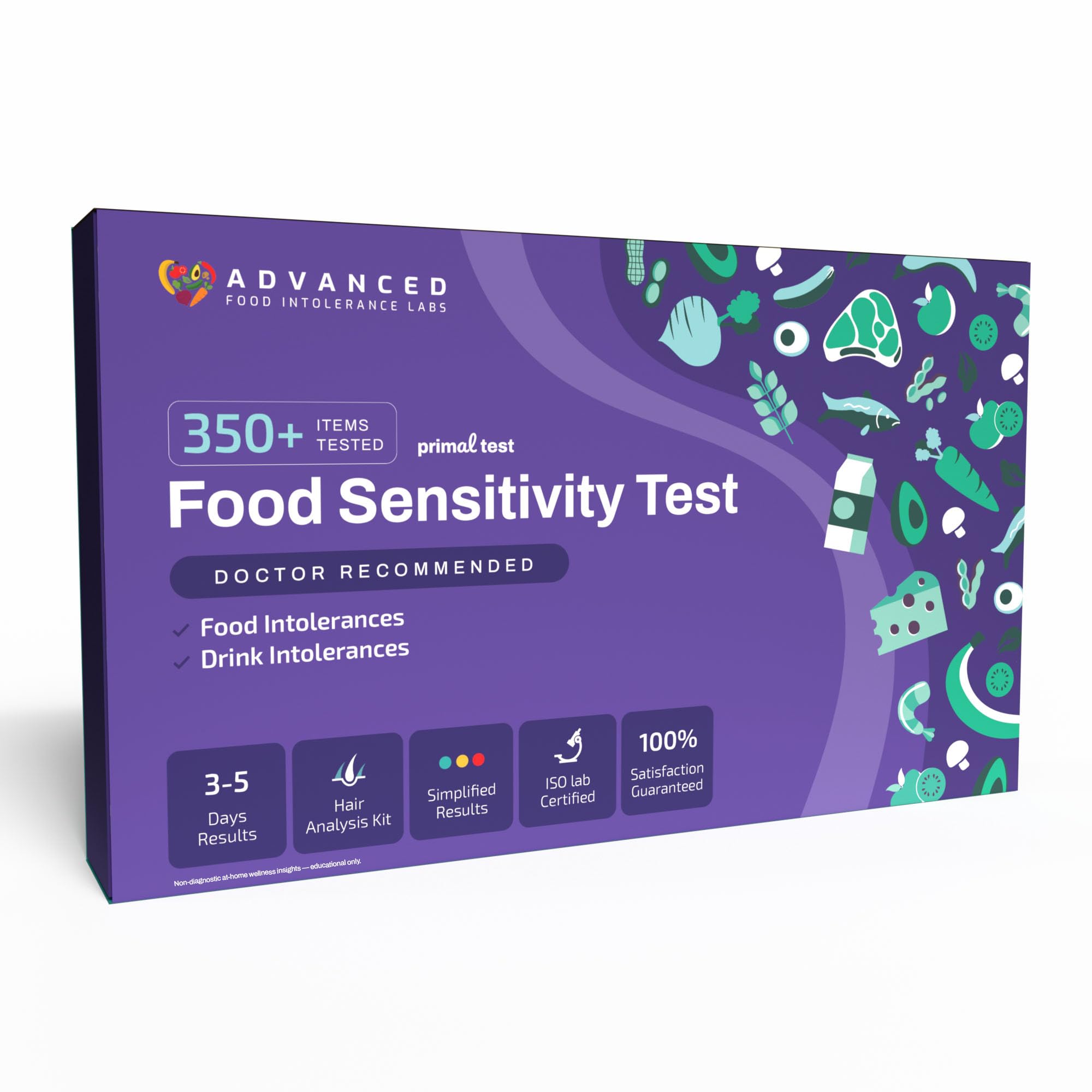
The AFIL Primal is the most affordable entry point into hair-based sensitivity testing, screening 350+ common foods and beverages. Despite the lower price, it still uses ISO 9001 and ISO 27001 accredited labs with recognized biofeedback technology. Results are delivered within three business days after sample receipt, and the prepaid return envelope keeps the process simple.
Customers who had positive experiences found the test helpful for identifying triggers behind bloating, stomach pain, and hormonal acne. One user discovered that coconut milk, peanut butter, and dark chocolate were causing inflammation and breakouts, and after removing them saw clear improvements. The member portal includes diet plans, recipes, and supplement suggestions tailored to your results, which adds ongoing value beyond the initial report.
The main risk is inconsistent customer service. Several reviewers reported delayed results, contradictory emails, and a general feeling that the process lacked polish. A few mentioned having to pay extra for additional tests they did not expect, which can feel deceptive. For the price, the test can serve as a low-cost discovery tool, but the variability in service means it is not the most reliable choice for someone needing a definitive answer.
Why it’s great
- Lowest cost entry point for hair analysis sensitivity testing.
- ISO 9001 and 27001 accredited lab with biofeedback technology.
- Includes member portal with diet plans and supplement recommendations.
Good to know
- Customer service quality is inconsistent, with some reports of delays.
- Additional tests may be upsold during the registration process.
7. Check My Body Health 990 Item Complete Food Sensitivity Test
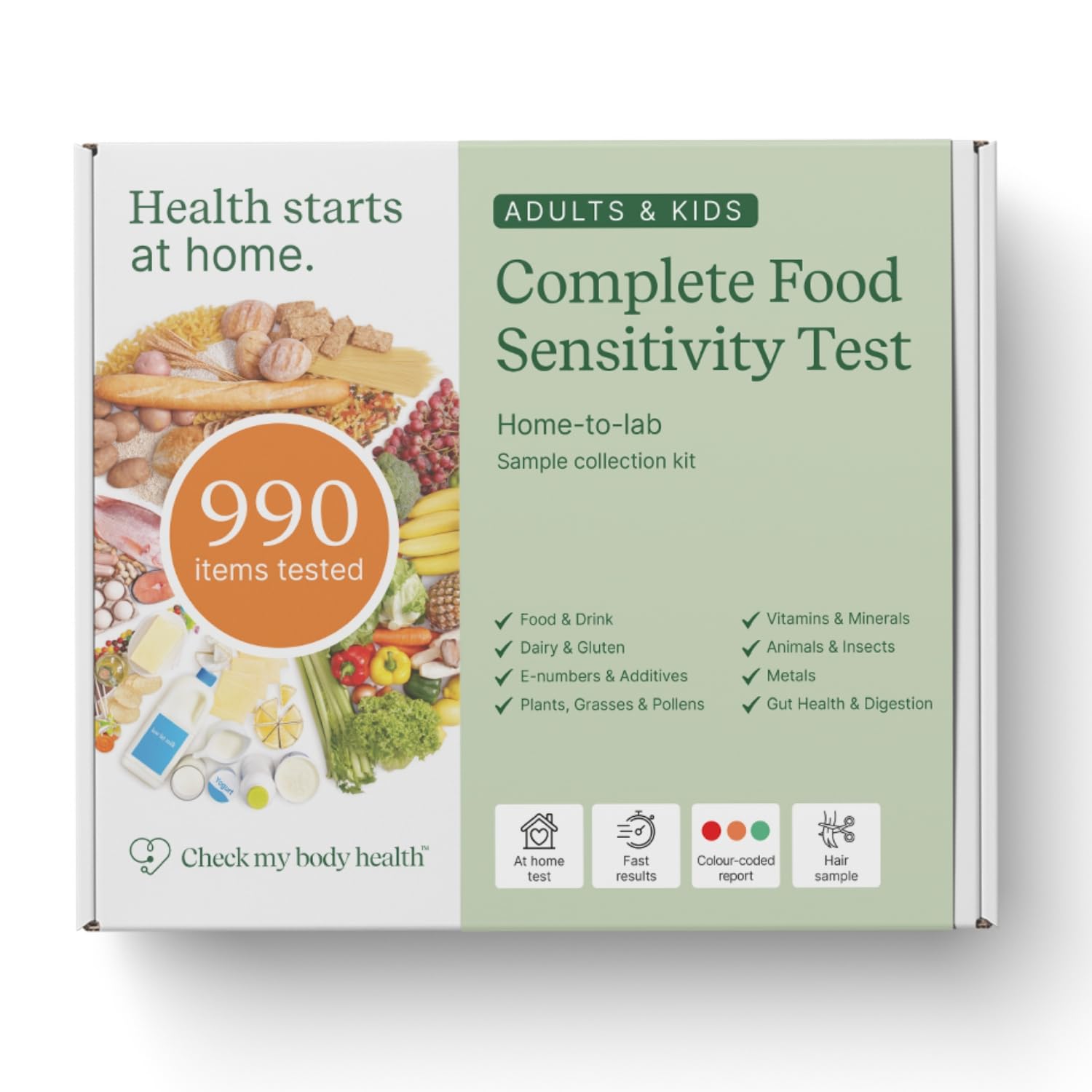
Check My Body Health offers a staggering 990-item screen at a price that undercuts most competitors by a wide margin. The kit uses non-invasive hair sample analysis and returns results via secure email within 3 to 5 days. The report comes with an Elimination Diet Guide and 30 days of access to The Meal Planners, so you are not left staring at a list of trigger foods without a practical next step.
Several customers have had genuinely life-improving results. One user with chronic stomach pain and bloating discovered severe reactions to dairy and gluten, and within two days of eliminating those foods, their symptoms resolved. The test also flagged missing healthy bacteria and enzymes, allowing targeted probiotic use. For the price, the sheer number of items tested—including nuts, gluten, dairy, caffeine, additives, and vitamins A through K—makes this an attractive option for budget-conscious shoppers.
The major red flags are around security and scientific validity. Multiple reviews mention unprofessional packaging with hair samples sent in basic ziplock bags, and a notable number of customers never received their results or could not log into the portal. The lack of clear scientific backing for bioresonance hair analysis also means you may struggle to get your doctor to take the results seriously. Proceed with caution and treat this as a low-cost exploration rather than a diagnostic commitment.
Why it’s great
- Extremely wide 990-item screen at a very accessible price point.
- Includes Elimination Diet Guide and meal planner access.
- Non-invasive hair sample with results within a week.
Good to know
- Multiple reports of unprofessional packaging and login portal issues.
- Scientific validity of bioresonance hair analysis is questioned by many users.
FAQ
Can a hair analysis test replace a blood allergy test for food allergies?
How long should I follow an elimination diet after receiving sensitivity results?
Why do some tests require a blood sample while others only need hair?
Are at-home food sensitivity tests covered by HSA or FSA accounts?
Final Thoughts: The Verdict
For most users, the allergy test for food allergies winner is the 5Strands Comprehensive Test because it delivers the broadest actionable scope across food, environmental, and heavy metal sensitivities with dual-validated lab analysis. If you want a clinically defensible, physician-reviewed report that your doctor will take seriously, grab the Everlywell Comprehensive Test. And for the fastest turnaround at the widest item count, nothing beats the UCARI Profiling Test.