
Our readers keep the lights on and the weekend projects moving. As an Amazon Associate, I earn from qualifying purchases.
Switching your one-year-old from breast milk or infant formula to an alternative milk is a nutritional pivot that many parents overthink. The aisle is packed with plant-based options, but few are formulated to match a toddler’s need for fat, protein, and key vitamins like DHA and calcium. The wrong choice can mean empty calories, hidden sugars, or a missed window for brain development.
I’m Rikta — the co-founder and writer behind FitlyFast. My research for this guide involved cross-referencing pediatric nutrition guidelines, analyzing protein-to-sugar ratios, and comparing DHA content across dozens of toddler milk products to find the six strongest contenders.
Whether you’re managing a dairy sensitivity, raising a vegan toddler, or just want a cleaner option, the right alternative milk for 1 year old should deliver complete nutrition without the additives found in conventional toddler drinks.
How To Choose The Best Alternative Milk For 1 Year Old
Not all plant-based or toddler milks are nutritionally equivalent. A one-year-old needs about 11-13 grams of protein per day, plus adequate fat for brain development and specific nutrients like DHA for cognitive growth. The label is your best friend here — and the three specs below are where most parents get tripped up.
Protein Density and Source
Almond milk typically contains only 1 gram of protein per serving. Oat milk fares slightly better at 2-3 grams, but pea protein milk can deliver 8 grams per cup — a meaningful contribution to your toddler’s daily intake. Look for cow’s milk alternatives with at least 4-5 grams of protein per serving; anything less should be treated as a flavored beverage, not a milk replacement.
Added Sugar and Sweeteners
Many children’s milks sneak in cane sugar or fruit concentrates to improve palatability. The American Academy of Pediatrics recommends avoiding added sugars before age two. Stick to unsweetened or unflavored versions. Chocolate or vanilla flavors are fine if they clearly state “unsweetened” on the front label — but check the ingredient list to be sure no hidden sweeteners appear.
Brain-Building Nutrients: DHA, Choline, and Prebiotics
DHA (an omega-3 fatty acid) and choline directly support brain and eye development in the second year of life. Prebiotics like HMOs (human milk oligosaccharides) nurture a healthy gut microbiome. Toddler-formulated drinks often include these targeted additions, whereas standard almond or oat milks generally do not. If your child doesn’t eat fish or eggs regularly, prioritize a milk that adds DHA.
Quick Comparison
On smaller screens, swipe sideways to see the full table.
| Model | Category | Best For | Key Spec | Amazon |
|---|---|---|---|---|
| Go & Grow 360 Total Care | Toddler Formula | Complete daily nutrition | 5 HMO prebiotics + DHA | Amazon |
| Go & Grow 360 Sensitive | Sensitive Formula | Lactose-sensitive tummies | Lactose-free + 5 HMOs | Amazon |
| Ripple Kids Original | Plant Milk | Highest plant protein | 8g pea protein per serving | Amazon |
| Mooala Organic Vanilla Bean | Almond Milk | Low-calorie organic swap | Unsweetened + organic almonds | Amazon |
| Blue Diamond Unsweetened Chocolate | Almond Milk | Flavor without sugar | 0g sugar, 45 cal per cup | Amazon |
| Blue Diamond Almond Breeze 12-Pack | Almond Milk | Bulk pantry staple | 384 oz total volume | Amazon |
In‑Depth Reviews
1. Go & Grow 360 Total Care by Similac
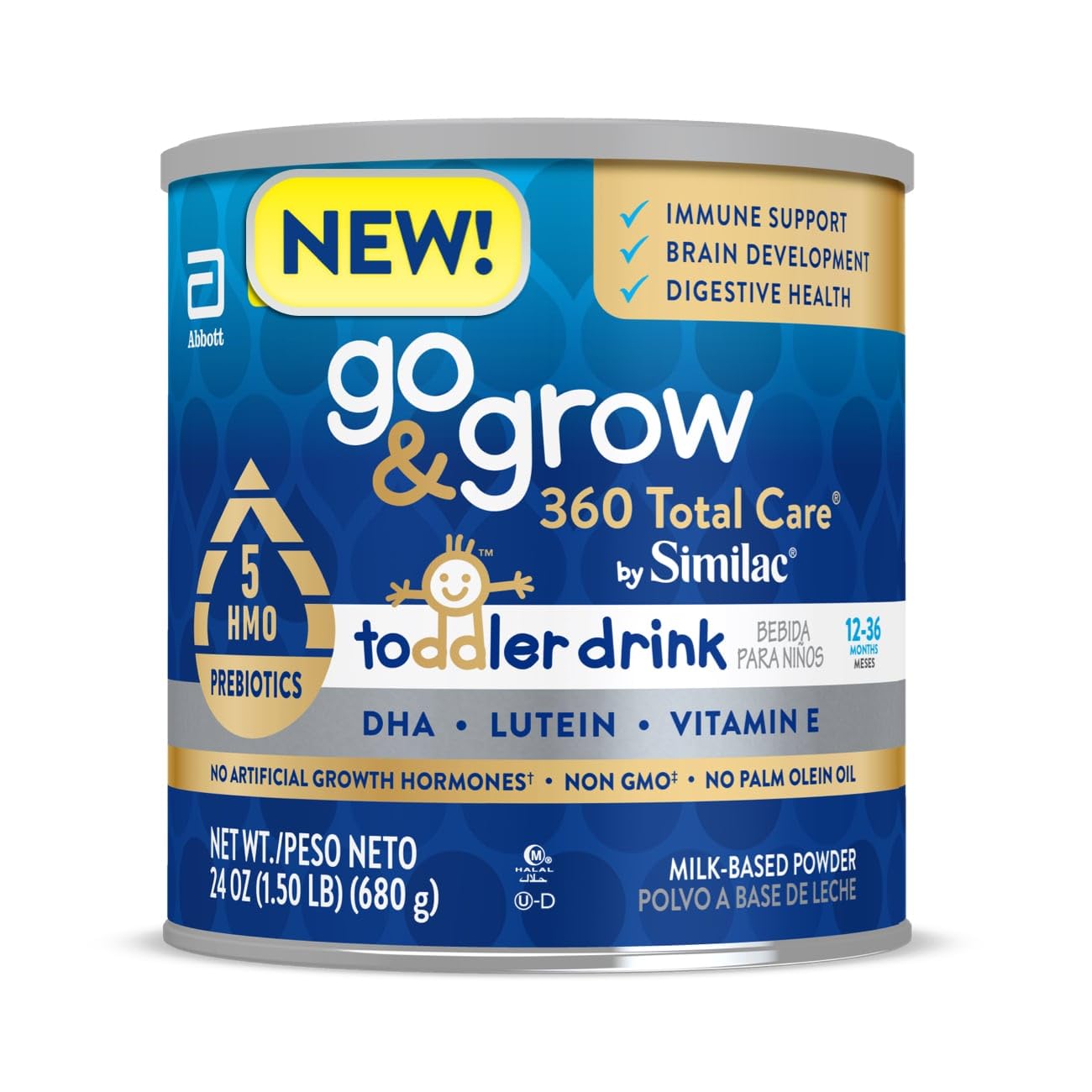
This toddler nutritional drink is purpose-built for the 12-month+ transition. It delivers a complete profile — immune support from zinc and vitamins A and C, plus an exclusive blend of five different HMO prebiotics that mimic the gut-health benefits of breast milk. The powder format means each scoop mixes fresh, and a single 24-ounce can offers over two weeks of servings for a toddler drinking one cup per day.
Beyond digestive health, Similac added DHA and lutein to support brain and eye development during the rapid cognitive expansion of the second year. The protein content is moderate at 2 grams per serving, but this drink isn’t meant to replace a balanced diet — it’s designed to fill gaps on picky days. Parents report that toddlers accept the taste readily, and the absence of palm olein oil avoids the digestive firmness some formulas cause.
On the con side, this is not a plant-based milk — it contains milk and soy ingredients, so it won’t work for dairy-allergic or vegan households. It’s also more expensive per ounce than standard milk alternatives, though the nutritional density justifies the premium for families who want peace of mind about their toddler hitting key daily targets.
Why it’s great
- Five HMO prebiotics for digestive health
- Includes DHA and lutein for brain and eyes
- No artificial growth hormones or palm olein oil
Good to know
- Contains milk and soy (not allergy-friendly)
- Powder requires mixing and measuring
2. Go & Grow 360 Total Care Sensitive

If your one-year-old shows signs of lactose sensitivity — gas, fussiness after feeding, or loose stools — this sensitive variant of the Go & Grow line is the logical pivot. It retains the same five-HMO prebiotic blend that supports gut bacteria, but replaces standard milk solids with a lactose-reduced formula that’s easier on immature digestive systems.
The nutritional framework mirrors the standard version: DHA for brain development, lutein for eye health, and vitamin E for cellular protection. Customer feedback consistently mentions reduced stomach upset and less spit-up after switching. The unflavored profile is mild, and many parents report their toddler drinks it willingly, which can be a battle with unsweetened plant milks that taste thin or watery.
Keep in mind that this is still a milk-based product — it’s not suitable for a true dairy allergy (casein intolerance). It also comes in a slightly smaller can (23.3 ounces versus 24), so the per-serving cost is marginally higher. But for the subset of toddlers who need the sensitive formula, the trade-off is worth every scoop.
Why it’s great
- Lactose-free design reduces gas and discomfort
- Five HMOs plus DHA for full-spectrum support
- Mixes easily with no clumps
Good to know
- Still contains milk protein (not dairy-free)
- Slightly smaller can than standard version
3. Ripple Kids Original Plant Based Milk
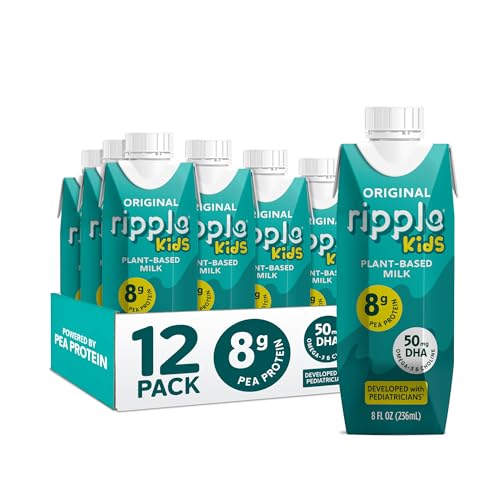
Ripple Kids is the standout for families committed to a dairy-free, soy-free, nut-free household. Its pea protein base delivers 8 grams of protein per serving — eight times the amount in standard almond milk — making it the only plant milk on this list that can genuinely compete with cow’s milk for satiety and growth support. The protein profile is complete, containing all nine essential amino acids.
Pediatrician-developed and recommended, this shelf-stable milk also adds 50 mg of DHA omega-3 for brain development plus prebiotic fiber for digestive regularity. The sugar content is half that of 2% dairy milk, and the calcium level is double. Parents of children with multiple food allergies or ARFID (avoidant restrictive food intake disorder) report that Ripple is the only milk their child will accept, thanks to its creamier mouthfeel compared to watery almond alternatives.
The main drawback is the price per ounce — it’s the single most expensive option here if you’re buying by the fluid ounce. The 8-ounce serving size is smaller than a cup of milk, though for a one-year-old, that’s a reasonable portion. Also, the shelf-stable packaging means it tastes best chilled; room-temperature drinking may highlight a slight pea aftertaste that some toddlers reject initially.
Why it’s great
- 8g complete pea protein per serving
- Free of dairy, soy, nut, and gluten
- Shelf-stable for travel and daycare
Good to know
- Higher cost per ounce than other options
- Some toddlers need time to adjust to taste
4. Mooala Organic Vanilla Bean Almond Milk

Mooala stands out in the crowded almond milk aisle because it uses real organic vanilla beans rather than “natural flavors” — a nuance that matters when you’re reading ingredients for a one-year-old. The unsweetened vanilla base contains zero added sugar, so your toddler gets the gentle sweetness of vanilla without a blood-sugar spike. Each serving provides 45% of the daily value for calcium and is a good source of vitamin E.
The texture is noticeably creamier than standard refrigerated almond milk, largely thanks to the organic roasted almond base and the addition of sea salt for balance. Parents who use it in smoothies or mixed with cereal report that their toddlers don’t detect a “diet” taste. It’s also certified organic, non-GMO, and shelf-stable until opened — practical for stocking up without fridge space concerns.
The trade-off for this quality is the lowest protein content on the list at about 1 gram per serving. For a one-year-old who still eats eggs, yogurt, or meat at meals, this is manageable. But if your toddler relies heavily on milk for protein intake, Mooala won’t carry the load alone. It’s best viewed as a complementary beverage, not a nutritional cornerstone.
Why it’s great
- Real organic vanilla beans for natural sweetness
- Zero added sugar and certified organic
- Shelf-stable with creamy mouthfeel
Good to know
- Very low protein (1g per serving)
- Not suitable as a sole nutrition source
5. Blue Diamond Breeze Unsweetened Chocolate (6-Pack)

Blue Diamond’s unsweetened chocolate almond milk fills a specific niche: giving your toddler a chocolate-flavored drink that contains zero grams of sugar. Most chocolate milks aimed at kids pack 12-20 grams of added sugar per serving, which directly conflicts with the under-two no-added-sugar guideline. This version uses cocoa powder for flavor without sweeteners, clocking in at just 45 calories per cup.
The six-pack format is convenient for families who rotate through multiple milk types. Each 32-ounce carton is shelf-stable, meaning you can store them in the pantry and pull one out when the fridge is full. For toddlers who resist plain almond milk, the chocolate flavor can be a bridge to acceptance — just be aware that this is not nutritionally complete and should be served alongside a balanced meal, not as a replacement for formula or cow’s milk.
The protein content is the standard almond milk low of 1 gram per serving, and there are no added vitamins like DHA or choline. This is strictly a low-calorie, low-sugar beverage option, not a developmental support drink. If your goal is flavor variety without sabotaging nutrition, this fits. If you need a nutrient-dense alternative milk to be a primary source of protein or fat, keep looking.
Why it’s great
- Zero sugar chocolate flavor toddlers love
- Shelf-stable six-pack for stocking up
- Excellent base for smoothies
Good to know
- Low protein (1g) and no added DHA
- Not a complete nutritional replacement
6. Blue Diamond Unsweetened Chocolate Almond Breeze (12-Pack)
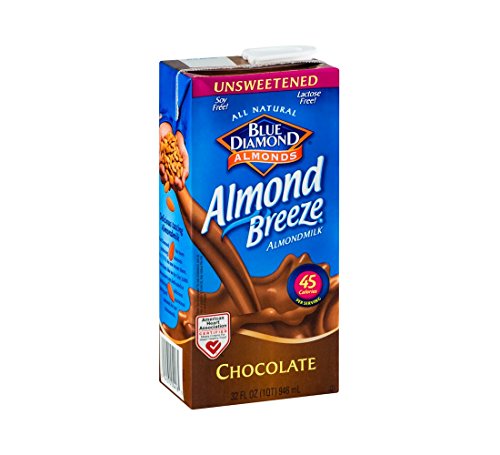
This 12-pack of the same unsweetened chocolate almond milk is the volume play for families who know this product works and want to minimize repurchase frequency. The 384 total fluid ounces mean you can stash cartons in the pantry, the diaper bag, and grandma’s house without worrying about spoilage. Each individual carton remains fresh until opened, and the best-by dates are typically 9-12 months out.
Nutritionally, it’s identical to the 6-pack version — zero sugar, 45 calories, 1 gram of protein per cup. The value proposition is purely about convenience and cost per unit; buying in bulk lowers the per-carton price meaningfully compared to the smaller pack. For families with multiple children or a toddler who uses this milk daily in smoothies, oatmeal, or sippy cups, the 12-pack makes logistical sense.
But the same caveats apply: this is a flavored beverage, not a toddler formula. It lacks the protein, fat, and targeted nutrients (DHA, prebiotics, choline) that a one-year-old’s growing brain and body need from their primary milk source. Use it as an occasional treat or a smoothie mixer, but don’t rely on it as the daily alternative milk for your toddler’s core nutrition.
Why it’s great
- Massive 12-carton supply for busy households
- Zero sugar with kid-friendly chocolate taste
- Shelf-stable with long best-by dates
Good to know
- Low protein and no added developmental nutrients
- Bulk size requires significant pantry space
FAQ
Can I give my 1-year-old unsweetened almond milk as a primary milk source?
How much DHA does a toddler need in their milk?
Final Thoughts: The Verdict
For most users, the alternative milk for 1 year old winner is the Go & Grow 360 Total Care by Similac because it offers the most complete nutritional package with HMO prebiotics, DHA, and essential vitamins in an easy-to-mix powder. If you need a dairy-free, soy-free, high-protein option, grab the Ripple Kids Original — it’s the only plant milk on the list that can stand alone as a nutritional foundation. And for a lactose-sensitive toddler who needs gentle digestion support, nothing beats the Go & Grow 360 Sensitive.