
Our readers keep the lights on and the weekend projects moving. As an Amazon Associate, I earn from qualifying purchases.
Choosing the right alternative sweetener means balancing blood sugar stability, taste profile, baking performance, and ingredient purity—one wrong pick can ruin your morning coffee or derail your keto progress.
I’m Rikta — the co-founder and writer behind FitlyFast. I’ve spent countless hours researching sweetener chemistry, glycemic responses, and customer feedback to assemble this guide with real-world baking, beverage, and dietary considerations.
Whether you are managing diabetes, following a keto lifestyle, or simply cutting back on refined sugar, finding the best alternative sweetener requires understanding how each option behaves in heat, how sweet it measures up to sugar, and whether hidden fillers compromise its clean label.
How To Choose The Best Alternative Sweetener
Selecting a sugar substitute isn’t just about counting calories; real-world performance in your coffee cup, mixing bowl, and digestive tract varies widely across the dozens of options available. The wrong choice can leave a metallic film on your tongue, refuse to dissolve in cold drinks, or spike your blood sugar despite a “natural” label.
Glycemic Index and Net Carbs
Agave nectar sits around 15 on the glycemic index, making it lower than table sugar at 65 but still capable of raising blood glucose because its high fructose content can strain liver metabolism. Monk fruit and allulose both have a glycemic index of essentially zero, making them first-line choices for diabetics and ketogenic dieters who need precise carb control without insulin response.
Aftertaste and Cooling Effect
Many stevia and erythritol blends trigger a distinct cold sensation on the tongue that alters the flavor profile of baked goods and hot beverages. Golden monk fruit and allulose are prized for eliminating that cooling aftertaste entirely, while xylitol delivers a sweetness profile nearly identical to cane sugar without any lingering bitterness.
Baking and Heat Stability
Allulose is the only low-calorie sweetener that browns and caramelizes under heat just like traditional sugar, making it the go-to for cookies, cakes, and sauces that rely on Maillard reaction browning. Monk fruit blends and xylitol hold up well in baking but do not produce the same golden crust, while agave nectar adds moisture that can alter texture in pastry recipes.
Quick Comparison
On smaller screens, swipe sideways to see the full table.
| Model | Category | Best For | Key Spec | Amazon |
|---|---|---|---|---|
| Morning Pep Allulose | Allulose | Baking & Caramelization | Zero glycemic impact | Amazon |
| Micro Ingredients Golden Monk Fruit (Allulose Blend) | Monk Fruit + Allulose | Erythritol-Free Baking | 1:1 brown sugar replacement | Amazon |
| Golden Monk Fruit with Erythritol | Monk Fruit + Erythritol | Everyday Beverages | 363 servings per pouch | Amazon |
| Monk Fruit In The Raw Packets | Monk Fruit | On-the-Go Coffee/Tea | 40 packets per box (4-pack) | Amazon |
| NatureBell Birch Xylitol | Xylitol | Dental Health & Mints | 566 servings, 5 lbs | Amazon |
| BetterBody Foods Organic Blue Agave | Agave Nectar | Liquid Sweetening & Cocktails | Low glycemic, 78 fl oz | Amazon |
| Wholesome Sweeteners Organic Blue Agave | Agave Nectar | Budget Pantry Staple | 44 oz, Fair Trade certified | Amazon |
In‑Depth Reviews
1. Morning Pep Allulose Sweetener 4 lb
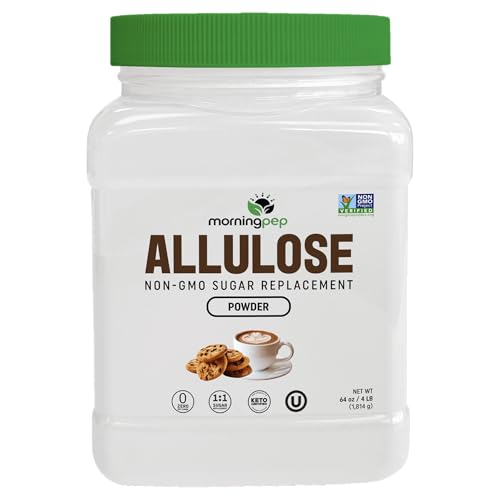
Morning Pep Allulose delivers a clean, sugar-like sweetness with zero glycemic impact and no cooling aftertaste, making it the most versatile option for both hot beverages and oven-based recipes. Its 100% pure allulose composition—free from erythritol, fillers, and bulking agents—appeals to clean-label shoppers who want a single-ingredient pantry staple.
The powder dissolves immediately in cold and hot liquids, and it browns and caramelizes exactly like cane sugar due to allulose’s unique Maillard reaction behavior. This means your keto-friendly cookies and glazed sauces come out with the same golden hue and texture as traditional versions, something most monk fruit and stevia blends simply cannot replicate.
Non-GMO Project Verified, OU Kosher, and Keto Certified, this 4-pound bag offers strong value for frequent bakers and coffee drinkers who need reliable volume. Customers consistently note that it measures slightly less sweet than sugar—about 1 1/3 cups per cup of sugar—so adjust recipes accordingly, but the complete absence of bitterness or chemical residue makes that minor tweak worthwhile.
Why it’s great
- Bakes and browns like real sugar without glycemic impact
- Zero aftertaste, no cooling sensation, no erythritol
- Dissolves instantly in both hot and cold liquids
Good to know
- Slightly less sweet than sugar; requires more volume per cup
- Some individuals may experience digestive sensitivity in high doses
2. Micro Ingredients Golden Monk Fruit Sweetener with Allulose, 2 lb
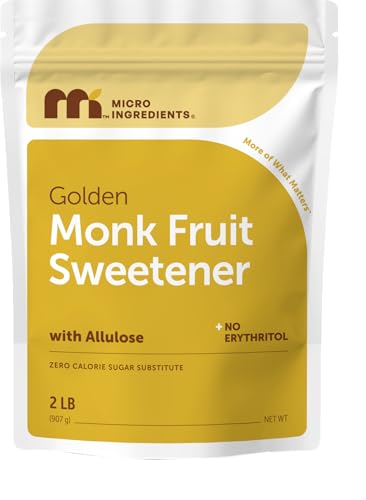
This golden monk fruit and allulose blend is engineered specifically to replace brown sugar at a 1:1 ratio, a claim few competitors can back with real-world baking results. It browns and caramelizes under heat, delivering cookies, crumbles, and glaze finishes that mirror the color and flavor depth of traditional brown sugar without the cooling aftertaste that plagues erythritol-based products.
Each 2-pound pouch provides up to 226 servings, and the two-ingredient formula keeps your pantry simple. Customers with diabetic or keto households praise how well it holds up in soft-baked cookies and coffee, noting that it lacks the strange lingering sweetness that pure monk fruit extracts sometimes leave behind.
Third-party lab tested for purity and free from soy, dairy, gluten, and tree nuts, the blend works equally well in smoothies and marinades. A small number of users found it less sweet than they anticipated, so expect to use a slightly heavier hand when substituting for light brown sugar in delicate pastry recipes.
Why it’s great
- Measures cup-for-cup like brown sugar without stomach-cooling effect
- Caramelizes and browns during baking for authentic appearance
- Only two ingredients, no added erythritol or maltodextrin
Good to know
- Perceived sweetness is milder than standard monk fruit blends
- Gold hue may slightly darken very light batter
3. Golden Monk Fruit Sweetener with Erythritol, 4 Pounds
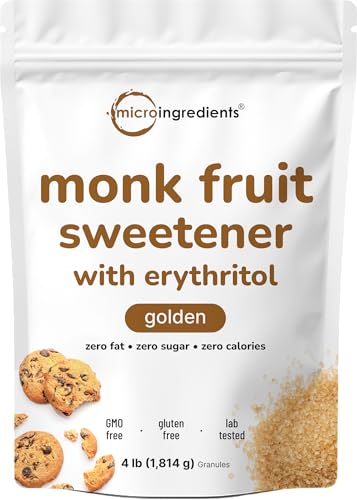
This 4-pound pouch from Micro Ingredients combines golden monk fruit with erythritol to deliver a familiar granulated sweetness that resembles cane sugar in texture and dissolves cleanly in yogurt, coffee, and tea. The golden variety uses a different portion of the monk fruit than standard white extracts, resulting in higher sweetness concentration and a warmer, more complex flavor profile.
The inclusion of erythritol actually helps eliminate the aftertissue that pure monk fruit can sometimes carry—counterintuitive but effective. Customers who previously avoided monk fruit because of a strange finish report that this blend neutralizes that issue, delivering 363 servings per bag that work for baking, beverages, and desserts without detectable bitterness.
Non-GMO and free from soy, dairy, gluten, and tree nuts, it passes third-party lab testing for safety and potency. A few users note that the sweetness intensity is slightly lower than pure sugar, requiring an extra spoonful in recipes heavy on flour or cocoa, but the zero-calorie, keto-friendly profile makes that a minor trade-off for long-term pantry savings.
Why it’s great
- Huge 4-pound supply reduces per-serving cost significantly
- Golden monk fruit provides deeper sweetness than white varieties
- No lingering aftertaste thanks to balanced erythritol blend
Good to know
- Erythritol may cause mild cooling sensation for sensitive individuals
- Not a 1:1 brown sugar substitute; sweetness strength requires testing
4. Monk Fruit In The Raw, 40 Count Packets (Pack of 4)
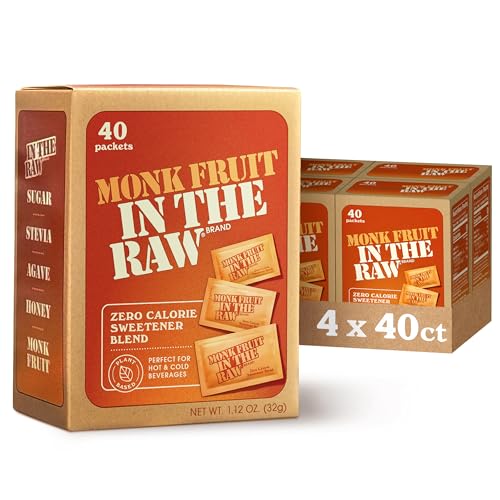
Monk Fruit In The Raw uses pure monk fruit extract blended with a touch of natural dextrose to create single-serve packets that sprinkle easily and dissolve quickly in hot or iced beverages. The 4-pack gives you 160 total packets, ideal for office desks, travel bags, or restaurant table caddies where portion control and convenience matter more than bulk baking volume.
Non-glycemic and suitable for diabetic diets, these packets deliver sweetness without spiking blood sugar or leaving a pronounced bitter aftertaste that stevia-based alternatives often carry. Long-term users consistently rank this brand as their favorite monk fruit option, calling out its consistent taste profile across months of daily use.
The addition of dextrose, while minimal, does introduce a trace of digestible carbohydrate, which strict keto adherents should account for in their daily macros. Some customers also note that the per-packet cost runs higher than bulk loose sweeteners, but the convenience of pre-measured servings justifies the premium for commuters and frequent travelers.
Why it’s great
- Convenient pre-portioned packets for on-the-go sweetening
- No chemical aftertaste, widely praised for clean flavor
- Non-glycemic and diabetes-friendly formulation
Good to know
- Contains trace dextrose, not pure monk fruit extract
- Per-serving price is higher than bulk containers
5. NatureBell Xylitol Sweetener, 5 lbs

NatureBell’s xylitol comes from birch bark rather than corn cobs, giving it a purity profile that appeals to shoppers avoiding GMO cross-contamination and filler ingredients. At 5 pounds with 566 servings, this bag delivers the lowest per-serving cost in the list while maintaining a 1:1 sugar substitution ratio that measures exactly like granulated cane sugar.
Xylitol is unique among alternative sweeteners for its proven dental benefits—it starves cavity-causing bacteria and promotes remineralization of enamel. Customers routinely use it to make sugar-free mints, gum, and toothpaste, and they report that the birch-derived version has a cleaner mouthfeel than corn-based xylitol, with fewer clumps and no odd aftertaste.
Pet owners must exercise extreme caution: xylitol is highly toxic to dogs, causing rapid insulin release, hypoglycemia, and liver failure even in small amounts. The same danger applies to cats, birds, and rodents. Keep this bag securely stored away from any animal access. For households without pets, however, this is a stellar value for baking, beverages, and homemade dental care products.
Why it’s great
- Birch bark source avoids corn-based GMO concerns
- Supports oral health by reducing cavity-causing bacteria
- Excellent value at 566 servings per 5-pound bag
Good to know
- Extremely toxic to dogs and other pets—requires secure storage
- Some users report occasional large clumps in the bag
6. BetterBody Foods Organic Blue Agave, 78 oz
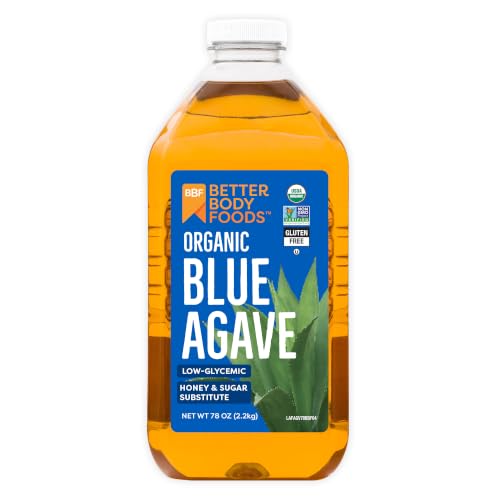
This 78-ounce bottle of organic blue agave nectar offers a mild, neutral sweetness that dissolves instantly in cold beverages, making it a favorite for iced tea, lemonade, and cocktail syrups. At 1.5 to 2 times sweeter than sugar, you need noticeably less volume to achieve the same sweetness level, which helps extend the bottle’s usefulness in a busy kitchen.
USDA Organic, non-GMO, and vegan certified, the agave is sourced from blue agave plants in arid regions of the Americas and processed without artificial additives. The liquid format adds moisture to baked goods, which can be a benefit in muffin and cake recipes but requires recipe adjustments for dry doughs like cookies where liquid content matters.
Customers who compared multiple agave syrups rank BetterBody Foods as the mildest in flavor—pleasant but lacking the robust character of some competitors. The pull-off lid and upright bottle design make it prone to tipping during pouring, so storing it in a stable spot is recommended. Keto dieters should note that agave still contains fructose and carbohydrates, making it incompatible with strict low-carb plans.
Why it’s great
- Dissolves completely in cold drinks without clumping
- USDA Organic and non-GMO certified with clean ingredients
- Mild flavor that doesn’t overpower cocktail or tea recipes
Good to know
- Contains fructose and carbohydrates; unsuitable for keto diets
- Bottle lacks squeeze mechanism; lid opening can drip
7. Wholesome Sweeteners Organic Blue Agave Nectar, 44 oz
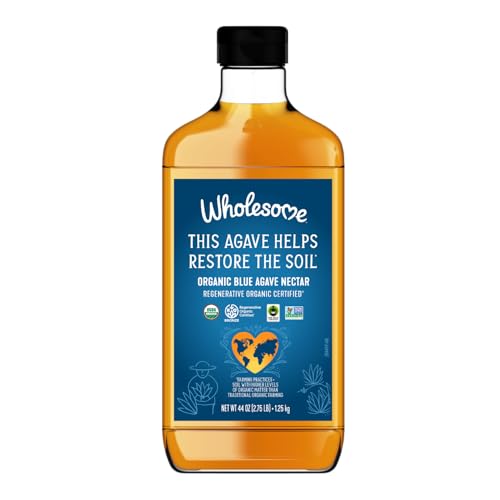
Wholesome Sweeteners offers a reliable entry-level agave nectar that brings USDA Organic, Fair Trade, and Non-GMO Project Verified certifications to a 44-ounce bottle at an accessible price point. Its simple one-ingredient formula—just organic blue agave nectar—makes it a straightforward alternative sweetener for households replacing table sugar in everyday coffee, tea, and breakfast drizzles.
At 25 percent sweeter than sugar, you use less product per serving, and the neutral flavor profile works well for mead-making, cocktail sweetening, and other applications where you want sweetness without altering the base flavor. Customers specifically praise its performance as a mead back-sweetener because it adds no taste of its own, letting fruit and honey notes shine through.
The squeeze bottle with a pull-off cap makes portion control manageable, though some users find the spout messy after several uses. Like all agave products, this one contains fructose that can spike triglycerides if over-consumed, so it fits best in moderate-use kitchens or as a budget backup sweetener rather than a daily staple for diabetics or low-carb eaters.
Why it’s great
- Fair Trade and USDA Organic certifications at a budget-friendly price
- Neutral flavor works well for fermenting and beverage making
- Simple one-ingredient list without additives
Good to know
- Contains fructose that can impact blood sugar and triglycerides
- Bottle opening can become sticky after repeated use
FAQ
Does allulose cause digestive issues like sugar alcohols do?
Can I use monk fruit sweetener in yeast-based bread recipes?
Is birch xylitol safer than corn xylitol?
Final Thoughts: The Verdict
For most users, the best alternative sweetener winner is the Morning Pep Allulose because it bakes, browns, and dissolves like real sugar with zero glycemic impact and no aftertaste. If you want a dedicated brown sugar substitute that avoids erythritol entirely, grab the Micro Ingredients Golden Monk Fruit with Allulose. And for households prioritizing dental health and bulk cost savings, nothing beats the NatureBell Birch Xylitol—just keep it away from your pets.