
Our readers keep the lights on and the weekend projects moving. As an Amazon Associate, I earn from qualifying purchases.
The search for a sweetener that doesn’t compromise blood sugar control often ends in a frustrating cycle of bitter aftertastes, strange cooling sensations, and recipes that just don’t bake right. Finding a true alternative to sugar for diabetics means navigating a landscape where every gram of carbohydrate matters and the flavor profile must satisfy a craving without triggering a spike. The right choice here is not just about taste; it is about metabolic peace of mind.
I’m Rikta — the co-founder and writer behind FitlyFast. I’ve sifted through countless blood glucose data points and ingredient labels to identify which sweeteners deliver on their low-glycemic promises without sacrificing the sensory experience of real sugar. This guide is built on hours of comparing absorption rates, baking performance, and user-reported glucose responses across the most popular options.
This guide examines seven of the most promising contenders for the title of best alternative to sugar for diabetics, evaluating each on its glycemic impact, taste, and versatility in the kitchen.
How To Choose The Best Alternative To Sugar For Diabetics
Selecting the right sweetener when managing diabetes is a decision that balances taste, health impact, and practical utility. Not all zero-calorie options are created equal, and some that claim to be sugar-free can still provoke a glycemic response or cause digestive discomfort. The key is to match the sweetener’s chemical profile to your daily needs, whether that is stirring into morning coffee, baking a low-carb dessert, or sweetening a cold beverage.
Glycemic Index and Blood Sugar Impact
The single most important factor for a diabetic is how the sweetener affects blood glucose. Pure allulose, for example, is absorbed by the body but not metabolized into glucose, providing sweetness with virtually no glycemic spike. Sweeteners like erythritol, a sugar alcohol, also pass through the system without raising blood sugar. Conversely, some natural syrups, like agave, have a lower glycemic index than table sugar but still contain enough fructose to disrupt blood sugar control if consumed in large quantities. Always look for products that explicitly state their glycemic load or are tested for zero glycemic impact.
Taste Profile and Aftertaste
The chemical structure of a sweetener determines its flavor. Stevia and monk fruit often carry a lingering bitter or licorice-like aftertaste that can ruin a cup of tea. Allulose is widely praised for its clean, sugar-like taste with no unpleasant finish, though it is about 30% less sweet than table sugar. Erythritol provides a clean sweetness but has a noticeable cooling effect on the tongue, similar to menthol, which is jarring in some applications. Blended products, such as monk fruit with allulose, attempt to mask these off-notes, so reading reviews on taste neutrality is essential.
Baking and Cooking Performance
Heat stability is a critical spec for anyone who bakes. Allulose caramelizes and browns much like sugar, making it ideal for cookies, cakes, and sauces. Erythritol can recrystallize after cooling, leading to a gritty texture in frostings, while monk fruit blends without bulking agents can leave baked goods flat. A sweetener that measures 1:1 by volume to sugar simplifies recipe conversion. This is where granular allulose and certain monk fruit-erythritol blends shine, providing the structure and browning that mimic real sugar in the oven.
Digestive Tolerance
Many sugar alcohols, particularly sorbitol and maltitol, are notorious for causing gas, bloating, and diarrhea when consumed in moderate amounts. Erythritol is generally better tolerated than other polyols, but allulose can also cause digestive upset in sensitive individuals, especially when consumed in larger quantities. Starting with a small serving to assess personal tolerance is a wise strategy. Clean-label options with no added fillers or artificial bulking agents tend to be gentler on the system.
Quick Comparison
On smaller screens, swipe sideways to see the full table.
| Model | Category | Best For | Key Spec | Amazon |
|---|---|---|---|---|
| Morning Pep Allulose | Allulose | Clean baking & beverages | 100% pure, no erythritol fillers | Amazon |
| Truvia Allulose | Allulose | Simple 1-ingredient sweetness | 100% allulose, 3 lb bag | Amazon |
| Viva Doria Allulose | Allulose | Bulk value for heavy users | 5 lb bag, Non-GMO, gluten free | Amazon |
| Micro Ingredients Golden Monk Fruit (with Allulose) | Monk Fruit Blend | Brown sugar flavor, no cooling effect | 1:1 brown sugar replacement, no erythritol | Amazon |
| Micro Ingredients Golden Monk Fruit (with Erythritol) | Monk Fruit Blend | High-volume bulk for baking | 4 lb bag, 1:1 brown sugar replacement | Amazon |
| Rigoni di Asiago Dolcedi | Fruit Syrup | Natural syrup for drinks & yogurt | Low-glycemic, USDA Organic syrup | Amazon |
| SPLENDA Zero Calorie Packets | Sucralose | Portable packet convenience | 800 count, 1 packet = 2 tsp sugar | Amazon |
In‑Depth Reviews
1. Morning Pep Allulose Sweetener 2 lb
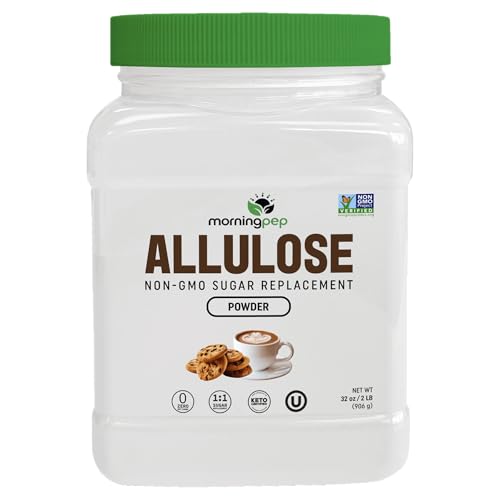
The Morning Pep Allulose stands out as the most balanced pure allulose option for diabetics who want a sugar-like taste with zero glycemic impact. Its fine, powdery texture dissolves quickly in both hot and cold liquids, making it a seamless swap for coffee, tea, or iced beverages. The 2 lb bag provides a substantial amount of product, and because it is 100% pure allulose with no erythritol fillers, you avoid the cooling aftertaste that turns many people off from other sugar alcohols.
Baking performance is a strong suit here—this allulose browns and caramelizes like real sugar, producing cookies and cakes with authentic texture and color. Users report that it measures about 30% less sweet than table sugar, so you may need to use a touch more in recipes, but the clean, natural sweetness without any chemical finish is a major win. The Non-GMO Project Verified and OU Kosher certifications add a layer of trust for those who prioritize clean-label sourcing.
Customer feedback consistently highlights the absence of gastric issues, a common complaint with erythritol-based sweeteners. One reviewer noted that it does not spike blood sugar and has no aftertaste, calling it a natural product derived from corn and beets rather than artificial chemicals. For the diabetic seeking a versatile, everyday sweetener that performs in the kitchen and settles well on the stomach, this is the top contender.
Why it’s great
- Zero glycemic impact; safe for diabetic diets
- Bakes, browns, and caramelizes like sugar
- No aftertaste, no cooling effect, no digestive upset
Good to know
- About 30% less sweet than sugar; may need to adjust quantities
- Powdered texture can clump if exposed to humidity
2. Rigoni di Asiago Dolcedi Natural Low-Glycemic Sweetener

This Italian-imported syrup, made from apples, offers a completely different texture and taste profile compared to powdered sweeteners. It has a mild honey-like consistency that mixes effortlessly into iced tea, yogurt, or pancake batter, adding a natural sweetness without the sharp chemical burn of artificial substitutes. The low-glycemic claim is backed by its fruit origin, and it contains 25 percent fewer calories than table sugar, making it a viable option for those looking to reduce sugar intake without going to zero-calorie extremes.
The flavor is remarkably neutral—reviewers consistently praise the lack of any lingering aftertaste, which is a rare feat among natural sweeteners. It is USDA Organic and Star-K Kosher certified, appealing to those who value purity and ethical sourcing. Because it is a syrup, it is not ideal for dry baking applications where a granular texture is needed to create structure, but it excels in cold beverages and as a topping. The 2-count pack offers good value for the quality, though some users note the price is higher than commodity sweeteners.
Multiple customers describe it as the best natural sweetener they have tried, especially for those with blood sugar concerns. One review highlights that it is perfect for cutting sugar intake without sacrificing flavor, and another emphasizes the absence of any weird chemical taste. For diabetics who prefer a liquid sweetener that tastes like real food and not a lab creation, this bottle is a standout.
Why it’s great
- Natural fruit-based syrup; no artificial aftertaste
- USDA Organic and low-glycemic
- Excellent for cold drinks, yogurt, and pancakes
Good to know
- Not zero-calorie; contains some calories from fruit
- Syrup form limits use in dry baking
3. Viva Doria Allulose Sweetener 5 lb
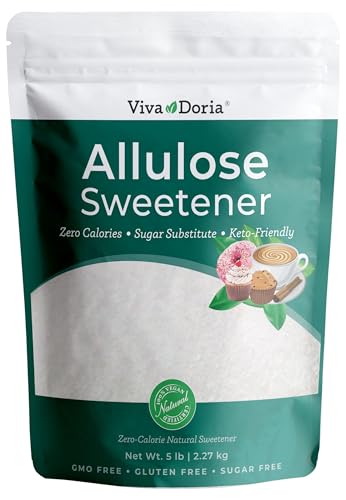
The Viva Doria Allulose delivers exceptional value for those who rely on a zero-calorie sweetener daily. With a massive 5 lb bag, this is the most economical allulose option per ounce in this guide, making it ideal for households that bake frequently or use sweetener in large quantities. It is all-natural, Non-GMO, and free from artificial flavors and preservatives, maintaining the clean profile that diabetics need.
In terms of taste, it mirrors sugar closely but at about 70% of the sweetness level, a common trait among allulose products. Users find it works excellently for making homemade jams, muffins, and even ice cream, where it produces a firm yet creamy consistency instead of the rock-hard texture that erythritol-based sweeteners can cause. The packaging is a resealable pouch that helps keep the powder dry and free-flowing.
Customer feedback is overwhelmingly positive, with mentions of no blood glucose spike, no stomach upset, and no unpleasant aftertaste. One review specifically notes that it does not cause the cold sensation on the tongue that xylitol and erythritol produce. The only caution is that because allulose is less sweet, you may need to increase the volume used in recipes, but the bulk bag offsets any perceived cost premium from using more.
Why it’s great
- Best price per ounce among allulose options
- No digestive issues or cooling aftertaste
- Versatile for baking, jams, ice cream, and beverages
Good to know
- Approx 70% as sweet as sugar; requires recipe adjustments
- Large bag may take up considerable pantry space
4. Truvia Allulose Calorie-Free Sweetener 3 lbs
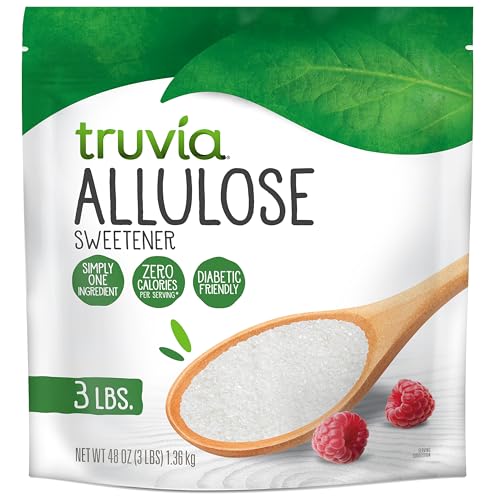
Truvia brings its trusted brand name to the allulose category with a simple, single-ingredient formula that is zero-calorie and diabetic-friendly. This 3 lb bag offers a generous supply for regular use, and the allulose granules have a powdered sugar texture that blends smoothly into coffee, tea, and other beverages without grittiness. The product is also marketed as tooth-friendly, as allulose does not contribute to tooth decay, adding a dental health bonus for those concerned about cavities.
Baking performance is solid—users report that it works especially well in ice cream makers, producing a creamy texture that avoids the hardness caused by Splenda in frozen desserts. The sweetness profile is clean with no bitter or chemical aftertaste, which is a consistent theme in customer reviews. One note: some users experienced an unpleasant odor in the first bag they ordered, though a replacement resolved the issue, suggesting a potential quality control variance rather than a systemic problem.
Reviewers highlight that this sweetener does not spike blood sugar and is ideal for both keto and diabetic lifestyles. The primary drawback mentioned is the cost, as allulose is more expensive than traditional sugar or sucralose-based sweeteners. However, for those who prioritize a natural, no-aftertaste experience that works across hot and cold applications, Truvia Allulose delivers reliable performance.
Why it’s great
- Single ingredient: 100% allulose
- Zero glycemic impact, safe for diabetics
- Excellent for ice cream and cold beverages
Good to know
- Higher price point per serving than some alternatives
- Some isolated reports of quality inconsistency
5. Micro Ingredients Golden Monk Fruit with Allulose (2 lbs)
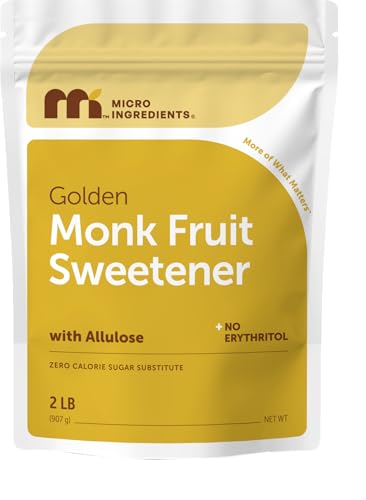
This golden monk fruit and allulose blend is a clever solution for those craving the rich, molasses-like flavor of brown sugar without the carbs. By combining monk fruit with allulose instead of erythritol, Micro Ingredients eliminates the cooling aftertaste that plagues many sugar-free brown sugar substitutes. The granules measure 1:1 with regular brown sugar, making recipe conversion straightforward, and the blend browns and caramelizes in the oven much like real sugar.
The taste profile is a clear standout—reviewers describe it as close to brown sugar with no bitter or chemical notes, and it works equally well in coffee, tea, cookies, and toppings. The 2 lb pouch provides up to 226 servings, which is reasonable for a premium blend. Because it contains no erythritol, users avoid the digestive bloating that sometimes accompanies sugar alcohols.
Some customers note that it is not intensely sweet, requiring a bit more volume in recipes, but the clean flavor and zero-calorie profile make it a favorite for diabetic households. One reviewer specifically called it the best brown sugar substitute for low-carb, diabetic, or keto diets, praising its ability to bake and caramelize. For those who miss the deep notes of brown sugar, this blend is a precise match.
Why it’s great
- Perfect 1:1 brown sugar replacement with no cooling effect
- Bakes and caramelizes like real brown sugar
- Zero calories, no erythritol, no aftertaste
Good to know
- Requires slightly more volume for equal sweetness
- Premium price compared to conventional brown sugar
6. Micro Ingredients Golden Monk Fruit with Erythritol (4 lbs)
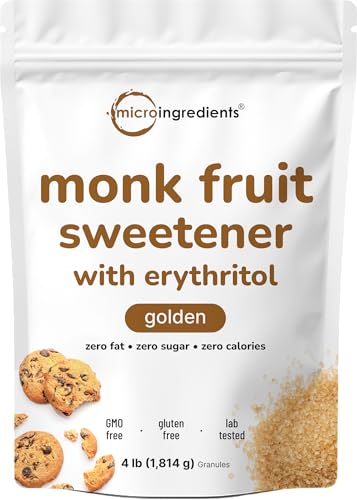
For households that go through sweetener quickly, this 4 lb bulk bag of golden monk fruit blended with erythritol delivers a cost-effective solution without sacrificing the brown sugar flavor profile. The erythritol addition balances the sweetness intensity, resulting in a product that is sweeter than pure monk fruit and eliminates any potential grassy aftertaste. It measures 1:1 as a brown sugar replacement and is keto and vegan friendly, with zero sugar and zero calories per serving.
Customers rave about the taste, with multiple reviews claiming it is the best sugar replacement they have ever tried, noting no weird aftertaste and a clean sweetness that works in coffee, yogurt, and baking. The 363 total servings per bag make it one of the most economical choices for large families or frequent bakers. The golden color adds visual appeal to desserts, mimicking the look of traditional brown sugar.
A few users found it less sweet than they expected, needing to increase the amount used, but the overall consensus is that it delivers real sugar satisfaction without the glycemic consequences. The lack of chemical aftertaste is a recurring theme, with one reviewer saying it tastes like sugar without the guilt. For those who want a large supply of a proven monk fruit blend at a friendly price point, this is a strong candidate.
Why it’s great
- Large 4 lb bag with 363 servings; excellent bulk value
- No bitter or chemical aftertaste; clean brown sugar flavor
- 1:1 replacement ratio simplifies baking
Good to know
- Contains erythritol, which may cause mild digestive effects in some
- Not as sweet as some expect; may require additional volume
7. SPLENDA Zero Calorie Sweetener Value Pack (800 Packets)

Splenda remains the most recognizable name in zero-calorie sweeteners, and this 800-count value pack is the ultimate convenience option for diabetics on the go. Each packet delivers the sweetness equivalent to two teaspoons of sugar, making portion control effortless for coffee, tea, or baking. The sucralose base provides a clean, sweet taste that many users find closer to sugar than stevia or monk fruit, and it dissolves instantly in both hot and cold liquids without any gritty residue.
This bulk pack lasts a typical household several months, and the per-packet cost is significantly lower than buying smaller boxes. It is a zero-carb, sugar-free alternative that is suitable for people with diabetes or anyone following a low-carb lifestyle. The packet format is ideal for offices, travel, or for keeping in a purse or glove compartment, ensuring you always have a safe sweetener available when eating out.
Customer reviews consistently highlight the great value and quick dissolving capability. One user with Type 2 diabetes noted that the easy portioning is perfect for daily use. However, some purists note that the flavor is not identical to sugar and that sucralose does not perform well in high-heat baking applications where browning and caramelization are desired. For pure beverage sweetening convenience, this is the most practical option.
Why it’s great
- Convenient, portable packets for on-the-go use
- Great value per serving with 800 packets
- Dissolves quickly with no gritty residue
Good to know
- Not ideal for baking that requires browning
- Flavor profile is not identical to sugar
FAQ
Does allulose spike blood sugar in diabetics?
What is the difference between golden monk fruit and white monk fruit sweeteners?
Can I use these sweeteners in a 1:1 ratio for baking?
Which sweetener has the least aftertaste for coffee?
Are there any digestive side effects with allulose or monk fruit sweeteners?
Final Thoughts: The Verdict
For most users, the alternative to sugar for diabetics winner is the Morning Pep Allulose Sweetener because it delivers a clean, sugar-like taste with zero glycemic impact, excels in baking with genuine browning, and avoids the aftertaste and digestive issues common with other options. If you want a rich brown sugar flavor without the cooling effect of erythritol, grab the Micro Ingredients Golden Monk Fruit with Allulose. And for pure on-the-go convenience and portion control, nothing beats the SPLENDA Zero Calorie Sweetener Value Pack.