
Our readers keep the lights on and the weekend projects moving. As an Amazon Associate, I earn from qualifying purchases.
Replacing whey protein isn’t as simple as swapping one powder for another. The best alternatives need to deliver a complete amino acid profile, mix without turning into a gritty paste, and avoid the stomach issues that originally sent you looking for a dairy-free option. This market has exploded with pea, hemp, pumpkin seed, and even mushroom-infused blends, but most fail on taste or texture.
I’m Rikta — the co-founder and writer behind FitlyFast. I’ve spent the last several weeks analyzing ingredient labels, customer reviews, and third-party certifications across dozens of plant-based protein powders to separate the genuinely effective options from the overpriced filler blends.
This guide ranks the top contenders by their digestibility, protein density, and flavor performance so you can confidently choose a clean, effective alternative to whey protein that actually fits your routine.
How To Choose The Best Alternative To Whey Protein
Not all plant proteins are created equal. When you remove whey from the equation, you lose the naturally high leucine content that triggers muscle protein synthesis. The best replacements compensate with a carefully blended multi-source formula or a strategically grown pea isolate that scores high on the PDCAAS scale. You also need to consider digestibility — many plant-based powders use gums and thickeners that ferment in the gut and cause bloating. Prioritize powders with short, clean ingredient lists that list the protein source first, and check for third-party testing seals like USDA Organic or NPA GMP certification to verify purity. The right choice will match whey’s protein density while being notably easier on your digestive system.
Protein Density and Amino Acid Completeness
A single serving should deliver at least 20 grams of protein with a strong branched-chain amino acid (BCAA) profile, particularly leucine. Pea protein isolates generally score well here, while single-source hemp or pumpkin proteins fall short and require blending with other plant proteins to reach a complete profile. Look for blends that include pea combined with rice, chia, or quinoa to cover all essential amino acids without dairy.
Digestibility and Ingredient Purity
The biggest complaint among former whey users switching to plant protein is bloating and gas. This often comes from added gums (xanthan, guar), inulin fiber, or artificial sweeteners like sugar alcohols. Prioritize powders with no added sugars, no artificial flavors, and no synthetic thickeners. Digestive enzymes added to the formula can further ease the transition, especially for those with sensitive stomachs.
Quick Comparison
On smaller screens, swipe sideways to see the full table.
| Model | Category | Best For | Key Spec | Amazon |
|---|---|---|---|---|
| Orgain Organic Creamy Chocolate Fudge | Plant Blend | Balanced nutrition with fiber | 21g protein, 6g prebiotic fiber | Amazon |
| Truvani Chocolate Peanut Butter | Organic Isolate | Clean label minimal ingredients | 20g organic plant protein | Amazon |
| NOW Foods Pea Protein Creamy Chocolate | Pea Isolate | High purity and low cost | 24g protein per serving | Amazon |
| Happy Viking Meal Replacement | Superfood Blend | Full meal replacement | 30g protein, 10g fiber | Amazon |
| Four Sigmatic Organic Vanilla | Mushroom Blend | Adaptogenic wellness boost | 18g protein, mushrooms + adaptogens | Amazon |
| Organifi Complete Protein Vanilla | Multi-Source | Satiety and meal skipping | Multi-source protein + enzymes | Amazon |
| Sprout Living Organic Pea Protein Unflavored | Single Ingredient | Pure single-ingredient pea protein | 20g protein, organic yellow peas | Amazon |
In‑Depth Reviews
1. Orgain Organic Creamy Chocolate Fudge
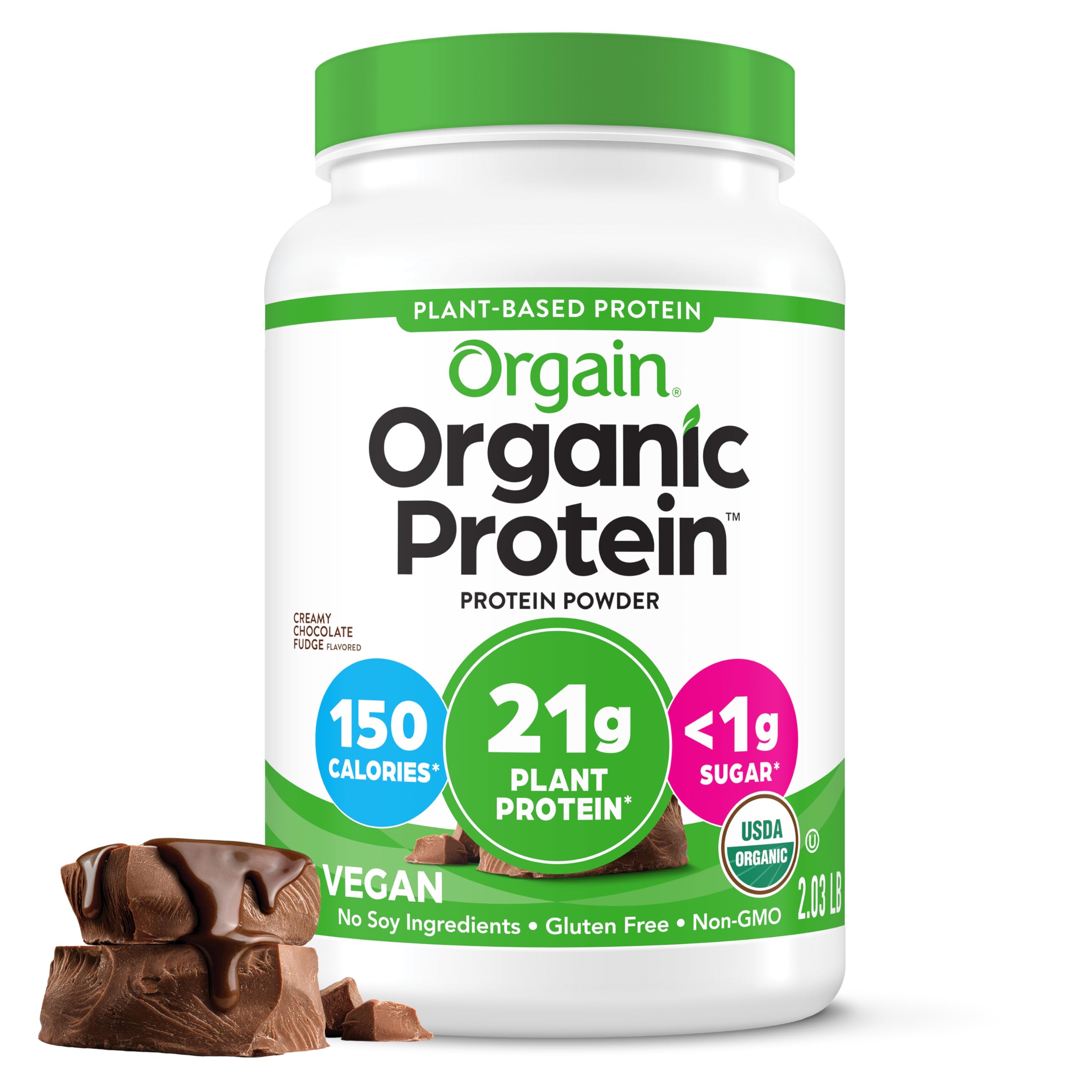
The Orgain Organic blend stands out because it doesn’t rely on a single protein source. It combines organic pea, brown rice, mung bean, and chia seed proteins to create a complete amino acid profile that closely mimics whey’s leucine punch. Each serving delivers 21 grams of protein plus 7 grams of prebiotic fiber, which supports gut health without the bloating that cheaper fiber additives like chicory root or inulin cause.
In customer testing, the creamy chocolate fudge flavor consistently earned high marks for tasting like real cocoa rather than artificial chocolate. The powder mixes smoothly in water, almond milk, or a shaker bottle with minimal grit, a major upgrade over first-generation plant proteins that required a blender to avoid chalkiness. It also contains no added sugar, relying on organic stevia and monk fruit for sweetness.
The formula is free from soy, dairy, gluten, and carrageenan, making it suitable for most dietary restrictions. Each tub provides 20 servings, which places it in the mid-range tier for cost per gram of protein. For someone who wants a reliable daily protein powder that tastes good enough to drink plain yet works in pancakes or overnight oats, this is the most versatile pick.
Why it’s great
- Complete amino acid profile from four organic sources
- Prebiotic fiber supports digestion, no bloating reported
- Chocolate flavor is naturally sweetened, rich cocoa taste
- Certified USDA Organic and vegan
Good to know
- Contains coconut; may be an allergen for some
- Two-scoop serving size reduces the number of servings per tub
2. Truvani Chocolate Peanut Butter

Truvani sets itself apart with an exceptionally short ingredient list that contains no stevia, no gums, no fillers, and no artificial anything. The protein comes from organic peas, pumpkin seeds, and chia seeds, and it’s sweetened purely with organic monk fruit. Consumer Reports flagged this brand for having low heavy metal contamination, which is a genuine concern in the plant protein category where lead and cadmium levels can spike depending on the soil the crops were grown in.
The chocolate peanut butter flavor is legitimately satisfying enough to drink as a standalone shake without needing a banana or almond butter to mask the taste. Reviewers consistently note that it does not produce the grit or chalkiness common in pea-heavy powders. At 20 grams of protein per serving, the density is slightly lower than whey isolates, but the digestibility trade-off is significant — users with lactose sensitivity and IBS report zero bloating.
The main trade-off is cost. It sits in the premium tier, and the price per serving is higher than most competitors. However, the Certified USDA Organic badge and the third-party testing transparency justify the investment for shoppers who prioritize purity above all else. It also contains no soy or gluten, and the container uses less plastic than typical tubs.
Why it’s great
- Ultra-clean label with minimal ingredients
- Low heavy metal contamination based on third-party testing
- Great flavor without stevia aftertaste
- Certified USDA Organic and vegan
Good to know
- Higher cost per serving
- Slightly lower protein per scoop than some competitors
3. NOW Foods Pea Protein Creamy Chocolate
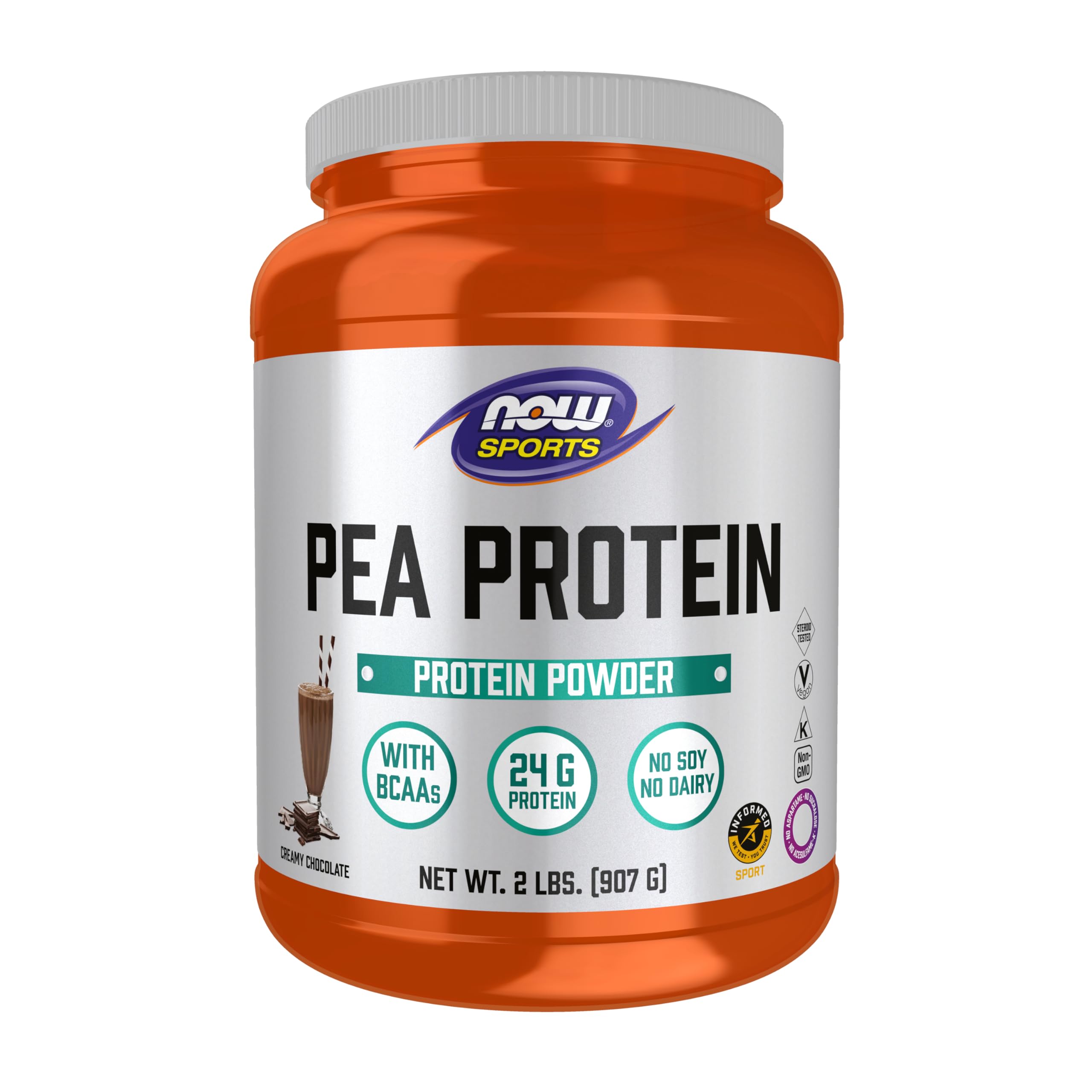
NOW Foods delivers the highest protein content per serving in this roundup at 24 grams, along with over 4,200 mg of naturally occurring BCAAs. The ingredient list is straightforward: pea protein isolate, cocoa, and a small amount of xylitol for sweetness. It doesn’t rely on proprietary blends or multiple plant sources to hit its numbers, which makes it a favorite among athletes who want maximum protein density without paying for marketing fluff.
Mixability is solid for an isolate — it dissolves well in a shaker with almond milk and produces a mild chocolate flavor that isn’t overly sweet. Some users prefer to blend it with a banana or instant coffee, but it stands alone better than unflavored pea powders. The NPA A-rated GMP certification adds a layer of quality assurance that matters when you’re consuming protein daily.
The main caveat is the sweetener. Xylitol is a sugar alcohol that can cause digestive upset in larger doses, though most reviews don’t report issues at a single scoop. If you have a sensitive stomach or prefer zero sweeteners, this may not be ideal. But for anyone looking for a no-fuss, high-protein pea isolate that outperforms on grams per dollar, this is the smartest buy.
Why it’s great
- Highest protein per serving at 24g
- Strong BCAA profile for muscle support
- Reasonable price per gram of protein
- NPA GMP certified for manufacturing quality
Good to know
- Sweetened with xylitol, which may cause gas in some users
- Chocolate flavor is subtle, not dessert-level sweet
4. Happy Viking Plant-Based Protein Powder +100 Superfoods
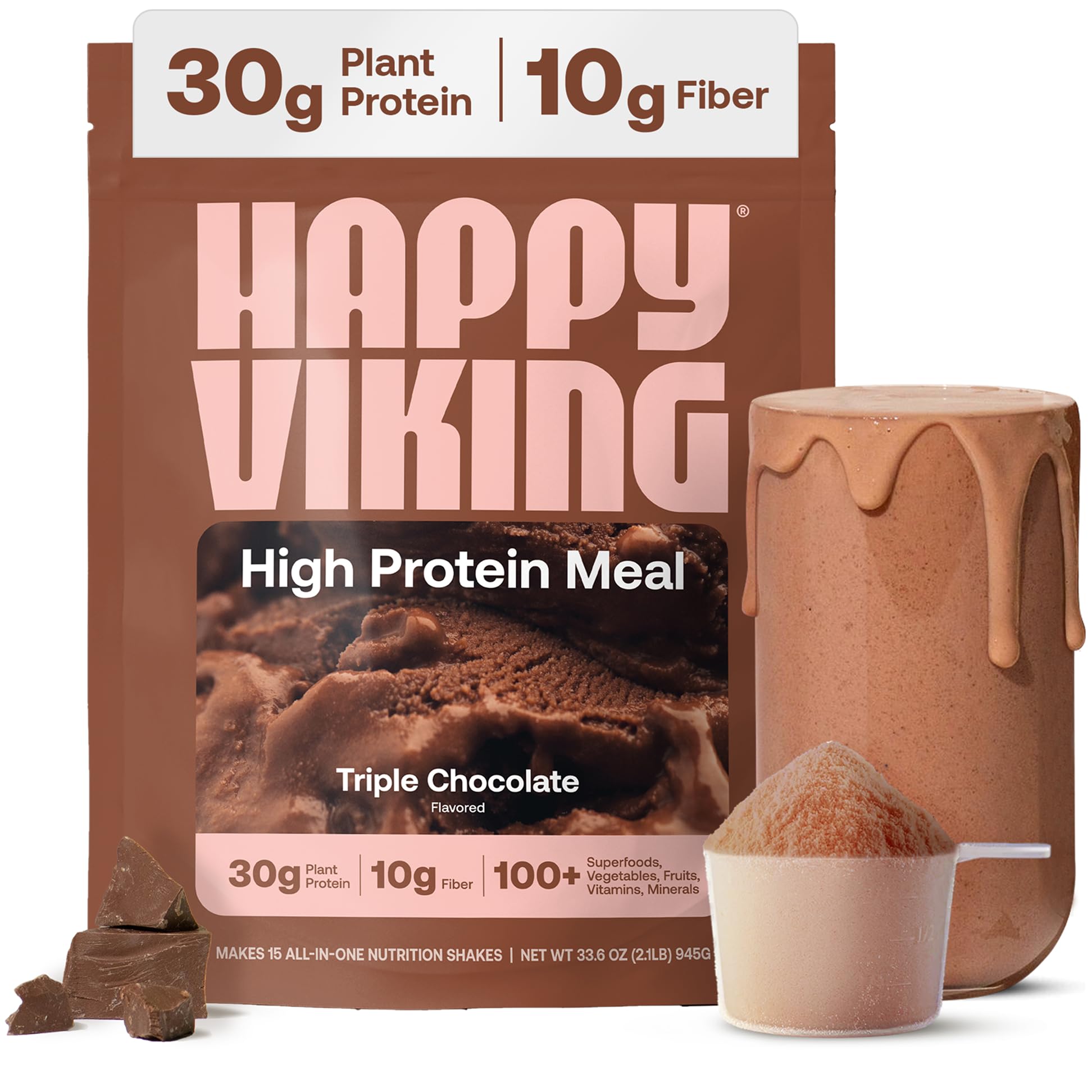
Created by Venus Williams, Happy Viking takes a meal replacement approach rather than a straight protein supplement. Each serving packs 30 grams of plant protein from pea and brown rice, plus 10 grams of fiber, probiotics, and 100+ superfoods including ashwagandha to support stress management. This makes it a viable breakfast or lunch replacement for busy days when you need sustained energy through the afternoon.
The chocolate flavor is consistently praised for being smooth and free of the grassy undertones that plague many vegan powders. Reviewers highlight that it mixes well with just water, though a blender with non-fat milk produces a creamier texture. The inclusion of 10 grams of fiber means it keeps you full for 3–4 hours, which is comparable to a solid meal. Users also report better digestive regularity thanks to the probiotic blend.
The downside is the serving size. Because it functions as a meal replacement, you get 15 servings per container, which pushes the cost per serving higher than standard protein powders. The ingredient list is long due to the superfood blend, which may not appeal to minimalists who prefer a short label. But if your goal is to replace a meal with a nutrient-dense shake rather than just supplement protein, this is the most complete option available.
Why it’s great
- 30g protein and 10g fiber per serving
- Includes ashwagandha and probiotics for stress and gut health
- Smooth, creamy texture with no chalkiness
- Functions as a full meal replacement
Good to know
- Only 15 servings per container
- Long ingredient list due to superfood blend
5. Four Sigmatic Organic Vegan Protein Powder Vanilla
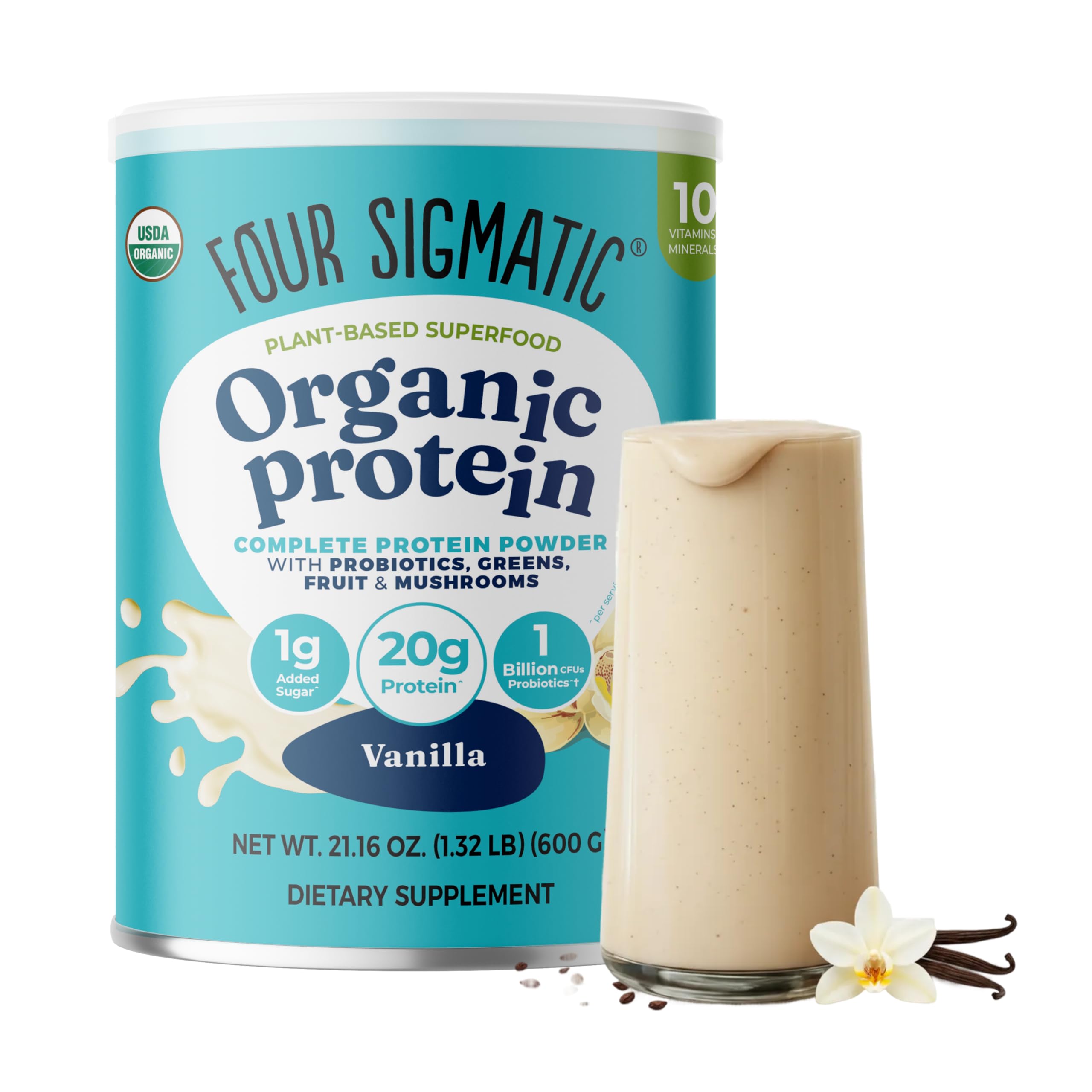
Four Sigmatic differentiates itself by combining five organic protein sources — pea, hemp, chia, pumpkin seed, and coconut — with functional mushrooms and adaptogens including chaga, reishi, turkey tail, cordyceps, lion’s mane, ashwagandha, and eleuthero. The result is a protein powder that supports immune function and stress resilience alongside muscle recovery. Each serving provides 18 grams of protein, which is lower than the others on this list, but the additional active ingredients create a wellness profile that no standard pea isolate can match.
The vanilla flavor is sweetened with organic maple syrup powder and monk fruit rather than stevia, which avoids the bitter aftertaste some stevia-sensitive users detect. Reviewers describe the taste as having a pleasant nutty undertone from the hemp and chia seeds. Mixability works fine in a blender but can be slightly grainy in a shaker cup. Users with lactose intolerance report no stomach issues, and several note improvements in skin clarity after regular use.
The 15-serving container limits its practicality as a daily driver for high-protein needs, and the price per serving is notably higher than simpler blends. It’s best suited for someone who wants their protein powder to double as a functional supplement for brain focus and immune support, not just a post-workout recovery shake.
Why it’s great
- Unique functional mushroom and adaptogen blend
- Sweetened without stevia, no bitter aftertaste
- Multiple organic protein sources for varied amino acids
- Easy on digestion, no bloating reported
Good to know
- Only 18g protein per serving
- Small container size, 15 servings only
6. Organifi Complete Protein Vanilla
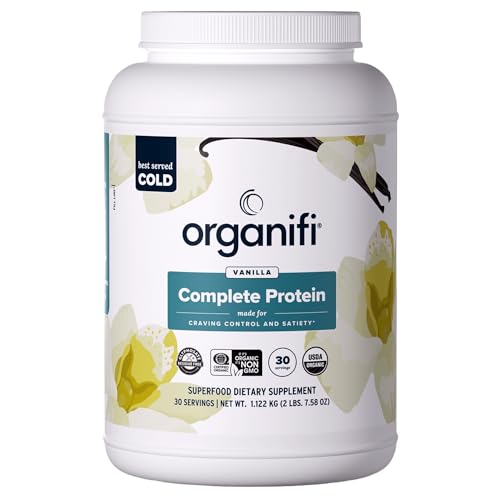
Organifi Complete Protein is built as a 2-in-1 shake combining protein with a multivitamin and digestive enzymes. Its protein blend includes pea, flax, quinoa, and pumpkin seed, providing a diverse amino acid foundation. The digestive enzyme complex — including protease, amylase, and lipase — is designed to minimize the bloating that often accompanies a sudden switch from whey to plant-based protein, making this a strong transitional option.
The vanilla flavor is widely praised for tasting natural rather than artificially sweet, and users report staying full for up to three hours after drinking it. It mixes cleanly in a shaker with water or almond milk. The formula also contains organic coconut milk powder, which adds a creamy mouthfeel without requiring dairy. It’s free from gluten, soy, and dairy, and the ingredients are all organic.
Its main drawbacks are the price point, which sits at the premium end of the spectrum, and a higher caloric density than other protein powders. It’s not ideal for those trying to maximize protein intake while minimizing calories. However, if you need a breakfast or lunch shake that keeps you satisfied and supports digestion, this is the most thoughtful formulation for that specific use case.
Why it’s great
- Includes digestive enzymes for easier transition from whey
- Multi-source protein from pea, flax, quinoa, and pumpkin seed
- Keeps users full for 3+ hours
- All organic, no artificial flavors or sweeteners
Good to know
- Higher calorie count per serving
- Premium price point limits daily use for some budgets
7. Sprout Living Organic Pea Protein Unflavored
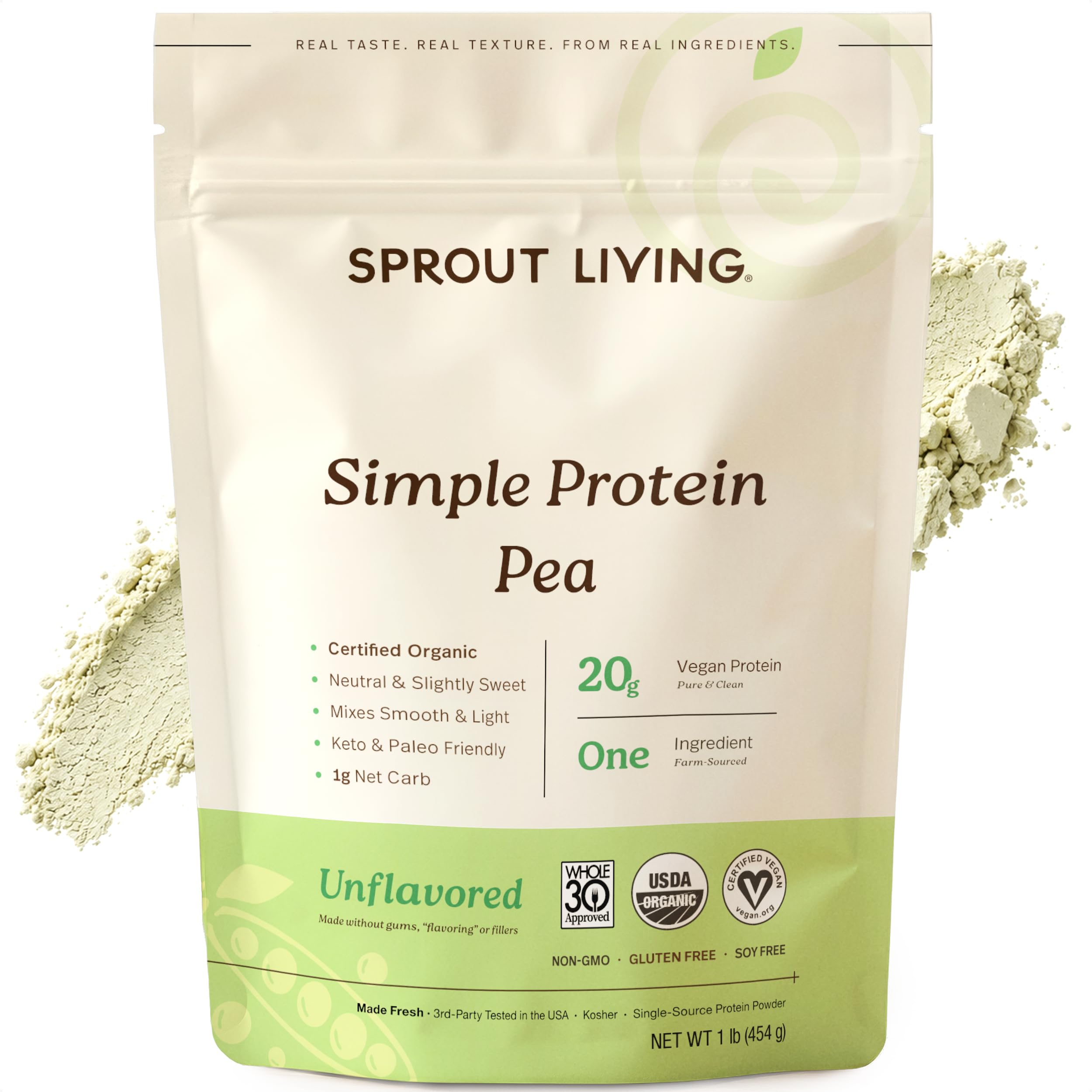
Sprout Living’s unflavored pea protein is the purest entry on this list with exactly one ingredient: organic yellow pea protein. No sweeteners, no flavors, no gums, no additives of any kind. For someone who wants total control over what goes into their shake and wants to avoid the digestive side effects of stevia, monk fruit, or xylitol, this is the cleanest possible starting point. Each serving delivers 20 grams of protein with a strong lysine concentration.
The unflavored nature means the taste is neutral and mildly beany, which is expected for single-source pea protein. Users who blend it with frozen fruit and spinach report no issues with the flavor, and the powder mixes more smoothly than most raw pea isolates on the market. It’s also Certified USDA Organic and made in the USA from North American yellow peas, which adds supply chain transparency.
The biggest practical complaint is the packaging. The product comes in a plastic pouch that some reviewers find difficult to reseal, and the 1-pound size provides only 19 servings. It’s best suited for smoothie enthusiasts who already have a strong flavor base and want to add clean, unadulterated protein without anything extra. For drinking straight out of a shaker, a flavored option will serve you better.
Why it’s great
- Single ingredient: organic yellow pea protein
- No sweeteners, gums, fillers, or additives
- Certified USDA Organic, made in USA
- Good mixability for a pure pea isolate
Good to know
- Unflavored taste is mildly beany
- Plastic pouch packaging can be messy
FAQ
Is pea protein a complete protein like whey?
How do I avoid bloating when switching from whey to plant protein?
What does “USDA Organic” certification actually guarantee in protein powder?
Final Thoughts: The Verdict
For most users, the best alternative to whey protein is the Orgain Organic Creamy Chocolate Fudge because it delivers a complete amino acid profile, mixability that rivals whey, and added prebiotic fiber at a price that balances quality and value. If you want the purest label with third-party verified low heavy metals, grab the Truvani — it costs more but eliminates every questionable additive. And for high-protein meal replacement that keeps you full for hours, nothing beats the Happy Viking with 30 grams of protein and 10 grams of fiber per scoop.