
Our readers keep the lights on and the weekend projects moving. As an Amazon Associate, I earn from qualifying purchases.
An altitude training mask is supposed to make every breath feel like a battle. But the wrong one just slides down your face, chokes off airflow unevenly, or feels like a plastic bag taped to your mouth. The difference between a mask that builds real respiratory endurance and one that collects dust in your gym bag comes down to valve design, fit geometry, and how many resistance levels actually engage your diaphragm.
I’m Rikta — the co-founder and writer behind FitlyFast. I’ve spent hundreds of hours dissecting the valve systems, strap quality, and real customer data behind these masks to identify which ones force your lungs to work without causing a constant adjustment headache mid-rep.
After comparing 7 top models across budget, mid-range, and premium tiers, you’ll find the definitive rundown of the best altitude training mask for every type of athlete and fitness level.
How To Choose The Best Altitude Training Mask
Altitude training masks work by restricting airflow through adjustable valves, forcing your respiratory muscles to work harder during exercise. This simulates the effects of training at high elevation, which can improve your body’s oxygen efficiency over time. But not all masks are built to handle the sweat, motion, and heavy breathing of real training.
Resistance Levels and Valve Quality
More resistance levels give you finer control over how hard your lungs have to pull. A mask with 16 to 36 settings lets you progress from light diaphragm work to a full respiratory grind as your endurance improves. But the valve mechanism itself matters more — cheap plastic flaps can stick, leak, or deliver uneven resistance, while precision-machined valves maintain consistent pressure breath after breath.
Fit, Seal, and Strap Design
A mask that shifts or slides down your nose during a sprint is worse than no mask at all. Look for an ergonomic silicone frame that contours to the face without gapping at the bridge of the nose. The straps should anchor above the ears and around the crown of the head, not just loop around the back of the skull, which leads to that frustrating nose-sliding issue many users report.
Quick Comparison
On smaller screens, swipe sideways to see the full table.
| Model | Category | Best For | Key Spec | Amazon |
|---|---|---|---|---|
| TRAININGMASK 2.0 Turn Flow | Premium | Elite breathing control | 36 resistance levels | Amazon |
| TRAININGMASK Elevation 2.0 | Premium | All-day comfort | Silicone frame fit | Amazon |
| Sparthos High Altitude Mask | Mid-Range | Versatile training | 16 breathing levels | Amazon |
| Solofit Training Mask | Mid-Range | High intensity cardio | 24 resistance levels | Amazon |
| YUMIOER High Altitude Mask | Mid-Range | Long distance runners | 24 adjustable settings | Amazon |
| AiraVentus Flutter Valve Device | Budget | Respiratory therapy | Adjustable resistance dial | Amazon |
| coher Workout Mask | Budget | Beginner value | Silicone & nylon build | Amazon |
In‑Depth Reviews
1. TRAININGMASK 2.0 Turn Flow

The TRAININGMASK 2.0 Turn Flow is the gold standard for altitude training masks. Its patented flux valve technology delivers 36 on-the-fly adjustable resistance levels, giving you more granular control over your breathing resistance than any other mask on this list. That means you can dial in exactly the right amount of airflow restriction — from a light warm-up setting to a full respiratory grind — without stopping your set to swap out parts.
The silicone frame contours to the face well, creating a reliable seal that prevents air from leaking around the edges. Users consistently report that it stays snug during high-intensity runs and weightlifting sessions. The hook-and-loop head strap does pull on the ears slightly, especially if you wear earbuds, but the trade-off is a secure fit that doesn’t shift mid-sprint.
This is the mask backed by clinical studies and trusted by professional athletes. If you want the maximum range of resistance and a proven track record for building lung power and endurance, this is the one to get. The nose bridge pressure can be noticeable at first, but most users find it breaks in after a few sessions.
Why it’s great
- Industry-leading 36 resistance levels for precise progression
- Patented valve technology maintains consistent pressure
- Secure silicone seal stays put during intense cardio
Good to know
- Head strap can pull on ears and conflict with earbuds
- Nose bridge may feel tight during initial break-in period
2. TRAININGMASK Elevation 2.0 Blackout

The Elevation 2.0 shares the same core 36-level resistance system as the Turn Flow but comes packaged with a spray cleaner and a medium-sized silicone frame for a more tailored fit. Users with smaller faces often find this version more comfortable, as the ergonomic shape creates a snug seal without excessive pressure points on the cheekbones or nose bridge.
The valve system is identical — multi-patented and backed by clinical research — so you get the same proven hypoxic-like training effect that forces your lungs to adapt. The hook-and-loop closure remains secure during dynamic movement, and the included spray cleaner makes post-workout hygiene much simpler than hand-washing alone.
College athletes and recreational runners both report noticeable improvements in breathing efficiency after consistent use. The main trade-off is that the medium size may not fit larger faces well, so measure your face contours before buying. If you want the premium resistance range with a slightly softer fit and a cleaning solution included, this is your mask.
Why it’s great
- Same 36-level valve as the Turn Flow in a medium frame
- Ergonomic silicone design reduces pressure on the nose bridge
- Comes with spray cleaner for easy maintenance
Good to know
- Medium size may be too snug for larger faces
- Valve adjustments require familiarity with twist mechanism
3. Sparthos High Altitude Mask

The Sparthos High Altitude Mask strikes a smart balance between performance and affordability. With 16 adjustable breathing levels, it offers enough range to take you from beginner diaphragm work to challenging resistance that will make your lungs ache. The neoprene and nylon construction is lightweight and holds up well under regular use, according to long-term reviews from runners and cyclists.
Users report that after a 5-mile run, their lung capacity felt immediately increased, which points to the mask’s effectiveness in training the respiratory system. The one-size design works for most adults, but some users with larger noses have noted that the mask feels slightly tight across the bridge. The head strap keeps it secure during runs and HIIT sessions.
It comes in a premium-looking box with a carrying case, which adds to the unboxing experience. The main criticism from advanced users is that the maximum resistance level isn’t as punishing as some of the premium masks — but for the price, it punches well above its weight. If you want a reliable mid-range mask that delivers real results, this is a strong contender.
Why it’s great
- 16 resistance levels provide solid progression for most athletes
- Lightweight build is comfortable for extended cardio sessions
- Comes with a carrying case for portability
Good to know
- Maximum resistance may feel too easy for advanced users
- One-size fit can be snug on larger noses
4. Solofit Training Mask

The Solofit Training Mask doesn’t mess around — users describe it as a “hardcore mask” that “reduces oxygen intake” significantly. With 24 resistance levels built into a dual-path valve system, you can dial in a difficulty that ranges from moderate breathing assistance to an almost suffocating grind. That’s exactly what you want if your goal is to push your diaphragm to its absolute limit.
The neoprene and nylon exterior feels durable, and the elastic straps allow for decent customization, though some users have reported the mask slipping down the nose during intense cardio sessions. The silicone interior does a reasonable job of sealing against the face, but the design is clearly optimized for larger faces — several female users noted it was too big for them.
For serious lifters and combat athletes looking for a challenging resistance experience, this mask delivers. The trade-off is fit inconsistency — if you have a smaller face or a narrow nose bridge, you may need to look at more ergonomically sculpted options. But if you want to feel like you’re fighting for every breath, Solofit provides that experience in spades.
Why it’s great
- 24 resistance levels with a dual-path valve for high challenge
- Durable neoprene exterior withstands heavy use
- Significant oxygen restriction for serious respiratory training
Good to know
- May slide down the nose during runs
- One-size design is too large for smaller faces, especially women
5. YUMIOER High Altitude Mask
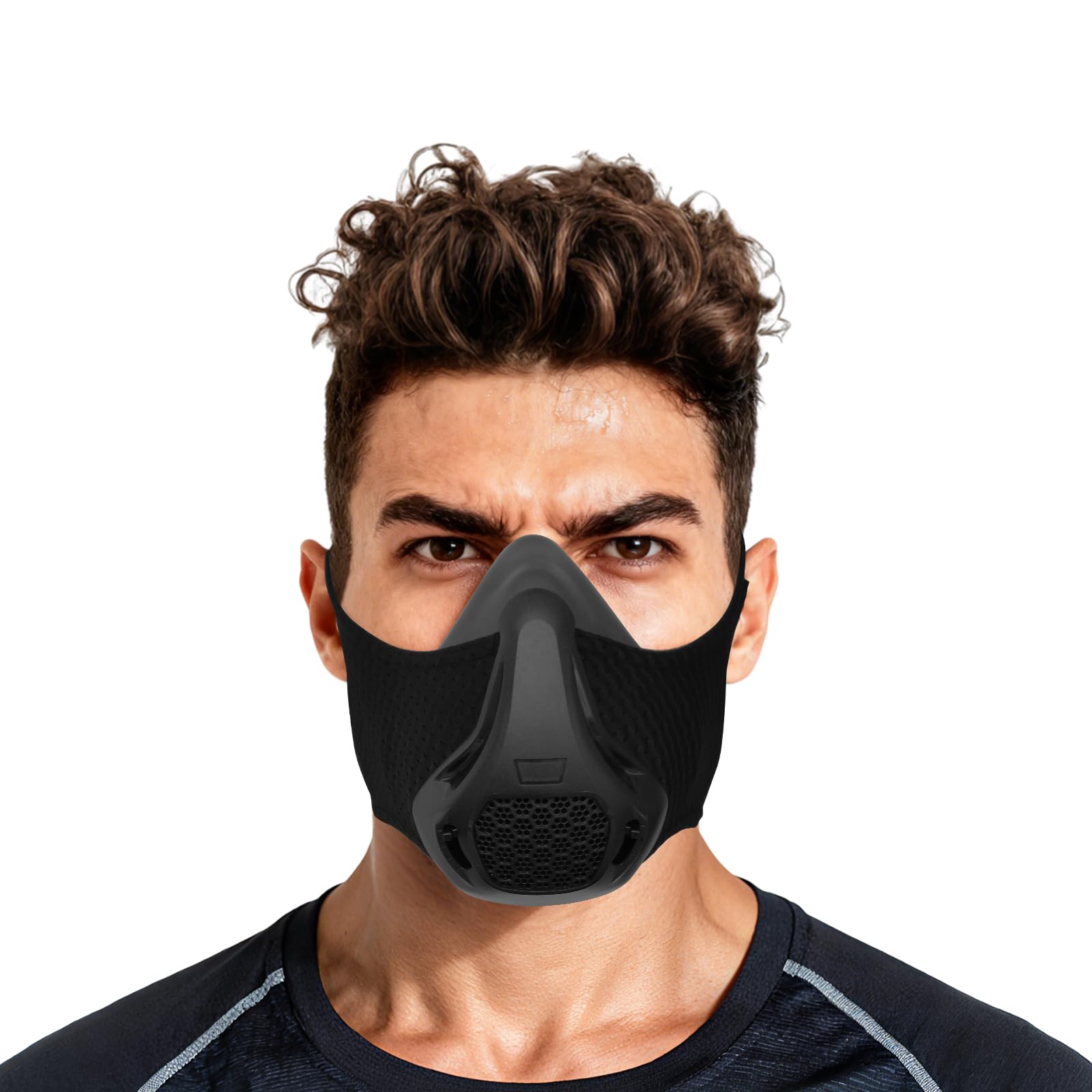
The YUMIOER mask packs 24 adjustable resistance levels into a sub-premium price bracket, making it a compelling option for runners who want altitude simulation without breaking the bank. The dual air path design uses two sets of valves with four levels each, plus two additional soft valves, to create incremental resistance steps that let you progress from light breathing work to intense pulmonary strain.
Runners report that the mask effectively drops oxygen saturation from around 98% to 96% during mild activity, which is significant for a non-oxygen-changing device. The ergonomic silicone edge does a decent job of sealing against the face, though a number of users report that the mask slides down the nose during runs, requiring manual adjustment mid-workout.
Long-distance runners in particular praise the gradual oxygen restriction settings, saying they notice real improvements in endurance when racing without the mask after training with it. The included extra filters and valves extend the product’s life. If you can tolerate the occasional need to push the mask back up your nose, this is a strong entry-level-to-mid mask for cardio enthusiasts.
Why it’s great
- 24 resistance levels offer great progression for the price
- Shows measurable oxygen saturation effects during exercise
- Includes extra filters and valves for extended use
Good to know
- Mask tends to slide down the nose during cardio
- Strap design could be more secure for high-speed running
6. AiraVentus Flutter Valve Device
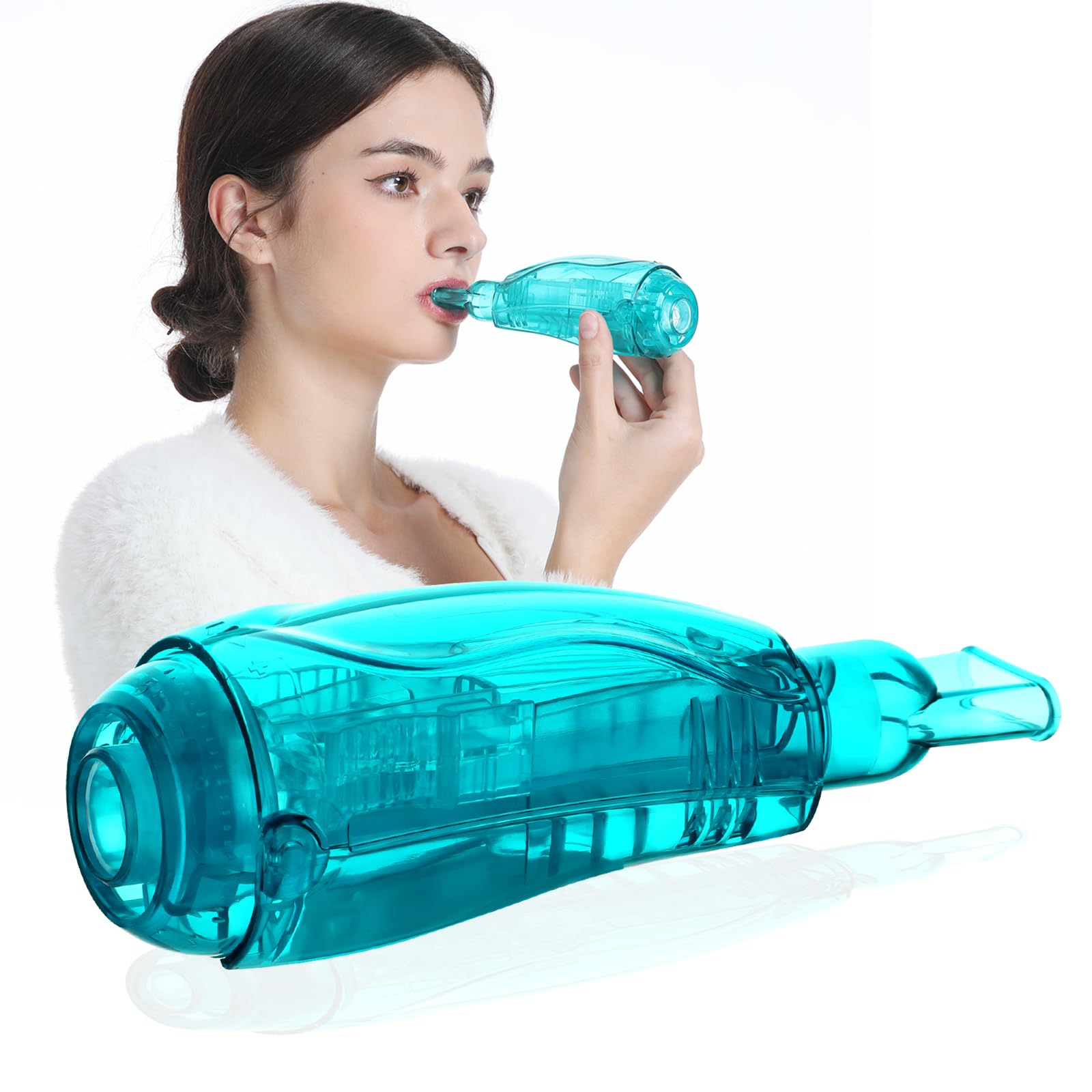
The AiraVentus Flutter Valve Device takes a different approach to respiratory training. Instead of a full face mask, it’s a handheld flutter valve that creates oscillating positive expiratory pressure (OPEP) to strengthen breathing muscles and clear mucus from the airways. This is the same kind of device a pulmonologist might recommend for COPD patients or post-surgery recovery.
The adjustable resistance dial lets you increase the effort required to exhale, which strengthens the diaphragm and intercostal muscles over time. Users with respiratory conditions report that it effectively loosens and clears mucus, while athletes have found it useful as a standalone breathing exercise tool. The medical-grade materials are easy to disassemble and clean in minutes.
It’s not a direct replacement for a strap-on altitude training mask — you can’t wear it during a run or a lifting session. But as a warm-up tool or a recovery aid, it provides targeted respiratory resistance that can complement your mask training. If you have lung health concerns or want a drug-free way to expand breathing capacity, this is a high-quality, well-built device.
Why it’s great
- Medical-grade construction is durable and hygienic
- Adjustable resistance dial for progressive diaphragm training
- Battery-free operation makes it portable and easy to use
Good to know
- Not designed for use during active cardio or weight training
- Higher price point reflects medical-grade build quality
7. coher Workout Mask

The coher Workout Mask is the definition of a beginner’s entry point into altitude training. It’s built from silicone and nylon with a simple adjustable head strap, and it offers basic resistance that’s effective for newcomers but less punishing than the premium options. Users report it holds up well for daily 2-to-5-mile runs, though the fabric starts to droop and wear after extended mileage.
Real customer reviews consistently mention that it’s “good for beginners on a budget” and that it produces “real gains, just not the most effective on the market.” That sums up the coher experience perfectly — it works, but it lacks the precision valve engineering and fit refinement of pricier masks. The resistance mechanism is simpler and doesn’t offer the fine-tuned progression of a 24-level or 36-level system.
Scuba students and casual joggers find it useful for prepping their lungs, but competitive athletes will quickly outgrow it. If you’re curious about altitude training and want to test the waters without a significant investment, the coher mask gets the job done without breaking the bank. Just be prepared to upgrade once your diaphragm starts demanding more.
Why it’s great
- Very accessible price point for trying altitude training
- Comfortable silicone and nylon construction for casual runs
- Solid durability for short-to-medium distance workouts
Good to know
- Resistance is not as effective as premium multi-level masks
- Fabric can droop and lose shape during longer sessions
FAQ
Does an altitude training mask actually simulate high altitude?
How many resistance levels do I need as a beginner?
Will an altitude training mask help with COPD or asthma?
Final Thoughts: The Verdict
For most users, the best altitude training mask winner is the TRAININGMASK 2.0 Turn Flow because its 36-level valve system and proven clinical backing make it the most versatile and effective tool for serious respiratory training. If you want a slightly more comfortable fit with the same elite resistance range, grab the TRAININGMASK Elevation 2.0. And for a budget-friendly entry that still delivers real results, the Sparthos High Altitude Mask is your best option.