
Our readers keep the lights on and the weekend projects moving. As an Amazon Associate, I earn from qualifying purchases.
The shift from modern hybridized wheat to ancient grain flour for bread is driven by a simple reality: a growing number of bakers find that heritage grains like spelt, einkorn, and Kamut deliver a richer, nuttier flavor and a noticeably easier digestive experience, making that daily loaf a source of comfort rather than discomfort. The key is understanding which grain’s unique protein structure and mineral density aligns with your baking goals.
I’m Rikta — the co-founder and writer behind FitlyFast. My analysis focuses on the measurable differences in gluten strength, nutritional density, and organic milling practices that define each product in this competitive category.
This guide breaks down the top contenders to help you find the absolute best ancient grain flour for bread that suits your sourdough starter, your digestion, and your standard for a wholesome homemade loaf.
How to Choose the Best Ancient Grain Flour for Bread
Not all ancient grain flours behave the same in a proofing basket. The type of grain, its protein content, and the milling process directly determine whether your loaf rises tall or bakes dense. Focus on these factors before adding a bag to your cart.
Grain Type: Einkorn vs. Spelt vs. Kamut
Einkorn is the most ancient wheat, with a weak gluten structure that produces a tighter crumb ideal for flatbreads and enriched doughs. Spelt has a stronger, more elastic gluten similar to modern wheat, making it a simpler 1:1 swap for conventional bread recipes. Kamut (Khorasan) sits in the middle with a buttery flavor and a protein content that supports a solid rise while being easier on sensitive stomachs.
Protein Content and Gluten Strength
For bread, aim for a flour with at least 12% to 14% protein. Higher protein levels generate more gluten, which traps gas and yields a springy, airy crumb. Ancient grains naturally vary here — einkorn hovers around 12-14%, while Kamut often exceeds modern wheat with up to 18% protein. Check the nutrition label, not just the marketing.
Organic Certification and Milling Freshness
Ancient grains are often grown without synthetic pesticides, but a USDA Organic seal removes guesswork. Milling method matters, too: stone-ground whole-grain flours retain the bran and germ, offering more fiber and nutrients, but they also oxidize faster and may require higher hydration in your dough. Look for freshly milled products with a grind or harvest date on the bag.
Quick Comparison
On smaller screens, swipe sideways to see the full table.
| Model | Category | Best For | Key Spec | Amazon |
|---|---|---|---|---|
| Jovial Organic Einkorn | Einkorn Flour | Low-gluten sourdough & pizza | 12% protein, fine texture | Amazon |
| Sunrise Flour Mill Heritage Blend | Heritage Blend | Digestible artisan loaves | High protein, super-fine mill | Amazon |
| Grand Teton Einkorn Berries | Whole Berries | Home milling & fresh flour | 18% protein, organic berries | Amazon |
| Grain Brain White Kamut | Sifted Kamut | Light, sensitive-stomach breads | Sifted, easier digestion | Amazon |
| KAMUT Modern Mountain | Kamut Flour | Nutrient-dense sourdough | High in magnesium & zinc | Amazon |
| Nature’s Legacy VitaSpelt | Organic Spelt | Everyday organic baking | Organic, coarse whole-grain | Amazon |
| Vitaspelt Non-GMO Spelt | Non-GMO Spelt | Budget-friendly daily loaves | 30+ year trusted brand | Amazon |
In‑Depth Reviews
1. Jovial Organic Einkorn Whole Wheat Bread Baking Flour
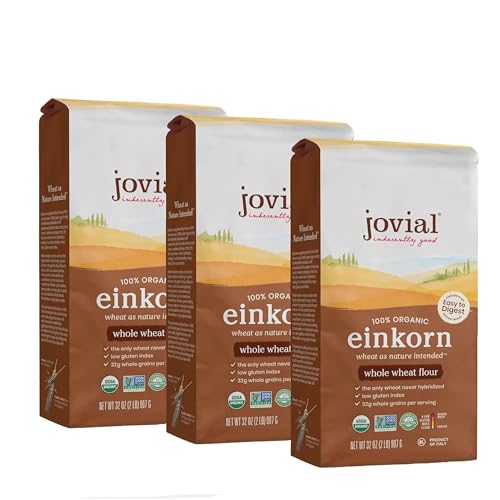
Jovial’s einkorn flour is the benchmark for home bakers who want the purest unhybridized wheat available. Milled in Italy from grains grown with long rotation cycles, it delivers a distinct buttery yellow color and a silky texture that behaves reliably in sourdough recipes. The weaker gluten structure means you won’t get a massive oven spring, but the nutty, slightly sweet flavor and tender crumb are unmatched for artisan loaves and pizza crusts.
This flour contains 12% protein and is free from bromates, bleaching agents, and enrichment, preserving the grain’s natural lutein and tocotrienols. Bakers report that it browns faster than standard whole wheat, so watch your bake time. It is a 3-pack of 32-ounce bags, which keeps each batch fresher than a single large sack.
Customers with mild gluten sensitivities consistently note they can enjoy Jovial’s einkorn without the bloating they experience with modern flour. It is not suitable for celiac disease due to the presence of gluten, but for the low-gluten, high-flavor bread baker, this is the definitive choice.
Why it’s great
- Only unhybridized wheat; true ancient grain identity
- Silky texture that works beautifully for sourdough and pizza
- Excellent flavor profile with buttery, nutty notes
Good to know
- 3 separate bags might be less convenient than one larger bag
- Weaker gluten means denser loaves than spelt or Kamut
2. Sunrise Flour Mill Heritage Organic Bread Flour Blend
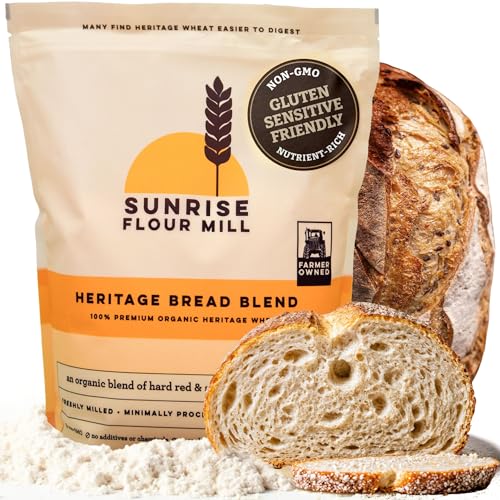
This heritage blend from Sunrise Flour Mill combines Turkey Red and White Sonora wheat, two pre-hybridization varieties known for their digestibility and superior flavor. The Unifine milling process creates an exceptionally fluffy, super-fine flour that incorporates easily into high-hydration sourdoughs and bread machine recipes alike. Bakers report achieving a golden crust and open crumb without the bloating caused by modern flour.
At 5 pounds, this bag delivers enough flour for approximately six 1.5-pound loaves. The protein level is optimally high for bread, supporting a robust rise while maintaining a creamy-gold color. The heritage genetics mean the gluten structure is more complex than standard wheat, which many users with IBS find tolerable, especially after a 24-hour cold fermentation.
Sunrise Flour Mill prints a grind date on the bag, giving you confidence in freshness. The organic certification and single-pass milling make this a top-tier pick for anyone looking to reintroduce bread into a sensitive diet without sacrificing bake quality.
Why it’s great
- Exceptional digestibility for sensitive stomachs
- Super-fine Unifine milling produces light, airy loaves
- Heritage wheat blend delivers complex, nutty flavor
Good to know
- Mid-range price reflects the specialty milling process
- Blend includes multiple heritage wheats, not a single ancient grain
3. Grand Teton Ancient Grains Organic Einkorn Berries

For the baker who wants ultimate control over freshness, Grand Teton’s organic einkorn berries allow you to mill flour on demand. Einkorn has a thin hull that grinds easily in a home mill or even a high-powered coffee grinder, releasing a fragrant aroma reminiscent of fresh graham crackers. The whole-grain berries retain all the bran, germ, and endosperm, maximizing the protein content to roughly 18%.
Grown in the foothills of Eastern Idaho without pesticides or synthetic chemicals, these berries are USDA certified organic and non-GMO. The simpler gluten structure in einkorn makes it more digestible than modern wheat, and many users report being able to enjoy bread again without digestive distress. Because you mill it yourself, the flour is at peak freshness and nutrition.
Einkorn’s weak gluten means it is best for low-rise breads, flatbreads, and tender baked goods, or as a partial substitute in a sourdough blend. The 5-pound bag stores well in a cool, dry place and provides a steady supply for weekly baking sessions.
Why it’s great
- Freshest possible flour when milled at home
- High protein at 18% for a nutrient-dense loaf
- Excellent for digestive health and low-gluten tolerance
Good to know
- Requires a home mill or grinder; not a ready-to-use flour
- Weaker gluten limits rise for traditional sandwich loaves
4. Grain Brain Organic White Kamut Flour

Grain Brain’s White Kamut flour is the sifted version of Khorosan wheat, meaning the bran and germ have been removed for a lighter texture and a milder flavor. This makes it an excellent alternative for those who find whole-grain Kamut too assertive or who need a flour that behaves closer to all-purpose when baking cakes, pastries, or softer breads. The sifting process also improves digestibility for sensitive individuals.
Kamut contains 30-40% more protein than modern wheat, along with higher levels of amino acids, magnesium, and selenium. The gluten structure is more fragile than spelt, so doughs may require a shorter kneading time, but the resulting bake has a rich, buttery taste. Users who cannot tolerate regular wheat often find this sifted Kamut flour well-tolerated.
The 5-pound bag is a convenient size for regular bakers, and the flour is certified organic and non-GMO. It is a premium product at a mid-range price point, reflecting the cost of organic Khorasan wheat and the sifting process.
Why it’s great
- Light texture and mild flavor ideal for pastries and soft breads
- High protein content for nutritious baking
- Many sensitive eaters tolerate it without issues
Good to know
- Sifted form means less fiber than whole-grain Kamut
- Price is higher than standard organic flours
5. Modern Mountain KAMUT Flour
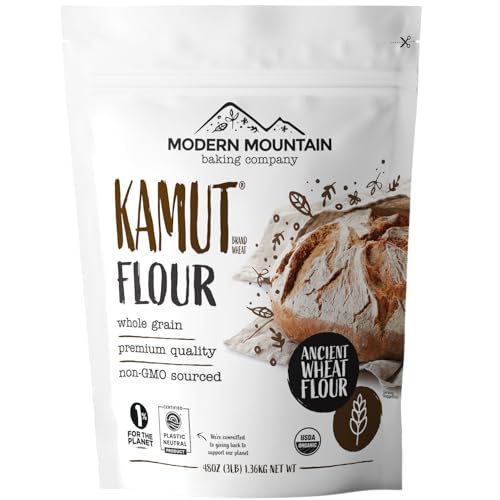
Modern Mountain’s KAMUT flour is milled from unhybridized, non-GMO Khorasan wheat, delivering a nutty, buttery sweetness that elevates whole-grain breads. The 3-pound resealable pouch is a thoughtful design choice for smaller kitchens, keeping the flour fresh between bakes. This flour is nutrient-dense, packing high levels of protein, fiber, zinc, phosphorus, magnesium, and B vitamins.
Substitute it 1:1 for whole wheat flour in your favorite bread recipe, and you will notice a richer flavor and a slightly denser but tender crumb. The gluten is more digestible than modern wheat, and many users find it suitable for sourdough starters. The pouch is part of a give-back program, with contributions to baking scholarships and environmental causes.
It is not a sifted flour, so the bran remains intact, providing full nutritional benefits. The product is USDA organic and OU kosher certified. For bakers who want a single-grain ancient flour that is ready to use and supports a mission, this is a strong contender.
Why it’s great
- High nutritional density with zinc, magnesium, and B vitamins
- Resealable pouch preserves freshness
- Company supports baking scholarships and environmental causes
Good to know
- 3-pound bag is smaller than the standard 5-pound option
- Whole-grain variety can be dense for some bread recipes
6. Nature’s Legacy VitaSpelt Organic Whole Spelt Flour

Nature’s Legacy brings the trusted VitaSpelt name into the organic aisle, offering a whole-grain spelt flour that is perfect for the health-conscious baker. Spelt has a gluten structure that is closer to modern wheat than einkorn, making it a more forgiving flour for bread machines, sandwich loaves, and pizza crusts. Users report that it rises well and produces a satisfying, fluffy crumb.
This 5-pound bag is organic and minimally processed, preserving the natural fiber and minerals of the spelt berry. The flavor is mild and slightly sweet, making it a great entry-level ancient grain for families transitioning from conventional whole wheat. It works well in quick breads, pancakes, and as a 1:1 substitute in many recipes.
While it is processed in a facility that also handles wheat, the spelt itself is often better tolerated by those with mild sensitivities. The price is competitive for organic spelt, making it a practical choice for regular, everyday baking without breaking the budget.
Why it’s great
- Organic certification without a premium price
- Strong gluten structure ideal for sandwich loaves and pizza
- Mild flavor that pleases the whole family
Good to know
- Whole-grain texture can be slightly coarse for some uses
- Not suitable for those with celiac disease
7. Vitaspelt Non-GMO Spelt Flour
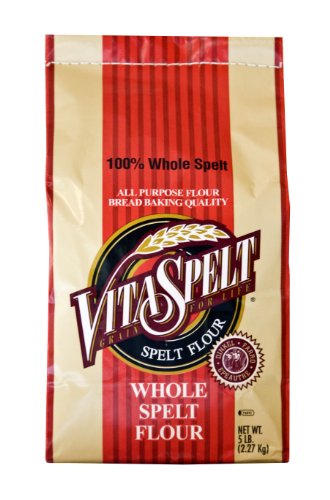
Vitaspelt has been a staple brand for spelt flour for over two decades, and it remains a go-to option for bakers who need a reliable, affordable ancient grain flour for bread. This non-GMO version is coarser than many competitors, which some users prefer as it mimics a heartier whole-wheat grind and improves gut health by slowing digestion. The nutty smell during baking is consistently praised.
The 5-pound bag is packaged in a zip-close bag for easy storage. It is processed in a facility that also handles wheat, but the unique gluten structure of spelt allows many with celiac disease or gluten intolerance to consume it without issues. The flour works well for bread, pizza crust, egg noodles, and roux, offering versatility beyond just bread baking.
Its price point is the most accessible in this list, making it a practical pick for anyone new to ancient grains or baking on a tight budget. While it lacks an organic certification, the non-GMO designation and long-standing reputation make it a safe, high-volume choice.
Why it’s great
- Excellent value for daily baking
- Coarse texture is healthier and aids digestion
- Versatile in bread, pasta, and roux
Good to know
- Not USDA Organic
- Coarser grind may require recipe adjustments
FAQ
Can I substitute ancient grain flour 1:1 for modern bread flour in my standard recipe?
Why do some ancient grain flours cause less bloating than modern wheat?
What is the difference between whole-grain and sifted ancient grain flour?
Final Thoughts: The Verdict
For most users, the best ancient grain flour for bread winner is the Jovial Organic Einkorn because it represents the purest, unhybridized form of wheat with a buttery, nutty flavor and a texture that truly shines in artisan sourdough. If you want a heritage blend that delivers excellent digestibility with a super-fine mill for tall, airy loaves, grab the Sunrise Flour Mill Heritage Blend. And for home millers who demand the freshest possible flour with maximum protein density, nothing beats the Grand Teton Einkorn Berries.