
Our readers keep the lights on and the weekend projects moving. As an Amazon Associate, I earn from qualifying purchases.
You want a phone that replaces your dedicated camera, not one that just slaps a megapixel number on the spec sheet. The real battle is in how a phone handles light, stabilizes your hand shake, processes skin tones, and lets you zoom without turning a faraway bird into a watercolor painting. Every brand has a flagship claim, but the actual image quality gap between a mid-ranger and a ultra-premium device can be staggering — or surprisingly narrow.
I’m Rikta — the co-founder and writer behind FitlyFast. After many hours analyzing camera sensor sizes, optical zoom ranges, computational photography pipelines, and real-world sample comparisons across this entire range of unlocked smartphones, I’ve broken down exactly what each phone delivers for the price.
This guide compares eleven unlocked smartphones, from value-oriented 4G workhorses to flagship foldables, to help you identify the best android phone with best camera for your specific shooting style and budget.
How To Choose The Best Android Phone With Best Camera
Every phone can snap a picture, but the magic happens in the hardware and software working together. Knowing what to check separates a disappointing purchase from a phone you’ll use for years.
Sensor Size and Pixel Binning
A larger sensor physically captures more light. Many high-resolution sensors (like 200MP) group pixels together — a process called binning — to create larger virtual pixels for better low-light performance. A 1/1.4-inch sensor with 16-in-1 binning, like the Xiaomi Redmi Note 14 Pro’s setup, can outperform a smaller sensor with a higher raw megapixel count.
Optical vs. Digital Zoom
Optical zoom uses lens movement and dedicated telephoto glass to magnify without losing detail. A 3x optical zoom (Nothing Phone 3a Pro) or a 5x telephoto (Google Pixel 10) will beat any amount of digital crop from a single main lens. If you shoot subjects far away, a dedicated periscope or telephoto camera is non-negotiable.
Computational Photography Pipeline
This is where brands separate themselves. Google’s HDR+ and Night Sight, Nothing’s TrueLens Engine, and Samsung’s Pro-Visual Engine process multiple frames in fractions of a second to enhance dynamic range, reduce noise, and improve color accuracy. A phone with a mediocre sensor but brilliant software, like the Pixel 10, often beats a phone with excellent hardware and poor processing.
Stabilization
Optical image stabilization (OIS) physically moves the lens to counter hand shake. It is critical for sharp photos in dim light and smooth 4K video. Electronic stabilization (EIS) crops the frame to stabilize, which works well for walking shots but can lower quality in extreme movement.
Quick Comparison
On smaller screens, swipe sideways to see the full table.
| Model | Category | Best For | Key Spec | Amazon |
|---|---|---|---|---|
| Google Pixel 10 | Flagship | Best all-around camera performance | 5x telephoto lens, 20x Super Res Zoom | Amazon |
| Samsung Galaxy S23 Ultra | Premium | Versatile pro-grade zoom photography | 200MP sensor with 10x optical zoom | Amazon |
| Samsung Galaxy Z Fold7 | Premium Foldable | Best camera on a foldable | 200MP main with Pro-Visual Engine | Amazon |
| HONOR Magic V2 | Flagship Foldable | Slim foldable with competitive optics | 50MP+50MP+20MP triple rear array | Amazon |
| Nothing Phone (3a) Pro | Mid-Range | High-end zoom in an affordable package | 50MP periscope with 3x optical zoom | Amazon |
| Google Pixel 10a | Mid-Range | Google’s AI photography on a budget | Best-in-class camera with Camera Coach | Amazon |
| Motorola Edge 2025 | Mid-Range | Versatile pro-grade camera system | 50MP main with 2x optical zoom | Amazon |
| HMD Skyline | Mid-Range | Repairable design with strong selfie camera | 108MP triple camera, 50MP selfie with AF | Amazon |
| Motorola One Zoom | Mid-Range | True 3x optical zoom on a budget | 48MP main with OIS and 3x optical zoom | Amazon |
| Xiaomi Redmi Note 14 Pro | Value | 200MP sensor for detailed stills | 200MP main with OIS, 16-in-1 binning | Amazon |
| MMY 16PROMA X | Rugged Value | Waterproof/rugged with night vision | 108MP main, 68MP front, night vision | Amazon |
In‑Depth Reviews
1. Google Pixel 10

The Google Pixel 10 is the gold standard for computational photography. Its upgraded triple rear system introduces a dedicated 5x telephoto lens, reaching up to 20x Super Res Zoom, which delivers far-away subjects with remarkable sharpness and natural color. Google’s Tensor G5 chip powers the Camera Coach feature, guiding you to frame and capture better shots in real time, while Night Sight continues to set the benchmark for low-light image quality on any smartphone.
The 6.3-inch Actua display hits a 3,000-nit peak brightness, making outdoor shooting and reviewing images in direct sunlight effortless. With a 4,970 mAh battery, the phone easily lasts a full day of heavy camera use, with fast charging getting you back to shooting quickly. The Corning Gorilla Glass Victus 2 and IP68 rating provide peace of mind for shooting in less-than-ideal weather.
Some users note the camera, while outstanding, may not feel as dramatically different from the previous generation in quick snapshots, and premium pricing puts it squarely in the flagship tier. The eSIM-only configuration may also be a consideration for users who prefer a physical SIM card.
Why it’s great
- Best-in-class computational photography with brilliant color science
- 5x telephoto lens with up to 20x Super Res Zoom
- Guide-level Camera Coach feature for perfect framing
Good to know
- Premium pricing places it in the highest cost bracket
- Only eSIM support, no physical SIM slot
- Incremental improvement over the previous model for casual shots
2. Samsung Galaxy S23 Ultra

The Samsung Galaxy S23 Ultra redefines zoom photography for the mainstream. Its 200MP main sensor captures incredible detail, and when paired with the 10x optical zoom lens and dual telephoto setup, you can shoot subjects at a distance that would be unthinkable on most phones. The Pro-Visual Engine processes multiple frames to ensure sharpness and dynamic range are preserved even at extreme magnification, making it a favorite for wildlife and sports shooters.
The 6.8-inch Dynamic AMOLED 2X display delivers stunning color and brightness, while the 5,000 mAh battery provides all-day stamina for heavy camera and video use. The Snapdragon 8 Gen 2 chipset ensures snappy performance for editing high-resolution images in Lightroom or Snapseed directly on the device. The S Pen adds a layer of control for pro-level adjustments.
Keep in mind that the S23 Ultra is a noticeably large and heavy phone, and its 10x zoom quality can degrade quickly in low light due to a smaller aperture on the telephoto lens. The international model (SM-S918B/DS) comes with dual SIM support but lacks US-specific mmWave 5G bands, so carrier compatibility should be confirmed first.
Why it’s great
- 200MP sensor with incredible resolving power for crops and enlargements
- True 10x optical zoom delivers unmatched reach
- Snapdragon 8 Gen 2 with 12GB RAM for smooth editing
Good to know
- Large and heavy form factor is not pocket-friendly
- Telephoto performance struggles in dim conditions
- International model may lack full US carrier support
3. Samsung Galaxy Z Fold7
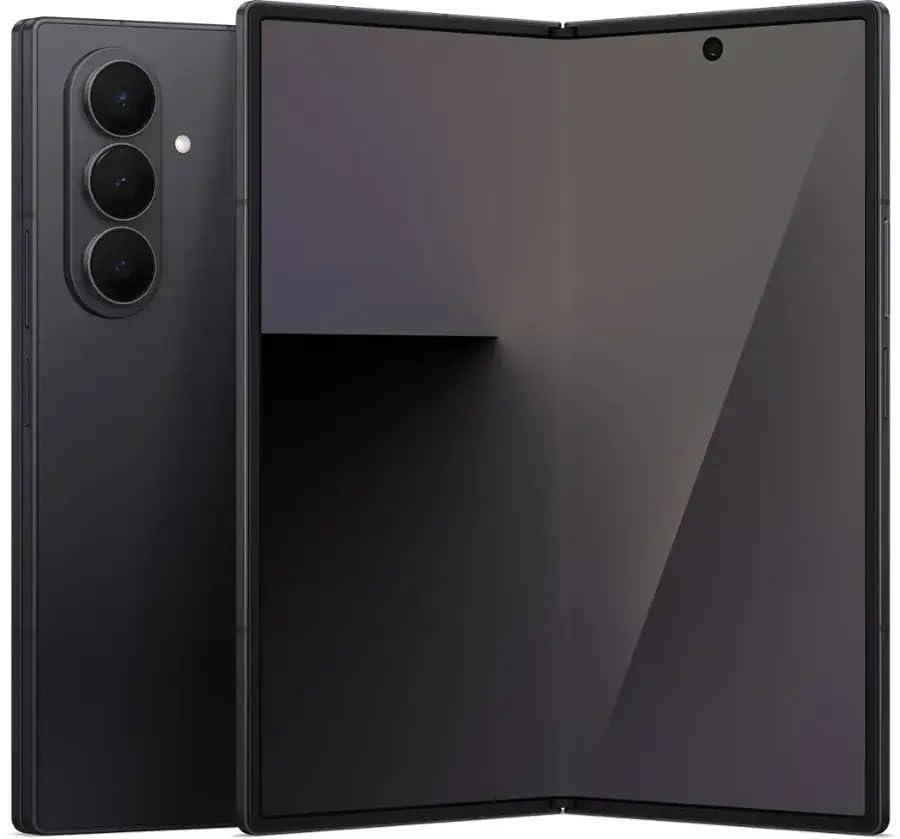
The Samsung Galaxy Z Fold7 marks a significant leap in foldable camera quality. It inherits the 200MP main sensor from the S-series and pairs it with the Pro-Visual Engine, delivering detailed, vibrant images that rival the best non-folding flagships. The 8-inch main display is the definitive way to review and edit photos, giving you a tablet-sized viewfinder for compositions that matter.
This device also features an ultra-premium triple camera array capable of 4K video recording from multiple lenses, and the Snapdragon 8 Elite processor handles AI-driven photo editing and batch processing with zero lag. The 4,400 mAh battery manages to keep up with a day of moderate to heavy photography, and the refined hinge design makes the phone feel slimmer and more portable than previous years.
The Z Fold7’s camera, while excellent for a foldable, still doesn’t quite match the raw zoom reach or low-light performance of a dedicated camera phone like the S23 Ultra. The premium price point is also the highest in this entire guide, and the 4,400 mAh battery is smaller than many non-foldable rivals, leading to more frequent top-ups during heavy shooting days.
Why it’s great
- 200MP camera on a foldable is a massive improvement over previous generations
- 8-inch tablet-style display is perfect for photo review and editing
- Slimmer and lighter build than previous foldable generations
Good to know
- Highest price point in the guide
- Camera does not match dedicated non-foldable flagships in low light
- Battery is smaller than the S23 Ultra at 4,400 mAh
4. HONOR Magic V2

The HONOR Magic V2 stands out as the thinnest and lightest foldable in this lineup, measuring just 9.9mm when folded. Its triple 50MP camera setup — primary, ultrawide, and a 20MP telephoto — captures rich, high-contrast images with excellent detail across all three lenses. The foldable LTPO OLED screens (6.43-inch cover and 7.92-inch inner) hit 1 billion colors and are bright enough for outdoor shooting.
Performance is driven by the Snapdragon 8 Gen 2 chipset with 16GB of RAM and 512GB of storage, making it a powerhouse for both photography and multitasking. The 5,000 mAh battery is impressive for a foldable of this thickness, easily lasting a full day with moderate camera use. The MagicOS software offers robust camera features, including a pro mode for manual control over exposure and focus.
Network compatibility is the most significant hurdle — the Magic V2 is an international version and does not work with Verizon, Sprint, or US Cellular. Users on T-Mobile and AT&T need to check 4G LTE band compatibility carefully. The aggressive notification management in MagicOS can also cause you to miss messages from camera-sharing apps.
Why it’s great
- Remarkably thin and light foldable design with premium build
- Triple 50MP camera system with excellent consistency
- Large 5,000 mAh battery for a foldable
Good to know
- No CDMA network support (not compatible with Verizon or US Cellular)
- Aggressive OS notification management can miss alerts
- International version may have limited US warranty and support
5. Nothing Phone (3a) Pro

The Nothing Phone (3a) Pro is the dark horse of this guide, delivering a 50MP periscope telephoto lens with genuine 3x optical zoom at a price point that usually maxes out at a standard wide-angle camera. The TrueLens Engine provides natural skin tones and accurate color reproduction, and the 50MP front-facing camera supports 4K video recording, making it a strong choice for content creators on a budget.
The 6.77-inch 120Hz AMOLED display hits an impressive 3,000 nits peak brightness, ensuring views are clear even under harsh sunlight. The Snapdragon 7s Gen 3 chipset handles everyday tasks smoothly, and the 5,000 mAh battery with 50W wired charging means you get 50% charge in about 20 minutes. The Glyph Interface LED lights add fun notifications and a visual flair for incoming calls.
The digital zoom beyond 3x (up to 60x) uses heavy cropping, and detail degrades noticeably with motion artifacts on distant subjects. The Essential Key button is not remappable, and the phone lacks 3-button navigation options out of the box, which can be disorienting for users coming from a more traditional navigation setup. U.S. carrier compatibility is also limited, especially on Verizon.
Why it’s great
- Rare 50MP periscope with 3x optical zoom at a mid-range price
- High-quality 50MP selfie camera with 4K video
- Brilliant 3,000-nit AMOLED display and fast charging
Good to know
- Digital zoom beyond 3x is weak with visible artifacts
- Verizon compatibility is limited and requires manual IMEI registration
- Essential Key is not customizable without voiding warranty
6. Google Pixel 10a

The Google Pixel 10a brings Google’s industry-leading computational photography to a much more accessible tier. The Camera Coach feature actively suggests framing improvements for better composition, and the camera’s low-light performance, driven by Google’s HDR+ and Night Sight algorithms, produces images that often rival more expensive hardware. The Add Me and Auto Best Take features are genuinely useful for group photos and portraits.
The 6.3-inch Actua display with 3,000-nit peak brightness is excellent for outdoor use. The phone is built with Corning Gorilla Glass 7i and carries an IP68 rating for water and dust resistance. With a 4,300 mAh battery that delivers over 30 hours of mixed use, you won’t worry about charging during a long day of shooting.
The camera hardware is less versatile than the Pixel 10 — there is no dedicated telephoto lens for optical zoom, and the 128GB base storage fills quickly if you shoot a lot of high-resolution video. The Gemini AI integration can feel intrusive if you prefer a minimal software experience, and some notifications are aggressively pushed.
Why it’s great
- Exceptional AI-powered camera for low light and portraits
- Camera Coach feature provides real-time framing guidance
- Excellent battery life with IP68 durability
Good to know
- No dedicated telephoto lens for optical zoom
- 128GB base storage may feel restrictive for heavy photographers
- AI integration and notifications can be overwhelming
7. Motorola Edge 2025

The Motorola Edge 2025 balances a professional-grade quad-camera system with the largest battery in this mid-range group — a 5,200 mAh unit that comfortably stretches into a second day of use. The 50MP main camera, paired with moto ai, delivers accurate exposures and good dynamic range, while the 2x telephoto mode provides modest zoom without sacrificing image quality.
The 6.7-inch Super HD display (1220p) with Dolby Atmos sound makes the Edge 2025 a multimedia and photo-reviewing champion. The quad-curved design with soft-touch finish feels more expensive than the price suggests, and the phone meets MIL-STD-810H durability standards plus carries IP68/IP69 water and dust resistance ratings. 68W TurboPower charging refuels the massive battery incredibly fast.
Photo quality at maximum digital zoom (20x) is noticeably soft, and the camera’s video stabilization can show jutter during fast movement. The phone lacks a microSD card slot, so you’re limited to the built-in 256GB storage. Motorola’s software update policy remains behind Google and Samsung, offering fewer guaranteed updates.
Why it’s great
- Very large 5,200 mAh battery with 68W fast charging
- Pro-grade camera system with moto ai processing
- IP68/IP69-rated durability plus military-grade protection
Good to know
- Digital zoom quality is soft beyond 2x
- No microSD expansion slot
- Software update commitment is limited compared to rivals
8. HMD Skyline

The HMD Skyline carves a unique niche with a user-repairable design and a 50MP front-facing camera with autofocus — a rarity on any phone. The 108MP triple camera on the rear delivers sharp, detailed stills, especially in good lighting, while the front camera records 4K video and focuses accurately on your face for crisp selfies. The 144Hz pOLED display is buttery smooth for scrolling through your gallery.
Battery life is a strong point, with the 4,600 mAh cell lasting up to 48 hours on lighter use. The phone supports Qi2 magnetic wireless charging, 33W fast wired charging, and 5W reverse wireless charging for accessories. The modular design allows you to replace a cracked screen or battery at home with iFixit tools without voiding the warranty, which is a massive long-term value.
The software support is disappointing — HMD promises only two OS updates, which is far short of Samsung’s or Google’s commitments. The OLED panel has noticeable dimming at lower brightness levels, and the glass back and sharp corners make the phone slippery without a case. Some users report the fingerprint sensor triggering erratically in pockets.
Why it’s great
- 50MP selfie camera with autofocus and 4K recording
- User-repairable design with readily available parts from iFixit
- Qi2 wireless charging and long 48-hour battery life
Good to know
- Only two OS updates promised (limited software longevity)
- OLED display dims noticeably at low brightness
- Slippery build with sharp corners requires a case
9. Motorola One Zoom

The Motorola One Zoom is a hidden gem for anyone who needs true optical zoom on a tight budget. Its 48MP main sensor with OIS captures steady, well-exposed shots, and the dedicated 3x optical telephoto lens provides genuine reach without the graininess of digital cropping. The 4x zoom total means you can frame subjects from a distance and still retain sharp detail.
The 4000 mAh battery provides a reliable day and a half of mixed use, and the 128GB of internal storage is expandable via the hybrid SIM tray. The in-display fingerprint reader is a nice touch for the price point, and the phone’s OLED display renders images with vivid colors and deep blacks. The 25MP front camera with Quad Pixel technology takes decent selfies in moderate light.
This is an older model (2019), so it runs an older version of Android and may lack full VoLTE support on certain US carriers like T-Mobile, which could impact call reliability as older networks are phased out. There is no 5G support, no headphone jack, and the glossy back attracts fingerprints easily.
Why it’s great
- True 3x optical telephoto lens for a budget-friendly price
- OIS on the main camera reduces blur in low light
- Expandable 128GB storage and reliable battery life
Good to know
- Older Android version without guaranteed VoLTE on all carriers
- No 5G connectivity and glossy back attracts fingerprints
- No headphone jack and USB-C audio required
10. Xiaomi Redmi Note 14 Pro

The Xiaomi Redmi Note 14 Pro packs a 200MP main camera with OIS into a device that costs less than most mid-rangers. The large 1/1.4-inch sensor uses 16-in-1 pixel binning to create 2.24µm equivalent pixels, resulting in bright, detailed shots in good light. The 7P lens and f/1.65 aperture help maintain sharpness across the frame, and the 8MP ultrawide and 2MP macro round out a versatile rear array.
The 6.67-inch 120Hz AMOLED display with 1,800 nits peak brightness and Corning Gorilla Glass Victus 2 is a premium experience at this price tier. The Helio G100-Ultra processor handles day-to-day performance, and the phone includes an IR blaster for remote control functionality. The 45W fast charging (included in the box) gets the 4,000 mAh battery to a usable level quickly.
This is a 4G LTE-only smartphone — no 5G support — and it is locked to T-Mobile and its MVNOs in the US. The 200MP sensor produces enormous file sizes, and processing can lag slightly between shots. The 2MP macro camera is essentially a gimmick, and the phone’s 1080p video recording maxes out at 60fps with no 4K capability.
Why it’s great
- 200MP sensor with OIS and large 1/1.4-inch sensor for stunning detail
- Premium 120Hz AMOLED display with Gorilla Glass Victus 2
- Strong value with 45W fast charging included
Good to know
- 4G LTE only with carrier limitations in the US (T-Mobile network only)
- 200MP processing results in large file sizes and slight shutter lag
- 2MP macro camera and no 4K video recording
11. MMY 16PROMA X
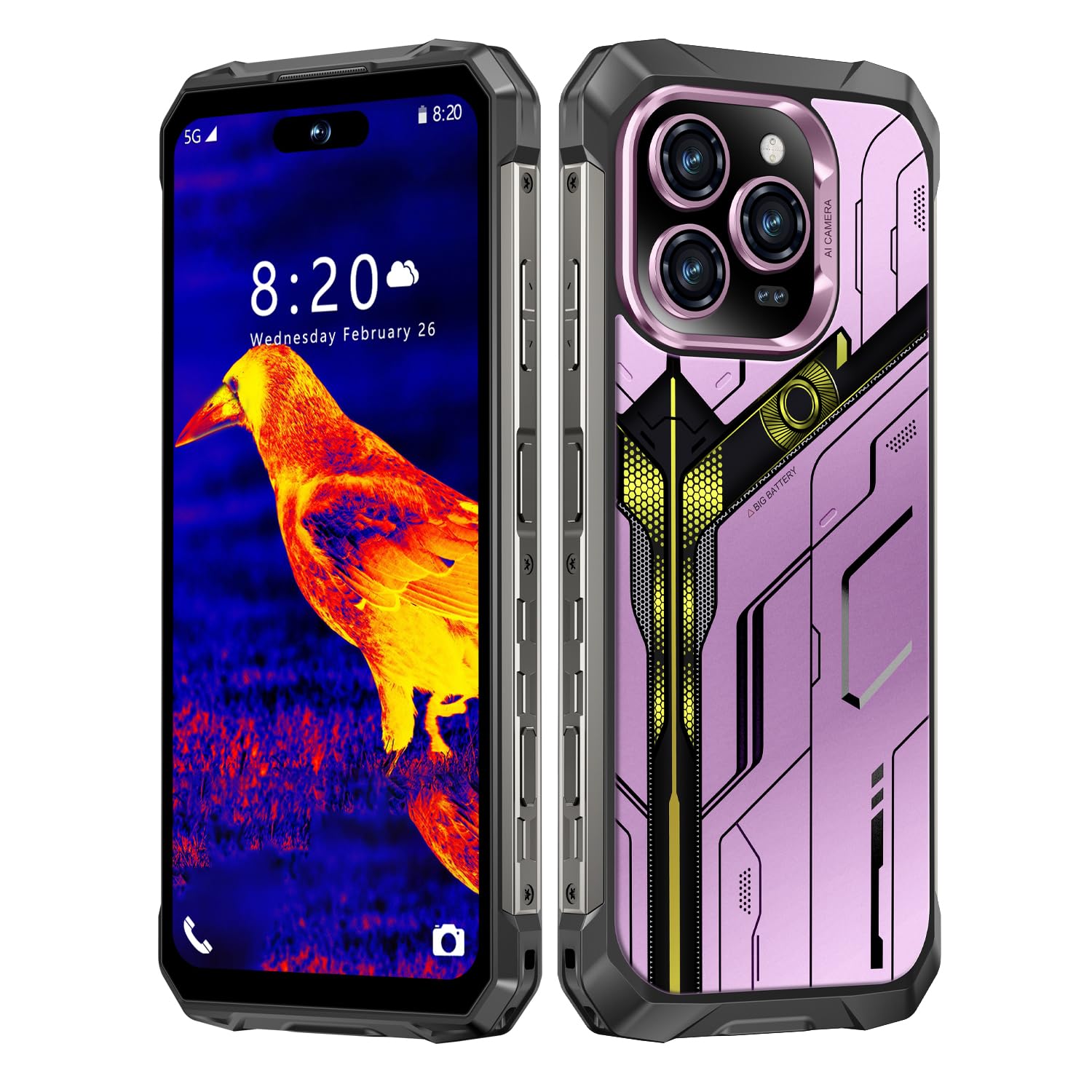
The MMY 16PROMA X is built for rugged outdoor use, with IP68 waterproofing and a monstrous 22,000 mAh battery that can last multiple days without charging. Its 108MP rear camera and 68MP front camera are accompanied by dedicated night vision and underwater photography modes, making it a unique choice for campers, hikers, and workers in harsh environments who still need decent photos.
The 6.99-inch HD+ display (1440×3040) is huge for reviewing images and maps. The phone boasts a Snapdragon 8s Gen 4 chip and 32GB+1TB memory configuration, though the hardware specs should be taken with caution given the generic brand nature. It supports dual SIM 5G, NFC, and infrared remote control, and includes a headphone jack, IP rating, and rubberized case for drops.
This phone is not a conventional smartphone — its processing power and camera quality are likely lower than the brand claims. The 68MP front camera and night vision modes may produce usable results in their specific scenarios, but for everyday photography, the phones above will produce far superior images. User reviews primarily discuss accessories, not the phone itself.
Why it’s great
- IP68 waterproof and rugged design built for extreme conditions
- Massive 22,000 mAh battery provides days of use
- Dedicated night vision and underwater photography modes
Good to know
- Performance and camera quality may not match brand claims
- Heavy and bulky form factor is not for everyday carry
- Generic brand with uncertain software support and US carrier compatibility
FAQ
What is the most important camera spec on an Android phone?
Does a higher megapixel count always mean a better camera?
Is optical zoom better than digital zoom for Android phones?
How important is OIS for taking photos?
Final Thoughts: The Verdict
For most users, the android phone with best camera winner is the Google Pixel 10 because it combines Google’s unmatched computational photography, a versatile 5x telephoto lens, and a clean software experience that makes capturing professional-grade photos effortless. If you want maximum zoom reach with 10x optical capability, grab the Samsung Galaxy S23 Ultra. And for the most affordable phone with a pro-level periscope zoom, nothing beats the Nothing Phone (3a) Pro.