
Our readers keep the lights on and the weekend projects moving. As an Amazon Associate, I earn from qualifying purchases.
Ankle sprains are the most common injury in volleyball, with lateral ligament damage occurring every time a player lands on another player’s foot or comes down from a block onto an uneven surface. That singular moment of inversion — the foot rolling inward — can sideline an athlete for weeks, and recurrent instability can end a season entirely. The right brace doesn’t just wrap the joint; it recreates the mechanical stability of athletic tape while allowing the plantar flexion and dorsiflexion essential for jumping and shuffling.
I’m Rikta — the co-founder and writer behind FitlyFast. I’ve spent hundreds of hours analyzing clinical data on ankle injury prevention in lateral-movement sports, comparing brace construction materials, stabilizer rigidity, and lace-up tension systems to identify which designs actually resist forced inversion during high-velocity landing loads.
A brace that shifts, bunches, or limits ankle mobility forces compensatory movement patterns in the knee and hip. After rigorous comparison of seven models on fit, stabilizer effectiveness, and durability for court sports, I’ve built this guide to the best ankle brace for volleyball.
How To Choose The Best Ankle Brace For Volleyball
Volleyball creates unique demands on an ankle brace that other sports do not. You need a brace that resists forced inversion during lateral cuts and jump landings but also fits inside a low-profile volleyball shoe without bulging. The brace must not shift during repetitive vertical jumps, and its stabilizers need to be stiff enough to prevent rolling without restricting the ankle flexion needed for a controlled approach and contact.
Lace-Up vs. Sleeve vs. Hinged Construction
Lace-up ankle braces provide the most precise circumferential compression and mimic the basket-weave technique athletic trainers use. Full sleeves lack the mechanical resistance to inversion that stabilizers offer. Hinged braces offer the highest rigidity but are often too bulky for volleyball shoes and may limit quick plantar flexion needed for jumping. For volleyball, a lace-up design with integrated figure-8 straps and removable side stabilizers delivers the ideal balance of stability and ankle mobility.
Stabilizer Material and Removability
Not all stabilizers are equal. Spring-steel stays offer durable resistance to inversion but can snap under repeated load. Molded TPU shells adapt to foot anatomy and distribute force more evenly. Polyethylene or nylon stabilizers are lighter but may fatigue over a season. The ability to remove stabilizers is valuable: use them during high-risk game play or early recovery, and remove them for low-intensity practice or daily wear when you want more natural ankle movement.
Profile Height and Shoe Compatibility
A brace that pushes your foot too high in the shoe changes your center of gravity and can cause heel lift inside the shoe. Measure the distance from your heel to the top of the brace cuff and compare it to the shoe collar height. Look for braces that advertise a “low-profile” fit and check customer reviews specifically from volleyball players who wear the same brand of shoe. The brace should sit flush against the skin without creating a pressure ridge under the laces.
Quick Comparison
On smaller screens, swipe sideways to see the full table.
| Model | Category | Best For | Key Spec | Amazon |
|---|---|---|---|---|
| Med Spec ASO Ankle Stabilizer | Lace-Up | All-around game-day stability | Figure-8 elastic straps | Amazon |
| Active Ankle AS1 Pro | Lace-Up | Speed lacing for quick changes | Speed-lacing eyelets | Amazon |
| DonJoy Performance POD | Hinged/TPU Shell | Maximum roll protection | Molded TPU shell | Amazon |
| Ultra 360 Lace Up | Lace-Up | Mimicking professional taping | Figure-8 stabilizing straps | Amazon |
| Swede-O Ankle Lok | Lace-Up | Reinforced lacing lockdown | Exclusive lacing system | Amazon |
| Fitomo Triple-Lock | Hybrid Lace/Strap | Versatile compression support | Triple-Lock support system | Amazon |
| McDavid Bio-Logix | Hinged | Competition-grade hinge support | Flex-link hinge design | Amazon |
In‑Depth Reviews
1. Med Spec ASO Ankle Stabilizer
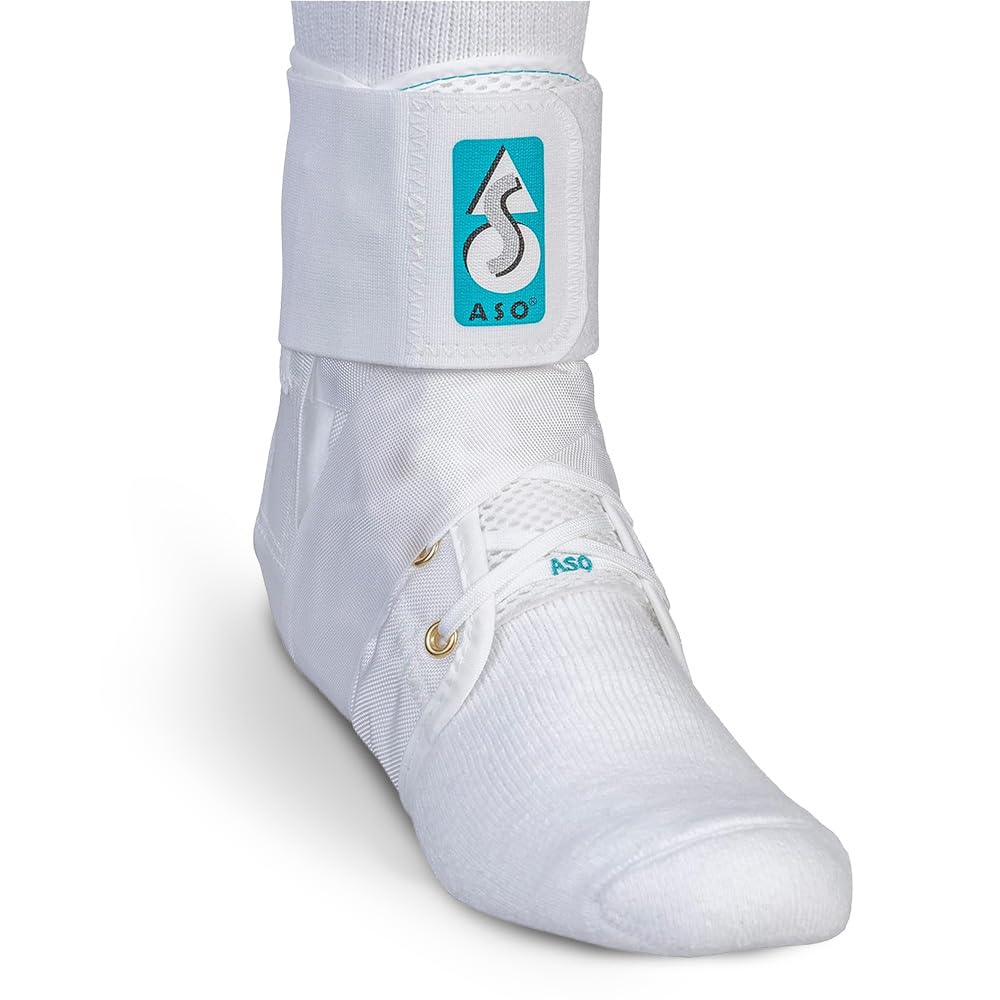
The Med Spec ASO is the brace most frequently recommended by orthopedic surgeons and athletic trainers for volleyball players recovering from lateral ankle sprains. Its lace-up base provides graduated compression from the midfoot up through the malleoli, while the dual figure-8 elastic straps wrap around the heel and lock the talus in neutral position to resist inversion and eversion. Unlike bulkier hinged braces, the ASO’s CoolFlex padding and nylon construction keep it breathable and low-profile enough to fit inside a standard volleyball shoe without heel lift.
Each of the two figure-8 straps applies independent tension — the lower strap secures the subtalar joint, and the upper strap stabilizes the talocrural joint. The lacing system includes an even-knot feature that prevents the lace eyelets from shifting asymmetrically, which is crucial for maintaining even pressure during repetitive jumps. The bilateral design works for either foot, so one brace can serve as a spare for either ankle after an acute injury.
Durability is a standout strength here. The nylon outer shell resists stretching over a full season, and the Velcro attachments on the figure-8 straps stay aggressive through hundreds of cycles. Sizing guides from the manufacturer are precise, but players with a narrow heel should pair this brace with a cushioned sock to prevent the heel cup from sliding. It is not designed for slip-on shoes, but works seamlessly with lace-up court footwear.
Why it’s great
- Figure-8 straps mimic professional athletic taping for inversion resistance
- CoolFlex padding and breathable nylon keep the foot cool during extended play
- Bilateral design fits either foot, making it a versatile recovery tool
Good to know
- Requires lace-up shoes; does not work well with slip-on footwear
- Some users need a helper to lace and strap it tightly on the first try
2. Active Ankle AS1 Pro Lace Up Ankle Brace
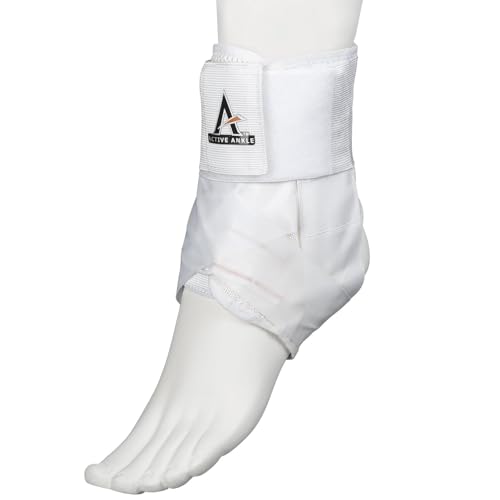
The Active Ankle AS1 Pro is built for the athlete who values speed of application without sacrificing stability. Its speed-lacing eyelets allow quick tensioning, and the forefoot has been trimmed compared to earlier models to reduce bulk inside the toe box. The non-slip silicone printing on the sole grips the inside of the shoe, preventing the brace from migrating upward during lateral shuffles and jump landings — a persistent issue with less anchored lace-up braces.
The brace uses non-stretch vertical straps that imitate the basket-weave and heel-lock taping techniques used by athletic trainers. These straps are fully adjustable and wrap around the heel in a figure-8 configuration, though some users report that the criss-cross straps can loosen slightly over extended wear. A wider heel hole reduces rubbing and blister risk on the Achilles and peroneal tendons, which is important for players wearing lower-cut volleyball shoes.
Reinforced laces resist fraying, and the lacing eyelets are designed to reduce hot spots on the top of the foot. While the brace offers excellent mobility for its support level, it does not include removable side stabilizers — the support comes entirely from the strap system. Players who prefer the rigid feel of a stabilizer may find the AS1 Pro less confidence-inspiring for severe instability, but for athletes with mild to moderate sprain history, it offers a superior fit and feel.
Why it’s great
- Speed-lacing eyelets cut application time in half compared to standard laces
- Silicone sole printing prevents brace migration inside the shoe
- Wider heel hole reduces Achilles and peroneal tendon irritation
Good to know
- Criss-cross straps may loosen and require re-tightening during long matches
- No removable side stabilizers for those wanting rigid inversion protection
3. DonJoy Performance POD Ankle Brace
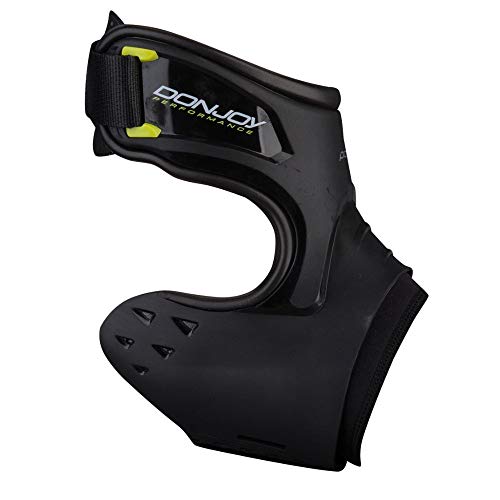
The DonJoy Performance POD represents a tier change in ankle brace engineering. Instead of relying solely on strap tension, the POD uses a molded TPU shell that adapts to the anatomical shape of your foot and a hinged “On Demand” technology that engages specifically during inversion or eversion moments. When the foot rolls, the shell locks the joint in neutral; during normal running and jumping, it allows full natural range of motion. This is the closest a brace gets to being invisible until you need it.
The super-soft EVA underlayer lining hugs the foot and ankle without creating pressure points, and the low-profile design fits inside most court shoes without bulging at the sides. The hook-and-loop closure system provides rapid on-and-off compared to lace-up braces. The right-foot and left-foot specific design ensures the shell contours perfectly to the medial and lateral malleoli, which improves stability over unisex bilateral wraps.
A small subset of users with high insteps or circulation concerns report that the shell can feel tight across the dorsal foot. Some have modified the brace by trimming the sock or adjusting strap placement to improve blood flow. For trail running or uneven terrain, a few users found the brace insufficiently rigid, but for volleyball’s controlled court surface and repetitive vertical loading, the POD’s balance of stability and mobility is unmatched in its class. It is the most expensive option here but also the most technically advanced.
Why it’s great
- Molded TPU shell adapts to foot anatomy for personalized fit and stability
- On-Demand technology locks during inversion but allows full mobility otherwise
- Low-profile design fits comfortably inside court shoes without bulk
Good to know
- May feel tight on high-instep feet; some users require strap adjustments
- Premium price point reflects advanced engineering but may exceed budgets
4. Ultra 360 Lace Up Ankle Brace
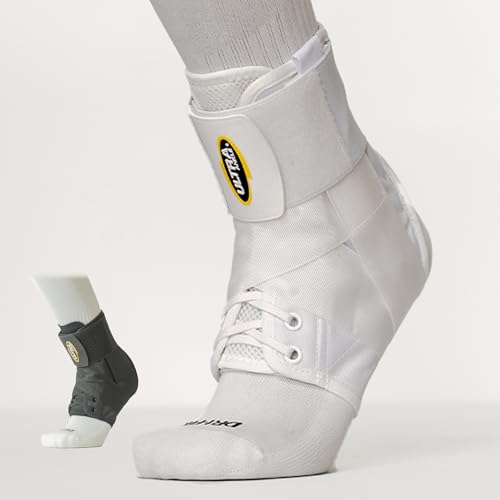
The Ultra 360 is built specifically for athletes who want the tape-like feel of a professional ankle wrap without the recurring cost of athletic tape. Its lace-up base provides graduated compression, and the adjustable figure-8 straps mimic the heel-lock and stirrup techniques trainers use. The brace is light — just 0.06 kilograms — which is important for volleyball players who want to avoid any sensation of drag during jumps.
The breathable nylon construction and low-profile design mean it fits inside sneakers, cleats, and high-top volleyball shoes without creating pressure ridges. The side stabilizers are integrated into the lace system, providing medial and lateral support without adding the bulk of separate splint pockets. A Velcro top strap secures the entire assembly and prevents the laces from loosening during lateral movement.
Several volleyball-specific reviews note that the brace helped players return to play faster after a mild sprain by providing enough confidence to land and cut without hesitation. The sizing runs consistent with athletic shoe sizes, and the brace accommodates both men and women. The only notable limitation is that the integrated stabilizers cannot be removed for flexible-wear days, so this brace is best suited for active practice and game use rather than daily walking or rest.
Why it’s great
- Ultra-lightweight construction at just 0.06 kg for minimal drag during jumps
- Figure-8 straps mimic professional taping techniques for inversion resistance
- Low-profile fit works inside standard volleyball shoes without bulk
Good to know
- Side stabilizers are not removable, limiting flexibility for daily wear
- Tightness must be balanced carefully to avoid foot pain or insufficient support
5. Swede-O Ankle Lok Reinforced Laced Ankle Brace
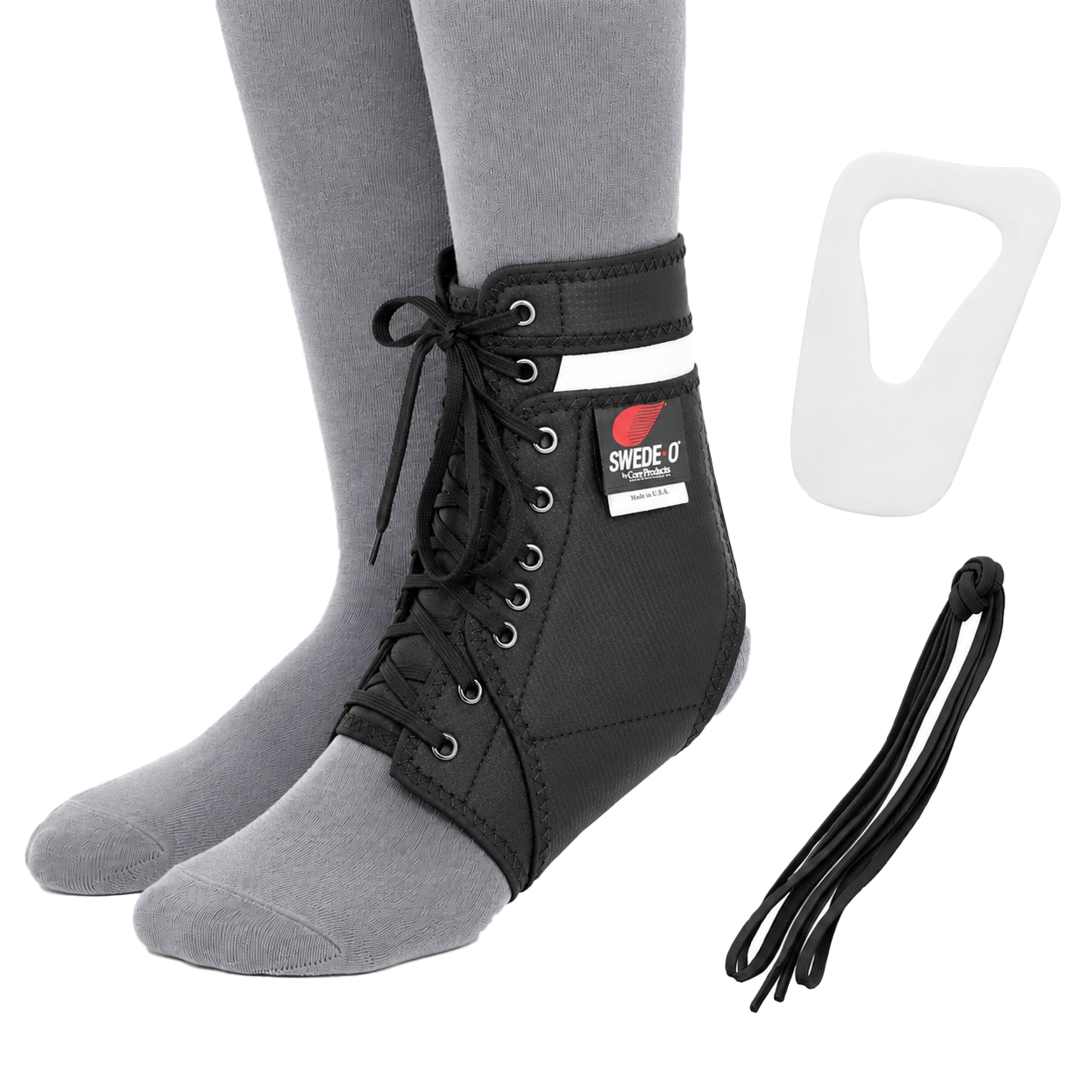
The Swede-O Ankle Lok is a legacy brace that has been on the market since 2004, and its design reflects a focus on locking the ankle in a protected position through an exclusive lacing system. The laces pass through reinforced eyelets that pull the brace tight across the midfoot and heel, creating a rigid pocket around the malleoli. Removable side stabilizers — spring-steel stays — provide additional inversion protection and can be taken out for less intensive wear.
The full elastic back panel reduces friction over the Achilles tendon, which is a common blister point in other braces during repetitive jumping. The bilateral design fits either ankle, making inventory management simpler for players who need support on both sides. However, the brace runs large — several reviewers note that sizing down is necessary for a proper fit. The construction is sturdy and Made in the USA, which appeals to buyers who prioritize domestic manufacturing.
On the downside, the brace is notoriously difficult to put on and take off, especially the first few times. The lacing system must be loosened significantly to slide the foot in, and then retensioned carefully to avoid pressure points. The brace also requires a wide shoe to accommodate the stabilizer stays. Customer service reports are mixed, with some international customers experiencing difficulty obtaining replacements. For athletes who need a reliable, durable brace and are willing to spend time on application, the Swede-O delivers proven mechanical support.
Why it’s great
- Exclusive lacing system creates a rigid, locked-in fit around the ankle joint
- Removable spring-steel stabilizers allow adjustment of support level
- Elastic back panel reduces Achilles friction and blister risk
Good to know
- Difficult to put on and take off; requires patience and practice
- Runs large; most users need to size down for a secure fit
6. Fitomo Triple-Lock Ankle Brace
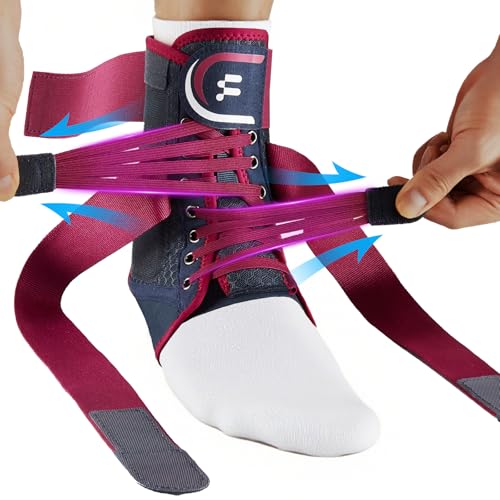
The Fitomo Triple-Lock brace uses a hybrid compression system that combines a top strap, dual removable side stabilizers, and cross straps for a three-point stabilization approach. This is one of the few braces in the mid-range tier that allows you to completely remove the stabilizers, transforming the brace from a rigid support into a flexible compression sleeve. That versatility is valuable for volleyball players who want game-day rigidity and practice-day mobility from a single product.
The Figure-8 adjustable strap design lets you fine-tune compression around the ankle mortise without having to re-lace the entire brace. The lightweight construction — just 0.19 kilograms — and breathable polyester-nylon blend fabric keep the foot cool during extended play. The brace stays secure without readjusting, which is a common complaint with lower-end braces that shift during lateral movement. FSA and HSA eligibility adds financial flexibility for those using pre-tax health accounts.
The color options include Rose, which some users appreciate as a departure from the standard black or white sports brace. However, the sizing chart is less precise than competitor offerings, and some users with skinny ankles report that the medium is slightly loose even at maximum strap tension. The brace fits inside most sneakers comfortably, and the low-profile design avoids the “lumpy” look that some bulkier stabilizers create under court shoes.
Why it’s great
- Removable side splints allow the brace to serve both rigid and flexible roles
- Figure-8 strap design provides precise, adjustable compression around the ankle
- FSA and HSA eligible, adding financial flexibility for health account holders
Good to know
- Sizing chart could be more precise; skinny ankles may need a smaller size
- Single-brace packaging; no two-pack option for bilateral support
7. McDavid Bio-Logix Ankle Brace
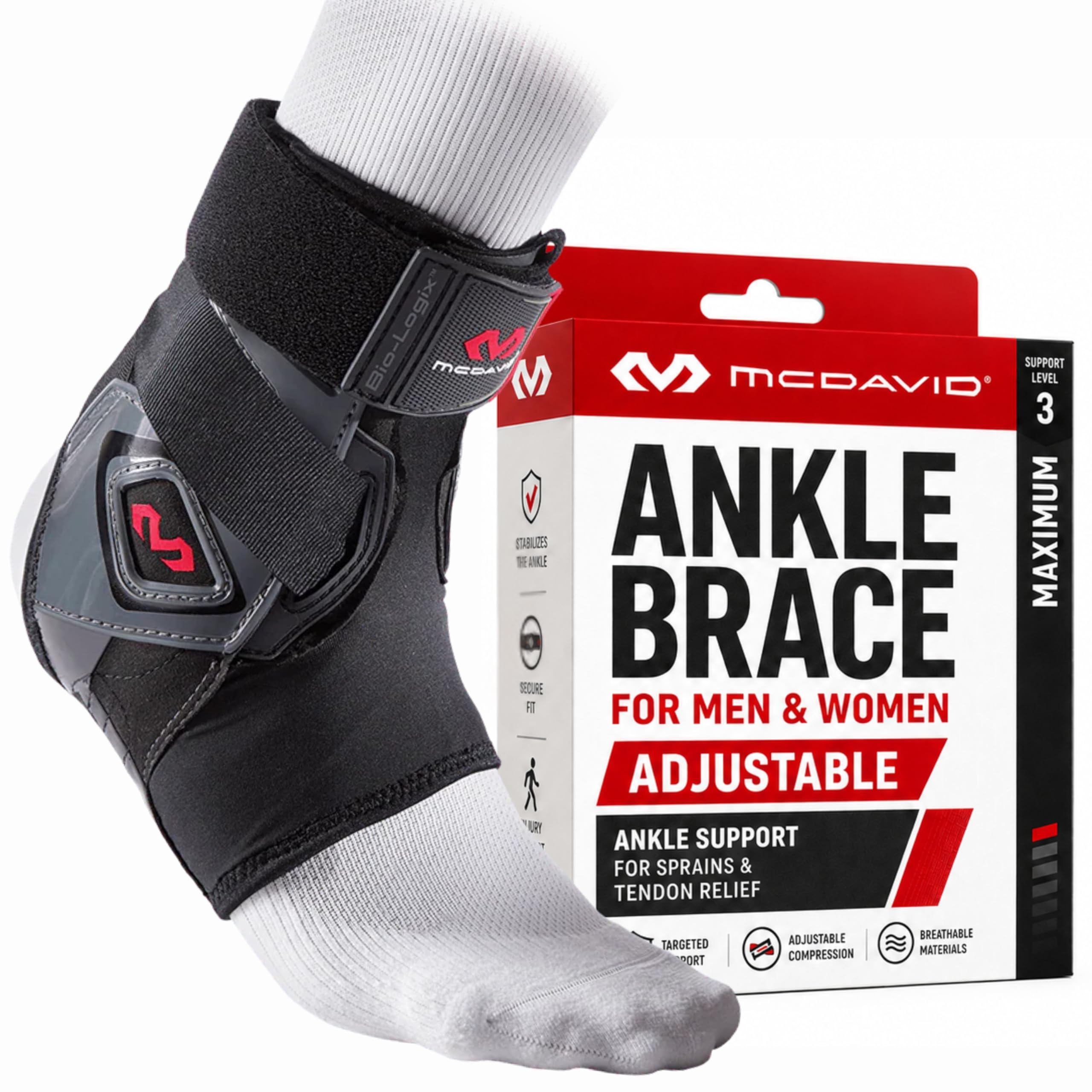
The McDavid Bio-Logix is designed for athletes who need competition-grade support from a hinged brace. The flex-link hinge design provides increased lateral stability while allowing controlled flexion and extension. This is not a lightweight compression sleeve — it is a substantial piece of equipment with a neoprene and nylon body, contoured plastic splints, and memory foam padding that molds to the ankle contours over the first few wears.
The multiple anchor straps allow precise tension adjustment at the lower leg, ankle joint, and forefoot. The memory foam padding extends around the malleoli, distributing pressure evenly and reducing the risk of hot spots during long matches. The right-foot and left-foot specific design ensures the hinge sits correctly over the lateral ligament complex. For players recovering from a severe sprain or dealing with chronic instability, the hinge provides a level of mechanical resistance that lace-up braces cannot match.
However, the brace is thick. Several volleyball-specific reviewers note that it changes the fit of their shoes — a tube sock may be too loose, requiring a thicker sock to fill the volume. The hinge mechanism is visible and adds bulk that some players find distracting during quick lateral moves. A minority of users report that the brace does not provide enough support for their specific instability, suggesting that it occupies a middle ground between a mild stabilizer and a full rigid brace. It is best suited for players who prioritize structural support over low-profile fit.
Why it’s great
- Flex-link hinge provides competition-grade lateral stability for chronic instability
- Memory foam padding molds to the ankle for even pressure distribution
- Multiple anchor straps allow independent tensioning at three zones
Good to know
- Thick construction may require wider shoes or a larger size for comfortable fit
- Hinge mechanism adds visible bulk that some players find distracting
FAQ
Should I wear my ankle brace over or under my sock for volleyball?
Can I use the same ankle brace for both ankles if I sprain the other side?
How tight should the figure-8 straps be for volleyball game play?
Will a lace-up ankle brace fit inside Mizuno or ASICS volleyball shoes?
Final Thoughts: The Verdict
For most volleyball players, the best ankle brace for volleyball is the Med Spec ASO Ankle Stabilizer because its figure-8 straps provide the best balance of inversion protection, breathability, and low-profile fit for court shoes. If you want a brace that disappears under your shoe and engages only during rolling moments, grab the DonJoy Performance POD. And for players who need competition-grade hinge support for chronic instability, nothing beats the McDavid Bio-Logix.