
Our readers keep the lights on and the weekend projects moving. As an Amazon Associate, I earn from qualifying purchases.
Specs are compiled from manufacturer listings and verified buyer reviews and can change over time — please confirm the key details on the product page before buying.
If your dog is constantly scratching, licking paws, or dealing with smelly ears, yeast is likely the culprit. The right food starves yeast by cutting the carbs and sugars it feeds on, while supporting gut health. This guide breaks down the best options to break the itch cycle for good.
I’m Rikta — the founder and writer behind FitlyFast. This guide is built by comparing the manufacturers’ published specifications and the patterns across verified customer reviews, so you get each pick’s real strengths and trade-offs instead of marketing spin.
After analyzing dozens of formulas, we’ve landed on the top choices for anti-yeast dog food that focus on limited ingredients, novel proteins, and low-carb profiles to manage yeast overgrowth naturally.
Our Picks at a Glance

How To Choose The Best Anti-Yeast Dog Food
Yeast overgrowth in dogs is almost always a symptom of an underlying issue: a diet too high in carbohydrates, a food allergy, or weak gut flora. The right food addresses all three. Here is what to focus on.
Look for Low Carbohydrate Content
Yeast feeds on sugar and simple carbs. A kibble with high starch content (potatoes, peas, rice, or corn) gives yeast exactly what it needs to thrive. Choose a grain-free formula where the carb content is noticeably low — some brands now advertise under 6% or 5% carbohydrate, which is ideal for starving the yeast.
Prioritize Novel or Limited Proteins
Many dogs develop yeast issues because they are reacting to common proteins like chicken or beef. A limited-ingredient diet (LID) that uses a novel protein source — salmon, rabbit, or kangaroo — reduces the chance of triggering an immune response that sets the stage for yeast. The fewer ingredients on the label, the easier it is to pinpoint the problem.
Check for Probiotics and Omega-3s
A healthy gut microbiome is your dog’s first defense against yeast. Probiotics help crowd out the bad bacteria and yeast, while omega-3 and omega-6 fatty acids repair the skin barrier so the itching stops. Some formulas now guarantee 80 million CFU per pound of probiotics, which is a serious boost for digestive health.
Consider a Hydrolyzed Diet for Severe Cases
If your dog has multiple food sensitivities and standard limited-ingredient foods do not work, a hydrolyzed protein diet may be necessary. These proteins are broken down into pieces too small for the immune system to detect, making a reaction nearly impossible to trigger. This is a prescription-level approach that requires a vet’s guidance.
Quick Comparison
| Model | Best For | Protein Source | Carb Level | Special Feature | Amazon |
|---|---|---|---|---|---|
| Merrick LID Salmon & Sweet Potato★ Best Overall | All-around quality | Salmon | Grain-Free | Grain & Poultry Free | Amazon |
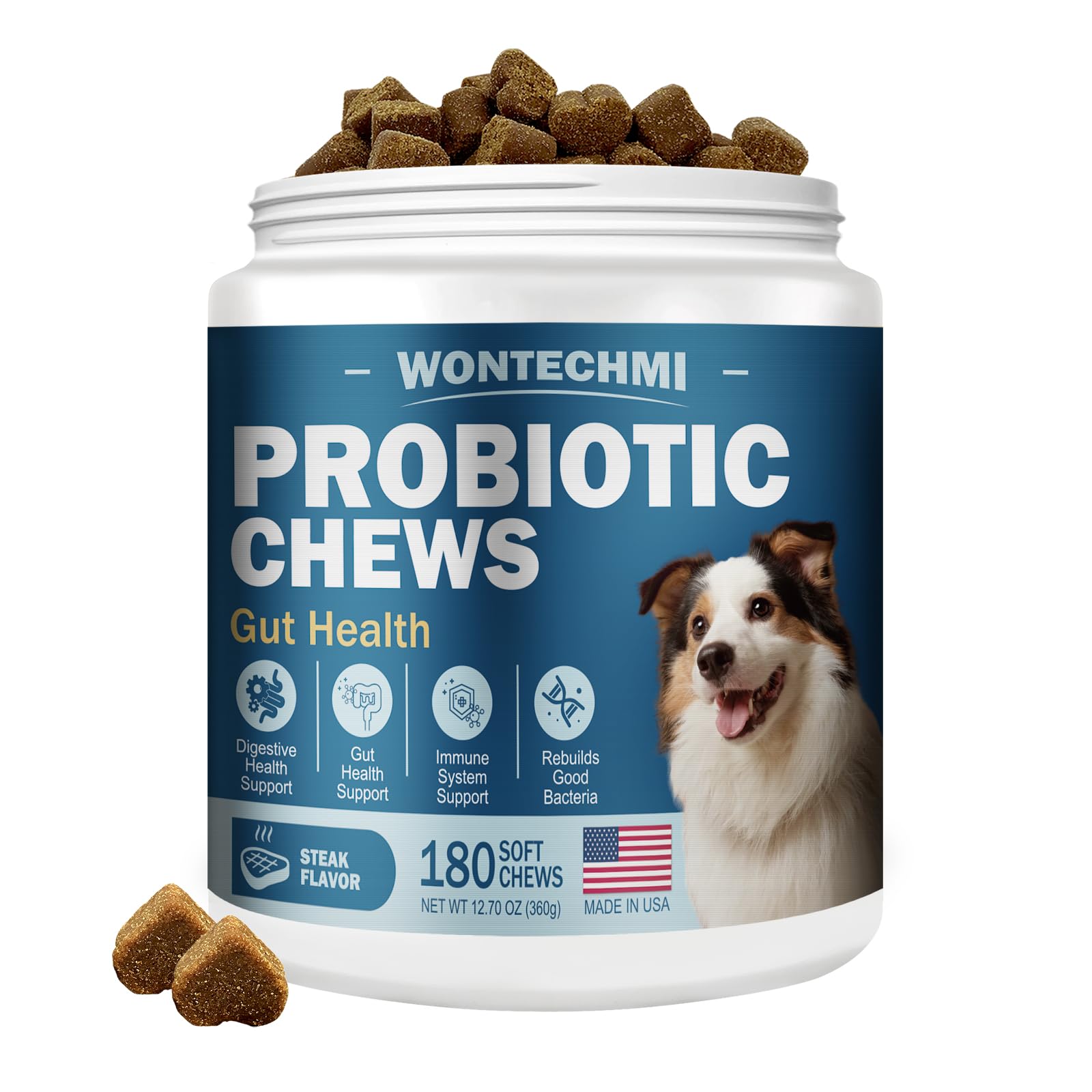
| WONTECHMI Probiotic ChewsBest Supplement | Quick symptom relief | N/A (Supplement) | N/A | 180 Chews + Enzymes | Amazon |
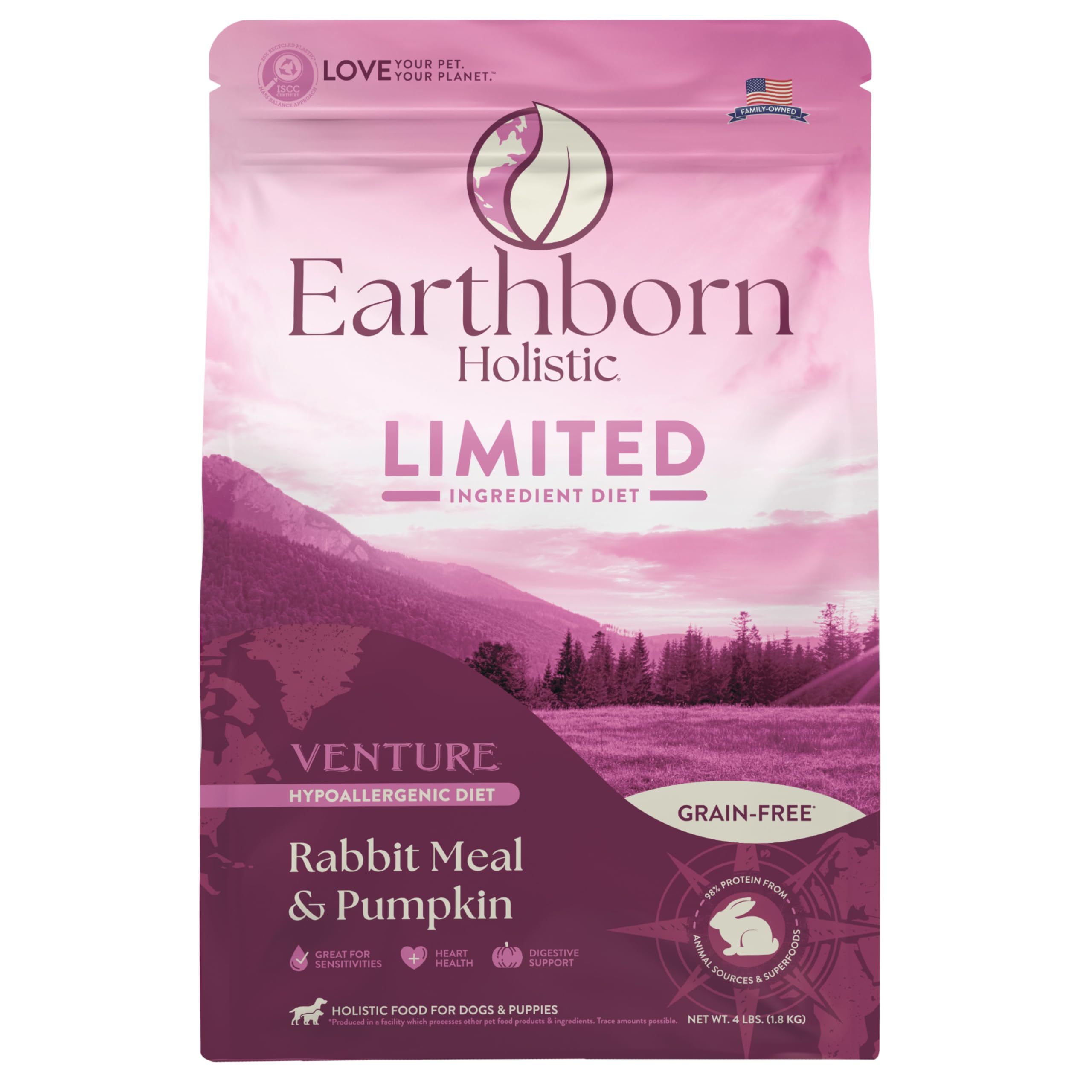
| Earthborn Holistic Rabbit & PumpkinNovel Protein Star | Novel protein search | Rabbit Meal | Grain-Free | No Peas, No Legumes | Amazon |
| Taste of the Wild PREY Angus Beef | Yeast-prone dogs | Angus Beef | Low Carb | Probiotics + 4 Ingredients | Amazon |
| Ketona Salmon Recipe | Low-carb diet | Salmon | Less than 6% Carb | Very Low Carb | Amazon |
| Dr. Pol Grain Free Salmon | Sensitive stomachs | Salmon | Grain-Free | Prebiotic + Probiotic | Amazon |
| Hill’s Prescription Diet z/d | Severe allergies | Hydrolyzed Chicken | Grain-Free | Hydrolyzed Protein | Amazon |
| Canidae Under the Sun Chicken | All life stages | Chicken | Grain-Free | Single Animal Protein | Amazon |
| The Honest Kitchen Chicken | Human-grade ingredients | Cage-Free Chicken | Grain-Free | Dehydrated, Makes 40lbs | Amazon |
In‑Depth Reviews
1. Merrick Limited Ingredient Diet Salmon & Sweet Potato
Our pick — over 4.5★ from 350+ verified ratings; the strongest balance of quality and price.
The go-to choice for dogs who need a clean protein source without the grains or poultry that often trigger yeast.
Real deboned salmon is the very first ingredient, making this a poultry-free, grain-free recipe that avoids the most common food allergens linked to yeast overgrowth. With only 10 key ingredients and no soy, corn, wheat, dairy, or eggs, this is about as clean a slate as you can get without a prescription. The formula includes high levels of omega-6 and omega-3 fatty acids — plain English: it helps repair the skin barrier that yeast has damaged, so the itching stops.
The recurring praise here is the quality of the ingredients — 15 owners specifically call it out. A notable quote from the review pages sums it up: one owner of a picky bulldog with allergies said switching to this food cleared up her dog’s skin issues and reduced stomach problems “to almost nothing.” The honest trade-off is the cost; the 22-pound bag runs higher than standard grocery brands, but owners note reduced vet visits partly offset the price.
Glucosamine and chondroitin are also added for hip and joint health, making this a solid all-around choice for sensitive adult dogs of any breed size. If your dog is prone to yeast but also needs joint support as they age, this recipe pulls double duty.
Why owners stick with it
- Single-source salmon protein — no chicken or poultry to trigger reactions
- Only 10 key ingredients makes it easy to rule out allergens
- Omega fatty acids improve coat and skin visibly
The honest caveat
- Premium pricing that may be steep for multi-dog households
- Some dogs with extremely sensitive stomachs may still need a more limited formula
Reach for this if: your dog has sensitivities to chicken or grains and you want a science-backed LID that still delivers balanced nutrition for all breed sizes.
Look elsewhere if: your dog needs a novel protein like rabbit or kangaroo, or you require a prescription-strength hydrolyzed diet.
2. WONTECHMI Probiotics with Digestive Enzymes
The fast-acting chew that owners reach for when the licking and scratching has to stop right now.
This is not a food — it is a 180-count chewable probiotic and digestive enzyme supplement that directly targets yeast from the gut. Buyers report seeing results in as little as 4 days, with one Corgi’s yeasty paws clearing up entirely within 6 weeks. The steak flavor makes it easy to give even to picky eaters, and the soft chew format removes the hassle of powders or pills.
What wins people over is the scratching control — 25 owners single it out as the top benefit. The product also supports immune health and reduces paw licking, loose stools, and anal gland issues. Several owners mention their dogs had been suffering for a year with no relief from other products before trying this one. The catch? Some find the price per bottle a bit steep, especially for a supplement you give daily, though the results often justify the cost.
What makes it effective
- Reduces itching and ear infections — 25 owners praise the scratching control
- Works quickly; visible improvements in under a week for many dogs
- Irresistible steak flavor — even Yorkies love it
Consider this before buying
- Not a complete food — must be given alongside your dog’s regular diet
- Regular daily use adds up in cost over time
Best paired with: a low-carb, limited-ingredient kibble to attack yeast from both the diet and the gut simultaneously.
Not a standalone solution: if you are only looking for a bag of dog food, this supplement is an add-on, not a replacement.
3. Earthborn Holistic Venture Rabbit Meal & Pumpkin
The rabbit-based diet that offers a true novel protein for dogs who have failed every chicken and salmon formula.
If your dog is reacting to common proteins, rabbit is about as novel as it gets — and it is lean, easily digested, and rich in iron, selenium, and B vitamins. This recipe also skips peas and legumes, which are common fillers in grain-free foods that can still spike yeast-feeding carbohydrates. Pumpkin provides natural fiber and antioxidants to soothe the digestive tract.
The review pages are emphatic: one owner of a French Bulldog/Pug mix with severe allergies reports this is the “best non-prescription option found,” and the dog tolerates it perfectly. Another owner of a Great Dane with a picky palate and sensitive skin notes the coat became shiny and the energy improved within weeks. The formula is also enriched with Taurine and Methionine for heart health. The honest limitation is that a small number of dogs may still react to an ingredient, so a gradual transition is wise.
Why it works for yeast
- Novel rabbit protein avoids overexposed allergens that trigger yeast
- Completely free of peas, lentils, legumes, and potatoes
- Pumpkin aids digestion and adds natural prebiotics
What to watch for
- Packaging and recipe changes have caused some owner frustration
- Not all dogs love the taste of rabbit — some are hesitant at first
Reach for this if: your dog has allergies to chicken, beef, salmon, or grains and you need a clean novel protein source with zero legumes.
Consider alternatives if: your dog is extremely picky about new proteins, as the rabbit taste may require a slow introduction.
4. Taste of the Wild PREY Angus Beef

The simplest recipe on the list — just four key ingredients — designed to give yeast-prone dogs zero room for reaction.
Pasture-raised Angus beef is the sole protein, paired with lentils, tomato pomace, and chicken fat. That is it. For dogs with yeast issues stemming from a complex diet, stripping the ingredients down to this level often makes all the difference. The formula also guarantees 80 million CFU per pound of probiotics, which is a potent dose for digestive support.
The real-world evidence speaks directly to yeast: one owner who spent months researching the perfect food for dogs with yeast issues says, “I finally landed on this food. I’m thankful that it is helping him heal.” Another owner notes that their dog’s stool finally became solid and consistent after years of problems. The kibble pieces are noticeably large, so small-teethed dogs may struggle a bit with the crunch, though most adapt quickly.
What owners love
- Extremely short ingredient list minimizes allergen exposure
- High protein content from pasture-raised beef
- Probiotic guarantee directly supports gut health
The trade-off
- Kibble size is noticeably larger than average — not ideal for tiny breeds
- Some dogs may need a gradual transition to avoid digestive upset
Best for: dogs diagnosed with yeast overgrowth who need the simplest possible ingredient deck and a high probiotic count.
Think twice if: you have a very small breed or a senior dog with dental issues that make large kibble difficult to chew.
5. Ketona Salmon Recipe Adult Dry Dog Food

The low-carb powerhouse that starves yeast with less than 6% carbohydrates.
Carbohydrates are yeast’s primary fuel source, and most dry dog foods are packed with starch. Ketona flips the ratio: more than 46% protein and less than 6% carbohydrate. This is the closest dry food to a raw diet in terms of carb content, making it a severe environment for yeast to survive in. The salmon flavor delivers omega-3s for skin repair, and the formula includes Taurine for heart health.
The crowd favorite — 4.1 stars across hundreds of owners — includes reports of dogs with diabetes and allergies finally finding relief. One diabetic Lab owner uses this to supplement a homemade base, noting the dog’s blood sugar and weight are well managed. The most common complaint is the fishy odor, which some owners find intense, and the small kibble size that can be a surprise if you are used to larger nuggets.
Why it fights yeast
- Less than 6% carbohydrate directly limits yeast’s food source
- High protein helps maintain lean muscle while dog sheds yeast-related inflammation
- Easy transition — maker states no gradual switch necessary
Be aware
- Strong fishy smell is a recurring point of complaint
- Small kibble size may not satisfy larger dogs who prefer a hearty crunch
Best for: dogs who need the lowest possible carbohydrate intake to control yeast, including diabetic or overweight dogs.
Not ideal if: you or your dog are sensitive to strong fish odors, or you prefer a standard-sized kibble.
6. Dr. Pol Grain Free Salmon Dog Food
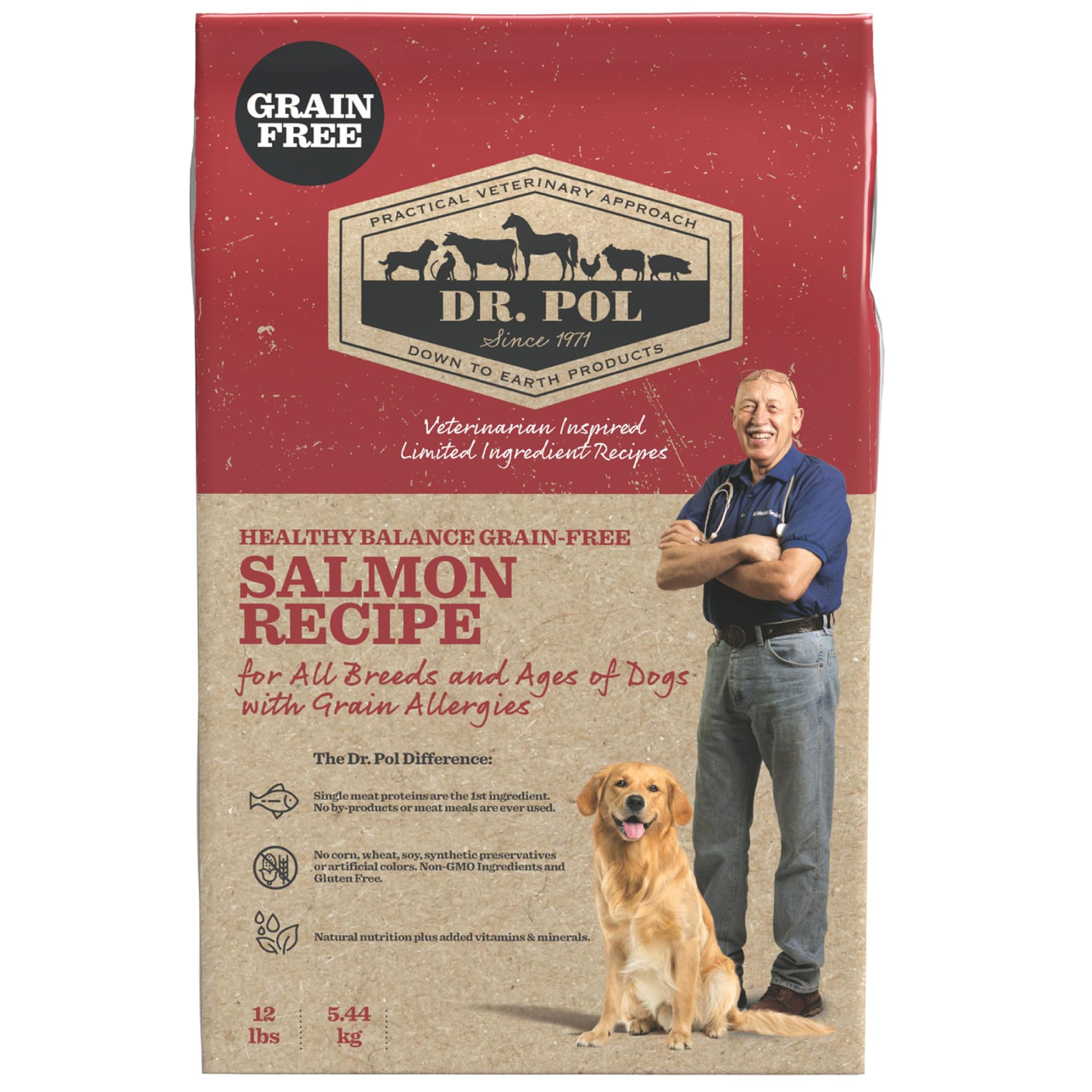
A veterinarian-formulated salmon recipe that tackles yeast with a dual prebiotic plus probiotic punch.
This formula is made with real salmon as the single source animal protein — no chicken, no poultry meal, and no fillers. It is marketed as “anti-yeast” explicitly, and the prebiotic plus probiotic mix supports digestive health to crowd out yeast colonies. The recipe also includes salmon oil for a healthy coat and joint function, and it is free of GMOs, synthetic preservatives, and artificial colors.
Quality is the most-discussed aspect, with 37 owners praising it. One owner of senior Golden Retrievers notes the formula has a proper 1:1 Omega 3:6 ratio, leading to perfect skin and coats. Another owner of a food-allergic dog says this food stopped the diarrhea and kept the dog active. The honest downside is the value perception — some owners feel the price is high for a 12-pound bag, and a few reports mention the odor is noticeable, though not as strong as some other fish-based foods.
What stands out
- Anti-yeast formulation with prebiotics and probiotics built in
- Veterinarian-formulated for all life stages
- No chicken or poultry meal — reduces common allergen exposure
Keep in mind
- 12-pound bag may go quickly for larger breeds
- Price-to-volume ratio is higher than some competitors
Reach for this if: you want a clear anti-yeast label from a trusted veterinarian brand with added probiotic support.
skip it if: you are on a tight budget or have a large breed dog that will require frequent bag purchases.
7. Hill’s Prescription Diet z/d Wet Dog Food

The heavy artillery for dogs whose yeast issues are so severe that nothing over the counter can touch them.
This is a prescription diet, meaning you need a vet’s approval to buy it. The key is the highly hydrolyzed chicken protein — the protein molecules are broken down so small that the immune system cannot recognize them, making a food reaction essentially impossible. For dogs with chronic yeast tied to environmental or food allergies, this formula stops the cycle at the source. It is rich in omega-6 and omega-3 fatty acids to repair the skin barrier.
Owner reports are polarized in a way that matters: those whose dogs need it call it a “lifesaver.” One owner of a dog with irritable bowel syndrome and severe reactions says this is the only food her dog will eat and the only one that stops the diarrhea. Another owner reports a new formula change that some dogs have rejected, causing a nationwide wave of complaints. The flavor and formula consistency is something to double-check when ordering.
Why it is the last resort
- Hydrolyzed protein cannot trigger the immune system — no reaction possible
- Wet food format is highly palatable for dogs who refuse kibble
Important downsides
- Requires a veterinary prescription to purchase
- Recent formula changes have caused some dogs to reject the new version
Use this when: your dog has failed all over-the-counter limited-ingredient diets and a vet has confirmed a food sensitivity-driven yeast condition.
Avoid if: you are trying to self-diagnose — this is a professional-grade tool, not a first-line food.
8. Canidae Under the Sun Chicken Recipe
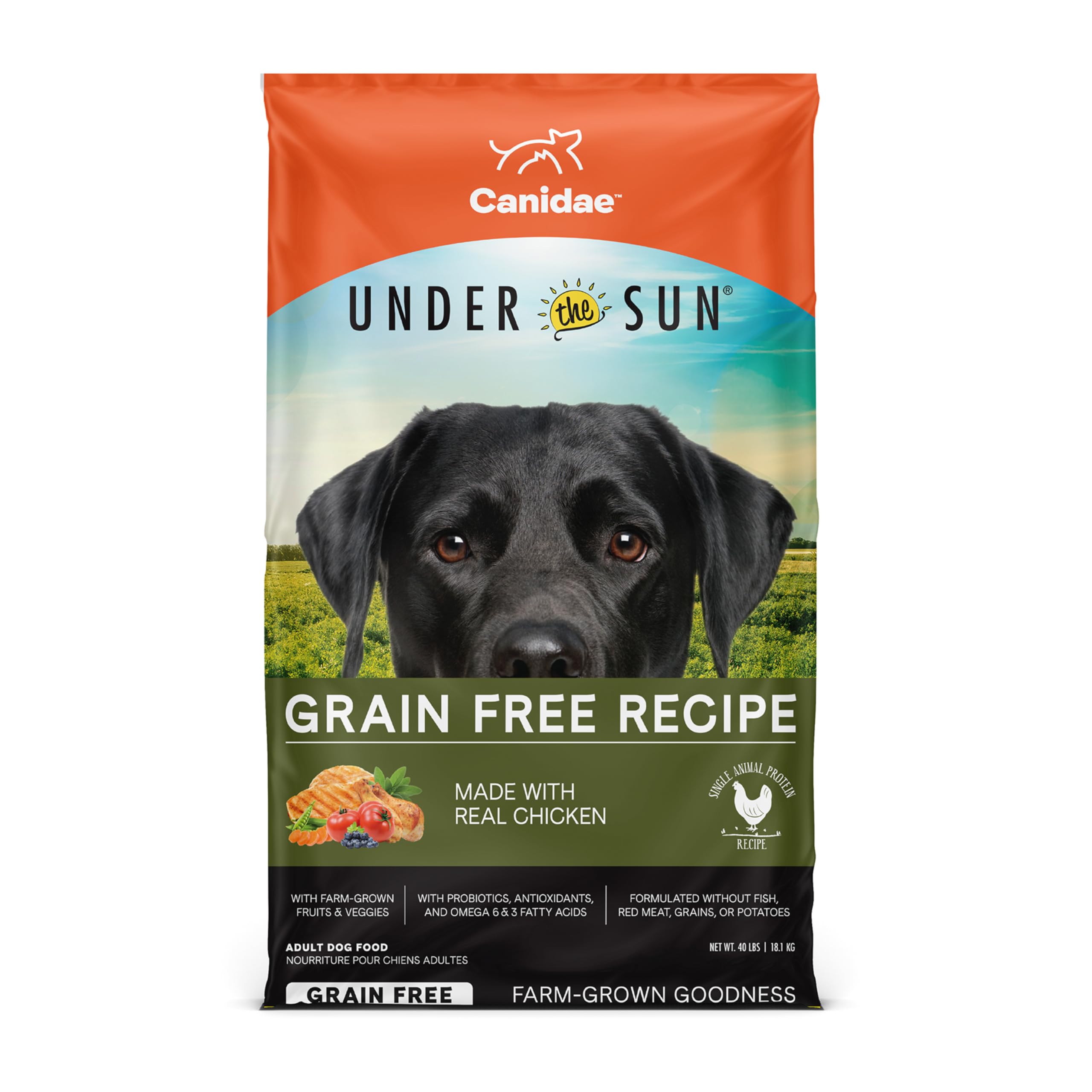
The grain-free 40-pound bag that makes feeding a yeast-sensitive dog across multiple breeds financially feasible.
This is a single-animal-protein chicken recipe with added antioxidants and probiotics, formulated for all life stages from puppies to seniors. For households with multiple dogs — a poodle, a Golden Retriever with grain allergies, and a senior Shih Tzu mix, as one owner listed — this single bag covers everyone. The formula is free of corn, wheat, soy, and artificial colors or flavors.
Quality gets the most mentions, with 22 owners praising the ingredient deck. One Doberman owner has trusted this brand since puppyhood, and an owner of a Golden Retriever with grain allergies says it has been “a great choice for all 3 of them.” The honest trade-off is that some dogs may develop loose stools or allergic reactions — the data shows mixed feedback on allergic reactions — so it is best to start with a small bag if your dog is highly sensitive.
Why it is a solid buy
- Large 40-pound bag offers decent per-pound value for multi-dog homes
- Single animal protein reduces allergen variables
- Antioxidants and probiotics support immune and digestive health
What to watch for
- Chicken is a common allergen — if your dog reacts to poultry, skip this
- A minority of dogs experience digestive upset or allergic reactions
Best for: multi-dog households on a budget where most dogs do not have a chicken allergy.
Not for: dogs with confirmed poultry sensitivities or those who need a novel protein source.
9. The Honest Kitchen Wholemade Dehydrated Chicken
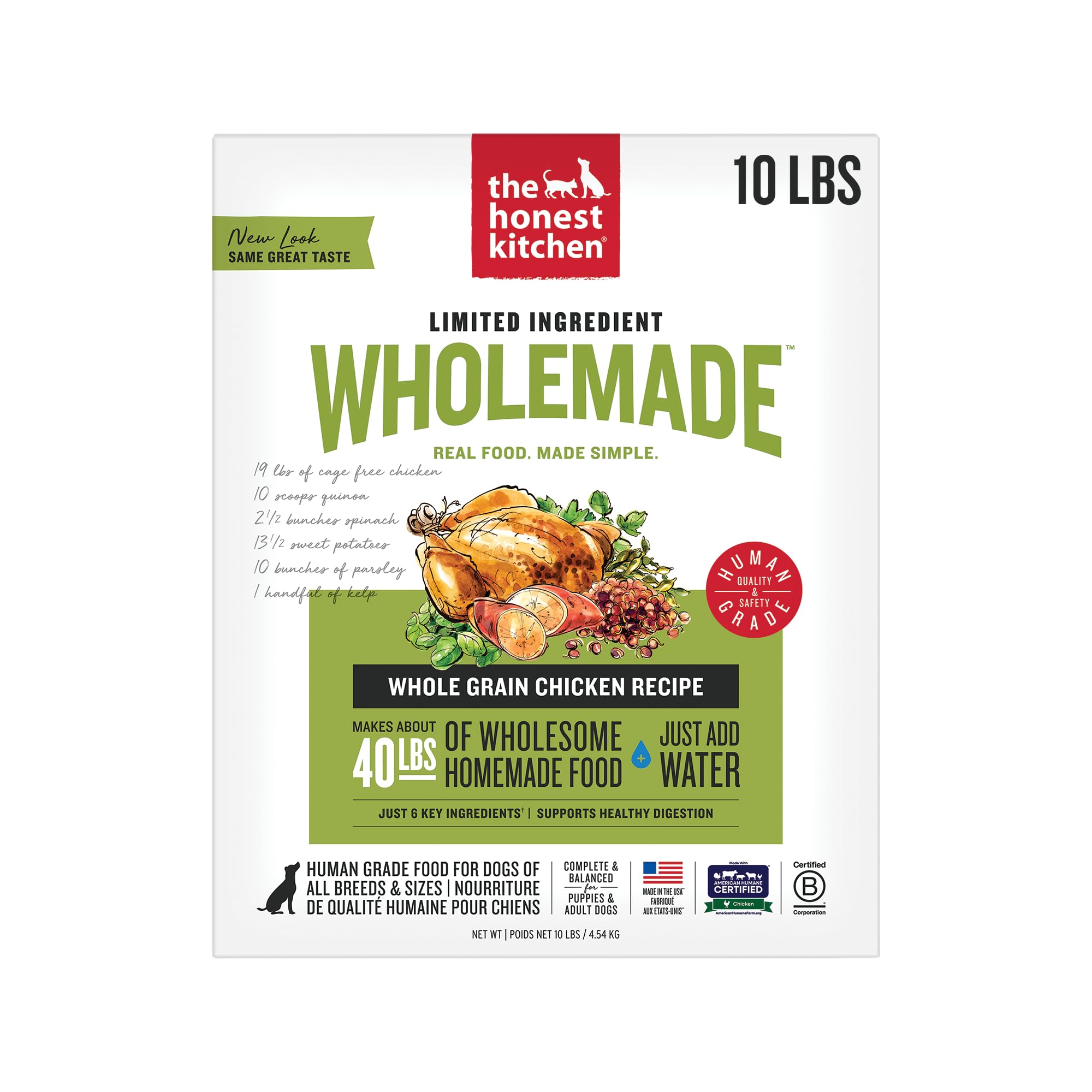
The human-grade dehydrated food that turns into fresh meals — ideal for the yeast-dog owner who will compromise on nothing.
This is a limited-ingredient, grain-free chicken recipe that starts as a dehydrated mix and rehydrates to 4x its weight when you add warm water. A 10-pound box makes 40 pounds of fresh food. It is made in a human food facility with no preservatives, by-products, fillers, or GMO ingredients, and it is certified as a B Corporation for social and environmental responsibility. For dogs with severe IBS or yeast, the whole-food format is easier to digest than heavily processed kibble.
The quality is the most-praised aspect, with 66 owners calling it out. One owner of a dog with severe IBS says this food “eliminated allergies” and reduced vet visits significantly. Another owner notes the only downside is the 10-minute rehydration wait — not a dealbreaker, but something to plan for. The honest limitation is the cost; a box lasts about two-thirds of a month for two dogs, which is significantly more expensive than a 30-pound bag of kibble. Some dogs may also be put off by the smell or texture.
What earns its premium status
- 100% human-grade ingredients made in a human food facility
- Rehydrates to 4x its weight — fresh food convenience from a shelf-stable box
- Excellent for dogs with IBS, allergies, and yeast sensitivities
The cost of quality
- Significantly more expensive than any kibble on this list
- Requires a 10-minute rehydration time before serving
- Some dogs dislike the smell or the wet texture
Best for: the owner who treats their dog’s diet as seriously as their own and is willing to pay for human-grade ingredients to beat yeast.
pass on it if: you need a budget-friendly option or cannot accommodate the rehydration step in your daily routine.
Understanding the Specs
Limited Ingredient Diet (LID)
This means the food uses a minimal number of ingredients, usually a single protein source and a single carbohydrate source. The goal is to eliminate the guesswork when a dog has food sensitivities. Fewer ingredients mean fewer chances for an immune reaction that can trigger yeast overgrowth.
Hydrolyzed Protein
Hydrolyzed protein is broken down into such tiny pieces that your dog’s immune system cannot recognize what animal it came from. This makes a food allergy practically impossible to trigger. It is the most extreme elimination tool and is only available by prescription for dogs with severe, unmanageable sensitivities.
Probiotics and Prebiotics (CFU)
Probiotics are live beneficial bacteria that help keep yeast and bad bacteria in check. Prebiotics are plant fibers that feed those good bacteria. CFU stands for Colony-Forming Units, which measures how many live organisms are in each serving. A guarantee of 80 million CFU per pound is a solid, active dose for digestive health.
Novel Protein
A novel protein is any meat source your dog has likely never eaten before — rabbit, kangaroo, venison, or alligator are common examples. Because the immune system has never been exposed to it, there is almost zero chance of an allergic reaction. This is a key strategy when a dog has developed sensitivities to chicken, beef, or salmon from years of eating the same diet.
FAQ
Can I treat my dog’s yeast infection with diet alone?
What is the difference between grain-free and low-carb for yeast control?
How long does it take for a new diet to show results with yeast?
Is a hydrolyzed diet better than a novel protein diet for yeast?
Can I give these foods to a puppy with yeast issues?
Will apple cider vinegar or coconut oil help alongside this food?
Do probiotics really help with yeast in dogs?
Why does my dog still have yeast if I switched to a grain-free food?
Can I mix multiple anti-yeast foods together for variety?
What should I do if the new food is not helping after 4 weeks?
Final Thoughts: The Verdict
For most owners fighting a yeast battle, the anti-yeast dog food winner is the Merrick Limited Ingredient Diet Salmon & Sweet Potato because it combines a clean single-source protein, grain-free and poultry-free formulation, and a strong quality reputation that owners trust. If you need a supplement to attack itching and ear infections immediately, grab the WONTECHMI Probiotic Chews. And for the lowest carb count possible to starve yeast at a cellular level, the Ketona Salmon Recipe is the one to reach for. Cutting carbs and simplifying the ingredient list is the proven move to break the yeast cycle for good.
How We Picked
We do not accept paid placement. Every pick is matched to a real buyer and a real use-case; we do not hands-on test units.
Sources & Methodology
Specifications: manufacturer listings and product documentation. Review insights: verified customer reviews, as of July 2026. Pricing: not shown on this page (it changes often); check the current price via the retailer link.
As an Amazon Associate, FitlyFast earns from qualifying purchases. This does not affect which products we feature.