
Our readers keep the lights on and the weekend projects moving. As an Amazon Associate, I earn from qualifying purchases.
A scraped knee, a kitchen burn, or a splinter that went rogue — the instinct is to slap on a cream and hope it helps. But not all antibacterial creams are created equal, and using the wrong one can slow healing or irritate the wound further. The real challenge is choosing a formula that matches your specific skin type, wound depth, and irritation level.
I’m Rikta — the co-founder and writer behind FitlyFast. I’ve spent years analyzing skincare and first-aid product formulations, comparing active ingredients like povidone-iodine, silver ions, and triple antibiotic blends to help readers make informed decisions for their health.
This guide breaks down the top options by performance, ingredient profile, and use case so you can confidently choose the best antibacterial cream for your medicine cabinet.
How To Choose The Best Antibacterial Cream
Selecting an antibacterial cream means weighing the active ingredient, texture, and any added features like pain relief or moisturizing agents. Understanding these factors helps you pick a product that treats your specific wound without causing irritation or delaying recovery.
Match the Active Ingredient to the Wound
Triple antibiotic creams like those containing neomycin are effective but can cause allergic reactions in sensitive skin. Silver-based gels offer broad antimicrobial protection with minimal irritation, making them ideal for burns and chronic wounds. Povidone-iodine formulas kill fungi and viruses in addition to bacteria, suitable for high-risk infections like paronychia or ringworm.
Consider Texture and Absorption
A thick ointment like Aquaphor locks in moisture and works best on dry, cracked, or chapped skin where a protective barrier is needed. Lighter gels or creams absorb faster and are better for oozing wounds or areas that need frequent dressing changes without leaving a greasy residue. Choose based on whether your wound needs occlusion or breathability.
Check for Added Pain Relief or Sting-Free Application
Some formulas include pramoxine HCl for topical pain relief, which can make a significant difference for burn victims or those with painful abrasions. Others, like pure colloidal silver or sodium hypochlorite gels, are naturally sting-free and won’t cause that sharp sensation when applied to raw skin. If pain management is a priority, prioritize a dual-action cream.
Quick Comparison
On smaller screens, swipe sideways to see the full table.
| Model | Category | Best For | Key Spec | Amazon |
|---|---|---|---|---|
| Neosporin Dual Action | Triple Antibiotic + Analgesic | Painful cuts & burns | Polymyxin B + Pramoxine HCl | Amazon |
| Betadine Antiseptic Ointment | Povidone-Iodine | Fungal & viral skin infections | 10% Povidone-Iodine | Amazon |
| SilvrSTAT First Aid Gel | Silver Gel | Rapid wound healing | 32 PPM SilverSol Ag₄O₄ | Amazon |
| Anasept Antimicrobial Gel | Medical-Grade Gel | Deep or staph-prone wounds | Sodium Hypochlorite | Amazon |
| Silver Miracles Colloidal Silver Gel | Silver Gel | Sensitive skin & sunburns | 25 PPM Nano Silver | Amazon |
| Savlon Antiseptic Cream | Antiseptic Cream | Everyday first-aid kit | Antiseptic + Mild Analgesic | Amazon |
| Aquaphor Healing Ointment | Protective Ointment | Dry, cracked skin & minor wounds | Water-Free Skin Protectant | Amazon |
In‑Depth Reviews
1. Neosporin + Pain Relief Dual Action Cream

This mid-range dual-action cream combines neomycin and polymyxin B with pramoxine HCl for pain relief, making it a standout for treating painful cuts, scrapes, and burns. The no-sting formula absorbs quickly and doesn’t leave a greasy film, which users consistently praise for improving compliance with wound care routines.
Doctor-recommended for over two decades, this formula provides 24-hour infection protection while simultaneously reducing pain at the application site. The compact 1-ounce tubes are easy to toss into a travel kit, and the twin pack offers good ongoing value for households that maintain a stocked first-aid drawer.
Some users with very sensitive skin report mild irritation from the neomycin component. If you have a known allergy to topical antibiotics, a silver or iodine-based alternative would be a safer bet. For most people however, this is the most versatile go-to option for everyday wounds that sting or throb.
Why it’s great
- Dual action fights infection and numbs pain
- Non-greasy, fast-absorbing cream base
- Compact tubes are travel-friendly
Good to know
- Neomycin can cause irritation in allergic individuals
- Not ideal for deep puncture wounds or chronic sores
2. Betadine Antiseptic Ointment

This premium ointment delivers 10% povidone-iodine, a powerful antiseptic that kills bacteria, fungi, and even viruses — making it the most comprehensive option on this list for complex skin infections like impetigo, ringworm, and paronychia. The brown tint visually marks the treated area, so you never miss a spot.
Betadine has been a clinical standard for decades, and this ointment format offers the same reliable antimicrobial action as the liquid but with a thicker consistency that stays put on wounds. It’s non-stinging to intact skin and mucus membranes, though some users find it slightly runny compared to a traditional cream like Neosporin.
Given it costs more than standard antibiotic creams, it’s best reserved for high-risk wounds or stubborn infections where broad-spectrum kill is critical. The tube is smaller than others, but a little goes a long way on localized problem areas. Perfect for deep disinfecting when you need more than simple bacterial coverage.
Why it’s great
- Kills bacteria, fungi, and viruses in one application
- Brown tint shows exactly where you applied
- Non-stinging on most skin types
Good to know
- Premium price for a small tube
- Consistency is runnier than typical creams
3. SilvrSTAT First Aid Kit Gel

This premium silver-based gel uses patented SilverSol Ag₄O₄ particles at 32 PPM, delivering high-concentration antimicrobial power without the sting or staining of iodine. Users report dramatic results — one severe hand infection with swelling began clearing within 24 hours and fully resolved in three days of twice-daily application.
The gel absorbs quickly with no greasy residue, making it ideal for covering with bandages or using on facial blemishes. It’s versatile enough for minor cuts, first- and second-degree burns, and chronic skin irritations. The 3-ounce tube provides plenty of product for extended treatment, and a little goes a long way.
As a premium product, it carries a higher price tag, but the concentrated silver technology justifies the cost for those who need rapid healing without irritation. It’s an excellent choice for anyone wanting to avoid traditional antibiotics due to sensitivity or resistance concerns.
Why it’s great
- Fast wound closure with minimal sting
- Patented silver particles kill multiple infectious cells
- Non-greasy, absorbs into skin quickly
Good to know
- Premium price point
- Not a triple antibiotic — pure silver only
4. Anasept Antimicrobial Skin & Wound Gel
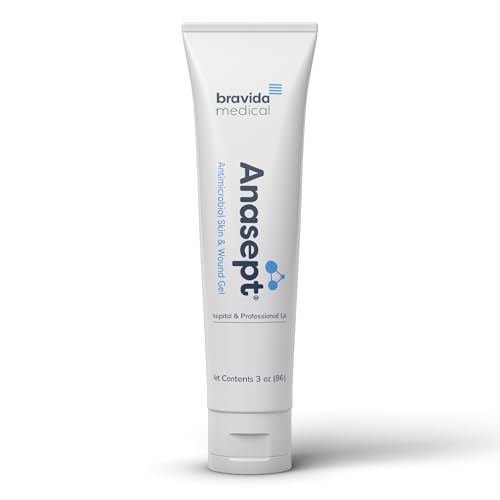
This medical-grade gel contains sodium hypochlorite, the same active used in professional wound care settings, and is specifically recommended by wound care specialists for abscesses and deep wounds. It’s fragrance-free, burn-free on application, and works by gently cleansing debris while providing antimicrobial protection.
Users recovering from staph infections report that this gel filled in deep wound cavities within two days, outperforming standard OTC creams. It can be applied directly to the wound or onto a dressing, making it flexible for both superficial and deep injuries. The 3-ounce tube offers substantial coverage for ongoing treatment.
Because of its specialized nature, this is best reserved for more serious or chronic wounds rather than everyday kitchen cuts. It doesn’t contain pain relievers, so you may need a separate analgesic for painful abrasions. For anyone managing post-surgical sites or deep lacerations, this is the most effective option available.
Why it’s great
- Hospital-grade formula for serious wounds
- No burn, no smell, no sting on application
- Works quickly on deep and infected wounds
Good to know
- Not designed for minor scrapes or dry skin
- No pain relief component included
5. Silver Miracles Colloidal Silver First Aid Gel

This mid-range silver gel uses 25 PPM colloidal silver in a clear, unscented base that won’t irritate even the most sensitive skin. Users value it for its versatility across sunburns, insect bites, dry itchy patches, and minor pressure wounds — a broader use case than many single-purpose creams.
The airless bottle design prevents contamination and preserves the silver’s potency, while the gel itself is free from parabens, gluten, and artificial fragrances. Made in the USA with sustainably sourced ingredients, it appeals to those who prefer naturally derived antimicrobial options over synthetic antibiotics.
While colloidal silver won’t kill viruses like povidone-iodine can, it provides excellent bacterial protection with a soothing feel — especially on large surface areas like sunburns. It’s not greasy and absorbs well, though you may need to reapply more frequently on weeping wounds for best results.
Why it’s great
- Safe for sensitive, dry, and oily skin types
- Airless pump keeps gel sterile
- Multi-use for burns, bites, and rashes
Good to know
- May need frequent reapplication on wet wounds
- Not effective against fungal or viral infections
6. Savlon Antiseptic Cream
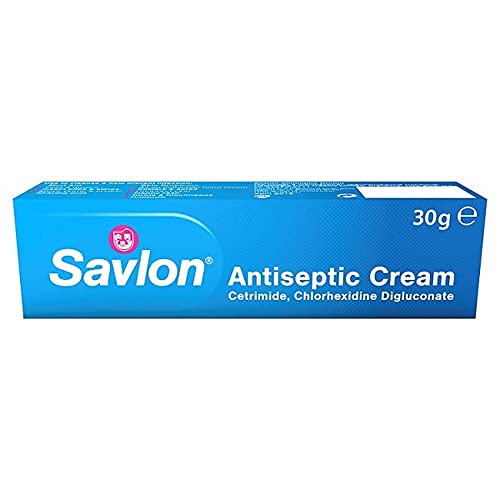
Savlon is a beloved British classic that combines antibacterial protection with a mild topical pain reliever, all in a non-greasy cream with a nostalgic orange blossom fragrance. Users who grew up with it in the UK swear by its effectiveness on hangnails, small cuts, and minor burns.
The pack of three 30g tubes makes it easy to distribute among first-aid kits, gym bags, and travel pouches. It’s less potent than high-concentration silver or iodine products, but for everyday minor scrapes and irritations, it offers reliable protection with a pleasant sensory experience.
Fans love that it doesn’t have the strong medicinal smell typical of other antiseptics. However, it won’t be sufficient for serious or deep wounds, and those with very sensitive skin should patch test due to the fragrance. It’s a budget-friendly staple for routine first-aid needs.
Why it’s great
- Pleasant orange blossom scent — no medicinal pong
- Mild analgesic for everyday pain relief
- Three-tube pack offers great versatility
Good to know
- Fragrance may irritate sensitive skin
- Not strong enough for deep or infected wounds
7. Aquaphor Advanced Therapy Healing Ointment
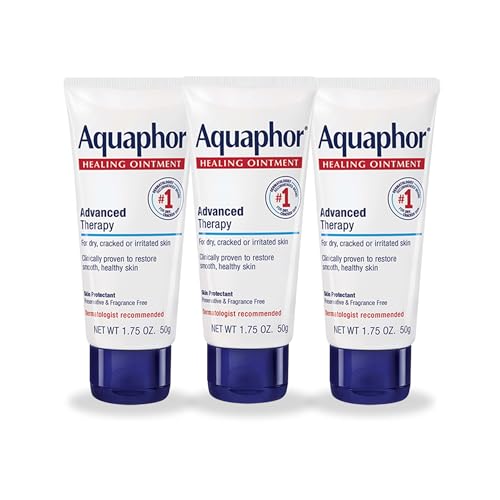
Aquaphor isn’t an antibacterial cream per se, but its water-free formula creates a protective barrier that prevents infection by keeping contaminants out while allowing oxygen to reach the wound. It’s clinically proven to restore skin on dry, cracked hands, chapped lips, and minor abrasions without causing stinging.
The 1.75-ounce three-pack provides great value for families dealing with dry winter skin, eczema flare-ups, or post-accutane healing. Users love how a tiny amount covers a large area, and the ointment stays put for hours. It’s fragrance-free and hypoallergenic, making it safe for babies and adults alike.
Because it lacks direct antimicrobial ingredients, it’s not a replacement for Neosporin or Betadine on infected wounds. However, for maintaining skin integrity, preventing secondary infection on clean wounds, and soothing dry compromised skin, it’s unmatched. Best used as a protective sealant rather than a primary antibacterial.
Why it’s great
- Creates breathable barrier against bacteria
- Hypoallergenic and fragrance-free
- Excellent for dry, cracked, and post-procedure skin
Good to know
- Not a direct antibacterial — no active antimicrobial agents
- Thick, oily texture may feel heavy on some skin
FAQ
Can I use an antibacterial cream on an open wound that is already infected?
How many times per day should I apply antibacterial cream for best results?
What is the difference between an antiseptic and an antibacterial cream?
Final Thoughts: The Verdict
For most users, the best antibacterial cream winner is the Neosporin Dual Action because it combines infection protection with pain relief in a no-sting, fast-absorbing formula that suits everyday wounds. If you want broad-spectrum fungal and viral coverage, grab the Betadine Ointment. And for rapid healing without irritation, nothing beats the SilvrSTAT Silver Gel.