
Our readers keep the lights on and the weekend projects moving. As an Amazon Associate, I earn from qualifying purchases.
Specs are compiled from manufacturer listings and verified buyer reviews and can change over time — please confirm the key details on the product page before buying.
You want a floor mat that does more than just catch dirt — it actively stops bacteria from growing. That is the difference between a mat that stays fresh and one that slowly turns into a science experiment under your feet. The hard part is telling which mats genuinely deliver that protection and which are just standard rubber with a marketing label.
I’m Rikta — the founder and writer behind FitlyFast. This guide is built by comparing the manufacturers’ published specifications and the patterns across verified customer reviews, so you get each pick’s real strengths and trade-offs instead of marketing spin.
After sorting through the numbers and owner experiences across four very different mats — from a pro-grade wrestling floor to a kitchen anti-fatigue pad — here is what you need to buy the right antibacterial floor mat for your space without getting tripped up.
Our Picks at a Glance
How To Choose The Best Antibacterial Floor Mat
An antibacterial floor mat is a mat with a surface that resists the growth of bacteria, mold, and mildew. That treatment keeps the mat smelling clean and safe even in a damp entryway or under a sweaty workout. But the treatment is only part of the equation — you also need the right thickness, material, and grip for where you put it.
Thickness and comfort trade-offs
A thin mat (0.3 inches) works fine under a door or in a high-traffic scrape zone where you just step and go. A thick mat (0.75 inches or more) is what you want if you stand in one spot for hours — at a kitchen counter, a standing desk, or a workshop bench. The thicker the mat, the more cushion your joints get, but the more it may interfere with a door swinging over it.
Material and where you put it
Rubber mats handle rain, mud, and sun without breaking down, so they work well for outdoor entrances and garages. Vinyl and polyurethane mats clean up easily with a damp cloth and resist stains, making them a better fit for indoor spaces like kitchens or home gyms. Look at where the mat will live, then pick the material that matches that environment.
Non-slip backing and floor safety
A mat that slides under your feet is worse than no mat at all. Rubber-backed mats grip tile, wood, and concrete well, but they can sometimes leave a residue or stick to finished floors over time. Some mats use a full rubber bottom, others use a textured polyurethane base — both work, but the rubber is heavier and less likely to shift, especially outdoors in the wind.
Quick Comparison
| Model | Best For | Thickness | Material | Weight | Amazon |
|---|---|---|---|---|---|
| Dollamur Wrestling Mat★ Best Overall | Home gym & training | 1.25 inches | Vinyl | 20 pounds | Amazon |
| A1HC Rubber Doormat | Front door entryway | 0.6 inches | Rubber | 3.7 pounds | Amazon |
| Portico Systems Safe Tread | High-traffic outdoor scrape zone | 0.31 inches | Rubber | — | Amazon |
| WellnessMats Bella Collection | Kitchen & standing desk | 0.75 inches | Polyurethane | — | Amazon |
In‑Depth Reviews
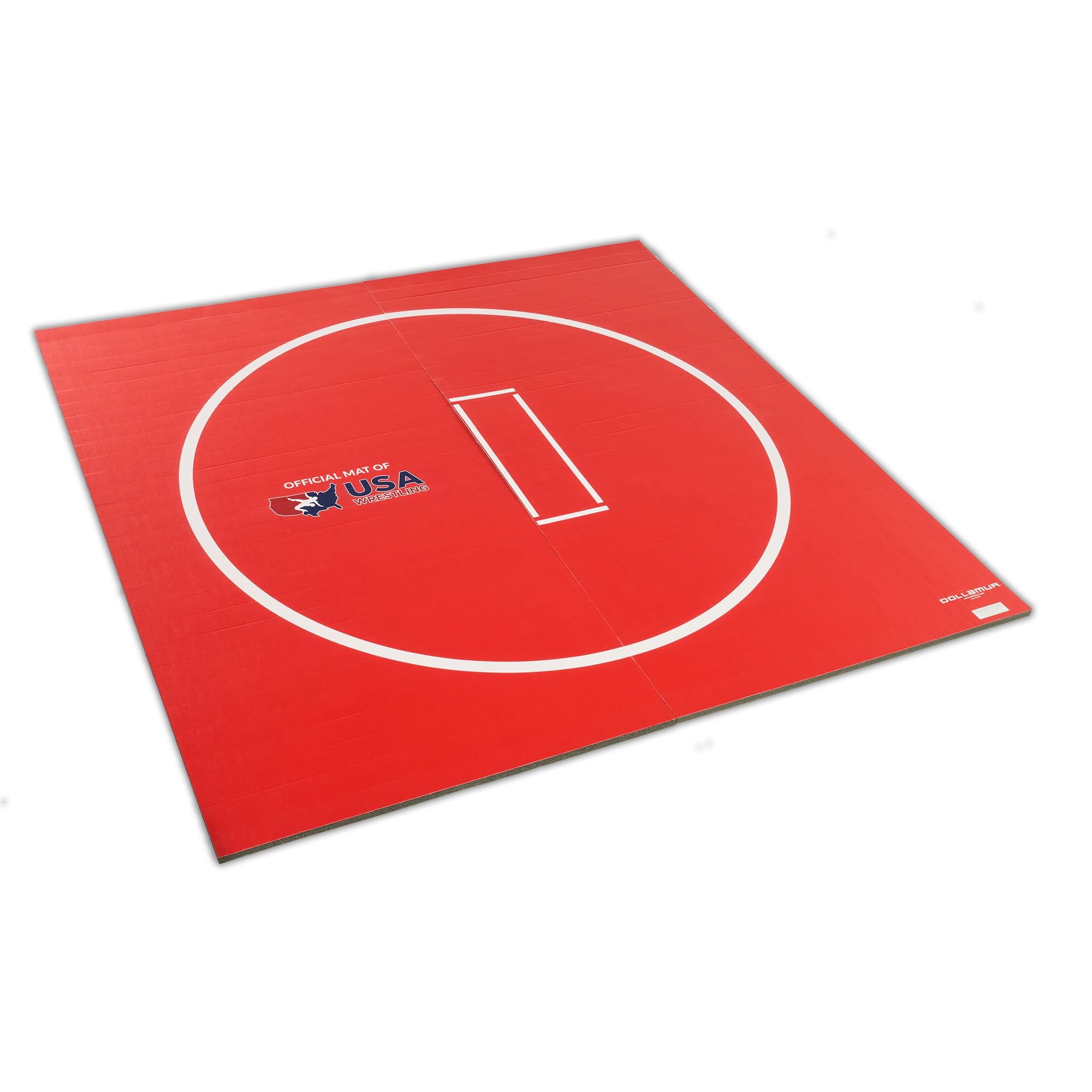
1. Dollamur Wrestling Mat for Home, 10×10
Our pick — over 4.5★ from 300+ verified ratings; the strongest balance of quality and price.
A pro-grade mat that already fills serious gym floors — now with built-in bacteria protection.
This is the mat that quietly rules home gyms, and the reason is simple: it is the same mat used in middle school wrestling rooms, high school tournaments, and competition circles. Buyers report it is the exact mat their kids train on at the gym, which builds instant trust that most doormats never get close to. What makes it relevant here is the Bio-Pruf antimicrobial treatment (a factory additive that stops bacterial growth within the vinyl material, not a surface spray) worked into the vinyl surface — factory-level protection that keeps bacteria from settling into the material. It is the same treatment used in medical and commercial flooring, according to the manufacturer.
At 1.25 inches thick and 20 pounds for the full 10×10 section, this is a completely different weight class from an entry mat. It is 20 pounds, compared to the A1HC’s 3.7 pounds, and its thickness is 1.25 inches versus the Portico Systems scraper mat’s 0.31 inches. The thickness translates into real shock absorption for takedowns, throws, and HIIT workouts — so your knees and joints take less impact during training. The vinyl surface wipes clean with a damp cloth, the mat rolls up for storage, and it ships with the seam tape included — a detail owners consistently appreciate because it means no extra trip to the store.
What owners love
- Bio-Pruf antimicrobial surface blocks bacteria growth, mold, and mildew within the vinyl itself
- Same construction as competition-grade mats used in schools and tournaments
- Includes seam tape so the mat is ready to use right out of the package
- Rolls up easily for storage despite the 20-lb weight
What to know
- Price reflects pro-grade construction — it is an investment for dedicated training spaces
- Vinyl surface can feel slippery when brand new, owners mention a quick wipe-down helps
Reach for this if: you are setting up a home gym, a dedicated training area for wrestling or BJJ, or a padded play zone — anywhere that needs real impact protection and antimicrobial confidence.
skip it if: you just want a doormat for the front entrance — this is overkill at 20 pounds and 10 feet wide; stick to the smaller rubber options below.
2. A1HC Rubber Welcome Doormat
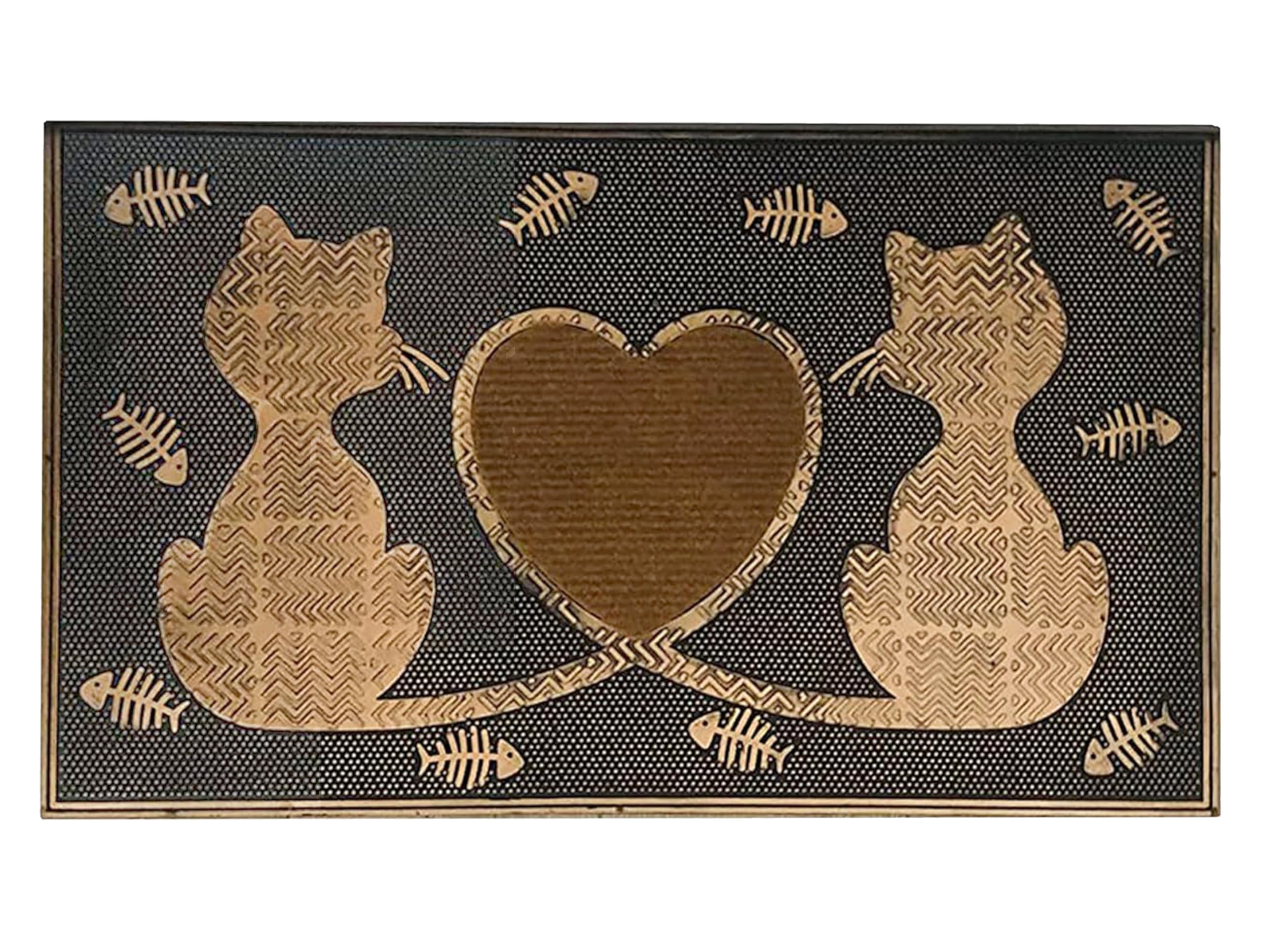
A good-looking door mat that adds bacteria resistance to its real-world strengths.
The appearance grabs attention — owners call it the nicest doormat they have bought, and the Twin Cats Heart Copper pattern stands out against the plain black mats everywhere. But the practical edge is the antibacterial surface on the natural rubber. The listing states it stops bacteria from building up on the surface, which matters when a mat sits in a damp entryway or near a pool. At 3.7 pounds and 0.6 inches thick, compared to the Dollamur wrestling mat’s 20 pounds, making it easy to flip and hose off. Yet it offers a lot more cushion than the 0.31-inch Portico Systems scraper — your feet will notice the difference if you pause at the door.
The rubber back sticks tight to the floor — owners in coastal areas note that heavy winds do not move it, a practical advantage if your front door faces an open breeze. The low-pile design means a door can swing over it without snagging. The 18×30 inch size is a real limit: buyers mention it is not wide enough for a full patio door, so measure your entry. And the rubber smell from the start is strong — owners suggest airing it outside for a day or two.
The consensus take: the antibacterial rubber surface combined with the non-slip grip makes this a workhorse entry mat. The pattern is why people love it; the size and initial odor are the honest trade-offs.
Best for: covered front porches, side doors, pool entries, and any outdoor-to-indoor transition where you want a mat that looks great and actively resists bacteria.
Reconsider if: you need a mat for a full-width sliding door — the 18-inch depth may leave you short — or you are sensitive to strong rubber smells.
3. Portico Systems Safe Tread 3×5 Black Rubber Mat
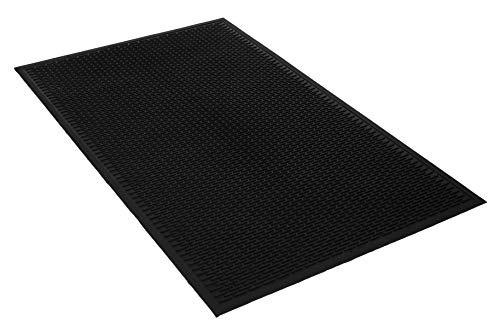
A low-profile scraper that keeps mud outside and bacteria away.
This mat solves a different problem: heavy, muddy foot traffic where you need aggressive scraping power. The molded rubber surface is rough enough to grab dirt and debris off boots, keeping your indoor floors cleaner. The 0.31-inch thickness is intentionally low so it does not create a trip hazard or block a door swing. The antimicrobial treatment (the rubber itself is formulated to resist bacterial growth, not just a coating that wears off) is listed in the product features.
At 5 feet by 3 feet, this mat covers more ground than the 18×30-inch A1HC. Owners consistently say it protects the flooring underneath well. At 0.31 inches thick versus the A1HC’s 0.6 inches, a clear trade-off: you lose cushion, but you gain a flush fit under doors and a low profile that cars can drive over in a garage. Cleaning is as simple as hosing it off, and the weight keeps it planted on windy days. The persistent rubber smell is a common complaint If the mat lives outdoors that may not matter, but for a garage or mudroom, expect a long break-in period.
Where it shines
- Antimicrobial-treated rubber resists bacteria growth
- Large 3×5 surface catches more dirt than standard entry mats
- Low profile clears doors and car tires without snagging
- Hose-off cleaning with no special care needed
The honest trade-off
- Strong rubber odor that reviewers point out lasts for months
- Thin profile means no cushion for standing — this is strictly a scraper mat
Grab this for: a back door, garage entry, worksite entrance, or any spot where muddy boots come in and you need a large, flat mat that scrapes aggressively and resists bacteria.
Think twice if: the mat goes inside where the rubber smell will be strong for weeks — or if you need cushion for long periods of standing.
4. WellnessMats Bella Collection Anti-Fatigue Floor Mat
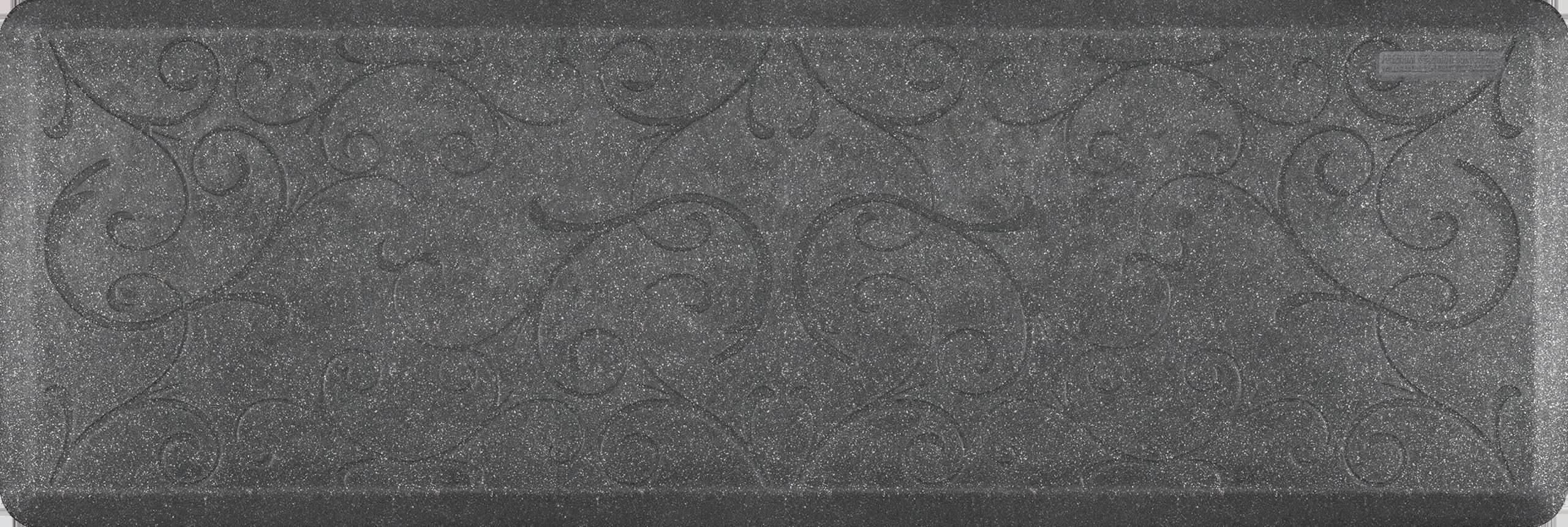
An anti-fatigue mat that fights bacteria while your feet feel the difference.
This is the mat for anyone who stands still for hours — at a kitchen counter, a standing desk, or a workbench — and wants joint relief and bacteria protection together. The antimicrobial treatment (built into the polyurethane, not applied as a coating) is listed in the product features. At 0.75 inches thick, it is 0.15 inches thicker than the A1HC rubber doormat, providing noticeably more cushion. And unlike the 0.31-inch Portico scraper, this mat is built for comfort, not scraping. The buoyant core is what owners say makes the difference between aching feet and a genuinely comfortable workday.
What sets this apart from every other mat here is the anti-fatigue construction plus the 20-year warranty — a confidence signal rare in the mat category. Shoppers say that the mat arrives flat (no curling edges) and stays flat for years, unlike cheaper alternatives that curl at corners. The non-slip top and bottom surfaces with 20-degree beveled edges meet ADA compliance (Americans with Disabilities Act) standards, so there is no trip hazard — the sloped edge is gentle enough for wheelchairs and walkers. The honest conversation is the price: owners agree it is a significant investment. But the consensus is that it delivers on comfort and durability, with several saying it is worth the cost if you spend long hours on hard floors.
What the feedback makes clear: the comfort improvement is fast and noticeable — owners with back and foot strain report relief within minutes of standing on it. The antimicrobial polyurethane is a bonus on top of that primary benefit, not the main reason to buy it.
Choose this if: you stand for hours daily in a kitchen, at a standing desk, or behind a counter and want the best cushion available with built-in bacteria resistance.
Pass if: you only need a basic doormat for the entrance — the anti-fatigue features and cost are wasted on a spot where you stop for seconds.
Understanding the Specs
Antimicrobial vs. Antibacterial Treatment
Both terms describe a surface treatment that stops microbes from growing on the mat. Antimicrobial covers a wider range of organisms including mold and mildew, while antibacterial targets bacteria specifically. The key is that the treatment must be part of the material itself (like Bio-Pruf in the vinyl or the antimicrobial rubber compounds in the doormats) rather than a surface spray that wears off after a few cleanings.
Mat Thickness and What It Changes
Thicker mats (0.75 inches and above) provide cushioning for standing, which reduces joint fatigue in your feet, knees, and lower back. Thin mats (0.3 to 0.6 inches) stay flush under doors and are easier to roll or move, but offer almost no shock absorption. The trade-off: stand on it for hours — go thick; step on it briefly at a door — go thin.
Rubber Backing vs. Full Rubber Construction
A rubber backing is a layer glued to the mat’s bottom to stop it from sliding on smooth floors. A full rubber mat is solid rubber throughout, which is heavier, more durable, and often has better odor resistance. Full rubber mats can stay outdoors year-round, while a rubber backing on a different top material may separate or degrade faster in direct sun.
Non-Slip and ADA Compliance
Non-slip means the mat stays put when you step on it. ADA compliance (Americans with Disabilities Act) adds a specific safety standard — beveled edges at a 20-degree angle or less so there is no raised edge to trip over. If the mat is in a public area or workplace, ADA compliance is worth checking for.
FAQ
How long does an antibacterial treatment last on a floor mat?
Can an antibacterial floor mat go outside in the rain?
What is the difference between Bio-Pruf and a standard antimicrobial treatment?
Will a thick anti-fatigue mat fit under a door?
How do I clean an antibacterial mat without ruining the treatment?
Does the rubber odor ever go away on new mats?
Can I use a wrestling mat as an anti-fatigue mat for standing?
What does non-slip backing actually mean on these mats?
Which antibacterial mat is best for a kitchen?
Is a more expensive antibacterial mat worth the extra cost?
Final Thoughts: The Verdict
For most buyers, the antibacterial floor mat that covers the most ground is the Dollamur Wrestling Mat — it is the only option here built to competition-grade standards with factory antimicrobial treatment and a 1.25-inch thickness that absorbs real impact. If you want an everyday entry mat that looks good and fights bacteria at the door, the A1HC Rubber Doormat is the practical pick with a strong track record among owners. And if your daily reality is hours of standing on hard floors, the WellnessMats Bella Collection delivers comfort and a 20-year warranty that the other mats here simply cannot match.
How We Picked
We do not accept paid placement. Every pick is matched to a real buyer and a real use-case; we do not hands-on test units.
Sources & Methodology
Specifications: manufacturer listings and product documentation. Review insights: verified customer reviews, as of July 2026. Pricing: not shown on this page (it changes often); check the current price via the retailer link.
As an Amazon Associate, FitlyFast earns from qualifying purchases. This does not affect which products we feature.