
Our readers keep the lights on and the weekend projects moving. As an Amazon Associate, I earn from qualifying purchases.
Swishing with a mouthwash that stings your gums and leaves a chemical aftertaste is a daily ritual nobody enjoys, yet millions tolerate it for the promise of fewer cavities. The real problem isn’t just the burn — it’s that many alcohol-based rinses can dry out your mouth, creating an environment where cavity-causing bacteria thrive. The best anticavity mouthwashes deliver targeted enamel protection without sacrificing comfort or long-term oral health.
I’m Rikta — the co-founder and writer behind FitlyFast. For this guide, I analyzed the active ingredient profiles, fluoride concentrations, and pH levels of over a dozen anticavity rinses, cross-referencing clinical studies and user reports to separate marketing claims from measurable results.
Whether you want a gentle alcohol-free option or a remineralizing formula with hydroxyapatite, these seven picks cover every budget and sensitivity level. This is your complete breakdown of the best anticavity mouthwash options available today.
How To Choose The Best Anticavity Mouthwash
Picking the right anticavity rinse goes beyond grabbing the most recognizable bottle on the shelf. You need to match the active ingredients to your enamel condition, your sensitivity to alcohol, and whether your water supply already contains fluoride.
Fluoride vs Hydroxyapatite — Which Remineralizes Better?
Most anticavity mouthwashes rely on sodium fluoride at concentrations between 0.02% and 0.05% to strengthen enamel and reverse early demineralization. Hydroxyapatite, a bio-identical mineral naturally found in teeth and bone, offers an alternative that binds directly to enamel without the toxicity concerns some users have with fluoride. Both are effective, but hydroxyapatite works well for those who prefer a fluoride-free routine while still getting measurable remineralization.
Alcohol Content and Dry Mouth Risk
Alcohol-based mouthwashes can kill bacteria on contact, but they also strip the mouth of natural moisture. A dry mouth reduces saliva flow, which is your body’s primary defense against acid attacks from cavity-causing bacteria. Alcohol-free formulations avoid this trade-off entirely, making them the smarter choice for daily anticavity use — especially if you suffer from chronic dry mouth or take medications that reduce saliva production.
pH Level and Enamel Safety
A mouthwash with a pH below 5.5 can erode enamel over time, undoing the very protection you’re trying to build. Most quality anticavity rinses are formulated near neutral pH (6.5 to 7.5) to protect existing enamel while delivering remineralizing agents. If you have acid erosion concerns, check the pH on the label or manufacturer site before committing to a bottle.
Quick Comparison
On smaller screens, swipe sideways to see the full table.
| Model | Category | Best For | Key Spec | Amazon |
|---|---|---|---|---|
| TheraBreath Anticavity Fluoride | Alcohol-Free | Daily cavity prevention | 0.05% Sodium Fluoride | Amazon |
| Living Well with Dr. Michelle | Hydroxyapatite | Natural remineralization | Hydroxyapatite + Colloidal Silver | Amazon |
| TheraBreath Healthy Gums | Antigingivitis | Gum health + cavity prevention | 0.05% CPC + Fluoride | Amazon |
| Crest Pro-Health Advanced | Maximum Fluoride | Maximum cavity protection | 0.05% Sodium Fluoride | Amazon |
| Happy Tooth Hydroxyapatite | Fluoride-Free | Gentle enamel care | Hydroxyapatite | Amazon |
| Listerine Ultraclean Alcohol-Free | Alcohol-Free | Tartar control without burn | Alcohol-Free, Mild Mint | Amazon |
| Tom’s of Maine Sea Salt | Natural | Natural ingredient enthusiasts | Sea Salt + Refreshing Mint | Amazon |
In‑Depth Reviews
1. TheraBreath Anticavity Fluoride Mouthwash, Sparkle Mint
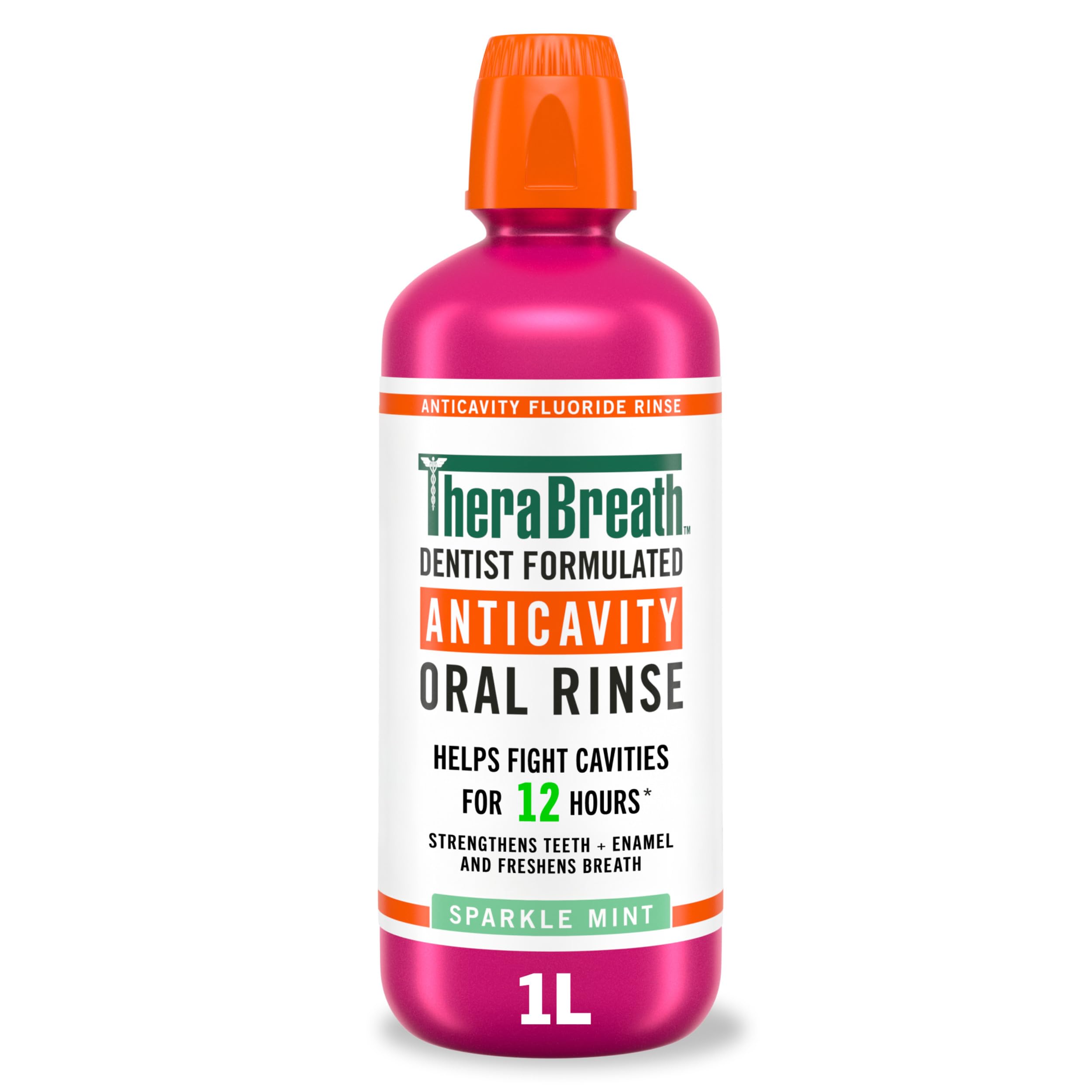
TheraBreath Anticavity Fluoride Mouthwash delivers the gold-standard 0.05% sodium fluoride concentration in an alcohol-free base that doesn’t burn or dry out your mouth. The Sparkle Mint flavor is clean and refreshing without the harsh chemical punch of traditional mouthwashes, making it easy to maintain a twice-daily rinsing habit. Dentist-formulated by Dr. Harold Katz, this rinse targets enamel strengthening while fighting breath odor for up to 12 hours.
User reviews consistently highlight the complete absence of stinging — a major advantage if you’ve avoided mouthwash because of sensitivity. The formula is free of dyes, SLS, parabens, and artificial colors, and it’s certified vegan, gluten-free, halal, and kosher. The BPA-free packaging adds another layer of quality assurance for health-conscious buyers.
One minor consideration: the 1-liter bottle requires a dedicated 60-second swish for best results, which is longer than the 30-second standard for many other rinses. If you’re used to quick rinses, you’ll need to adjust your routine to get full cavity protection. The manufacturer recommends not eating or drinking for 30 minutes after use to allow the fluoride to bond fully.
Why it’s great
- Clinical-strength fluoride without alcohol burn
- 12-hour cavity protection and fresh breath
- Clean ingredient profile with multiple certifications
Good to know
- Requires full 60-second swish for optimal results
- No tartar control or whitening agents included
2. Living Well with Dr. Michelle Cool Mint Remineralizing Mouthwash
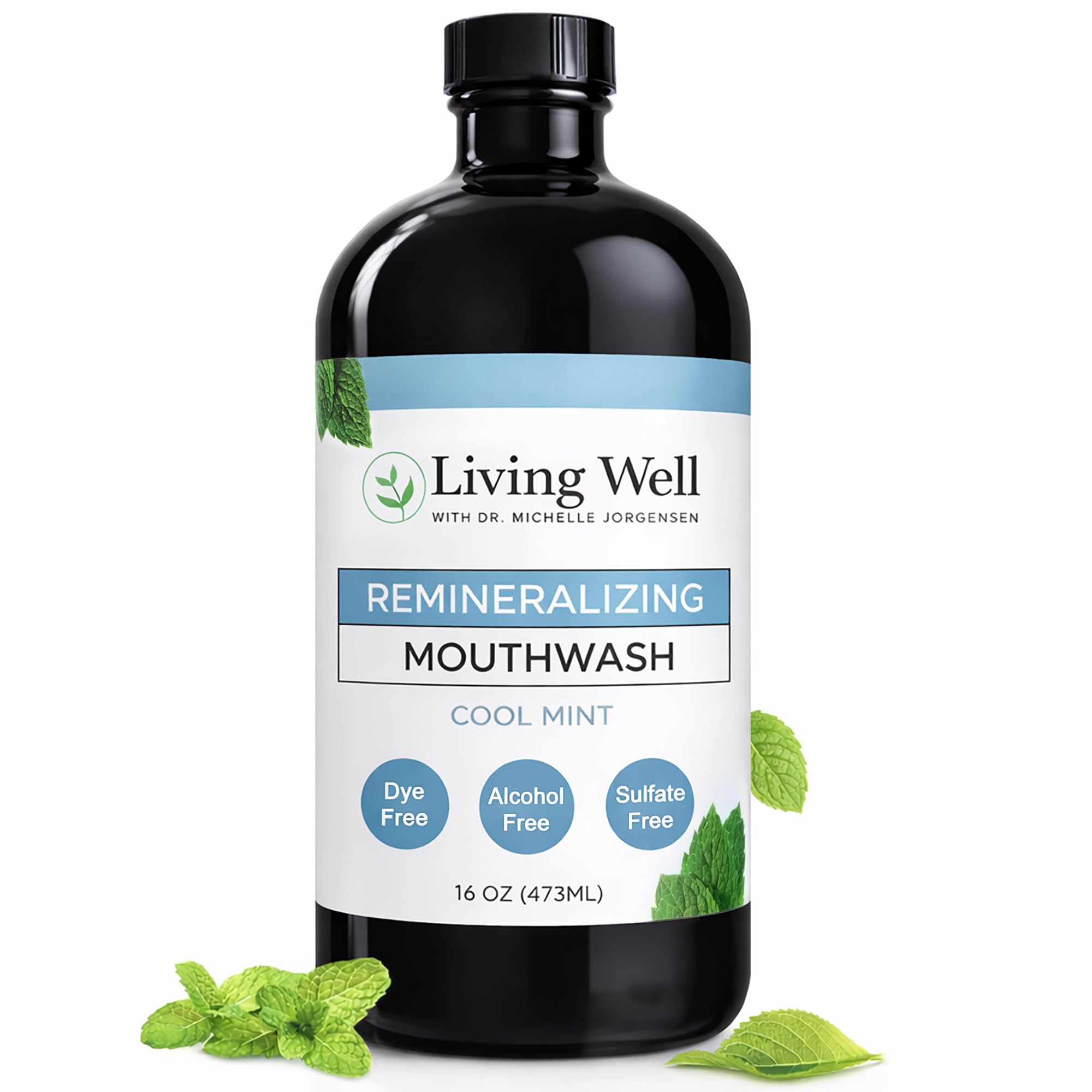
Developed by holistic dentist Dr. Michelle Jorgensen, this formula replaces fluoride with hydroxyapatite — the same mineral compound that makes up 97% of your tooth enamel — plus colloidal silver for antimicrobial support. The Cool Mint flavor comes from peppermint and lavender oils, creating a spicy, herbal profile that users describe as more sophisticated than standard mint. A little goes a long way; most reviewers report needing only a small capful per rinse.
The ingredient list is exceptionally clean for a premium mouthwash: xylitol for sweetness, plantain and calendula for gum soothing, marshmallow root for moisture, and no alcohol or artificial anything. Several users mentioned that their teeth felt less sensitive after three weeks of consistent use, which aligns with hydroxyapatite’s mechanism of filling microscopic enamel pores. The formulation is safe enough to swallow in small amounts, though the manufacturer recommends spitting as usual.
The biggest downside is the cost per ounce, which lands this in premium territory. The bottle is smaller than most anticavity rinses, and some users reported leakage during shipping despite the inner seal. If you prioritize clean, holistic ingredients and are willing to pay for them, this is the most advanced non-fluoride reminerializer on the market.
Why it’s great
- Hydroxyapatite targets enamel remineralization directly
- Clean botanical ingredients with no artificial additives
- Reduces tooth sensitivity with regular use
Good to know
- Higher price per ounce than fluoride-based alternatives
- Strong mint-lavender taste may not suit all palates
3. TheraBreath Healthy Gums Oral Rinse, Clean Mint
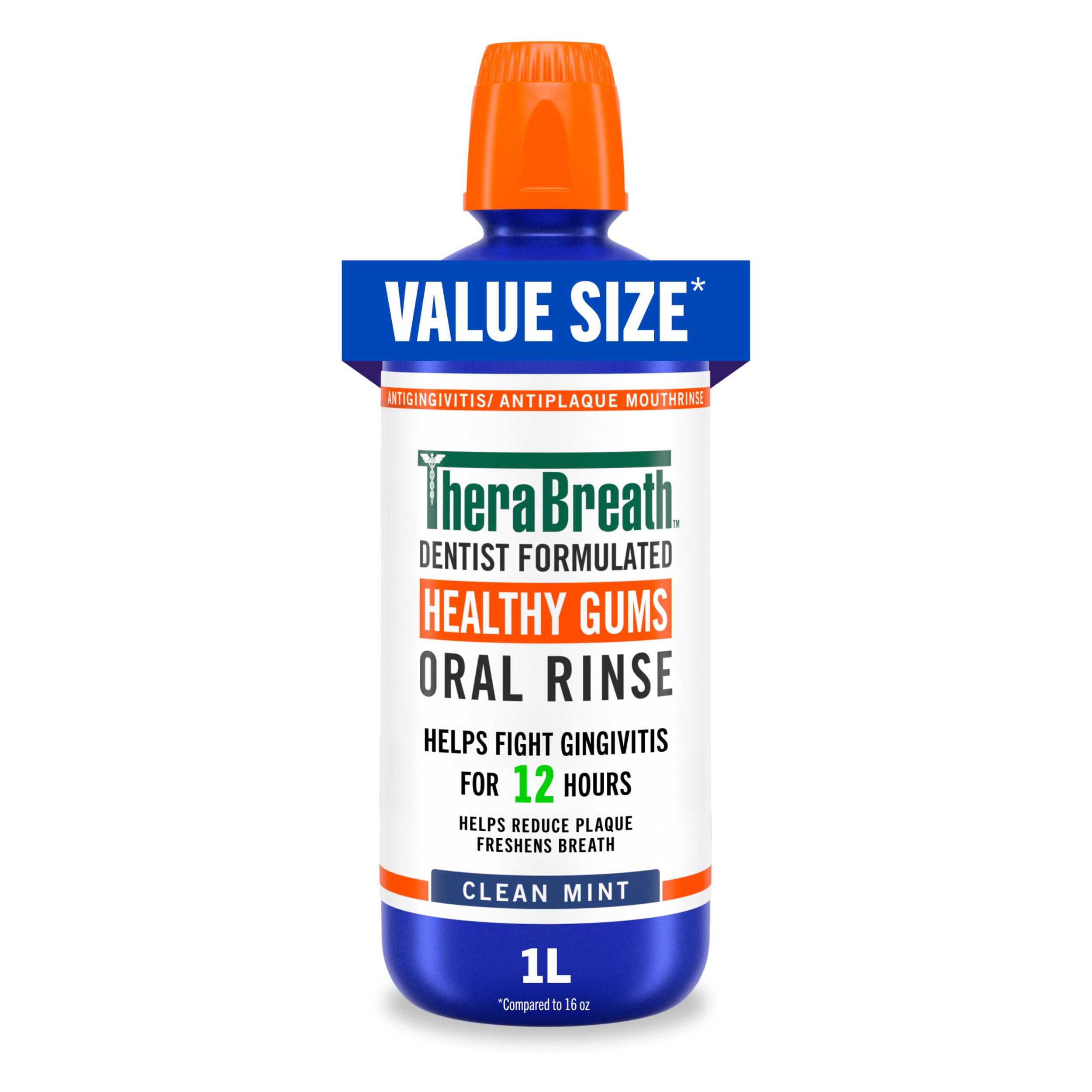
TheraBreath Healthy Gums Oral Rinse uses cetylpyridinium chloride (CPC) at 0.05% to target the bacteria responsible for gingivitis and plaque buildup. Unlike most anticavity rinses that focus exclusively on enamel, this formula equally prioritizes gum health — making it a strong two-in-one for anyone dealing with bleeding gums or early stage gum disease. The Clean Mint flavor is alcohol-free and gentle, with no stinging or burning reported even in long-term use.
Clinical results from user reviews are compelling: several users noted reduced gum bleeding and inflammation within three weeks of switching to this rinse. The antimicrobial action lasts up to 12 hours, providing sustained protection between brushings. The formula is vegan, gluten-free, halal, kosher, and free of dyes, SLS, sulfates, and parabens. The 1-liter bottle offers solid value, especially considering the dual-action cavity and gum protection.
The limitation here is that CPC-based rinses are not as effective at remineralizing enamel as fluoride or hydroxyapatite-based formulas. If your primary concern is reversing existing cavities or strengthening thinning enamel, you might want to pair this rinse with a dedicated anticavity toothpaste or alternate with a fluoride mouthwash every other day. The 60-second swish instruction is non-negotiable for CPC to fully bind to oral tissues.
Why it’s great
- Reduces gum bleeding and inflammation in weeks
- Antimicrobial CPC protection lasts 12 hours
- Clean, alcohol-free formula with multiple dietary certifications
Good to know
- Less enamel remineralization than fluoride or hydroxyapatite rinses
- Best paired with a separate anticavity toothpaste for complete protection
4. Crest Pro-Health Advanced Maximum Cavity Protection Mouthwash, Mild Mint
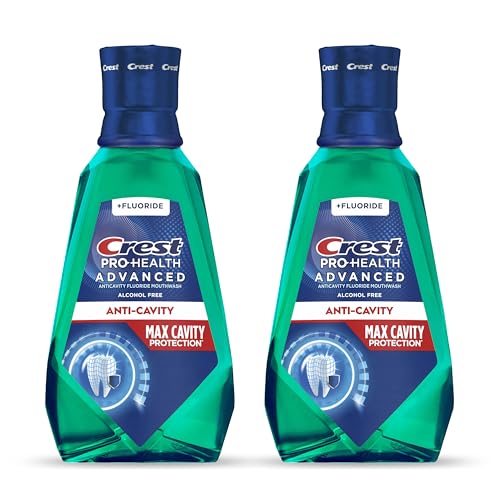
Crest Pro-Health Advanced Maximum Cavity Protection delivers the same 0.05% sodium fluoride concentration as premium options but in a two-pack format that drives the per-ounce cost much lower. The Mild Mint flavor is noticeably less intense than traditional Crest formulations — a deliberate move to make the alcohol-free experience palatable for daily use without sacrificing the cavity-fighting fluoride content. If your primary goal is maximum cavity protection at the lowest possible cost, this is the most straightforward choice.
The formula also claims to rebuild weakened enamel, but that’s a standard benefit of consistent fluoride exposure rather than anything unique to Crest’s proprietary blend. Users generally praise the taste as “very minty without burning,” and the two-bottle pack means less frequent repurchasing. The manufacturer explicitly states results are based on twice-daily use, so consistency is key.
One drawback: this rinse contains no additional active ingredients for tartar control, gum health, or whitening. It’s a single-purpose anticavity mouthwash that does its job efficiently but offers no extras. If you’re looking for a multi-benefit rinse, you’ll need to look at the TheraBreath options above. Also, the packaging is bulkier than single-bottle alternatives due to the two-liter total volume.
Why it’s great
- Clinical fluoride concentration at a low per-ounce cost
- Alcohol-free with a mild, non-burning mint flavor
- Two-pack provides long-lasting supply
Good to know
- No tartar control, gum health, or whitening benefits
- Bulkier packaging due to two-bottle format
5. Happy Tooth Hydroxyapatite Mouthwash, Fresh Mint
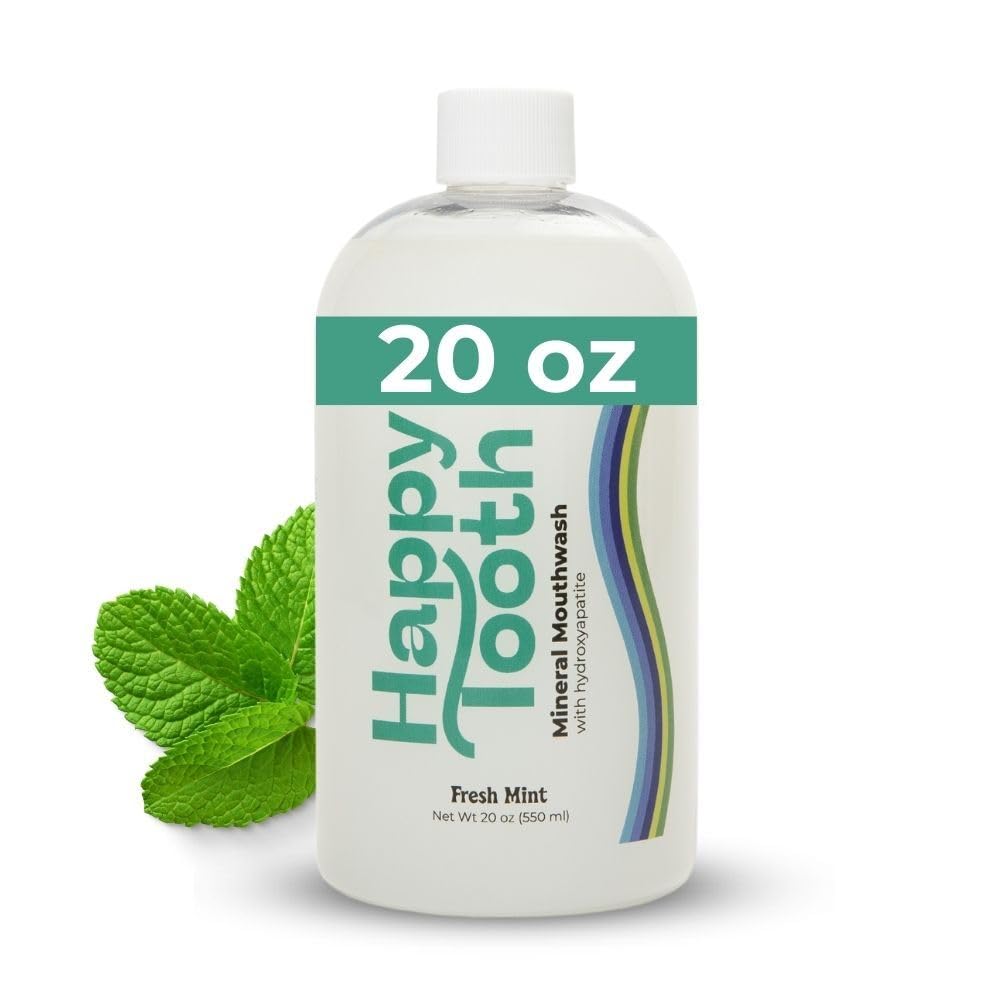
Happy Tooth Hydroxyapatite Mouthwash takes a different approach by focusing on mineral replenishment without fluoride, alcohol, or artificial dyes. The hydroxyapatite particles bind to exposed enamel surfaces, filling in microscopic defects and creating a smoother tooth feel. The Fresh Mint flavor is described by users as “spearmint-peppermint” — strong but not overpowering — with a noticeable tang that makes the swish feel active rather than passive.
Users who switched from traditional fluoride rinses reported reduced cavity sensitivity after three weeks, which is consistent with hydroxyapatite’s mechanism of action. The formula includes xylitol for its anti-cavity properties, making this a genuinely multi-pronged approach to enamel health without relying on fluoride. The 20-ounce bottle offers decent volume for the price tier, and the ingredients are minimal enough for those with chemical sensitivities.
The main complaint centers on the bottle cap design, which several users found not airtight — leading to occasional leaks. The formula also separates naturally between uses, so shaking well before each rinse is mandatory. If you’re accustomed to fluoride’s immediate “clean mouth” sensation, hydroxyapatite’s benefits are more cumulative and less perceptible after a single use, which can be unsatisfying if you’re looking for instant fresh-feel validation.
Why it’s great
- Hydroxyapatite fills enamel micro-defects without fluoride
- Strong, natural mint flavor with xylitol for added cavity protection
- Minimal, clean ingredient list
Good to know
- Bottle cap design can leak if stored on its side
- Requires shaking before each use to redistribute minerals
6. Listerine Ultraclean Mouthwash, Alcohol Free, Arctic Mint
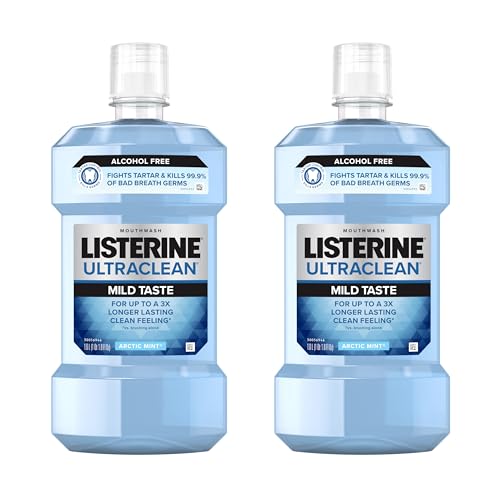
Listerine Ultraclean Alcohol-Free Mouthwash solves the classic Listerine problem — the burn — by removing alcohol while keeping the tartar control and germ-killing power that made the brand famous. The Arctic Mint flavor is noticeably milder than traditional Listerine, earning consistent praise from users who previously avoided mouthwash due to stinging. It kills 99.9% of bad-breath germs and helps prevent tartar buildup, making it a solid entry-level anticavity rinse.
The formula includes whitening protection and claims to keep teeth naturally white for 24 hours, though this is more about stain prevention than active whitening. Users with partial dentures or sensitive gums specifically noted that this version caused no pain, unlike the original formula. The 1-liter pack of two provides good volume for the price, and the mild taste encourages consistent twice-daily use — the real driver of any mouthwash’s effectiveness.
Where this rinse falls short is fluoride content. Unlike the TheraBreath and Crest entries above, Listerine Ultraclean does not list a specific sodium fluoride concentration as its primary active anticavity agent. The anticavity benefit here is more indirect — reducing plaque and tartar that contribute to decay — rather than directly remineralizing enamel. If your primary need is active cavity reversal or high-risk enamel protection, you’ll want a fluoride-specific formula instead.
Why it’s great
- Alcohol-free formula eliminates burning sensation
- Effective tartar control and germ-killing performance
- Mild mint taste encourages daily compliance
Good to know
- No direct fluoride remineralization for cavity reversal
- Anticavity protection is indirect through plaque reduction
7. Tom’s of Maine Sea Salt Natural Alcohol-Free Mouthwash, Refreshing Mint
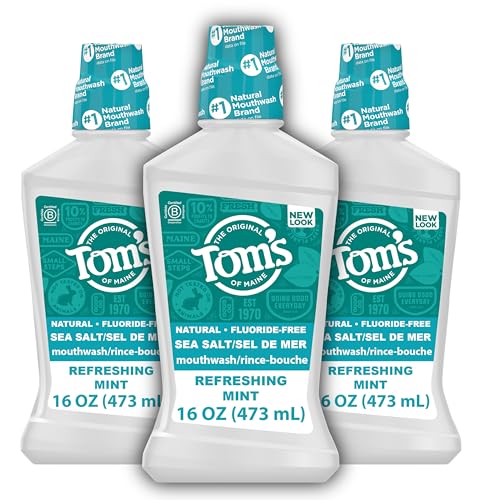
Tom’s of Maine Sea Salt Natural Mouthwash takes a minimalist approach: sea salt for its natural healing and antibacterial properties, mint for flavor, and nothing artificial. The three-pack format makes it an easy stock-up option for households that prefer natural personal care products. Users describe the taste as “salty and minty” — unexpected at first, but surprisingly effective at leaving the mouth feeling clean and refreshed without chemical aftertaste.
The lack of fluoride, hydroxyapatite, or any synthetic anticavity agent means this rinse works differently from the others on this list. Its cavity protection comes from supporting a healthy oral microbiome and maintaining moisture balance rather than directly remineralizing enamel. Sea salt’s natural antibacterial properties can help reduce the bacterial load that leads to decay, but it won’t reverse existing demineralization. Several users with mouth sores or gum irritation found the salt content soothing for healing.
If your diet is low in processed sugars and your enamel is already in good shape, this rinse can maintain oral health with a gentle, natural formula. But if you have active cavities, high sugar intake, or a history of enamel erosion, you’ll need a more active anticavity ingredient. The flavor is also divisive — the salt-mint combination doesn’t taste like conventional mouthwash, and some users found it less refreshing than standard mint formulations.
Why it’s great
- Minimal, natural ingredients with no synthetic additives
- Sea salt promotes healing for gums and mouth sores
- Three-pack offers long-term supply for natural care households
Good to know
- No active remineralizing agent for cavity reversal
- Salty-mint taste is unique and not universally preferred
FAQ
Can anticavity mouthwash reverse existing cavities?
Should I use anticavity mouthwash before or after brushing?
What fluoride concentration should a therapeutic anticavity mouthwash have?
Is alcohol-free mouthwash better for anticavity protection?
How long should I swish anticavity mouthwash for best results?
Final Thoughts: The Verdict
For most users, the best anticavity mouthwash winner is the TheraBreath Anticavity Fluoride because it delivers clinical 0.05% fluoride concentration in an alcohol-free, no-burn formula with clean ingredients and 12-hour protection. If you want advanced remineralization without fluoride, the Living Well with Dr. Michelle offers hydroxyapatite and botanical ingredients in a premium, holistic package. And for maximum value with proven fluoride protection, the Crest Pro-Health Advanced two-pack delivers the lowest per-ounce cost among therapeutic anticavity rinses.