
Our readers keep the lights on and the weekend projects moving. As an Amazon Associate, I earn from qualifying purchases.
That persistent, angry rash sitting right where your breast tissue meets your chest wall is more than uncomfortable — it’s a stubborn fungal infection thriving in heat and moisture. Most over-the-counter creams fail because they don’t stay put, don’t absorb, or contain an active ingredient at the wrong strength for skin folds. Knowing exactly which antifungal agent, formulation texture, and barrier protection level targets intertrigo under the breasts separates a few days of relief from weeks of frustration.
I’m Rikta — the co-founder and writer behind FitlyFast. For this guide, I compared antifungal formulas by listed ingredient concentration, product ratings, and manufacturer-stated texture, scent, and moisture-barrier claims.
This is my list of options worth considering for the best antifungal cream for under breasts, covering OTC azole antifungals, barrier-style specialty tubes, and a plant-based balm for sensitive skin. Always confirm ingredient details on the current product listing, and consult a doctor for a persistent or worsening rash.
How To Choose The Best Antifungal Cream For Under Breasts
Selecting the right antifungal cream for the area under your breasts requires attention to the active ingredient, the delivery vehicle, and how the formula interacts with sensitive, often macerated skin in a high-friction zone. The wrong choice can worsen irritation or fail to penetrate the infection site.
Active Ingredient: Miconazole vs. Clotrimazole vs. Natural Balms
For confirmed fungal infections (intertrigo), 2% miconazole nitrate or 1% clotrimazole are the two clinically proven OTC azole antifungals. Miconazole is the more common choice in barrier creams designed for skin folds because it combines antifungal action with moisture protection. Clotrimazole works well but is often formulated in thinner, less protective creams — better suited for feet or groin where barrier protection is less critical. Natural balms with tea tree oil, lavender, and candelilla wax can soothe mild irritation but lack the fungicidal mechanism to clear an active candida or dermatophyte infection. For a confirmed rash under the breasts, start with an azole antifungal.
Texture and Barrier Function
Under-breast skin is thin, constantly folding against itself, and exposed to sweat. A cream that stays greasy or pills under clothing will trap moisture and worsen the infection. Look for a non-greasy, fast-absorbing consistency that still leaves a protective film. The best options for this area are barrier-style antifungal creams (like those from Coloplast and Medline) formulated to feel protective on skin folds while the antifungal works — always check the product’s own label for its full ingredient list before use.
Tube Size and Application Frequency
Fungal infections under the breasts typically require twice-daily application for two to four weeks, even after visible symptoms fade. A single 1 oz tube or jar may not be enough for a full treatment course, especially if the rash covers a large area. Tubes sized 3.4 oz to 5 oz (or multi-packs) offer the best value and reduce the risk of running out mid-treatment. For those with recurring rashes due to seasonal heat, larger tubes or two-packs are the practical choice.
Scent and Irritation Sensitivity
The skin under the breasts is often already inflamed and raw. Strong fragrances, menthol, or essential oils can sting or trigger contact dermatitis. If your skin is highly reactive, opt for hypoallergenic, lightly scented, or fragrance-free formulas. Medline Remedy, Coloplast Baza, and the La Parea balm are all marketed as gentle formulas, but anyone with broken or very raw skin should patch-test first and check with a doctor before applying any cream to open skin.
Quick Comparison
On smaller screens, swipe sideways to see the full table.
| Model | Category | Best For | Key Spec | Amazon |
|---|---|---|---|---|
| Coloplast Baza (Pack of 2) | Barrier Antifungal | Long-lasting protection under heavy breasts | 5 oz tubes, antifungal barrier cream | Amazon |
| Medline Remedy Clinical | Hypoallergenic | Sensitive skin and clinical use | 4 oz, 2% miconazole, CHG compatible | Amazon |
| CHARMPOO Antifungal | Fast-Absorbing | Active lifestyles and body folds | 3.4 oz, 2% miconazole, non-greasy | Amazon |
| PHARMBANNER Extra Strength | Plant-Based Blend | Itch relief with natural soothing | 2.1 oz, 1% clotrimazole + botanicals | Amazon |
| McKesson Antifungal Cream | Budget Pick | Affordable everyday antifungal for skin folds | 4 oz, 2% miconazole nitrate | Amazon |
| Coloplast Baza (Pack of 3) | Value Multi-Pack | Extended treatment or bed-bound care | 3 x 5 oz tubes, scented antifungal cream | Amazon |
| La Parea Picaboo Balm | Natural Plant Balm | Mild redness and chafing relief | 1 oz, tea tree + candelilla wax | Amazon |
In‑Depth Reviews
1. Coloplast Baza Antifungal Cream (Pack of 2)

The Coloplast Baza (2-pack) earns the top spot as a barrier-style antifungal cream marketed specifically for skin folds like the area under the breasts. It’s positioned as a thicker, protective formula meant to stay in place under a skin fold rather than rubbing off onto clothing. Coloplast lists the exact active ingredient and concentration on the product packaging and Amazon listing, so check the current listing before buying to confirm what’s in the tube you’re ordering.
The 5 oz tube size is generous, giving you enough product for an extended treatment course without rationing, and the two-pack means you have a backup tube on hand if treatment needs to continue past the first tube. As with any medicated cream, follow the label’s directions on frequency and duration, and stop use and consult a doctor if irritation worsens.
Why it’s great
- Barrier-style cream designed for skin folds
- Large 5 oz tubes provide an extended treatment course
- Two-pack means a backup tube is on hand
Good to know
- Confirm the active ingredient and its concentration on the current Amazon listing before buying
- Thicker consistency may feel heavy on skin for some users
2. Medline Remedy Clinical Antifungal Cream

The Medline Remedy Clinical Antifungal Cream contains 2% miconazole nitrate as its active ingredient, per the manufacturer’s listed ingredients. It’s marketed as hypoallergenic and CHG-compatible, meaning it’s positioned as safe to use alongside the chlorhexidine gluconate cleansers common in clinical skin-fold care — check with a healthcare provider before combining products if you’re in a clinical care setting.
The texture is described by the manufacturer as non-greasy and lightly scented. The 4 oz tube is a reasonable size for a treatment course, though a larger surface area under the breasts may require a second tube. Follow the label’s directions on how long to use it, and see a doctor if symptoms don’t improve.
Medline is an established clinical brand used in hospital and long-term care settings. Its non-greasy, hypoallergenic positioning makes it worth considering for under-breast use, especially for people with reactive or easily irritated skin.
Why it’s great
- Contains 2% miconazole nitrate as its listed active ingredient
- Marketed as hypoallergenic and CHG compatible
- Non-greasy formula per manufacturer description
Good to know
- Not marketed as a thick barrier cream like the Baza
- 4 oz tube may require a second purchase for large-area coverage
3. CHARMPOO Antifungal Cream
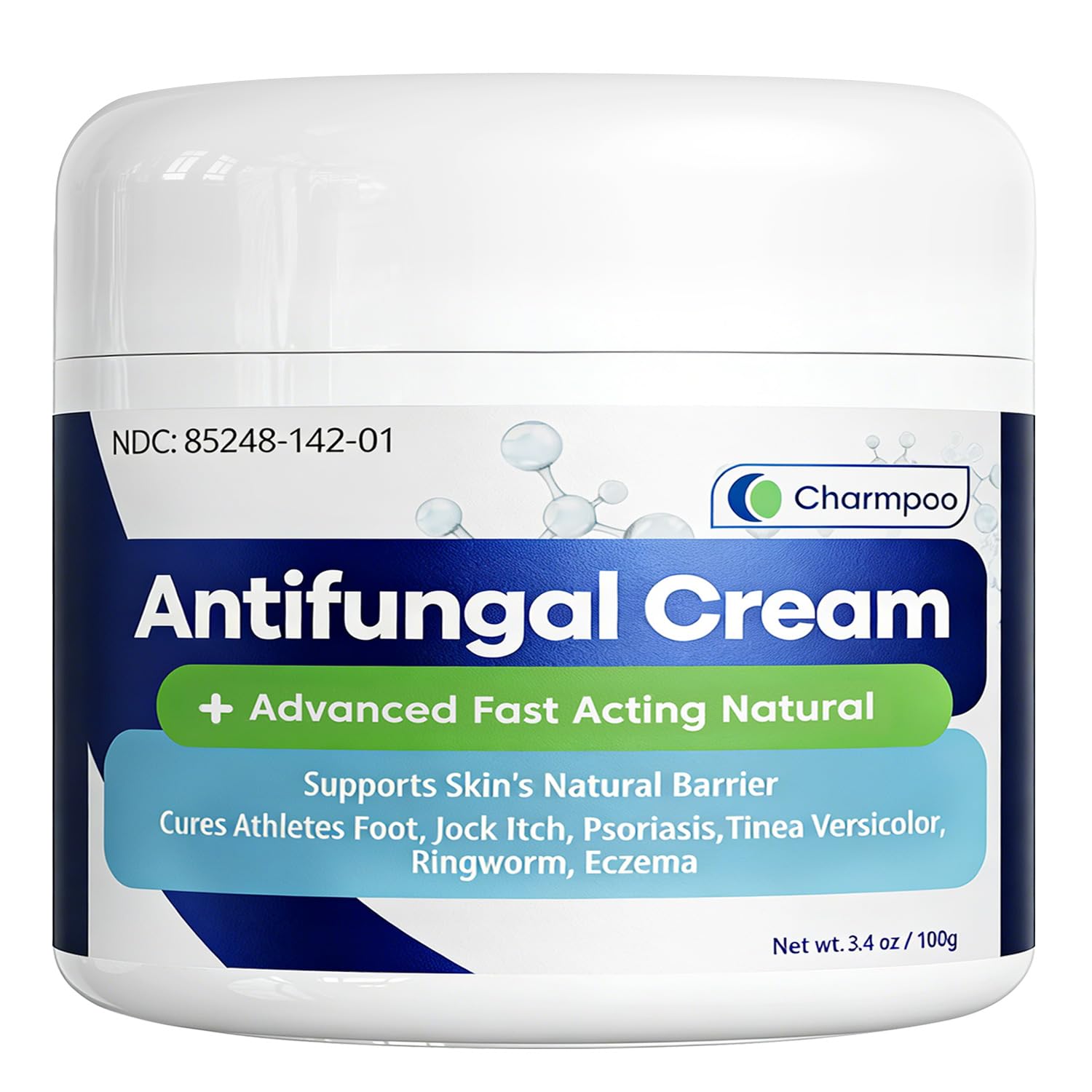
The CHARMPOO Antifungal Cream lists 2% miconazole nitrate as its active ingredient, the same concentration found in pricier clinical brands, at a lower per-ounce cost. It’s marketed for use in body folds, feet, groin, and underarms, making it a reasonable match for the under-breast application area. The manufacturer describes the formula as fast-absorbing and non-greasy.
The 3.4 oz (100g) tube is a larger, family-sized option and should last through a full treatment cycle if used as directed on the label. As with any antifungal, stop use and see a doctor if symptoms persist or worsen after the recommended treatment period.
Why it’s great
- 2% miconazole nitrate at a lower cost per ounce
- Marketed as fast-absorbing and non-greasy
- Larger 3.4 oz family-size tube
Good to know
- Check the current listing for any user-reported texture issues before buying
- Follow label directions on frequency and duration
4. PHARMBANNER Extra Strength Antifungal Cream
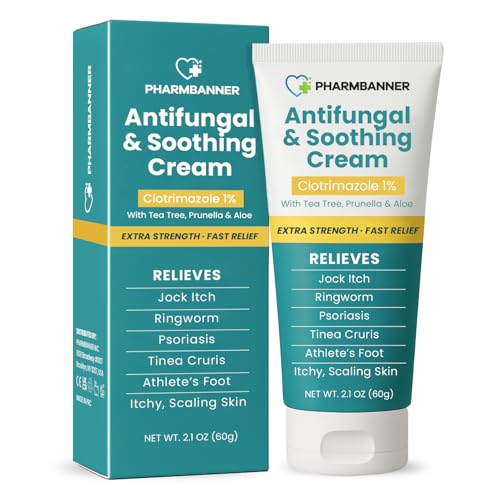
The PHARMBANNER Extra Strength Antifungal Cream distinguishes itself by combining 1% clotrimazole — the standard OTC strength for athlete’s foot and ringworm — with a plant-based soothing complex of tea tree oil, aloe vera, prunella, and witch hazel. This hybrid approach means it fights the fungal infection while simultaneously calming the inflamed, sensitive skin underneath the breasts. For women whose primary complaint is intense itching with visible redness, the botanical additions can provide relief that a plain antifungal cream alone might not.
The texture is described by the manufacturer as light and non-greasy. The 2.1 oz tube is smaller than others on this list, which is worth noting if the rash covers a large surface area or requires multiple weeks of treatment — you may need a second tube to complete a full course.
The formula is GMP-compliant and labeled safe for all skin types, though the inclusion of essential oils means patch testing is wise on very reactive skin. Users who prefer a completely fragrance-free option may find the tea tree scent noticeable during the first few minutes after application. For those who want a dual-function product that treats the infection and soothes the skin simultaneously, this is a top contender.
Why it’s great
- Combines 1% clotrimazole with soothing botanicals for dual action
- Light, non-greasy texture per manufacturer description
- GMP-compliant facility production
Good to know
- Smaller 2.1 oz tube may not last a full 4-week course
- Tea tree oil scent may not be preferred by all users
5. McKesson Antifungal Cream (2% Miconazole Nitrate)

The McKesson Antifungal Cream lists 2% miconazole nitrate as its active ingredient, the standard OTC strength for treating athlete’s foot, jock itch, and ringworm, and the manufacturer describes it as helpful for moisture-prone skin-fold areas generally. It’s one of the lowest-cost options on this list, making it a practical pick if you want to try an azole antifungal before committing to a larger or pricier tube.
The 4 oz tube is a reasonable size for a full treatment course. As with any medicated cream, follow the label’s directions on frequency and duration, and stop use and see a doctor if the rash doesn’t improve or gets worse.
Why it’s great
- 2% miconazole nitrate at one of the lowest prices on this list
- 4 oz tube for a full treatment course
- Widely available with a strong ratings history
Good to know
- Not marketed specifically as a barrier cream for skin folds
- Not formulated or marketed specifically for under-breast use
6. Coloplast Baza Antifungal Tube Cream (Pack of 3)

The three-pack of Coloplast Baza Antifungal Cream is a value purchase for anyone managing recurring under-breast fungal irritation or who wants an extended supply on hand. Each tube is 5 oz, and three tubes together provide a long supply for most users. Confirm the active ingredient and its concentration on the current Amazon listing before buying, since packaging and formulations can change over time.
The multi-pack format means you can keep a tube in more than one location — for example, one at home and one in a travel bag — so you’re not without it when you need it. This is a scented version; if you prefer fragrance-free, check the listing for that option before ordering.
For a single user with occasional under-breast irritation, the three-pack may be more supply than necessary. For recurring or seasonal flare-ups, or households sharing the cream, it can be a more cost-effective option than buying single tubes repeatedly.
Why it’s great
- Better per-ounce value than buying single tubes
- Useful for recurring or seasonal flare-ups
- Long shelf life, no refrigeration needed
Good to know
- Three tubes may be too much supply for occasional users
- Scented version — check listing if you want fragrance-free
7. La Parea Wellness Picaboo Under Breast Rash Treatment

The La Parea Picaboo Balm is not a conventional antifungal cream — it contains no miconazole or clotrimazole — but it is specifically formulated for under-breast discomfort and has earned a passionate following among women with mild to moderate intertrigo. The active soothing agents are tea tree oil, lavender, patchouli, and clove essential oils suspended in matcha butter and candelilla wax. For women whose rash is primarily chafing, sweat-related redness, and irritation rather than a full-blown fungal infection, this balm can provide relief without the chemical load of a synthetic antifungal.
The 1 oz jar is small, and the manufacturer describes it as concentrated, meaning a little may go a long way with daily use. The balm is solid at room temperature and is designed to melt on contact with skin, making it easy to apply precisely under the breast fold.
The notable trade-off is the strong patchouli and tea tree scent, which some users love and others find overwhelming. It also stains bras and requires machine washing to remove the residue. For women who prefer natural skincare and are dealing with mild under-breast irritation rather than a severe fungal infection, this is a high-quality niche solution. For confirmed fungal rashes that require a true antifungal agent, pair this balm with an azole-based cream from the options above.
Why it’s great
- Specifically formulated for under-breast chafing and redness
- All-natural plant-based ingredients, no synthetic chemicals
- Highly concentrated — one jar lasts months
Good to know
- Not a true antifungal — not effective for confirmed fungal infections
- Strong patchouli/tea tree scent that may be divisive
- Can stain bra fabrics
FAQ
How long does it take for an antifungal cream to clear a rash under the breasts?
Can I use a regular athlete’s foot cream for under-breast fungal rashes?
Is it safe to use antifungal cream under my breasts while breastfeeding?
What causes recurring fungal rashes under the breasts?
Should I use a barrier cream along with the antifungal cream?
Final Thoughts: The Verdict
For most users, the best antifungal cream for under breasts pick is the Coloplast Baza Antifungal Cream (Pack of 2) because it’s a barrier-style formula designed to stay in place under the breast fold and provides enough supply for a full course of treatment — confirm the active ingredient on the current Amazon listing before buying. If you have sensitive skin, consider the Medline Remedy Clinical Antifungal Cream for its hypoallergenic, fast-absorbing formula with 2% miconazole nitrate. And for mild chafing and redness without a confirmed fungal component, consider the La Parea Picaboo Balm — a plant-based option formulated specifically for the skin under your breasts. As always, see a doctor for a persistent or worsening rash.