
Our readers keep the lights on and the weekend projects moving. As an Amazon Associate, I earn from qualifying purchases.
Dust mites thrive in bedding, upholstery, and carpet, releasing proteins that trigger year-round nasal congestion, sneezing fits, and itchy eyes long after seasonal pollen fades. Standard allergy pills often fail because the allergen is constant, not episodic, requiring a targeted approach to symptom management.
I’m Rikta — the co-founder and writer behind FitlyFast. I spend my days analyzing commercial-intent product categories, with a deep focus on over-the-counter medications and their specific efficacy against indoor environmental allergens like dust mite droppings.
After comparing active ingredients, dosage forms, and user-reported relief patterns, I’ve curated a definitive list of the best antihistamine for dust mites that actually stand up to the relentless challenge of living with these microscopic pests.
How To Choose The Best Antihistamine For Dust Mites
Dust mite allergens are inhaled continuously, unlike the brief bursts of pollen exposure. This demands an antihistamine that sustains its blockade without sedation across the full 24-hour cycle, particularly through sleep hours when mite particles from bedding become aerosolized.
Active Ingredient Selection
Second-generation antihistamines like cetirizine (Zyrtec), loratadine (Claritin), and fexofenadine (Allegra) are preferred for daily dust mite control because they do not cross the blood-brain barrier significantly, avoiding the drowsiness linked to first-generation diphenhydramine (Benadryl). Cetirizine offers the strongest histamine H1-receptor blockade but may cause minor sedation in some users; fexofenadine is the least sedating but may be slightly weaker for severe congestion.
Delivery Method: Oral vs. Nasal
For dust mite sufferers whose primary symptom is nasal congestion or post-nasal drip, a nasal corticosteroid like fluticasone (Flonase) can be more effective than an oral antihistamine alone. Nasal sprays target inflammation directly at the nasal mucosa, while oral pills block histamine systemically. Combining both often yields the best long-term relief for chronic dust mite allergy.
Duration and Consistency
Since dust mites are present year-round, you need a medication that works reliably for the full 24 hours without a midday dip. Most second-generation antihistamines are dosed once daily, but individual metabolism varies. Fexofenadine and loratadine typically maintain their effect longer than cetirizine in some patients, making the choice highly individual based on your symptom window.
Quick Comparison
On smaller screens, swipe sideways to see the full table.
| Model | Category | Best For | Key Spec | Amazon |
|---|---|---|---|---|
| Flonase Sensimist | Nasal Spray | Nasal congestion & 6 symptoms | 240 sprays total (2×120) | Amazon |
| Allegra 24-Hour | Oral Tablet | Non-drowsy daytime relief | 180 mg fexofenadine HCl | Amazon |
| Zyrtec Liquid Gels | Liquid Gel | Fast-acting liquid gel absorption | 10 mg cetirizine HCl | Amazon |
| Claritin 24-Hour | Oral Tablet | Non-drowsy, cost-effective daily use | 10 mg loratadine | Amazon |
| WELMATE Cetirizine | Oral Tablet | Long-term bulk supply | 500 tablets, 10 mg each | Amazon |
| Curist Cetirizine | Oral Tablet | 365-count yearly supply | 365 tablets, 10 mg each | Amazon |
| Benadryl Ultratabs | Oral Tablet | Acute severe allergic episodes | 25 mg diphenhydramine HCl | Amazon |
In‑Depth Reviews
1. Flonase Sensimist Allergy Relief Nasal Spray
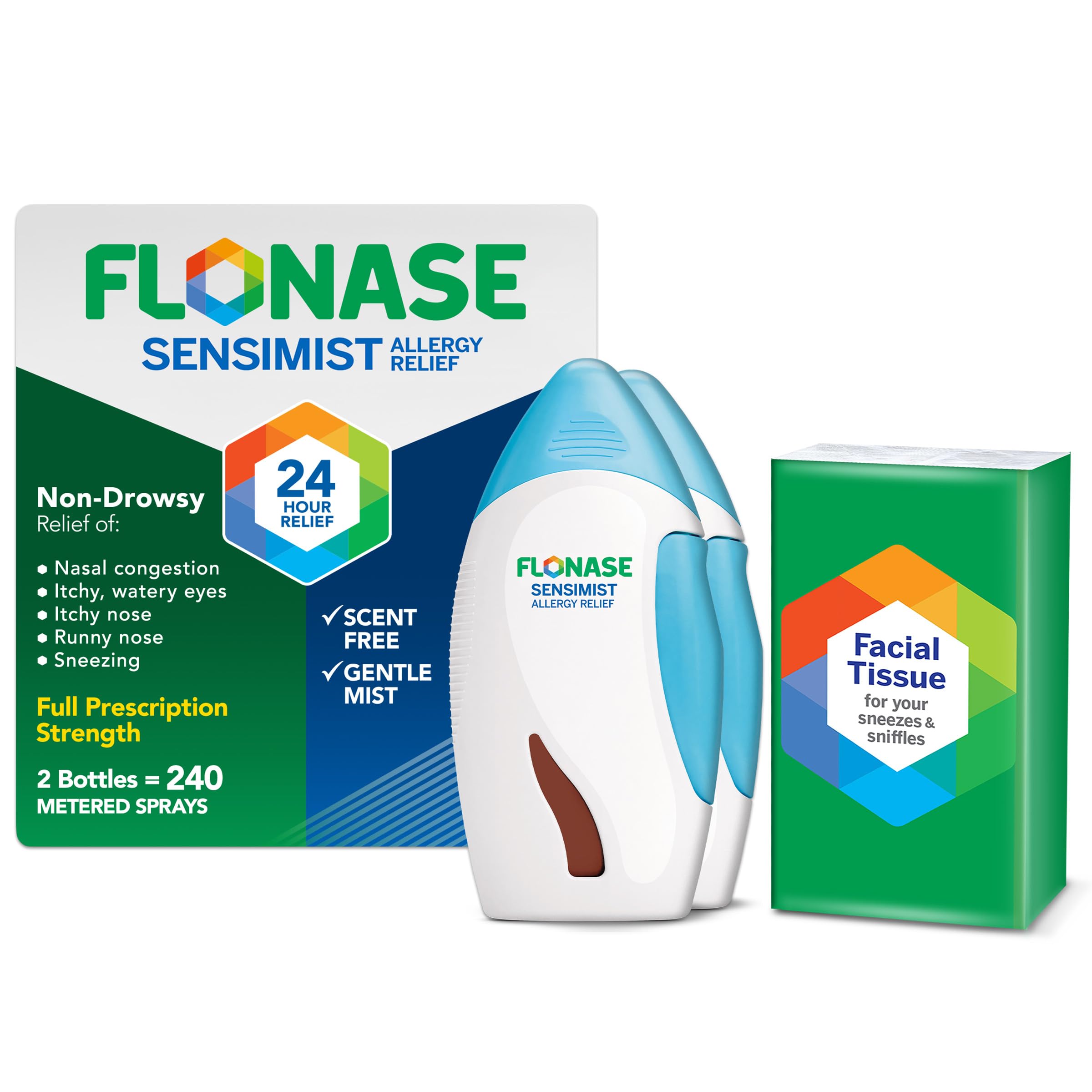
Flonase Sensimist tackles dust mite allergy at the source — nasal inflammation — with fluticasone propionate, a corticosteroid that reduces the immune response in the nasal passages. Unlike oral antihistamines that only block histamine after it’s released, this spray prevents the inflammatory cascade that dust mite proteins trigger, making it uniquely effective for the chronic congestion and post-nasal drip that pills often miss.
The Sensimist delivery system produces an ultra-fine, scent-free mist that is remarkably gentle compared to the harsh jet of traditional nasal sprays. Users consistently report no unpleasant taste or drip, and most feel relief within 8 hours of the first dose, with peak benefit settling in after 3 to 4 days of daily use. Each 120-spray bottle lasts roughly a month, so this two-pack covers nearly two full months of continuous dust mite defense.
This is the only option on the list that treats six allergy symptoms including nasal congestion, which single-ingredient oral antihistamines do not address. For dust mite sufferers whose primary complaint is a stuffed nose that ruins sleep, this is the single most effective OTC weapon available. The non-drowsy profile also means you can use it morning and night without cognitive impairment.
Why it’s great
- Treats nasal congestion that oral antihistamines miss
- Gentle, scent-free mist with no unpleasant aftertaste
- Doctor-recommended brand for indoor allergens
Good to know
- Requires 3-4 days of daily use for full effect
- Not a fast-acting rescue option for acute attacks
2. Allegra Adult 24-Hour Allergy Relief Tablets
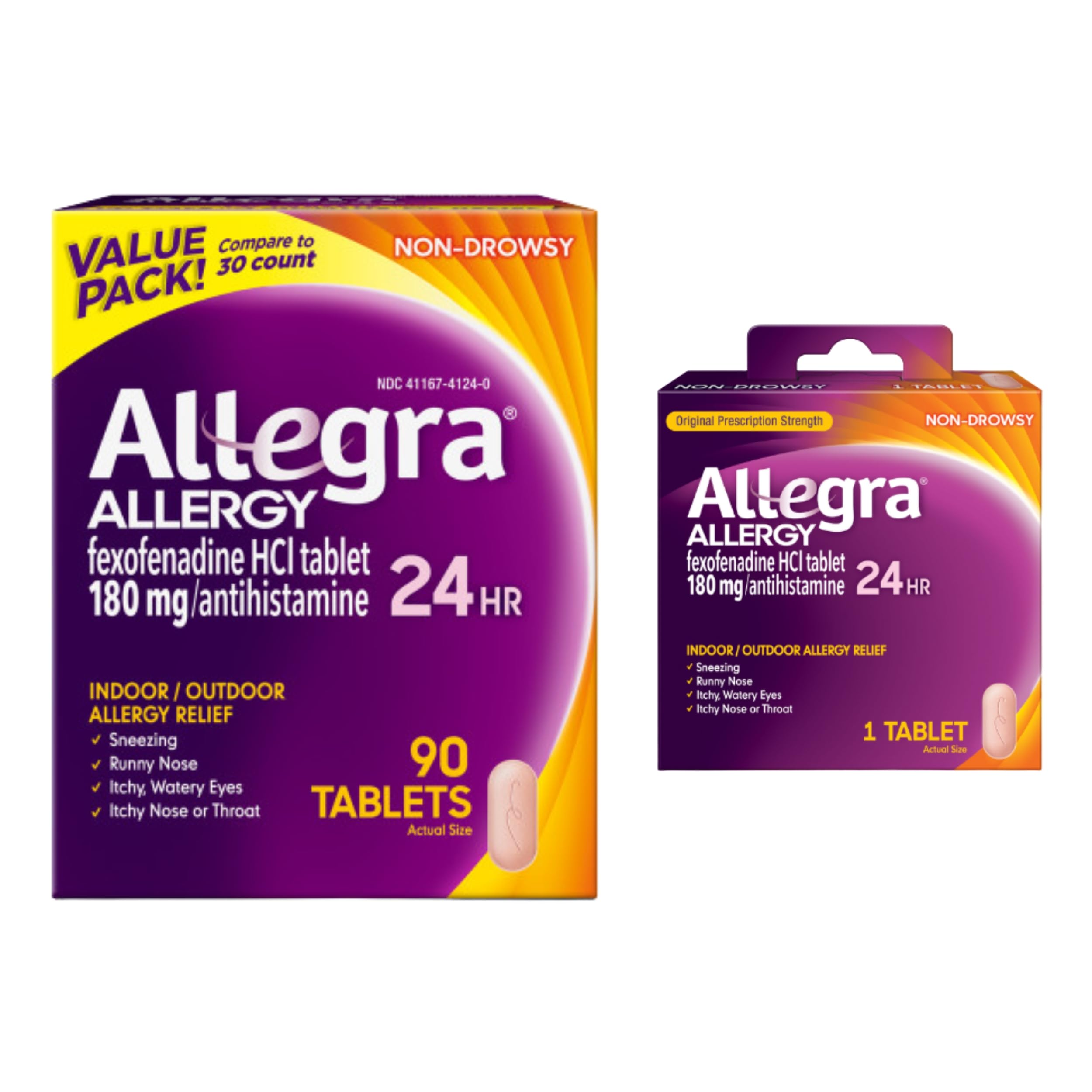
Allegra uses fexofenadine HCl at 180 mg, the highest single-dose strength among second-generation antihistamines, providing a full 24-hour blockade against dust mite histamine release without the sedative effects that plague cetirizine users. Clinical data shows fexofenadine has the lowest central nervous system penetration of any OTC antihistamine, meaning zero brain fog for most patients — essential for professionals who cannot afford cognitive downtime.
The 90-count bottle plus a bonus travel pack offers substantial supply, but the key differentiator here is the non-drowsy guarantee that actually holds up in real-world use. Users managing year-round dust mite exposure report that Allegra maintains symptom control even during peak indoor allergen seasons when other pills seem to lose effectiveness. It starts working within one hour, making it a reliable daily preventive.
Allegra is the number one allergist-recommended non-drowsy brand among OTC oral antihistamines, and that clinical vote matters for a chronic condition like dust mite allergy where daily compliance is everything. If you need alertness during the day but still want full allergy suppression, this is the oral option to beat.
Why it’s great
- Highest non-drowsy profile of any OTC oral antihistamine
- 180 mg fexofenadine provides robust 24-hour coverage
- Allergist-recommended brand for indoor allergens
Good to know
- May be less effective for nasal congestion specifically
- Must be taken on an empty stomach for best absorption
3. Zyrtec 24 Hour Allergy Relief Liquid Gels
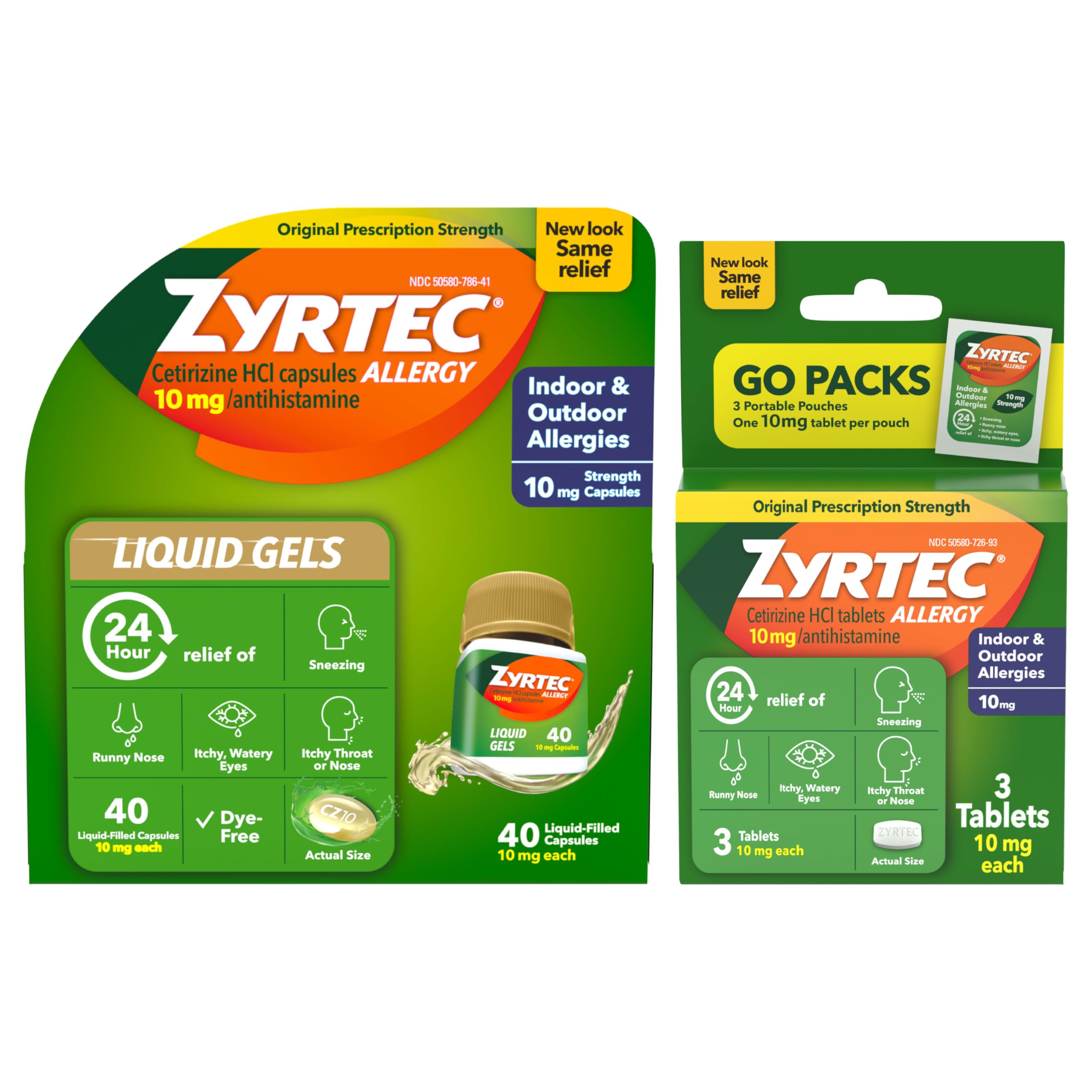
Zyrtec liquid gels deliver cetirizine HCl in a fast-absorbing liquid form that reaches peak plasma concentration faster than standard tablets — critical for dust mite sufferers who wake up congested and need relief within the first hour of the day. The liquid gel shell dissolves quickly in the stomach, bypassing the slower disintegration of pressed tablets, and users report noticeable symptom relief at the one-hour mark.
Cetirizine is the most potent H1-receptor antagonist among second-generation antihistamines, making it the strongest oral option for suppressing the histamine storm that dust mite proteins trigger. The 40-count bottle plus three single-dose travel packs is a thoughtful inclusion for maintaining relief during travel or workdays away from home. HSA and FSA eligibility adds a practical financial layer for regular users.
The trade-off is that cetirizine has a slightly higher incidence of drowsiness compared to fexofenadine or loratadine, though most users tolerate it well when taken at night. For dust mite allergy, where symptoms often peak during sleep due to bed mite exposure, taking this before bed aligns perfectly with the body’s natural histamine cycle.
Why it’s great
- Fast-absorbing liquid gel for quicker onset
- Most potent H1-blockade among OTC options
- Includes travel packs for on-the-go relief
Good to know
- May cause mild drowsiness in sensitive individuals
- Higher per-dose cost than generic tablets
4. Claritin 24 Hour Allergy Medicine

Claritin uses loratadine, the gentlest of the second-generation antihistamines, with an almost negligible rate of drowsiness and no known drug interactions with common CYP450 enzyme pathways. For dust mite sufferers who also take other daily medications — blood pressure pills, antidepressants, or thyroid hormone — loratadine is the safest co-administration choice.
The 70-count bottle provides over two months of daily coverage, and the tablets are small and easy to swallow, a detail that matters when compliance is a daily requirement. Claritin targets over 200 different allergens, but its real strength for dust mite sufferers is the sustained 24-hour effect without the midday “breakthrough” that some users experience with cetirizine.
Users note that Claritin is slightly less potent than cetirizine for severe symptoms, making it best suited for mild to moderate dust mite reactions. For those whose dust mite allergy manifests as occasional sneezing and runny nose rather than debilitating congestion, Claritin provides adequate control with zero sedation — an ideal choice for long-term, worry-free daily use.
Why it’s great
- Near-zero sedation rate — safest for daytime use
- Excellent drug interaction profile
- Small, easy-to-swallow tablets
Good to know
- Less potent than cetirizine for severe symptoms
- May take longer to reach full effect in some users
5. WELMATE Allergy Relief Cetirizine

WELMATE offers a 500-tablet bottle of cetirizine HCl 10 mg, which at a once-daily dose provides over 16 months of continuous dust mite allergy coverage. This is the highest tablet count available on this list, making it the definitive choice for households with multiple family members managing indoor allergies simultaneously.
Founded by former pharmacy employees, WELMATE focuses on generic equivalence to branded Zyrtec, using the same active ingredient at the same dosage. The tablets are plain white, uncoated, and free of artificial dyes — a meaningful consideration for users who want to minimize excipient exposure over long-term daily use.
The value proposition here is simple: the lowest cost per dose of any cetirizine option reviewed, achieved through bulk packaging and direct-to-consumer distribution. Users consistently report identical efficacy to the brand-name product, making this a pragmatic choice for budget-conscious dust mite sufferers who have already confirmed cetirizine works for them.
Why it’s great
- Extremely low cost per dose in bulk format
- Free of artificial dyes and unnecessary fillers
- 16+ months of supply in one bottle
Good to know
- Uncoated tablets may taste slightly bitter
- Not as fast-absorbing as liquid gel form
6. Curist Cetirizine Hydrochloride 10mg
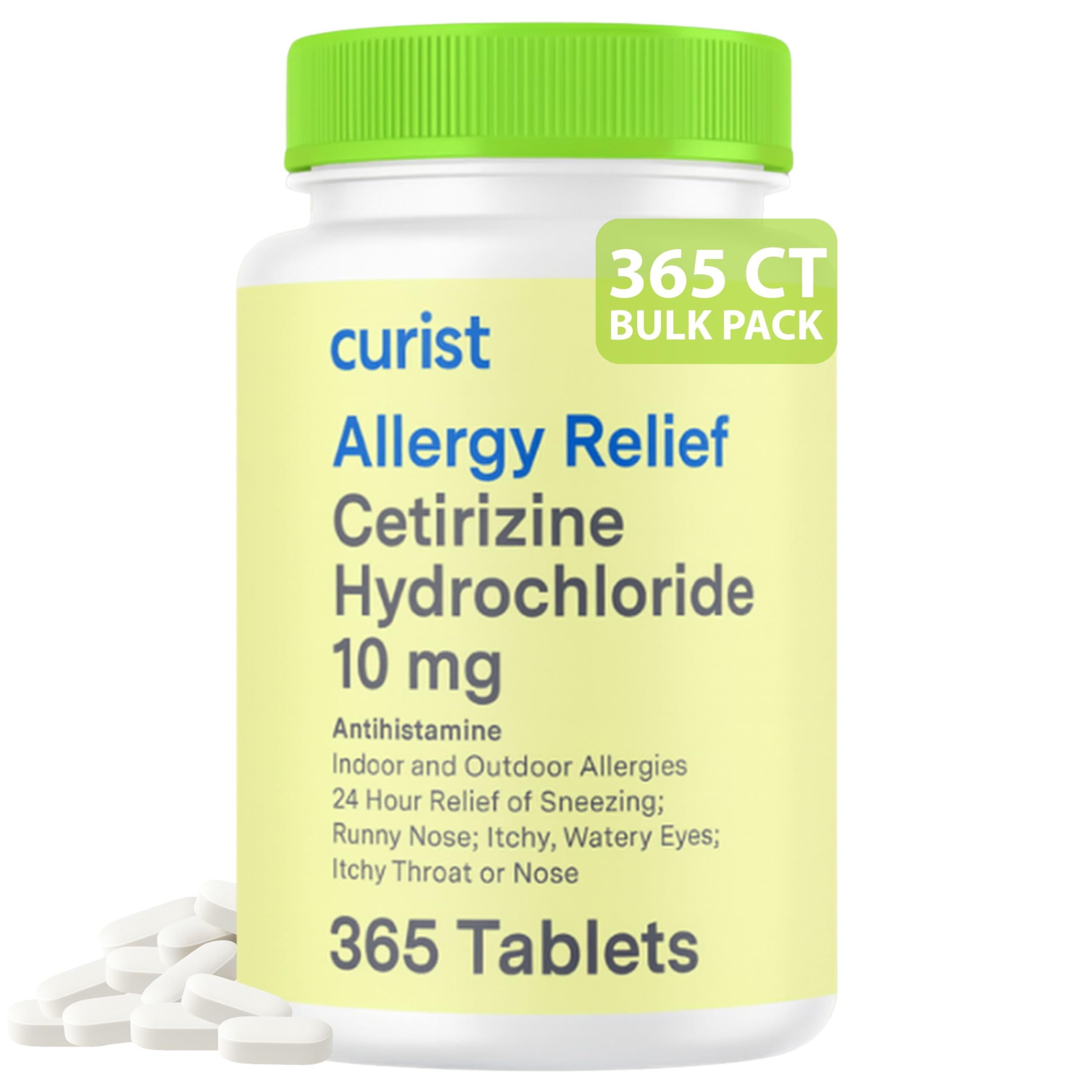
Curist Cetirizine delivers a full 365-count bottle — a precise year’s supply for daily dust mite management — at a cost that undercuts most pharmacy chains even on sale days. The tablets are small and easy to swallow, with users specifically noting the “cleanest other ingredients list” among generic brands, meaning fewer inactive fillers that can cause gastrointestinal sensitivity over extended use.
This is a pure cetirizine HCl product with no added decongestants or pain relievers, making it ideal for targeted dust mite symptom control without redundant medication. The 24-hour duration holds reliably, and users confirm it works equally well against dust, seasonal, and animal allergens, which is critical when dust mite allergy often coexists with other sensitivities.
The main consideration is that cetirizine can cause drowsiness in some individuals, particularly during the first few days of use. Starting with a half-tablet (5 mg) — as recommended on the packaging for less severe symptoms — can help assess tolerance before committing to the full 10 mg daily dose for long-term dust mite defense.
Why it’s great
- Precise year’s supply with single purchase
- Clean excipient profile with minimal fillers
- Excellent cost-per-dose value
Good to know
- May cause initial drowsiness in sensitive users
- Tablet size may be small but uncoated
7. Benadryl Allergy Ultratablets
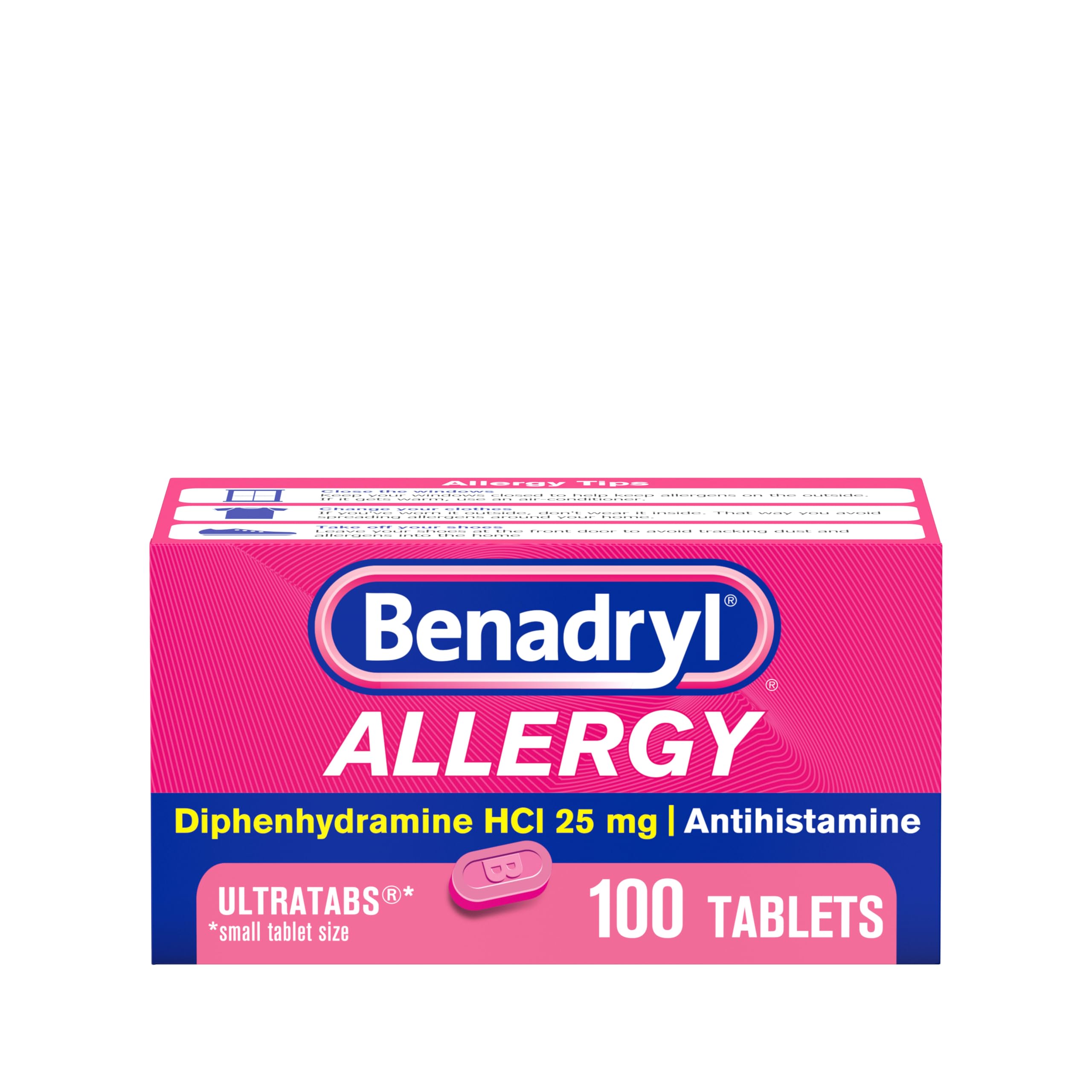
Benadryl’s diphenhydramine HCl is a first-generation antihistamine that crosses the blood-brain barrier aggressively, providing powerful and fast relief from acute allergic reactions — ideal when dust mite exposure triggers a sudden, severe episode of sneezing, hives, or angioedema. The 25 mg tablet works within 15-30 minutes, faster than any second-generation option, making it an essential rescue tool in any dust mite sufferer’s medicine cabinet.
The 100-count value bottle is FSA- and HSA-eligible and offers a substantial supply for occasional use. However, diphenhydramine’s sedative effect is well-documented and severe: users consistently report drowsiness, impaired coordination, and cognitive slowing that makes daytime use impractical. This is not a daily maintenance drug — it is a tactical strike for when dust mite avoidance fails and symptoms spiral.
For dust mite management, Benadryl’s role is strictly limited to breakthrough episodes or bedtime use when sedation is actually desirable. Relying on it daily for chronic dust mite allergy would impair quality of life through persistent drowsiness. Keep it on hand for emergencies, but invest in a second-generation antihistamine for your daily baseline.
Why it’s great
- Fastest-acting OTC antihistamine available
- Powerful suppression of severe acute reactions
- FSA/HSA eligible and widely trusted
Good to know
- Significant drowsiness makes daytime use unsafe
- Not intended for daily long-term use
FAQ
Which antihistamine works best specifically for dust mite allergy symptoms at night?
Can I take a nasal spray and an oral antihistamine together for dust mites?
How long does it take for an antihistamine to reach full effectiveness against dust mites?
Final Thoughts: The Verdict
For most users, the best antihistamine for dust mites winner is the Flonase Sensimist because it treats nasal congestion — the primary complaint of chronic dust mite exposure — directly at the inflammation source while oral pills often leave this symptom unaddressed. If you want zero sedation and maximum daytime alertness, grab the Allegra 24-Hour. And for acute flare-ups when avoidance fails, nothing beats the Benadryl Ultratabs as a rescue option.