
Our readers keep the lights on and the weekend projects moving. As an Amazon Associate, I earn from qualifying purchases.
The burning, itching, and swelling that follows a hair dye application can turn a routine beauty treatment into a painful ordeal. For those with sensitive scalps or a developing allergy to paraphenylenediamine (PPD), finding the right relief after the damage is done or preventing the reaction during the process is critical.
I’m Rikta — the co-founder and writer behind FitlyFast. My research focuses on over-the-counter wellness solutions, from topical analgesics to oral antihistamines, specifically for acute allergic skin reactions caused by cosmetic chemicals.
This guide breaks down the most effective solutions, from pre-color scalp protectants to post-reaction itch relievers, so you can confidently choose the right antihistamine for hair dye allergy.
How To Choose The Best Antihistamine For Hair Dye Allergy
Dealing with a hair dye allergy involves two distinct battles: stopping the immediate inflammatory response and soothing the physical sensation of itching and burning. The right approach depends on whether you need to treat a reaction after the fact or prevent one from starting.
Topical vs. Oral: Which Route is Right?
Oral antihistamines like diphenhydramine (Benadryl) or cetirizine (Zyrtec) work systemically to block histamine receptors throughout the body, making them ideal for widespread hives or facial swelling. Topical treatments, however, deliver active ingredients like pramoxine or hydrocortisone directly to the inflamed scalp, providing faster localized relief without systemic drowsiness. For a localized rash confined to the hairline and scalp, a topical solution is often the first line of defense.
Active Ingredients for Contact Dermatitis
Not all anti-itch ingredients are classified as antihistamines. Pramoxine HCl is a topical analgesic that numbs nerve endings, offering near-instant itch relief without the chemical structure of a traditional antihistamine. Hydrocortisone is a corticosteroid that reduces inflammation, the root cause of the redness and swelling. A product containing zinc acetate, like Caladryl, also acts as a skin protectant by drying oozing rashes. Understanding these mechanisms is key to selecting a product that matches your symptom profile.
Prevention vs. Treatment
A product like POWDERTOOLS STB is unique because it is designed to be mixed directly into the hair color formula. It’s a prophylactic, not a treatment. It uses an undisclosed blend to buffer the scalp against the irritating chemicals without altering the dye’s processing time or color outcome. For anyone who experiences a predictable, moderate burn during dyeing, this is a category-specific solution that traditional OTC antihistamines cannot replicate.
Quick Comparison
On smaller screens, swipe sideways to see the full table.
| Model | Category | Best For | Key Spec | Amazon |
|---|---|---|---|---|
| Caladryl Clear Anti-Itch | Topical Lotion | Post-dye itch & oozing rash | 1% Pramoxine HCl + Zinc Acetate | Amazon |
| POWERTOOLS STB | Scalp Additive | Preventing color/bleach burn | Mixable drops for color formula | Amazon |
| Benadryl 25 mg Tablets | Oral Tablet | Systemic allergic hives | 25 mg Diphenhydramine HCI | Amazon |
| Aquanil HC Lotion | Topical Lotion | Inflamed, dry, flaking scalp | 1% Micronized Hydrocortisone | Amazon |
| Zyrtec 10 mg Tablets | Oral Tablet | Non-drowsy 24-hour allergy control | 10 mg Cetirizine HCI | Amazon |
| Benadryl ULTRATAB | Oral Tablet | Emergency reaction on the go | 25 mg Diphenhydramine, 120-count | Amazon |
| Claritin 10 mg Tablets | Oral Tablet | Long-term daily allergy control | 10 mg Loratadine, 100-count | Amazon |
In‑Depth Reviews
1. Caladryl Clear Anti-Itch Lotion

Caladryl Clear stands apart from the traditional pink calamine lotion by swapping in 1% pramoxine HCl, a potent topical analgesic that blocks the itch signal at the nerve ending level. For a hair dye allergy rash that presents with weeping and oozing, the inclusion of zinc acetate provides a drying, protective barrier that traditional antihistamine creams cannot offer. The clear, non-greasy finish is a practical advantage for use on the scalp and hairline where staining would be obvious.
Users consistently report nearly instant relief from the worst itching, with many noting the absence of a chalky residue as a major upgrade. However, it’s critical to understand that pramoxine is an analgesic, not an antihistamine—it relieves the symptom of itch but does not reduce the underlying histamine-driven inflammation. For a mild, localized rash, this is often sufficient, but a systemic reaction requires an oral antihistamine.
The 6-ounce bottle is generously sized for repeated applications, and the formula is gentle enough for adults and children over 2 years of age. It fits best as a post-dye soothing step for those who already know their scalp reacts but haven’t developed a severe, blistering chemical burn.
Why it’s great
- Contains pramoxine HCl for fast, localized pain/itch relief
- Dries completely clear—no chalky stains on clothing or hair
- Zinc acetate helps dry out oozing, weeping contact dermatitis
Good to know
- Does not contain an antihistamine (diphenhydramine or similar)
- Not a preventative; it treats reaction symptoms after they appear
- Pramoxine works by numbing, not reducing inflammation
2. POWERTOOLS STB (Stop The Burn)

This is not a post-reaction treatment; it is a prophylactic scalp protectant designed to be added directly into the hair color or bleach formula. The concept is straightforward: mix the drops into your dye bowl to create a buffer between the harsh chemical cocktail (typically PPD and ammonia) and your sensitive scalp. It claims to prevent chemical burns without altering the color outcome, processing time, or the integrity of the formula.
User feedback strongly validates the claim, with multiple accounts of eliminating severe chronic burning during root touch-ups and bleach applications. A common pattern in reviews is that the labeled dosage often needs to be doubled for full protection, especially for those with diagnosed PPD sensitivity. The 2-ounce bottle is small, but since a single application uses roughly 20-25 drops, it offers several uses per bottle.
This is a niche, category-specific solution that oral antihistamines cannot match—it addresses the chemical irritation at the source rather than suppressing your body’s reaction to it. If your primary issue is the acute burn during the dye process itself, this is the most direct countermeasure available.
Why it’s great
- Stops the pain/burn during the dyeing process, not after
- Compatible with all manufacturer color and bleach products
- Does not affect color development, processing time, or results
Good to know
- Requires doubling the suggested dose for full effect on sensitive scalps
- Does not treat a full contact dermatitis reaction (use oral antihistamines for that)
- Small bottle; heavy users may repurchase frequently
3. Benadryl Allergy Relief 25 mg Tablets
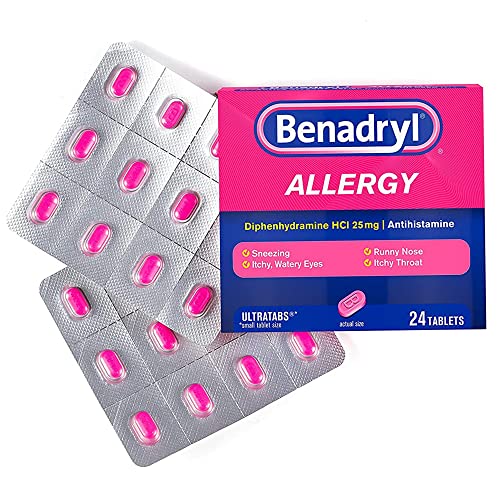
Diphenhydramine is the classic first-generation antihistamine, and it remains the gold standard for acute, severe allergic reactions including those triggered by hair dye. This 24-tablet box is a good entry point for someone testing their sensitivity or needing a small supply for emergency use. When a hair dye allergy causes hives beyond the hairline, facial swelling, or systemic itching, an oral antihistamine like this is the appropriate intervention.
The major trade-off with diphenhydramine is sedation. Many users report significant drowsiness, which can be beneficial for nighttime relief but problematic if taken during the day. The 25 mg dose is standard for adults and children over 6, but for a severe scalp reaction, you may need to combine it with a topical anti-itch cream for best results. This box is a no-frills, low-commitment option to keep in your medicine cabinet.
Because it treats the systemic histamine response, it is the correct choice when the reaction is not just localized to the scalp. However, it will not stop the immediate chemical burn sensation during the dye application—that requires a preventative like POWERTOOLS STB.
Why it’s great
- Fast-acting systemic relief for hives and widespread itching
- Trusted, well-researched active ingredient at a standard dose
- Small box is ideal for trying or keeping on hand for emergencies
Good to know
- Causes significant drowsiness in most users
- Does not provide localized relief for a burning scalp
- Only 24 tablets per box—frequent users should buy a larger size
4. Aquanil HC Lotion
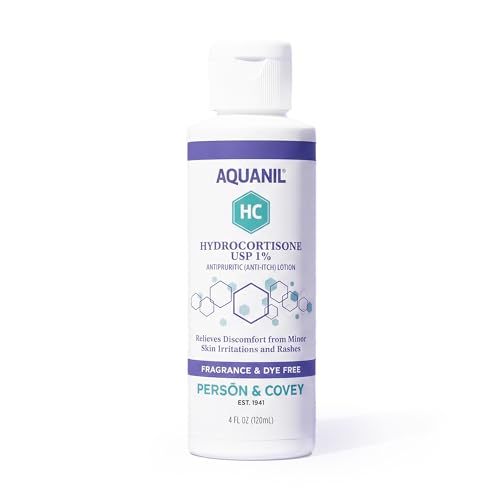
Aquanil HC delivers 1% micronized hydrocortisone, a corticosteroid that directly targets the inflammation component of contact dermatitis. For a hair dye allergy that results in a red, swollen, and itchy scalp, this is the active ingredient that will reduce the swelling and redness, whereas a simple analgesic or antihistamine only masks the itch. The formulation is lipid-free, fragrance-free, and non-comedogenic, making it an excellent choice for sensitive skin that reacts poorly to added chemicals.
Dermatologist recommendations back this product for good reason: hydrocortisone is the standard clinical treatment for mild to moderate contact dermatitis. The lotion texture is lighter than a thick cream, spreading easily over the scalp without leaving a greasy residue. It is not a preventative and should not be applied to broken skin or open blisters, but for the red, itchy welts that appear after dyeing, it is highly effective.
The 4-ounce bottle is small, but a little goes a long way, especially when applied only to affected areas up to four times per day. It is the best option for those whose primary symptom is inflammation rather than just the sensation of itching.
Why it’s great
- Hydrocortisone reduces the inflammation driving the rash and swelling
- Dermatologist-recommended, fragrance-free, and hypoallergenic
- Non-greasy formula suitable for application under hair
Good to know
- Not an antihistamine; it does not block histamine receptors
- Should not be used on broken or blistered skin from severe burns
- Cost per ounce is higher than generic cortisone creams
5. Zyrtec Allergy 24-Hour 10 mg Tablets
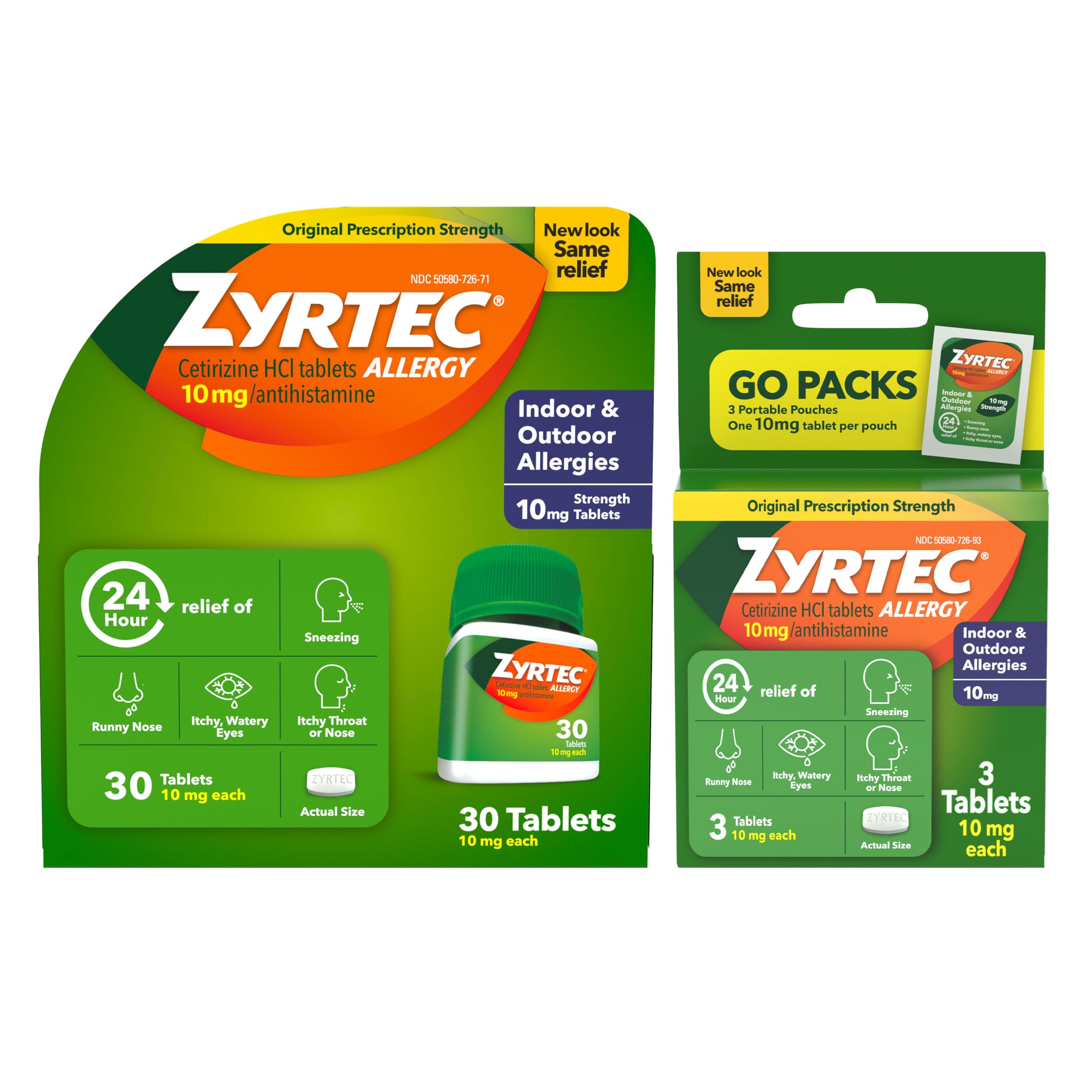
Cetirizine, the active in Zyrtec, is a second-generation antihistamine that offers 24-hour relief without the heavy sedation associated with diphenhydramine. For someone who dyes their hair regularly and experiences a low-grade, chronic allergic reaction (persistent itching, mild hives, sneezing), a once-daily oral tablet provides a baseline of protection. This bundle includes a 30-count bottle plus three single-dose packs, making it easy to keep a dose in your purse.
While Zyrtec starts working at hour one, it is not fast enough to counter an acute burn happening during a dye session. Its strength lies in managing the after-effects and preventing the reaction from escalating over the next day. Users appreciate the non-drowsy profile, which allows them to function normally while controlling allergy symptoms. It is HSA/FSA eligible, adding to its appeal as a long-term management tool.
For those whose hair dye allergy manifests as hives or facial swelling hours after the application, this is a better choice than Benadryl for daytime use. It provides consistent coverage that lasts through the worst of the post-dye inflammatory period.
Why it’s great
- Non-drowsy, 24-hour relief suitable for daily use
- Effective for systemic symptoms like hives and itchy eyes
- Bundle includes travel packs for on-the-go access
Good to know
- Not fast enough for immediate relief during a dye reaction
- May not be strong enough for a severe, acute allergic response
- Requires daily adherence for maximum prophylactic effect
6. Benadryl Allergy ULTRATAB
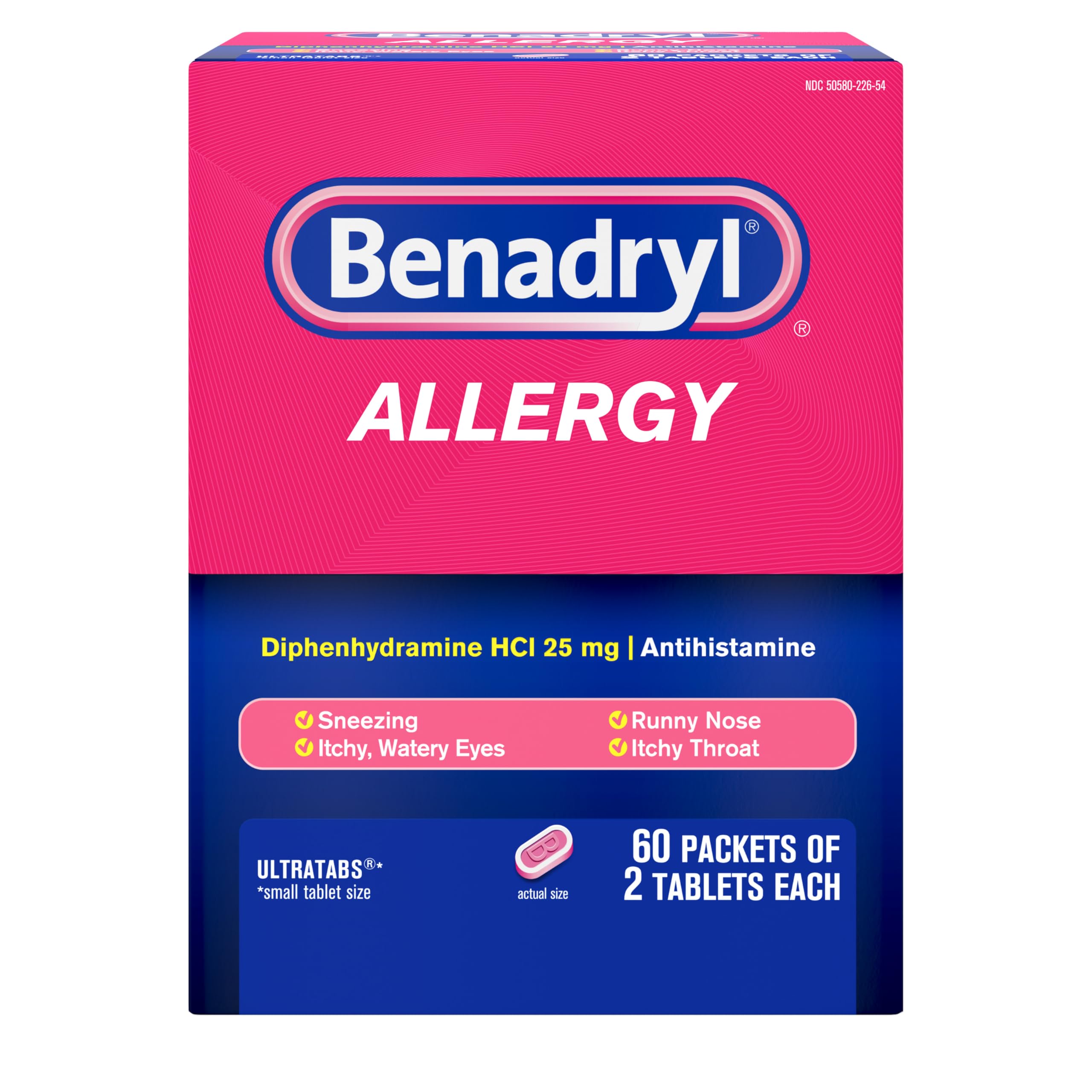
This is a high-volume, travel-oriented format of the classic Benadryl 25 mg tablet. The dispenser contains 60 individually sealed packets, each holding two tablets, for a total of 120 tablets. The packaging is the standout feature here: you can stash a two-tablet pack in a car glovebox, gym bag, or desk drawer, ensuring you always have a dose available if a delayed allergic reaction to hair dye strikes when you’re away from home.
The convenience factor is significant for anyone with a known severe PPD or hair dye allergy who needs to be prepared for accidental exposure. The individual packets also help with dosage control—you can easily track exactly how many you’ve taken. As with all diphenhydramine products, drowsiness is a major consideration, so the travel-friendly format is best used for emergency situations where getting rest is acceptable.
This is not a budget-friendly option per tablet compared to a bulk bottle, but the packaging utility justifies the premium for the right user. Keep one in your salon bag or at your stylist’s station for peace of mind.
Why it’s great
- Individually sealed packets for portable, emergency preparedness
- Large 120-tablet supply lasts for many potential reactions
- Dual-tablet packs allow for flexible dosing (50 mg total per pack)
Good to know
- Significantly more expensive per dose than a standard bottle
- Contains diphenhydramine; causes strong drowsiness
- Not a preventative—treats reaction after it begins
7. Claritin 10 mg Non-Drowsy Tablets

Claritin uses loratadine, another second-generation antihistamine similar to cetirizine but often with an even lower incidence of sedation. The 100-tablet bottle provides over three months of 24-hour allergy protection, making it the most economical long-term option for someone who needs daily antihistamine cover. For seasonal allergy sufferers who also happen to dye their hair, this serves dual duty.
In the context of hair dye allergy, Claritin is well-suited for managing mild, persistent symptoms like an itchy scalp or mild hives that linger for days. It is not the right choice for an acute, severe reaction where the strong sedative effect of diphenhydramine might be preferred for calming the body’s extreme response. The non-drowsy profile is a clear advantage for daytime use, allowing you to continue your normal routine while your body recovers from the chemical exposure.
As a #1 doctor-recommended non-drowsy brand, Claritin offers a solid baseline protection layer. Users who combine a daily loratadine tablet with a topical preventative like POWERTOOLS STB during the actual dyeing process report the most comprehensive control over their allergy symptoms.
Why it’s great
- Non-drowsy, 24-hour formula is ideal for daily use
- 100-count bottle offers the best per-dose value in the list
- Doctor-recommended brand for mild to moderate systemic allergies
Good to know
- Loratadine is a milder antihistamine; may not stop severe scalp reactions
- Does not provide immediate relief for an acute allergic event
- Not a substitute for topical anti-itch creams on the scalp itself
FAQ
Can I take Benadryl before dyeing my hair to prevent a reaction?
Will Zyrtec or Claritin stop the scalp itch from hair dye?
Final Thoughts: The Verdict
For most users, the antihistamine for hair dye allergy winner is the Caladryl Clear Anti-Itch Lotion because it delivers fast, localized relief for the oozing, itchy rash that defines a contact dermatitis reaction without the mess of traditional calamine. If you want to prevent the burn during dyeing, grab the POWERTOOLS STB. And for a systemic reaction with hives or facial swelling, nothing beats the Benadryl 25 mg tablets.