
Our readers keep the lights on and the weekend projects moving. As an Amazon Associate, I earn from qualifying purchases.
A single wasp sting can turn a peaceful afternoon into a throbbing, swollen ordeal. The key to stopping the histamine cascade and knocking down the pain, redness, and relentless itching lies in choosing the right active ingredient and delivery format the moment you hear that buzz.
I’m Rikta — the co-founder and writer behind FitlyFast. I’ve spent countless hours analyzing the molecular profiles, onset-of-action data, and real-world user reports for over-the-counter antihistamines to identify which formulations truly work when a sting sends your immune system into overdrive.
Whether you need a classic sedating tablet for a serious reaction or a modern non-drowsy option for daytime mishaps, this guide is built to help you pick the correct antihistamine for wasp sting relief without the guesswork.
How To Choose The Best Antihistamine For Wasp Sting
When a wasp stings, your body releases histamine, causing localized swelling, redness, heat, and that maddening itch. The right antihistamine stops this reaction at the receptor level. Your choice depends on how fast you need relief, whether you can afford drowsiness, and whether the sting site needs direct topical attention.
First Versus Second Generation: The Sedation Trade-Off
First-generation antihistamines like diphenhydramine (Benadryl) cross the blood-brain barrier, providing potent anti-itch effects but also heavy sedation. For nighttime stings or severe reactions, this is often the preferred weapon. Second-generation options like cetirizine (Zyrtec) and loratadine (Claritin) are non-drowsy for most adults, making them safer for daytime use, though their onset of action can be slightly slower and they may not match the raw histamine-blocking power for acute venom reactions.
Onset Time: Minutes Matter
Oral tablets take roughly 30 to 60 minutes to peak in the bloodstream. Orally disintegrating tablets (ODTs) dissolve on the tongue and can be absorbed faster because they bypass the need to swallow a solid pill. Topical creams work directly at the sting site within minutes. For a wasp sting, the ideal protocol often combines a topical cream for immediate zone relief followed by an oral pill to suppress the broader systemic histamine response.
Dose Strength and Frequency
Standard adult doses are 25 mg of diphenhydramine every 4 to 6 hours or 10 mg of cetirizine or loratadine once daily. Higher doses (50 mg of diphenhydramine) are sometimes used for severe reactions but always check the label first. Children 6 and older can use 5 mg of cetirizine or loratadine, and diphenhydramine should be dosed by weight — typically 1 mg per kilogram. Never exceed the labeled daily maximum.
Quick Comparison
On smaller screens, swipe sideways to see the full table.
| Model | Category | Best For | Key Spec | Amazon |
|---|---|---|---|---|
| GoodMeds Cetirizine 500 ct | Cetirizine 10 mg | High-volume daily allergy users | 500 tablets per bottle | Amazon |
| Benadryl Allergy Relief 24 ct | Diphenhydramine 25 mg | Acute sting reaction and nighttime use | 25 mg per tablet | Amazon |
| Claritin Loratadine 30 ct | Loratadine 10 mg | Non-drowsy 24-hour systemic relief | 10 mg loratadine | Amazon |
| Zyrtec Hives Relief 30 ct | Cetirizine 10 mg | Itch reduction from hives and stings | Works in under 45 minutes | Amazon |
| Zax’s Original Anti-Itch Cream | Topical Cream | Direct sting-site relief at home | Colloidal oatmeal + tea tree oil | Amazon |
| Alavert ODT 60 ct | ODT Loratadine 10 mg | Fast absorption without water | Orally disintegrating tablet | Amazon |
| Benadryl Ultratabs Go Packs | Diphenhydramine 25 mg | Portable sting emergency kit | 120 tablets in single-use packets | Amazon |
In‑Depth Reviews
1. Benadryl Allergy Relief 25 mg (24 ct)
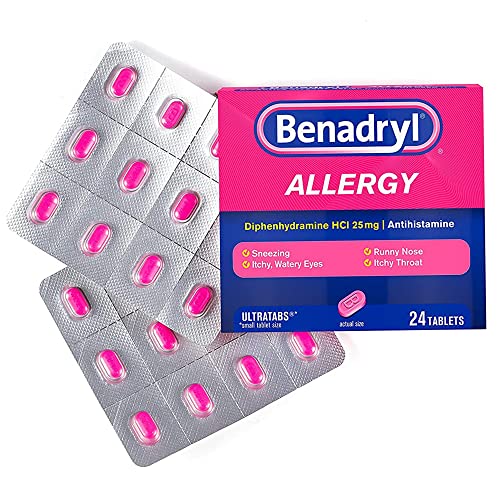
For immediate, potent relief from a wasp sting that leaves you with a palm-sized welt, diphenhydramine is the gold standard. This Benadryl box delivers 25 mg per tablet, the classic adult dose that starts blocking histamine at H1 receptors within 30 minutes. Users consistently report it knocks down swelling, redness, and the urge to scratch more aggressively than second-generation pills. This is the tablet you want in your medicine cabinet when a sting happens near dusk or overnight because the sedating side effect actually helps you sleep through the recovery window.
Each box contains 24 tablets, making it a compact emergency stash. The active ingredient is identical to the branded versions, so you are getting the exact same molecular weapon against venom-induced histamine release. Customer reviews highlight its effectiveness for both humans and even veterinary use for dogs with allergic reactions — a testament to its broad histamine-blocking power. The 25 mg dosage is also the standard recommendation for acute urticaria from insect stings.
The biggest consideration is the drowsiness factor. Taking this during the day will impair your ability to drive or operate heavy machinery. If you need to function after being stung, you may want to pair this with a topical cream for the first hour while the tablet takes effect. For a single moderate-to-severe sting, this remains the most decisive oral option available.
Why it’s great
- 25 mg diphenhydramine provides the strongest antihistamine effect for acute reactions
- Reliable onset of action within 30 minutes for most adults
- Also functions as a sleep aid, useful for nighttime sting discomfort
Good to know
- Heavy drowsiness makes daytime use unsafe for driving
- Small 24-count box does not cover daily seasonal allergy users for long
2. Benadryl Ultratabs Go Packs (120 ct)
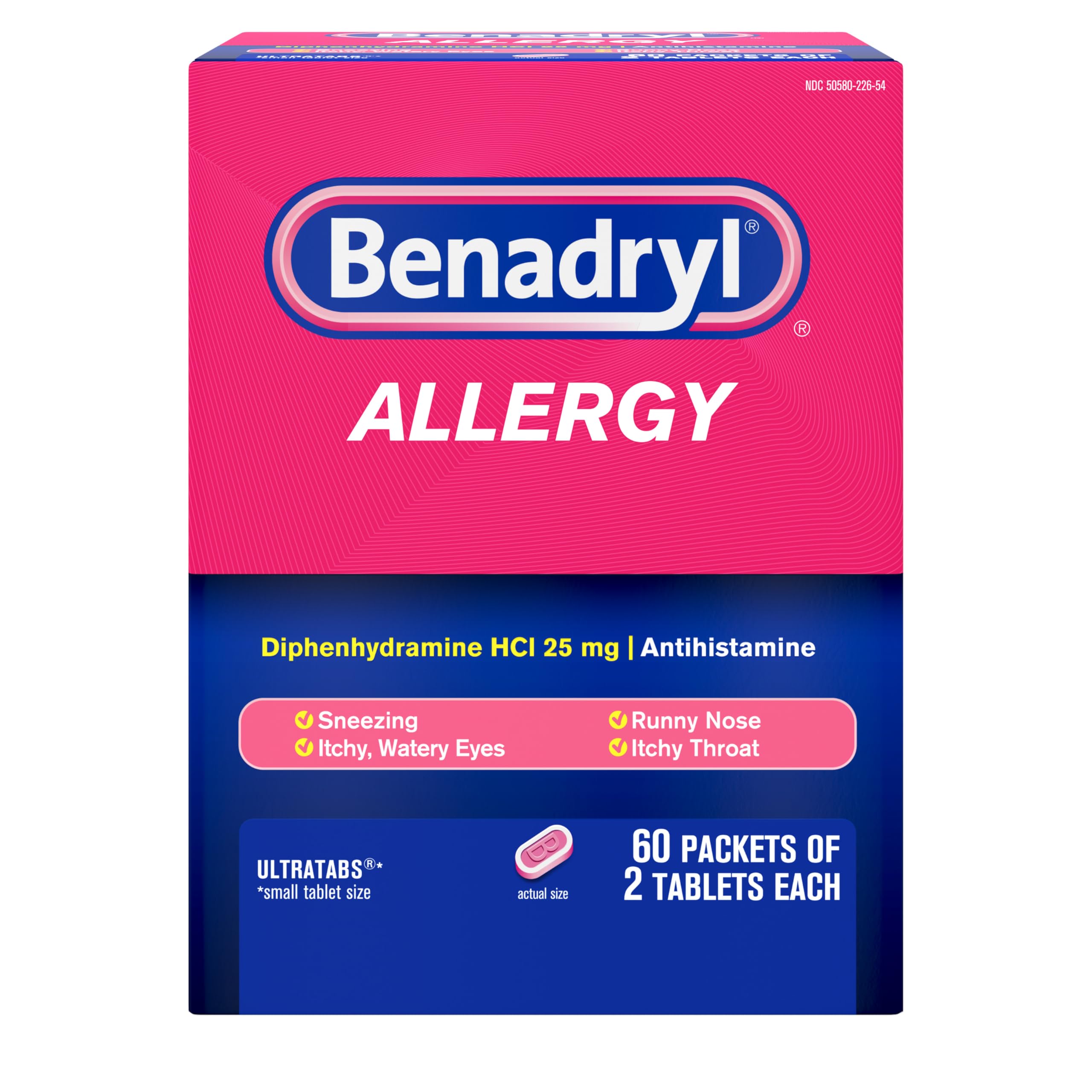
If you are the type who keeps an emergency kit in the car, backpack, or hiking daypack, these single-use foil packets are a logistical dream. Each packet contains 2 tablets of 25 mg diphenhydramine, giving you the exact dose needed for a standard adult sting reaction without having to count pills from a loose bottle. The 60-pack box provides 120 tablets total, which is a massive supply that can be split across multiple bags or shared with family members. Customers specifically praise the portability for outdoor activities where wasps are most likely to strike.
The tablets themselves are identical to the standard Benadryl tablets — 25 mg diphenhydramine HCl per tablet. The real value here is in the packaging format. The foil packets protect the tablets from moisture and crushing, keeping them viable for months inside a glove compartment or tent pocket. Many users specifically mention using them for unexpected allergic reactions during travel and camping, which is exactly the scenario a wasp sting creates.
On the downside, the per-tablet cost is higher than buying a bulk bottle of diphenhydramine. You are paying a premium for the convenience of the single-dose pouches. Also, because this is diphenhydramine, you still contend with the sedation effect. If you are stung while heading to a meeting or a long drive, you need a non-drowsy alternative alongside these in your kit.
Why it’s great
- Each sealed packet contains a ready-to-take adult dose
- Excellent for camping, hiking, and workplace emergency kits
- Large 120-tablet count provides long-lasting supply
Good to know
- More expensive per-dose compared to standard bottles
- Same heavy sedation as all diphenhydramine products
3. Zyrtec Hives Relief 30 ct
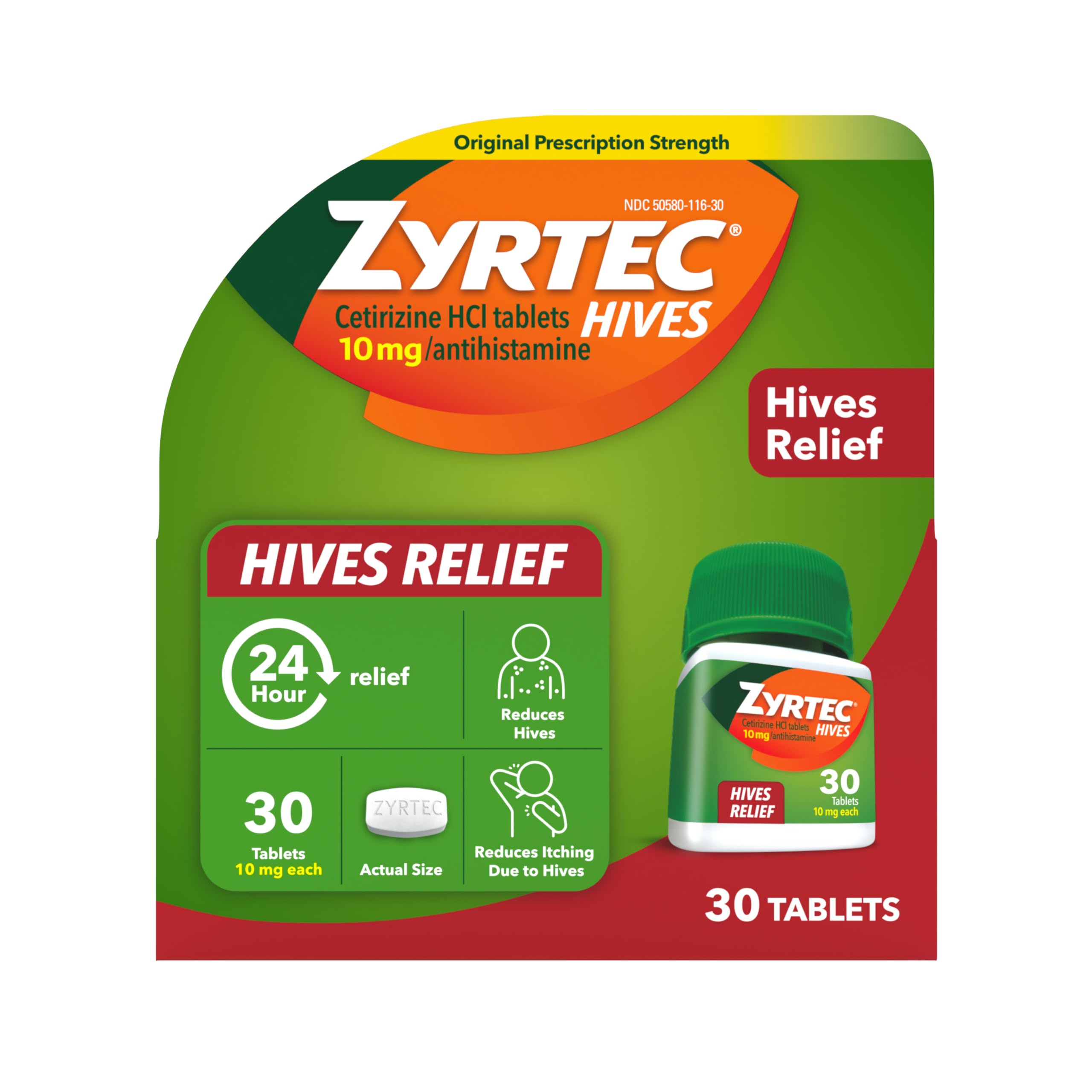
Cetirizine occupies a sweet spot in the antihistamine lineup — it is stronger than loratadine for many people yet still considered non-drowsy for the majority of users. Zyrtec’s Hives Relief formula is specifically labeled for reducing itching due to hives and urticaria, which mirrors the skin-level histamine eruption from a wasp sting. The manufacturer claims it starts working in under 45 minutes, and real-world user reports suggest itching subsides within 20 minutes for some individuals. This tablet is ideal for the day after a sting when residual swelling and itch persist but you cannot afford to be sedated.
Each 10 mg cetirizine tablet provides 24-hour coverage, so a single dose in the morning can suppress the delayed histamine response that often peaks 24 to 48 hours after envenomation. The 30-count bottle makes it easy to keep a dedicated supply specifically for sting and hive episodes rather than using it for seasonal allergies. Multiple customer reviews mention it worked when steroids failed for severe hives, which indicates cetirizine’s potency at the histamine receptor level.
About 10 to 15 percent of users report some drowsiness with cetirizine, though it is significantly less than diphenhydramine. If you are one of those sensitive individuals, consider starting with a 5 mg dose for mild sting reactions. Also, this product is formulated specifically for hives relief, not for anaphylaxis — any signs of breathing difficulty after a sting require epinephrine, not oral antihistamines.
Why it’s great
- 24-hour non-drowsy formula ideal for daytime sting recovery
- Specifically labeled for hives and itching from skin reactions
- Faster onset than loratadine for many individuals
Good to know
- Mild drowsiness still possible in sensitive users
- Cannot replace epinephrine for severe allergic reactions
4. Claritin Loratadine 30 ct + 1 ct travel pack

Loratadine is the gentlest of the major antihistamines. Its primary advantage is a near-zero sedation profile — clinical data shows it causes drowsiness at a rate indistinguishable from a placebo. For a wasp sting that happens while you are heading to work, driving, or caring for children, Claritin is the safest oral option. The 10 mg tablet does not cross the blood-brain barrier effectively, so it blocks peripheral histamine receptors without slowing your central nervous system. The box includes 30 tablets plus a single bonus travel dose.
The trade-off with loratadine is that its onset of action is slower — typically 1 to 3 hours — and its molecular affinity for the H1 receptor is weaker than cetirizine or diphenhydramine. For a mild sting with only localized redness and no significant swelling, this is often enough. Many allergists recommend Claritin as a first-line daily medication for environmental allergies precisely because of its safety margin. If you are stung and have no prior history of severe reactions, this is a reasonable first grab.
Crucially, because loratadine takes longer to reach peak plasma concentration, you should not rely on it as the sole treatment for a rapidly swelling sting. In those scenarios, a topical cream applied immediately can bridge the gap while the tablet kicks in. Users in the reviews emphasize that Claritin has no aftertaste, is easy to swallow due to its small size, and causes no side effects — characteristics that matter when your adrenaline is already up from the sting.
Why it’s great
- Clinically non-drowsy, safe for driving and daytime activities
- #1 doctor-recommended oral non-drowsy brand
- Small, tasteless pill is easy to swallow
Good to know
- Slow onset of up to 3 hours is not ideal for acute sting treatment
- Milder histamine blockade may be insufficient for significant swelling
5. Zax’s Original Bug Bite & Anti-Itch Cream

For immediate topical relief right at the sting site, Zax’s Original combines colloidal oatmeal, tea tree oil, witch hazel, and menthol. Colloidal oatmeal forms a protective physical barrier that soothes inflammation, while tea tree oil and witch hazel provide natural astringent properties that may reduce swelling. Menthol creates a mild cooling sensation that distracts from the itch signal traveling from the sting to your brain. This cream is paraben-free and uses generally gentle ingredients suitable for sensitive skin.
The real-world application for a wasp sting is straightforward: apply a dime-sized amount directly to the red, raised area within minutes of the sting. Users report that the itch stops almost immediately and the visible inflammation calms down within a day or two. The cream is thick and stays in place, unlike runny lotions that slide off. Because it is not an oral antihistamine, it can be used alongside any OTC tablet as a complementary treatment. It is also effective for other insect bites, poison ivy, and minor rashes.
The main limitation is that topical creams only treat the local reaction at the site of the sting. A wasp sting triggers a systemic histamine release, so a cream cannot stop generalized itching or hives that appear elsewhere on the body. Additionally, the tea tree oil smell is noticeable and may not appeal to everyone. The 28-gram tube is relatively small — frequent summer reapplication may deplete it quickly.
Why it’s great
- Immediate localized relief for the sting site with natural ingredients
- Paraben-free formula suitable for sensitive skin
- Can be used safely alongside any oral antihistamine
Good to know
- Does not treat systemic histamine reactions beyond the application site
- Noticeable tea tree oil scent
6. GoodMeds Cetirizine 500 ct
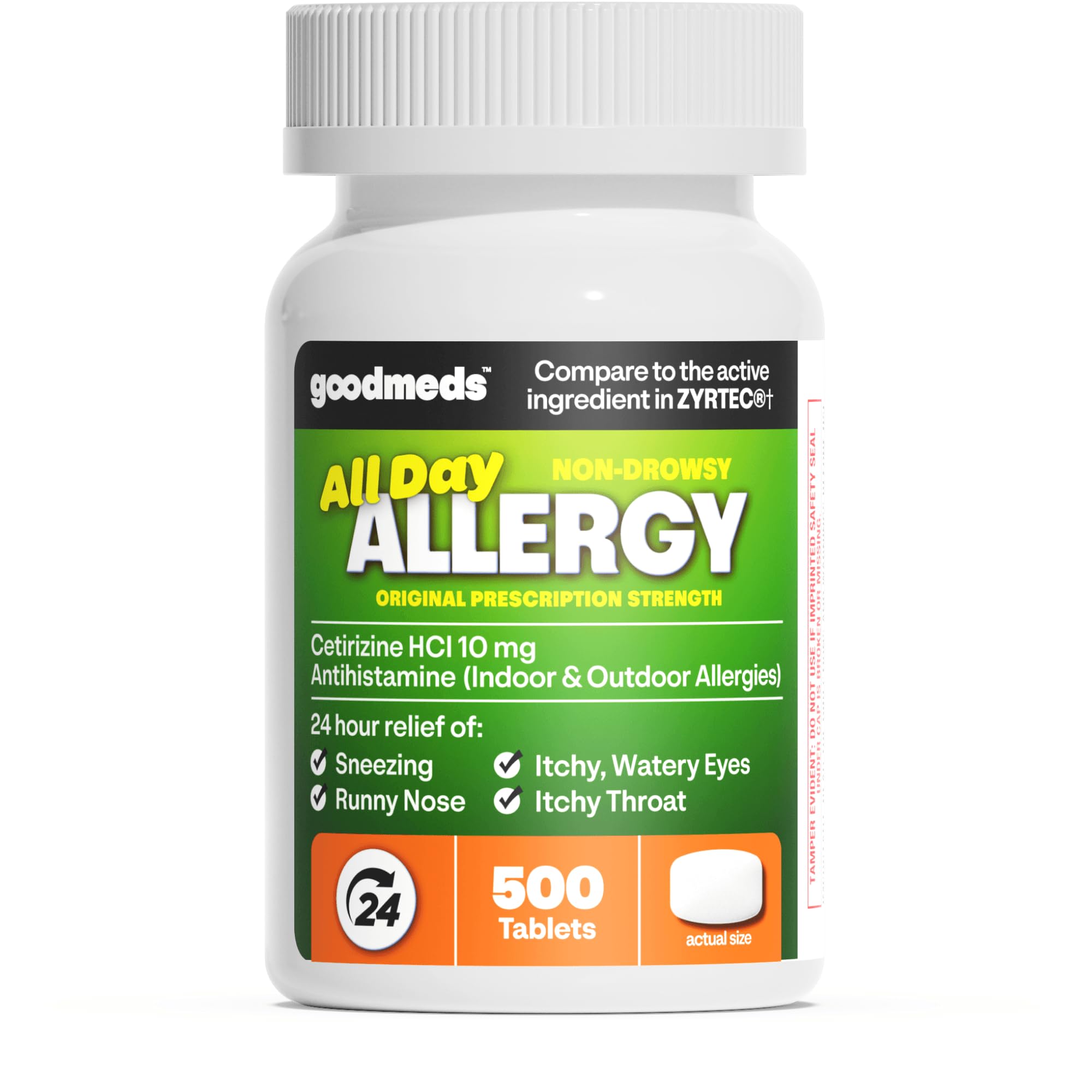
GoodMeds offers the same 10 mg cetirizine HCl found in Zyrtec but in a massive 500-tablet bottle. Each tablet is identical in molecular composition to the branded version, confirmed by numerous customer reviews stating it works the same as Zyrtec for a fraction of the per-dose cost. One user even uses it for horses with allergies, underscoring its purity.
The benefit for wasp sting preparedness is that you never have to ration your antihistamine supply. You can keep a few tablets in your bag, a bottle at home, and another at the office without worrying about running out. Cetirizine at 10 mg is the standard adult dose for acute allergic skin reactions, and because it provides 24-hour coverage, a single morning dose protects you for the rest of the day. Non-drowsy for the vast majority of adults, it allows you to continue your normal routine after a sting incident.
The bottles are bulk containers with a twist-off cap, not child-resistant. If you have toddlers in the house, you need to store this high up. Also, the 500-count is overkill if you rarely encounter stinging insects and do not suffer from seasonal allergies — the tablets will expire before you finish the bottle. But for dedicated users, this is the best value in the class.
Why it’s great
- 500 tablets offer the lowest per-dose cost for cetirizine
- Same active ingredient as Zyrtec at a fraction of the cost
- Non-drowsy 24-hour formula suitable for daytime sting recovery
Good to know
- Bulk bottle lacks child-resistant packaging
- Large quantity may expire before full use for low-frequency users
7. Alavert 24 Hour ODT 60 ct
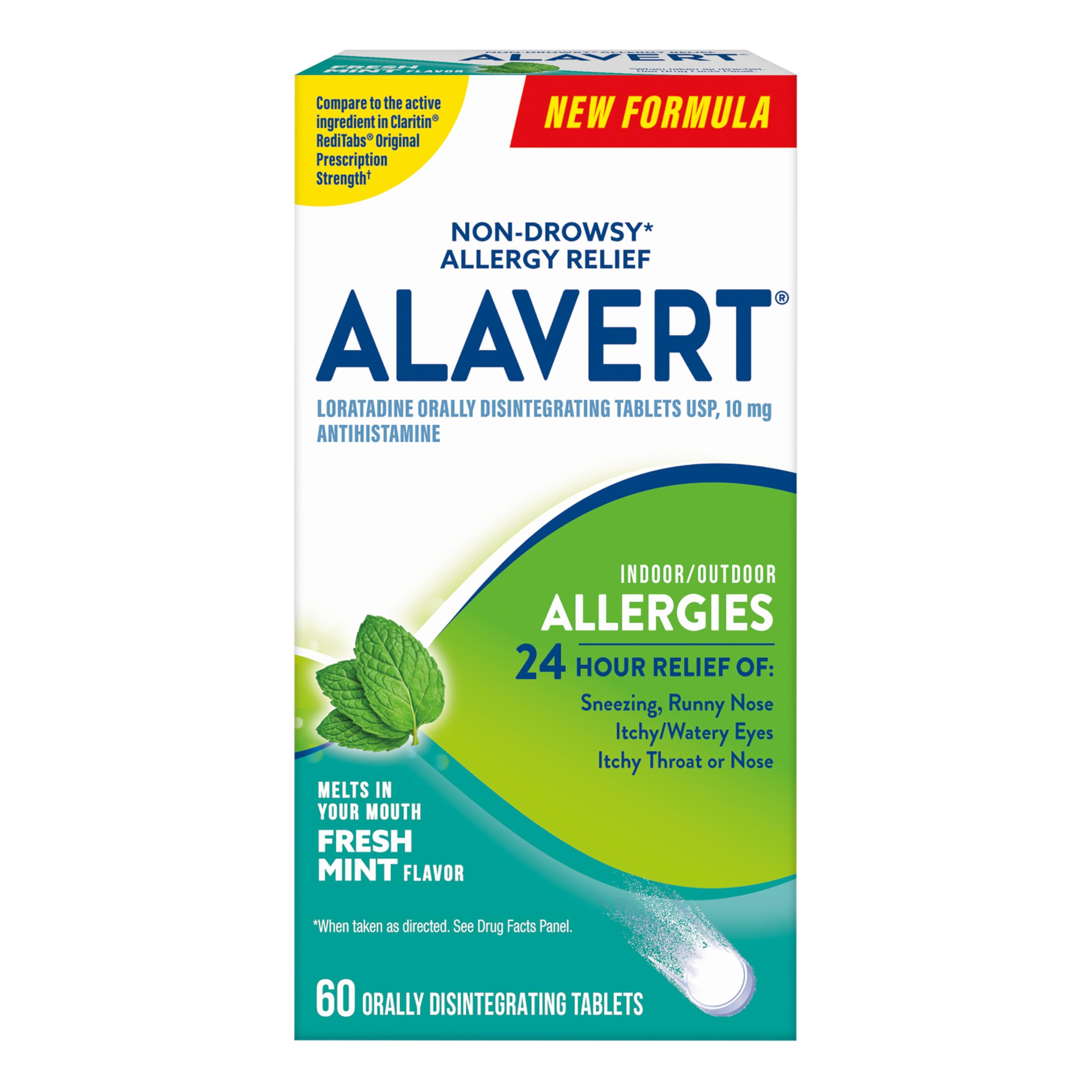
Alavert differentiates itself through delivery format: orally disintegrating tablets (ODTs) that dissolve on the tongue in seconds without water. Each tablet contains 10 mg of loratadine, the same non-drowsy active ingredient found in Claritin. The ODT format matters for wasp sting scenarios because when you are stung, your hands may be dirty, you may be outside without a water bottle, or your mouth may be dry from adrenaline. Placing this tablet on your tongue provides rapid sublingual absorption without needing to swallow a pill.
The fresh mint flavor makes the experience more pleasant than the chalky taste of some generics. Customer feedback consistently notes that Alavert works faster and feels more effective than standard Claritin tablets, even though the loratadine dose is identical. This is likely because the ODT format bypasses the gastric emptying delay and allows the drug to be absorbed through the oral mucosa. Users who find Claritin makes them groggy — an uncommon but documented side effect — report no such issue with Alavert.
The 60-count bottle provides two months of daily coverage. The main drawback is the higher per-tablet cost compared to generic loratadine tablets. Additionally, the ODTs are more fragile than hard tablets and can break inside the bottle if shaken excessively. Store the bottle in a stable, dry place. For sting relief, this is an excellent option if you need non-drowsy coverage and want the fastest possible onset from loratadine.
Why it’s great
- Orally disintegrating format works without water, ideal for outdoor use
- Faster absorption than standard tablets due to sublingual delivery
- Non-drowsy 24-hour relief with a pleasant mint taste
Good to know
- Higher per-dose cost than generic loratadine tablets
- Fragile tablets require careful storage away from pressure
FAQ
Can I take an antihistamine after a wasp sting if I have high blood pressure?
How soon should I take an antihistamine after being stung?
Should I use a topical cream or an oral pill for a wasp sting?
Can children take the same antihistamine as adults after a sting?
Is Benadryl or Zyrtec better for a wasp sting swelling?
Final Thoughts: The Verdict
For most users, the antihistamine for wasp sting winner is the Benadryl Allergy Relief 25 mg because diphenhydramine delivers the fastest, most reliable relief when swelling and itch peak. If you want non-drowsy 24-hour coverage for daytime recovery, grab the Zyrtec Hives Relief 30 ct. And for direct sting-site comfort using natural ingredients, nothing beats the Zax’s Original Anti-Itch Cream.