
Managing Mast Cell Activation Syndrome demands a strategic antihistamine approach, not a generic allergy fix. MCAS involves an overreactive immune response that triggers histamine release from multiple cell types, making standard dosing schedules and single-agent protocols often insufficient. A carefully curated stack that balances H1 and H2 blockade, mast cell stabilizers, and non-pharmaceutical supports is essential for symptom control.
I’m Rikta — the co-founder and writer behind FitlyFast. This guide is built on hours of cross-referencing pharmacokinetic data, excipient profiles, and real patient-reported outcomes to identify which antihistamine products meet the unique demands of MCAS.
Mast cell patients require consistent, multi-pathway coverage that addresses both sudden flares and baseline hyperreactivity. This review of the top-rated antihistamines delivers the actionable comparisons needed to build a reliable, personalized protocol for antihistamines for mcas.
How To Choose The Best Antihistamines For MCAS
Selecting an antihistamine for MCAS is different from picking one for hay fever. You need to consider the type of histamine receptor blocked, the excipient load that might trigger your mast cells, and the dosing flexibility required to manage a dynamic and often unpredictable condition. A single daily pill rarely provides adequate coverage for mast cell patients.
H1 Antihistamines: The First-Line Blockade
H1 antihistamines target the primary receptor responsible for many MCAS symptoms — itching, flushing, urticaria, and nasal congestion. Second-generation options like cetirizine, loratadine, and fexofenadine are preferred for their lower sedation profiles, but some MCAS patients find they need higher-than-standard doses or a rotation between agents to prevent tolerance. Others rely on first-generation diphenhydramine for acute flares requiring rapid, potent suppression.
Pairing with H2 Blockers and Stabilizers
An MCAS protocol is rarely complete with just an H1 blocker. H2 antihistamines (like famotidine) address the histamine receptors in the gastrointestinal tract, reducing acid secretion and abdominal pain. Mast cell stabilizers such as cromolyn sodium prevent degranulation before it starts. A combined approach — H1 + H2 + stabilizer — is the clinical standard for managing systemic mast cell activity.
Excipient and Dye Sensitivity
Mast cells react to more than allergens; they also degranulate in response to chemical additives, dyes, and filler ingredients. Many standard antihistamine tablets contain FD&C colors, lactose, or silicon dioxide that can trigger a flare. Dye-free, dye-free liquid gel, or dissolve-tablet formulations reduce this risk and are a safer choice for the chemically-sensitive MCAS population.
Quick Comparison
On smaller screens, swipe sideways to see the full table.
| Model | Category | Best For | Key Spec | Amazon |
|---|---|---|---|---|
| Camber Fexofenadine 180mg | Generic Allegra | Non-drowsy diurnal symptom control | 180 mg fexofenadine HCl | Amazon |
| Claritin Loratadine 10mg | Brand H1 Blocker | Consistent 24-hour baseline coverage | 10 mg loratadine | Amazon |
| Zyrtec Dissolve Tablets | ODT H1 Blocker | Patients with pill swallowing difficulty | 10 mg cetirizine ODT | Amazon |
| HealthCareAisle Cetirizine 10mg | Bulk Generic | Cost-effective high-volume dosing | 10 mg cetirizine, 500 count | Amazon |
| NasalCrom Nasal Spray | Mast Cell Stabilizer | Preventative nasal symptom control | 5.2 mg cromolyn sodium/spray | Amazon |
| Histamine Shield Plus for Kids | Natural Supplement | Pediatric adjunct support | Quercetin + Bromelain + Vit C | Amazon |
| Benadryl Liqui-Gels | First-Gen H1 | Acute flare rescue | 25 mg diphenhydramine | Amazon |
In‑Depth Reviews
1. Camber Consumer Care Fexofenadine HCl 180mg

Fexofenadine is the most peripherally-selective second-generation antihistamine available, meaning it causes less sedation than cetirizine or loratadine for most patients. At 180 mg, this generic Camber tablet matches Allegra’s dosing for 24-hour H1 blockade, making it an excellent daytime choice for MCAS patients who need symptom control without cognitive drag. The tablet is uncoated and free of common dye allergens, though it does contain lactose.
MCAS patients often report that fexofenadine works best when taken on an empty stomach, as food can reduce its absorption by nearly 50 percent. This product delivers a clean active ingredient profile and a very low excipient count, reducing the chance of a filler-provoked mast cell degranulation. For those who tolerate lactose, it is a reliable, budget-friendly workhorse for daily H1 coverage.
Customer feedback consistently highlights that this 180 mg tablet delivers equal efficacy to the brand name at a fraction of the cost, and many long-term users report steady control over years of use. The 30-count package is a reasonable starter size for evaluating tolerance before committing to a larger bottle.
Why it’s great
- Non-sedating profile suitable for daytime use
- Minimal excipient list reduces flare risk
- Matches brand-name Allegra potency at a lower cost
Good to know
- Contains lactose as a filler
- Absorption drops significantly when taken with food
2. Claritin 24 Hour Loratadine 10mg

Loratadine is the least potent of the second-generation H1 blockers at standard doses, but its safety margin and low side-effect profile make it a strong candidate for MCAS patients who are sensitive to any medication whatsoever. Claritin’s 10 mg tablets are small, easy to swallow, and contain no artificial dyes — a critical advantage for mast cell patients who react to FD&C colors. The brand has a long track record for consistent quality between batches.
Many MCAS specialists recommend loratadine as a starting H1 blocker because it rarely causes drowsiness or dry mouth, and it does not interact with CYP450 liver enzymes as significantly as some other antihistamines. For patients building a multi-drug protocol, this predictability is valuable. The 70-count bottle offers a full two-month supply at a mid-range price point.
Veteran users report that Claritin controls baseline symptoms like mild itching and post-nasal drip effectively when dosed daily, though some find they need to split the dose to 5 mg twice daily for more even coverage. Doctor reviews confirm its appropriateness for long-term daily use in chronic histamine conditions.
Why it’s great
- Dye-free formula reduces excipient risk
- Very low sedation profile
- Excellent safety record for long-term daily use
Good to know
- Standard 10 mg dose may be too mild for some MCAS patients
- Brand premium over generic loratadine options
3. Zyrtec Dye-Free Dissolve Tablets
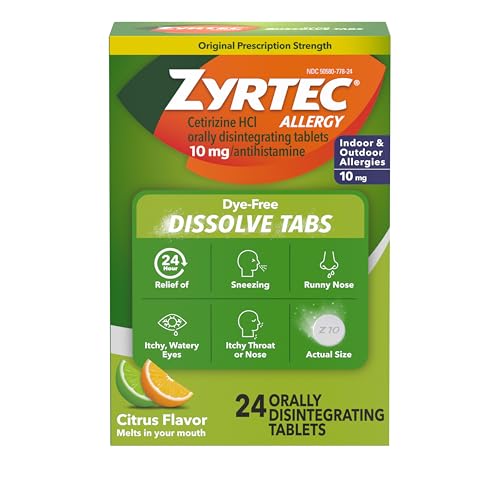
Cetirizine is a potent H1 blocker that starts working within one hour and maintains strong receptor occupancy through 24 hours, making it a favorite among MCAS patients who need reliable daily suppression. The orally disintegrating tablet (ODT) format eliminates the need to swallow a pill, which is a genuine advantage for patients with esophageal reactivity or pill-induced nausea — both common in mast cell populations. This version is dye-free and citrus-flavored, though the flavor may not appeal to everyone.
For MCAS patients who follow a low-histamine diet, the dissolve tablet avoids gelatin and silicon dioxide carriers that sometimes trigger reactions in standard tablets. Zyrtec’s cetirizine is the most studied antihistamine in the context of MCAS and is often dosed at twice the standard frequency — 10 mg every 12 hours — to achieve continuous blockade. The 24-count pack allows for a low-investment trial period to assess tolerance.
Clinical reports note that cetirizine produces mild sedation in a subset of users, but the dye-free ODT format minimizes excipient variables, making it easier to isolate the drug’s effect. For patients who struggle with traditional pills, this is a clear functional advantage.
Why it’s great
- ODT format bypasses pill-swallowing issues
- Dye-free and low-filler formulation
- Potent H1 blockade for stronger symptom control
Good to know
- Citrus flavor may leave an aftertaste
- May cause drowsiness in some patients
4. HealthCareAisle Cetirizine 10mg — 500 Count

Cetirizine is widely used off-label for MCAS at doses of 10 to 20 mg per day, often split into morning and evening doses for round-the-clock coverage. This 500-tablet bottle from HealthCareAisle provides the exact same active ingredient as branded Zyrtec at a dramatically lower per-unit cost, making it the most economical option for patients requiring long-term high-volume dosing. The tablets are uncoated, and the manufacturer is an FDA-registered facility, which is reassuring for quality control.
MCAS patients often need to titrate their antihistamine dose based on daily symptom fluctuations, and a large bottle removes the psychological stress of running out. The small, uncoated tablets are easy to split if a patient prefers 5 mg increments, though cetirizine tablets are not scored. The minimal excipient profile — just cetirizine HCl, microcrystalline cellulose, and magnesium stearate — keeps additional chemical triggers low.
Real-world MCAS users on the subreddit and forums specifically mention this product as their go-to for reliable, budget-conscious cetirizine. One reviewer notes using 10 mg every 12 hours with good symptom control. The value is unmatched for patients who have confirmed they tolerate cetirizine well.
Why it’s great
- Extremely low cost per dose for long-term use
- Minimal inactive ingredients
- Large supply reduces refill frequency
Good to know
- Not scored for easy splitting
- May cause drowsiness at higher doses
5. NasalCrom Nasal Spray
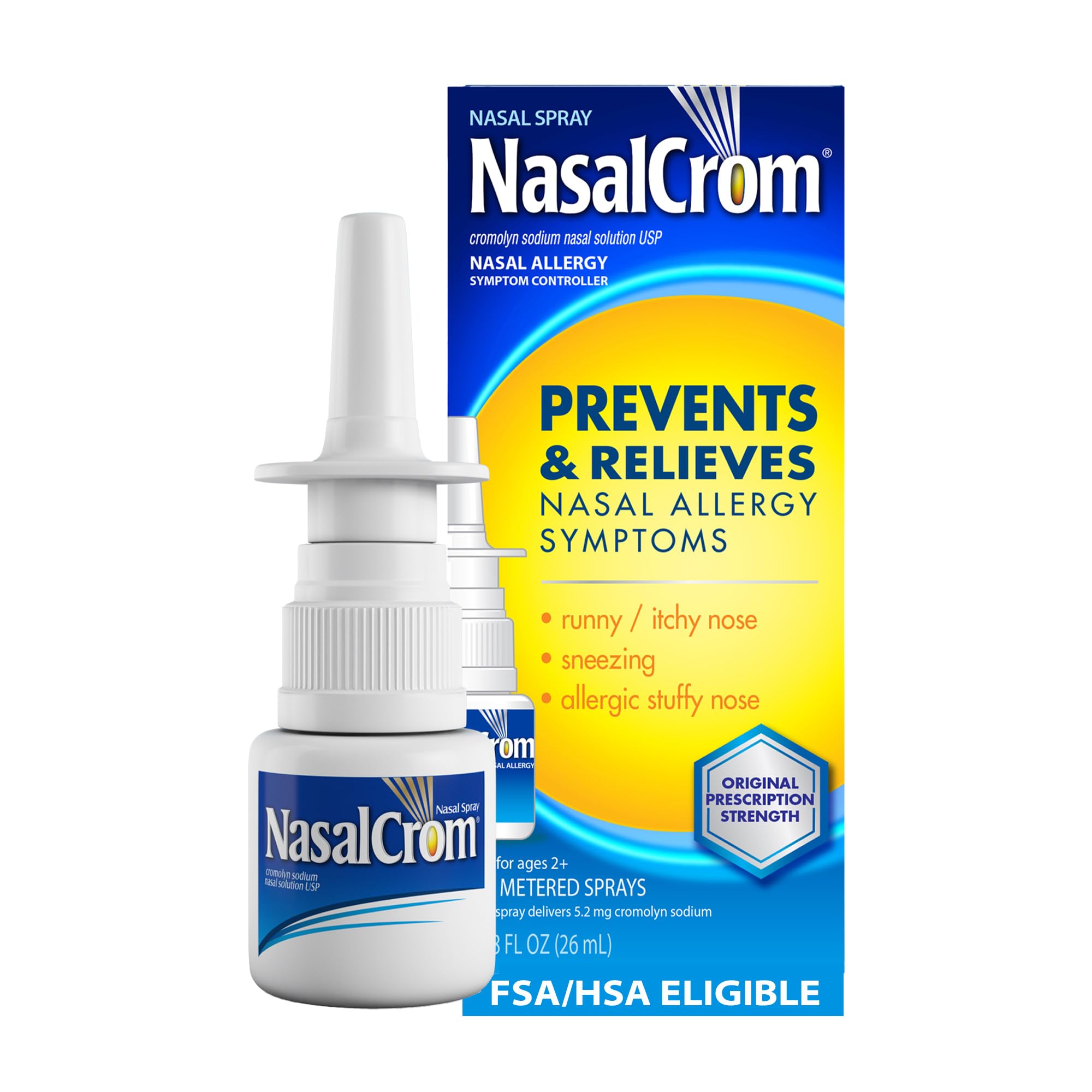
NasalCrom is not an antihistamine — it is a mast cell stabilizer that prevents the release of histamine and other mediators from mast cells in the nasal mucosa. For MCAS patients, this distinction is critical: rather than blocking histamine after release, it stops the degranulation process itself. The active ingredient is cromolyn sodium, which is the same drug used in compounded oral solutions for systemic mastocytosis. Each spray delivers 5.2 mg of cromolyn, providing a non-steroidal, non-sedating preventative option for nasal symptoms.
Unlike steroid sprays like Flonase, NasalCrom has no systemic absorption and can be used multiple times per day without risk of adrenal suppression. The initial dosing schedule requires 4 to 6 sprays per nostril daily for the first week, which is a high frequency, but the payoff is sustained symptom prevention once the medication builds up. It is safe for MCAS patients of all ages, including children as young as two. The 200-spray bottle lasts roughly one month at the loading dose and longer during maintenance.
Patient reports confirm rapid relief from sneezing fits, congestion, and itching within 20 minutes of use, with no rebound effect or jitters. For MCAS patients whose primary symptoms are nasal and respiratory, NasalCrom is an indispensable adjunct to oral antihistamines and is often the missing piece for those who feel H1 blockers alone are insufficient.
Why it’s great
- Prevents degranulation rather than just blocking histamine
- No steroids, no drowsiness, no jitters
- Safe for children and long-term daily use
Good to know
- Requires frequent initial dosing (4-6 times per day)
- Efficacy builds over 1-2 weeks
6. Histamine Shield Plus for Kids Chewable
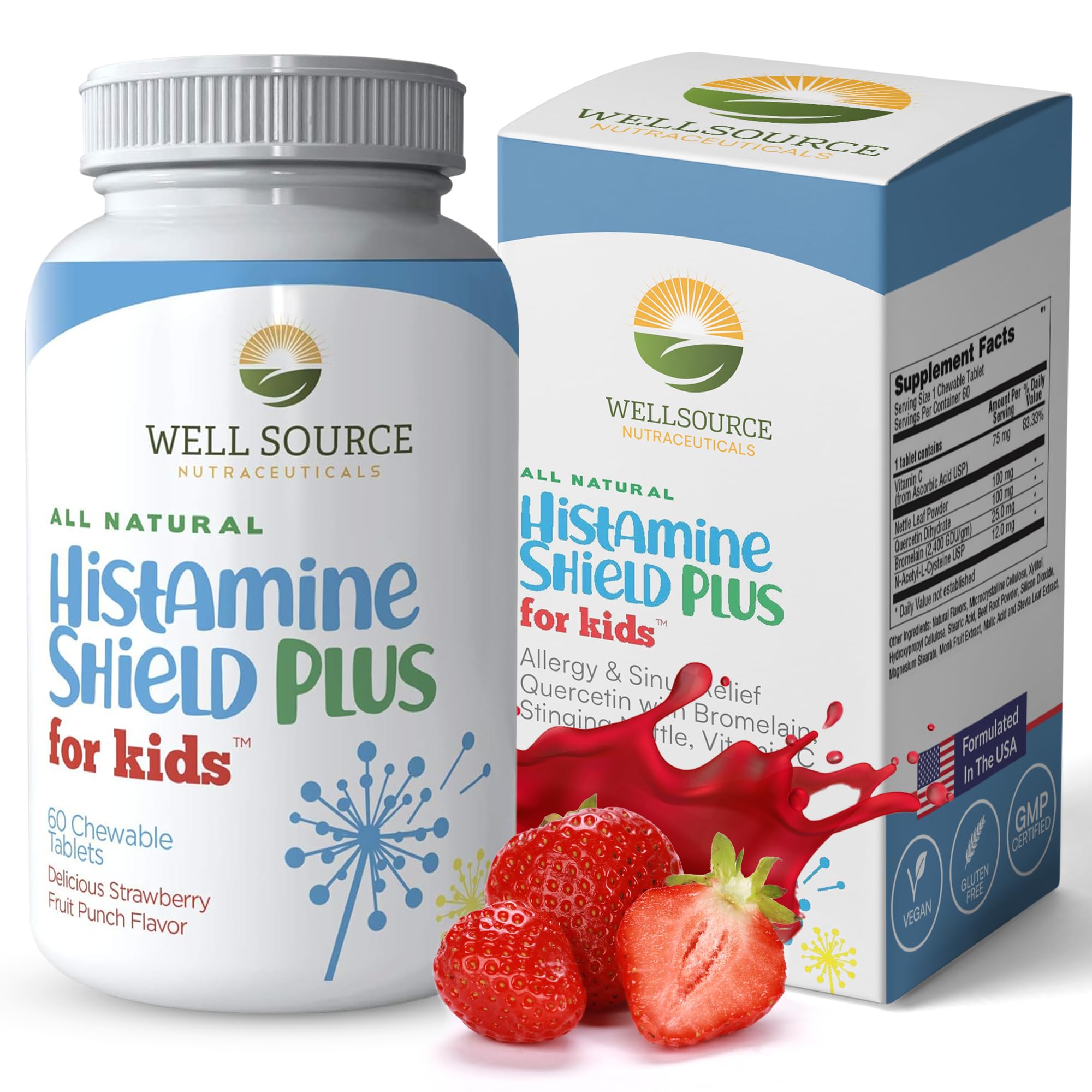
This chewable supplement uses a combination of quercetin, bromelain, and vitamin C to support a balanced histamine response, rather than blocking receptors directly. Quercetin is a bioflavonoid with well-documented mast cell stabilizing properties, and bromelain may enhance its absorption. This product is not an antihistamine drug but can serve as an adjunct in a pediatric MCAS protocol where parents prefer to minimize pharmaceutical load or where the child has not responded well to standard H1 blockers.
The strawberry fruit punch flavor is designed for child compliance, though some reviews note a bitter aftertaste that may lead to resistance from picky eaters. The chewable format is easy for young children, and the non-GMO, gluten-free, and dye-free profile aligns with the chemical-sensitivity considerations that often accompany MCAS. The strawberry fruit punch flavor is designed for child compliance, though some reviews note a bitter aftertaste that may lead to resistance from picky eaters.
Clinical feedback indicates that quercetin can take several weeks to show measurable effects on histamine symptoms, so this is not a rescue product — it is a daily support tool. For families who see improvement, it can reduce the frequency or severity of allergy flares and sinus infections in children with chronic mast cell reactivity.
Why it’s great
- Natural mast cell stabilizing ingredients
- Dye-free, non-GMO, and gluten-free
- Kid-friendly chewable format
Good to know
- Bitter aftertaste reported by some users
- Slow onset; not suitable for acute symptom relief
7. Benadryl Liqui-Gels Dye-Free Diphenhydramine

Diphenhydramine is a first-generation H1 antihistamine that crosses the blood-brain barrier readily, producing potent and rapid symptom relief along with significant sedation. For MCAS patients, Benadryl is a rescue medication for acute flares — anaphylactoid reactions, sudden severe hives, or angioedema — where speed of action outweighs the drowsiness. The liquid gel format delivers 25 mg in a quickly absorbed suspension, providing faster onset than standard tablets.
This pack includes four 24-count boxes, giving a total of 96 liquid gels. The dye-free formulation eliminates FD&C colors that can trigger mast cells in sensitive individuals, which is an important detail often missed in standard Benadryl tablets. However, first-generation antihistamines block muscarinic receptors as well, leading to dry mouth, urinary retention, and cognitive impairment — side effects that MCAS patients should plan for rather than discover during a flare.
MCAS guidelines generally recommend limiting diphenhydramine to acute rescue situations rather than daily use, as chronic first-generation H1 blockade can worsen cognition and disrupt sleep architecture. For its intended role — stop a reaction fast — Benadryl gelcaps remain the standard of care. Keep a box in your emergency kit, but do not rely on it as your primary daily H1 blocker.
Why it’s great
- Fast absorption for acute allergy rescue
- Dye-free formula reduces reaction risk
- Potent and reliable symptom suppression
Good to know
- Significant sedation limits daytime use
- Anticholinergic side effects (dry mouth, cognitive slowdown)
FAQ
Can I take two different H1 antihistamines together for MCAS?
Why does NasalCrom require multiple daily doses?
Are dye-free antihistamines necessary for MCAS?
Final Thoughts: The Verdict
For most users, the antihistamines for mcas winner is the Camber Fexofenadine 180mg because it offers potent non-drowsy H1 blockade with a minimal excipient profile, making it a safe and effective baseline for building a multi-drug protocol. If you want a dye-free, easy-to-swallow option for stronger symptom suppression, grab the Zyrtec Dissolve Tablets. And for preventative nasal support that tackles the root of degranulation, nothing beats the NasalCrom Nasal Spray.