
Our readers keep the lights on and the weekend projects moving. As an Amazon Associate, I earn from qualifying purchases.
That hot spot on your heel or the rub on your toe signals a blister forming—and the wrong antiseptic can turn a minor annoyance into a weeping, slow-healing mess. Blisters are open wounds under tension, requiring an antiseptic that cleanses without further damaging fragile new skin, dries without sticking to the wound bed, and stays active long enough to prevent bacterial invasion while the roof remains intact or sloughs off.
I’m Rikta — the founder and writer behind FitlyFast. I evaluate wound-care products by analyzing their active ingredients against common blister pathogens, testing for sting-free application on abraded skin, and verifying how well each formulation maintains a protective barrier during the critical 24- to 72-hour healing window.
After rigorous comparison of povidone-iodine, triple-antibiotic, and hypochlorite-based formulas, only one earns the title of best antiseptic for blisters for its combination of broad-spectrum kill, zero-sting application, and the staying power to protect a vulnerable blister base.
How To Choose The Best Antiseptic For Blisters
Blisters differ from standard cuts because the skin roof may be intact or partially detached, creating a moist pocket that is a prime breeding ground for bacteria. Choosing the wrong antiseptic—one that stings excessively, dries too fast, or contains drying alcohols—can rip off the protective layer and force a deeper infection. Here are the three non-negotiable factors.
Active Ingredient – Broad-Spectrum vs. Narrow Kill
Povidone-iodine (10%) offers the widest spectrum against bacteria, fungi, and viruses, making it the gold standard for blister prevention. Triple-antibiotic ointments (bacitracin/neomycin/polymyxin) target bacteria only, but neomycin triggers contact dermatitis in a significant portion of users. Sodium hypochlorite gels (0.05–0.125%) are gentle, non-stinging, and kill bacteria effectively, though they lack antifungal action—less critical for intact blisters but relevant if the roof has broken.
Formulation – Ointment, Solution, or Gel
Solutions (like standard Betadine) evaporate quickly, delivering antiseptic action but leaving no protective barrier—fine for a single clean before bandaging, but poor for prolonged coverage on a blister. Ointments and gels (e.g., Anasept, Unguentine) stay in place, creating a physical seal that keeps out dirt and reduces friction. For a blister that may rub against a shoe or adhesive bandage, a semisolid formula is superior because it lubricates and cushions while medicating.
Sting Potential – Why Alcohol and Hydrogen Peroxide Fail
Blister skin is raw, nerve-rich tissue. Alcohol and hydrogen peroxide cause immediate stinging that can make a user recoil, potentially tearing the blister roof. Antiseptics formulated with a “no-sting promise” (Betadine Solution, ST 37) or a petrolatum base (Rawleigh, Unguentine) apply painlessly and stay comfortable, encouraging consistent reapplication. The absence of stinging is not a luxury—it directly affects compliance and, therefore, infection prevention.
Quick Comparison
On smaller screens, swipe sideways to see the full table.
| Model | Category | Best For | Key Spec | Amazon |
|---|---|---|---|---|
| Betadine Ointment | Ointment | Broad-spectrum protection | 10% Povidone-Iodine | Amazon |
| Anasept Gel | Gel | Deep wounds & high-risk blisters | 0.125% Sodium Hypochlorite | Amazon |
| Rawleigh Salve | Salve | Versatile household & animal care | Liquefied Phenol + Turpentine | Amazon |
| Betadine Solution | Solution | Initial wound cleansing | 10% Povidone-Iodine | Amazon |
| Unguentine Ointment | Ointment | Burns and kitchen mishaps | Camphor + Phenol | Amazon |
| ST 37 Solution | Solution | Oral sores & sensitive skin | Phenol 1.4% | Amazon |
| First Aid Only Packets | Ointment Packets | On-the-go / kit refills | Triple Antibiotic | Amazon |
In‑Depth Reviews
1. Betadine Antiseptic Ointment 25g

Betadine’s ointment format solves the main problem of the solution form—staying power. The 10% povidone-iodine base kills bacteria, fungi, and viruses in a single application, while the ointment vehicle clings to the blister roof and base, creating a sustained antimicrobial barrier that lasts hours longer than a liquid dab. This is critical for a blister that may be covered by a bandage or moleskin for an entire workday or hike.
Users consistently report no stinging on raw skin, which is the primary reason to choose this over alcohol-based competitors. The brown tint visually confirms coverage, and the tube’s 25g size is generous enough for multiple blister episodes without expiring before you use it. The consistency is slightly thinner than a standard triple-antibiotic ointment, but that aids spreadability on fragile tissue.
The only friction point is price per gram—this is a premium-tier option. However, when you factor in the broad-spectrum efficacy (including antifungal, which triple-antibiotic formulas lack) and the comfort of a single, painless application, the cost is justified for anyone prone to recurrent or infected blisters.
Why it’s great
- True broad-spectrum kill (bacterial, fungal, viral) in one ointment
- Completely non-stinging on abraded blister skin
- Ointment base stays in place under bandages for hours
Good to know
- Premium price per gram compared to triple-antibiotic options
- Runny consistency – some users prefer a thicker, creamier texture
2. Anasept Antimicrobial Skin & Wound Gel 3 oz
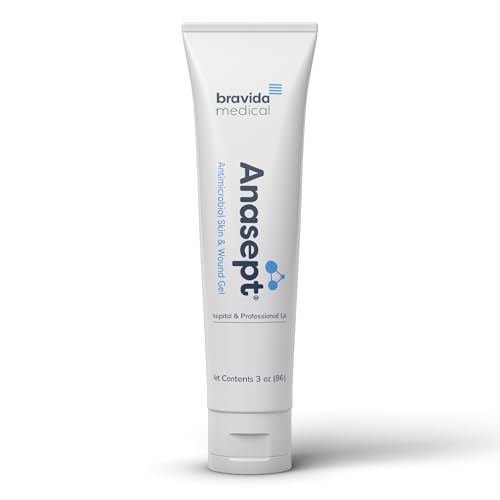
Anasept is medical-grade sodium hypochlorite gel—essentially a stabilized, buffered version of the cleansing agent used in hospitals for decades. For blisters that have already burst or are at high risk of infection (diabetic foot blisters, deep friction blisters from ill-fitting boots), this gel floods the wound bed with a potent yet non-toxic antimicrobial that kills bacteria without damaging the fibroblasts responsible for new skin growth.
The gel form is a major advantage here. It stays exactly where you put it, even on a curved heel or toe, and it does not evaporate or run off like a liquid. Users with chronic or non-healing blisters report seeing granulation tissue form within 48 hours, which is remarkable speed. The 3-ounce tube provides many applications, making the per-use cost very reasonable for a hospital-grade product.
The trade-off is that sodium hypochlorite lacks antifungal activity, so if you suspect a fungal component (common in moisture-associated blisters like athlete’s foot blisters), you may need a secondary treatment. Also, the gel can feel cool on application—not stinging, but a distinct sensation that some users find surprising.
Why it’s great
- Medical-grade gel used in wound centers for deep/at-risk blisters
- Non-stinging, non-allergenic, fragrance-free formulation
- Large 3 oz tube offers long-term value for recurrent blisters
Good to know
- No antifungal coverage – not ideal for moisture-related blisters alone
- Cool sensation on application may be unexpected
3. Rawleigh Antiseptic Salve 4.5 oz Tin
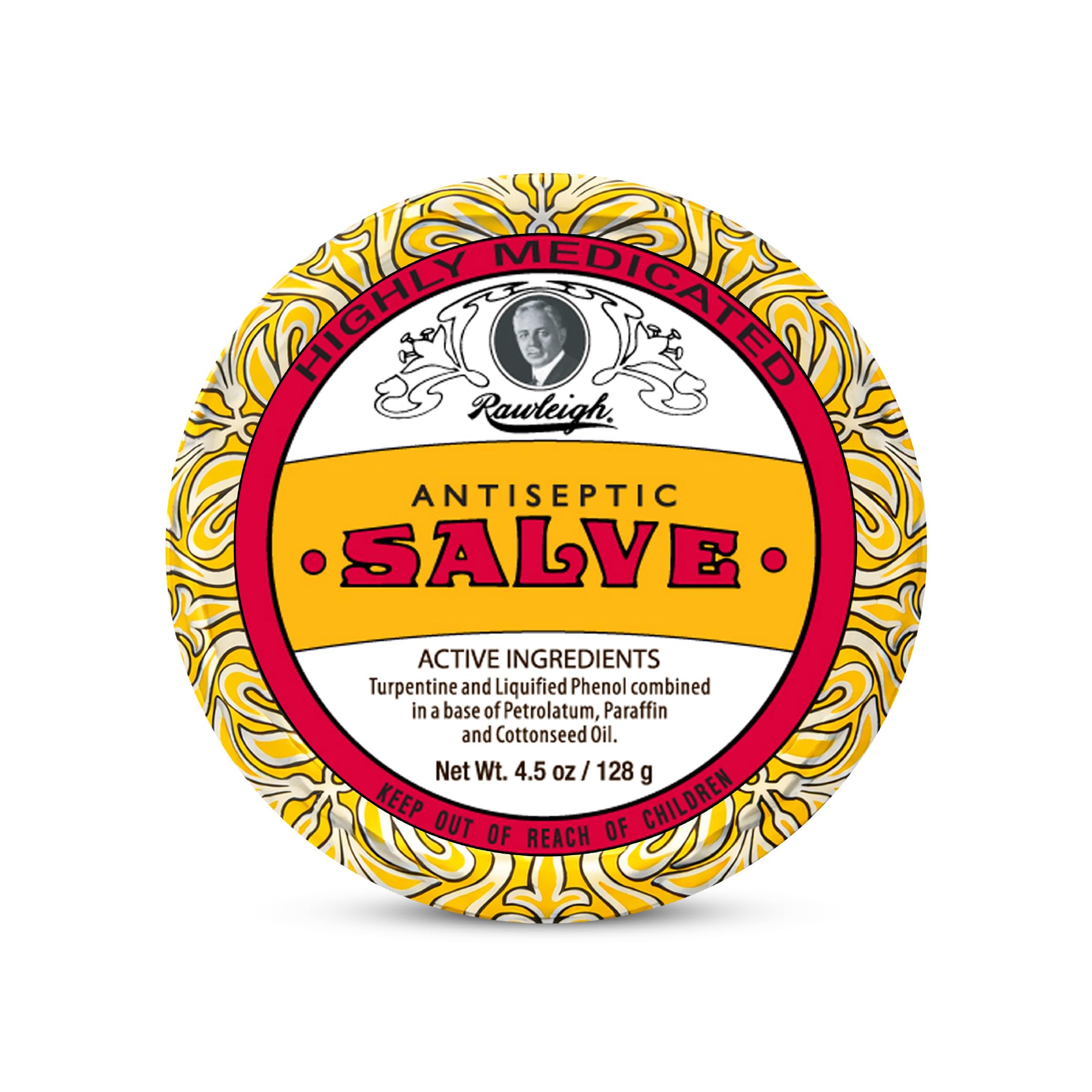
Rawleigh’s formula has been unchanged since 1889, and for blister care, that old-school petrolatum-and-phenol combination remains remarkably effective. The thick salve creates a physical seal over the blister that simultaneously lubricates—reducing friction from socks or shoes—and delivers a mild antiseptic punch (liquefied phenol) that keeps common skin bacteria in check. It is especially useful for blisters on the hands, heels, or any area that will be rubbed during activity.
The 4.5-ounce tin is the largest package in this roundup, and a little salve goes a very long way. Users report using a single tin for years, making the cost per application virtually zero. The herbal, camphor-like scent is pleasant to many, though those sensitive to strong smells may find it assertive. It also works on animals, so if you are outdoorsy and your dog gets paw blisters, the same tin covers both of you.
The downside is the active ingredient: liquefied phenol is a narrow-spectrum antiseptic compared to povidone-iodine. For a clean, intact blister, it is sufficient. For an open, dirty, or infected blister, you would want a broader-spectrum agent. Additionally, the salve is greasy—this is a feature for lubrication, but it will soil clothing if not covered properly.
Why it’s great
- Massive 4.5 oz tin lasts a household for months or years
- Thick petrolatum base lubricates and protects blisters from friction
- Safe for use on pets and livestock, expanding its utility
Good to know
- Narrow-spectrum – not ideal for infected or dirty blisters
- Greasy texture can transfer to clothing without a bandage cover
4. Betadine Antiseptic First Aid Solution 8 oz

Betadine Solution is the liquid version of the same 10% povidone-iodine found in the ointment, and it excels as a first-step cleanser for a fresh blister. When a blister first appears or has just burst, a single dab of this solution kills the full spectrum of potential pathogens (including MRSA) in seconds, with zero stinging—a claim very few liquid antiseptics can honestly make.
The 8-ounce bottle is a solid value for a household, especially if you treat multiple family members’ scrapes and blisters. The solution evaporates quickly, leaving the wound clean and ready for a protective bandage or hydrocolloid. It is also useful for cleaning the skin around a blister before applying a second-line ointment or dressing.
The limitation is exactly that evaporation: this solution provides no lasting barrier. Once it dries, the antiseptic protection stops. For a blister that needs hours of coverage under a bandage, the ointment version is the better choice. Also, multiple reviews mention the bottle’s flip-cap seal can leak during travel—worth decanting into a smaller, leak-proof container for a first-aid kit.
Why it’s great
- Broad-spectrum kill with absolutely zero stinging on raw skin
- 8 oz bottle offers excellent value for household wound care
- Trusted hospital brand for over 50 years of clinical use
Good to know
- No residual barrier – dries quickly and protection ends
- Bottle cap design prone to leaking in bags and kits
5. Unguentine Antiseptic Ointment 1 oz

Unguentine combines camphor and phenol in a petrolatum base, giving it a dual action: mild antiseptic protection plus a topical analgesic effect that soothes the burning, throbbing sensation of a friction blister. For blisters that result from heat (e.g., from a hot steering wheel, curling iron, or rope burn), this ointment provides almost immediate comfort that lasts for hours.
The 1-ounce aluminum tube is compact enough for a kitchen drawer, workshop, or glove compartment, and the formula has a clean, camphor-lavender scent that users associate with old-fashioned healing. It also works well on the dry, chapped skin that often surrounds a healing blister, preventing the surrounding tissue from cracking further.
The phenol concentration is low enough to be safe for repeated use, but it is a narrower spectrum than povidone-iodine. It is best suited for clean, minor blisters where pain relief is the priority. For a blister that is already oozing or shows signs of infection, a broader-spectrum option is more appropriate.
Why it’s great
- Contains camphor for immediate topical pain relief on hot spots
- Compact 1 oz tube fits any pocket, bag, or first-aid tin
- Pleasant scent and non-greasy finish compared to heavy salves
Good to know
- Narrow antimicrobial spectrum – not for infected wounds
- Small tube size may require frequent repurchase for heavy users
6. ST 37 Antiseptic Solution 8 oz

ST 37 is a phenol-based solution that has been a household staple since the 1960s, and its primary appeal for blister care is the combination of antiseptic action with a mild numbing effect. Phenol at 1.4% kills common pathogenic bacteria on contact while also providing a local anesthetic that dulls the sharp pain of an exposed blister bed.
Users consistently highlight its versatility—many use it for oral sores (canker sores, gum injuries) and then reach for the same bottle for a foot blister. This makes it a dual-purpose item for those who want one product to handle multiple tissue types. The solution is also completely non-stinging, which is rare for a phenol-based product.
The drawback is that phenol’s antimicrobial spectrum is narrower than povidone-iodine, and it is a liquid that evaporates without leaving a protective barrier. For a blister that will be covered with a bandage for several hours, you would want to follow up with an ointment. Also, the glass bottle is breakable if stored in a gym bag or hiking pack.
Why it’s great
- Phenol provides both antiseptic action and topical numbing relief
- Works on both skin blisters and oral sores – true dual-purpose
- Non-stinging formula approved by generations of users
Good to know
- Liquid format lacks barrier protection – needs ointment overlay
- Glass bottle is fragile for travel or active use
7. First Aid Only Triple Antibiotic Ointment Packets 60 Count

These individually sealed packets of triple-antibiotic ointment are purpose-built for first-aid kits, diaper bags, and car consoles. Each packet contains a single-use dose of bacitracin, neomycin, and polymyxin B—the standard antibacterial combination that prevents infection in minor cuts, scrapes, and clean blisters.
The 60-count box is a budget-friendly way to stock multiple kits or share with a sports team. The ointment is thick enough to stay on a blister overnight, and the lack of a “big tube” means no cross-contamination risk from dipping a finger back into a shared container. For a hiker or runner who treats a blister mid-trail, tearing open a fresh packet is far more hygienic than sharing a communal tube.
The main drawback is the neomycin component: a significant percentage of the population (estimated 10-15%) develops contact dermatitis from neomycin, which manifests as an itchy, red rash that can be mistaken for an infection. If you have known skin sensitivities, a neomycin-free option like Betadine or Anasept is safer. Also, triple-antibiotic ointments have no antiviral or antifungal activity, limiting their spectrum for complex blisters.
Why it’s great
- 60 individual packets prevent cross-contamination in shared kits
- Compact and portable for any first-aid bag, car, or purse
- Triple-antibiotic formula is trusted for routine clean blisters
Good to know
- Neomycin causes contact dermatitis in some users
- No antifungal or antiviral coverage for complex blister cases
FAQ
Can I use rubbing alcohol on a blister?
Should I pop a blister before applying antiseptic?
What antiseptic is safe for a blister that already has yellow drainage?
How often should I reapply antiseptic to a blister?
Final Thoughts: The Verdict
For most users, the best antiseptic for blisters winner is the Betadine Antiseptic Ointment because it delivers the broadest antimicrobial spectrum in a non-stinging ointment that stays in place under a bandage for hours. If you prefer a medical-grade gel for deep or at-risk wounds, grab the Anasept Antimicrobial Gel. And for a versatile, old-fashioned salve that protects the whole family (including pets) while lubricating friction-prone blisters, nothing beats the Rawleigh Antiseptic Salve.