
Our readers keep the lights on and the weekend projects moving. As an Amazon Associate, I earn from qualifying purchases.
Choosing the wrong base layer for your planted tank can turn a carefully scaped design into a mess of cloudy water, melted stems, and frustrated shrimp. Aqua soil does more than anchor plants — it actively buffers pH, softens water, and delivers the nutrients that transform a sterile glass box into a living ecosystem.
I’m Rikta — the co-founder and writer behind FitlyFast. I’ve spent hundreds of hours comparing granular density, ammonia-release curves, and pH-buffering longevity across dozens of substrate brands to understand what separates a soil that works from one that causes headaches.
This buying guide breaks down the best options for every tank size and budget, whether you’re growing a carpet of Monte Carlo or keeping a colony of Caridina shrimp. find the perfect bag of aqua soil for your planted aquarium without wasting money on the wrong substrate.
How To Choose The Best Aqua Soil
Not all aqua soil is created equal. Some bags are loaded with ammonia that fuels initial plant growth but requires a patient cycling period, while others release almost zero ammonia and let you add livestock on day one. The best choice depends on your tank’s inhabitants, your planting ambitions, and your willingness to wait for the water to stabilize.
Ammonia Release and Cycling Time
Most active aqua soils leach ammonia during the first few weeks as part of the natural maturing process. Soils like ADA Amazonia Ver 2 and FZONE are known for strong initial ammonia spikes that power plant growth but demand frequent water changes and a cycled filter. Other soils, such as CaribSea Samurai Soil, are formulated to release virtually no ammonia, making them ideal for shrimp keepers who want to add livestock immediately. Match the ammonia profile to your patience level and existing tank cycle.
Grain Size and Porosity
Smaller granules (1-3 mm) allow dense root networks from carpeting plants like Monte Carlo and dwarf baby tears, but they can compact over time and reduce water flow. Larger granules (3-5 mm) offer better oxygenation and last longer without breaking down, but they may let delicate plant roots slip through. Porous, sintered granules also host beneficial bacteria that help stabilize water parameters faster. Choose the grain size that matches your scape style and plant selection.
pH and KH Buffering Capacity
Aqua soil’s primary job is to soften water and lower pH to the slightly acidic range (6.0–6.8) that most aquatic plants and soft-water shrimp prefer. Some soils buffer aggressively and can drop pH below 6.0 in low-KH tap water; others maintain a gentler 6.5–7.0 range. If you keep Caridina shrimp or demanding plants like Tonina, look for a soil with strong buffering. For Neocaridina shrimp or fish from harder water, a milder buffer is safer.
Quick Comparison
On smaller screens, swipe sideways to see the full table.
| Model | Category | Best For | Key Spec | Amazon |
|---|---|---|---|---|
| ADA Aqua Soil Amazonia Ver 2 | Premium | High-tech planted tanks, carpet plants | 9L bag, strong ammonia spike first 2-4 weeks | Amazon |
| FZONE Aquarium Soil | Premium | Nutrient-demanding plants, dry start method | 4L bag, 3mm porous granules, dust-free | Amazon |
| Fluval Plant and Shrimp Stratum | Mid-Range | All-purpose planted shrimp tanks | 17.6 lbs bag, porous structure, neutral to slightly acidic pH | Amazon |
| LANDEN Aqua Soil Substrate | Mid-Range | Budget-friendly planted tanks, shrimp communities | 3-5mm grain size, 5L bag, mildly acidic water | Amazon |
| Ultum Nature Systems Controsoil | Mid-Range | Low-ammonia setups, sensitive shrimp | 1L bag, volcanic ash, 6.8pH low ammonia formula | Amazon |
| CaribSea Samurai Soil | Mid-Range | Immediate livestock addition, betta tanks | 9lb bag, no ammonia spike, neutral to acidic pH | Amazon |
| Hygger CO2 Upgraded Water Grass Mud | Budget | Cost-conscious beginners, small planted tanks | 4.4 lbs bag, pH 6.5-7.5, porous sintered structure | Amazon |
In‑Depth Reviews
1. ADA Aqua Soil Amazonia Ver 2

ADA Amazonia Ver 2 is widely considered the gold standard for high-energy planted tanks. Made from rare Japanese plant-based black soil and supplemented with a separate Amazon concentrate, it provides the most aggressive pH and KH buffering of any soil on this list, dropping water to the 5.5–6.5 range that finicky plants like Tonina, dwarf baby tears, and Bucephalandra demand. The irregular granules create a natural-looking bed that roots grip easily.
The trade-off is a pronounced ammonia spike that lasts 2–4 weeks and requires diligent water changes, especially during the first week. This is not a soil for impatient keepers or tanks that need immediate livestock. However, for hobbyists running CO2 injection and high light, the payoff is unmatched stem density and carpet growth. Users report that Ver 2 produces less algae than the original formula while still maintaining excellent nutrient availability.
At a premium price point, this soil is an investment in the foundation of your scape. The included concentrate supplement lets you localize organic amendments for specific layout patterns, giving you fine-grained control over root-zone nutrition. If you are building a competition-level aquarium or simply want the most reliable substrate for demanding plants, this is the bag to buy.
Why it’s great
- Exceptional buffering for soft-water plants
- Strong ammonia spike fuels explosive initial growth
- Natural irregular granules look authentic and anchor roots
Good to know
- Requires 2-4 weeks of cycling and water changes
- Higher sticker price compared to mid-range soils
2. FZONE Aquarium Soil
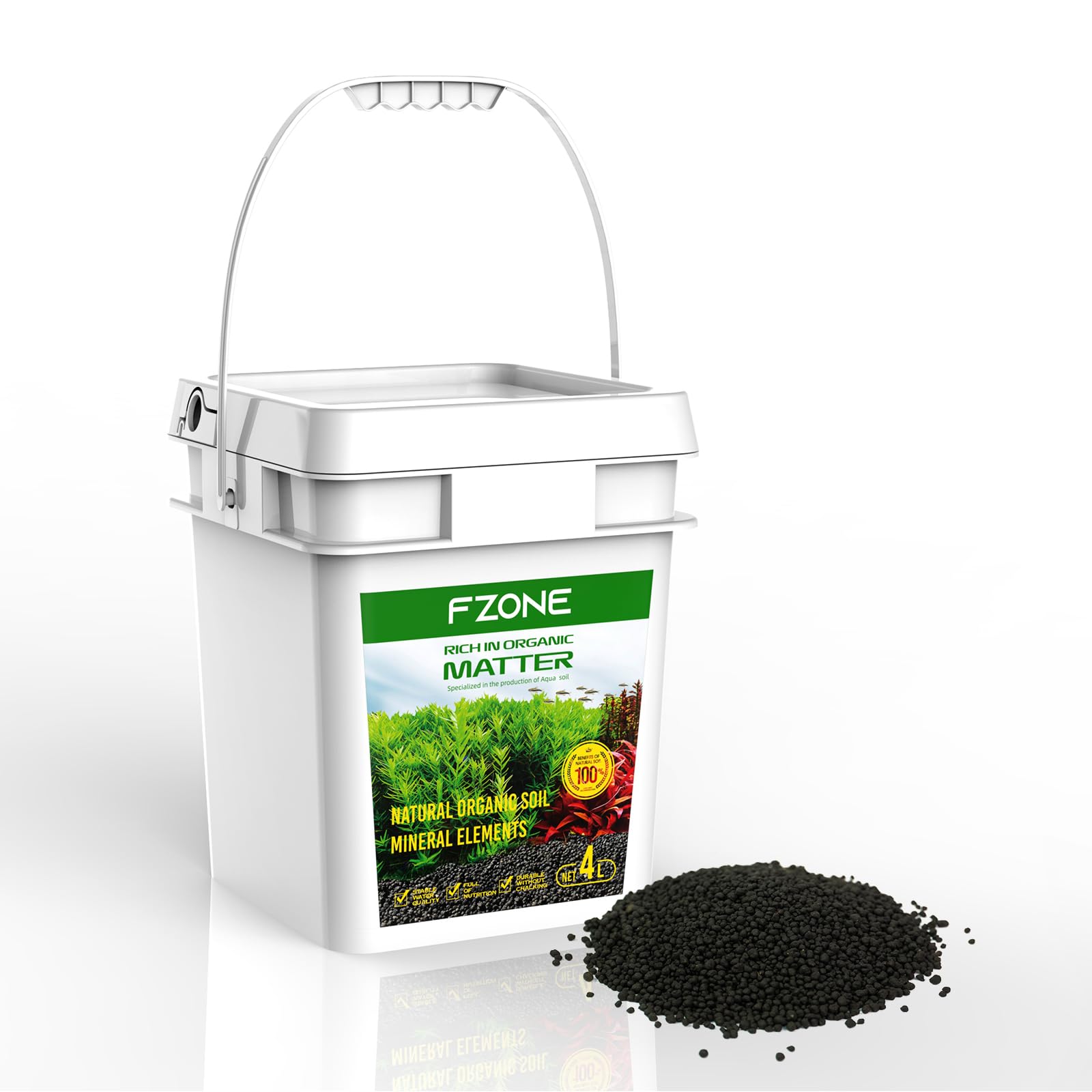
FZONE has quickly gained a reputation as a serious contender to Fluval Stratum, especially among dry-start enthusiasts. The 3mm granules are processed with high-temperature sintering, which means they hold their shape underwater without breaking into dust — a common complaint with softer soils. Users report that Monte Carlo carpets grow noticeably faster and thicker in FZONE compared to Stratum, making it a top pick for foreground plant lovers.
The nutrient load is substantial. Day-one ammonia readings can hit 4–8 ppm, gradually tapering over 2–3 weeks. This is great news for root feeders like Cryptocoryne and Rotala, but it means you must commit to frequent water changes and a cycled filter. The reusable plastic container is a thoughtful bonus that makes storage and resealing easy between uses.
While the bag size is smaller (4L) than some competitors, the quality of the granules and the clarity of the water column on day one justify the price. No rinsing is required, and the soil produces zero cloudiness if added slowly. For aquascapers who want a high-performance substrate without paying ADA-level prices, this is the sweet spot.
Why it’s great
- Dust-free sintered granules stay intact for years
- Outstanding results with dry-start carpet plants
- Sturdy reusable container
Good to know
- Strong ammonia requires cycling patience
- 4L bag may need two for deeper substrate beds
3. Fluval Plant and Shrimp Stratum

Fluval Stratum is the go-to recommendation for shrimp keepers and general planted tank enthusiasts who want a reliable, widely available substrate. The porous structure promotes rapid colonization of beneficial bacteria, and the neutral-to-slightly-acidic pH range (targeting 6.5–6.8) is ideal for Neocaridina shrimp, Crystal Reds, and most tropical fish. The 17.6-pound bag delivers enough volume for a standard 20-gallon long tank at a 2–3 inch depth.
One of the strongest selling points is the low ammonia release compared to more nutrient-dense soils. This makes it forgiving for beginners who might not have a fully cycled filter ready. However, the granules are lightweight and can float initially if poured too aggressively — a slow fill with a plate or plastic bag is recommended. Some users also note that the soil needs to be capped with sand if kept by bottom-dwelling fish that dig.
Houseplant enthusiasts have also discovered Stratum as a propagation medium for Alocasias and tissue cultures, praising its moisture retention and drainage. While that versatility is a bonus, its primary role in aquaria is well-established. For a balanced, low-headache substrate that supports healthy shrimp breeding and steady plant growth, this remains a top contender.
Why it’s great
- Low ammonia release allows quicker stocking
- Large 17.6 lb bag covers most standard tanks
- Ideal pH range for Neocaridina and Caridina shrimp
Good to know
- Lightweight granules can float if added too fast
- May need a sand cap for digging fish
4. LANDEN Aqua Soil Substrate

LANDEN delivers a compelling price-to-performance ratio for hobbyists building medium to large planted tanks on a tighter budget. The 5L bag (roughly 10 pounds) provides enough material for a 2-inch depth in a 10-gallon tank, and the 3–5 mm grain size hits a sweet spot between root anchorage and water flow. The soil buffers pH to a mildly acidic range, typically 6.0–6.5, which suits most soft-water plants and shrimp.
Users note that the soil may contain some dried grass or small leaf fragments — a harmless byproduct of natural processing — and a quick rinse with dechlorinated water can remove debris. The initial cloudiness clears within 24 hours with a working filter. While not as nutrient-dense as ADA or FZONE, LANDEN responds well to root tab supplementation and provides a stable base for plants like Amazon swords, Vallisneria, and Cryptocoryne.
The main drawback is that some granules are softer and may break down slightly during handling, creating fine dust that requires patience to settle. That said, for the price per liter, this is one of the most economical ways to build an active substrate layer in a community tank without sacrificing performance.
Why it’s great
- Excellent value for large tanks and budget setups
- Buffers pH effectively for soft-water species
- Works well with root tabs for nutrient demands
Good to know
- Some granules may contain natural debris
- Softer grains can produce dust during handling
5. Ultum Nature Systems Controsoil

Controsoil from Ultum Nature Systems is engineered for aquascapers who want a high-quality substrate without a massive ammonia spike. The 6.8 pH low-ammonia formula is made from volcanic ash sintered into stable granules that absorb impurities and clarify water naturally. This makes it one of the safest choices for adding shrimp or fish within days of setup, provided the tank is already cycled.
The fine grain size (1–2 mm) is excellent for carpeting plants and delicate root systems, but it also means the soil is lightweight and can create a muddy mess if poured without care. Multiple users report that rinsing is required despite the “no rinsing” claim, as the powder content from shipping can cloud the water. That minor inconvenience aside, the soil does an admirable job of maintaining stable parameters once settled.
One unique twist: Controsoil has developed a following among houseplant growers for its use as a semi-hydroponic medium for Alocasias and tissue cultures. The moisture retention, drainage, and non-compacting nature make it ideal for plants that hate wet feet. If you plan to use the same bag for both aquarium and terrarium projects, this versatility adds real value.
Why it’s great
- Very low ammonia release for risk-free early stocking
- Volcanic ash structure absorbs impurities effectively
- Versatile enough for aquarium and houseplant use
Good to know
- Fine grain requires careful water filling to avoid cloudiness
- 1L bag is small — larger tanks need multiple units
6. CaribSea Samurai Soil
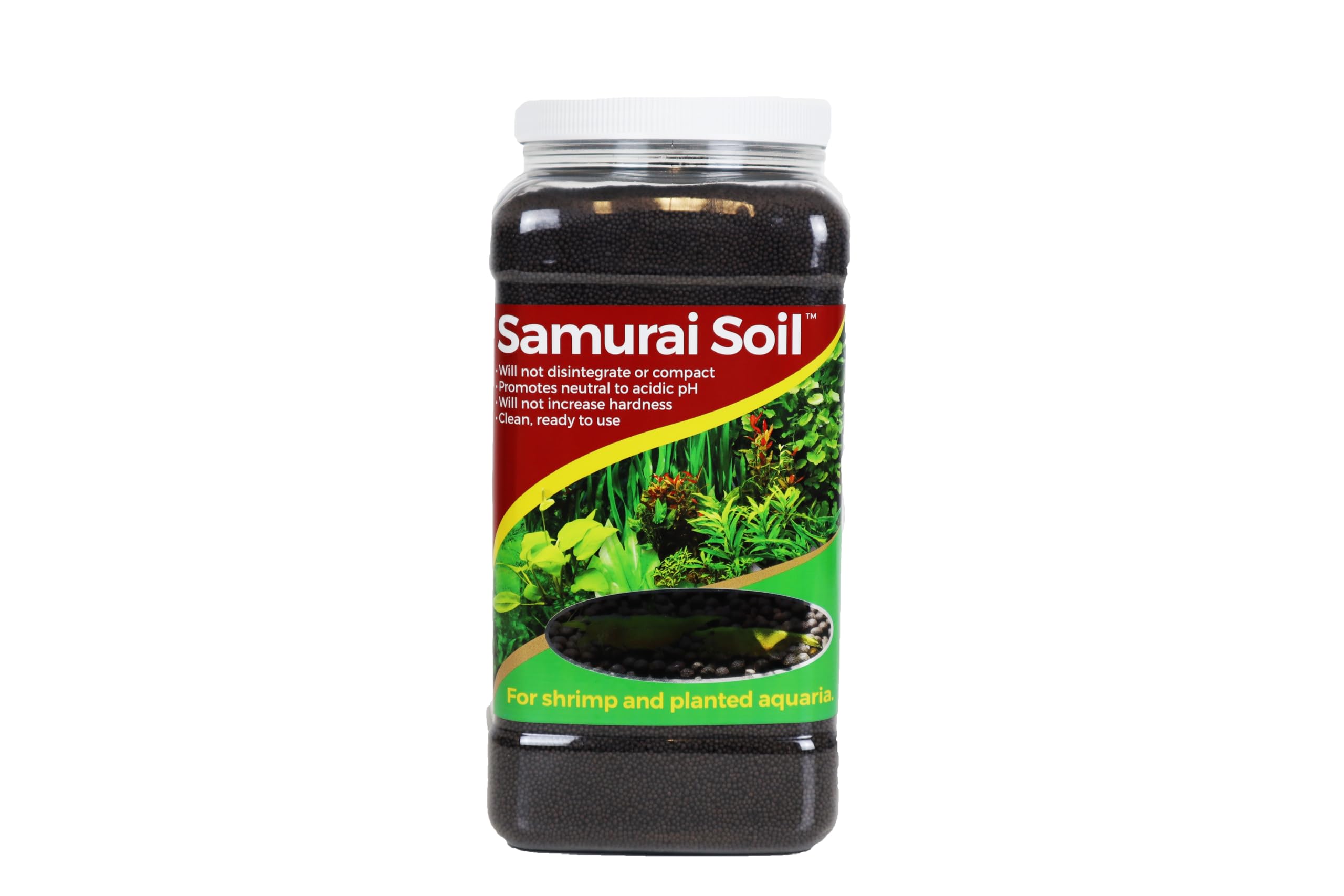
CaribSea Samurai Soil stands out as the best option for keepers who need to add fish or shrimp the same day the substrate goes in. The formula includes a dose of biological starters for a faster cycle, and user reports consistently confirm zero measurable ammonia spike, even in sensitive betta and shrimp tanks. The granules are cleaned and ready to use straight from the bag, with no rinsing required.
The pH buffer targets a neutral to slightly acidic range, making it suitable for most community fish and soft-water shrimp. The soil does not disintegrate or compact over time, maintaining water flow and root oxygenation for years. Some users note that the granules have a uniform appearance that may lack the natural irregularity of higher-priced soils, but for a functional substrate in a non-competition tank, that is a minor cosmetic trade-off.
The 9-pound bag is a generous size that can cover a 10-gallon tank at a 2-inch depth, and the lack of cloudiness on setup is a genuine time-saver. If you are setting up a quarantine tank, a hospital tank, or simply want to avoid the weeks-long cycling process, Samurai Soil is the most convenient active substrate available.
Why it’s great
- Absolutely no ammonia spike allows immediate stocking
- Contains biological starters to speed up cycling
- Will not disintegrate or compact over time
Good to know
- Uniform granules may lack a natural uneven look
- pH buffer is milder than some demanding plants prefer
7. Hygger CO2 Upgraded Water Grass Mud
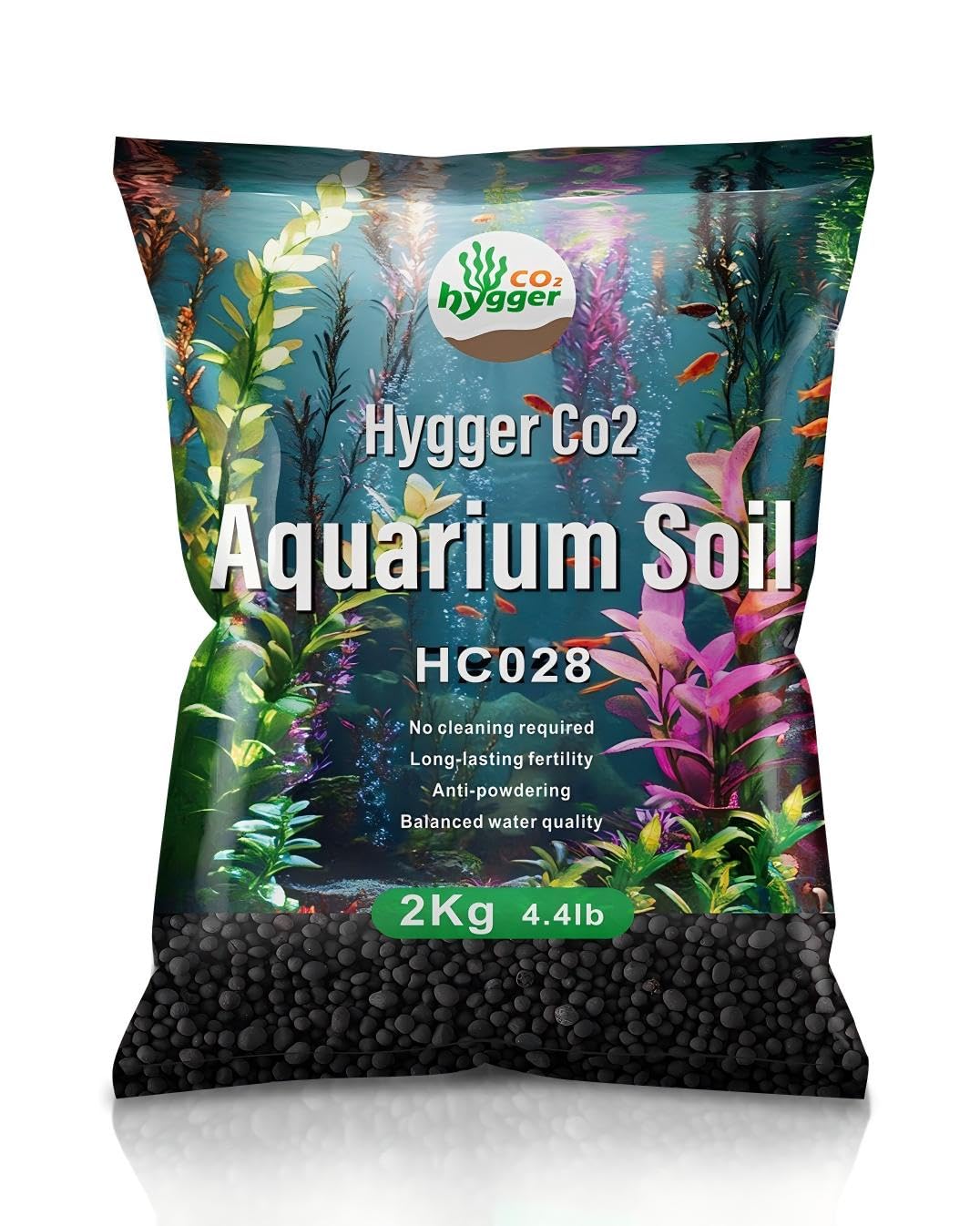
Hygger CO2’s water grass mud is the most accessible entry point for hobbyists who want to try active aqua soil without a large financial commitment. The porous sintered structure supports bacterial colonization and naturally acidifies water to a pH range of 6.5–7.5, making it suitable for Neocaridina shrimp and easy plants like Anubias, Java fern, and Cryptocoryne.
The bag is compact at 4.4 pounds (2L), so it works best for nano tanks, betta bowls, or shallow shrimp setups. Users report that the soil is dusty on first pour and may require a few days of filter time to clear fully. A small minority have reported white calcium-like deposits on glass after initial setup, which suggests that some batches may have inconsistent sintering quality. However, the majority of reviews indicate that plants root well and shrimp show no signs of stress.
The 2-year manufacturer warranty is a nice safety net for a soil in this price tier. For a beginner who just wants to grow a few low-light plants and keep a small shrimp colony, this bag delivers the core benefits of active soil — pH buffering and nutrient availability — at a fraction of the cost of premium brands.
Why it’s great
- Budget-friendly entry into active aqua soil
- Porous structure promotes healthy bacteria colonization
- Backed by a 2-year warranty
Good to know
- Small bag only suitable for nano tanks
- Some batches may produce dust or deposits initially
FAQ
How long does it take for aqua soil to stop leaching ammonia?
Can I reuse aqua soil after breaking down a tank?
Do I need to rinse aqua soil before putting it in the tank?
Final Thoughts: The Verdict
For most users, the best aqua soil winner is the Fluval Plant and Shrimp Stratum because it offers a forgiving ammonia profile, a generous bag size, and the ideal pH range for both shrimp and community fish. If you want aggressive nutrient delivery for a high-tech carpeting scape, grab the ADA Aqua Soil Amazonia Ver 2. And for a no-wait, instant-stock foundation, nothing beats the CaribSea Samurai Soil.