
Our readers keep the lights on and the weekend projects moving. As an Amazon Associate, I earn from qualifying purchases.
Arch pain during a fast break or a defensive slide can end your game quicker than any defender. The best arch support basketball shoes are built to transfer every ounce of power from your foot through the heel and forefoot without collapsing the medial arch. This guide isolates the models that deliver structural pronation control and midfoot rigidity on the hardwood.
I’m Rikta — the co-founder and writer behind FitlyFast. I’ve spent years evaluating basketball footwear biomechanics, specifically how insole shank stiffness, torsional plate integration, and foam density under the navicular affect arch fatigue over a full game.
Below I break down nine models that actually reinforce the arch during lateral cuts and vertical landings — the definitive list of best arch support basketball shoes for players who refuse to compromise on foot health at full speed.
How To Choose The Best Arch Support Basketball Shoes
Arch support in a basketball shoe is not about a squishy insole — it’s about the midframe structure that resists torsion when you plant and pivot. Players with flat feet or high arches need a shank plate or carbon-fiber insole that locks the midfoot to prevent rolling inward on lateral stops. Look for a visible shank or a rigid plastic carrier under the arch area, and test whether you can twist the shoe with moderate hand force — if it twists easily, the arch will not hold during play.
Midfoot Shank Rigidity
A full-length or midfoot torsion plate is the backbone of arch support. Shoes like the Way of Wade 10 integrate a carbon-fiber shank that resists bending, forcing the foot to stay neutral. Without this, the arch muscles overwork to stabilize the entire stride, leading to plantar fasciitis.
For maximum arch preservation, choose a model that combines a stiff shank with a heel counter that wraps the calcaneus — the two work together to keep the foot chassis aligned during deceleration.
Removable Insole Depth
Many basketball shoes now glue the insole in place or use a thin carpet-like layer, which makes it impossible to swap for a custom orthotic. The best arch support basketball shoes offer a thick, removable insole that leaves 5–8 mm of internal depth so you can insert a doctor-prescribed orthotic without raising your heel above the heel collar. Models like the FitVille Rebound Core and the Nike KD 17 have accessible insole beds that accommodate aftermarket arch supports seamlessly.
Heel-to-Toe Drop and Pronation Angle
A drop of 8–10 mm is typical for basketball shoes, but players with overpronation need a lower drop (around 6 mm) paired with a medial post that densifies the foam under the arch. Check the shoe’s outsole wear pattern reviews — if the medial rubber shows heavy wear after two weeks, the shoe lacks support and the arch is collapsing during play. The Li-Ning Wade Flash and the Lebron XXI both use a flared outsole that braces the medial midfoot, keeping the arch from sinking on lateral cuts.
Quick Comparison
On smaller screens, swipe sideways to see the full table.
| Model | Category | Best For | Key Spec | Amazon |
|---|---|---|---|---|
| Way of Wade 10 | Premium | Maximum arch rigidity | Carbon-fiber midfoot shank | Amazon |
| Nike Lebron XXI | Premium | Heavy-duty medial support | Flared outsole + TPU shank | Amazon |
| Nike KD 17 | Premium | Stiff midfoot + orthotic fit | Zoom Air with plastic shank | Amazon |
| Nike Ja 2 Nightmare | Mid-Range | Guards needing arch lock | Foam carrier + heel counter | Amazon |
| adidas AE 1 | Mid-Range | Durable arch in practice | Boost midsole + stiff chassis | Amazon |
| ANTA Kai 1 Speed | Mid-Range | Wide feet with arch needs | Midfoot torsion plate | Amazon |
| Li-Ning Wade Flash | Mid-Range | Speed + arch comfort | Boom foam + medial outrigger | Amazon |
| Nike Lebron 20 | Mid-Range | Bouncy arch for guards | Zoom Air + mesh midfoot | Amazon |
| FitVille Rebound Core | Value | Wide feet + orthotic swap | Removable insole, X-wide toe box | Amazon |
In‑Depth Reviews
1. LI-NING Way of Wade 10

The Way of Wade 10 stands alone for arch support thanks to a full-length carbon-fiber shank that eliminates midfoot twist during hard cuts. The fit is deliberately snug — the upper wraps the midfoot tightly, locking the arch against the shank so the foot cannot pronate inward. Owners report zero arch soreness even after two-hour sessions, which is rare in a low-top silhouette.
Traction on dusty courts is exceptional, with a rubber compound that bites immediately on slick hardwood. The cushion sits in a Goldilocks zone: responsive enough for explosive takeoffs yet forgiving enough for heel strikers who need arch pressure distribution. It maintains a lightweight feel of under 14 ounces despite the structural reinforcement.
The main caveat is the ultra-snug fit — players with wide feet or high-volume insteps may need to size up by half a length. Also, the carbon shank makes the shoe less flexible for casual walking, so it’s best reserved for game-time performance. For pure arch rigidity with no compromise, this is the benchmark.
Why it’s great
- Carbon shank stops all midfoot torsion
- No arch fatigue after full games
- Top-tier dusty-court grip
Good to know
- Very snug fit; may need half-size up
- Carbon shank stiff for casual walking
2. Nike Lebron XXI

The Lebron XXI uses a TPU shank that spans the midfoot alongside a flared outsole that widens medially, creating a stable platform for the arch. Reviewers note that the shoe feels snug initially but breaks in well, with the medial post delivering consistent pronation resistance without being bulky. The full-length Zoom Air unit adds a bouncy feel that doesn’t compromise the arch support structure.
Traction is solid on clean floors and improves dramatically after a short break-in period on dusty courts. The cushion setup — a combination of Zoom Air and Cushlon foam — provides impact protection for heavier players without bottoming out under the arch. The heel counter is rigid and reinforces the rearfoot, preventing the arch from falling forward on landings.
The width is tight in the midfoot, especially for players with slightly wider feet. Nike does not offer wide sizing for this model, so it works best for narrow-to-medium D-width feet. If you wear a wide orthotic, the internal space may feel restrictive. Otherwise, it’s a top-tier arch support shoe.
Why it’s great
- TPU shank + flared outsole control pronation
- Excellent impact protection for heavy players
- Break-in improves traction on dust
Good to know
- Narrow midfoot; not for wide feet
- Requires short break-in
3. Nike KD 17

The KD 17 offers a stiff, supportive feel under the arch thanks to a plastic shank integrated into the midsole carrier. The fit runs true to Nike sizing, and the midfoot is snug without being painful. Multiple reviews highlight how comfortable the shoe becomes after a few hours, as the structure molds to the arch without losing rigidity.
The outsole rubber is thick and resilient, but the white colorway is notoriously hard to keep clean — the mesh upper stains easily, so players expecting outdoor use should look elsewhere. The Zoom Air unit in the forefoot provides a responsive bounce that works well for quick guards who need arch support during repeated stops.
If you plan to swap in a custom orthotic, the insole bed is removable and gives about 6 mm of depth, enough for most thin aftermarket supports. The shoe’s stiffness may feel odd during casual walking, but it locks in nicely once you start cutting.
Why it’s great
- Stiff plastic shank for arch lockdown
- Removable insole for orthotics
- Responsive forefoot Zoom Air
Good to know
- White mesh upper hard to keep clean
- Stiff feel until broken in
4. Nike Ja 2 Nightmare

The Ja 2 uses a foam carrier system with a rigid heel counter that indirectly supports the arch by locking the rearfoot in place. While it lacks a dedicated carbon shank, the stiff chassis reduces midfoot twist better than most budget-tier options. Reviewers note the shoe feels supportive for guards and wings who play at high speed.
The fit runs slightly snug, with multiple reviews recommending a half-size up for a comfortable toe box. The traction is good on clean courts but may need occasional wiping on dusty floors. The colorway is bold and popular among younger players, and the shoe seems durable over months of practice.
Arch support here is more indirect — it relies on the stiff heel counter and dense foam carrier rather than a hard shank. If you have a collapsed arch or need aggressive pronation control, you may want to add an orthotic. But for players with mild to moderate arch needs, the Ja 2 works well.
Why it’s great
- Rigid heel counter supports arch indirectly
- Lightweight and quick for guards
- Durable for months of practice
Good to know
- No dedicated shank plate
- May need half-size up for wide feet
5. adidas Men’s Anthony Edwards 1
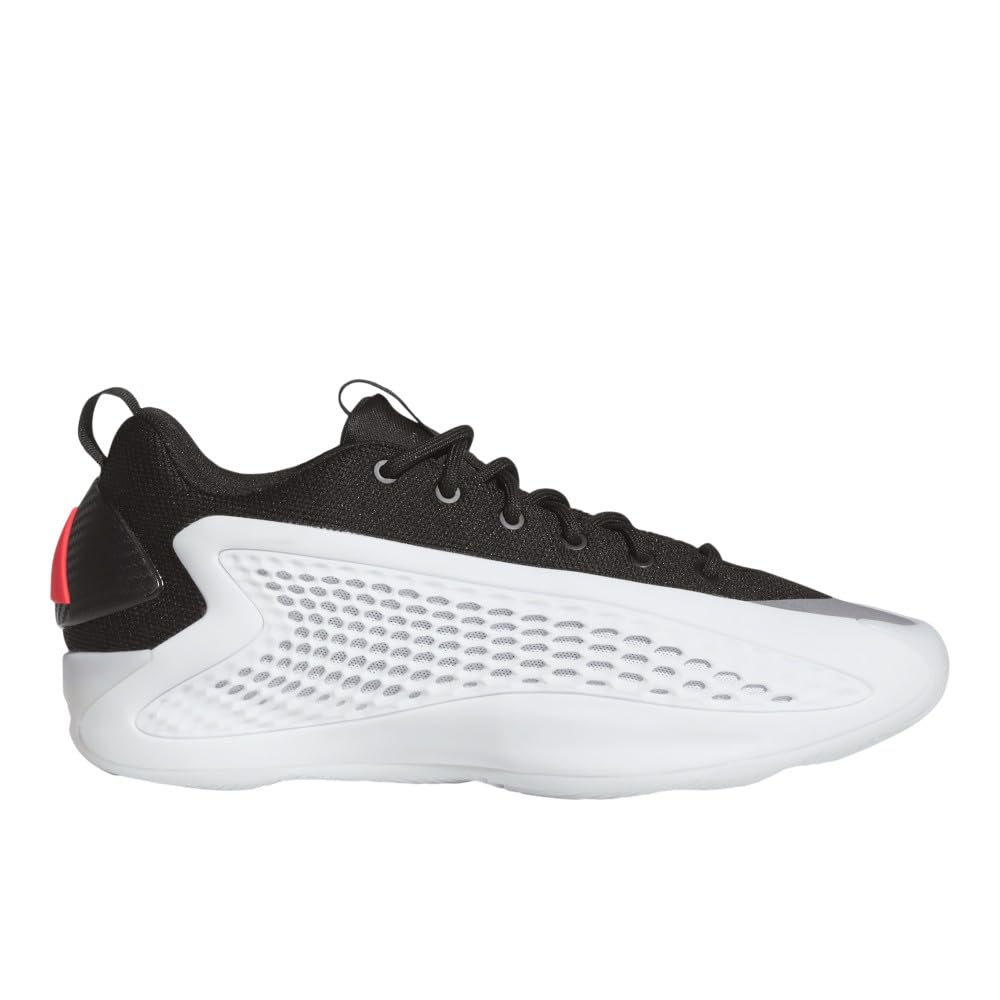
The adidas AE 1 uses a full-length Boost midsole that provides plush cushioning under the arch, paired with a stiff TPU chassis that resists torsion. The shoe runs true to size and offers a roomy toe box that accommodates players with wider forefeet. Multiple reviews emphasize that the shoe is comfortable for long playing sessions and shows no arch fatigue.
Traction is excellent on clean and slightly dusty courts. The outsole pattern is aggressive and doesn’t pick up much dust during play. The Boost foam retains its springiness even after months of use, which helps maintain arch support as the shoe breaks in.
One minor draw is the weight — the AE 1 is not the lightest option at around 15 ounces. Also, the upper material can feel stiff initially, so expect a short break-in period. If you value a stiff chassis with responsive arch support, this is a strong mid-range choice.
Why it’s great
- Stiff TPU chassis reduces midfoot flex
- Boost foam cushions arch well
- Great traction on dusty courts
Good to know
- Slightly heavier than average
- Upper needs break-in
6. ANTA Kyrie Irving Kai 1 Speed
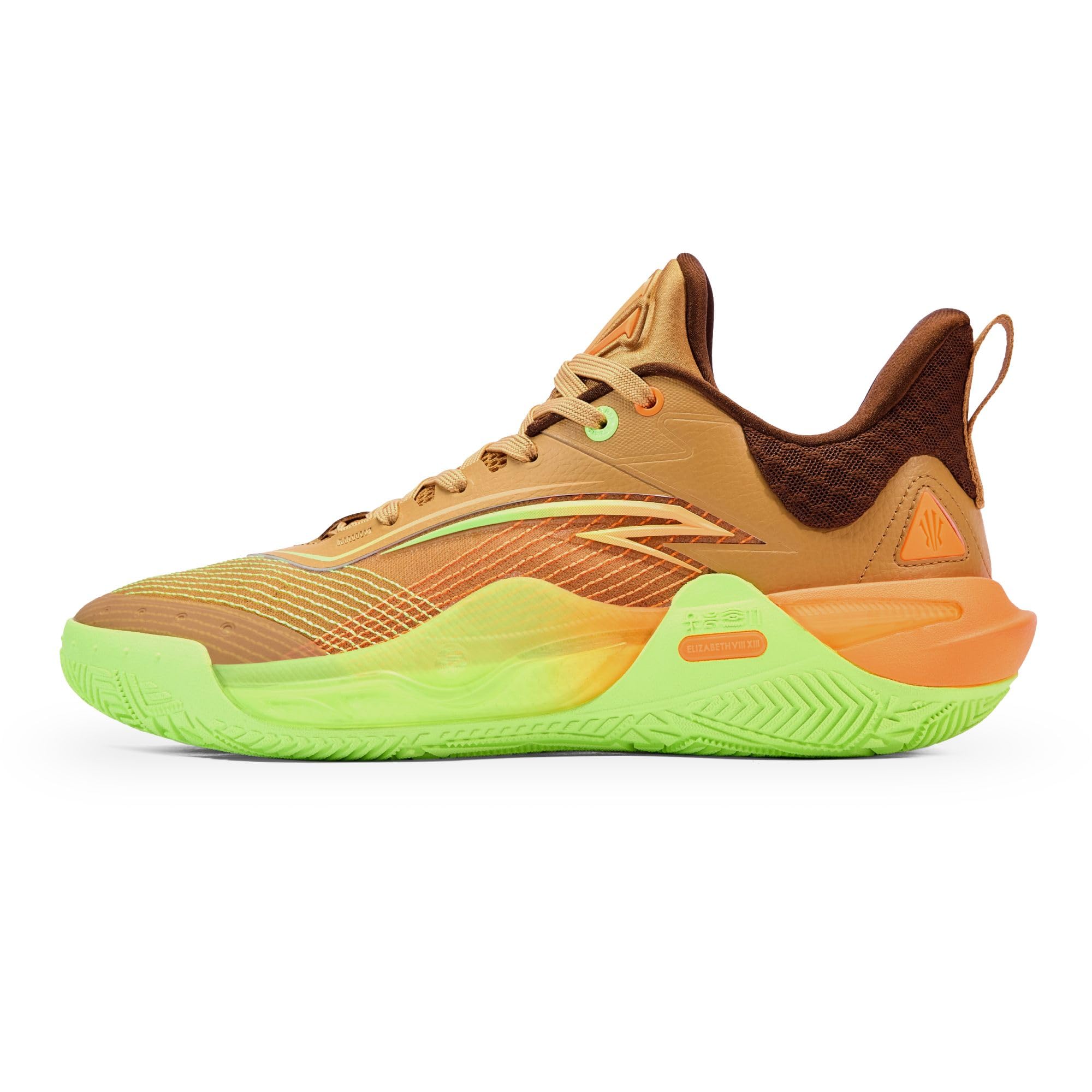
The ANTA Kai 1 Speed incorporates a midfoot torsion plate that adds rigidity under the arch without making the shoe feel board-like. The standout feature is the true-to-size fit, especially for players with wide feet — reviewers with wider forefeet report no heel slip and excellent lockdown. The shoe is lightweight and offers good bounce for its price tier.
Traction is solid on clean courts, and the outsole pattern holds up well during indoor play. The upper is breathable and supportive, wrapping the arch without creating pressure points. Multiple reviews note that the shoe is among the most comfortable ball shoes they have worn for arch and heel support combined.
The only catch is that the shoe runs a bit big for some — a few reviewers suggest sizing down by half if you prefer a snug fit. Also, the torsion plate, while effective, does not extend into the forefoot as far as premium options. For players with wide feet needing arch support, this is a strong contender.
Why it’s great
- Midfoot torsion plate adds arch rigidity
- Ideal for wide feet without heel slip
- Lightweight and breathable
Good to know
- Some may need half-size down
- Torsion plate not full-length
7. Li-Ning Wade Flash
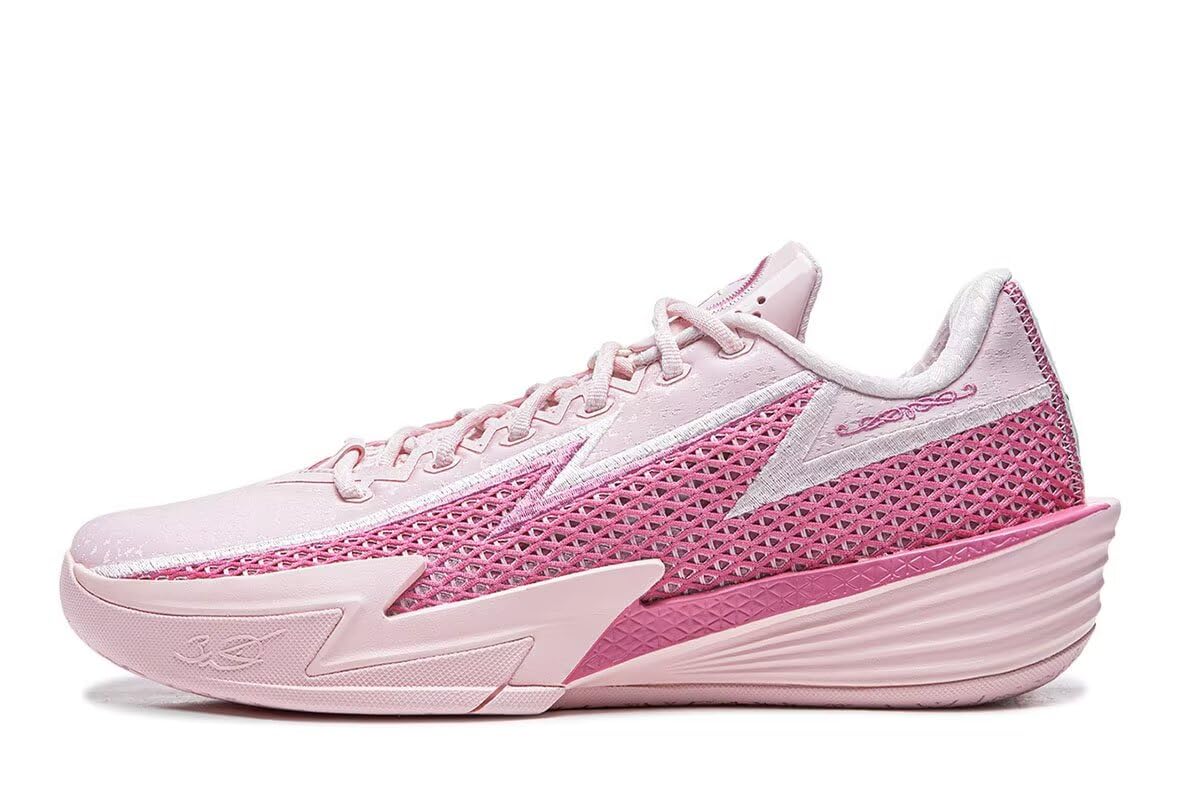
The Li-Ning Wade Flash combines Boom foam with a medial outrigger that flares outward under the arch, providing a stable base for pronation-prone players. The shoe is lightweight and designed for speed, yet the arch area is built up with a dense foam carrier that resists collapse. Reviewers mention it is the most comfortable shoe they have hooped in for around the mid-range price.
Traction is impressive on dusty courts — the rubber compound grips aggressively and requires minimal wiping. The fit runs snug, so many reviewers recommend going half a size up for a comfortable length. The cushion is plush without being unstable, making it a good choice for players who want arch support without a stiff shank feeling.
The downside is durability at the upper where the mesh meets the outsole — one reviewer reported ripping within three months. If you land hard on lateral cuts, the outrigger helps, but the upper may wear faster than premium models. For budget-conscious speedsters, this is a great arch-support value.
Why it’s great
- Medial outrigger braces the arch
- Excellent dusty-court traction
- Lightweight and responsive cushion
Good to know
- May need half-size up for length
- Upper durability questionable long-term
8. Nike Lebron 20
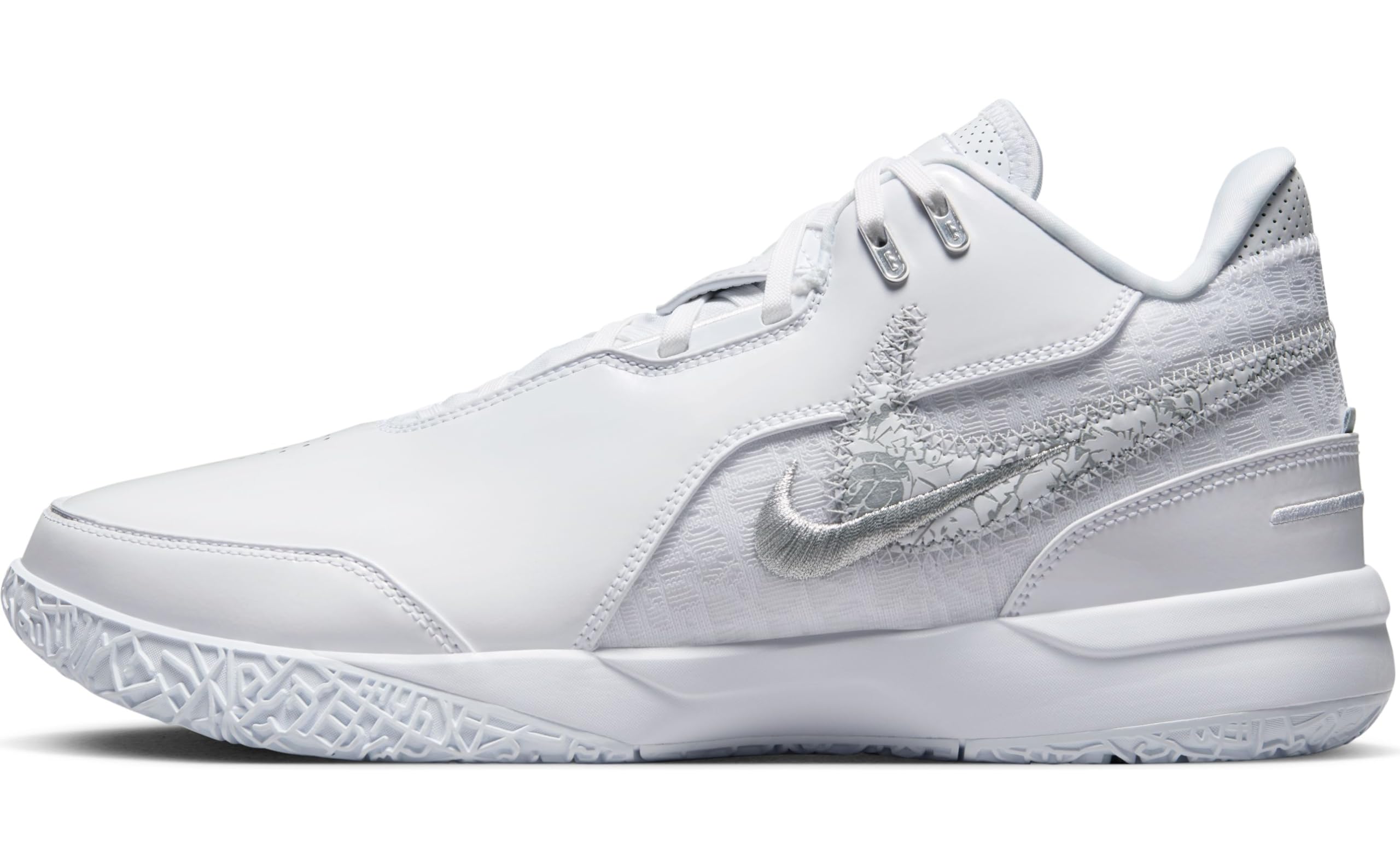
The Nike Lebron 20 features Zoom Air cushioning that provides a bouncy feel along with a mesh upper that wraps the midfoot securely. While it lacks a hard shank plate, the midsole carrier is dense enough to offer moderate arch support for players with neutral pronation. Reviewers praise the comfort and grip, calling it a top-tier performance shoe for guards and wings.
The traction is excellent on indoor courts, though the soft rubber compound is not suitable for outdoor surfaces. The fit is true to size with zero heel slippage, and the breathable mesh upper allows for airflow during long games. The shoe feels lightweight despite the Zoom Air units, which add a responsive bounce under the arch and forefoot.
Arch support here is adequate for players without severe pronation issues, but if you have flat feet or need aggressive pronation control, you may want to add a support insole. The listing sometimes ships the NXXT Gen AMPD model instead of the Lebron 20, so verify the model upon delivery.
Why it’s great
- Responsive Zoom Air for arch bounce
- Lightweight and breathable mesh upper
- Excellent indoor traction
Good to know
- No dedicated shank for severe pronation
- Not for outdoor play
9. FitVille Rebound Core

The FitVille Rebound Core is specifically designed for wide feet and flat arches, featuring an extra-wide toe box and a removable insole that allows you to swap in a custom orthotic. The insole depth is generous, and the shoe accommodates thick arch supports without raising the heel. Reviewers with bunions and plantar fasciitis report significant relief during games and daily wear.
The ankle-high upper adds stability without restricting range of motion, and the grip is reliable on both indoor and outdoor surfaces. The stock insoles are on the thinner side, but the shoe structure itself provides good arch reinforcement through a dense midsole. Players with X-wide feet (up to 4E) will appreciate the roomy forefoot that doesn’t cramp the arch.
On the downside, the laces are short and there is no pull loop at the heel, making entry a bit tricky. The shoe is heavier than performance-focused options and the cushion lacks the bounce of premium foam. But for players who prioritize arch support over speed and weight, this is a reliable entry-level choice.
Why it’s great
- Extra-wide toe box accommodates flat feet
- Removable insole accepts custom orthotics
- Good grip on indoor and outdoor surfaces
Good to know
- Heavier than performance basketball shoes
- Short laces and no pull loop
FAQ
Can I swap the insole in basketball shoes for a custom orthotic?
Do carbon-fiber shanks make the shoe less comfortable for walking?
How can I tell if a basketball shoe has enough arch support for flat feet?
Final Thoughts: The Verdict
For most users, the best arch support basketball shoes winner is the LI-NING Way of Wade 10 because the full-length carbon-fiber shank provides unmatchable arch rigidity without adding weight. If you want a shoe that pairs arch support with easy orthotic compatibility, grab the FitVille Rebound Core. And for a premium balance of medial post and TPU shank that works for heavier players, nothing beats the Nike Lebron XXI.