
Our readers keep the lights on and the weekend projects moving. As an Amazon Associate, I earn from qualifying purchases.
Watching your child wince after a full day of running or complaining of aching arches is a clear signal that the wrong footwear is undermining their natural gait. For kids with flat feet, that discomfort often stems from a collapsed arch and overpronation, conditions that proper supportive shoes can actively correct during critical developmental years.
I’m Rikta — the co-founder and writer behind FitlyFast. I’ve spent months analyzing the specific hardware specifications that separate a genuinely supportive shoe from a generic soft sneaker: medial post density, heel counter rigidity, arch profile height, and toe box shape.
Whether you are shopping for a preschooler or a tween, the right pair of supportive footwear can prevent future knee and hip pain. This guide breaks down the absolute best arch support shoes for kids with flat feet by examining the structural elements that actually stabilize a low arch.
How To Choose The Best Arch Support Shoes For Kids With Flat Feet
Flat-footed kids lack a natural arch, which causes the foot to roll inward (overpronate) during walking and running. The right shoe counteracts this with specific structural reinforcements rather than just soft padding. Here are the three critical elements to prioritize.
Assess the Heel Counter and Medial Post
The heel counter is the rigid cup at the back of the shoe that locks the heel in place. Squeeze it — if it collapses easily, it won’t control pronation. A medial post is a firmer density of foam built into the arch area of the midsole; it acts as a brake against inward rolling. Look for explicit mentions of “motion control” or “stability” in the product description.
Check the Arch Profile and Toe Box Shape
A supportive shoe should have a visible raised profile on the insole’s medial side. Remove the insole and feel the contour; a flat insole signals zero arch support. Equally important is the toe box — a wide, foot-shaped toe box (not pointy) allows the toes to spread naturally, which improves balance and reduces fatigue for flat feet.
Prioritize Adjustable Closure and Firm Upper Materials
Velcro straps, laces, or a combination give you the ability to dial in fit across the instep. A shoe that is too loose lets the foot slide forward, worsening pronation. The upper should be structured but breathable — mesh is fine as long as the heel and midfoot panels offer enough stiffness to resist sideways collapse.
Quick Comparison
On smaller screens, swipe sideways to see the full table.
| Model | Category | Best For | Key Spec | Amazon |
|---|---|---|---|---|
| Kids Orthopedic Tennis Shoes | Orthopedic | Sever’s & daily relief | Deep heel cup & rigid medial post | Amazon |
| ASICS GT-1000 13 | Stability | Motion control for overpronation | LITEFOAM midsole & guidance line | Amazon |
| New Balance 990 V6 | Premium | All-day structure & durability | ENCAP midsole & dual-density foam | Amazon |
| New Balance 1440 V1 | Support | Arch support in wide sizes | Grippy rubber sole & structured heel | Amazon |
| Skechers Ultra Flex 3.0 | Flex | Easy slip-on for light activity | Flexible outsole & soft insole | Amazon |
| WHITIN Barefoot | Minimalist | Wide toe box & zero-drop | Zero drop & 5.29 oz weight | Amazon |
| Kids Wide Slip-On | Value | Budget-friendly wide fit | Wide toe box & slip-on design | Amazon |
In‑Depth Reviews
1. Kids Orthopedic Tennis Shoes for Boys and Girls
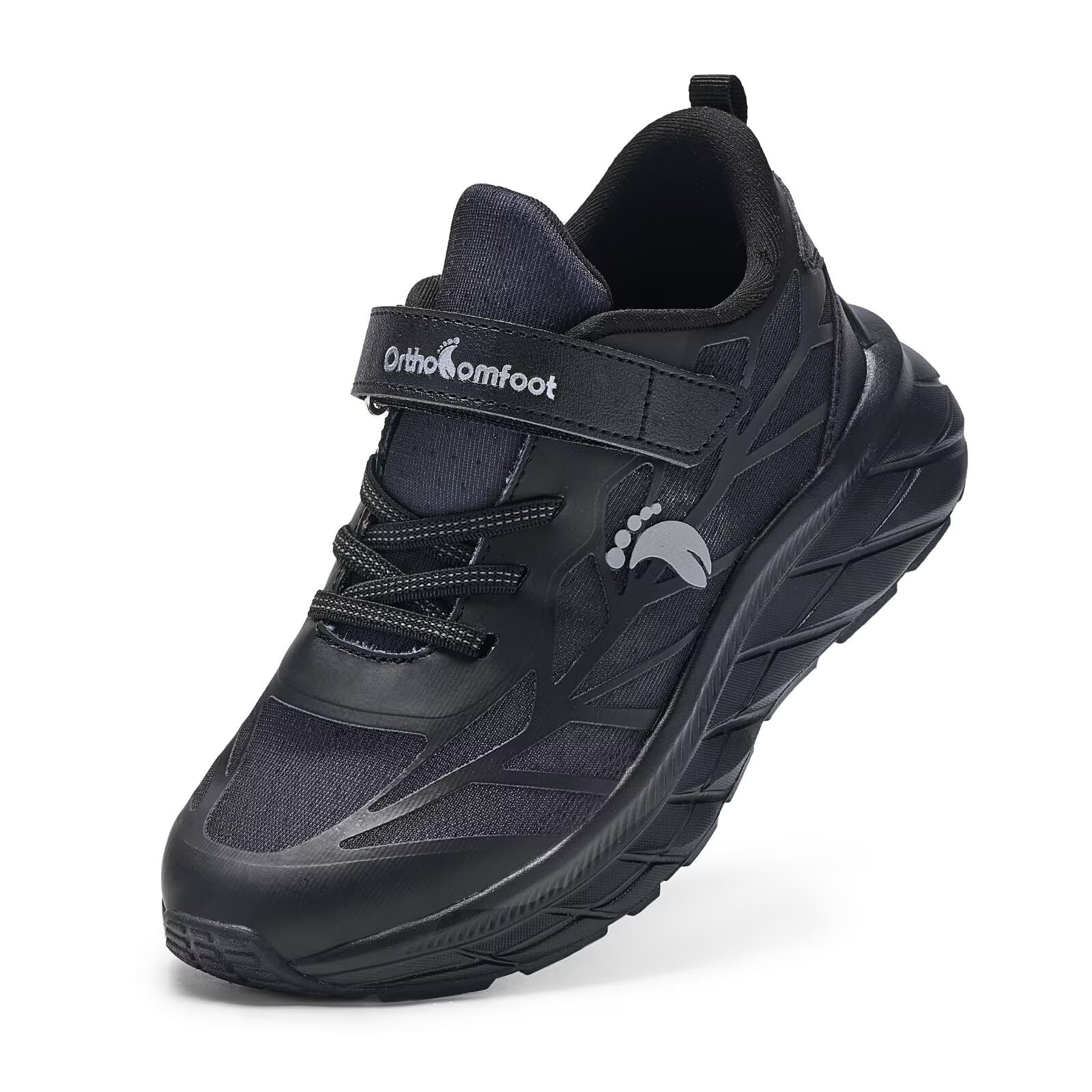
This pair is purpose-built for flat-footed kids who need genuine orthopedic reinforcement. The insole has a pronounced arch profile and a deep heel cup that stabilizes the rearfoot against inward collapse. The medial post is substantial — far more rigid than a typical foam midsole — and the outsole structure offers traction that doesn’t interfere with natural gait.
Parents of children with Sever’s disease report that these shoes eliminated calf and heel pain during sports, which is a strong signal that the shock absorption and heel elevation are precisely calibrated. The upper is reinforced with enough stiffness in the midfoot to prevent the shoe from twisting during lateral movement, a common failure point in budget sneakers.
Some users noted adhesive inconsistencies on one shoe in a handful of pairs — the gluing around the outsole margin may need inspection upon arrival. However, for a child who requires serious arch support daily, the structural payoff outweighs that occasional quality hiccup.
Why it’s great
- Aggressive arch profile and deep heel counter control overpronation effectively
- Helped relieve Sever’s disease pain in active kids
- Breathable upper with good midfoot stiffness
Good to know
- Adhesive quality on outsole can be inconsistent between pairs
- Sizing runs generous — consider sizing down for a snug fit
2. ASICS Kid’s GT-1000 13 Pre School Running Shoes
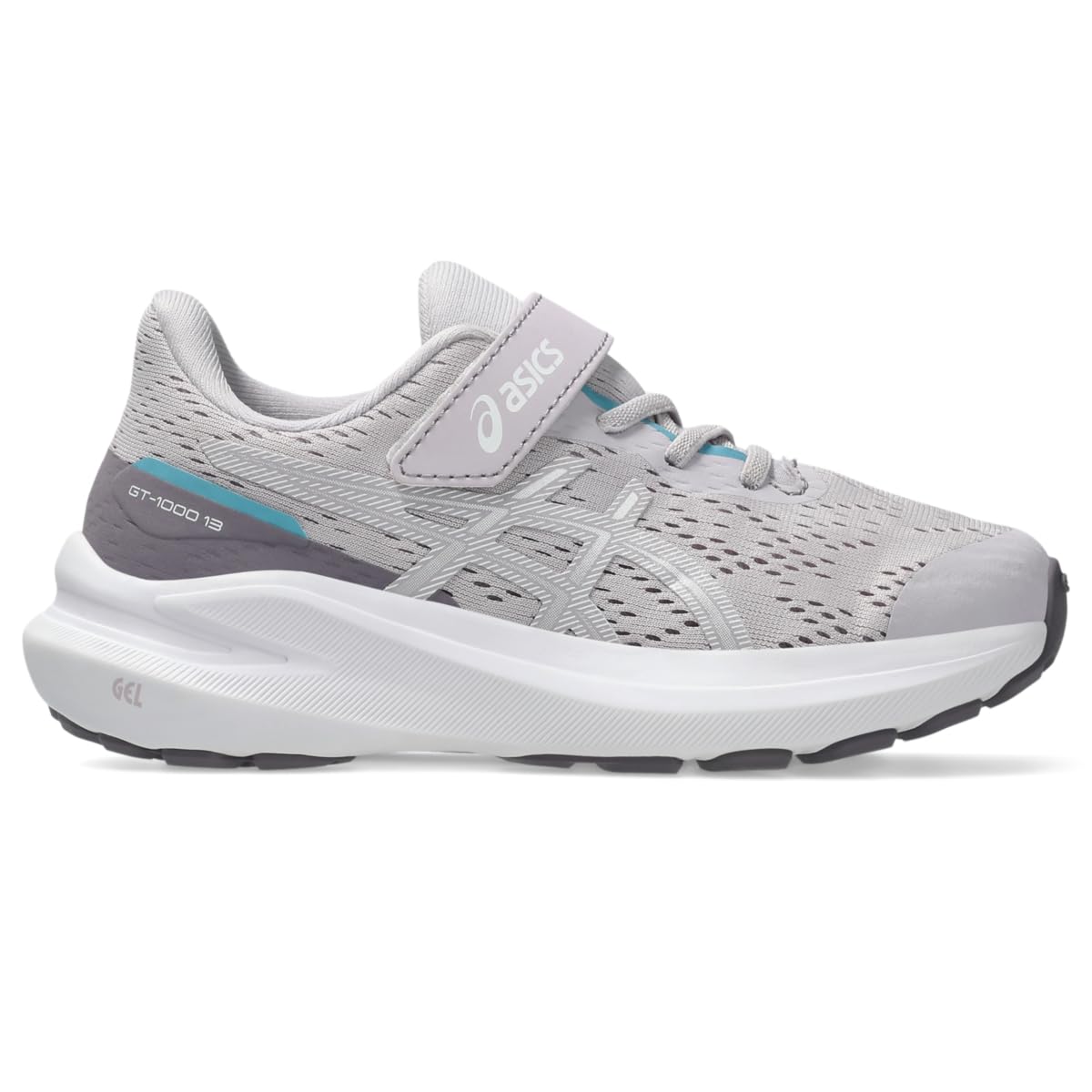
ASICS packs its adult motion-control technology into the GT-1000 13 kid’s version. The LITEFOAM midsole provides responsive cushioning without being mushy, and the guidance line groove in the outsole encourages a more efficient gait cycle for kids who pronate heavily. The medial post is integrated into the midsole rather than being a removable insole, making the stability consistent throughout the shoe’s lifespan.
Multiple reviews from parents of flat-footed children confirm that this shoe effectively reduces inward ankle bending during running. The heel counter is stiff and wraps the foot securely, which is non-negotiable for young athletes with collapsing arches. The upper is water-resistant and breathable, suiting outdoor play across surfaces.
The shoe runs half a size small and is somewhat narrow, so ordering a wide width or sizing up is essential for children with broader feet. The ankle stability is excellent, but the snug fit can be problematic if your child has a high instep alongside flat feet.
Why it’s great
- Dual-density midsole with integrated medial post for lasting motion control
- Guidance line outsole groove promotes a straighter stride
- Water-resistant upper that holds up to daily wear
Good to know
- Runs half-size small and narrow — size up for wider feet
- Not ideal for very high insteps due to lower volume fit
3. New Balance Kids’ 990 V6 Lace-up Sneaker
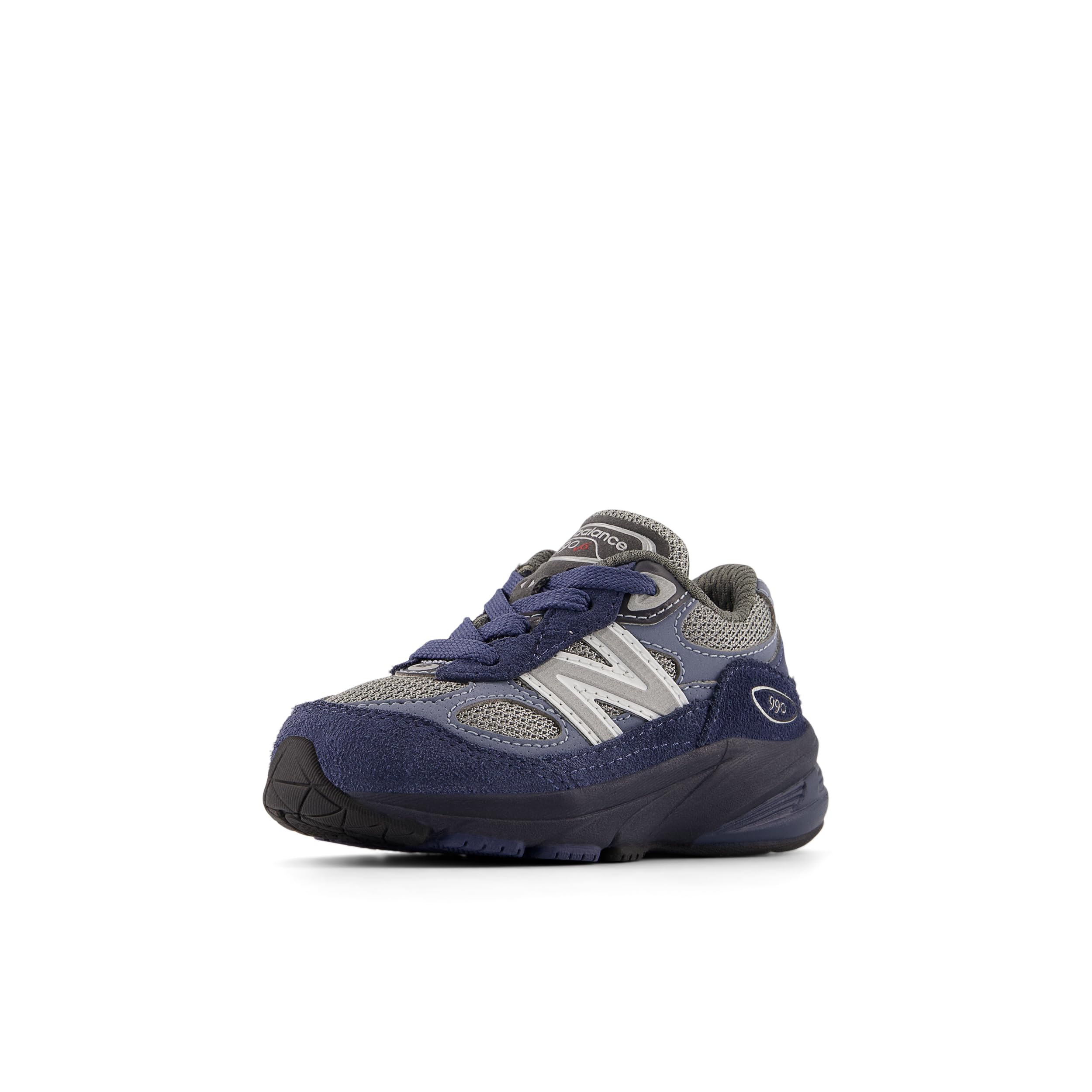
The 990 V6 is a premium stability shoe that brings New Balance’s ENCAP technology to kids. ENCAP combines a soft EVA core with a polyurethane rim, creating a supportive cradle that resists overpronation without feeling like a brick. The dual-density foam extends from heel to forefoot, offering consistent arch support throughout the gait cycle.
Parents report that the wide width option (2E) accommodates flat, wide feet comfortably — the toe box is generous without being clown-like. The shoe is surprisingly durable for a kid’s sneaker; multiple users noted it outlasts the child’s shoe size span, making the upfront cost more reasonable over time. The suede and mesh upper is machine-washable and holds its shape.
Some users felt the toe box was tighter than previous 990 versions in the same size 2E, so if your child has particularly broad toes, you may need to go up a half size. The lace-up closure gives good adjustability, but younger kids may need help tying them.
Why it’s great
- ENCAP midsole provides structured arch support for flat feet
- Available in wide widths that fit broad, flat feet
- Machine-washable and extremely durable
Good to know
- Toe box slightly narrower than previous 990 versions
- Requires lace assistance for younger children
4. New Balance Kids’ 1440 V1 Lace-up Running Shoe
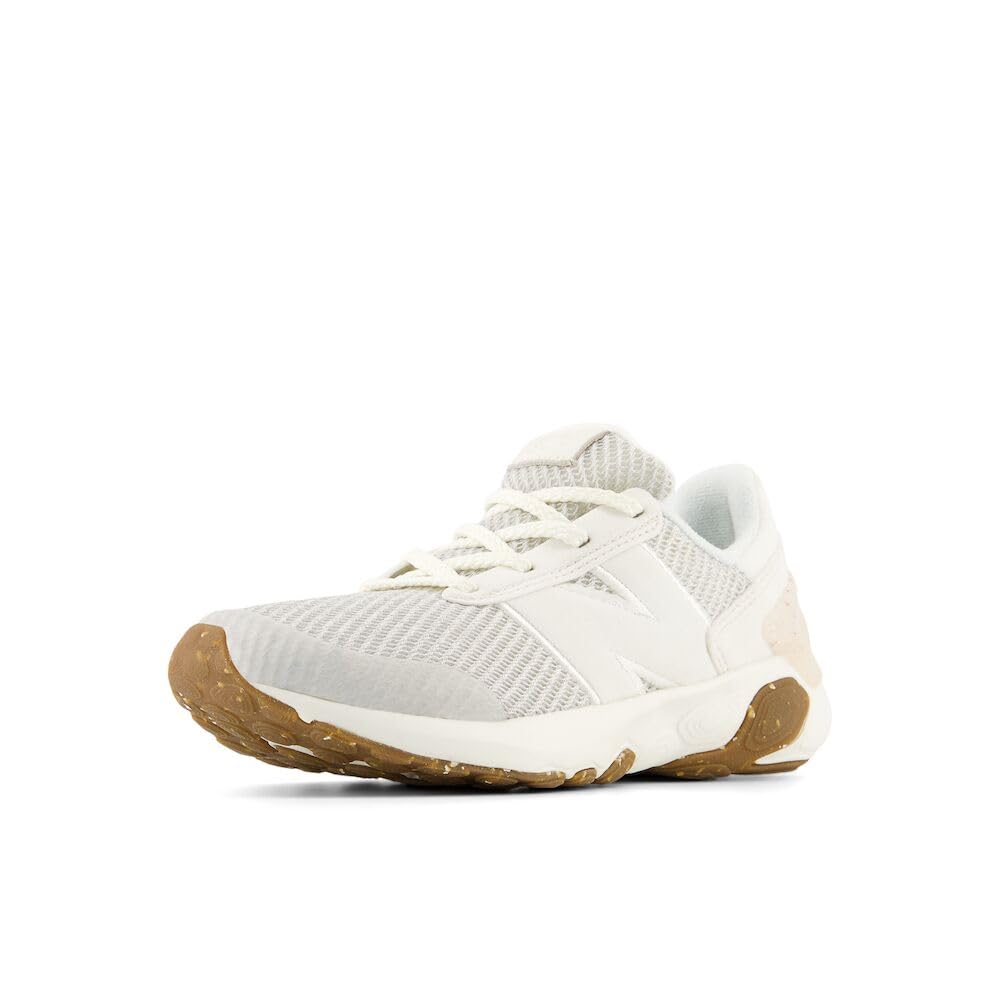
The 1440 V1 offers accessible arch support at a price point that makes it a strong candidate for families who need reliable stability without breaking the budget. The heel counter is structured enough to resist inward roll, and the rubber outsole provides grippy traction that helps kids with flat feet feel grounded on various surfaces. The lace-up design allows a personalized fit around the midfoot.
Users report that the shoe holds up for seven months of daily school wear before showing major signs of wear — this is solid durability for a mid-range shoe. The availability of extra-wide sizes is a significant advantage for parents whose children have both flat and wide feet. The styling is clean and gender-neutral, which kids tend to accept without complaint.
A few users observed that the fabric around the toe bed began separating from the sole after roughly a week of wear. While this didn’t affect the overall structural support, it suggests the upper-to-sole bonding could be more resilient. Checking the stitching upon arrival is advisable.
Why it’s great
- Good arch support with a structured heel counter for overpronation
- Extra-wide sizes available for flat, broad feet
- Durable rubber outsole with reliable traction
Good to know
- Toe bed fabric can separate from sole early
- Not as much cushioning as premium stability shoes
5. Skechers Girls’ Ultra Flex 3.0 Rainbow Speed Sneaker

The Ultra Flex 3.0 is Skechers’ flex-groove outsole shoe designed for easy slip-on convenience. While it does not feature a rigid medial post like the ASICS or orthopedic shoes, its flexible outsole and soft insole provide a comfortable foundation for kids with mild flat feet who are not competitive athletes. The shoe is extremely lightweight and easy for kids to manage independently.
Parents praise the ease of wear — children can slide them on without assistance, and the shoe stays on during active play without slipping off. The colorways are vibrant and appeal to younger kids. The cushioning is plush, which helps with impact absorption during casual walking and running.
For kids with significant overpronation, the lack of a structured arch support and the flexible sole will not provide enough correction. These shoes are best suited for daily casual wear rather than high-impact sports. The pink color showed dirt quickly, though the material is washable.
Why it’s great
- Ultra-lightweight and effortless slip-on design for independence
- Plush cushioning absorbs impact for casual wear
- Durable construction that outlasts cheaper slip-on alternatives
Good to know
- Insufficient arch support for significant overpronation
- Flexible sole does not provide motion control
6. WHITIN Little/Big Kid Barefoot Shoes

WHITIN’s barefoot shoes are a minimalist alternative for flat-footed kids who may benefit from strengthening foot muscles rather than relying on a rigid orthotic. The zero-drop platform and wide toe box allow the toes to spread naturally and the foot to function as intended — this can help some children build intrinsic arch strength over time. The outsole is thin and flexible with good ground feel.
Multiple parents reported that switching to these shoes stopped their child’s foot pain complaints after transitioning from traditional athletic shoes. The shoes are lightweight at only 5.29 ounces, making them feel like a second skin. They are easy to clean and have held up well across multiple seasons for some families.
These shoes provide zero arch support by design — if your child needs immediate pronation control for sports, this is not the right pick. The transition from cushioned shoes requires an adaptation period, and some kids may not like the minimalist feel. They are best used for everyday play and walking rather than high-impact running.
Why it’s great
- Wide toe box allows natural toe splay for foot development
- Zero-drop platform promotes better posture and gait
- Extremely lightweight and easy to clean
Good to know
- No built-in arch support or pronation control
- Requires transition period from cushioned athletic shoes
7. Kids Wide Toe Box Slip On Sneakers
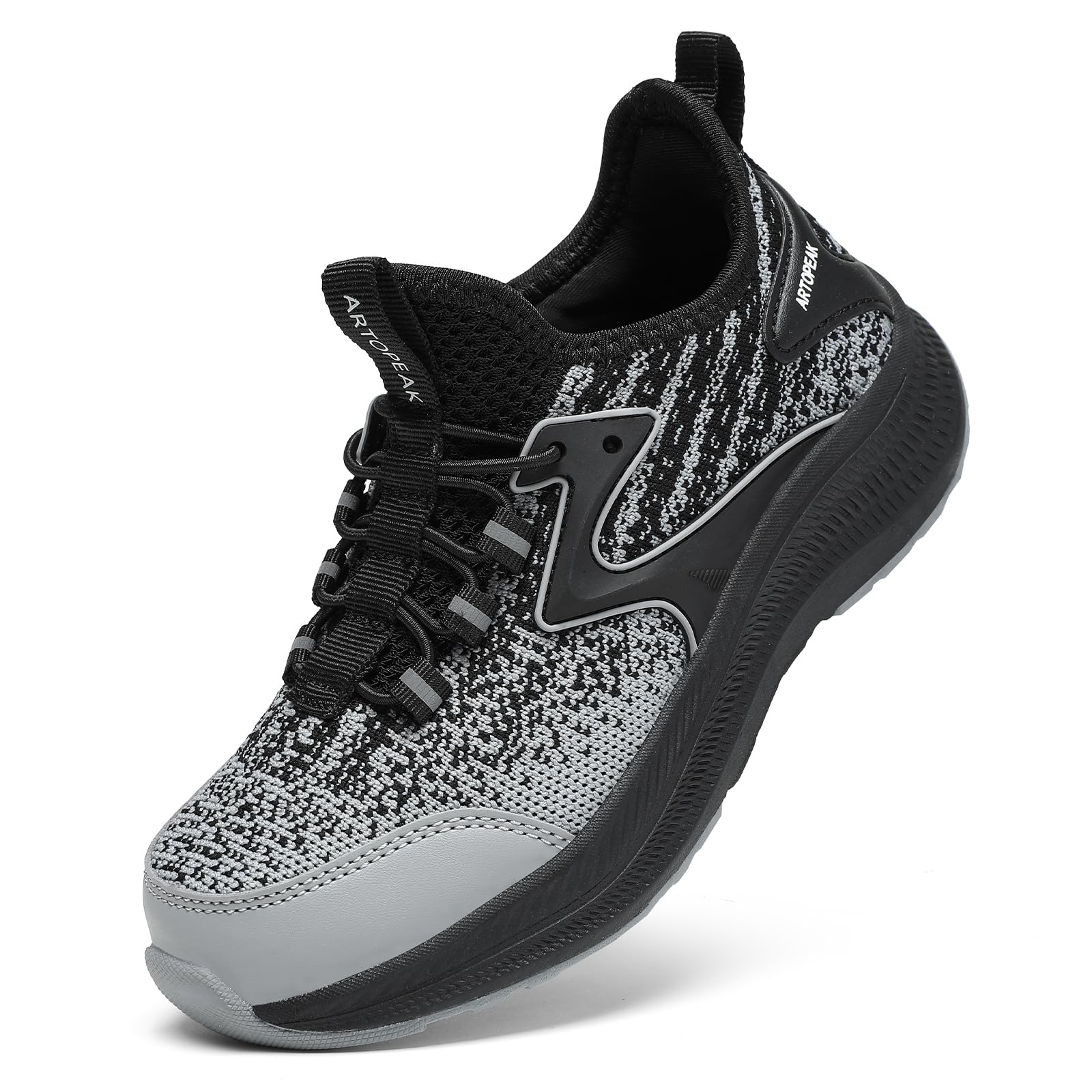
These slip-on sneakers are a budget-conscious entry point for families wanting a wide toe box and easy on-off access. The cushioning is comfortable for casual wear, and the wide fit accommodates broader flat feet without squeezing. The slip-on design with a bungee lacing system makes them manageable for younger children who struggle with traditional laces.
Parents appreciate the value, noting that the shoes are lightweight and breathable for warmer weather. The color options are appealing to kids, and the shoes stay on the foot during normal activity. For the price, they offer decent out-of-box comfort for children with mild flat feet.
Durability is the main compromise — multiple users reported the toe separating from the sole within the first week of wear, and the interior lining wore down quickly. These are not built for high-energy play or sports. If your child is hard on shoes, these will likely need replacement faster than other options on this list.
Why it’s great
- Wide toe box and slip-on design at an accessible price
- Lightweight and breathable for everyday casual use
- Easy for kids to put on and take off independently
Good to know
- Poor durability — sole and lining wear quickly
- Too loose for high-energy sports or running
FAQ
Do kids with flat feet need motion control shoes or stability shoes?
Can barefoot shoes fix flat feet in children?
How do I know if my child has outgrown their supportive shoes?
Final Thoughts: The Verdict
For most users, the best arch support shoes for kids with flat feet winner is the Kids Orthopedic Tennis Shoes because its aggressive arch profile and rigid heel counter provide the most reliable pronation control for daily school and sports use. If you want trusted motion-control technology from a major running brand, grab the ASICS GT-1000 13. And for premium all-day structure that outlasts growth spurts, nothing beats the New Balance 990 V6.