
Our readers keep the lights on and the weekend projects moving. As an Amazon Associate, I earn from qualifying purchases.
Arctic boots are not winter boots. They are survival gear for a world where exposed skin freezes in seconds and frostbite is a real risk after several minutes. The difference between a boot that protects and one that fails is measured in degrees, materials, and multi-layer insulation systems designed for motionless sitting through a polar night. Choosing the wrong pair means cold feet before the hunt starts, or worse, a dangerous loss of dexterity during an expedition.
I’m Rikta — the co-founder and writer behind FitlyFast. I’ve spent thousands of hours researching extreme-cold footwear, analyzing insulation lofts, removable liner systems, seal construction, and temperature ratings to separate true arctic-rated boots from marketing claims.
Whether you are ice fishing on a frozen lake, guiding a snowmobile tour through blowing snow, or simply shoveling a long driveway in a deep freeze, the arctic boots you choose must deliver reliable warmth without sacrificing traction or durability.
How To Choose The Best Arctic Boots
Selecting arctic boots requires a shift in thinking. Casual winter boot specs — like a generic “warm” label or a single insulation layer — are not enough. Real arctic protection depends on a system of materials and construction methods that work together to keep heat in and cold out, even when you are standing still on ice.
Insulation System: Multi-Layer vs. Single Foam
The top performers use a removable multi-layer inner boot system. This usually includes a wicking layer near the foot, a foam mid-layer for cushioning and heat retention, and a reflective membrane that bounces body heat back toward the foot. A single thick layer of foam, by contrast, compresses over time and loses its insulating air pockets. A removable liner also allows faster drying overnight — a practical advantage on multi-day trips.
Outsole Rubber and Tread
Standard rubber stiffens and loses grip below zero. Arctic boots use specially formulated Polar Rubber or a similar cold-weather blend that stays flexible in deep cold. Look for deep, widely spaced lugs that self-clear snow rather than packing solid. A block heel provides stable footing on hard-packed drifts, while a smooth center section under the arch improves snowmobile peg contact.
Waterproofing and Shaft Construction
A fully molded one-piece rubber lower offers complete waterproofing with zero glue seams or stitched paths for moisture to enter. For leather boots, a waterproof breathable membrane is essential, but the seam-sealing quality of the upper construction matters more. A tall shaft with a nylon locking snow collar seals out blowing powder and prevents snow from funneling down the boot as you walk.
Fit and Sizing
Arctic boots often run small due to thick insulation. Many buyers must order one to two full sizes up from their normal shoe size to accommodate a heavy wool sock and allow air circulation around the toes. A boot that fits too snugly restricts blood flow and leads to cold feet faster than a boot with moderate insulation and good circulation. Always check user feedback for sizing guidance specific to each model.
Quick Comparison
On smaller screens, swipe sideways to see the full table.
| Model | Category | Best For | Key Spec | Amazon |
|---|---|---|---|---|
| Baffin Men’s Control Max | Premium Pac Boot | Deepest cold, snow blowing | Arctic rated, full grain leather | Amazon |
| Kenetrek Mountain Extreme 400 | Premium Leather Hiker | Hiking & rugged terrain | 400g Thinsulate, 10″ leather | Amazon |
| Helly Hansen Garibaldi V3 | Mid-Range Lace-Up | Daily wear & active use | Primaloft 400g, Max Grip | Amazon |
| Baffin Men’s Selkirk | Mid-Range Pac Boot | Snowmobile & hunting | Arctic rated, built-in gaiter | Amazon |
| Baffin Titan | Budget Rubber Boot | Severe wet cold & hunting | -49°F to -76°F rating | Amazon |
| BOGS Bozeman Mid | Budget Neoprene Boot | Light chores & mild cold | One-piece molded lower | Amazon |
| MUCK Arctic Sport Tall | Budget Neoprene Boot | Farm work & deep snow | -40°F rating, 5mm neoprene | Amazon |
| MUCK Arctic Sport Boot | Budget Neoprene Boot | Wet & mucky conditions | -40°F rating, fleece lining | Amazon |
| Columbia Expeditionist Shield | Budget Hybrid Boot | Casual winter wear | Thermal-reflective lining | Amazon |
In‑Depth Reviews
1. Baffin Men’s Control Max Snow Boot
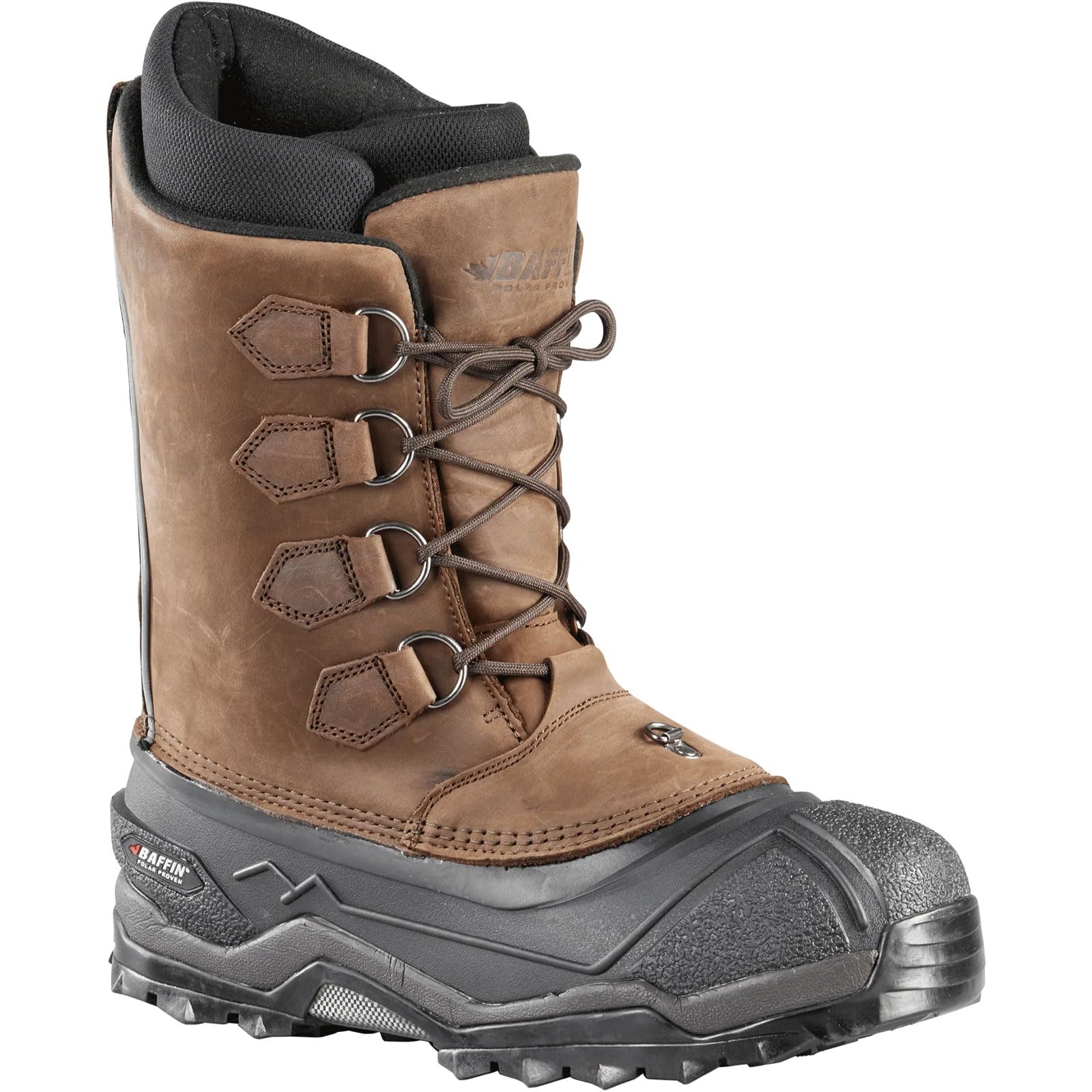
The Baffin Control Max sits at the top of the brand’s lineup for serious arctic conditions. It uses a full-grain leather upper with a nylon locking snow collar and a removable multi-layer inner boot system. The Polar Rubber outsole stays flexible in extreme cold, and the tall shaft combines with the built-in gaiter to block snow ingress. Reviewers note that the boot feels bulky — many describe it as an “astronaut boot” look — but for stationary cold exposure like snow blowing or ice fishing, that bulk translates directly into warmth.
The insulation is thick enough to compress slightly after two or three minutes of wear, conforming to the foot for a better thermal seal. Users consistently report ordering half a size up from their normal shoe size to accommodate a thick wool sock. The GelFlex midsole adds underfoot comfort that is rare in boots this protective. After weeks of daily use, the leather upper resists moisture and the Polar Rubber lugs show minimal wear on hard pack.
One trade-off is the calf circumference: the thick insulation at the shaft makes it difficult to tuck heavy pants or bibs over the boot. Users who need to wear snowmobile suits or hunting bibs should consider the Selkirk model with its built-in extendable gaiter. For pure stationary warmth and waterproof performance in the most demanding cold, the Control Max is the reference.
Why it’s great
- Arctic-rated multi-layer removable liner for extreme cold
- Full grain leather resists moisture and abrasion
- Polar Rubber outsole stays grippy below zero
Good to know
- Bulky shaft makes pant tucking difficult
- Runs small; order half to full size up
2. Kenetrek Men’s Mountain Extreme 400
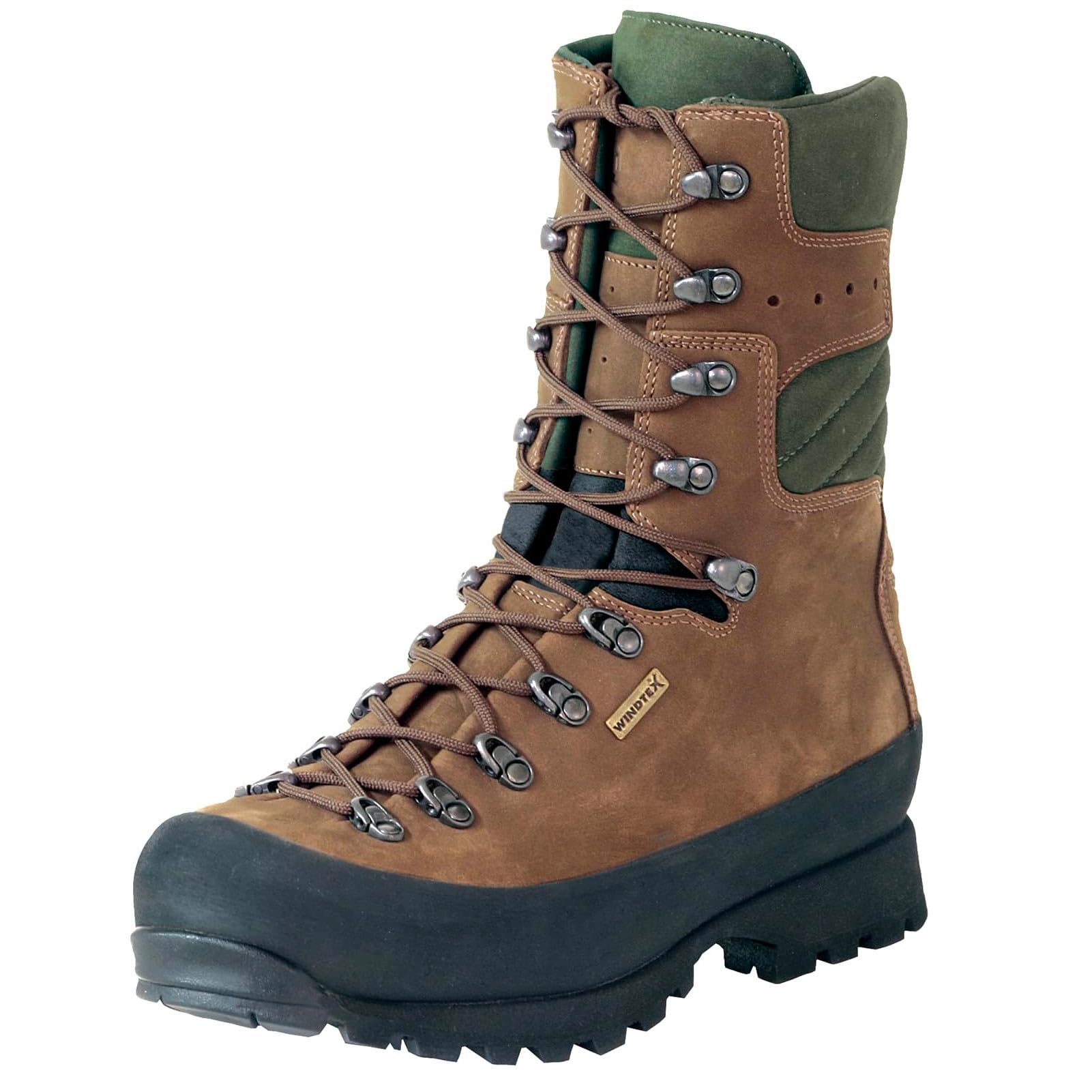
The Kenetrek Mountain Extreme 400 is built for a different arctic mission: high-output hiking and hunting in cold, uneven terrain. It uses a full-grain leather upper with a waterproof breathable membrane and 400-gram Thinsulate insulation. The K-Talon outsole features aggressive lugs that dig into snow, mud, and loose scree, making it the best choice for traversing frozen ridgelines and alpine approaches. Users consistently mention that the boot feels broken in from day one — the leather is supple, and the double and triple stitching at stress points inspires confidence.
The 10-inch height provides excellent ankle support for carrying a heavy pack over uneven ground. A 7mm nylon midsole adds torsional rigidity without making the boot feel like a concrete block. Reviewers with rheumatoid arthritis and other foot conditions report that the arch support and overall footbed comfort are superior to any other boot they have tried. The fit runs true to size for most users, and the 400-gram Thinsulate handles active use in single-digit temperatures without causing overheating.
The premium construction comes with a premium weight and price. At over four pounds per boot, the Mountain Extreme 400 is not a light option for standing around. It is optimized for miles of high-exertion hiking, not hours of stationary ice fishing. The leather upper also requires occasional conditioning to stay waterproof in wet snow. For those who prioritize durability, support, and traction over sheer cold-weather bulk, this boot is unmatched.
Why it’s great
- Aggressive K-Talon outsole grips ice and loose terrain
- 10-inch leather upper provides excellent ankle support
- True-to-size fit with quick break-in period
Good to know
- Heavy; not ideal for stationary cold exposure
- Leather requires occasional waterproofing maintenance
3. Helly Hansen Men’s Garibaldi V3

The Helly Hansen Garibaldi V3 is the most stylish arctic-capable boot on this list, but it earns its place through performance, not looks. It uses a waterproof leather and textile upper with a seam-sealed construction and Primaloft 400-gram insulation. The Max Grip outsole uses a multi-directional lug pattern that provides reliable traction on packed snow and ice. The Hover-Stride midsole delivers noticeable underfoot cushioning that reduces fatigue during all-day wear in city or suburban winter conditions.
Reviewers report that the boot comfortably handles temperatures down to -11°F without causing sweaty feet — a balance that is rare among highly insulated boots. The Pro Guard reinforcement around the heel and toe adds durability for kicking through crusty snow or scraping ice off a car windshield. The lace-up closure allows precise fit adjustment, which is important because the boot runs true to size and accommodates a medium-weight sock without feeling cramped.
The Garibaldi V3 is not a true expedition boot. The 400-gram Primaloft works well for active and semi-active use, but it lacks the multi-layer removable liner system of the top-rated Baffin boots. For someone who needs a single boot for commuting, shoveling, and weekend snowshoeing — and wants it to look good — this is the best option. Some users note that the sole can feel stiff during the first few wears, but it loosens up as the rubber flexes with use.
Why it’s great
- Balanced 400g insulation works for active and everyday use
- Max Grip outsole provides reliable traction on ice
- Stylish design fits casual and work settings
Good to know
- Not designed for extreme stationary cold exposure
- Upper can feel stiff during initial break-in period
4. Baffin Men’s Selkirk Snow Boot

The Baffin Selkirk is engineered for the specific demands of snowmobiling and extreme cold hunting. It features a leather and nylon upper with a built-in extendable gaiter that seals the top of the shaft against blowing snow — a critical detail for riders who sit on a machine with wind chills dropping to -50°F. The removable multi-layer liner includes a Thermaplush wicking layer, B-Tek foam, and a reflective heat membrane. The Icepaw Polar Rubber outsole is studded with small rubber nubs that provide remarkable grip on polished ice.
One of the most popular reviews describes the Selkirk as the boot that won a nine-boot shootout for a snowmobile expedition. The nylon upper and gaiter kept blowing snow out effectively, and the reflective panels on the shaft added nighttime visibility. Users consistently note that the boot is surprisingly lightweight for its level of protection. The D-ring lacing system combined with a Velcro ankle strap allows secure closure without being overly complex, even with gloves on.
The Selkirk’s insulation is rated to -94°F, but that rating assumes moderate activity and proper sock layering. Some users report that the removable liner feels slightly loose around the toes if it gets wet from sweat, which reduces the thermal seal. The boot also tends to run large — most buyers need to size down by half to one full size. For snowmobile riders and stand hunters who prioritize a gaiter seal and ice grip, this boot is purpose-built.
Why it’s great
- Built-in extendable gaiter seals out driving snow
- Icepaw outsole provides superior grip on black ice
- Lightweight for an arctic-rated boot
Good to know
- Runs large; order half to one full size down
- Wet liner can feel loose and reduce warmth
5. Baffin Titan, Men’s Boots

The Baffin Titan is a polar-certified rubber boot that delivers extreme cold protection at a fraction of the price of premium competitors. It features a one-piece molded Oarprene compound upper with zero glue seams — meaning zero leak points — and a B-Tek Dry waterproof membrane. The multi-layer liner system includes Thermaplush, B-Tek Foam, a vaporized aluminum heat reflector, and a PolyWool blend. Tested at the North and South Poles, this boot carries a temperature rating of -49°F to -76°F for moderate activity.
Buyers consistently report this is the warmest boot they have ever owned for sitting still during cold-weather hunts. Standing on frozen ground in 9°F for hours yields warm feet, which is a claim few budget-tier boots can back up. The Polar Rubber outsole provides reliable traction on snow, and the steel safety toe adds protection for worksite use. Users emphasize that ordering two sizes up is mandatory — the insulation takes up significant internal volume.
The Titan’s bulk is its main drawback. The heel and calf area is so wide that it interferes with snow skirts and tight-fitting bibs. Some users experienced a 1/4-inch split in the rubber after a year of heavy use, though the manufacturer’s customer service provided quick replacements. For a hunter on a budget who needs verified polar-level warmth, the Titan is the best entry point.
Why it’s great
- Polar-tested to -76°F with multi-layer insulation
- One-piece molded construction prevents leaks
- Steel safety toe adds worksite protection
Good to know
- Very bulky in heel and calf area
- Order two sizes up for proper fit
6. MUCK Men’s Arctic Sport Tall

The MUCK Arctic Sport Tall is a neoprene-based rubber boot that has become a staple on farms, ranches, and worksites across North America. Its 5mm neoprene upper stretches to conform to the calf, preventing snow from funneling down the boot, and the fully sealed rubber shell extends high above the ankle. The fleece lining and thermal foam footbed work together to maintain warmth down to -40°F. Users report standing ankle-deep in near-freezing slush for extended periods with completely dry feet.
The contoured midsole provides better arch support than most all-rubber boots, and the molded rubber outsole with deep lugs offers solid grip in sloppy conditions. Reviewers who have worn MUCK boots for years note that the Arctic Sport consistently lasts through multiple seasons of heavy farm use — manure, mud, snow, and rain — without delaminating. The tall shaft folds down for easier entry, and the boot runs true to size for most wearers.
The one-piece lower construction is a major advantage, but the mesh handles at the top of the shaft have a reputation for tearing or letting snow in through the holes they create. Some users also find the boot too warm for anything above freezing, causing sweaty feet. The snug calf fit that blocks snow can also make it difficult to pair with thick pants or bibs. For anyone who works outdoors in wet, muddy, and cold conditions, the Arctic Sport Tall is a proven workhorse.
Why it’s great
- 5mm neoprene conforms to calf for a snow-proof seal
- One-piece lower construction prevents delamination
- Proven durability for multi-season farm and ranch use
Good to know
- Mesh handles can tear and let snow in
- Too warm for above-freezing temperatures
7. MUCK Men’s Arctic Sport Boot

This version of the MUCK Arctic Sport is essentially the same boot as the Tall variant but marketed with slightly different sizing and availability. It uses the same 5mm neoprene upper, the same fully sealed rubber shell, and the same fleece lining with thermal foam footbed. The -40°F temperature rating is identical. Users report the same core experience: warm, dry feet in freezing slush and snow, with the flexible neoprene preventing chafing and accommodating natural foot movement.
The boot is described as cozy for standing in corrals during -8°F mornings and compatible with YakTracs for extra ice traction. Reviewers note that the boot runs true to size and has enough room for a heavy sock. The neoprene folds down for easy entry, and the outsole clears mud and snow effectively. A user who completed the Chadar Trek in the Himalayas — a 10-day walk across a frozen river with temperatures down to -30°C — reported zero wear and tear on the boot.
The same weakness applies as the Tall version: the upper material can tear if brushed against blackberry bushes or sharp debris, and the boot causes overheating in anything above freezing. The fleece lining traps moisture, so allowing proper drying time between uses is important for long-term comfort. For wet, mucky, and cold environments where you need a simple pull-on boot that just works, this is a reliable, budget-friendly choice.
Why it’s great
- Proven -40°F warmth for wet and slushy conditions
- Neoprene upper stretches for a comfortable, secure fit
- True-to-size fit with room for thick socks
Good to know
- Upper material tears easily on sharp brush
- Fleece lining can overheat in warmer weather
8. BOGS Bozeman Mid Men’s Boot
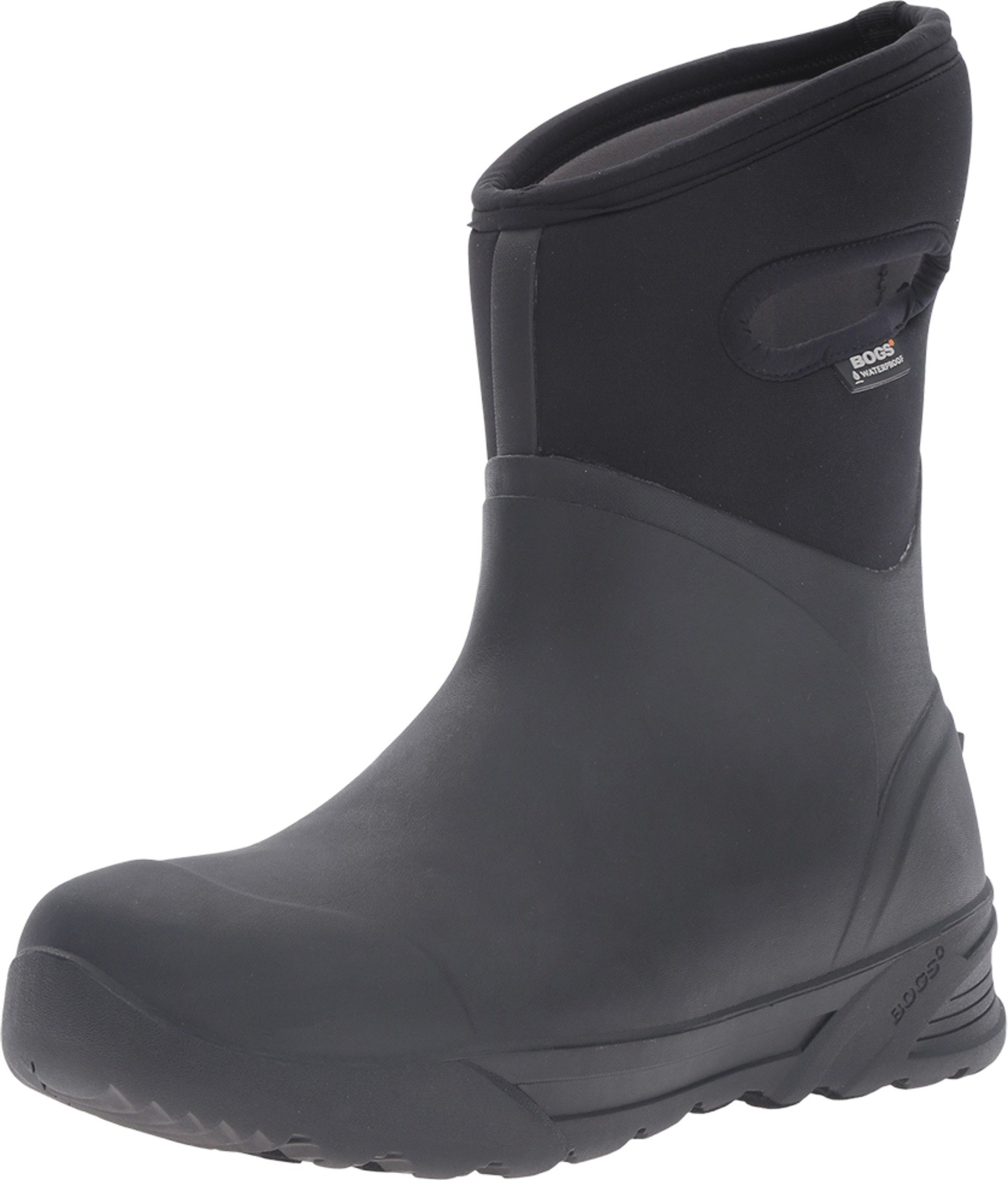
The BOGS Bozeman Mid is a simple, well-executed rubber boot designed for cold wet conditions where you need to get in and out quickly. It features a one-piece molded lower that prevents delamination — a common failure point in glued rubber boots — and a tall pull-on shaft with cut-out handles for easy gripping. The boot is waterproof, and users report standing in near-freezing slush for ten minutes with completely dry feet. The tread clears snow effectively and provides decent traction on icy surfaces.
Reviewers consistently praise the durability. One user reported that the first pair lasted hundreds of miles of use. The boot runs true to size, and the easy on-off design is a major selling point for people who frequently transition between indoor and outdoor work. The Bozeman Mid is noticeably lighter than the full-arctic boots from Baffin, making it a better choice for active chores where heavy rubber boots would be fatiguing.
The cut-out handles at the top of the shaft are practical for pulling the boot on, but they also create holes that let snow and cold air in. Some users found the boot causes sweaty feet in milder conditions. The BOGS is not rated to the same extreme temperatures as the MUCK or Baffin models — it is better suited for winter conditions in the teens and twenties than for deep subzero expeditions. For light winter work and quick transitions, this is a smart value buy.
Why it’s great
- One-piece molded lower prevents seam failure
- Cut-out handles make on-off very quick
- Lightweight and easy to move in for active chores
Good to know
- Handle holes let snow and cold air into the boot
- Lacks extreme cold rating for deep subzero use
9. Columbia Men’s Expeditionist Shield
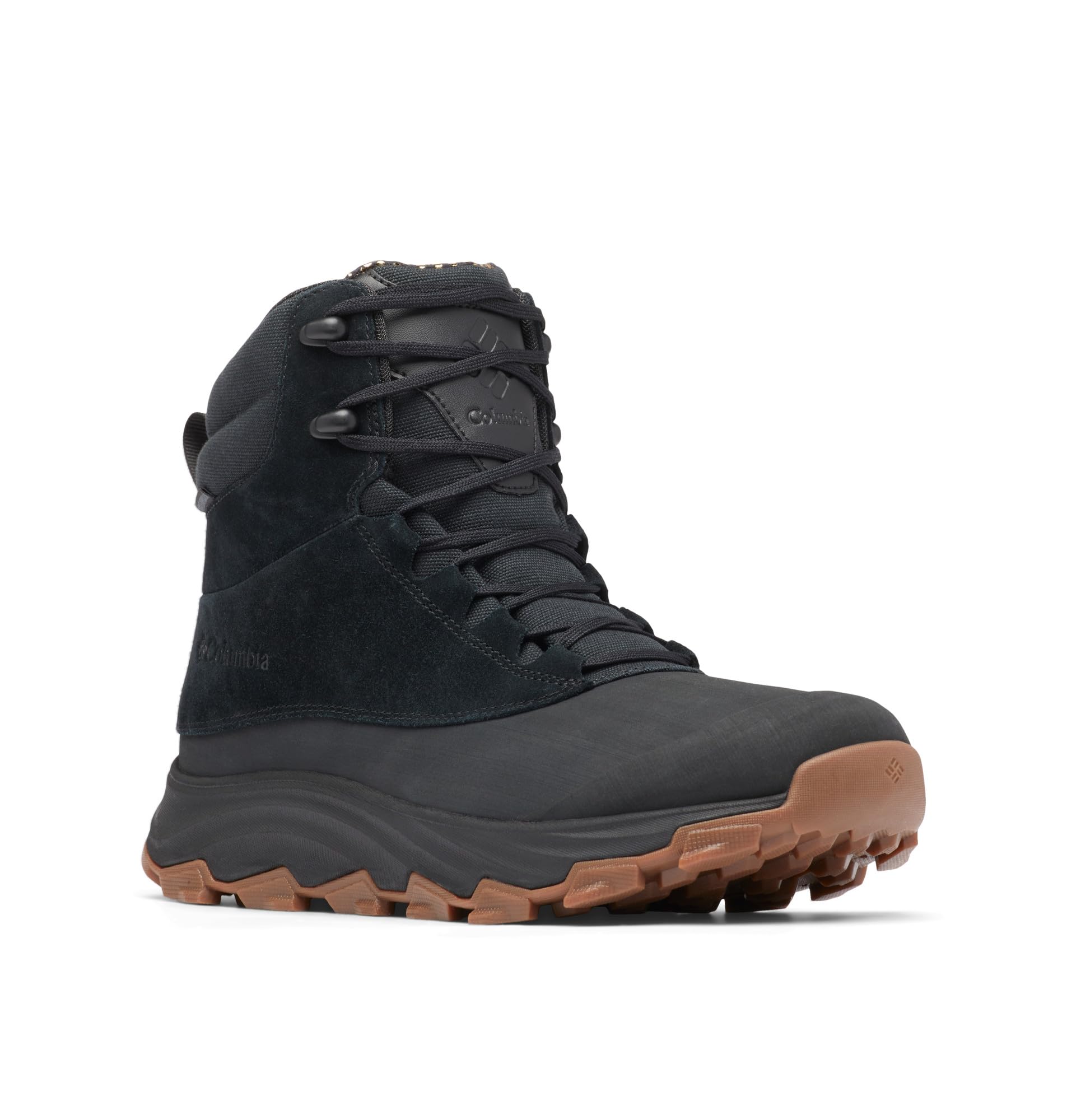
The Columbia Expeditionist Shield uses the brand’s thermal-reflective lining to trap body heat inside a waterproof breathable membrane. The outsole uses a cold-optimized rubber compound with a multi-directional lug pattern that provides reliable grip on snow and ice. This is the most accessible boot on the list — lightweight, easy to walk in, and available in multiple colors. Reviewers describe it as comfortable enough for all-day wear and warm enough for most winter conditions without causing sweaty feet.
The boot runs true to size and offers a precise fit through the lace-up closure. Users report staying warm and dry in deep snow during daily walks and suburban errands. The construction is noticeably slimmer than the bulky Baffin and MUCK boots, making it easy to pair with regular winter pants. Several reviewers noted that the boot is very lightweight for its level of insulation, which reduces fatigue during active use like shoveling or hiking.
The Expeditionist Shield is not designed for arctic-level cold or prolonged stationary exposure. The thermal-reflective lining works well for moving through cold air, but it lacks the multi-layer removable insulation that keeps feet warm when standing still. The waterproofing is decent for light snow and puddles but not certified for deep sub-zero slush submersion. For mild to moderate winter conditions where you need a comfortable, walkable, and affordable boot, this is a solid entry-level choice.
Why it’s great
- Lightweight and comfortable for all-day active wear
- Thermal-reflective lining warms without bulk
- True-to-size fit with precise lace-up closure
Good to know
- Not suitable for extreme cold or stationary exposure
- Waterproofing adequate only for light snow and puddles
FAQ
Are Arctic Boots safe to wear indoors?
What is the difference between a pac boot and a rubber snow boot for arctic use?
How do I know if my Arctic Boots fit correctly?
Can Arctic Boots be repaired if the rubber cracks?
Do Arctic Boots require special break-in time?
Final Thoughts: The Verdict
For most users, the arctic boots winner is the Baffin Men’s Control Max because it delivers verified polar-level warmth through its multi-layer removable liner and full-grain leather upper, making it the most reliable choice for extreme stationary cold. If you want a lighter, more active boot that still handles deep cold, grab the Kenetrek Mountain Extreme 400. And for a proven, budget-friendly rubber boot that shines in wet, slushy conditions, nothing beats the MUCK Arctic Sport Tall.