
Our readers keep the lights on and the weekend projects moving. As an Amazon Associate, I earn from qualifying purchases.
When your eye doctor hands you a prescription for AREDS 2 eye vitamins, it’s not a suggestion — it’s a targeted intervention to slow the progression of age-related macular degeneration (AMD). The National Eye Institute’s landmark study established a precise formula of lutein, zeaxanthin, zinc, copper, vitamin C, and vitamin E. The problem is that not all supplements stick to that exact blueprint, and deviations in dosage or ingredient forms can undermine the clinical benefit you’re seeking.
I’m Rikta — the co-founder and writer behind FitlyFast. I’ve spent hundreds of hours analyzing the label claims, zinc levels, copper balance, and bioavailability differences across the major AREDS 2 supplement lines to help you match the exact study formulation without wasting money on underdosed or overhyped blends.
This guide breaks down the top contenders based on ingredient fidelity, capsule tolerance, and value. Whether you’re newly diagnosed or managing advanced dry AMD, finding the right areds 2 eye vitamins means trusting the science — not the marketing.
How To Choose The Best AREDS 2 Eye Vitamins
Selecting an AREDS 2 supplement comes down to verifying ingredient amounts against the University of Wisconsin–sponsored NIH study, not trusting label claims alone. The original formula demands 500mg vitamin C, 400 IU vitamin E, 25mg zinc, 1.2mg copper, 10mg lutein, and 2mg zeaxanthin per daily dose (typically two capsules). Any product deviating significantly from these numbers should raise a red flag.
Ingredient Forms & Absorption
Look for natural-source vitamin E (d-alpha-tocopherol) instead of synthetic dl-alpha — the natural form is better retained in tissues. Opt for FloraGLO lutein if the brand discloses its source; this patented marigold extract is the most studied in clinical trials. For zinc, standard zinc oxide is cheap but can cause stomach upset in sensitive individuals; some premium brands use zinc glycinate for easier digestion without reducing absorption.
Bottle Size & Daily Servings
Most AREDS 2 formulas require two softgels or capsules per day. A 60-count bottle lasts one month, a 120-count lasts two, and a 180-count gives you a three-month supply. Larger bottles reduce per-dose cost and the hassle of reordering, but only if the capsules stay fresh — check the expiration date before committing to bulk.
Allergen & Dietary Restrictions
Many AREDS 2 brands use gelatin, soy oil, or artificial dyes. If you need gluten-free, soy-free, or dye-free options, verify directly with the manufacturer. The Viteyes brand, for example, offers allergen-free capsules with no preservatives or beta-carotene, which matters for smokers who should avoid high-dose beta-carotene.
Quick Comparison
On smaller screens, swipe sideways to see the full table.
| Model | Category | Best For | Key Spec | Amazon |
|---|---|---|---|---|
| PreserVision AREDS 2 | Premium | Most studied AREDS 2 brand | 10mg Lutein, 2mg Zeaxanthin | Amazon |
| Viteyes Classic (180ct) | Premium | Allergen-free long-term use | 25mg Zinc, 1.2mg Copper | Amazon |
| ScienceBased Health MacularProtect | Premium | Combined AREDS 2 + multivitamin | 30+ nutrients including resveratrol | Amazon |
| NEW AGE Eye Health | Mid-Range | Extra antioxidants beyond AREDS 2 | 40mg Lutein, 40mg Lycopene | Amazon |
| Viteyes Classic (180ct, lower zinc) | Premium | Gentle stomach with exact AREDS 2 | 25mg Zinc, natural vitamin E | Amazon |
| Provision AREDS 2 | Mid-Range | Veggie caps similar to name brand | Vegetarian capsules | Amazon |
| Superfood MD AREDS 2 | Entry-Level | Budget-friendly exact match formula | Includes astaxanthin | Amazon |
In‑Depth Reviews
1. PreserVision AREDS 2
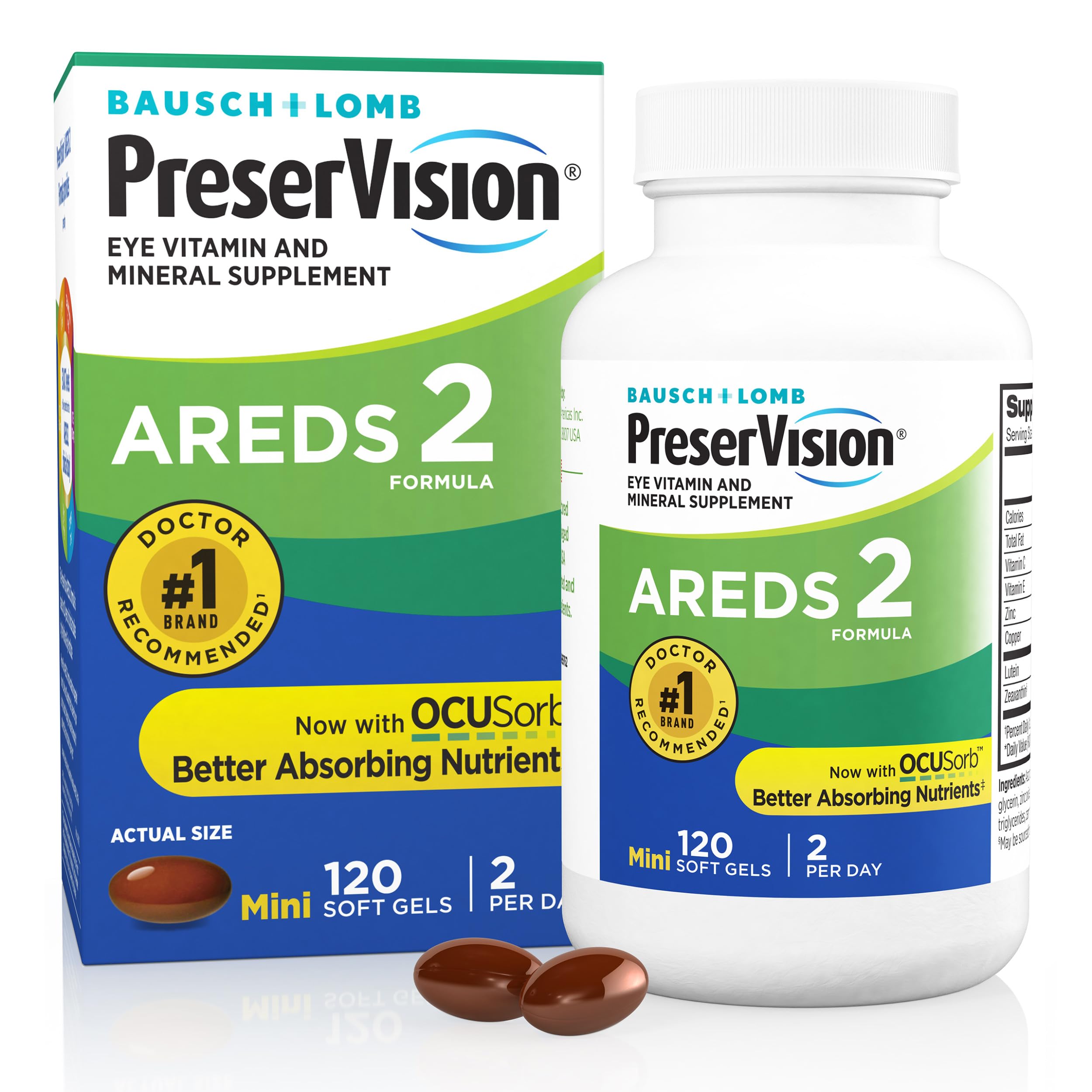
PreserVision is the most studied AREDS 2 brand on the market, and the one most eye doctors reference by name. Each two-softgel daily serving delivers exactly 10mg lutein, 2mg zeaxanthin, 25mg zinc, 1.2mg copper, 500mg vitamin C, and 400 IU vitamin E — a dead match to the NIH trial formula. The minigel softgel size is notably smaller than many competitors, making them easier to swallow for patients who struggle with large capsules.
User feedback consistently praises the brand’s clinical pedigree and the decades of research behind it. Many reviewers report that their ophthalmologists specifically recommended PreserVision after an AMD diagnosis. The softgel format uses a small amount of gelatin, which is generally well tolerated, though a few users note mild burping if taken on an empty stomach.
The 120-count bottle provides a two-month supply, and the per-dose cost lands in the mid-range tier — not the cheapest, but justified by the highest quality control and the most published clinical data supporting efficacy. For anyone newly diagnosed and wanting the ingredient profile the study actually tested, this is the safest bet.
Why it’s great
- Exact match to the NIH AREDS 2 study dosage
- #1 doctor-recommended eye vitamin brand
- Minigel format easier to swallow than standard softgels
Good to know
- May cause mild stomach upset if taken without food
- Contains gelatin — not suitable for vegetarians
2. Viteyes AREDS 2 Classic (180ct)

Viteyes Classic AREDS 2 formula is designed for patients who react poorly to artificial additives or whose stomachs can’t handle the standard zinc oxide found in many cheaper supplements. This version uses lower zinc (25mg) and copper (1.2mg) but keeps lutein and zeaxanthin at the full 10mg and 2mg respectively. The capsules are completely free of beta-carotene, gluten, soy, dairy, preservatives, and artificial dyes.
Multiple reviewers note that this is the only AREDS 2 pill they can tolerate without gastrointestinal distress. One user specifically said that dye sensitivity prevented them from taking other brands, but the Viteyes allergen-free capsule solved that problem entirely. The two-capsule daily dose is easy to stick with, and the 180-count bottle covers three full months.
Because this is a premium product with strict manufacturing standards, the per-dose cost is higher than entry-level options. However, for anyone with food sensitivities or a history of digestive upset from vitamin supplements, the added expense is worth avoiding side effects. Eye doctors worldwide recommend Viteyes, which reinforces its clinical credibility.
Why it’s great
- Allergen-free formula — no gluten, soy, dairy, or dyes
- Great for sensitive stomachs with lower zinc oxide dose
- Three-month supply reduces reorder frequency
Good to know
- Higher per-dose price compared to basic brands
- Capsule color may vary between batches
3. ScienceBased Health MacularProtect Complete
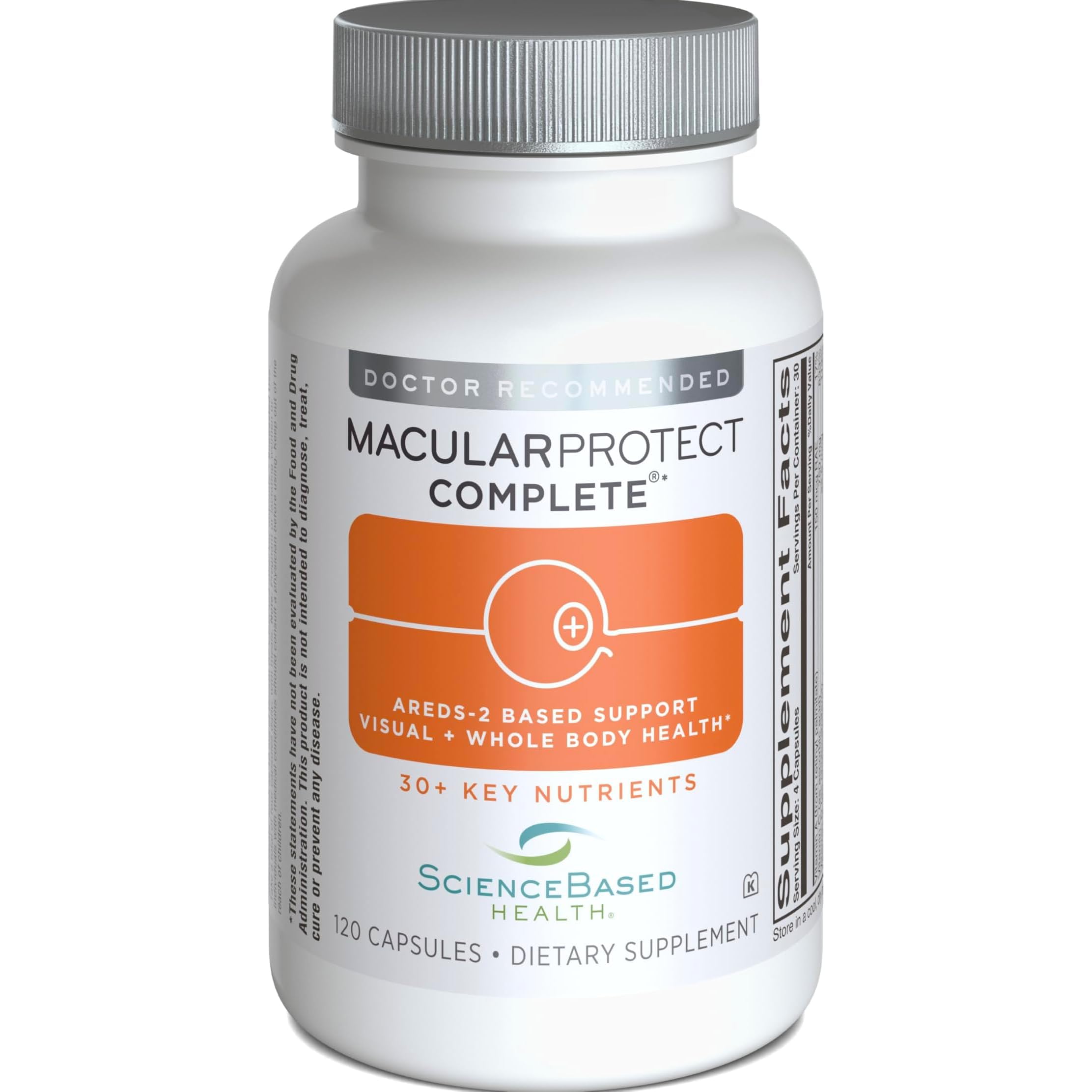
ScienceBased Health takes a different approach by layering the core AREDS 2 nutrients into a full-spectrum multivitamin. You get the standard lutein (via FloraGLO), zeaxanthin, zinc, copper, vitamin C, and vitamin E — plus additional antioxidants like resveratrol, bilberry, grape seed extract, quercetin, and olive leaf. The intention is to support both macular health and whole-body aging in one daily regimen.
Clinical evidence supports FloraGLO as the most researched lutein, and the inclusion of natural vitamin E (d-alpha-tocopherol) and bioavailable B-vitamins raises the quality bar. Users who have taken this consistently report noticeable improvements in overall vision clarity and less eye fatigue. One reviewer with early macular degeneration saw cataracts behind the macula disappear after six months.
The downsides are the larger capsule size and the higher cost — this is the most expensive option per bottle. Additionally, if you already take a separate multivitamin, you may end up overlapping on certain nutrients. But for patients who want a single daily solution that covers both AMD prevention and general nutrition, this is the most complete package.
Why it’s great
- Combines AREDS 2 formula with full multivitamin
- Uses premium FloraGLO lutein for superior absorption
- Additional antioxidants for cellular health support
Good to know
- Most expensive option per bottle
- Large capsules may be hard to swallow
4. NEW AGE Eye Health Vitamins

NEW AGE’s formula is not a strict AREDS 2 clone — it pushes lutein to 40mg, adds lycopene, resveratrol, grape seed extract, and astaxanthin. This makes it a good fit for people who want broad-spectrum antioxidant protection beyond what the original study tested. The bilberry extract (300mg) is included to support night vision and dark adaptation.
Customers with chronic dry eyes reported a clear improvement after switching to this blend, with one noting their eyes stopped watering excessively after two months. The capsules are easy to swallow, and the ingredient list is free from fillers or artificial additives. The 120-count bottle provides a two-month supply at a competitive price point for the number of active compounds included.
The main caveat is that the 40mg lutein is four times the AREDS 2 dosage — there’s no evidence that more lutein provides additional benefit for AMD, and some research suggests diminishing returns beyond 10mg. Buyers specifically seeking the exact NIH formula should stick with a narrower product. But those wanting additional antioxidant coverage from a single bottle will find this hard to beat.
Why it’s great
- High-dose lutein and bilberry for night vision support
- Blend of multiple antioxidants in one capsule
- Good value for the number of active ingredients
Good to know
- Lutein at 40mg exceeds the AREDS 2 tested amount
- Not an exact match to the NIH study formula
5. Viteyes AREDS 2 Classic (180ct, Lower Zinc)

This Viteyes variant is nearly identical to the allergen-free version but comes in a 180-count softgel format with the same lower zinc profile. The formula is beta-carotene free, fish free, and contains no artificial colors.
User reviews consistently highlight the easy digestion — no nausea or stomach cramping, even when taken on a light stomach. One user specifically noted that their optometrist recommended Viteyes over other brands and that follow-up check-ups showed good results. The 180-count bottle translates to a three-month supply with the standard two-capsule daily dose.
Because this is a premium product from a brand trusted by retina specialists for over two decades, the per-dose cost sits above entry-level competitors. However, the combination of gentle digestion, exact ingredient matching, and a long supply interval makes it a strong candidate for long-term maintenance therapy.
Why it’s great
- Lower zinc (25mg) reduces GI side effects
- No beta-carotene, fish, or artificial dyes
- Three-month supply for consistent long-term use
Good to know
- Softgel format — not suitable for vegetarians
- Higher cost per dose than basic brands
6. Provision AREDS 2 Eye Vitamins

Provision AREDS 2 offers a doctor-formulated vegetarian capsule that mirrors the ingredient profile of the name brand PreserVision but minus one gram of one component. The formula includes lutein, zeaxanthin, zinc, copper, vitamin C, and vitamin E in the right ballpark. The vegetarian capsule (VCaps Plus) is a meaningful differentiator for plant-based dieters or those avoiding gelatin.
Users who made the switch from PreserVision found the ingredient list nearly identical and the price noticeably lower. One reviewer whose optometrist recommended it reported good results after finishing the first bottle. The 60-count size is smaller, so you’ll reorder monthly, but the per-dose cost remains solidly mid-range.
The brand has been manufacturing doctor-formulated eye supplements for over 20 years in an FDA-registered facility. The only common complaint is that the capsules themselves are a bit larger than the PreserVision minigels, which may be an issue for those who struggle with swallowing pills. Overall, a strong vegetarian-friendly alternative to the industry leader.
Why it’s great
- Vegetarian VCaps Plus — no gelatin
- Doctor-formulated with AREDS 2 research components
- Lower cost than the top national brand
Good to know
- Capsules larger than PreserVision minigels
- One ingredient is 1g less than the original AREDS 2 study
7. Superfood MD AREDS 2

Superfood MD’s entry-level AREDS 2 supplement delivers the exact nutrient formula from the National Eye Institute study with an added dose of astaxanthin — a red seaweed-derived antioxidant believed to support macular pigment density. The formula includes lutein, zeaxanthin, zinc, copper, vitamin C, and vitamin E at the standard levels used in the AREDS 2 trial.
Users transitioning from the older red gel-cap formulation noted that the new capsule format is easier to digest, with one reviewer specifically saying the previous version was hard on the stomach and this one solves that problem. The bottle is a 60-count, lasting one month at the standard two-capsule daily dosing. The price point is the most accessible of the seven products reviewed here.
The main trade-off is that the capsules themselves are larger than the PreserVision minigels — some users reported difficulty swallowing them. Additionally, Superfood MD is a newer brand compared to Bausch + Lomb or Viteyes, so the long-term track record is thinner. For budget-conscious buyers wanting a clean AREDS 2 ingredient deck, this gets the job done.
Why it’s great
- Exact NIH AREDS 2 nutrient match at a low entry cost
- Added astaxanthin for extra antioxidant support
- Improved capsule formulation for better digestibility
Good to know
- Larger capsule size may be difficult to swallow
- Relatively new brand with shorter track record
FAQ
What is the exact AREDS 2 supplement formula?
Can I take AREDS 2 if I don’t have macular degeneration?
Why do some AREDS 2 brands use different zinc levels?
Are AREDS 2 supplements safe for smokers?
How long does it take for AREDS 2 to work?
Final Thoughts: The Verdict
For most users, the best areds 2 eye vitamins winner is the PreserVision AREDS 2 because it matches the exact NIH study formula with decades of clinical backing and the smallest softgel size for easy swallowing. If you need an allergen-free formula, grab the Viteyes Classic AREDS 2. And for a combined eye vitamin and multivitamin in one bottle, nothing beats the ScienceBased Health MacularProtect Complete.