
Our readers keep the lights on and the weekend projects moving. As an Amazon Associate, I earn from qualifying purchases.
Choosing a sweetener when you have diabetes is not about cutting calories—it is about keeping your blood glucose stable while still enjoying the taste of something sweet. Most sugar substitutes on the shelf claim to be “diabetic-friendly,” but their actual glycemic impact, aftertaste profile, and usability in cooking or beverages vary dramatically. The wrong choice can leave you with a bitter chemical finish or, worse, a hidden carbohydrate load that undermines your management plan.
I’m Rikta — the co-founder and writer behind FitlyFast. This guide is built on hours of cross-referencing how each sweetener molecule behaves in the body, analyzing verified customer feedback on taste and digestive tolerance, and mapping every product to the real-world needs of someone managing diabetes.
Armed with that research, I have narrowed the market to the seven most reliable options in the artificial sweetener for diabetics category so you can pick one that fits your kitchen and your routine.
How To Choose The Best Artificial Sweetener For Diabetics
Not every zero-calorie packet is safe for your glucose levels. Some sweeteners, despite having no calories, can still trigger an insulin response or cause stomach discomfort. The key is to look past the marketing and focus on three critical factors that define a diabetic-friendly sweetener.
Glycemic Impact and Insulin Response
The entire point of an artificial sweetener for a diabetic is to avoid a blood sugar spike. Stevia, allulose, and monk fruit have a negligible effect on blood glucose, while some sugar alcohols like maltitol can raise it nearly as much as table sugar. Always check the sweetener compound itself—not just the “zero sugar” label on the front of the bag.
Aftertaste and Palatability
A sweetener that tastes bitter or metallic will sabotage your coffee, tea, or baking. Stevia is notorious for a licorice-like aftertaste in high concentrations, which is why many brands blend it with erythritol to mellow the finish. Allulose and monk fruit, on the other hand, are widely praised for a clean, sugar-like profile with no lingering bitterness.
Heat Stability and Usage
If you plan to bake, caramelize, or cook with your sweetener, heat stability matters. Allulose browns and caramelizes like real sugar, making it ideal for sauces and desserts. Stevia and monk fruit can handle baking temperatures, but they do not provide the same browning or structure. Erythritol, often used in blends, tends to recrystallize when cooled, which can create a gritty texture in frostings or ice cream.
Quick Comparison
On smaller screens, swipe sideways to see the full table.
| Model | Category | Best For | Key Spec | Amazon |
|---|---|---|---|---|
| Morning Pep Allulose | Allulose | Baking & coffee | 2 lb bag, zero glycemic impact | Amazon |
| Nutricost Allulose | Allulose | Drinks & baking | 1 lb bottle, 1:1.3 ratio | Amazon |
| SPLENDA Stevia Packets | Stevia | Beverages & portion control | 500 packets, plant-based | Amazon |
| Truvia Stevia Packets | Stevia | Everyday coffee/tea | 140 packets, no aftertaste | Amazon |
| Amazon Grocery Stevia & Erythritol | Stevia Blend | High-volume daily use | 1000 packets, budget-friendly | Amazon |
| Truvia Allulose Bag | Allulose | Baking & ice cream | 3 lb bag, 100% allulose | Amazon |
| Golden Monk Fruit Sweetener | Monk Fruit | Brown sugar replacement | 4 lb bag, 1:1 swap | Amazon |
In‑Depth Reviews
1. Morning Pep Allulose Sweetener 2 lb
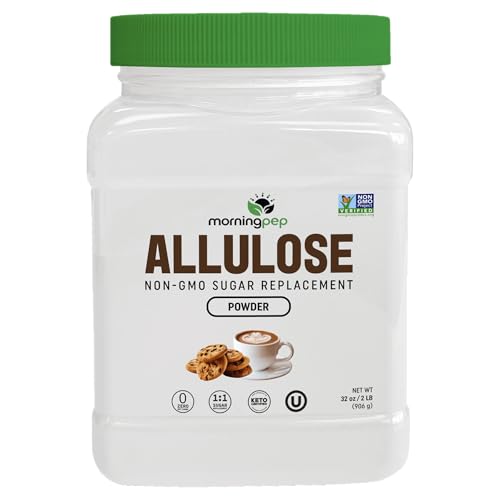
Morning Pep delivers a pure allulose experience with zero fillers, no erythritol, and a clean sugar-like taste that users consistently describe as “the best sugar replacement.” The 2 lb bag offers strong value for a premium product, and the powder dissolves effortlessly in both cold and hot liquids. Reviewers note that allulose is about 30 percent less sweet than sugar, so you will use slightly more volume, but the payoff is a genuine caramelization effect in baking that other sweeteners cannot match.
What sets this apart for diabetics is the complete absence of glycemic load. Multiple verified reviews confirm that it does not spike blood sugar, and the lack of sugar alcohols means no gastric distress for most users. The powder texture is fine but not fluffy, making it easy to measure and incorporate into sauces, coffee, and keto desserts.
The Non-GMO Project and OU Kosher certifications add another layer of trust for clean-label shoppers. If you want a single sweetener that works from morning coffee to evening baking without compromising taste or health, this is the most versatile allulose option on the market.
Why it’s great
- Certified Non-GMO and OU Kosher
- No erythritol or fillers, just pure allulose
- Browns and caramelizes like real sugar
Good to know
- About 30% less sweet than sugar; use slightly more
- Powder may clump in humid environments
2. Nutricost Allulose Sweetener 1 lb
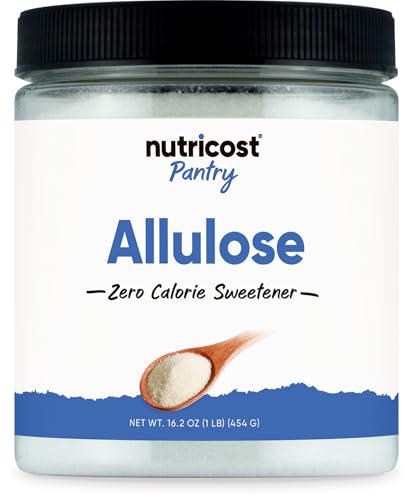
Nutricost Allulose is a workhorse for anyone following a keto or low-carb diabetic diet. The 1 lb bottle contains 100 percent pure allulose with a crystalline powder that dissolves readily in cold drinks, hot tea, and baking recipes. Verified reviews highlight its sugar-like taste—one user called it “the closest thing to sugar I have found.” The recommended substitution ratio of 1.3 parts allulose to 1 part sugar makes recipe conversion straightforward.
Several customers with diabetes report zero blood sugar impact and appreciate that allulose does not trigger the fructose metabolism pathway. The bottle packaging is compact and space-saving, though a few reviewers mention difficulty opening the container—a minor ergonomic hiccup rather than a product flaw. Nutricost is a well-regarded supplement brand, and the third-party testing adds credibility for purity-conscious buyers.
This is an excellent entry point if you want to test allulose without committing to a larger bag. It performs well in sugar-free candy, ice cream, and baked goods where structure and chewiness matter, giving you real culinary flexibility while keeping your glucose steady.
Why it’s great
- Tastes very close to sugar with no bitter finish
- Dissolves easily in cold and hot liquids
- Zero fructose impact, ideal for diabetics
Good to know
- Lid can be extremely tight on some bottles
- 1 lb size runs out quickly with frequent baking
3. SPLENDA Stevia Zero Calorie Sweetener Packets, 500 Count
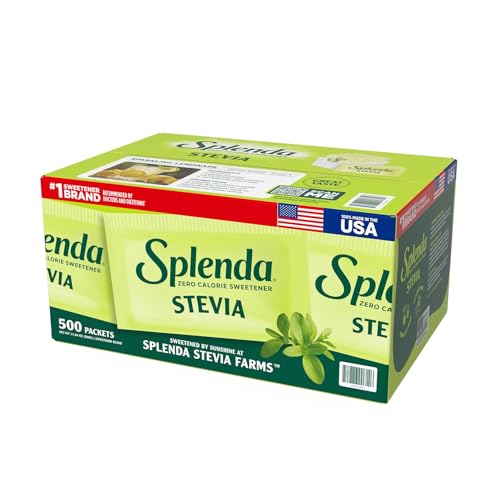
SPLENDA Stevia uses stevia plants grown on their own farm in central Florida, and the focus on plant selection shows in the taste. Customers consistently report no bitter aftertaste—the main complaint that plagues many stevia products. Each packet provides a convenient single serving that sweetens coffee or tea without the need for measuring spoons, and the 500-count box lasts a heavy user several months.
The product is explicitly marketed as suitable for those with diabetes, and the ingredient list is straightforward: stevia leaf extract with no hidden sugars or maltodextrin fillers that could spike glucose. Reviewers mention that occasional broken packets occur during shipping, likely a packaging friction rather than a quality issue. The box itself is large but lightweight, making it easy to store in a pantry.
If you want a grab-and-go packet sweetener that tastes clean and comes from a trusted national brand, this is the stevia option to beat. It eliminates the guesswork of powder measurements and is ideal for office desks, travel bags, or kitchen counters where convenience matters most.
Why it’s great
- No bitter aftertaste, cleaner than most stevia
- Grown and sourced from US farms
- Massive 500-count supply for daily use
Good to know
- Occasional broken packets in transit
- Not ideal for baking due to packet format
4. Truvia Calorie-Free Sweetener Stevia Leaf Packets, 140 Count
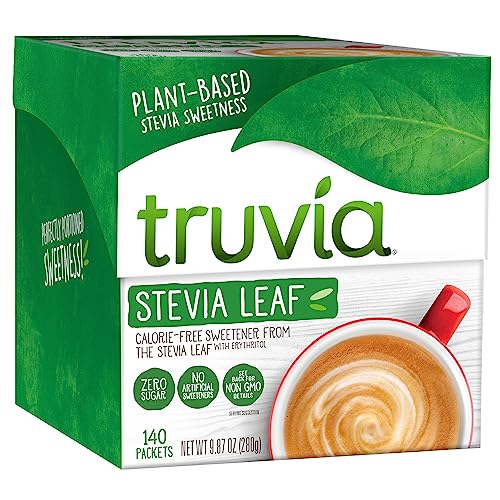
Truvia is a household name in stevia sweeteners, and this 140-count carton delivers the same trusted formula that has been doctor-recommended for years. Customers praise the clean taste and the absence of the chemical aftertaste that some artificial sweeteners leave behind. The packets are slightly smaller than some competitors, but the portion is calibrated to match the sweetness of two teaspoons of sugar, making it easy to swap into your morning routine.
Users report using four packets a day in tea without any blood sugar issues, and the plain cardboard packaging is a deliberate move to reduce waste and cost. The value proposition is solid—several reviewers note that grocery store prices are significantly higher for the same product. This is a straightforward, no-nonsense stevia packet that works exactly as expected.
If you prefer a brand with a long track record and want a sweetener that integrates seamlessly into your daily coffee or tea habit without any surprises, Truvia Stevia is a reliable standby. It is not designed for baking, but as a beverage sweetener it performs consistently.
Why it’s great
- Doctor-recommended, trusted brand
- No aftertaste, clean finish in drinks
- Plain packaging reduces cost and waste
Good to know
- Packets are slightly smaller than some brands
- Not suitable for baking or cooking
5. Amazon Grocery Zero Calorie Stevia & Erythritol Sweetener Packets, 1000 Ct
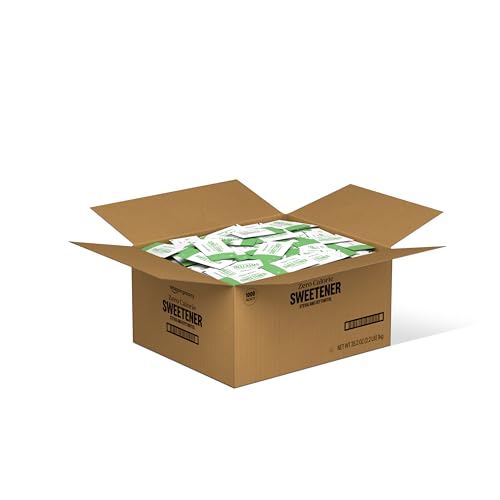
Amazon Grocery’s house-brand sweetener blends stevia with erythritol to create a balanced packet that tastes nearly identical to name-brand stevia but at roughly half the cost. The 1000-count box is a bulk buyer’s dream—it eliminates the need for monthly reorders and keeps your pantry stocked for months. One packet delivers the sweetness of 1.5 teaspoons of sugar, making the conversion intuitive for most beverages.
User reviews are overwhelmingly positive, with many calling it a “life-changing” switch from artificial sweeteners to a more natural option. The erythritol component helps round out the stevia flavor, reducing the bitterness that straight stevia can carry. A minority of users note that the sweetness level feels slightly lower than some premium brands, but for the sheer volume and price point, it is hard to beat.
This is the smart choice for households that go through sweetener quickly or anyone on a tight budget who does not want to compromise on ingredient quality. It delivers consistent, reliable sweetness with zero calories and a clean ingredient profile.
Why it’s great
- Half the price of name-brand stevia
- 1000 packets provide enormous supply
- Natural ingredients, no artificial chemicals
Good to know
- Some users find it less sweet than expected
- Erythritol may cause digestive gas in sensitive individuals
6. Truvia Allulose Calorie-Free Sweetener Bag, 3 lbs
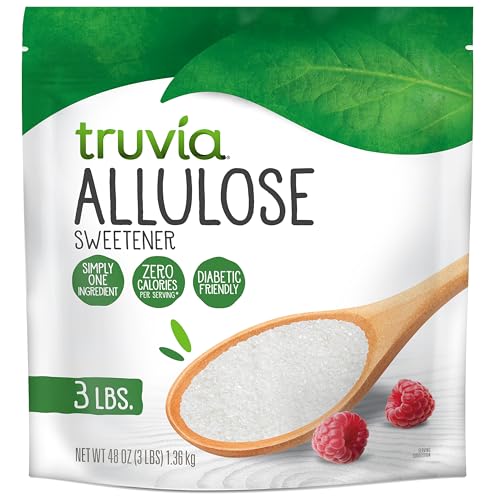
Truvia Allulose is a single-ingredient allulose powder that has earned a devoted following among diabetics who bake. The 3 lb bag provides ample supply for frequent use, and the powdered sugar texture blends seamlessly into everything from coffee to homemade ice cream. Customers rave about its performance in ice cream makers—one user reported that it produced a firm, creamy texture while Splenda made the same recipe rock-hard.
The diabetic-friendly claim is backed by allulose’s unique metabolic pathway: it is absorbed but not metabolized, so it does not raise blood glucose or insulin levels. Truvia also highlights that allulose is tooth-friendly and does not contribute to decay, a bonus for anyone concerned about oral health alongside glycemic control. A small number of buyers reported a bacterial odor in their first order, but a replacement resolved the issue.
If you are serious about baking desserts that taste and behave like the real thing, this is the allulose to buy. It costs more per pound than stevia blends, but the culinary results—creamy ice cream, caramelized sauces, chewy cookies—are unmatched by any other sweetener in this category.
Why it’s great
- Produces creamy, non-gritty ice cream texture
- Caramelizes and browns like sugar
- Zero glycemic impact, diabetic-safe
Good to know
- More expensive than stevia and erythritol blends
- Overconsumption may cause digestive discomfort
7. Golden Monk Fruit Sweetener with Erythritol, 4 Pounds
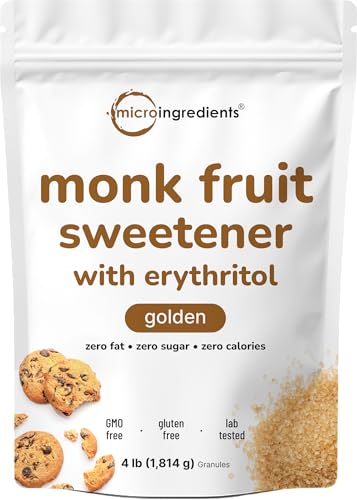
Golden Monk Fruit Sweetener blends monk fruit extract with erythritol to create a granulated brown sugar substitute that tastes remarkably close to the real thing. The golden variety uses a different part of the monk fruit plant, yielding a higher concentration of sweetness and a warmer flavor profile that works beautifully in cookies, coffee, and yogurt. The 4 lb bag provides 363 servings, making it one of the most cost-effective premium options in this guide.
Users consistently highlight the absence of aftertaste—a common complaint with white monk fruit products. The blend holds a 1:1 replacement ratio for brown sugar, which simplifies recipe conversions. The erythritol component can cause a cooling sensation in the mouth for some people, though most reviews do not flag this as a problem.
This is an excellent choice for anyone who misses the rich, molasses-like flavor of brown sugar in their baking. It is vegan, Non-GMO, and third-party tested, giving you a clean-label option that does not compromise on taste.
Why it’s great
- Warm golden flavor, no aftertaste
- 1:1 substitution for brown sugar
- Bulk 4 lb bag offers strong value
Good to know
- Slightly less sweet than sugar; may need extra
- Erythritol can cause a cooling mouthfeel
FAQ
Can allulose really be used 1:1 in baking?
Why do some stevia sweeteners have a bitter aftertaste?
Is monk fruit safe for diabetics who also take insulin?
Final Thoughts: The Verdict
For most users, the artificial sweetener for diabetics winner is the Morning Pep Allulose Sweetener because it delivers genuine sugar-like taste and texture with zero glycemic impact and no aftertaste. If you want the best value in a convenient packet format, grab the Amazon Grocery Stevia & Erythritol Blend. And for serious baking and ice cream making, nothing beats the Truvia Allulose Bag.