
Our readers keep the lights on and the weekend projects moving. As an Amazon Associate, I earn from qualifying purchases.
After LASIK, every blink can feel like a scrape against sandpaper if you choose the wrong eye drop. The corneal flaps need a specific lipid-rich environment to heal without inflammation or infection, and standard multi-purpose drops often contain preservatives that actually delay recovery. Your post-op comfort hinges on finding a formulation that matches your tear film’s electrolyte profile—not just any lubricant with a clean label.
I’m Rikta — the co-founder and writer behind FitlyFast. I’ve spent hundreds of hours cross-referencing ophthalmologist guidelines with ingredient INCI databases to isolate which artificial tears actually support epithelial regrowth after refractive surgery.
This guide cuts through the marketing noise to deliver a clinically-grounded comparison of the best artificial tears after lasik, focused on preservative-free tolerability, electrolyte balance, and sustained moisturization without vision blur.
How To Choose The Best Artificial Tears After Lasik
Selecting artificial tears for post-LASIK use is different from picking drops for occasional dryness. Your corneal nerves have been severed during flap creation, so the natural blink reflex and tear production are temporarily compromised. Every drop you use must support—not inhibit—the healing epithelium.
Preservative-Free Is Not Optional
Preservatives like benzalkonium chloride (BAK) damage corneal epithelial cells and disrupt the lipid layer of the tear film. After LASIK, the cornea is already in a vulnerable state, so any preservative can prolong healing time and increase discomfort. Only preservative-free formulations should enter your post-op routine.
Electrolyte Profile Matters More Than You Think
Natural tears contain specific electrolytes—sodium, potassium, calcium, magnesium, and bicarbonate—that support cellular health. Drops that mimic this electrolyte balance (often called “electrolyte-rich” formulations) help maintain the corneal surface’s osmotic stability, reducing the gritty sensation that plagues healing eyes.
Single-Use Vials vs Multi-Dose Bottles
Single-use vials eliminate the risk of bacterial contamination that can occur with multi-dose bottles, even those with “sterility lockouts.” For the first month post-LASIK, ophthalmologists consistently recommend single-use vials because your eyes are more susceptible to infection. The trade-off is more packaging waste and higher per-dose cost, but the safety margin is worth it.
Quick Comparison
On smaller screens, swipe sideways to see the full table.
| Model | Category | Best For | Key Spec | Amazon |
|---|---|---|---|---|
| TheraTears Dry Eye Therapy | Preservative-Free | Electrolyte-balanced hydration | Contains 5 vital electrolytes (OxyLytes) | Amazon |
| Refresh Optive MEGA-3 PF | Preservative-Free | Evaporation protection | 10+ hours of relief | Amazon |
| Refresh Optive PF 60-Count | Preservative-Free | Value bulk pack | 60 single-use vials | Amazon |
| Refresh Relieva | Multi-Dose | All-day lubrication | Hydrocell technology | Amazon |
| Refresh Plus 100-Count | Preservative-Free | Long-term supply | 100 single-use vials (2-pack) | Amazon |
| Verdeherb Eyebright Drops | Herbal Supplement | Oral eye support | 98% absorption rate | Amazon |
In‑Depth Reviews
1. TheraTears Dry Eye Therapy
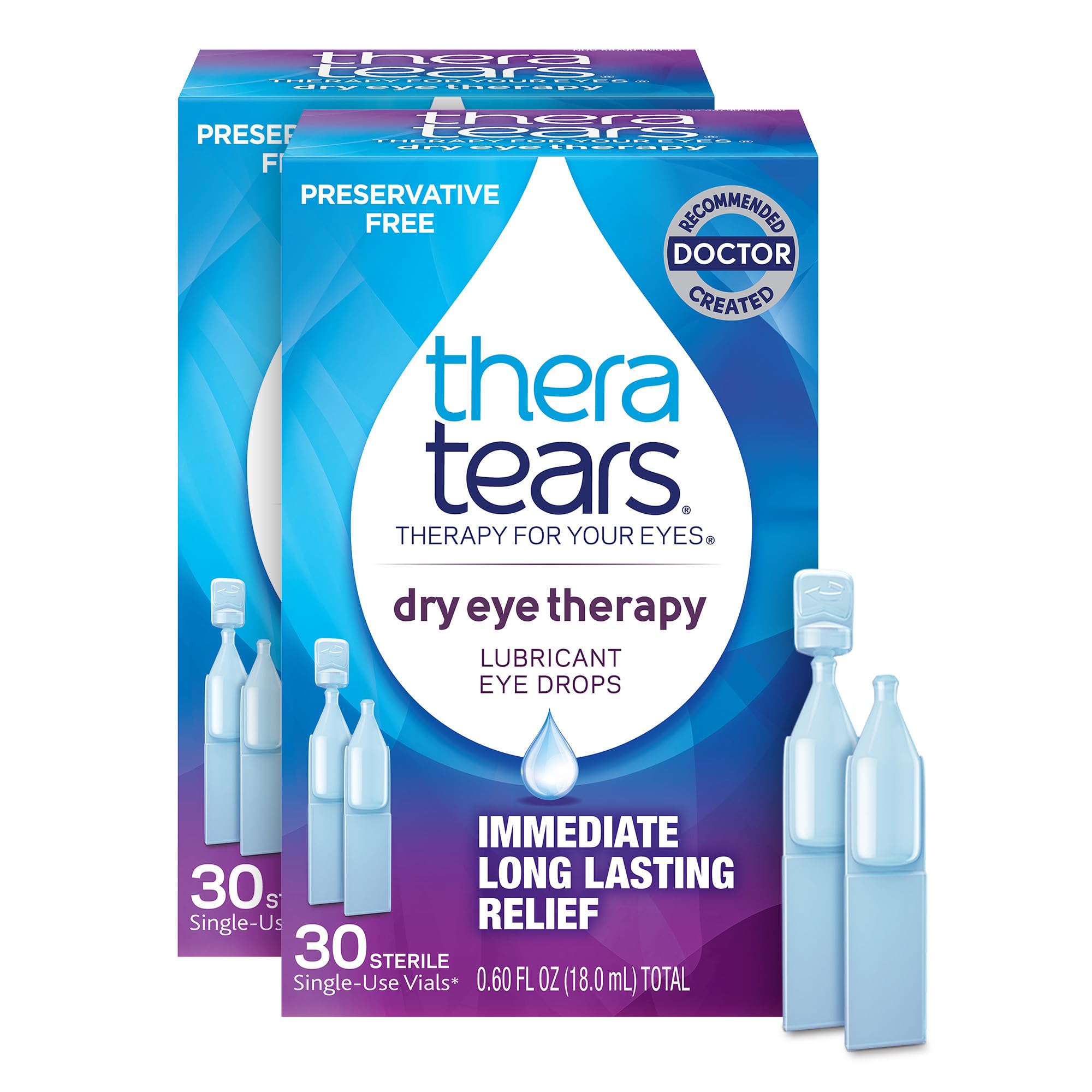
TheraTears was developed by an ophthalmologist specifically for dry eye management, and the formulation includes OxyLytes—the five vital electrolytes found in natural tears: sodium, potassium, calcium, magnesium, and bicarbonate. This electrolyte profile is critical after LASIK because it helps restore the tear film’s osmotic balance, reducing the stinging sensation that many post-op patients experience with standard lubricants.
Each vial provides approximately 3 applications, and the preservative-free design means you can use them as frequently as your healing eyes demand without fear of preservative buildup. Users report that the hydration feels “deeper” compared to basic carboxymethylcellulose drops, and the effect lasts noticeably longer—often allowing patients to stretch their application schedule from every 30 minutes to every 2-3 hours within the first week post-surgery.
The 30-vial two-pack offers a solid initial post-op supply, and the single-use format eliminates the contamination risks associated with multi-dose bottles. One minor criticism: the vials require scissors to open cleanly, which can be frustrating during the middle of the night when dry eyes wake you.
Why it’s great
- Electrolyte blend matches natural tear composition exactly
- Ophthalmologist-created formulation with 18 years of research
- Long-lasting hydration reduces application frequency
Good to know
- Vials require scissors to open
- Higher per-dose cost than multi-dose alternatives
2. Refresh Optive MEGA-3 PF
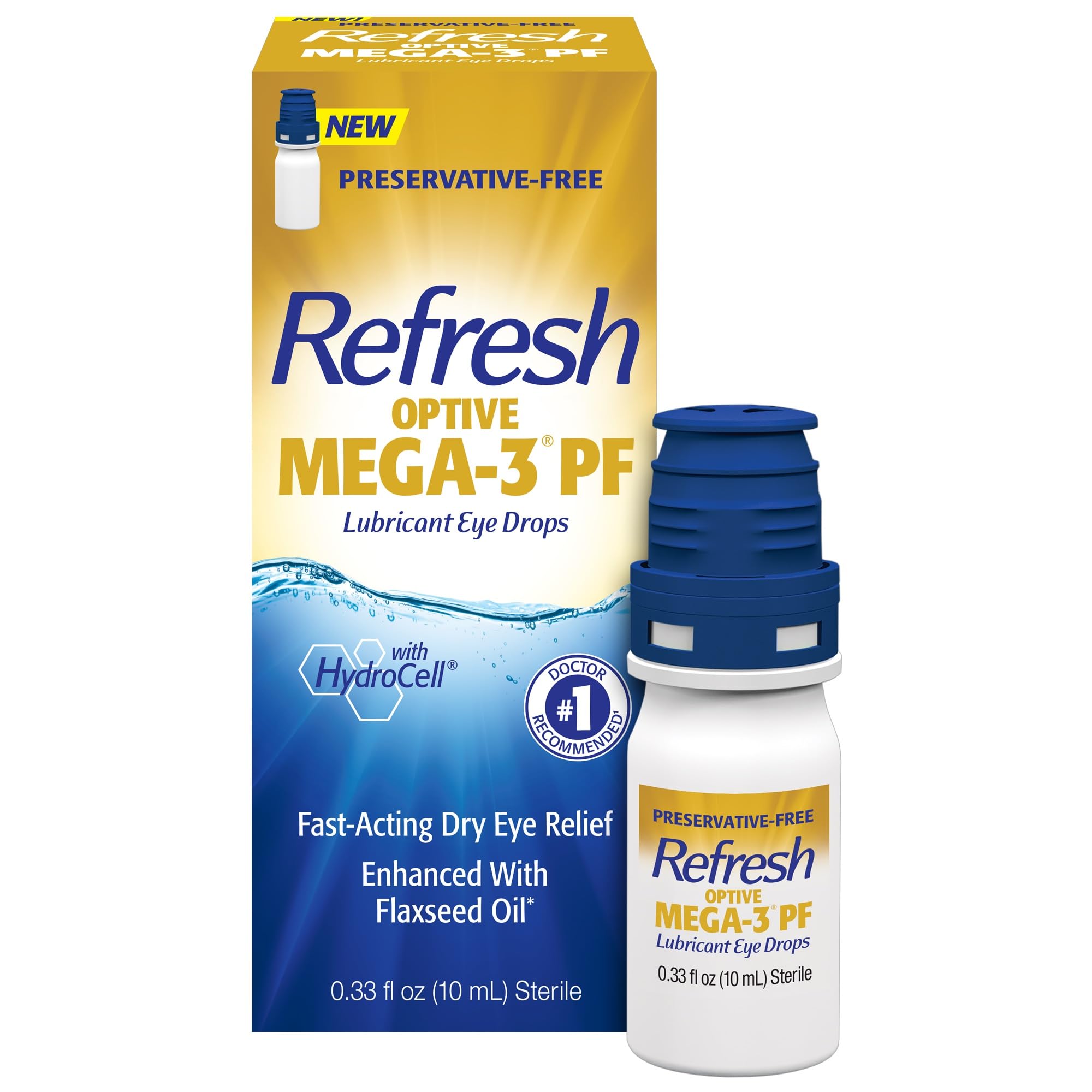
The Optive MEGA-3 PF stands out for its triple-action formula that lubricates, hydrates, and—importantly—protects tears from evaporating. After LASIK, the corneal nerves that trigger tear production are temporarily non-functional, so your natural tear film evaporates faster than normal. The plant-based flaxseed oil (rich in omega-3s) in this formula helps stabilize the lipid layer, reducing evaporative tear loss.
Clinical data on file at AbbVie shows that a single drop provides up to 10 hours of relief. While individual results vary, users with Sjögren’s syndrome—a population that shares dry eye severity with early post-LASIK patients—report that this formulation eliminates the “gritty” sensation without blurring vision. The soft-squeeze multidose bottle uses a double lockout system to keep the preservative-free formula sterile, making it more convenient than vials if you need drops at your desk or bedside.
Some users note that the initial drop can cause a brief cooling sensation, which is normal due to the osmolality difference, but it subsides within seconds. The multi-dose format is less ideal for the first 48 hours post-LASIK when sterility is paramount, but for the subsequent weeks, this bottle is a strong contender.
Why it’s great
- Flaxseed oil fortifies the tear film lipid layer
- 10+ hour relief reduces application frequency
- Multi-dose convenience without preservatives
Good to know
- Initial cooling sensation catches some users off-guard
- Not ideal for immediate 48-hour post-op due to bottle tip
3. Refresh Optive PF 60-Count

The Refresh Optive PF (preservative-free) uses a dual-action formula that combines carboxymethylcellulose sodium and glycerin to lubricate and hydrate simultaneously. This simple but effective pairing makes it one of the most tolerated options for ultra-sensitive eyes that react poorly to longer ingredient lists. Each single-use vial contains exactly 0.4 mL—enough for both eyes with a drop leftover—ensuring zero waste and zero contamination risk.
Users recovering from LASIK night-time dryness benefit from the neutral pH of this formula, which avoids the temporary blur that some thicker drops cause. The “regular” Optive line (without PF) contains a preservative, so it’s critical to verify the packaging label before purchase; the PF version is explicitly preservative-free and labeled as such on the box. The 60-count provides roughly a month’s supply if you use 2 vials per day, aligning well with the typical post-LASIK recovery period.
One design quirk: the clear plastic vials are difficult to see, especially in dim light when you might be applying drops at night. A few users suggest storing them in a brightly colored container for visibility. The vials also require a firm twist to open, which can be challenging if your hand-eye coordination is compromised by dry-eye blur.
Why it’s great
- Neutral pH formula minimizes stinging
- 60-count covers typical post-LASIK recovery period
- Hygienic single-use vials with no cross-contamination
Good to know
- Clear vials are hard to see in low light
- Twist-open mechanism can be stiff for some hands
4. Refresh Relieva
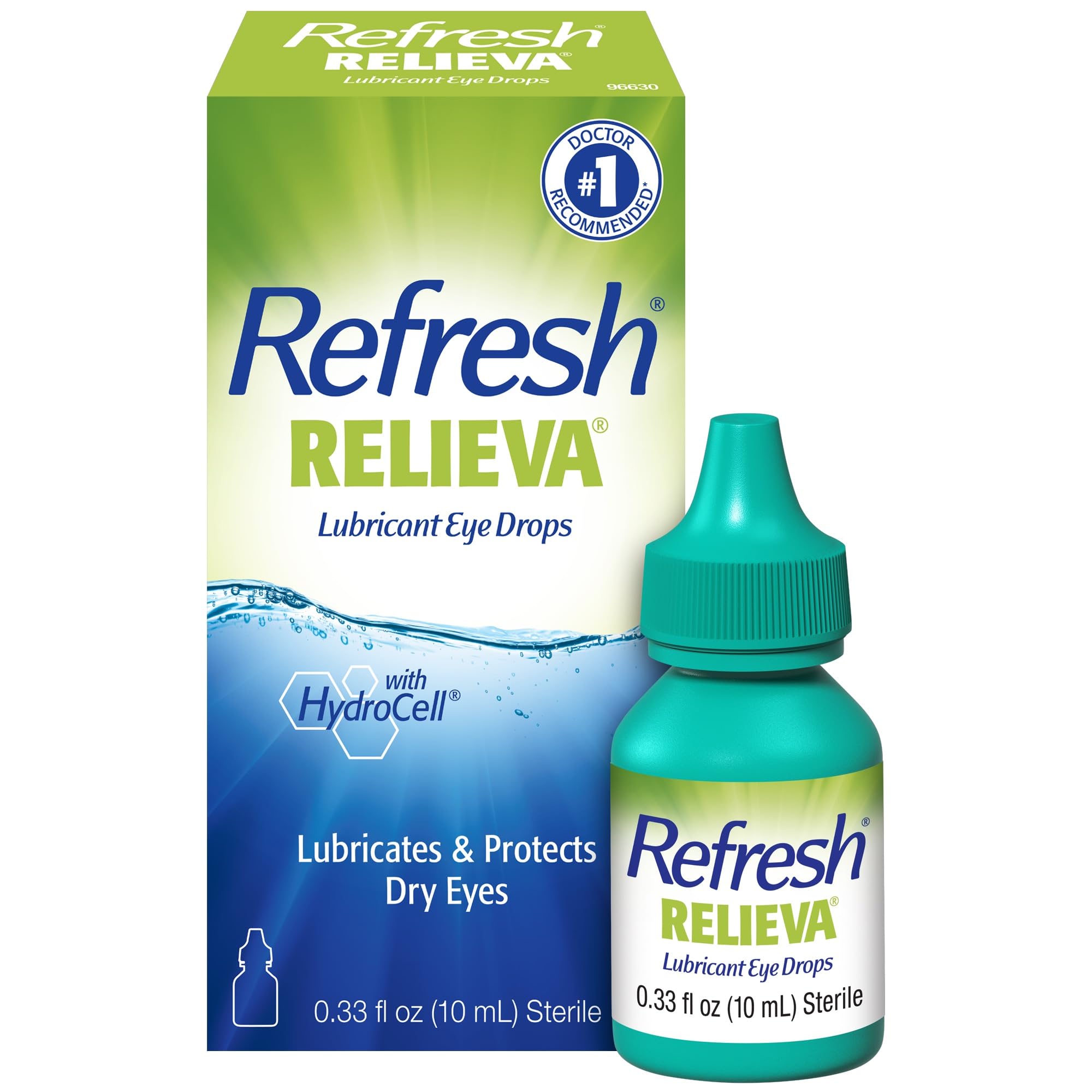
Refresh Relieva employs Hydrocell technology, which forms a protective hydrogel matrix on the ocular surface that holds moisture and maintains cell volume. This mechanism is particularly useful for post-LASIK patients who experience prolonged dryness during the day—a single application in the morning can carry you through work hours without needing reapplication. The formula is designed to avoid the “rebound redness” that some vasoconstrictor-containing drops cause.
Users report that once in the morning application is sufficient for all-day comfort, which is remarkable given that most artificial tears require 4-6 applications daily during early LASIK recovery. However, this is a multi-dose bottle that contains a preservative (Purite, a sodium chlorite-based preservative that breaks down into safe components upon contact with light). While Purite is gentler than BAK, it’s still a preservative, and many ophthalmologists advise against any preserved drops for the first 2-4 weeks post-op.
The compact 0.33 fl oz bottle is travel-friendly, and the drop size is generous enough to coat the entire ocular surface without overflow. The primary limitation is the preservative content, making this a better choice for later-stage recovery when the corneal flap has fully sealed.
Why it’s great
- Single morning application can last all day
- Hydrogel matrix protects corneal epithelial cells
- Compact bottle fits in any pocket
Good to know
- Contains preservative (Purite) unsuitable for immediate post-op
- May not provide enough moisture for severe dryness
5. Refresh Plus 100-Count

The Refresh Plus single-use vials are the gold-standard for preservative-free eye drops that ophthalmologists stock in their clinics. The formula uses carboxymethylcellulose sodium 0.5% as the active lubricant—a concentration that provides effective viscosity without leaving a sticky residue on eyelashes. Each vial delivers approximately 5 drops (depending on squeeze angle), enough for both eyes with careful technique, making the 100-count package stretch significantly beyond the printed claim.
Users who experience dry eyes from prolonged computer use—a common complaint during post-LASIK recovery when screen time is virtually unavoidable—praise the instant relief that doesn’t create dependency. The vials have a slightly firmer plastic than some competitors, which can be a blessing or a curse: it prevents accidental squeezing during opening, but users with weak hand strength may struggle. The two-pack format (100 total vials) brings the per-vial cost down to budget-friendly territory, making this one of the most economical preservative-free options for long-term maintenance after the initial healing phase.
One practical note: the vials are labeled identically to other Refresh products, so ensure the packaging explicitly states “Preservative-Free” before purchasing. The 100-count is bulkier than smaller packs, but it eliminates the need to reorder for several months.
Why it’s great
- 100-count package is the most cost-effective among PF options
- 0.5% CMC concentration balances viscosity and comfort
- Clinician-trusted formula used in post-op protocols
Good to know
- Firm vial material may be difficult for weak hands
- Large package takes up more storage space than smaller packs
6. Verdeherb Eyebright Drops
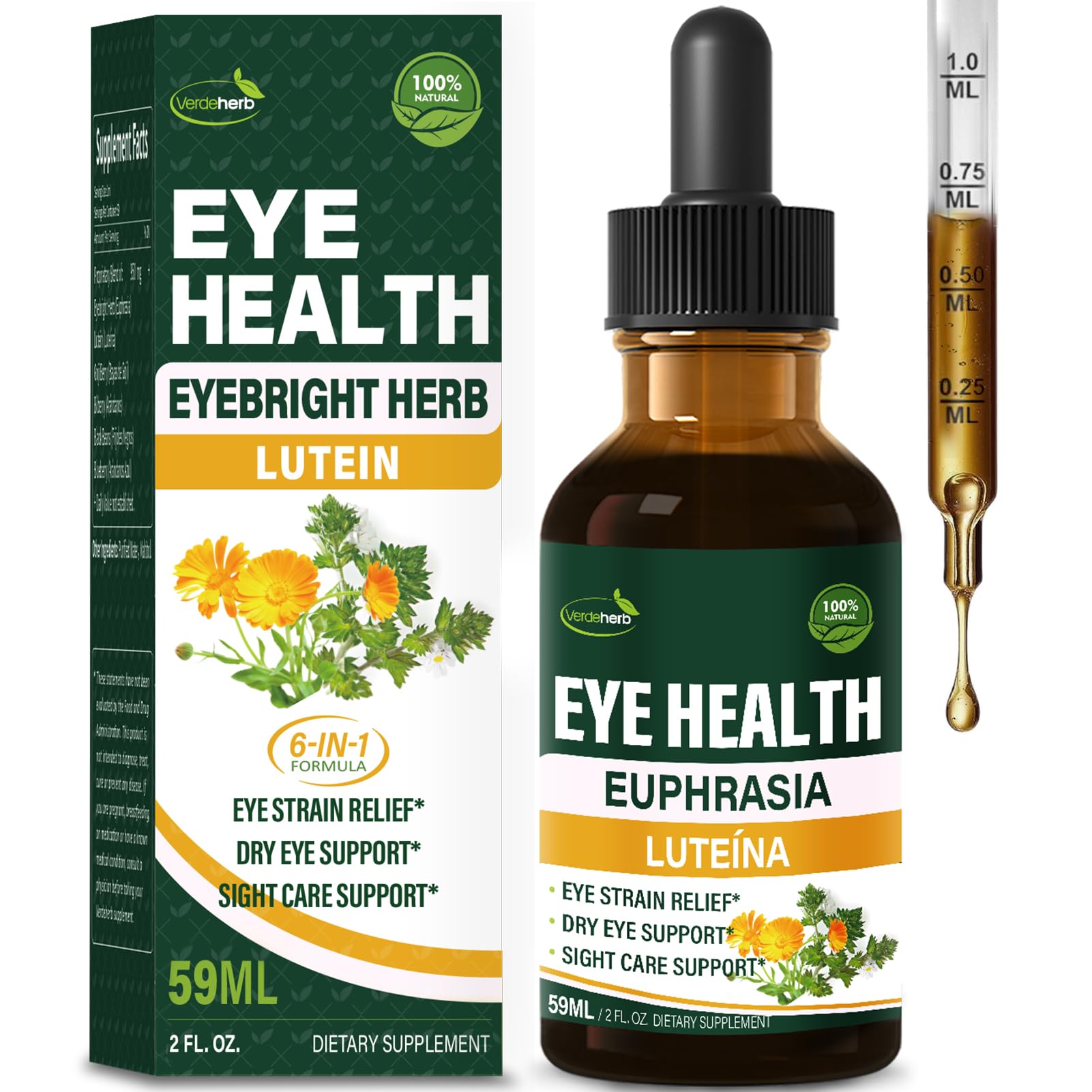
This product is fundamentally different from the others on this list—it is an oral tincture, not a topical eye drop. The formula combines Eyebright herb (Euphrasia officinalis) with bilberry, lutein, goji berry, and black bean extract in a liquid form that you add to water or juice. Verdeherb claims a 98% absorption rate within 5 minutes, which is theoretically superior to tablets, but the supporting evidence for oral lutein and bilberry in post-LASIK recovery is mixed.
The herbal ingredients target systemic eye health rather than surface lubrication, so this does not replace artificial tears for the first few weeks post-op. Users with pre-existing optic nerve pressure report neutral experiences—no worsening but no significant improvement. The unflavored tincture has a mildly earthy taste that blends well with citrus juice, and the glass dropper bottle is more eco-friendly than plastic alternatives.
For LASIK patients, consider this as a complementary supplement after the initial healing phase, not a primary tear replacement. The CGMP certification provides basic quality assurance, but the product lacks the clinical validation that electrolyte-based artificial tears have for post-surgical recovery. It’s a curiosity for those who prefer a holistic approach, but it shouldn’t be your go-to drop for immediate post-LASIK hydration.
Why it’s great
- High 98% absorption rate for oral supplement
- Glass bottle reduces plastic waste
- Gluten-free, vegan, and kosher certified
Good to know
- Oral supplement does not replace topical artificial tears
- Lacks clinical trial data specific to post-LASIK recovery
FAQ
Can I use regular eye drops after LASIK?
How often should I apply artificial tears after LASIK?
Why do my eyes still feel dry months after LASIK?
Final Thoughts: The Verdict
For most users, the artificial tears after lasik winner is the TheraTears Dry Eye Therapy because its electrolyte-rich formula matches natural tear composition, supports corneal healing, and provides long-lasting relief without preservatives. If you want the convenience of a multi-dose bottle with lipid-layer protection, grab the Refresh Optive MEGA-3 PF. And for a long-term bulk supply that balances cost with safety, nothing beats the Refresh Plus 100-Count.