
Our readers keep the lights on and the weekend projects moving. As an Amazon Associate, I earn from qualifying purchases.
The difference between a flat, dense brick and a loaf with a crackling crust and an open, airy crumb often comes down to one ingredient: the flour. For artisan bakers, standard supermarket bags just don’t deliver the protein, the clean fermentation, or the digestibility needed for truly exceptional bread. Choosing the right foundation changes everything about your baking.
I’m Rikta — the co-founder and writer behind FitlyFast. My focus is on analyzing grain sourcing, protein content, milling methods, and third-party lab results to separate flours that truly elevate artisan baking from those that just carry a premium label.
Whether you are perfecting a naturally leavened sourdough, a high-hydration ciabatta, or a rustic country loaf, this guide breaks down the top contenders for the best artisan bread flour based on protein strength, purity, digestibility, and overall baking performance.
How To Choose The Best Artisan Bread Flour
Artisan bread flour is not the same as all-purpose or standard bread flour. For sourdough, baguettes, and high-hydration doughs, you need specific characteristics that support long fermentation, strong gluten development, and a clean flavor profile. Focus on these four areas when making your choice.
Protein Content and Gluten Strength
The protein percentage in flour directly determines its ability to form strong gluten networks. For artisan breads, look for a minimum of 12% to 13% protein. A higher protein level, such as 14.2% found in some high-gluten flours, provides the structural integrity needed for bagels, pizza crusts, and loaves with heavy additions like seeds or whole grains. Lower protein flours will yield a softer, more cake-like crumb and may not support the rise required for open, airy structures.
Wheat Source and Growing Practices
Sourcing matters. Flours labeled as heritage or ancient grain varieties, such as Turkey Red or White Sonora Wheat, often come from pre-hybridized strains. These varieties are frequently reported to cause less digestive discomfort and bloating than modern high-yield wheat. Look for flours that explicitly state they are glyphosate-free and lab-tested for pesticides, especially if you are sensitive to chemicals. USDA Organic certification adds another layer of assurance against synthetic inputs.
Milling Method and Freshness
Stone-ground and single-pass milling produce flours with different textures and nutritional profiles. Stone grinding retains the bran and germ more fully, resulting in a nuttier flavor and higher fiber content. Single-pass milling, or unifine milling, creates an exceptionally fine, fluffy texture that integrates bran more smoothly into the dough. Freshness is critical because flour oxidizes over time. A grind date printed on the bag is a strong indicator of quality.
Quick Comparison
On smaller screens, swipe sideways to see the full table.
| Model | Category | Best For | Key Spec | Amazon |
|---|---|---|---|---|
| Sunrise Flour Mill Heritage Organic 5 lb | Premium Heritage | High-rising artisan sourdough | Super-fine mill; high protein | Amazon |
| Central Milling Organic Bread Flour | Organic Standard | Versatile everyday artisan loaves | 11.5% protein; stone milled | Amazon |
| Eurasian Legacy Glyphosate-Free | Clean-Label Value | Health-conscious daily baking | 12-13% protein; lab-tested clean | Amazon |
| Sunrise Flour Mill Heritage Blend 2 lb | Trial Size | Testing heritage flour for digestion | Super-fine; USDA Organic | Amazon |
| King Arthur Sir Lancelot | Bulk Professional | High-gluten bagels and pizza | 14.2% protein; bulk 50 lb | Amazon |
| Food to Live Whole Wheat | Budget Whole Grain | Nutrient-dense whole wheat baking | Stone ground; high fiber | Amazon |
In‑Depth Reviews
1. Sunrise Flour Mill Heritage Organic Bread Flour Blend (5 lb)
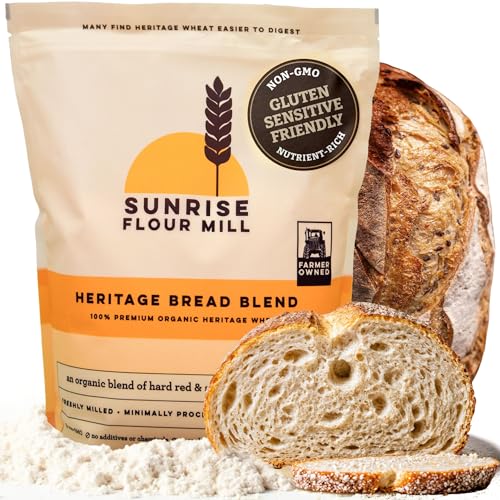
This 5-pound bag from Sunrise Flour Mill is the sweet spot for serious home bakers. The blend of Turkey Red and White Sonora heritage wheat is milled using a single-pass unifine technique, resulting in a flour that feels almost silky to the touch. It hydrates evenly and produces a dough with remarkable elasticity, making it ideal for high-hydration sourdough and long cold-fermentation recipes. The protein content is well-suited for artisan breads, delivering a strong oven spring and a deep, nutty flavor that standard flours cannot match.
Customer reviews consistently highlight improved digestibility and reduced bloating compared to modern hybrid wheat flours. Many bakers with gluten sensitivity or IBS report they can enjoy bread again without discomfort after switching to this blend. The bag includes a grind date, confirming the flour is fresh and has not been sitting on a shelf for months, which is a critical detail for achieving consistent fermentation results.
At this price point, you get a premium organic heritage flour that performs like a professional-grade ingredient. The 5-pound size is practical for weekly baking without committing to the bulk storage of a larger bag. For bakers seeking a noticeable upgrade in flavor and digestibility without jumping to the most expensive option, this is the most balanced choice available.
Why it’s great
- Outstanding flavor profile with sweet, nutty notes from heritage grains
- Super-fine milling creates a smooth dough with no gritty bran pieces
- Proven track record for digestibility with gluten-sensitive bakers
Good to know
- May require slightly lower hydration than expected due to fine grind
- Not ideal for extremely high-gluten applications like bagels
2. King Arthur Flour Sir Lancelot Hi-Gluten Flour (50 lb)

King Arthur’s Sir Lancelot is the definitive choice for bakers who prioritize protein strength above all else. With a 14.2% protein content, this flour is milled from hard red spring wheat and is never bleached or bromated. It is the go-to flour for extra-chewy artisan breads, bagels, pizza crusts, and any dough that needs to support a high percentage of whole grains or seeds. The gluten network it forms is exceptionally robust, handling aggressive folding and long bulk fermentation without breaking down.
Professional and dedicated home bakers alike praise its consistent performance. Reviews note that it produces sourdough loaves with flavor rivaling expensive Italian imports, and it delivers reliable results loaf after loaf. The 50-pound bulk packaging is economical for heavy use, but it does require proper storage in a cool, dry container to maintain freshness. The flour comes in a ply-lined paper bag inside a heavy-duty cardboard box, which helps during shipping but is not resealable once opened.
For anyone baking multiple loaves per week and serious about achieving a professional crumb and crust structure, this is the most cost-effective high-protein option on the market. The sheer volume means you are committing to long-term storage, but the per-loaf cost is significantly lower than smaller specialty bags. If you value gluten strength and consistent bakes above all, this flour earns its place.
Why it’s great
- Highest protein content in this list at 14.2% for maximum structure
- Unbeatable value per pound for bulk bakers
- Trusted King Arthur quality and consistency for decades
Good to know
- 50-pound bag is heavy and requires dedicated storage space
- Not organic; may not suit those seeking heritage or glyphosate-free grains
3. Central Milling 100% Organic Bread Flour (5 lb)

Central Milling comes from one of the oldest continuously operating flour mills in the United States, and this organic bread flour reflects that heritage. The 11.5% protein level is on the lower end of what is suitable for artisan bread, but it works beautifully for country loaves, sandwich breads, and enriched doughs like brioche or croissants. The wheat is grown organically in high mountain valleys on family-owned farms, and the flour contains no additives or bleaching agents. It is also certified vegan and kosher.
Customer reviews are uniformly strong, with many bakers declaring it the best flour they have used for sourdough. The flavor is clean and the texture is consistent. Multiple reviewers specifically mention switching from other national brands and noticing an immediate improvement in taste and rise. The company is employee-owned, which adds a layer of traceability and ethical sourcing that resonates with many buyers.
This is an excellent mid-range organic option for bakers who want a reliable flour for everyday artisan baking without the premium price of heritage blends. The 5-pound bag is a practical size for regular use. Just note that if you are aiming for very high-hydration doughs or extreme open crumb structures, you may want a flour with a higher protein percentage to provide additional strength.
Why it’s great
- Clean organic certification with no additives or synthetic chemicals
- Employee-owned mill with a 150-year legacy of quality milling
- Versatile enough for both artisan breads and enriched doughs
Good to know
- 11.5% protein may not provide enough strength for some high-hydration recipes
- Not a heritage or ancient grain variety
4. Eurasian Legacy Imported Lab-Tested Glyphosate-Free Wheat Flour (3 lb)

Eurasian Legacy targets the most important concern for many health-conscious bakers: chemical residues. This flour is independently lab-tested to verify it is free from glyphosate and harsh pesticides, making it a standout for anyone who avoids conventionally grown wheat for gut health reasons. Sourced from traditional farming regions in Kazakhstan where industrial farming pressure is low, the wheat offers a 12% to 13% protein content that performs admirably for sourdough, pizza dough, and artisan breads.
Buyers consistently report excellent results, with bread turning out delicious with a great rise and no chemical aftertaste. Several reviewers mention that they had previously stopped eating wheat due to digestive issues, and this flour allowed them to enjoy baking again without problems. The resealable stand-up pouch is a practical upgrade over traditional paper bags, keeping the flour fresher for longer and making storage much easier.
At a budget-friendly price, this flour delivers lab-verified purity and solid baking performance. The 3-pound size is perfect for testing before committing to a larger bag. The one trade-off is that it is not organic in the traditional USDA sense, relying instead on third-party lab testing for its clean-label claim. For bakers prioritizing glyphosate-free status above all, this is the most accessible entry point.
Why it’s great
- Independently lab-tested for zero glyphosate and pesticides
- Strong gluten structure at 12-13% protein for artisan applications
- Resealable pouch packaging keeps flour fresh and clean
Good to know
- Not USDA Organic certified
- Imported from Kazakhstan rather than domestic U.S. farms
5. Sunrise Flour Mill Heritage Organic Bread Flour Blend (2 lb)
This 2-pound bag from Sunrise Flour Mill is the exact same premium heritage blend as the 5-pound version, offered in a smaller format for bakers who want to test the waters. The mix of Turkey Red and White Sonora heritage wheat, milled via unifine single-pass technology, delivers a super-fine texture and a smooth, creamy-gold color. It is certified USDA Organic and is formulated to be easier to digest than modern hybrid wheat, with many customers reporting a complete absence of the bloating they experience with conventional flours.
Customer feedback is overwhelmingly positive. Reviews mention that this flour produces beautiful, airy sourdough loaves with a golden crust and a rich, nutty flavor. Bakers with IBS and other digestive conditions consistently state that this flour allows them to eat bread again without pain. The 2-pound size is ideal for making a few test loaves to see if heritage wheat works for your system before buying the larger bag.
While the per-pound cost is higher than the larger size, the 2-pound bag serves a specific purpose for hesitant buyers. It removes the risk of investing in a large quantity of flour that may not suit your digestion or baking style. If you are curious about heritage grains and want to see if they make a difference in your baking and comfort, this is the perfect starting point.
Why it’s great
- Low-risk trial size to test heritage wheat digestion benefits
- Super-fine unifine milling produces exceptional crumb structure
- Same award-winning blend as the larger bag
Good to know
- Higher per-pound cost compared to the 5-pound size
- May be too small for bakers producing multiple loaves per week
6. Food to Live Whole Wheat Flour (5 lb)

Food to Live offers a stone-ground whole wheat flour that prioritizes nutritional density over protein strength. This flour is high in dietary fiber, manganese, and selenium, making it a good choice for bakers who want to add whole grains to their diet. The flavor is pleasantly nutty, typical of freshly milled whole wheat, and it can be used as a partial substitute for white flour in many recipes. It is certified kosher and vegan.
Customer experiences are mixed. Some reviewers are very pleased, using it successfully for blini and bread, while others note that the gluten content is lower than refined bread flour. One experienced reviewer warns that the flour has very little gluten and suggests adding vital wheat gluten or blending it with bread flour for better rise. Another buyer was disappointed by the texture, finding it not finely ground enough for soft chapatis. Quality control on the grind consistency may vary between batches.
This is an entry-level whole wheat option that works best for bakers who are not demanding high gluten strength and are primarily seeking a budget-friendly source of fiber and nutrients. For artisan breads requiring a tall, open crumb, you will need to supplement this flour or use it only as a partial blend. It serves a specific niche but does not compete with higher-protein heritage flours for professional-style results.
Why it’s great
- High fiber and mineral content for healthier baked goods
- Budget-friendly price for a 5-pound bag
- Kosher and vegan certified
Good to know
- Low gluten content requires mixing with bread flour for proper rise
- Inconsistent grind quality reported by some buyers
7. Sunrise Flour Mill Heritage Organic Whole Wheat Flour (5 lb)
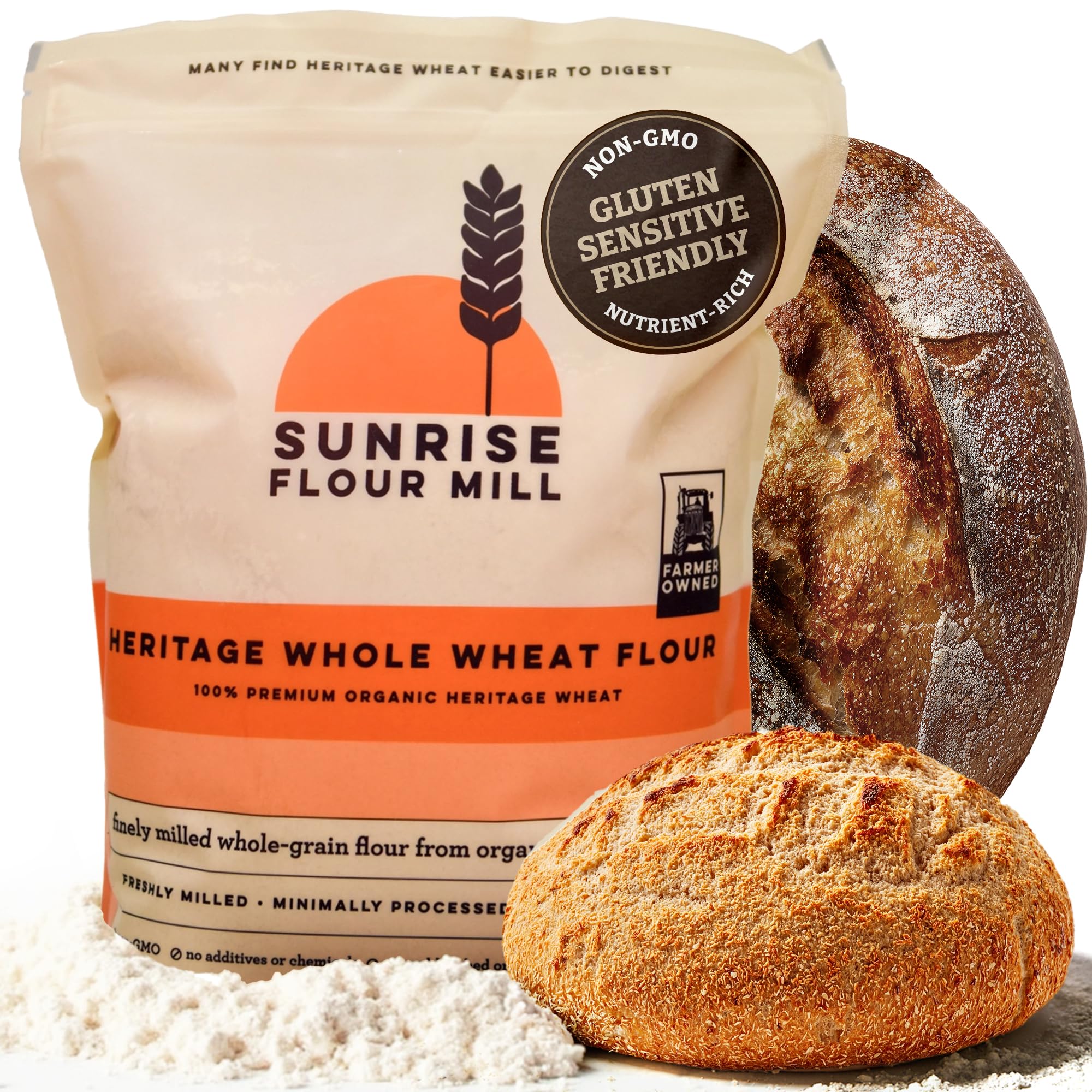
This whole wheat offering from Sunrise Flour Mill applies the same heritage principles to a 100% whole grain flour. Milled from pre-hybridized red hard wheat, it is designed to be more digestible than standard whole wheat, with customers consistently reporting less bloating. The milling is super-fine, which solves the common whole wheat problem of gritty bran pieces that disrupt the crumb. The flour has a rich, nutty flavor that outshines conventional whole wheat options.
Bakers using this flour for sourdough praise it for producing excellent flavor and texture, though some note that it does not rise as tall as white flour due to the bran content. Many recommend blending it with the company’s white heritage bread flour for a balanced loaf. Reviews highlight that the gluten structure comes together quickly during kneading, indicating high protein quality despite being whole grain. The certification is USDA Organic, and the milling is done within days of shipping, ensuring peak freshness.
This is the premium whole wheat choice for bakers who refuse to compromise on digestibility and flavor. If you are committed to baking 100% whole grain artisan breads and have struggled with digestive issues from standard whole wheat, this flour is a significant upgrade. The price reflects the heritage sourcing and meticulous milling, but for those who prioritize gut comfort and nutrition, it is worth the investment.
Why it’s great
- Super-fine grind eliminates gritty texture common in whole wheat
- Heritage wheat variety offers superior digestibility and reduced bloating
- Freshly milled with a visible grind date for peak quality
Good to know
- Dense crumb compared to white bread flours
- Premium price point for a whole grain flour
FAQ
What protein percentage is best for sourdough bread?
Can heritage wheat flour really help with gluten sensitivity?
How do I store artisan bread flour long term?
Final Thoughts: The Verdict
For most users, the best artisan bread flour winner is the Sunrise Flour Mill Heritage Organic Bread Flour Blend (5 lb) because it marries exceptional flavor and digestibility from heritage grains with a super-fine milling that elevates any artisan bake. If you want professional-grade gluten strength for bagels and pizza, grab the King Arthur Sir Lancelot. And for a clean-label, glyphosate-free option that performs well without breaking the bank, nothing beats the Eurasian Legacy Imported Lab-Tested Flour.