
Our readers keep the lights on and the weekend projects moving. As an Amazon Associate, I earn from qualifying purchases.
Craving a bowl of noodles without the blood sugar rollercoaster? The right choice exists, and it starts with konjac — a root-based noodle that delivers the satisfying slurp without the carb load that wreaks havoc on glucose management.
I’m Rikta — the co-founder and writer behind FitlyFast. I’ve spent hundreds of hours analyzing nutritional specs and customer glucose-monitor feedback to separate the real noodle substitutes that work from those that just taste like rubber.
Whether you’re stir-frying for a quick dinner or building a low-carb pantry that supports stable glucose levels, the right pick depends on texture, net carbs, and preparation convenience. This guide breaks down the best asian noodles for diabetics across multiple product tiers so you can find your ideal match.
How To Choose The Best Asian Noodles For Diabetics
Not all low-carb noodles are the same. The difference between a mealtime win and a glucose spike lies in three factors: the base ingredient, the net carb count per serving, and how the noodle behaves when cooked with your favorite sauce. Here is what to look for when shopping specifically with diabetes management in mind.
Base Ingredient: Konjac Root vs. Alternative Flours
The vast majority of diabetic-friendly Asian noodles are made from konjac root, which yields glucomannan fiber. This fiber is indigestible by the human gut, meaning it contributes virtually zero digestible carbs that raise blood sugar. Be wary of “low-carb” noodles made from green banana flour, chickpea flour, or black bean blends — these often carry 10 to 20 grams of net carbs per serving that can still provoke a post-meal spike, especially for those with insulin resistance.
Net Carbs Per Serving: The Number That Actually Matters
Total carbohydrates include fiber. Since glucomannan fiber does not raise blood glucose, subtract it completely. A quality shirataki noodle should have 0 to 6 grams of net carbs per serving. Any product listing over 10 grams of net carbs per portion should be measured carefully against your daily carb budget. Check the serving size — many products list unrealistically tiny portions to keep the carb count low on the label.
Texture and Odor Control
A common complaint with budget konjac noodles is a noticeable “fishy” odor straight out of the bag. Premium and organic noodles typically undergo more thorough washing during manufacturing that eliminates this smell. For texture, look for dried shirataki noodles (like the LIVIVA brand) that reconstitute with a firmer, pasta-like bite and less rubberiness than wet-packed varieties.
Quick Comparison
On smaller screens, swipe sideways to see the full table.
| Model | Category | Best For | Key Spec | Amazon |
|---|---|---|---|---|
| Soeos Organic Konjac Variety Pack | Organic Premium | Varied texture preferences | 3 shapes in one pack | Amazon |
| 52USA USDA Organic Shirataki | Organic Premium | USDA organic assurance | 15 cal per 8 oz serving | Amazon |
| Miracle Noodle Spaghetti 6-Pack | Convenience Pick | Ultra-low calorie meals | 1g net carbs per serving | Amazon |
| Hethstia Konjac Fettuccine 10-Pack | Best Value Bulk | Stir-fry and soup dishes | 10 individual bags | Amazon |
| Hethstia Konjac Spaghetti 10-Pack | Budget Multi-Pack | Spaghetti sauce dishes | 6 cal per pouch | Amazon |
| LIVIVA Dried Shirataki 2-Pack | Best Overall | Best glucose control feedback | 5-6g net carbs per serving | Amazon |
| LIVIVA Shirataki Spaghetti 6-Pack | Mid-Range Option | Zero-carb staple | 4 cal per bag | Amazon |
In‑Depth Reviews
1. LIVIVA Dried Shirataki Low Carb Pasta (2 Pack, Noodle)
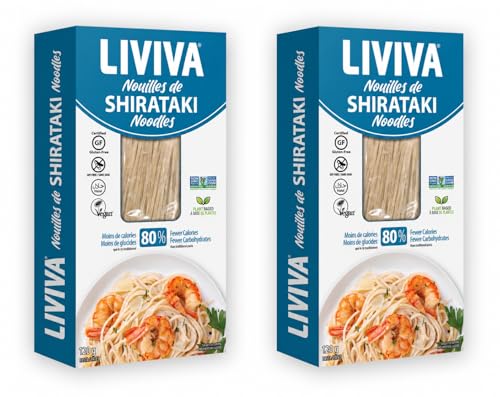
The LIVIVA dried shirataki noodles stand apart because they are dehydrated rather than wet-packed, which eliminates the notorious sliminess and fishy smell common to many konjac products. Real glucose-monitor user feedback shows these noodles produce practically no blood sugar spike, with one CGM-wearing customer calling them “fantastic” for keeping glucose stable. Each serving delivers 25 calories and only 5 to 6 grams of net carbs with zero sugar and zero fat.
Texture is the main selling point here. Customers consistently describe the cooked result as “al dente” and closer to traditional pasta than any other shirataki noodles they have tried. The optimal preparation involves a rolling boil for 15 minutes, and several users noted that cooking longer — up to 26 minutes — yields an even better chewy bite that absorbs salt and seasoning well.
This pack comes with two bags, and the noodles work especially well in Asian-style applications like stir-fries and pho. A few users noted the price point is higher per serving compared to bulk wet-packed options, and the noodles require more active cooking time than ready-to-eat alternatives. The trade-off is a vastly superior mouthfeel that makes the switch from wheat pasta feel less like a compromise.
Why it’s great
- Dried format removes sliminess and fishy odor entirely
- Real CGM user reports confirm zero blood sugar spike
- Al dente texture closely mimics traditional pasta
Good to know
- Requires longer cooking time (15+ min) than ready-to-eat options
- Higher per-serving cost compared to bulk wet-packed brands
2. LIVIVA Shirataki Konjac Spaghetti 6 Pack (110 oz)
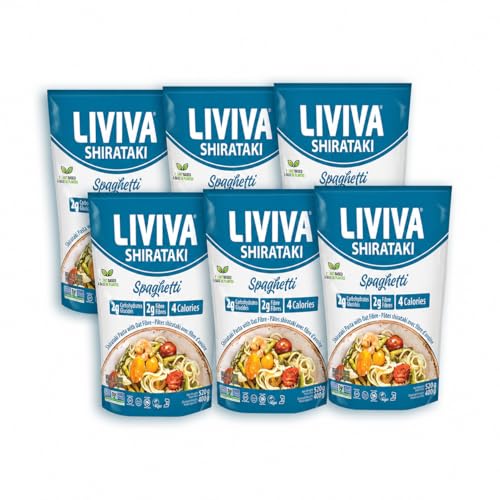
This LIVIVA variety is a wet-packed spaghetti alternative that boasts zero grams of net carbs and only 4 calories per bag. For diabetics on strict low-carb regimens who want the freedom to eat a full portion without counting carbs, this product delivers exactly that. Each bag contains two portion-control pouches, helping avoid overeating — a common trap with noodle substitutes that are easy to consume in volume.
Customer feedback highlights the neutral flavor profile as a strong asset. The noodles absorb whatever sauce or broth they are paired with, making them flexible for both Italian-style marinara and Asian-style pho broth. Multiple users noted the texture is far less rubbery than competing wet-packed brands, though the strands are long and thin — careful rinsing and dry-frying in a pan before saucing helps firm them up and shed excess moisture.
The product carries multiple certifications including Non-GMO, Gluten-Free, Keto, Vegan, Halal, and Kosher. Some shoppers found the price per unit higher than they hoped for a regular pantry staple. If you plan on using noodles daily, the value per ounce is less competitive than bulk options, but the zero-carb guarantee and certified purity justify the premium for those who prioritize strict dietary compliance.
Why it’s great
- Zero net carbs per serving — virtually no glucose impact
- Portion-controlled pouches inside each bag
- Multiple diet certifications (Keto, Halal, Kosher)
Good to know
- Higher price per serving than bulk wet-packed competitors
- Strands are long and thin, requiring careful handling
3. Hethstia Konjac Noodle Fettuccine 10-Pack
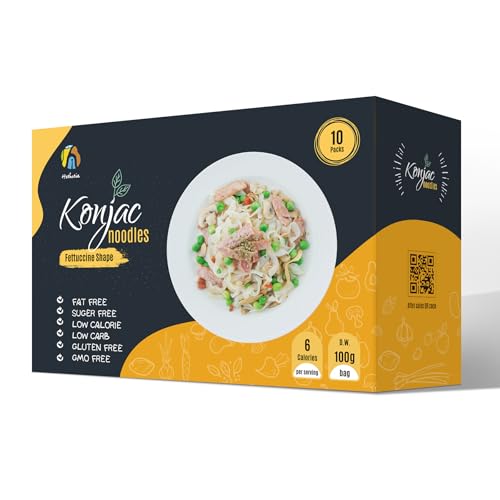
The Hethstia fettuccine noodles are a solid mid-range option built around a wide, ribbon-like cut that holds heavier sauces better than thin spaghetti varieties. The fettuccine shape allows cream-based or peanut-based sauces to cling more effectively, making it a better pick for those who find spaghetti-style noodles too slippery. Each serving is virtually carb-free and sugar-free, built from glucomannan fiber that expands in the stomach and promotes satiety.
Customer reviews consistently emphasize two things: the absence of the fishy aftertaste that plagues cheaper shirataki brands, and the convenience of the pre-cooked wet pack format. One user with MCAS (Mast Cell Activation Syndrome) reported these noodles were well-tolerated — a notable point for diabetics with additional food sensitivities. Preparation is simple: rinse thoroughly, then dry-fry in a hot pan to remove excess water before adding to sauces.
The 10-pack format offers strong value for regular consumption. A few users found the texture “gummy” or “weird” when not prepared properly, and the noodles can freeze or shrink if exposed to winter temperatures during shipping. Always check the package on arrival for damage. If you prefer a noodle that can stand up to hearty, thick sauces, the fettuccine cut makes this a top contender.
Why it’s great
- Wide fettuccine shape holds heavy sauces effectively
- No fishy odor or aftertaste when rinsed
- 10-pack provides excellent per-meal value
Good to know
- Wet-packed texture can feel gummy without proper dry-frying
- Packages may freeze or shrink in cold shipping conditions
4. Hethstia Konjac Noodles Spaghetti 10-Pack
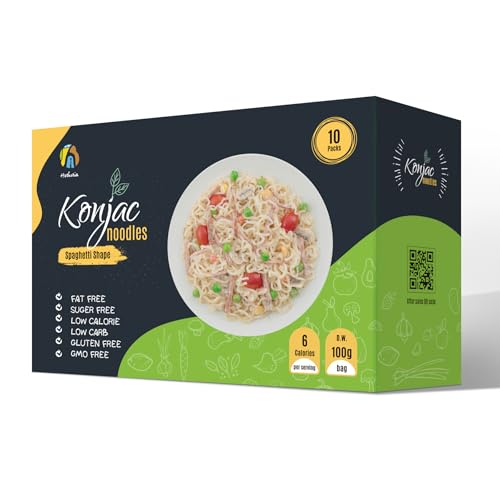
This spaghetti-shaped 10-pack from Hethstia is priced to be a daily-driver noodle for diabetics on a budget. Each pouch contains roughly 3.5 ounces drained weight and packs only 6 calories with virtually no digestible carbs. For anyone managing both diabetes and weight, the calorie-to-satiety ratio here is exceptional — a full bowl of these noodles with vegetables and a lean protein can cost under 100 calories for the base alone.
Customers note the neutral taste works well as a blank canvas. A quick rinse followed by a 2-minute boil or pan-fry firms up the texture so it stands up to aggressive stirring in a wok. Several users specifically mention these noodles performing well in Asian soup dishes like ramen and stir-fries. The pre-cooked nature means this is a genuine 5-minute meal solution for busy weeknights.
The main downsides are texture-related. A vocal minority of customers describe the mouthfeel as “rubber bands” or “gummy” — a risk inherent to wet-packed konjac noodles. The small serving size per pouch also means you may want to double up for a hearty main-dish portion. If you are new to konjac noodles, start with a single box before committing to the 10-pack to see if the texture works for you.
Why it’s great
- Extremely low calorie and carb count per pouch
- Quick 5-minute prep ideal for busy schedules
- 10-pack format offers lowest cost per serving in this lineup
Good to know
- Rubbery or gummy texture reported by some users
- Small serving size may require two pouches per meal
5. 52USA USDA Organic Konjac Shirataki 6-Pack (3 Variety)
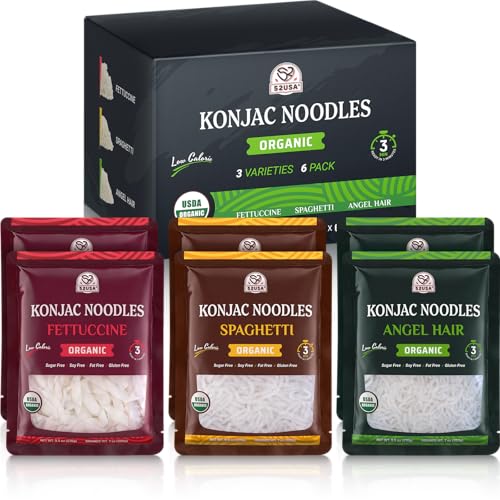
The 52USA shirataki noodles carry a USDA Organic certification, which matters for diabetics who want to avoid synthetic pesticide residues that could interact with metabolic health. This variety pack contains three different noodle shapes — angel hair, fettuccine, and spaghetti — giving you versatility across different cooking applications from light broths to heavy ragùs. Each 8-ounce serving delivers roughly 15 calories, making it a near-zero-impact base for any meal.
Customer feedback reveals that this brand has minimal fishy smell compared to generic konjac noodles — a sign of thorough washing during production. One user who tested 10 different pasta alternatives ranked this as having the best taste and the lowest glycemic impact, a strong recommendation for diabetics who want to avoid post-meal spikes. The packaging is sturdy, and the noodles hold up well during shipping without leaking.
The main consideration is portion size. Several customers noted that a whole pouch is too much for one sitting and recommended splitting each 8-oz bag into two servings. The glucomannan fiber can cause gastrointestinal discomfort if you are not accustomed to high-fiber foods — start with a small portion (around 4 ounces) to let your digestive system adjust. The organic certification and variety make this a standout premium choice.
Why it’s great
- USDA Organic certification ensures clean production
- Three shapes (angel hair, fettuccine, spaghetti) for recipe variety
- Lowest glycemic impact among tested alternatives per reviewer
Good to know
- Fiber content may cause GI distress if you eat a full pouch
- Best split into two 4-oz servings for most people
6. Soeos Organic Konjac Noodles 6-Pack (3 Variety)
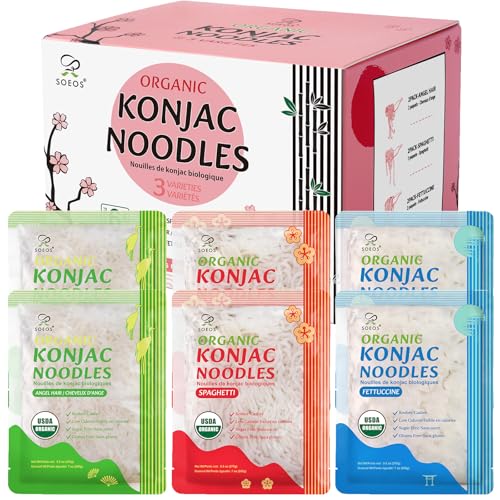
Soeos enters the premium tier with an organic konjac noodle pack that spans three shapes: fettuccine, angel hair, and spaghetti. The organic sourcing means the glucomannan fiber comes from konjac yams grown without synthetic fertilizers, an important consideration for diabetics who prefer clean-label ingredients. Each bag contains 9.5 ounces of pre-cooked noodles that are ready to eat after a simple rinse and heat.
Customer reviews consistently rate the texture as consistent across all three shapes — no weird variance between the angel hair and the fettuccine, which is a sign of good manufacturing. The noodles have no inherent flavor, which works well for absorbing any sauce or broth you pair them with. Several users specifically praised the product for its versatility across lo mein, pad thai, and yakisoba dishes — all classic Asian noodle formats that would spike glucose if made with wheat noodles.
The primary drawback is the vague preparation instructions on the packaging. Some users found the sauces do not cling well to the slick surface of the konjac noodles without a thorough dry-fry first. Drying the noodles in a hot pan with no oil for 3–5 minutes after rinsing significantly improves sauce adhesion. The value proposition is solid, with a total of 57 ounces spread across six bags making this competitive on a per-meal basis.
Why it’s great
- Organic konjac from clean agricultural practices
- Consistent texture across three distinct noodle shapes
- Versatile base for lo mein, pad thai, and yakisoba
Good to know
- Sauces do not cling well without dry-frying first
- Packaging instructions are vague on optimal prep technique
7. Miracle Noodle Ready to Eat Spaghetti 6-Pack
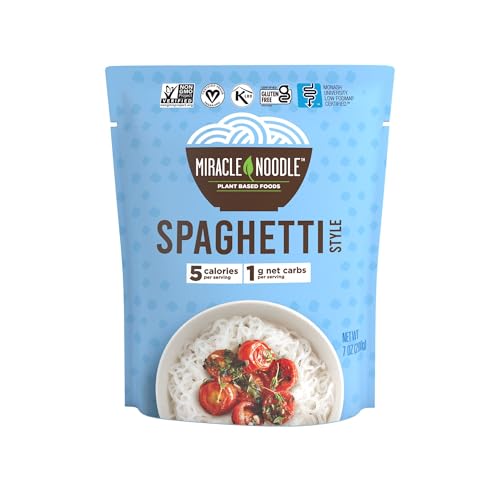
Miracle Noodle is one of the most recognizable names in the konjac pasta space, and this 6-pack of spaghetti noodles is an entry-level option that lets you test the shirataki experience without committing to a huge multi-pack. At only 5 calories and 1 gram of net carbs per serving, it fits into the strictest keto and diabetic protocols. The noodles are made from konjac root and are certified gluten-free, vegan, and grain-free.
The preparation method favored by experienced users involves running the noodles under cold water for several minutes, then dry-frying them in a pan with no oil to remove moisture before adding them to the rest of the dish. Some customers find the noodles work best in Asian soups where the sliminess is masked by broth — they recommend mixing these with a small portion of rice noodles for a more familiar texture. For Italian-style dishes, the lack of sauce clinging and the “rubber band” texture can be off-putting.
The most significant risk with this product is inconsistent batch quality. A number of customer reviews mention that while they loved the noodles when purchased in-store, the Amazon shipped version had a much tougher, almost inedible texture. The price point per box is higher than some of the Hethstia options when compared ounce-for-ounce. If you are new to konjac noodles, start with a single store-bought bag before ordering the 6-box to avoid wasting money on a texture you dislike.
Why it’s great
- Ultra-low 1g net carbs and 5 calories per serving
- Well-known brand with consistent supply chain
- Works well when mixed with broth in Asian soups
Good to know
- Inconsistent batch quality in Amazon fulfillment
- Poor sauce adhesion for Italian-style dishes
FAQ
Will konjac noodles spike my blood sugar like regular pasta?
How do I get rid of the fishy smell in shirataki noodles?
Are all low-carb noodle brands safe for diabetics?
Final Thoughts: The Verdict
For most users, the asian noodles for diabetics winner is the LIVIVA Dried Shirataki 2-Pack because its dried format eliminates the wet-slimy texture issue and delivers the closest-to-pasta chew with verified zero-glucose-spike performance. If you want USDA Organic assurance with three shape varieties for recipe flexibility, grab the 52USA Organic Variety Pack. And for a budget-friendly bulk option that handles stir-fries and soups well, nothing beats the Hethstia Fettuccine 10-Pack.