
Our readers keep the lights on and the weekend projects moving. As an Amazon Associate, I earn from qualifying purchases.
Lower back pain can turn a simple walk into a grinding experience, with each footstrike sending a jolt through your spine. The right athletic shoe acts as your first line of defense, using targeted cushioning and structural support to dampen that impact and realign your posture from the ground up.
I’m Rikta — the co-founder and writer behind FitlyFast. I’ve spent hundreds of hours dissecting the biomechanics of footwear, analyzing midsole foams, heel-to-toe drops, and outsole durability to build guides that help you move without pain.
Choosing the wrong pair can worsen existing back issues, while a purpose-built design actively reduces strain on your lumbar region. This guide breaks down the essential specs and top contenders to help you find the best athletic shoes for back pain that fit your stride and your life.
How To Choose The Best Athletic Shoes For Back Pain
Selecting a shoe for back pain relief requires looking past style and focusing on biomechanical features that reduce ground reaction forces. The wrong shoe can stiffen your gait, while the right one encourages a more natural, shock-absorbing stride.
Heel-to-Toe Drop and Stack Height
The drop is the difference in millimeters between the heel and forefoot height. A higher drop (10-12mm) shifts impact to the heel and can tighten the Achilles, potentially pulling on the lower back. A lower drop (0-6mm) encourages a midfoot strike, distributing load more evenly and reducing spinal jolts. Stack height (the total foam between your foot and the ground) provides the cushioning that directly absorbs shock.
Midsole Foam Composition
Foam density determines how energy is returned. Plush foams like EVA or proprietary blends (Fresh Foam, FF BLAST) offer initial comfort but may compress over time, reducing support. Firmer, more resilient foams provide consistent shock attenuation across the entire gait cycle, which is critical for preventing cumulative micro-trauma to the lumbar spine.
Arch Support and Heel Stability
A supportive arch cradle prevents overpronation, a common cause of internal tibial rotation that travels up the kinetic chain to the lower back. A rigid heel counter locks the calcaneus in place, ensuring the foot strikes the ground in a neutral, stable position. Look for shoes with structured heel cups and a firm medial post if you have flat feet.
Quick Comparison
On smaller screens, swipe sideways to see the full table.
| Model | Category | Best For | Key Spec | Amazon |
|---|---|---|---|---|
| New Balance Women’s Fresh Foam X More V6 | Premium | Maximum Cushion & Spinal Relief | Fresh Foam X midsole, 4mm drop | Amazon |
| On Men’s Cloudgo Sneakers | Premium | Versatile Everyday Comfort | CloudTec sole, Helion superfoam | Amazon |
| New Balance Men’s Fresh Foam X 880v15 | Premium | Durable Daily Road Running | Fresh Foam X, structured mesh upper | Amazon |
| ALTRA Women’s Torin 8 Road Running Shoe | Premium | Natural Stride & Wide Toe Box | EGO MAX foam, zero drop | Amazon |
| OOFOS Womens Oomy Stride | Mid-Range | Recovery & Post-Workout Relief | Patented OOfoam, absorbs 37% more shock | Amazon |
| Hoka Mens Rincon 4 | Mid-Range | Lightweight Cushion for Long Miles | MetaRocker, rubberized EVA outsole | Amazon |
| Brooks Women’s Trace 4 Neutral Running Shoe | Mid-Range | Soft, Protective Daily Runner | DNA LOFT v2 cushion, 12mm drop | Amazon |
| ASICS Men’s Gel-Cumulus 27 Running Shoes | Mid-Range | Joint-Friendly High Mileage | PureGEL insert, FF BLAST PLUS foam | Amazon |
| Skechers Men’s Max Cushioning Glide Step Advert Hands Free Slip-ins | Entry-Level | Easy-On Comfort & Impact Absorption | Glide-Step design, Air-Cooled Goga Mat | Amazon |
In‑Depth Reviews
1. New Balance Women’s Fresh Foam X More V6
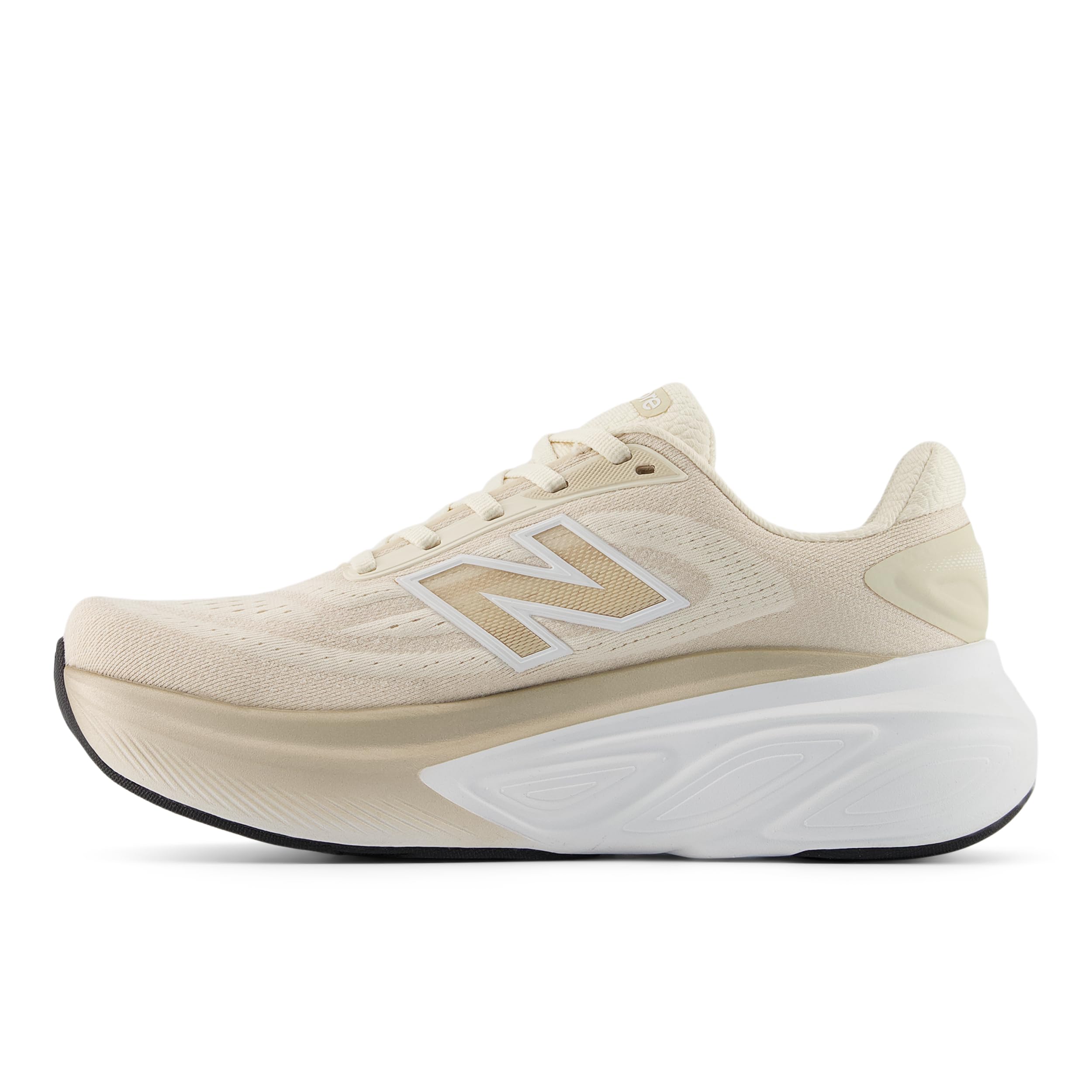
This model delivers the highest stack height in the New Balance Fresh Foam X lineup, offering a cloud-like landing that drastically reduces the peak forces transmitted to your lumbar spine. The 4mm drop promotes a more natural gait, keeping your pelvis in a neutral position rather than tilting forward.
Testers report significant relief from chronic back pain, spinal fractures, and scoliosis, with many stating it alleviates up to 90% of their daily discomfort. The wide base provides exceptional lateral stability, preventing the ankle roll that can trigger compensatory lower back muscle spasms.
The engineered mesh upper is breathable and stretches slightly to accommodate bunions or swelling. Some users note the sole feels very “squishy,” which is ideal for standing and walking but may feel less responsive for faster-paced running. It’s a top-tier choice for those who spend long hours on their feet.
Why it’s great
- Plush Fresh Foam X provides maximum shock absorption for the spine.
- Wide, stable platform prevents ankle instability and pelvic tilt.
- Excellent arch support with a roomy toe box.
Good to know
- Very soft feel; not built for speedwork or tempo runs.
- Some units have arrived as returns with scuffed soles.
2. On Men’s Cloudgo Sneakers

The Cloudgo uses On’s signature CloudTec pods and Helion superfoam to create a cushioned landing that feels surprisingly stable. This design is particularly good for those whose back pain flares up during daily wear rather than just running, as the shoe transitions smoothly from pavement to indoor floors.
Owners frequently describe the fit as “perfect” right out of the box, with no break-in period required. The Speedboard technology embedded in the midsole adds a slight forward propulsion, which helps maintain a consistent stride rhythm that can reduce erratic loading on the lower back.
Over a year of use in demanding environments like correctional facilities shows the outsole is highly durable. While definitely a premium investment, the combination of style and balanced cushioning makes it a versatile option for back pain sufferers who want a single shoe for multiple settings.
Why it’s great
- CloudTec pods provide targeted impact dispersion with each step.
- Durable outsole and upper hold up well over long-term daily wear.
- Stylish design suitable for both casual and active use.
Good to know
- Higher price point compared to similar mid-range options.
- Some users find the tongue padding a bit thin.
3. New Balance Men’s Fresh Foam X 880v15
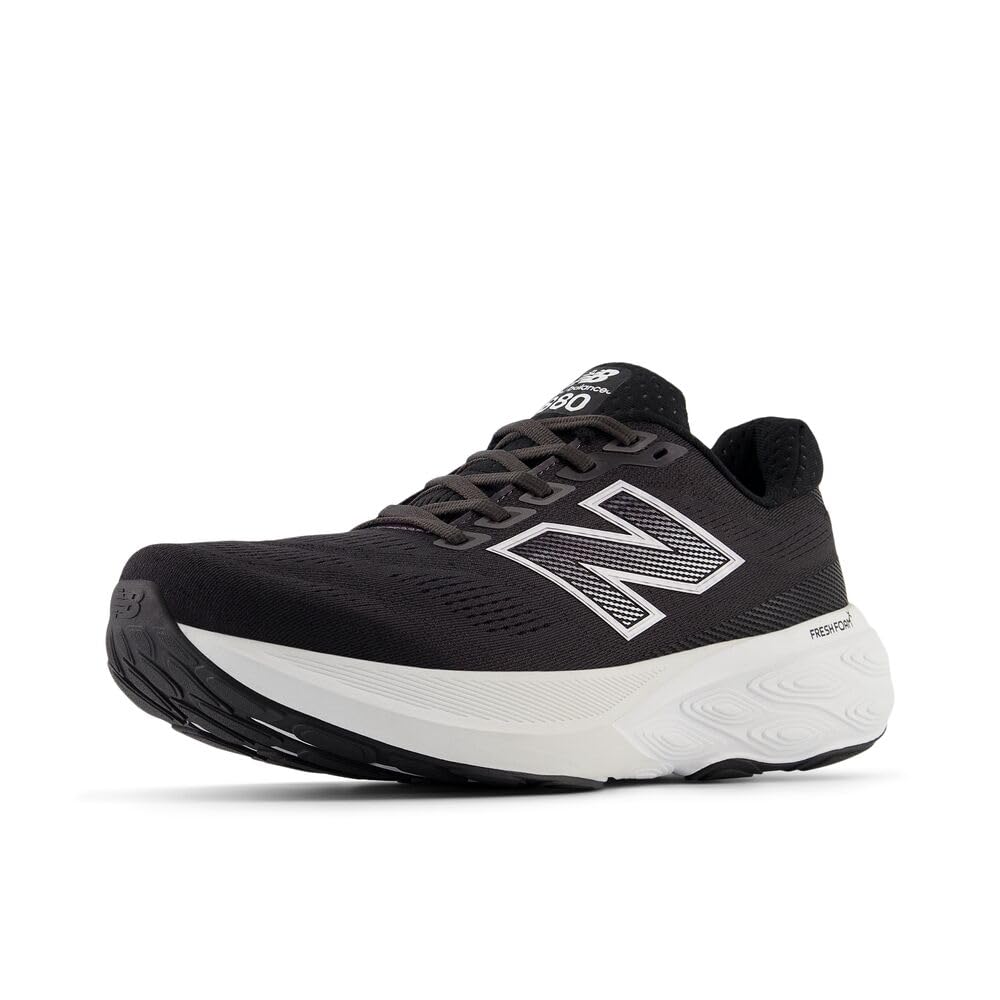
The 880v15 is a direct upgrade to the beloved 877, offering a similar plush feel with a more modern Fresh Foam X core. This midsole compound is engineered to be both soft and resilient, meaning it compresses on impact to spare your spine but doesn’t bottom out over longer distances.
Users with diabetes and poor foot lift report the higher toe area helps prevent tripping, which indirectly protects the lower back from jarring falls. The structured engineered mesh upper provides a secure midfoot wrap without feeling restrictive, creating a stable platform for the entire kinetic chain.
Several big-and-tall users (over 250 pounds) note these are among the lightest and most comfortable shoes they have found, with a wider toe box that prevents pinching. Some note that the outsole may wear down faster than expected with heavy daily use, typically lasting about a year.
Why it’s great
- Resilient Fresh Foam X absorbs shock without excessive sinking.
- Higher toe box reduces tripping risk and associated back jolts.
- Wide sizing accommodates swollen feet and orthotics.
Good to know
- Some users needed to go up half a size for a perfect fit.
- Outsole durability may be limited to roughly one year of regular use.
4. ALTRA Women’s Torin 8 Road Running Shoe
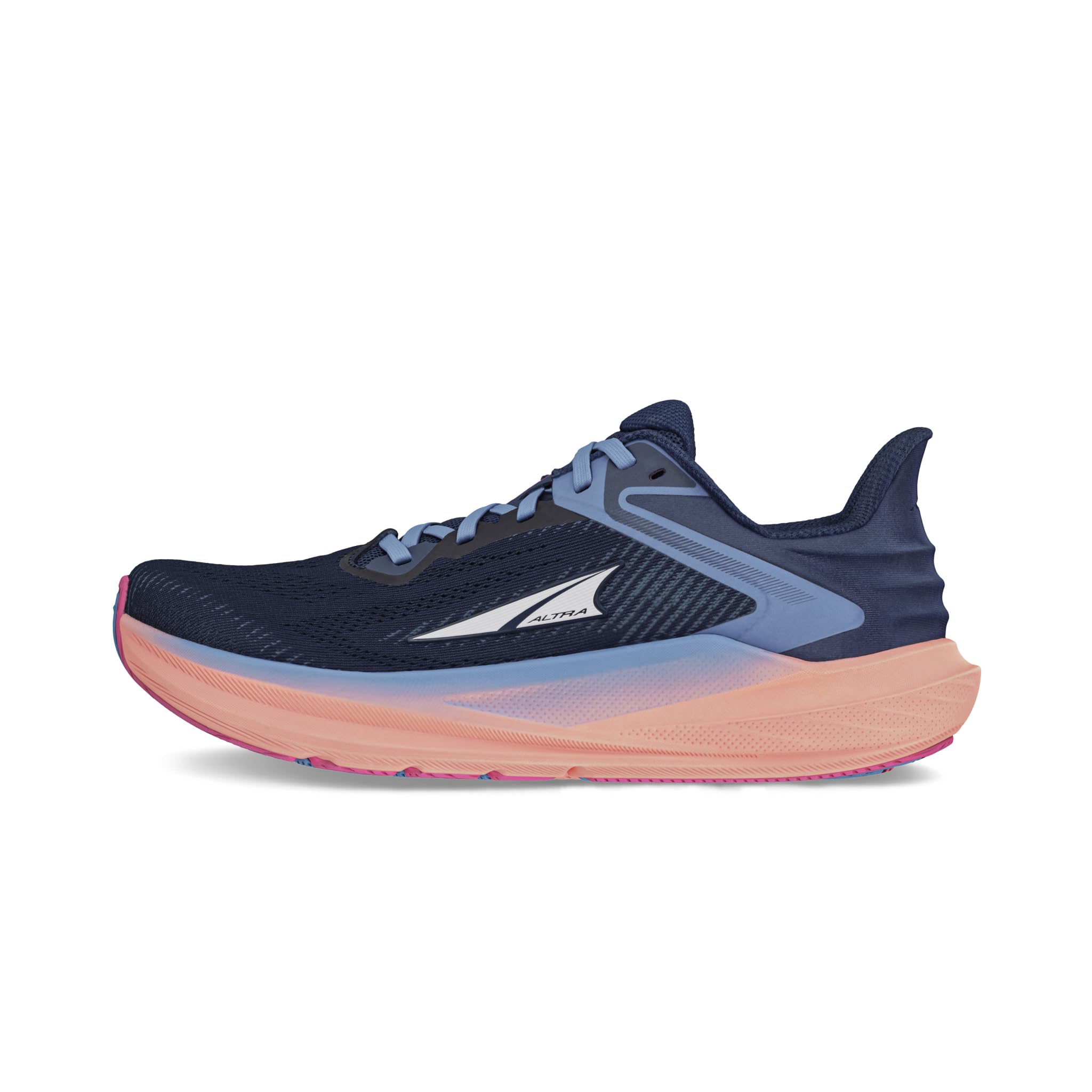
The Torin 8 is a standout for back pain because of its zero-drop platform and roomy FootShape toe box. With a 30mm stack height and zero drop, the heel and forefoot are level, which encourages a more upright posture and reduces the anterior pelvic tilt that commonly exacerbates lower back pain.
Physical therapists frequently recommend it for conditions like Morton’s neuroma and general back strain because it allows the toes to splay naturally, creating a wider, more stable base of support. The EGO MAX midsole foam is plush but firm enough to provide a responsive ride, making it suitable for both walking and jogging.
Many users report wearing these as their daily driver for everything from treadmill walking to casual work attire, noting they feel “Cinderella perfect” from the first wear. The upper is breathable jacquard mesh that molds to the foot over time, though the zero drop requires a short adaptation period for those accustomed to raised heels.
Why it’s great
- Zero drop promotes neutral pelvic alignment and reduces lumbar strain.
- Wide toe box allows natural toe splay for a stable stride.
- High stack EGO MAX foam provides excellent shock isolation.
Good to know
- Zero-drop design requires an adjustment period for new users.
- Less arch support than traditional stability shoes.
5. OOFOS Womens Oomy Stride
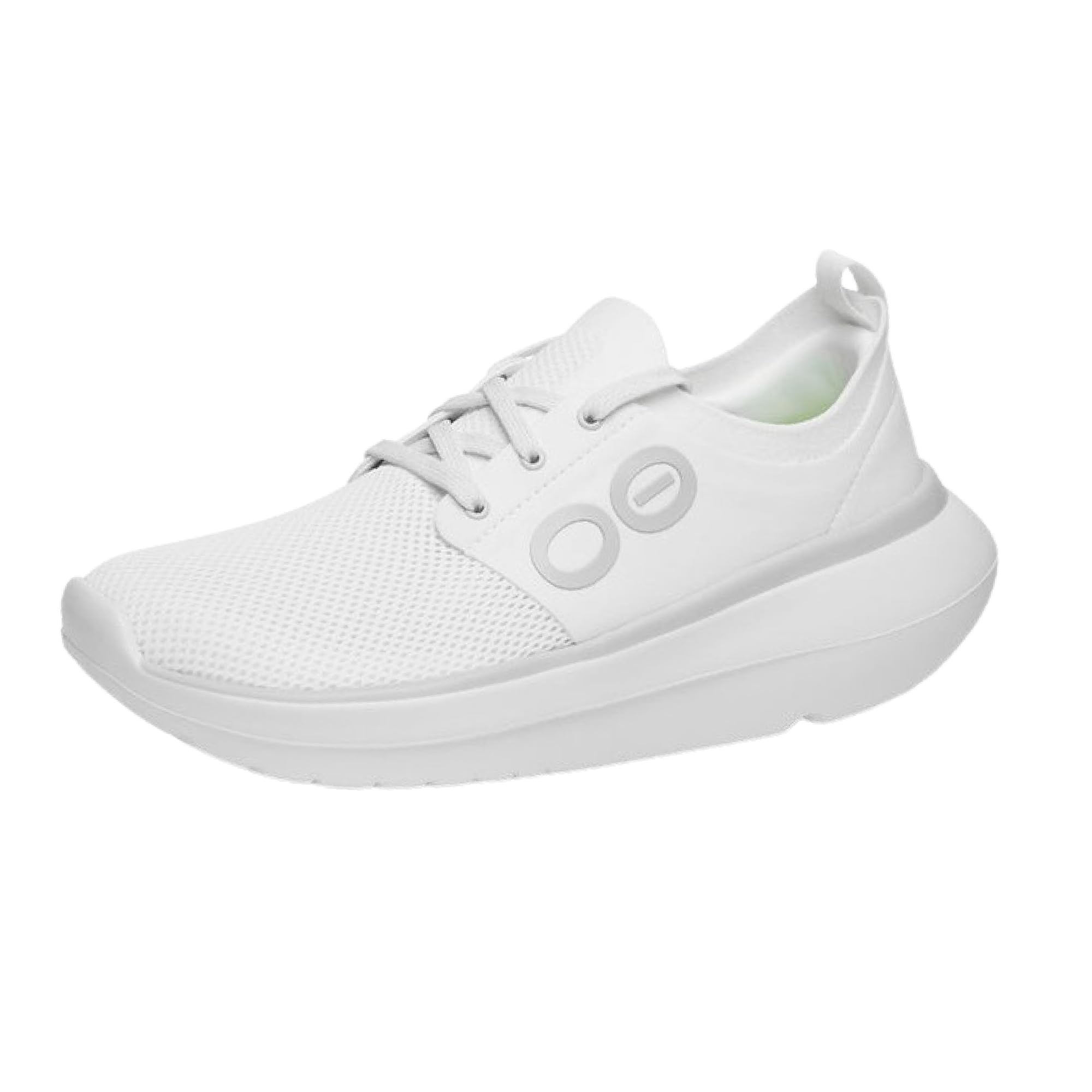
The Oomy Stride is built around OOFOS’s patented OOfoam, which is scientifically proven to absorb 37% more impact than standard shoe foam. This makes it a targeted tool for those seeking active recovery, as the material actively reduces the stress placed on the lumbar region with every foot strike.
The shoe features an elasticated “fake lace-up” design that provides a secure fit once on, though the ankle opening is snug and can be difficult for those with post-surgery swelling or reduced joint flexibility. The footbed is curved to cradle the arch, providing excellent support for plantar fasciitis and bunions.
Owners frequently use these as their primary shoe during recovery from foot injuries, noting they are the first shoe that doesn’t aggravate bunions or cause all-day discomfort. The sole is lightweight and bouncy, making it ideal for walking and standing, though the snug fit may require returning for a half size up.
Why it’s great
- OOfoam absorbs significantly more shock than standard EVA foams.
- Excellent arch support for plantar fasciitis and bunions.
- Lightweight and bouncy, ideal for recovery days.
Good to know
- Snug ankle opening makes initial donning difficult for some.
- Runs slightly large; many users need a half to full size down.
6. Hoka Mens Rincon 4
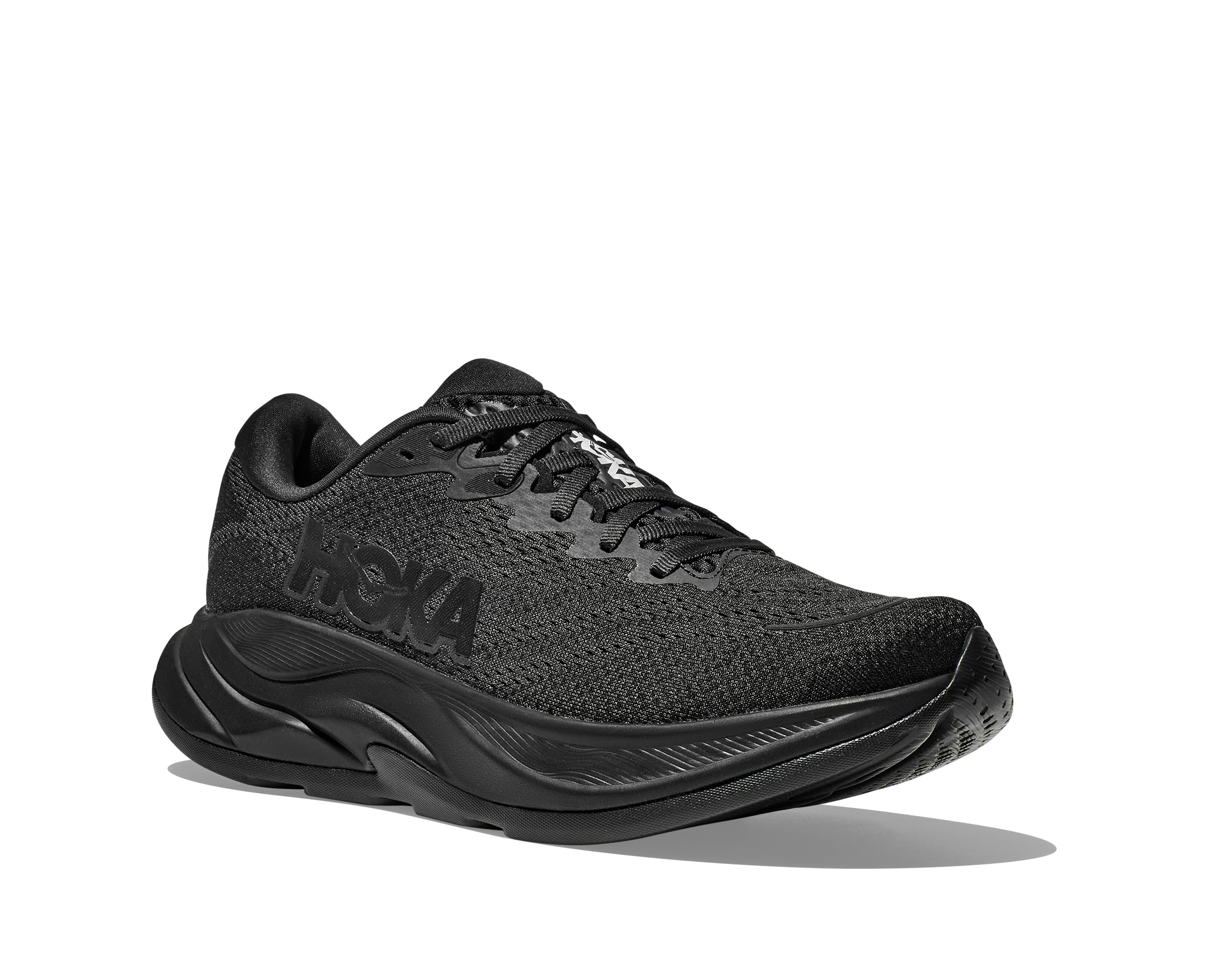
The Rincon 4 is renowned for its exceptional cushion-to-weight ratio, making it a favorite among runners who want serious shock absorption without feeling weighed down. The two-layer midsole uses upgraded foam with better rebound, ensuring the softness that protects your back doesn’t disappear after a few hundred miles.
The MetaRocker technology creates a smooth, rolling motion from heel to toe, which reduces the abrupt braking forces that can jolt the lower spine. The rear foot-focused Active Foot Frame provides a stable cradle for the heel, helping to control pronation and keep the kinetic chain aligned.
Orthopedic doctors often recommend Hoka for back pain patients because of this rocker motion. While the rubberized EVA outsole is lightweight, several users note it wears down faster on rough pavement compared to denser carbon rubber outsoles, making it more suited for treadmill or smooth road use.
Why it’s great
- MetaRocker technology promotes a smooth, spinal-friendly gait.
- Unmatched cushion-to-weight ratio for long, pain-free miles.
- Upgraded foam improves longevity and rebound.
Good to know
- Outsole wears faster on rough pavement than chunkier models.
- Some users find the fit less stable than the Clifton series.
7. Brooks Women’s Trace 4 Neutral Running Shoe
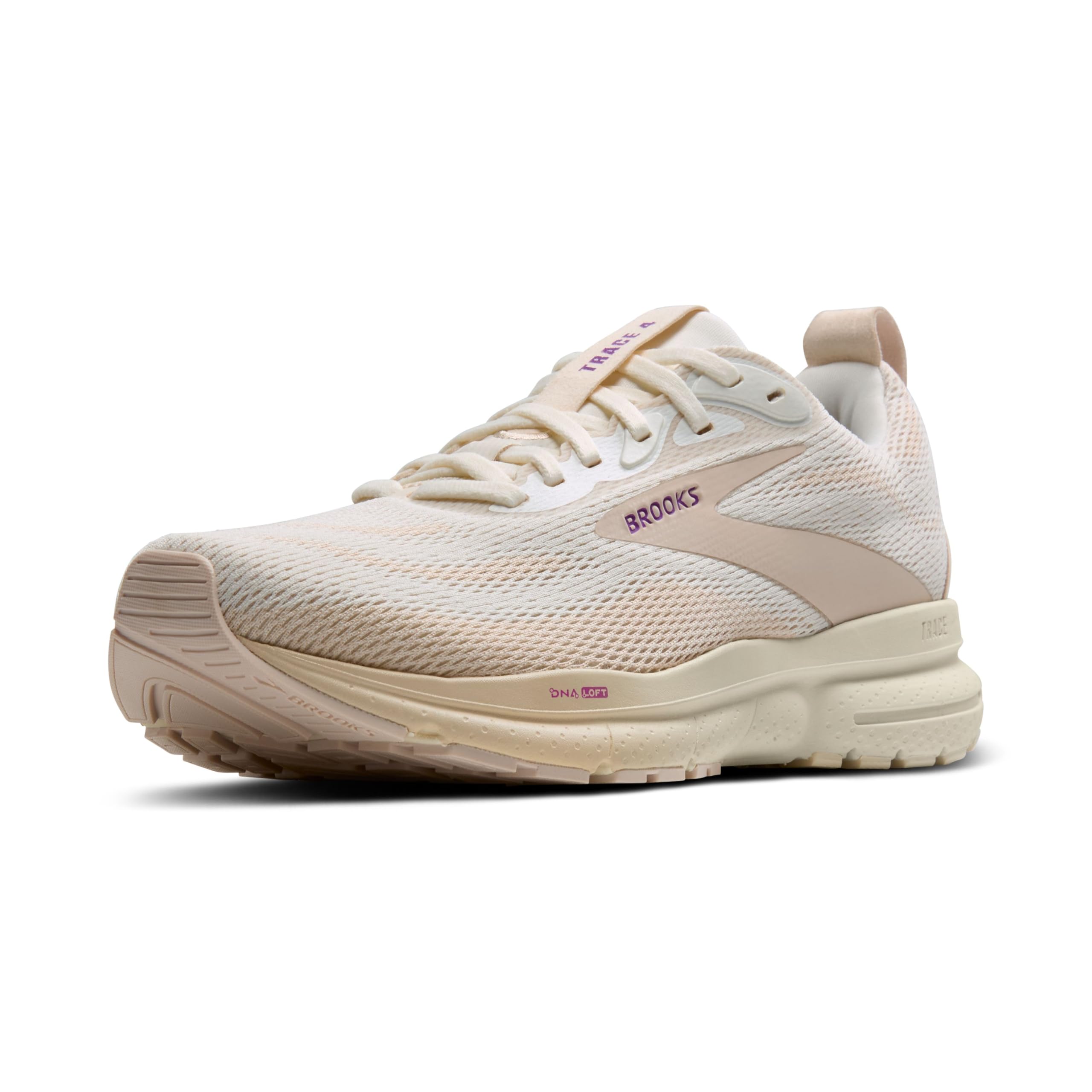
The Trace 4 is a neutral daily trainer that uses Brooks’ DNA LOFT v2 cushioning, a soft compound that conforms to the foot to disperse impact over a wider area. This is particularly helpful for back pain sufferers who need a forgiving landing across varied surfaces, from sidewalks to treadmill belts.
With a 12mm drop, it’s on the higher end of the spectrum, which places more initial load on the heel. However, for runners who naturally heel-strike, this design can provide a soft, guided transition that prevents the sharp shock of a hard heel plant from traveling up to the lower back.
Users consistently praise the fit, calling it “true to size” with no break-in period needed. The shoe is APMA-accepted and approved as a diabetic shoe (PDAC A5500), indicating a high standard for comfort and support. It’s best for those who prefer a classic, soft feel and don’t need maximum stability.
Why it’s great
- DNA LOFT v2 foam provides a plush, forgiving ride.
- APMA-accepted and PDAC-approved for diabetic use.
- Lightweight at 8.1 oz for a cushioned neutral shoe.
Good to know
- 12mm drop may not suit those transitioning to a lower drop.
- Neutral support; not ideal for heavy overpronators.
8. ASICS Men’s Gel-Cumulus 27 Running Shoes
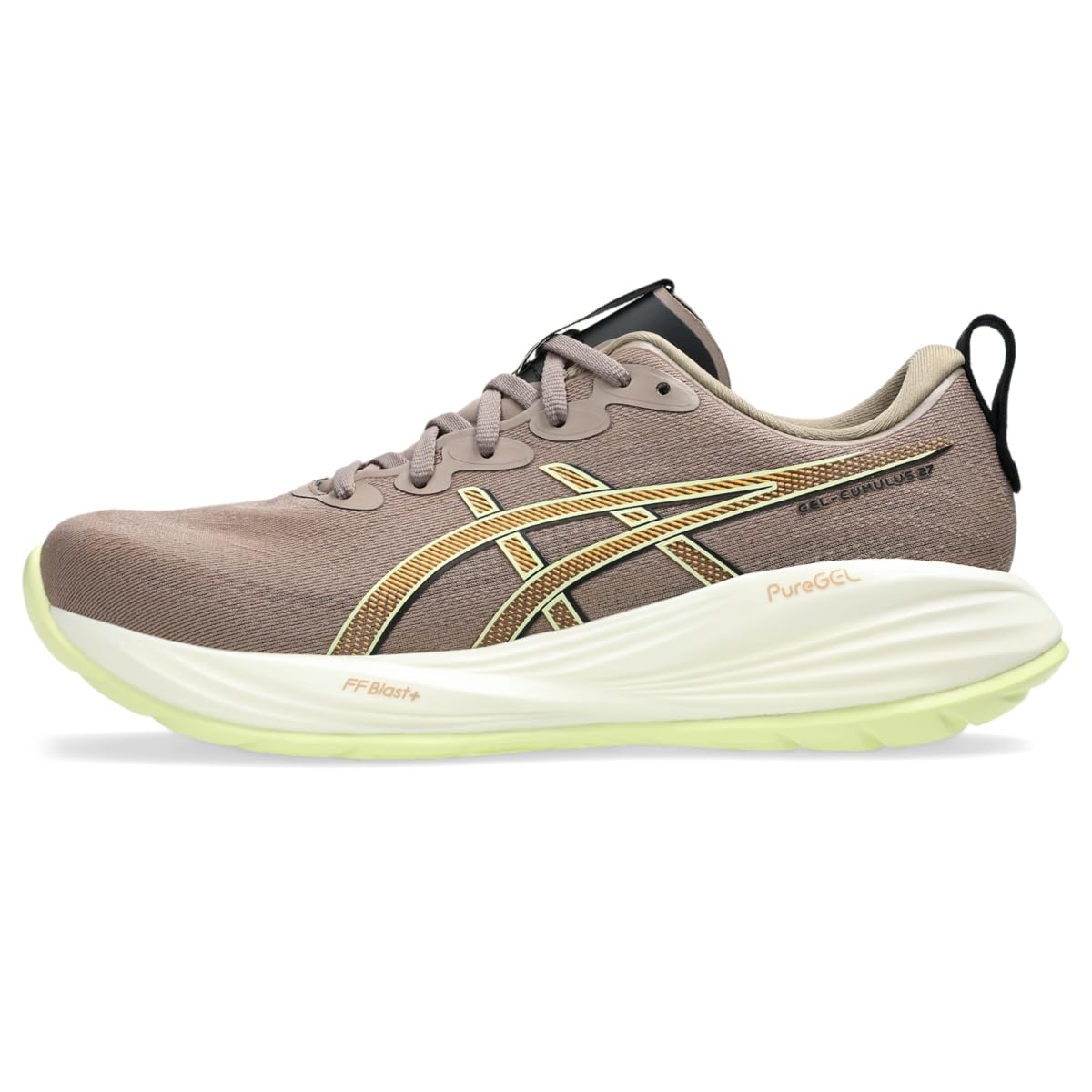
The Gel-Cumulus 27 is a classic cushioned trainer redesigned with PureGEL technology, which is ASICS’ latest advancement in shock absorption. This silicone-based gel insert sits in the heel to attenuate the highest impact forces, directly reducing the load transferred to your lumbar spine during heel strike.
The midsole combines FF BLAST PLUS foam with a FluidRide outsole for a ride that ASICS calls “soft yet supportive.” This balance is crucial for back pain, as a shoe that is too soft can collapse and create instability, while one that is too firm transmits vibration. The Cumulus 27 sits in a sweet spot.
Ultra-marathoners have recommended it specifically for knee and back pain relief. The upper is breathable mesh with a slightly roomy toe box that prevents toe mashing on downhills. Some users note the shoe is true to size and offers a snug fit that adapts well to daily training and long runs.
Why it’s great
- PureGEL insert provides exceptional heel-strike shock absorption.
- FF BLAST PLUS foam offers a balanced soft-but-supportive ride.
- Recommended by ultra-marathoners for back and knee pain relief.
Good to know
- Popular colorways and sizes sell out quickly.
- Some users find the toe box slightly roomy for a narrow foot.
9. Skechers Men’s Max Cushioning Glide Step Advert Hands Free Slip-ins
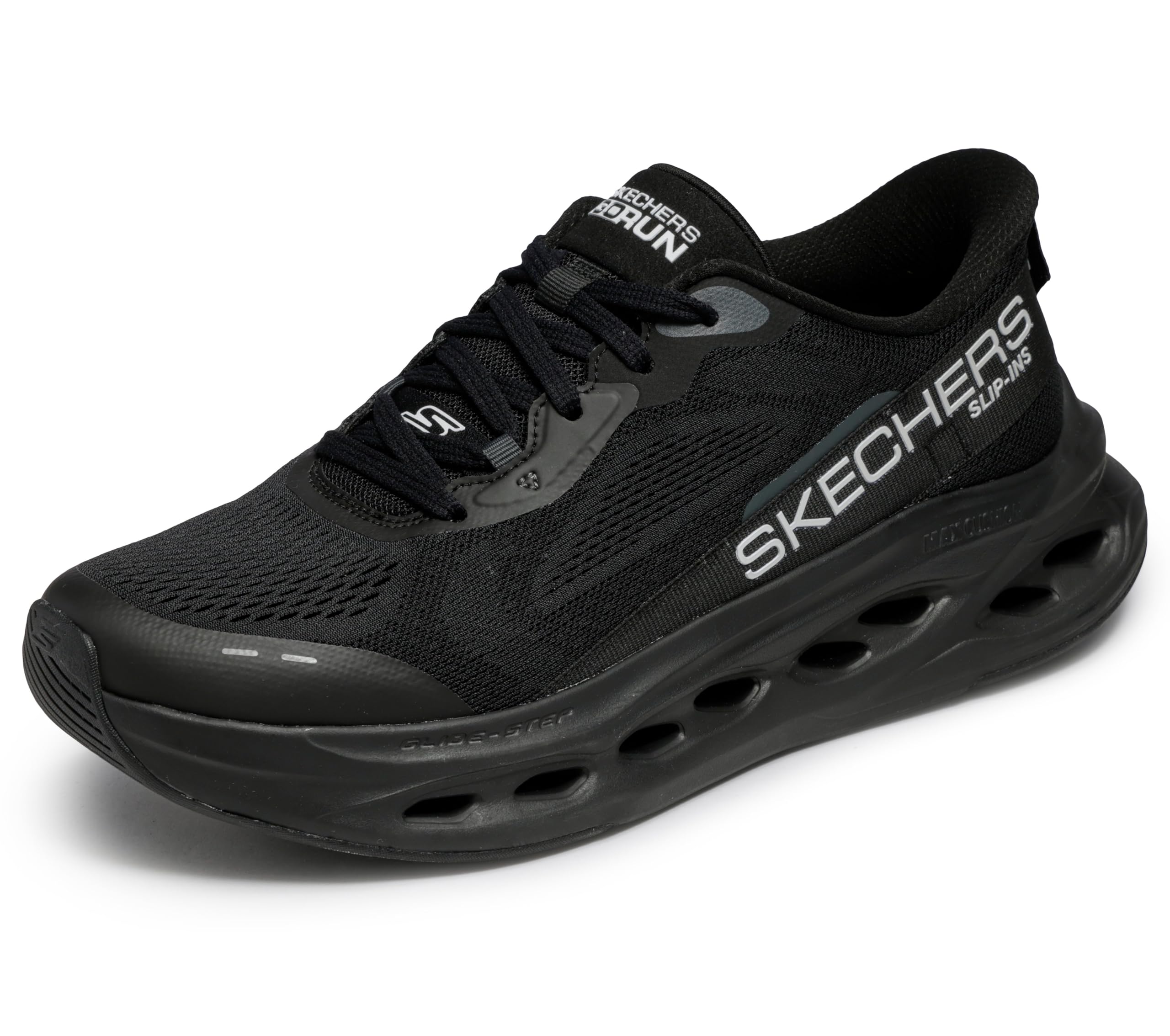
The Skechers Max Cushioning Glide Step is a fantastic entry-level option that delivers a surprising amount of foam underfoot without the hefty price tag. Users frequently compare the level of cushioning favorably to Hoka, describing it as “cloud-like” and highly effective at absorbing impact from hard floors during long shifts.
The hands-free slip-in design is a practical advantage for those with limited mobility or back pain that makes bending over to tie laces a painful chore. The Air-Cooled Goga Mat insole provides excellent arch support and breathability, while the Goodyear Performance Outsole adds impressive durability for the price.
One nurse working 12-hour OR shifts reports amazing comfort and support, noting these shoes eliminated the foot fatigue that usually triggers lower back pain. The primary trade-off is in long-term durability; the foam may compress faster than premium options, but for the cost, it offers exceptional immediate relief.
Why it’s great
- Incredible cushioning-to-value ratio, often compared to Hoka.
- Hands-free slip-in design is a boon for mobility-limited users.
- Goodyear outsole provides durable traction for daily wear.
Good to know
- Midsole foam may compress faster than premium-brand competitors.
- Real laces are functional but the heel collar is not reinforced.
FAQ
Is a zero-drop shoe always better for back pain?
How often should I replace athletic shoes for back pain?
Can a shoe really fix my lower back pain, or is it just marketing?
Final Thoughts: The Verdict
For most users, the best athletic shoes for back pain winner is the New Balance Women’s Fresh Foam X More V6 because its max-cushion Fresh Foam X platform provides exceptional spinal shock absorption while maintaining a stable, wide base. If you want the joint-targeted impact protection of a gel insert, grab the ASICS Men’s Gel-Cumulus 27. And for those seeking a lightweight, rolling gait that minimizes abrupt heel strike, nothing beats the Hoka Mens Rincon 4.