
Our readers keep the lights on and the weekend projects moving. As an Amazon Associate, I earn from qualifying purchases.
Finding a shoe that doesn’t send a jolt of pain through the ball of your foot with every step is the defining challenge of metatarsalgia. The wrong pair—too narrow, too stiff, or lacking shock absorption—can turn a simple walk into an exhausting ordeal. This guide cuts through the marketing to identify the actual footwear engineering that offloads pressure from the metatarsal heads.
I’m Rikta — the co-founder and writer behind FitlyFast. My approach is rooted in analyzing the biomechanical specifications, material science, and verified user feedback that matter most for this specific condition, ensuring every recommendation is grounded in real-world performance data.
After examining hundreds of user experiences and technical specs, these are the athletic shoes for metatarsalgia that genuinely deliver on their promise of forefoot relief through strategic rocker profiles, wide toe boxes, and targeted metatarsal cushioning.
How To Choose The Best Athletic Shoes For Metatarsalgia
Choosing a shoe for metatarsalgia means prioritizing specific design elements that directly influence forefoot pressure. Look beyond general comfort and focus on the three pillars: offloading geometry, anatomical fit, and targeted support. Ignoring any one of these can lead to continued pain or the development of secondary issues like neuromas or plantar fasciitis.
Rocker Sole Geometry: The Gait Changer
A rocker sole is curved upward at the toe, which minimizes the bending of the foot during the push-off phase of your stride. This dramatically reduces the pressure on the metatarsal heads. The most effective designs for metatarsalgia have a pronounced, early-stage rocker that begins closer to the mid-foot. Look for shoes explicitly marketed with a “rocker” or “rocker bottom” as a primary feature.
Toe Box Volume and Footbed Design
A cramped toe box forces the metatarsal bones together, intensifying pain. A wide, anatomical toe box allows the forefoot to splay naturally, reducing compression. Additionally, a removable insole is critical; it allows you to insert a custom orthotic or a dedicated metatarsal pad. Some premium shoes come with built-in metatarsal footbeds that have a raised dome or pad placed just behind the metatarsal heads to offload them.
Cushioning Stack Height and Drop
Maximum cushioning under the forefoot is vital for absorbing impact, but it must be paired with the right drop (the difference in height between the heel and toe). A zero or low drop (0-5mm) encourages a more natural mid-foot or forefoot strike, which can be beneficial for some, but may aggravate others depending on their gait. A moderate drop (8-10mm) with ample forefoot cushioning is often a safer starting point for those new to managing their condition through footwear.
Quick Comparison
On smaller screens, swipe sideways to see the full table.
| Model | Category | Best For | Key Spec | Amazon |
|---|---|---|---|---|
| Brooks Glycerin Max | Max Cushion | Maximum Shock Absorption | 48mm heel / 38mm forefoot stack | Amazon |
| Mizuno Wave Sky 8 | Premium Cushion | Long-Distance Comfort | Mizuno Wave Plate + XPOP midsole | Amazon |
| ABEO MXV Shift (Women’s) | Metatarsal Support | Built-In Met Pad Relief | Integrated metatarsal footbed | Amazon |
| ABEO MXV Cruise Knit | Lightweight Support | Everyday & Travel Wear | Knit upper with metatarsal support | Amazon |
| ALTRA FWD VIA | Zero Drop | Natural Foot Position | 0mm drop / 30mm stack height | Amazon |
| Topo Athletic Atmos | Low Drop | Roomy Toe Box + Arch | 5mm drop / ZipFoam midsole | Amazon |
| ASICS Gel-Cumulus 27 | Running Shoe | Moderate Cushioning | Gel technology in forefoot | Amazon |
| New Balance 608 V5 | Cross Trainer | Durable Work & Gym Use | Leather upper / ABZORB cushioning | Amazon |
| OrthoComfoot Wide | Budget Trail | Entry-Level Value | 1-inch cushioned sole / 2 arch sets | Amazon |
In‑Depth Reviews
1. Brooks Women’s Glycerin Max

The Glycerin Max represents Brooks’ pinnacle of softness, and for metatarsalgia, that translates directly into reduced impact on the forefoot. The DNA LOFT v3 cushioning is plush without being mushy, providing a stable platform that absorbs shock before it reaches the metatarsal heads. Its rocker-shaped sole aids a smooth transition, minimizing the need for painful toe-off flexing.
The fit runs true to size with a roomy toe box that a reviewer with plantar fasciitis found completely stopped her foot pain. The neutral support is ideal for those who do not require heavy pronation control but need serious forefoot padding. Its robust build quality holds up well under daily wear, maintaining its shape and cushioning integrity over time.
For those whose metatarsalgia is exacerbated by high-impact activities like running or long-distance walking, this shoe offers the highest level of protection on this list. The only consideration is its relatively high stack height, which might feel bulky to users accustomed to lower-profile trainers, but the trade-off in comfort is substantial.
Why it’s great
- Exceptional high-stack cushioning absorbs forefoot impact
- Integrated rocker sole reduces metatarsal bending stress
- Zero break-in period with a secure, comfortable fit
Good to know
- High stack height may feel less stable for some users
- Premium price point reflects top-tier technology
2. Mizuno Men’s Wave Sky 8
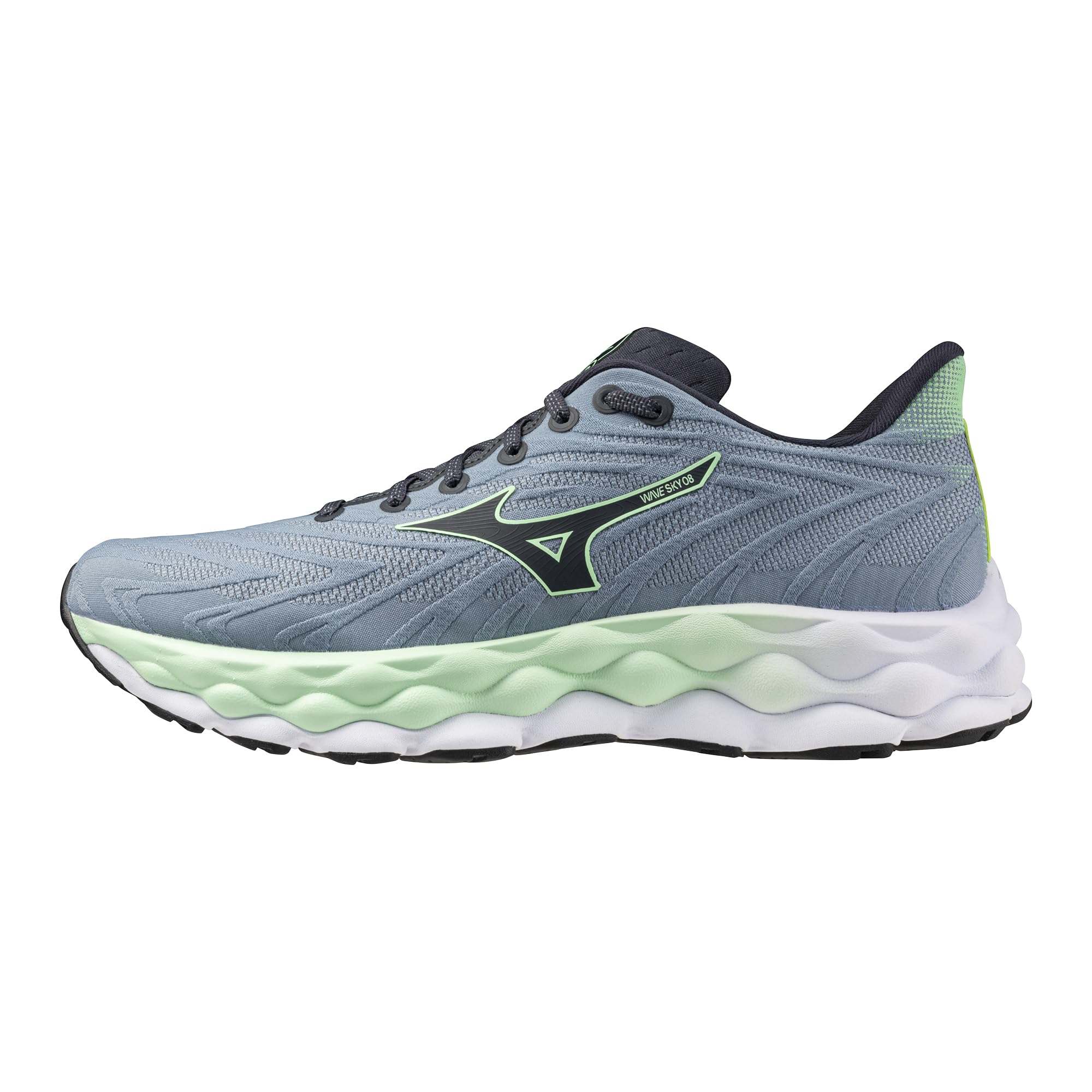
The Mizuno Wave Sky 8 uses a unique approach to cushioning by blending the signature Wave Plate with a soft XPOP midsole. This creates a responsive yet forgiving ride that effectively absorbs the ground reaction forces that trigger metatarsal pain. The Wave Plate also adds a subtle stability element, guiding the foot without being restrictive.
Multiple reviewers report life-changing joint pain reduction, with one noting a 90% decrease within a week. The shoe feels incredibly light on foot despite its generous cushioning, and a true-to-size fit eliminates unnecessary pressure points. The upper is well-constructed and supportive, locking the heel in place without constricting the forefoot.
Where the Wave Sky 8 truly excels is for users who need a shoe that can handle both road running and all-day wear. The cushioning is plush enough for high mileage but firm enough for stability. It is an exceptional choice for the user willing to invest in top-tier joint and metatarsal protection.
Why it’s great
- Wave Plate provides exceptional shock absorption
- Very lightweight for a max-cushion trainer
- Stable platform works well with custom orthotics
Good to know
- Cushioning can feel less supportive for heavy runners on uneven terrain
- Not specifically marketed with a metatarsal pad
3. ABEO MXV Shift Women’s Metatarsal Footbed Shoes

Of all the shoes on this list, the ABEO MXV Shift is the only one specifically engineered with a dedicated metatarsal footbed. This built-in design places a gentle lift just behind the metatarsal heads, physically offloading the painful area with every step. This is not an incidental feature; it is the shoe’s primary purpose, making it a top contender for direct symptom management.
Users rave about the roomy toe box and non-slip outsole, with one reviewer noting she wore them non-stop on a trip to England and Ireland with zero issues. The cushioning under the forefoot is impact-reducing and the sizing is accurate. The shoe provides a stable, supportive base for walking and light running, directly addressing ball-of-foot pain.
While the targeted metatarsal support is excellent, some users with bunions have found the design can create friction over extended wear. The effectiveness of the metatarsal dome is also position-dependent; if your pain point is further forward, you may need to experiment with custom insole configurations. For direct, built-in metatarsal relief, this is a standout choice.
Why it’s great
- Specialized metatarsal footbed for targeted offloading
- Roomier toe box than typical athletic shoes
- Durable construction with excellent non-slip grip
Good to know
- Metatarsal dome position may not suit all foot anatomies
- Can rub on bunions during longer wear periods
4. ABEO MXV Cruise Knit Sneaker

The ABEO MXV Cruise Knit combines the brand’s known metatarsal support philosophy with a flexible, breathable knit upper. This makes it an excellent option for those who find traditional leather or mesh shoes too rigid. The knit material adapts to foot volume changes throughout the day, reducing the chance of pressure points on the metatarsal area.
Multiple reviews highlight its longevity and comfort for problem feet, including cases of Morton’s neuroma and bunions. One user reported wearing a pair for a full year with consistent performance. The arch support is notably strong, and the lightweight nature of the shoe makes it ideal for travel or long days where foot fatigue is a concern.
Potential downsides include a narrower fit that requires loosening the laces for some, and a reported issue with the tongue curling or heel rubbing for a minority of users. Those with very wide feet may find the knit stretches but still feels snug. For a balanced mix of support, breathability, and proven metatarsal-friendly design, this is a smart mid-range option.
Why it’s great
- Breathable knit upper flexes with foot movement
- Strong arch support complements metatarsal relief
- Proven durability over a full year of daily wear
Good to know
- Fit is slightly narrow, may require lacing adjustments
- Some reports of tongue or heel irritation without socks
5. ALTRA Men’s FWD VIA
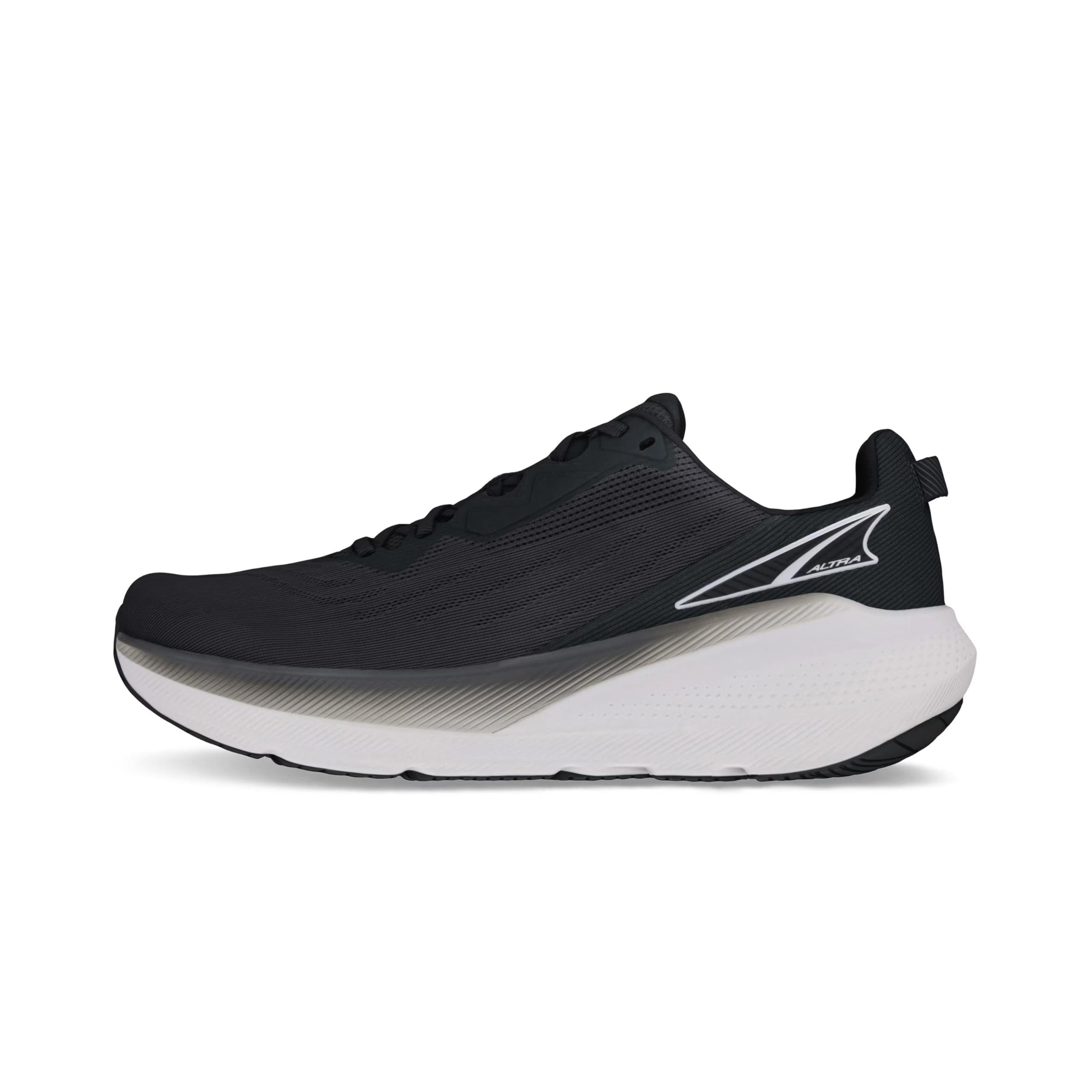
The ALTRA FWD VIA is built on the brand’s renowned FootShape toe box, which allows the toes to splay naturally, reducing the crowding that can exacerbate metatarsalgia. This model also features a 0mm drop, which promotes a mid-foot strike and can significantly reduce the pressure on the metatarsal heads that comes with a pronounced heel-to-toe transition.
Users switching from Hoka Bondi praise the rocker design for effectively reducing ball-of-foot pressure. The cushioning is robust, with a 30mm stack height that provides ample shock absorption. Several reviewers note the excellent arch support and stability, and one user specifically bought multiple colors after their first pair performed so well. The fit is true to size, with a slightly generous volume.
The zero-drop geometry is not for everyone; if you are accustomed to a significant heel lift, transitioning may require a gradual adjustment period. Additionally, while the toe box is wide in the toe area, the midfoot is snug, so those with very wide midfoot needs should test the fit. It remains a top-tier choice for those seeking a natural foot position with proper forefoot protection.
Why it’s great
- FootShape toe box allows natural toe splay
- Zero drop reduces heel-strike impact on forefoot
- Excellent rocker design offloading metatarsals
Good to know
- Zero drop requires a gait adjustment period
- Midfoot may feel snug for very wide feet
6. Topo Athletic Men’s Atmos

Topo Athletic’s Atmos is a masterclass in balancing a wide, anatomical toe box with a supportive, low-drop platform. The 5mm drop encourages a natural gait without the abrupt transition of a zero-drop shoe. Combined with the ZipFoam midsole, which offers a firm-yet-soft cushion feel, the Atmos provides a stable base that does not collapse under the forefoot.
A reviewer with metatarsal-related issues called the Atmos “vacation for troubled feet,” noting it resolved pain from collapsed arches and hammertoe without needing orthotics. The upper is breathable, and the standard width accommodates wider feet well. The rocker shape is subtle but effective, providing assisted momentum that takes pressure off the ball of the foot during push-off.
The main durability concern comes from reports of the upper’s coating peeling on non-orange colorways after a few weeks. The fit and comfort remain excellent throughout, but the cosmetic failure is worth noting for those who prioritize long-term aesthetics. For a comfortable, wide, and supportive shoe that directly addresses forefoot pain, the Atmos is a fantastic mid-range option.
Why it’s great
- Anatomical toe box prevents forefoot crowding
- ZipFoam cushion offers responsive, non-mushy support
- Low drop promotes healthier gait mechanics
Good to know
- Upper coating on some colors is prone to peeling
- Breathability could be improved for warmer climates
7. ASICS Women’s Gel-Cumulus 27
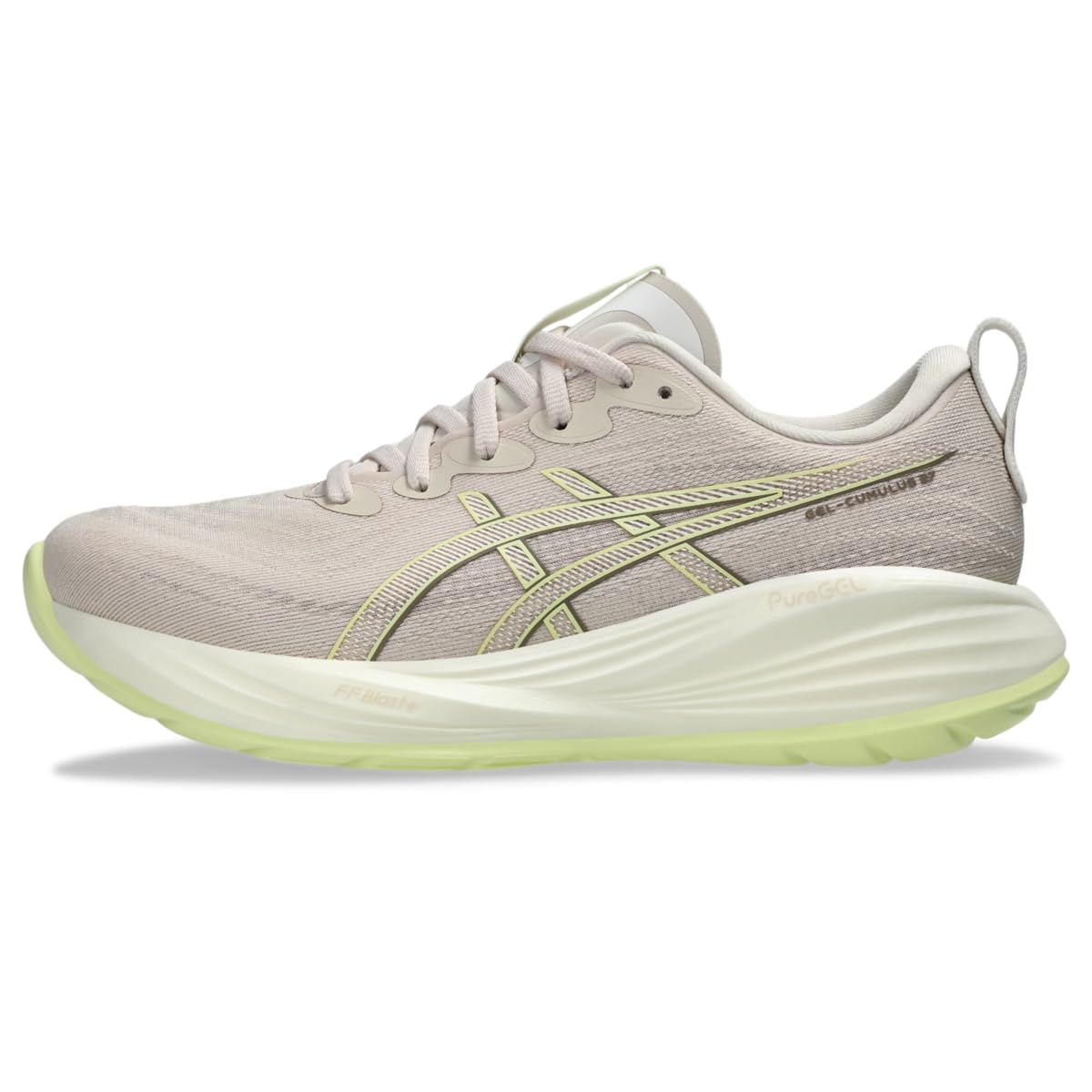
The ASICS Gel-Cumulus 27 is a classic, reliable neutral trainer that is often recommended by healthcare providers for conditions like Morton’s neuroma and general forefoot alignment issues. The rearfoot and forefoot Gel technology units provide targeted shock absorption right where it is needed most, helping to dampen the impact that can aggravate the metatarsal heads.
Users report that the shoe is comfortable and supportive, with one reviewer noting it was a doctor-recommended choice. The medium-level cushioning is supportive without being overly springy, making it suitable for daily walks and gym sessions. The lightweight build and high-quality laces add to the overall positive user experience.
The primary critique for metatarsalgia sufferers is the toe box, which multiple users describe as small or tight, particularly for longer runs. This can compress the forefoot, potentially counteracting the benefits of the gel cushioning. It remains a good option for those with narrow feet or for use with custom orthotics that provide the necessary forefoot width.
Why it’s great
- Forefoot Gel provides direct impact absorption
- Doctor-recommended for neuroma and alignment
- Lightweight construction with high build quality
Good to know
- Toe box is small, can compress forefoot
- Not ideal for wide feet or long-distance running
8. New Balance Men’s 608 V5

The New Balance 608 V5 is a classic cross trainer built for longevity and support, not for running. Its ABZORB cushioning in the heel and forefoot provides reliable shock absorption that is ideal for standing or walking on hard surfaces like concrete. The genuine leather upper and solid stitching ensure the shoe holds its shape, offering consistent support over months of heavy use.
Users spending 20,000 steps a day on concrete report the 608 V5 remains comfortable for over eight hours. The fit is true to size and accommodates normal to slightly wide feet. The shoe is mostly water-repellent and offers good traction, making it a versatile choice for work environments. Its mid-range price point and proven durability make it a solid value for those who need a tough, supportive shoe.
The primary downside for metatarsalgia is the lack of a specialized rocker or metatarsal pad; the cushioning is general rather than targeted. Users requiring specific forefoot offloading will likely need to add a custom orthotic. The shoe also has a heavier feel than many modern athletic shoes. For general support and durability at a strong value, the 608 V5 is hard to beat.
Why it’s great
- Incredibly durable leather construction
- ABZORB cushioning effective for long hours on feet
- Great value for the level of support provided
Good to know
- No rocker or metatarsal-specific design features
- Heavier weight compared to modern runners
9. OrthoComfoot Men’s Wide Trail Running Shoes
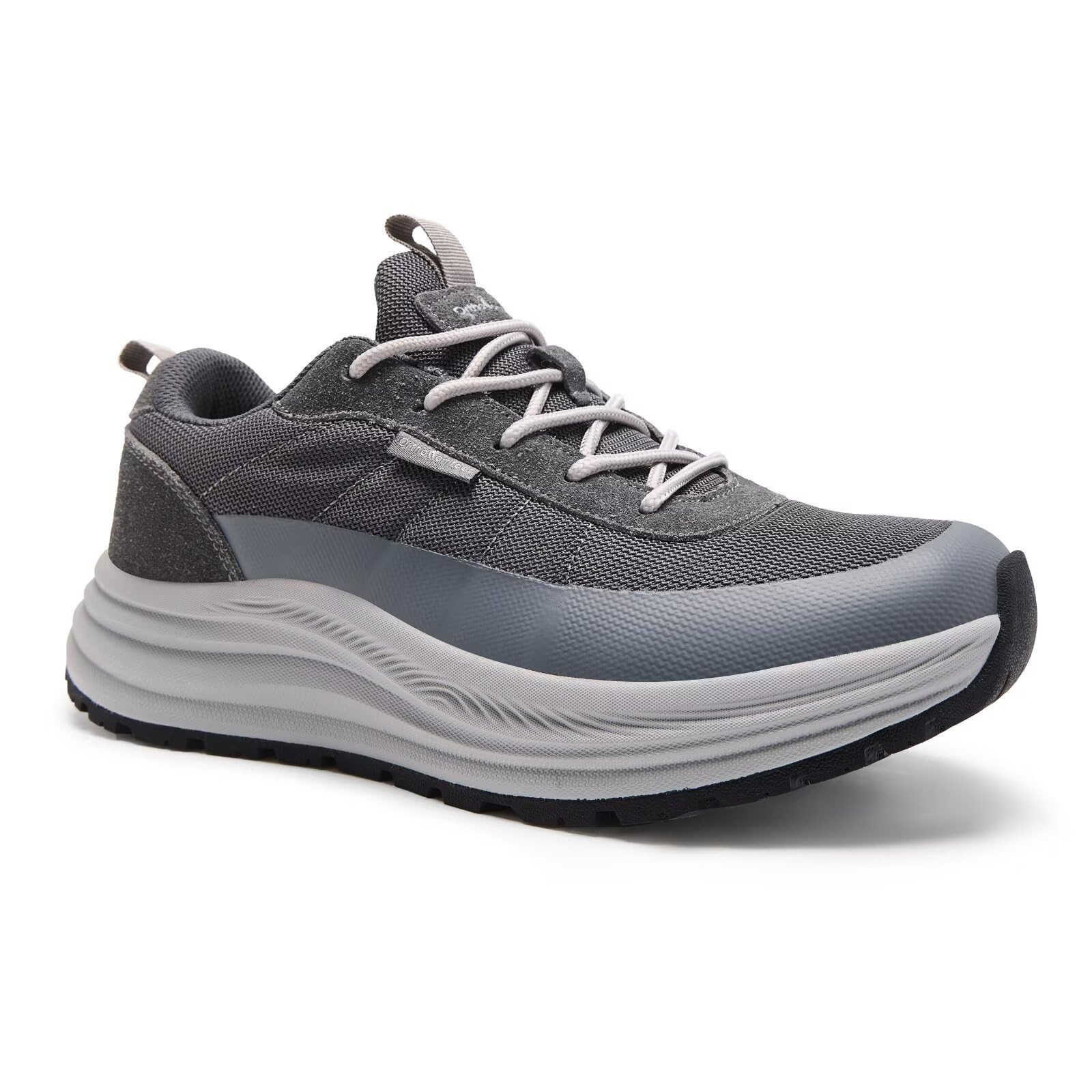
The OrthoComfoot offers an entry-level solution that focuses on aggressive cushioning and support for the price. The one-inch thick, highly cushioned sole provides a soft landing that can help take the edge off metatarsal impact. The inclusion of two sets of arch supports allows for some customization of the level of support, with the higher set providing more pronounced lift.
Users with plantar fasciitis report pain-free walking after a proper break-in period. The shoe runs small, so sizing up is critical, and it is best suited for lighter walking and hiking rather than high-impact running. The value proposition is strong for those on a budget who need immediate, noticeable cushioning underfoot.
The design is not refined; reviews mention poor ventilation and a sole design that can actually increase foot pain for some foot types during demanding work conditions. The materials and construction feel less premium than the others on this list. For a trial or backup pair to test if extra cushioning helps your metatarsalgia, it is a low-risk starting point, but not a replacement for a properly engineered biomechanical shoe.
Why it’s great
- Very affordable entry into cushioned footwear
- Comes with two levels of arch support
- Highly cushioned sole absorbs impact
Good to know
- Runs small, must order up a size
- Poor ventilation and questionable durability
- Sole design can aggravate pain for some foot types
FAQ
Is a wide toe box essential for metatarsalgia?
Can a rocker sole completely cure my metatarsalgia?
Should I buy a shoe with a built-in metatarsal pad or use an insert?
Final Thoughts: The Verdict
For most users, the athletic shoes for metatarsalgia winner is the Brooks Glycerin Max because it combines the highest level of forefoot cushioning with a smooth rocker profile and a secure, roomy fit that eliminates pain during impact. If you want targeted, built-in metatarsal support that directly offloads the ball of the foot without needing an orthotic, grab the ABEO MXV Shift. And for a zero-drop, natural foot position that allows your toes to spread and your strike to be more forgiving on the forefoot, nothing beats the ALTRA FWD VIA.